Main beach
First-timersBars, restaurants and the sea on your doorstep.

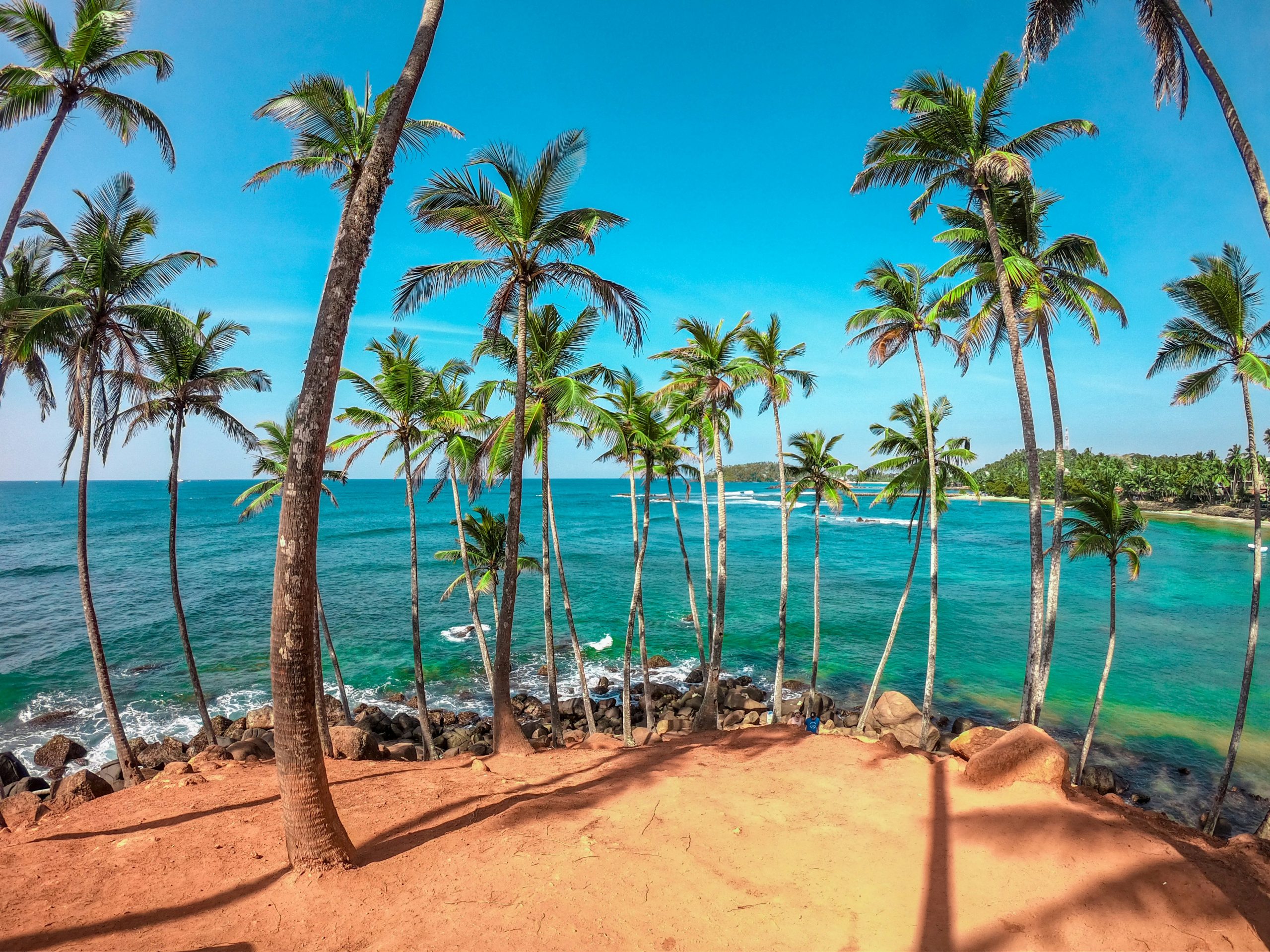
A curved beach on the south coast with whale watching from November to April, a palm-covered hill at one end, surf breaks along the coast and beach parties at night.
Mirissa is a small beach town on Sri Lanka's south coast, with a crescent of sand, palm trees and a lively traveller scene. From November to April, whale-watching boats leave its harbour to look for blue whales, which feed off the southern tip of the island.
Nearby, Weligama has gentle waves for learning to surf, and Hiriketiya, a small horseshoe bay to the east, is the surfers' favourite.
Three days is right.
Stay along the main beach for the bars, restaurants and the sea on your doorstep, or on the lanes behind it for cheaper and quieter rooms. Weligama, ten minutes west, is the place to stay if you want to learn to surf.
Bars, restaurants and the sea on your doorstep.
A long, gentle surf beach with dozens of schools, 10 minutes west.
Orange labels are neighbourhoods, dots are the 7 top-rated hostels. Map data from OpenStreetMap contributors.
Whale watching is the big draw from November to April, when blue whales, the largest animals on Earth, feed off the southern tip of the island. Boats leave the harbour at around half past six and return before noon. Sightings are frequent in season but never guaranteed, and the sea can be rough; take seasickness tablets if you need them. Choose an operator that keeps its distance from the whales and limits the number of boats around them.
On land, climb Coconut Tree Hill, a headland of palms over the sea, for sunset, and walk to Secret Beach, a small cove a short walk over the headland from the main beach. Parrot Rock, just off the beach, can be climbed at low tide for a view along the bay.
Mirissa itself has a reef break for experienced surfers. Beginners should go to Weligama, ten minutes away, whose long, gentle beach is one of the best places in Asia to learn, with dozens of surf schools.
Hiriketiya, a horseshoe bay about forty minutes east, is worth a day.
The beach, Coconut Tree Hill and Secret Beach are free, and sunset over the palms is the best free thing in Mirissa.
Parrot Rock is free to climb at low tide. Watching the fishing boats come into the harbour in the morning, with the catch unloaded on the quay, costs nothing.
Every evening in season, restaurants along the beach lay out the day's catch on ice: pick a fish, prawns or lobster, pay by weight, and they grill it for you. Agree the price before they cook.
Away from the beach, small restaurants on the main road serve rice and curry, kottu and the rotti that Mirissa is known for, with sweet and savoury fillings. Cafés do smoothie bowls and coffee for the surf crowd.
A meal is €3 to €8, more for a seafood grill.
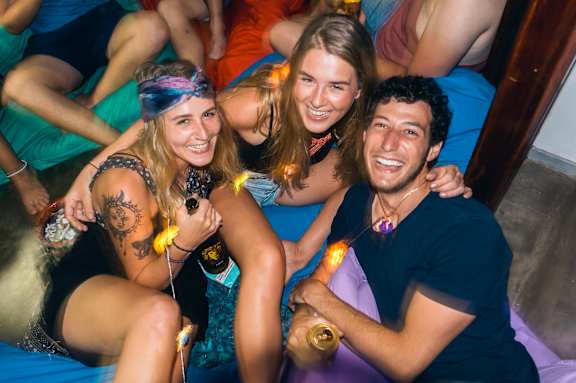
Mirissa has the liveliest beach nights on the south coast in season. Bars along the sand put out tables and fire shows, and several host weekly beach parties that go on late.
Weligama, next door, has a growing surf-bar scene. Out of season, from May to October, many bars close.
A beer is €2.50 to €4. Every full-moon day is a Poya holiday, when alcohol sales are banned and most bars close or serve only quietly; check the calendar before planning a night out.
Mirissa is small enough to walk; tuk-tuks run to Weligama, Hiriketiya and the hills.
The coastal train stops at Weligama, ten minutes away, and continues to Matara; trains to Colombo take three to four hours, along the sea. Buses run along the coast road to Galle, about an hour, and express buses via the Southern Expressway reach Colombo in about two and a half hours.
A private car to Ella takes about four hours, the usual way into the hill country from here.
Mirissa is mid-priced, and prices rise in the high season. Dorms start around €8 and a careful day is €20 to €35.
Whale watching is the main extra, roughly €35 to €60 depending on the operator and what is included. A surf lesson in Weligama is around €15 to €25, and a board for a day less. A seafood grill dinner costs more than rice and curry, so check prices before ordering.
The currency is the Sri Lankan rupee (LKR); prices here are euro equivalents. There are ATMs on the main road.
Mirissa is safe, but the sea needs respect. From May to October the south coast faces rough monsoon seas and strong rip currents; swim only where it is calm and never past red flags. Even in season, the surf break at Mirissa is over shallow reef.
Whale-watching boats can be crowded and rough; choose one with life jackets for everyone.
Women walking alone on the dark beach late at night have had unwanted attention; walk back with others.
Emergency: 119 police, 1990 ambulance (Suwa Seriya, free). Tourist Police: 1912.
Surf, whales and quieter bays along the south coast.
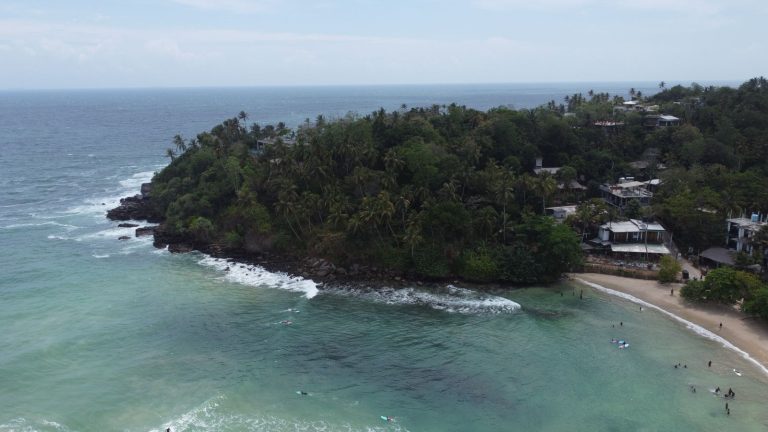
A horseshoe surf bay with a relaxed café scene.
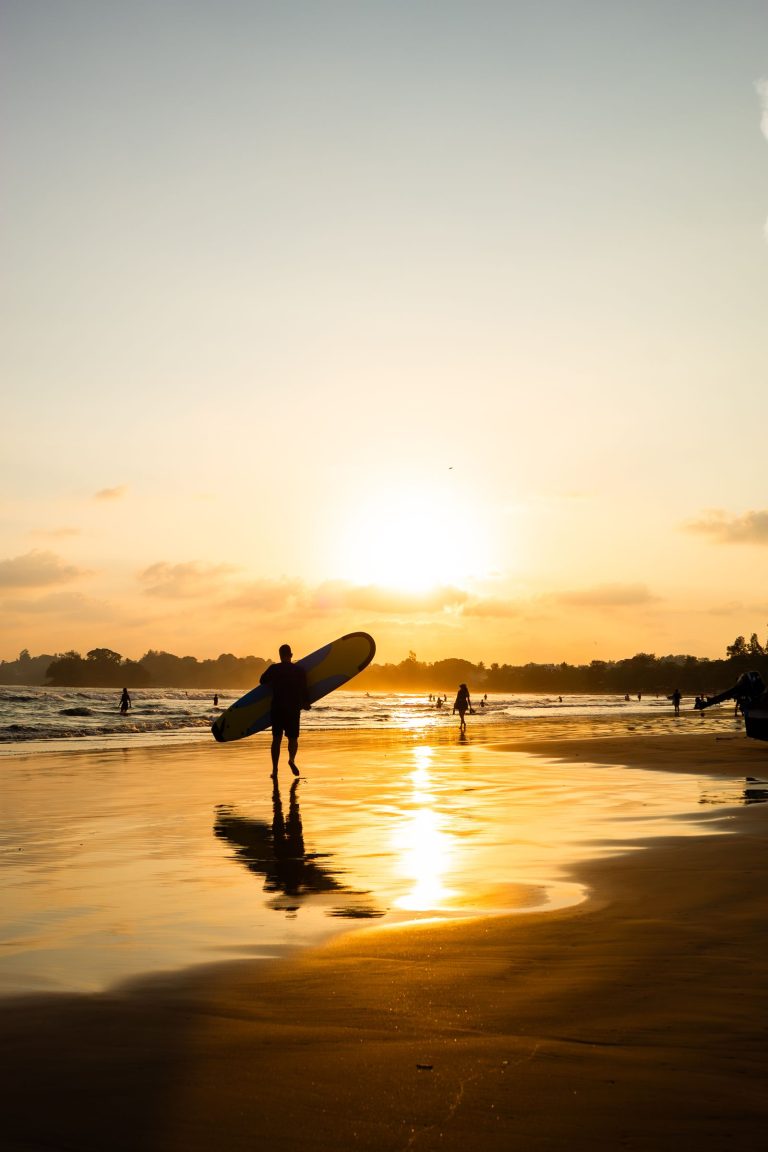
One of the best beaches in Asia for learning to surf.
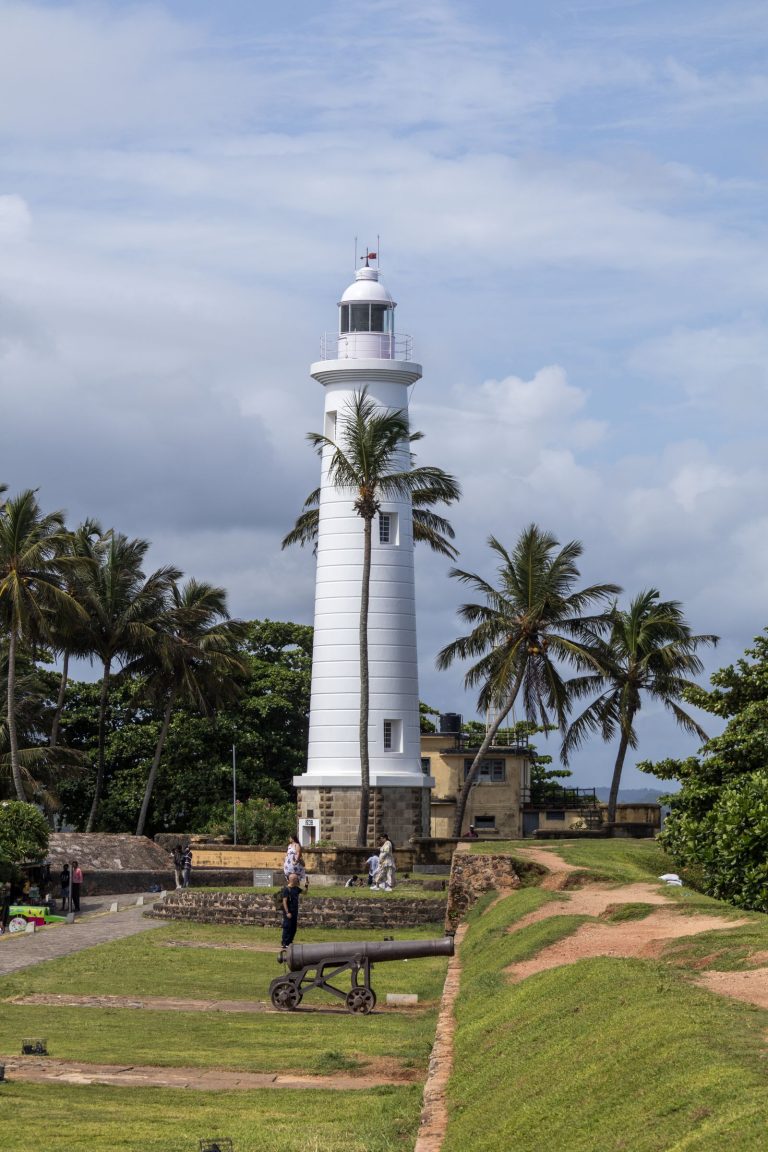
The Dutch fort and its ramparts at sunset.
Whale season runs from November to April.
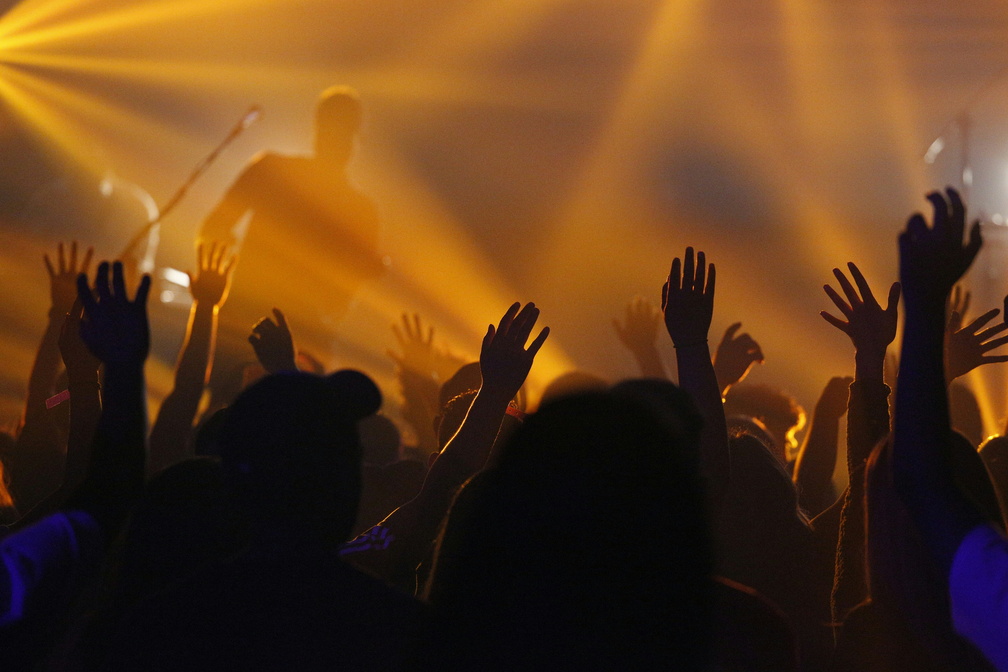
A Maldivian brand brings its first international music festival to the beaches of Mirissa, marking a cultural bridge between two island nations. The one-day…
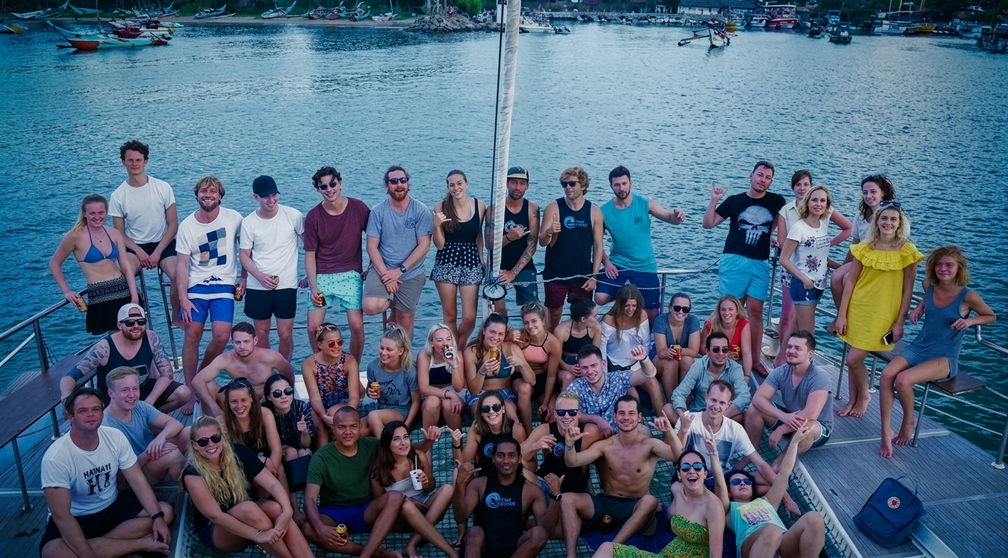
A weekly yacht party departing from Mirissa, featuring DJs, dancing, swimming, and a cruise along Sri Lanka’s southern coastline. Music ranges from hip-hop and…
The top-rated places to stay in Mirissa right now, live from Hostelworld.
 Sustainable
November to April is the season.
Average highs.
Pick how you travel. Per person per night, in euros.
Prices are in rupees locally; these are euro equivalents. Excludes whale watching.
The ones we get asked most.

Compare Mirissa hostels — live prices, real reviews and free cancellation on most bookings. Then meet the people already there in the app.

 Get the App.
 Get the App.