New town
First-timersGuesthouses and restaurants, a short cycle from the ruins.

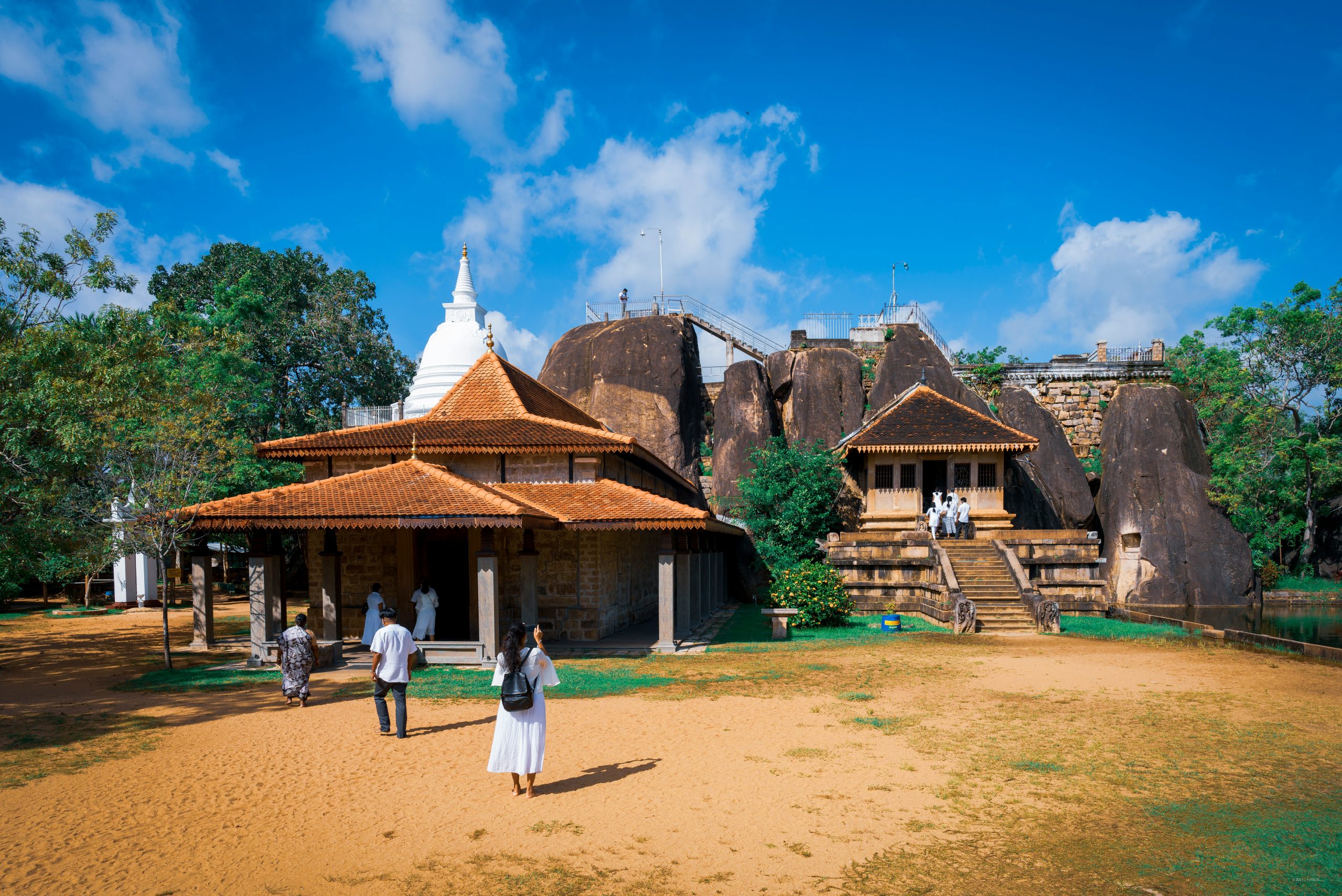
Sri Lanka's first great capital: vast brick dagobas, ruined monasteries and a sacred fig tree grown from the tree under which the Buddha found enlightenment, explored by bicycle.
Anuradhapura was the capital of Sri Lanka for over a thousand years, from the fourth century BCE, and one of the great cities of the ancient world. Its ruins, spread across the dry northern plain, include some of the largest brick structures ever built. It is a UNESCO World Heritage Site.
At its heart is the Sri Maha Bodhi, a sacred fig grown from a cutting of the tree under which the Buddha found enlightenment, planted over two thousand years ago.
Two days is right.
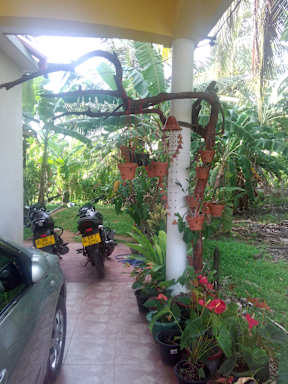
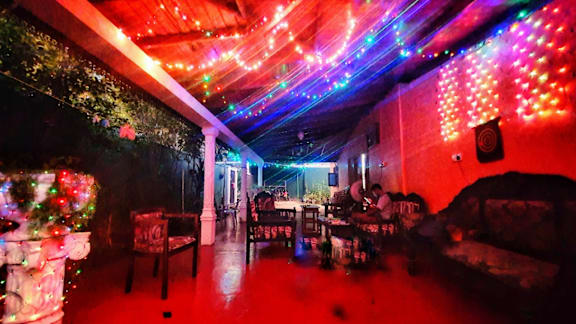
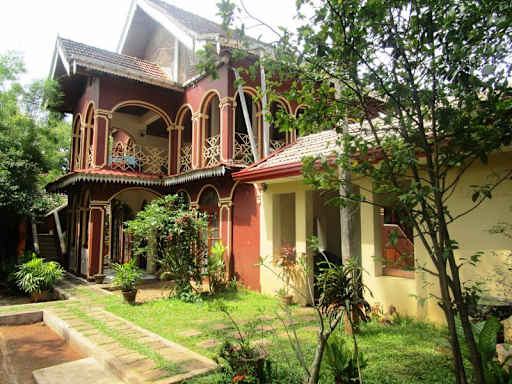
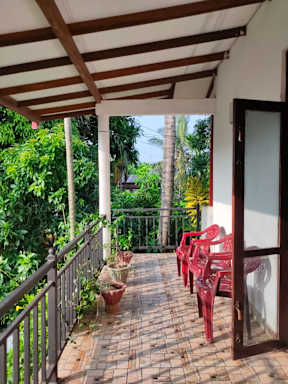
Guesthouses are in the new town, south and east of the sacred city, and around Nuwara Wewa, the big reservoir to the east. Anywhere in town is a short cycle from the ruins.
Guesthouses and restaurants, a short cycle from the ruins.
Guesthouses by the ancient reservoir, east of town.
Orange labels are neighbourhoods, dots are the 11 top-rated hostels. Map data from OpenStreetMap contributors.
Start at the Sri Maha Bodhi, the sacred fig grown from a cutting of the tree under which the Buddha found enlightenment, planted in the third century BCE and the oldest historically documented tree in the world. Pilgrims in white bring flowers and chant here from dawn.
The sacred city is too big to walk; hire a bicycle and spend a day riding between the great dagobas. Ruwanwelisaya, gleaming white and surrounded by a wall of carved elephants, is still an active place of worship. Jetavanaramaya, built in the third century, was one of the tallest structures in the ancient world and is still among the largest brick buildings ever made. Abhayagiri, in the forest to the north, was a monastery for thousands of monks. Look out for the carved moonstones at the foot of temple steps, the Samadhi Buddha in meditation, and the Kuttam Pokuna, a pair of stone bathing pools.
Isurumuniya, a rock temple by a pond, has the famous carving of the Lovers.
Mihintale, about thirty minutes away, is the hill where Buddhism arrived in Sri Lanka in the third century BCE. Climb its stone stairway early, before the rock gets too hot for bare feet.
The Sri Maha Bodhi and the surrounding temple area are free to visit, and the town around them is free to explore.
The embankment of Nuwara Wewa, the ancient reservoir to the east, is a good free sunset walk. Some smaller temples outside the ticketed zone are also free; give a small donation where there is a box.
Anuradhapura eats simply. Rice and curry in local restaurants in the new town, kottu at night and fresh fruit from the market are the staples. Buffalo curd with kithul palm treacle, a sweet, sharp dessert, is sold at roadside stalls in the region.
There are few tourist restaurants, and many guesthouses cook dinner if you ask.
A meal is €2 to €5.
Anuradhapura has no nightlife; it is a sacred city and very quiet after dark. A few hotel restaurants serve beer.
On full-moon days, the sacred city fills with pilgrims in white, which is the most atmospheric time to be here, but alcohol is not sold.
A beer is €2.50 to €4. Every full-moon day is a Poya holiday, when alcohol sales are banned and most bars close or serve only quietly; check the calendar before planning a night out.
Trains from Colombo currently stop at Maho, short of Anuradhapura, while cyclone damage on the northern line is repaired; buses reach Colombo in about five hours.
Buses run to Dambulla and Sigiriya (about two hours), Kandy (about three and a half) and Trincomalee.
In the sacred city, rent a bicycle from your guesthouse, or hire a tuk-tuk for the day; distances between the dagobas are several kilometres.
Anuradhapura is cheap, apart from the site ticket. A careful day is €15 to €25.
The Sacred City ticket is USD 30 for foreign adults and covers the main monastery zones, including Jetavanaramaya and Abhayagiri; the Sri Maha Bodhi is free. Mihintale and Isurumuniya charge small separate fees. A bicycle is a few euros a day.
The currency is the Sri Lankan rupee (LKR); prices here are euro equivalents. Dollar prices are paid in rupees at the day's rate.
Anuradhapura is safe. The heat is the main hazard: start early, carry water, and take a break at midday.
The ruins are active places of worship. Cover shoulders and knees, remove shoes and hats at every temple and dagoba, and never pose with your back to a Buddha statue. Stone paving gets very hot by midday, so carry socks.
Emergency: 119 police, 1990 ambulance (Suwa Seriya, free). Tourist Police: 1912.
Where Buddhism arrived, the rock fortress and a quieter leopard park.
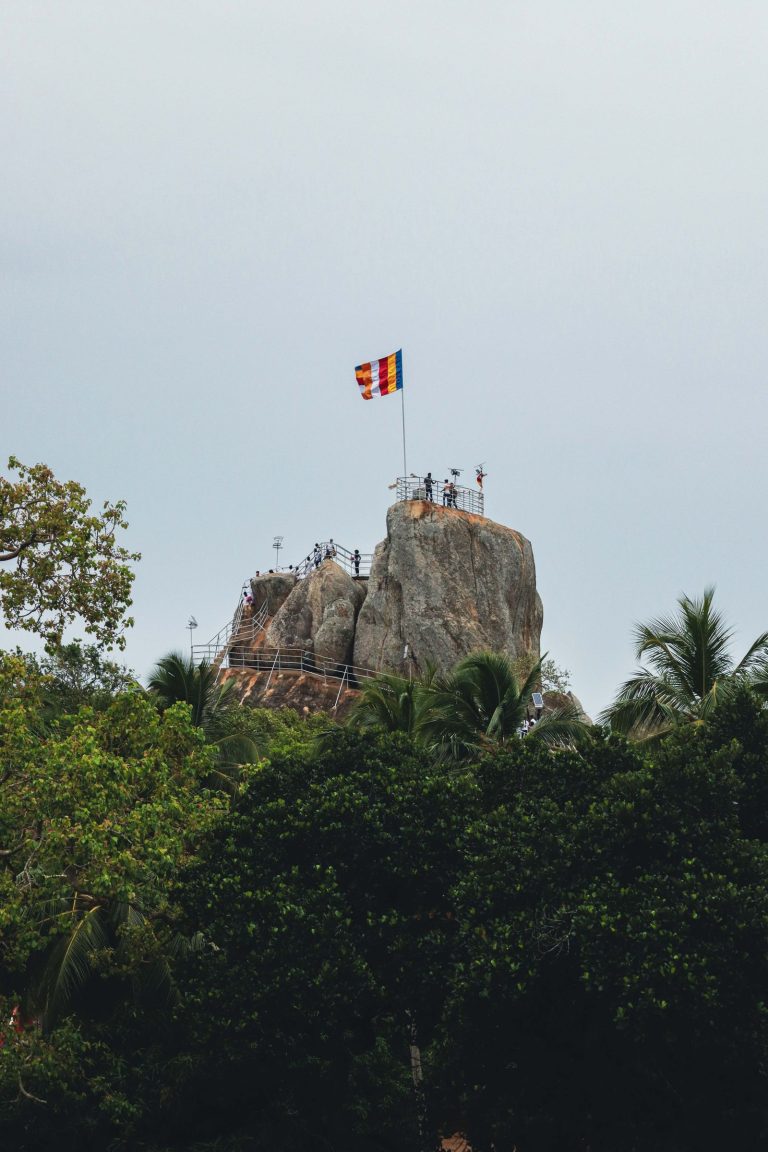
The hill where Buddhism came to Sri Lanka, up a long stone stairway.
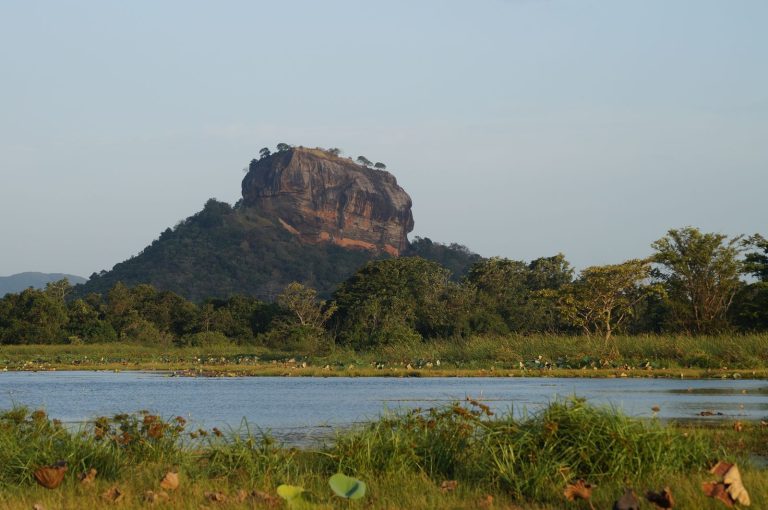
The rock fortress and the Cultural Triangle.
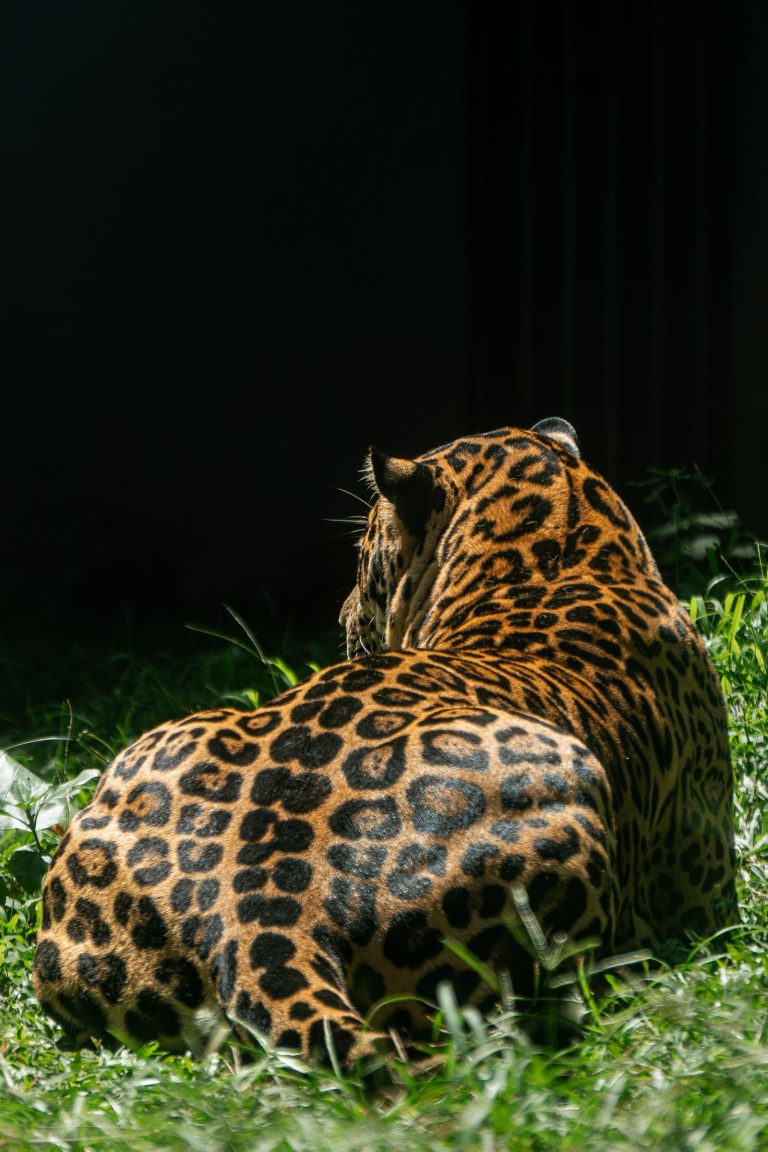
Sri Lanka's largest national park: leopards and sloth bears, with far fewer jeeps than Yala.
Poson, in June, brings pilgrims to Mihintale.
Pilgrims celebrate the arrival of Buddhism.
Pilgrims in white.
The top-rated places to stay in Anuradhapura right now, live from Hostelworld.
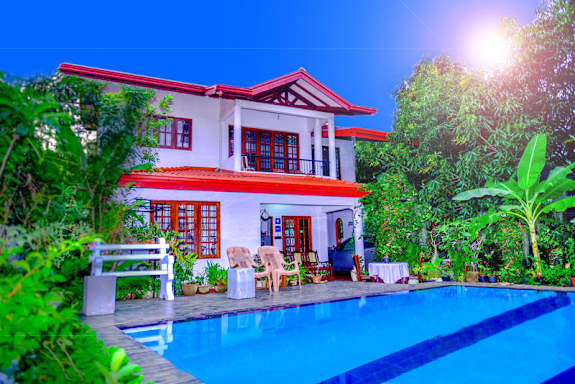
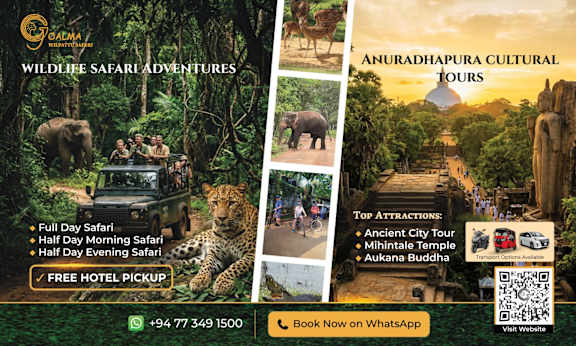 Sustainable
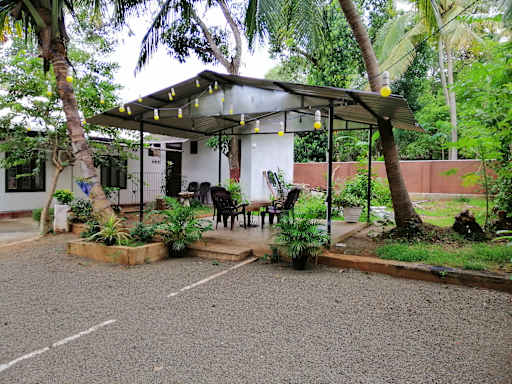
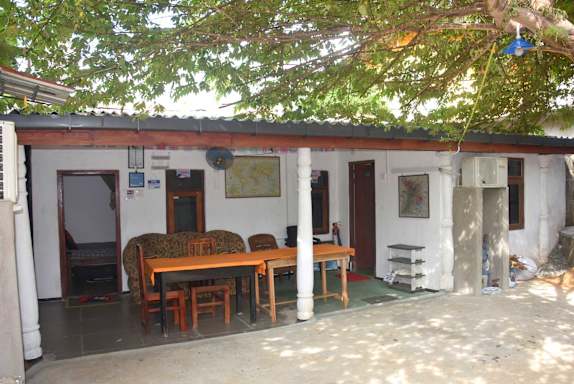 Sustainable
 Sustainable
 Sustainable
January to September.
Average highs.
Pick how you travel. Per person per night, in euros.
Prices are in rupees locally; these are euro equivalents. Excludes the site ticket.
The ones we get asked most.

Compare Anuradhapura hostels — live prices, real reviews and free cancellation on most bookings. Then meet the people already there in the app.

 Get the App.
 Get the App.