South bank
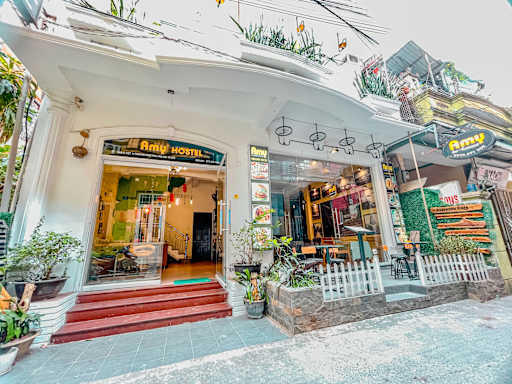
BackpackersHostels, bars and cafés near the river.

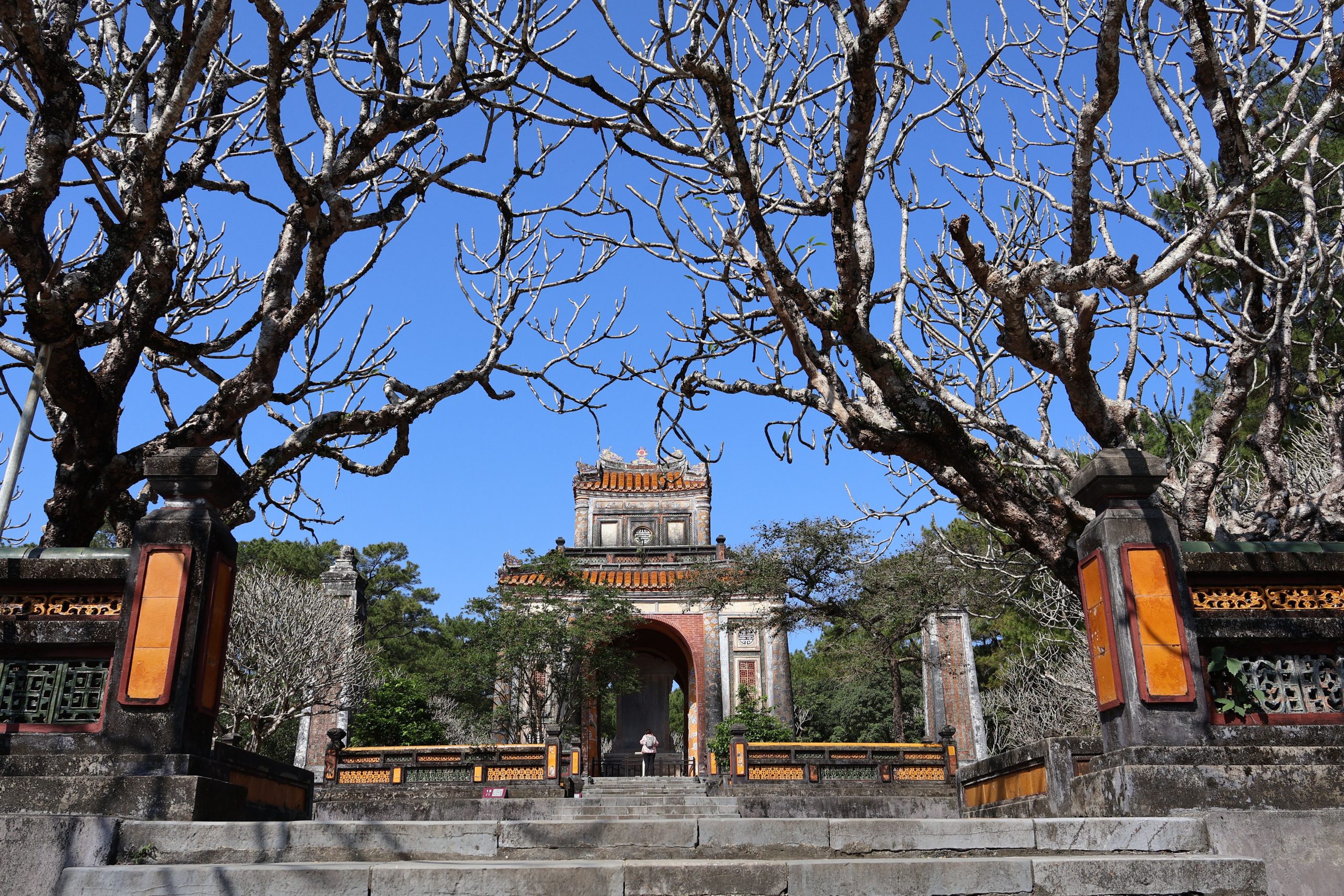
The old imperial capital on the Perfume River: a walled citadel with a Forbidden City, royal tombs in the hills, and the most refined and spicy food in Vietnam.
Hue was the capital of Vietnam under the Nguyen dynasty from 1802 to 1945, and the emperors built a vast walled citadel on the Perfume River, modelled on Beijing's Forbidden City, with their tombs in the green hills around it. The complex is a UNESCO World Heritage Site.
Much of the citadel was destroyed in the war in 1968, and it is still being restored.
Hue is also the start of the Hai Van Pass, one of the most famous roads in Vietnam. Two days is right.
Most travellers stay on the south bank of the Perfume River, around Pham Ngu Lao and Vo Thi Sau streets, close to the bars and cafés. The Citadel, on the north bank, is quieter and puts you inside the old imperial city.
Hostels, bars and cafés near the river.
Quieter, inside the walls of the old imperial city.
Orange labels are neighbourhoods, dots are the 12 top-rated hostels. Map data from OpenStreetMap contributors.
Hue was Vietnam's capital under the Nguyen dynasty from 1802 to 1945, and its monuments are a UNESCO World Heritage Site. The Imperial City, inside the vast walled Citadel on the north bank, held the emperors' palaces, temples and the Forbidden Purple City. Much was destroyed in the war, especially in 1968, but restoration has brought back halls, gates and gardens. Allow half a day.
The royal tombs lie in the hills south of the city, each designed by its emperor: Minh Mang's is formal and symmetrical among lakes and pines, Tu Duc's a romantic garden where he wrote poetry, and Khai Dinh's an extravagant mix of European and Vietnamese styles, covered in mosaics of glass and porcelain. Visit by bicycle, scooter or boat along the Perfume River.
Thien Mu Pagoda, its seven-storey tower above the river, is the city's symbol. A day trip to the DMZ, the old border between North and South Vietnam, includes the Vinh Moc tunnels, where villagers lived underground during the bombing.
Riding the Hai Van Pass between Hue and Hoi An, on a coastal road over the mountains, is one of Vietnam's great journeys.
Thien Mu Pagoda is free, and the walk or ride along the Perfume River to reach it is one of the nicest in the city.
The Citadel's outer walls, moats and gates are free to see, as is Dong Ba Market, the city's biggest. The riverside parks on the south bank are a free evening walk, especially when the bridges are lit.
The Imperial City and the royal tombs all charge entry.
Hue was the imperial capital, and its food reflects it: many small, delicate dishes. Bun bo Hue, a spicy beef and lemongrass noodle soup, is the city's most famous dish. Try the steamed rice cakes, banh beo (little cups with shrimp), banh nam and banh loc, eaten together as a snack.
Banh khoai, a crispy pancake with shrimp and pork, and com hen, rice with baby clams, are local favourites. Hue also has a long tradition of vegetarian Buddhist food.
A meal is €1.50 to €5.
Hue is a quiet city, but the backpacker streets on the south bank, around Pham Ngu Lao, have bars and cafés that stay busy in the evenings.
The riverside walking street and the night market along the bank are lively after dark, and dragon boats take visitors along the Perfume River with traditional music.
A beer is €1 to €2.
Phu Bai Airport is about 30 minutes from the centre. Hue station is on the main north–south railway, with trains to Hanoi and to Da Nang, about two and a half hours along the coast through the Hai Van Pass.
The city is easy by bicycle, and Grab works well. Rent a scooter or bicycle for the tombs, or take a boat up the Perfume River.
Buses run to Da Nang and Hoi An; easy riders take the Hai Van Pass by motorbike. Sleeper buses run north to Phong Nha.
Hue is cheap. Dorms start around €5 and a careful day is €18 to €28.
The Imperial City is the biggest ticket, several euros, and each major tomb charges a few euros more; combined tickets save money if you visit several. A bowl of bun bo Hue is €1.50 to €2.50.
The currency is the Vietnamese dong (VND); prices here are euro equivalents, at roughly 30,000 VND to the euro. There are ATMs on the south bank.
Hue is safe. Cyclo and boat drivers can be persistent; agree the price and route before you set off.
From October to December, heavy rain can flood the city, sometimes badly; check forecasts, as roads and the railway can close.
On the Hai Van Pass, ride carefully or go with an easy rider: the road is steep and winding, and the weather changes at the top.
Emergency: 113 police, 115 ambulance, 114 fire.
Emperors' tombs, the old border and the great coast road.
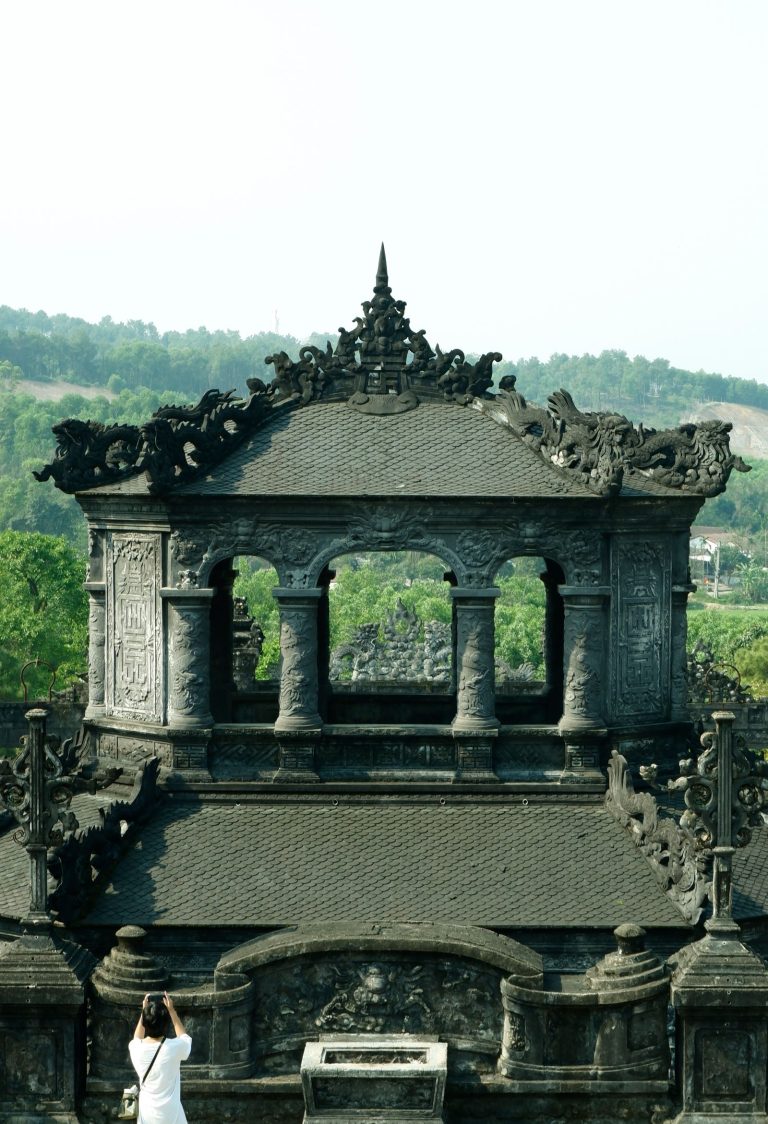
Three emperors' tombs in the hills, each in its own style.
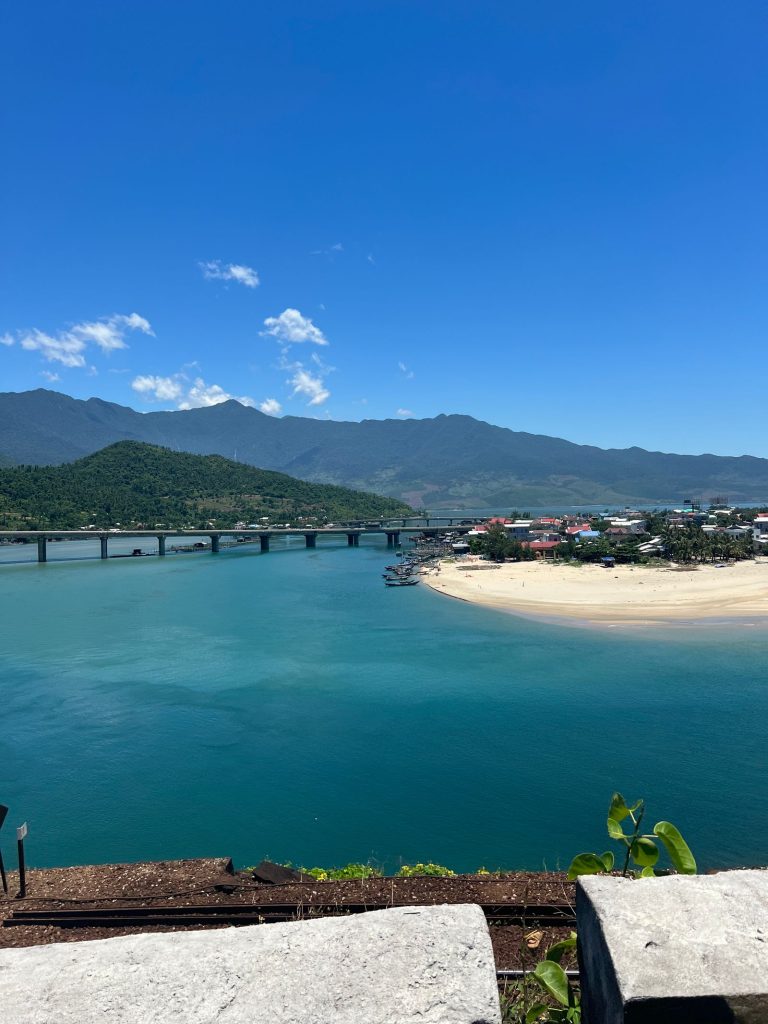
The mountain coast road to Da Nang and Hoi An.
The Hue Festival brings performances to the citadel.
Performances and ceremonies.
The lunar new year.
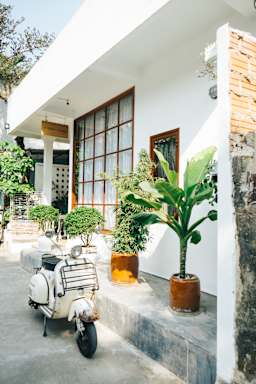
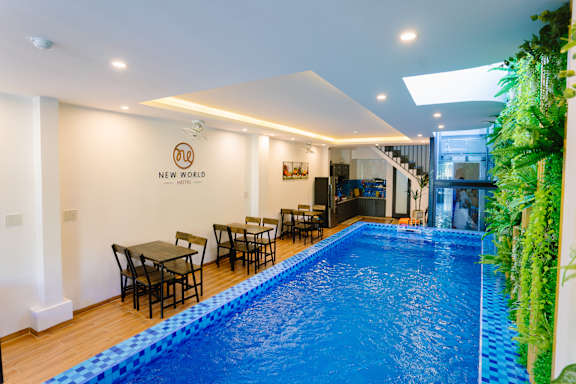
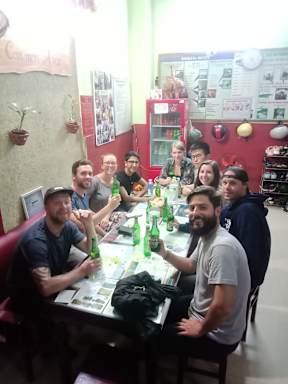
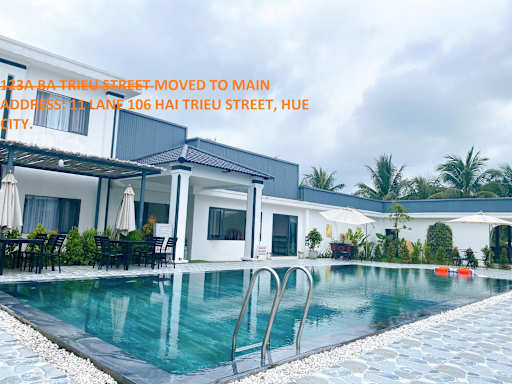
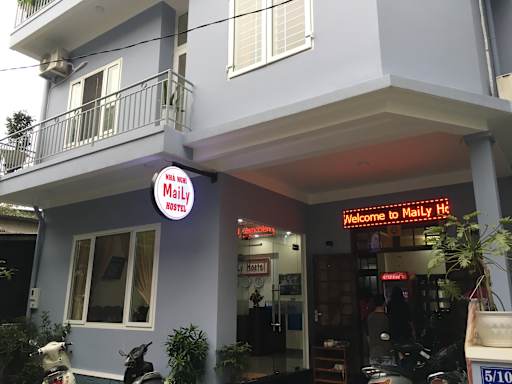
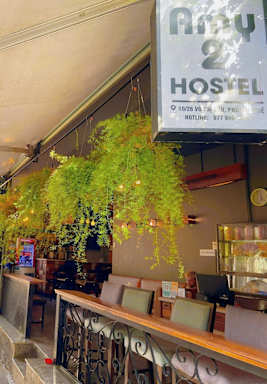
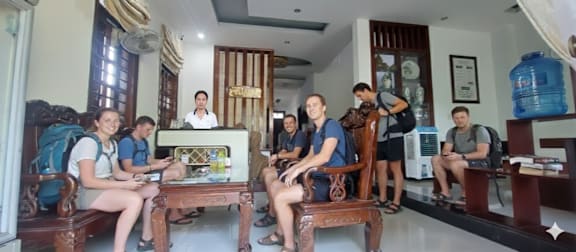
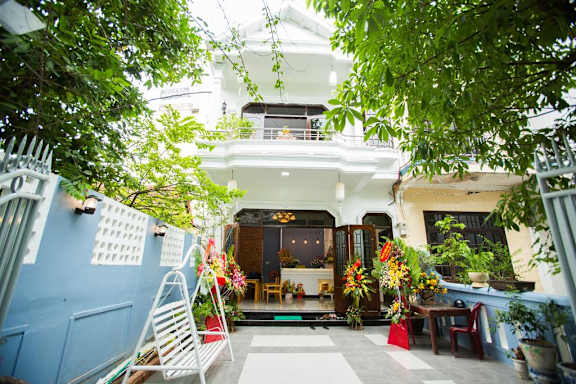
The top-rated places to stay in Hue right now, live from Hostelworld.
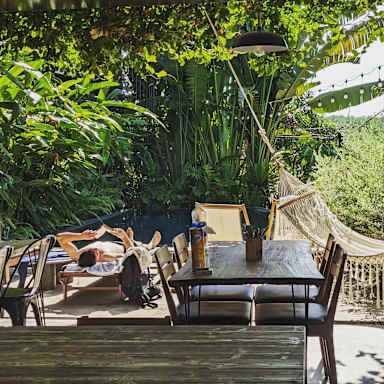
 Sustainable
 Sustainable
February to April. The rainy season runs from September to December.
Average highs.
Pick how you travel. Per person per night, in euros.
Prices are in dong locally; these are euro equivalents.
The ones we get asked most.

Compare Hue hostels — live prices, real reviews and free cancellation on most bookings. Then meet the people already there in the app.

 Get the App.
 Get the App.