Hanoi
133 hostels · dorms from €4
The capital: a dense old quarter, lakes, street food on plastic stools and the best coffee culture in Asia.

Over three thousand kilometres of coast, two deltas, mountains in the north, and the cheapest good food in Asia. The classic overland trip, done north to south or the other way round.
Vietnam is 1,650km from top to bottom and narrow enough in the middle to cross in an hour, which is why almost everyone travels its length rather than basing themselves in one place. The standard route runs Hanoi, Ha Long or Ninh Binh, Hue, Hoi An, Da Nang, then Nha Trang or Da Lat and finishes in Ho Chi Minh City, or exactly the reverse.
The country changes as you go. Hanoi in the north is older, tighter and cooler, with a proper winter. Hue and Hoi An in the centre are imperial and lantern-lit. Ho Chi Minh City in the south is bigger, hotter, louder and more commercial, and the Mekong Delta below it is another country again.
That length also means there is no single best season — the north, centre and south have different weather at the same time, which is the one thing worth understanding before booking.
The overland route runs the length of the country. Trains, sleeper buses and cheap flights link it.
The capital: a dense old quarter, lakes, street food on plastic stools and the best coffee culture in Asia.
Rice terraces and hill tribe villages in the far north, and trekking between homestays.
The far north: a four-day motorbike loop through limestone mountains that most travellers rate the best thing they did in Vietnam.
Limestone karsts rising out of rice paddies, often called Ha Long Bay on land. Cheaper and quieter than the bay.
The island base for Ha Long and Lan Ha bays, with cheaper boat trips and a national park behind the town.
Caves on a scale that has to be seen, including the largest in the world, in a karst national park near the old DMZ.
The old imperial capital, with a citadel, royal tombs along the river and the country's most distinctive food.
Beaches, the Marble Mountains and the Dragon Bridge, thirty minutes from Hoi An and the flight hub for the centre.
A lantern-lit trading town, tailors, a beach nearby, and the prettiest place in the country.
Cool highland air, French colonial villas, canyoning and the flower and coffee country of the central highlands.
A long city beach, islands offshore, and a Russian-influenced resort scene unlike anywhere else in the country.
Sand dunes beside the sea, kitesurfing wind from November to April, and a fishing village behind the resort strip.
Bigger, hotter and faster than Hanoi, with war history, rooftop bars and the Mekong below it.
The big southern island: beaches, a night market, and a fast-developing resort coast in the Gulf of Thailand.
Vietnam is an overland trip more than a destination, and it does food, coast and mountains equally well.
The cheapest good eating anywhere, and the best coffee in Asia.


Karst mountains, caves and the Ha Giang loop.
Over three thousand kilometres of it, and mostly uncrowded.
Imperial cities, the war, and a French colonial layer on top.
One of the cheapest countries in Asia.
Bia hoi on the pavement, and rooftops in the south.
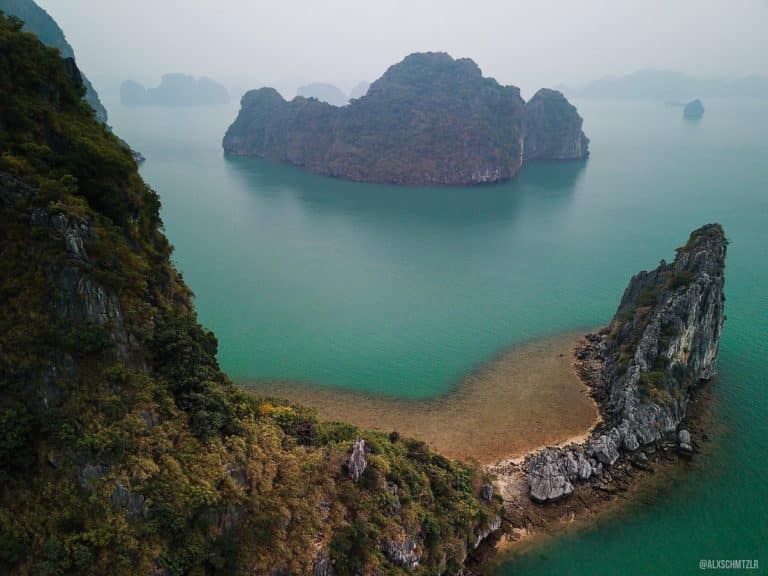
Ha Long Bay is the famous one and it is genuinely spectacular, though heavily trafficked — Lan Ha Bay next door and Ninh Binh inland give you the same limestone karsts with a fraction of the boats.
Hoi An is the town people extend their stay in: lanterns, a river, a beach twenty minutes away by bike, and tailors who will make a suit in two days. It floods in October and November, which is worth knowing.
In the centre, Phong Nha has some of the largest caves in the world and is still underrated. In the far north, the Ha Giang loop — three or four days on a motorbike through mountain passes near the Chinese border, usually with a local rider if you are not confident — has become the most talked-about thing in Vietnamese travel, and it deserves the attention.
Vietnamese food is the reason a lot of people extend their trips. Pho for breakfast costs €1.50 to €2.50 from a street kitchen, banh mi is under a euro, and bun cha in Hanoi — grilled pork in broth with noodles — is worth crossing the city for.
It changes as you travel. The north is subtler and less sweet, the centre around Hue is spicier and more complex, and the south is sweeter with more herbs. Hoi An has its own dishes, cao lau and white rose dumplings, that are only made there.
Coffee is a national institution and a genuine speciality: strong robusta with condensed milk, or egg coffee in Hanoi, which is whipped yolk over coffee and better than it sounds. Bia hoi, fresh draught beer sold on pavement corners, costs about 25 cents a glass.
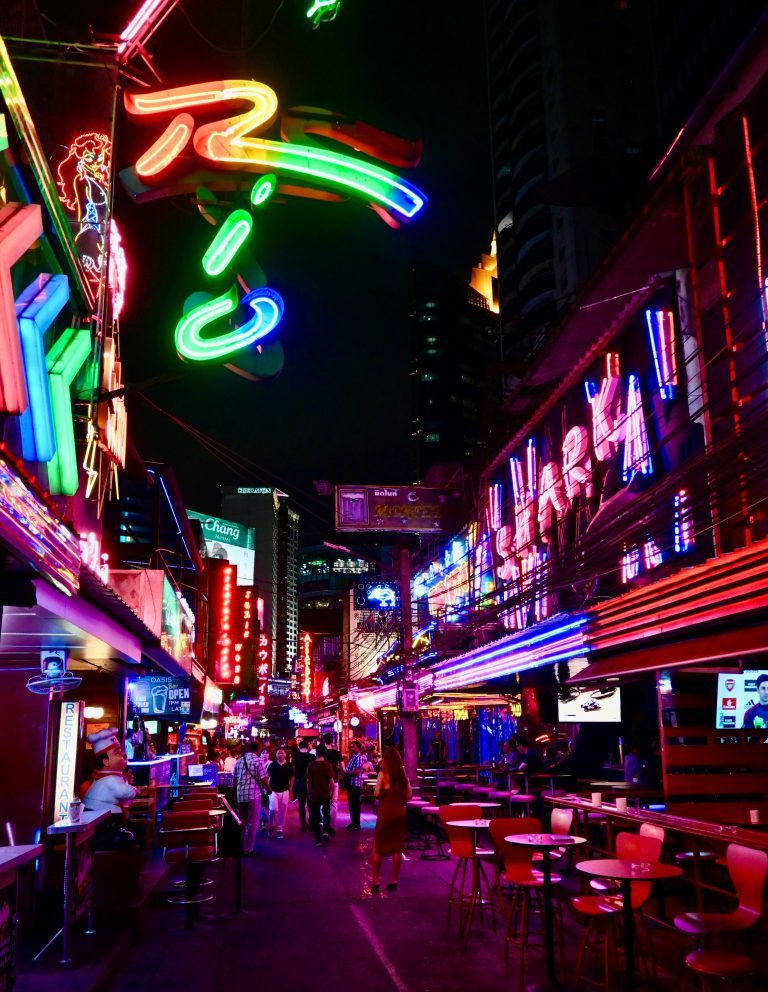
Hanoi's version is bia hoi: plastic stools on a street corner, fresh beer at about 25 cents a glass, and an old quarter that was subject to a curfew for years and now runs late at weekends.
Ho Chi Minh City is bigger and more varied — rooftop bars overlooking the river, Bui Vien street for the backpacker version, and a growing craft beer scene in District 1 and 2.
Hoi An does riverside bars and lanterns, and the islands and beach towns have their own small scenes. Alcohol is cheap everywhere, and the drink-driving enforcement on scooters has become genuinely strict, which matters if you were planning to ride back.
The Reunification Express runs the length of the country and the Hue to Da Nang stretch, along the Hai Van Pass, is one of the great train rides in Asia. Sleeper berths on the longer legs cost €20 to €40 and save a night's accommodation.
Sleeper buses are cheaper and more common on the backpacker route, with flat beds rather than seats. They are not comfortable for everyone but they are efficient.
Domestic flights on VietJet, Bamboo and Vietnam Airlines are cheap and turn two days of travel into an hour. Motorbikes are the local transport, and Grab — the regional ride app — works in every city for both cars and bikes and removes all haggling.
Vietnam is among the cheapest countries in Asia. Dorms start around €6, a bowl of pho is €1.50 to €2.50, a beer is under a euro, and a sleeper train the length of the country costs €20 to €40.
A comfortable day comes to €20 to €35 including everything. The main extras are the Ha Giang loop with a rider, Ha Long Bay cruises and domestic flights, none of which are expensive by European standards.
The dong has a lot of zeros — hundreds of thousands are normal amounts — and the notes look similar, which causes mistakes. Check what you are handing over, and be aware that some places quote in dollars for tours.
Vietnam is safe for travellers with very low violent crime. The risks are traffic, water and bag snatching.
Traffic is the big one. Crossing a road in Hanoi or Ho Chi Minh City means walking slowly and predictably while the scooters flow around you — stopping suddenly is what causes accidents. Riding a motorbike yourself carries the same insurance problem as in Thailand: most policies require the correct licence, and Vietnam's rules for foreign riders are strict.
Bag snatching from passing scooters is common in Ho Chi Minh City in particular: keep phones away from the road side and bags on the inside shoulder. Beaches on the central coast have strong currents from September to December.
Every nationality can apply online for an e-visa valid for up to 90 days, and the UK and many European countries get 45 days visa-free. The exemption list has changed several times in recent years, so check the official Vietnamese immigration site before booking.
Passports generally need six months' validity from entry.
Apply for the e-visa through the official government portal rather than the many lookalike sites that charge several times the fee for the same thing.
There is no single best month, because the north, centre and south are on different cycles. February to April is the best window across the whole country.
Average highs for Hanoi. The country spans three climate zones, so check the region rather than the country: the centre floods in October and November, and Tet in late January or February closes almost everything for a week.
Pick how you travel and how long for. Per night, for one person, in euro equivalents of Vietnamese dong.
Prices are in dong locally; these are euro equivalents. The Ha Giang loop, a Ha Long cruise and domestic flights are the main extras.
Tet is the one that changes everything, and it is the week to plan around in one direction or the other.
 Staff pick
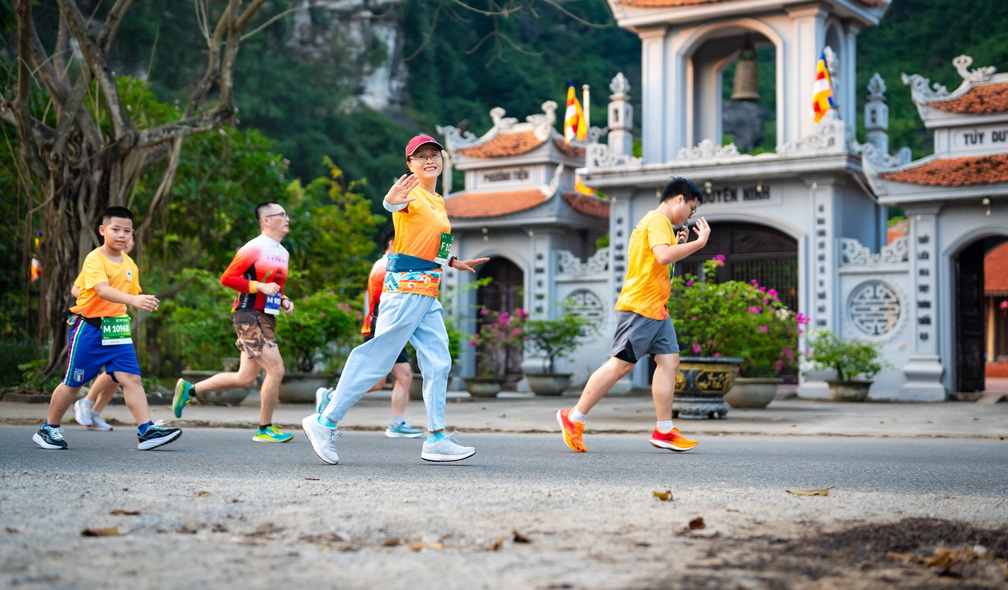
The Trang An Marathon invites runners to experience the breathtaking beauty of the Trang An Scenic Landscape Complex, a UNESCO Dual Heritage site in…
 Staff pick
The Halong Bay Heritage Marathon is a premier international running event set against the breathtaking backdrop of Halong Bay, a UNESCO World Heritage Site…
 Staff pick
The Phu Quoc Summer Latin Festival brings together SBK enthusiasts for an immersive celebration of Latin dance and music on the stunning shores of…
 Staff pick
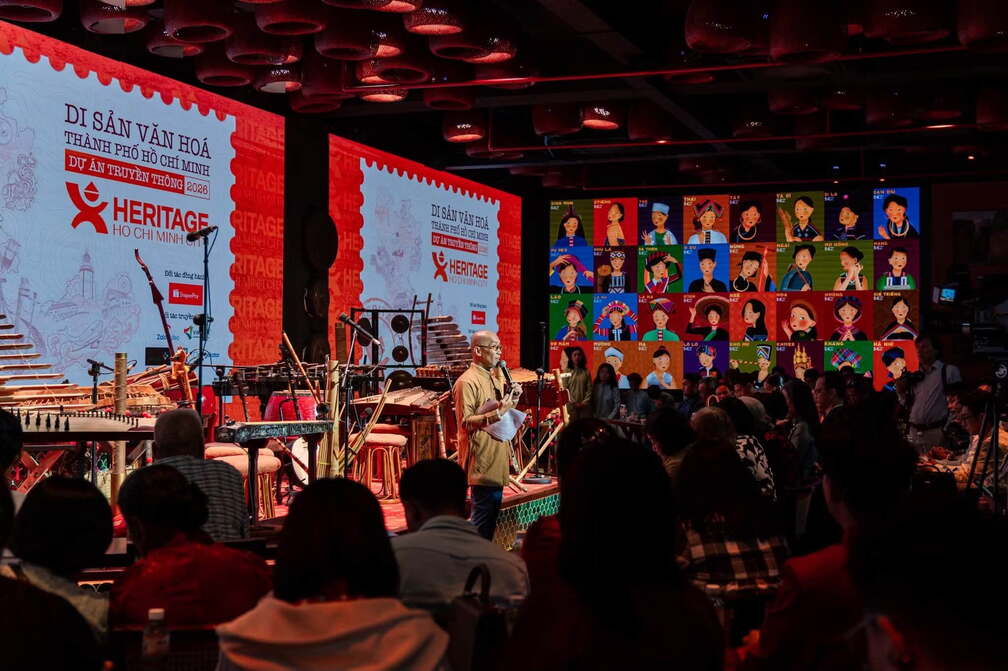
Vietnam Cultural Heritage Day in Ho Chi Minh City, Vietnam, invites locals and visitors to explore the nation’s unique cultural identity through a variety…
 Staff pick
The Water Puppet Show offers attendees a unique, enthralling exploration of an age-old Vietnamese story-telling method, using puppets on water. As a standout tradition…
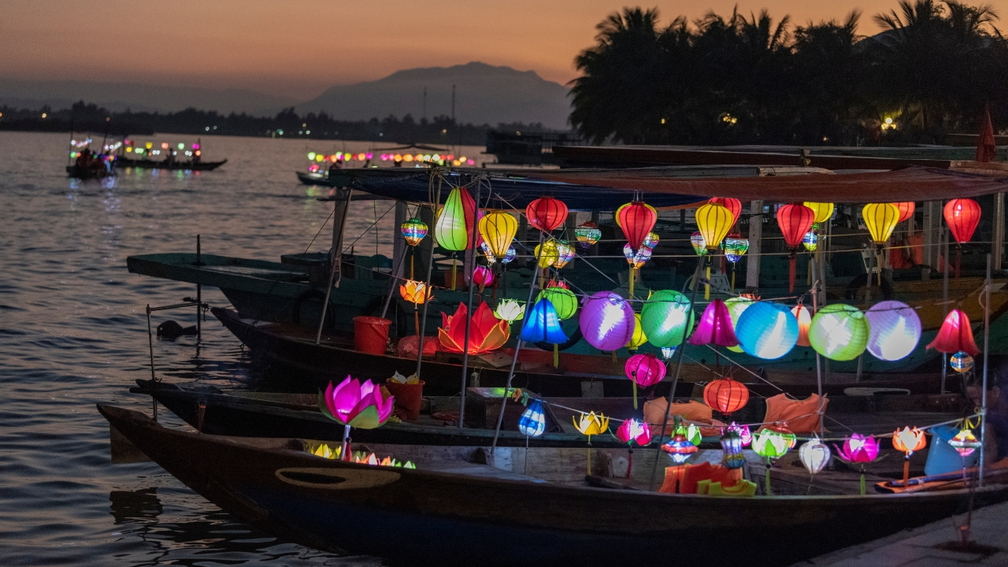
The Hoi An Lantern Festival 2026 promises an enchanting evening where the Old Town is illuminated by thousands of radiant lanterns, mirrored beautifully in…

Hoi An's Lantern Festival is a monthly spectacle that lights up the night with a dazzling display of lanterns. This year-round event offers attendees…
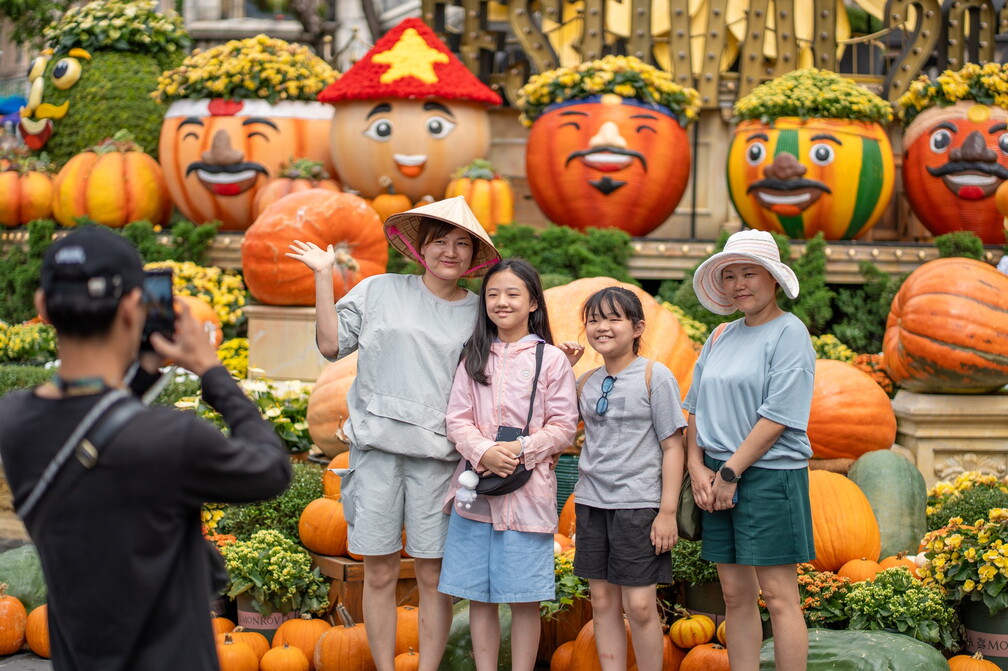
Ba Na Hills transforms into a pumpkin-filled wonderland each October, with over 40 tons of pumpkins creating whimsical landscapes like the Magic Village and…
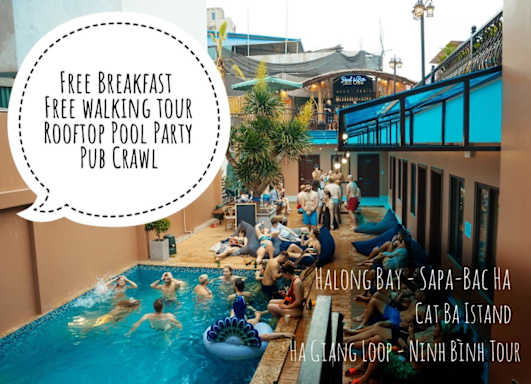
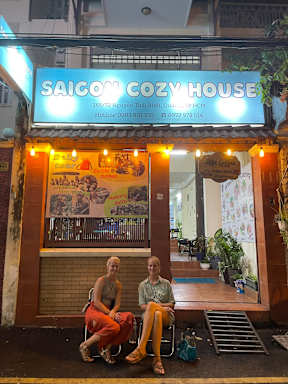
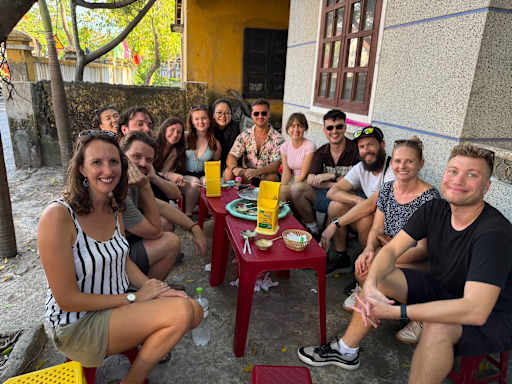
The highest-rated hostels in the country, live from Hostelworld. Hanoi, Ho Chi Minh and Hoi An have the most, and many run the tours and loops themselves.
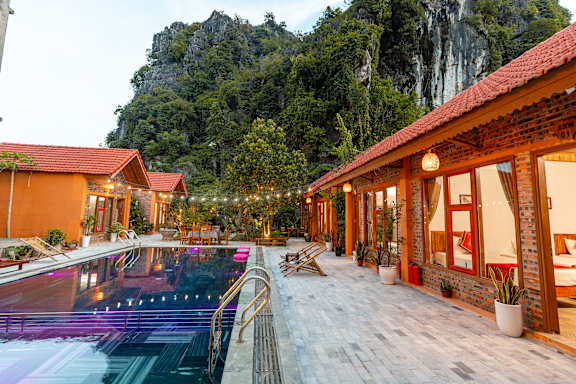
 Sustainable
 Sustainable
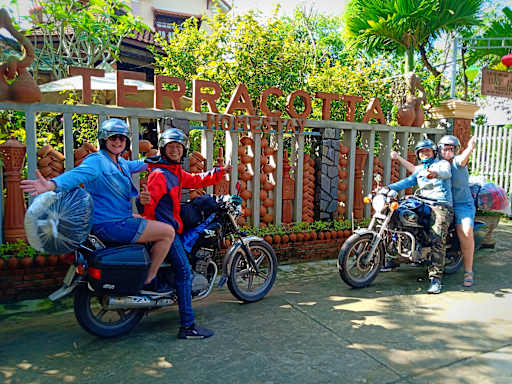

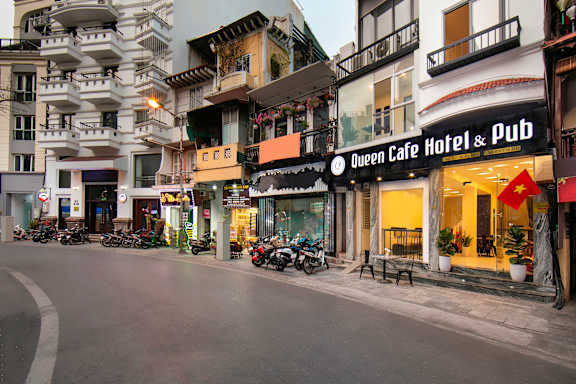
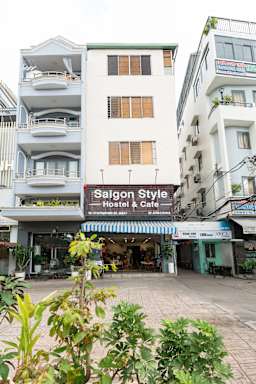
The ones we get asked most.

Compare hostels across Vietnam — live prices, real reviews and free cancellation on most bookings. Then meet the people already there in the app.

 Get the App.


 Get the App.