Mutrah
First-timersThe souq and corniche, walkable without a car.

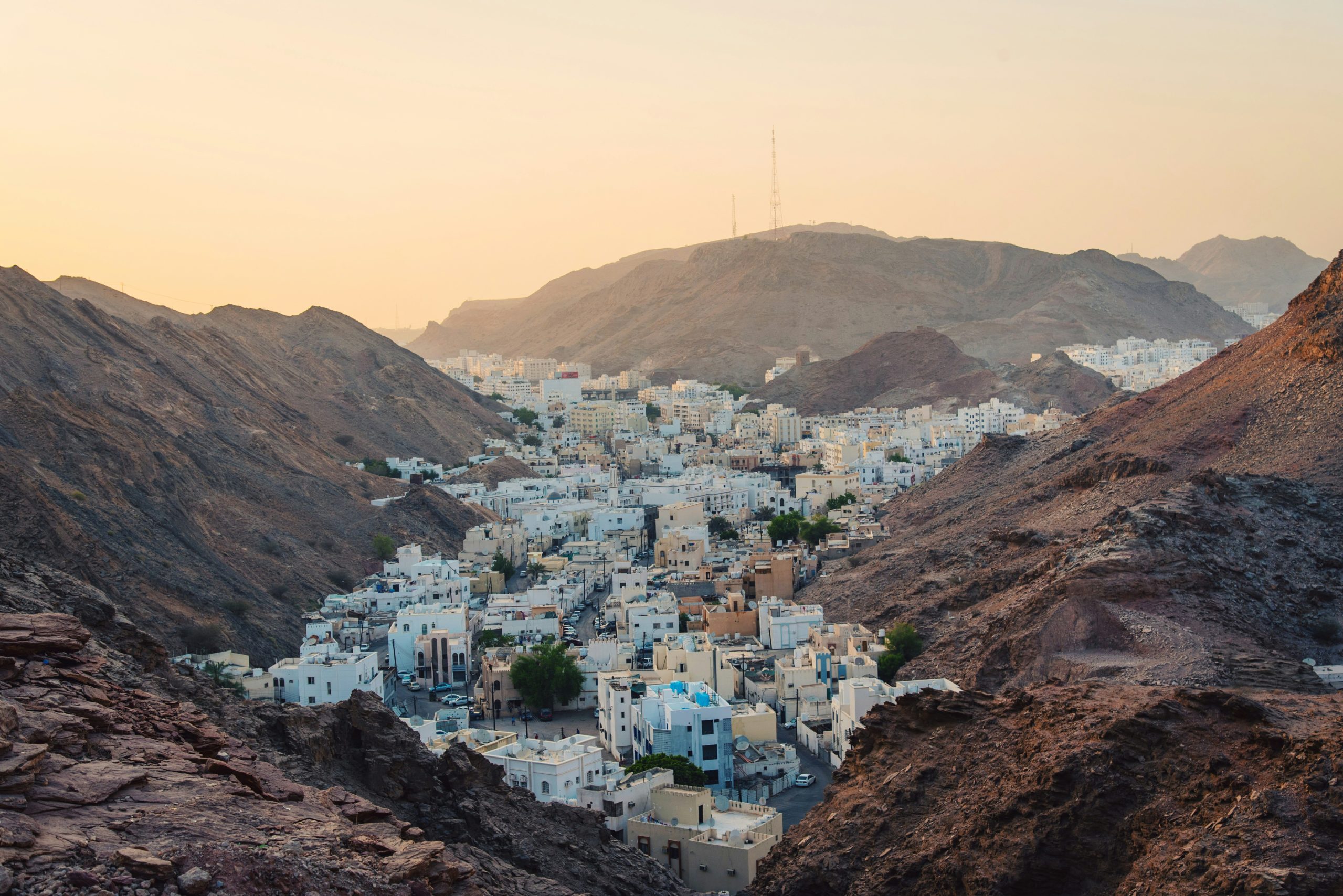
A low-rise white capital strung along the coast beneath bare mountains, with one of the most beautiful mosques in the world, an old souq on the corniche, and wadis and forts within a couple of hours.
Muscat stretches for kilometres along the Gulf of Oman, squeezed between the sea and the jagged Hajar mountains, and by law most of its buildings are low and white. It was a great trading port for centuries, and the Portuguese forts above the old harbour still guard it.
Oman is one of the safest and most welcoming countries in the Middle East, and Muscat is relaxed and uncrowded.
It is also the base for Oman's wadis, forts and mountains, best seen by hire car. Three days in and around Muscat is right.
Muscat is long and spread out along the coast. Mutrah, around the corniche and the souq, is the most atmospheric base and the easiest without a car. Qurum, in the middle of the city, has the beach, parks and restaurants. Ruwi, inland from Mutrah, is the transport hub and has the cheapest hotels.
The souq and corniche, walkable without a car.
The beach, parks and restaurants.
The transport hub, with the cheapest hotels.
Orange labels are neighbourhoods, dots are the 12 top-rated hostels. Map data from OpenStreetMap contributors.
The Sultan Qaboos Grand Mosque, completed in 2001, is one of the most beautiful modern mosques in the world: white marble courtyards, a prayer hall with one of the largest hand-woven carpets ever made, and a vast Swarovski crystal chandelier. Non-Muslims can visit for free on Saturday to Thursday mornings, from about 8am to 11am; cover arms and legs, and women need a headscarf, which can be borrowed.
Walk the Mutrah corniche at sunset, past dhows in the harbour, and get lost in the Mutrah Souq, one of the oldest in Arabia, with frankincense, silver khanjar daggers, spices and textiles. Mornings and evenings are busiest; many shops close in the afternoon.
In Old Muscat, see the colourful Al Alam Palace, the sultan's ceremonial palace, from outside, with the Portuguese-built Al Jalali and Mirani forts on the rocks above the bay. The National Museum is the best introduction to Oman's history, and Bait Al Zubair, a private museum, shows traditional dress, weapons and jewellery. The Royal Opera House, opened in 2011, runs tours and performances.
Boat trips leave the marinas for dolphin watching in the morning and snorkelling at the Daymaniyat Islands, a protected reserve with turtles and reef fish.
Beyond the city, drive to the Bimmah Sinkhole and Wadi Shab, where you swim through turquoise pools to a waterfall inside a cave.
The Grand Mosque is free on weekday mornings. The Mutrah corniche, the souq and Old Muscat's palace and forts from outside cost nothing.
Qurum Beach and Qurum Natural Park are free, and the Riyam Park watchtower above Mutrah gives a free view over the harbour. The Bimmah Sinkhole is free, and wild camping on beaches and in the mountains is legal and common, a free night's stay.
Omani food is mild and generous, often eaten sitting on the floor from shared platters. Shuwa, lamb or goat marinated in spices and slow-cooked underground for a day or two, is made for Eid and other feasts, and some restaurants serve it. Mashuai, a whole grilled kingfish with lemon rice, and qabuli, spiced rice with meat, are everyday dishes.
Omani halwa, a sticky sweet of sugar, rosewater and saffron, is served with kahwa, cardamom coffee, and dates, the national gesture of welcome.
Indian, Pakistani and Lebanese restaurants are everywhere and cheap, especially around Ruwi and Mutrah. A meal is €5 to €15.
Alcohol is legal in Oman for non-Muslims, but it is served only in licensed hotel bars and some restaurants, and it is expensive. It is not served in public during Ramadan.
Most evenings are spent outdoors in the cool: walking the Mutrah corniche, in cafés and shisha lounges, or at the beach. In January and February, Muscat Nights, the winter festival, fills the city's parks with events, food and fireworks.
A beer in a hotel bar is €8 to €12.
Muscat International Airport is about 30 minutes from Mutrah by taxi. Use the Otaxi or OmanTaxi apps or metered taxis, and agree the fare first with older street taxis.
Mwasalat public buses run along the main roads, including from the airport to Ruwi and Mutrah, but they are limited.
A hire car is almost essential for the wadis, forts and mountains: roads are excellent, signs are in English and Arabic, and fuel is cheap. Jebel Shams and some mountain tracks need a four-wheel drive. Buses also run to Dubai and Salalah.
Muscat is expensive; the Omani rial is one of the strongest currencies in the world. Budget beds are scarce, starting around €25, and a careful day is €50 to €70 including car hire.
The Grand Mosque is free, the National Museum charges a few euros, and a dolphin and snorkel trip is €30 to €60. Car hire is from about €25 a day, and fuel is cheap. Wild camping is legal and normal almost everywhere, which saves a lot.
The currency is the Omani rial (OMR), pegged to the US dollar; prices here are euro equivalents. Cards work almost everywhere.
Muscat is very safe, with very low crime, and Omanis are known for their hospitality.
Dress modestly in public, covering shoulders and knees; swimwear is for beaches and pools. During Ramadan, do not eat, drink or smoke in public in daylight.
Summer heat passes 40°C; avoid hiking in the middle of the day. Wadis can flood suddenly after rain, even when it is dry where you are; never camp or park in a wadi bed if storms are forecast. Drive carefully on mountain roads.
Emergency number is 9999.
Wadis, forts, the Grand Canyon of Arabia and the desert.
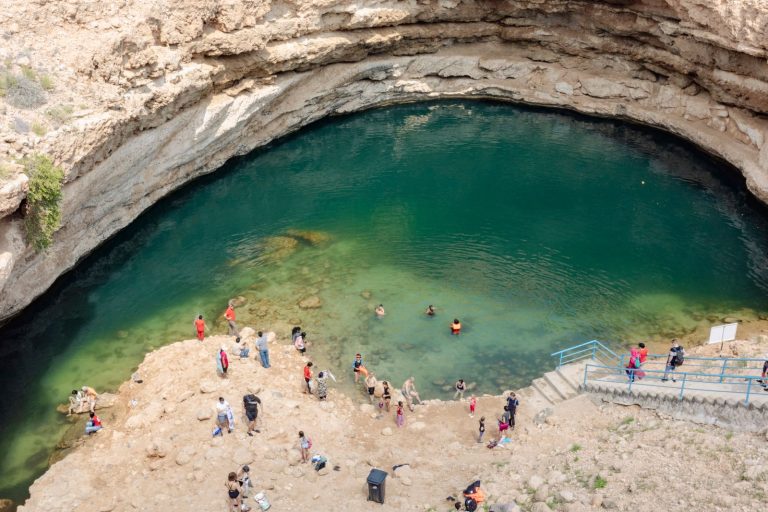
A turquoise sinkhole you can swim in, free.
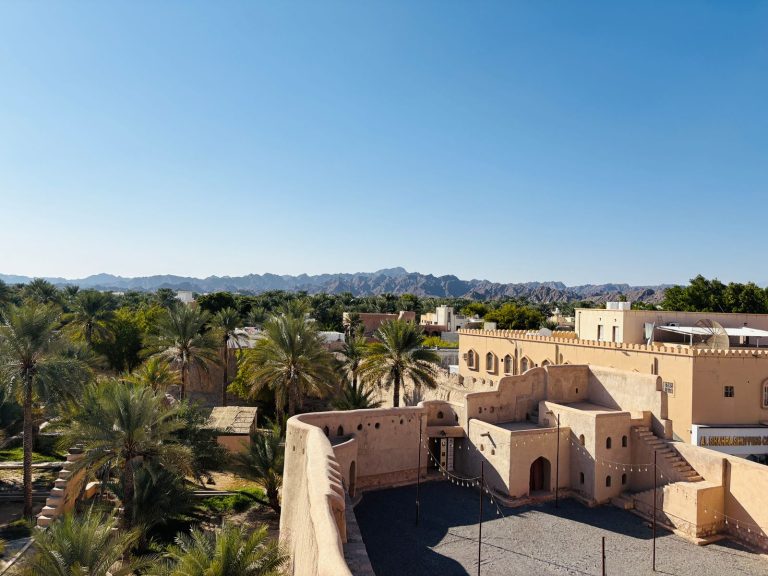
A great round fort and the Friday morning goat market.
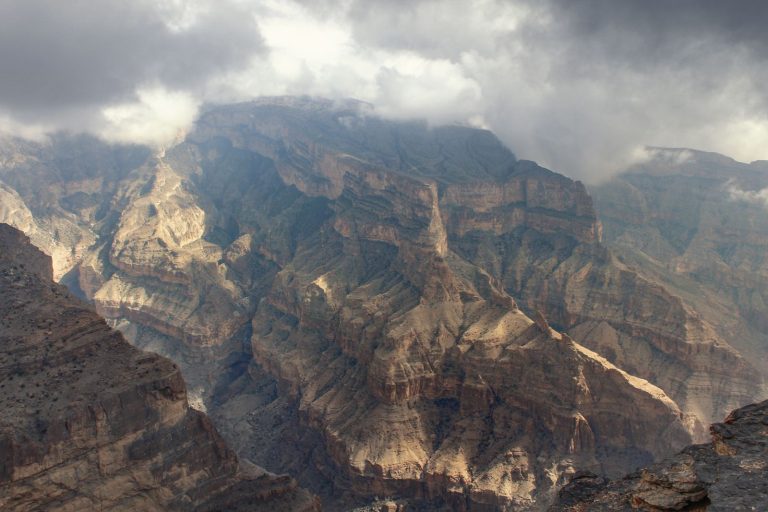
The "Grand Canyon of Arabia", with a balcony walk on the rim.
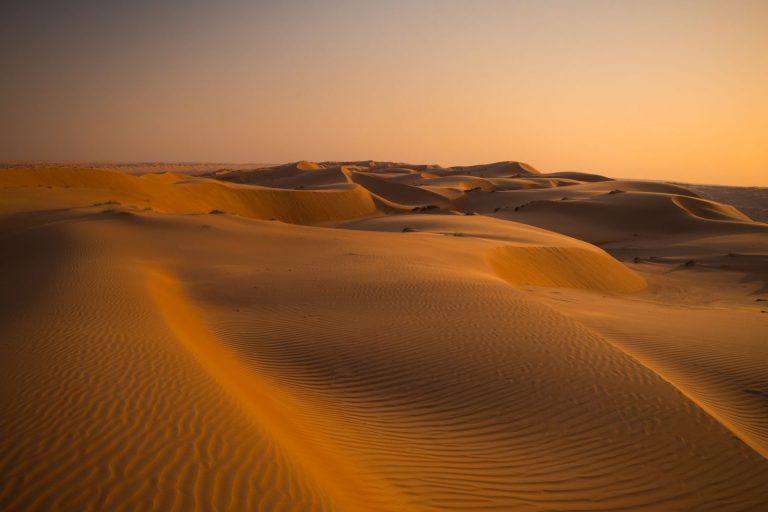
Desert camps among red dunes.
Muscat Nights, the winter festival, fills the city in January and February.
The winter festival.
Celebrations and lights.
Quiet days, lively evenings.
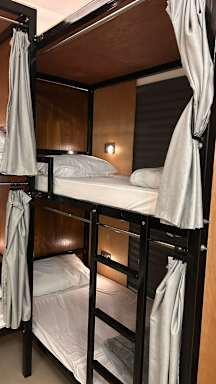
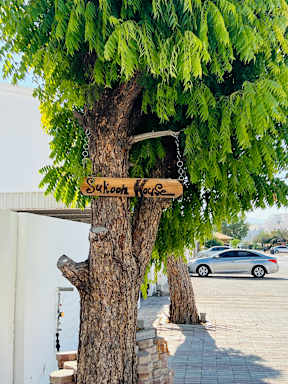
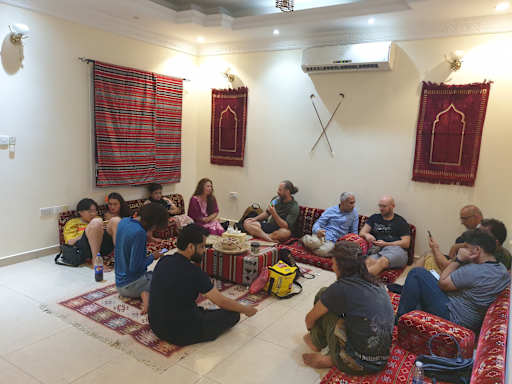
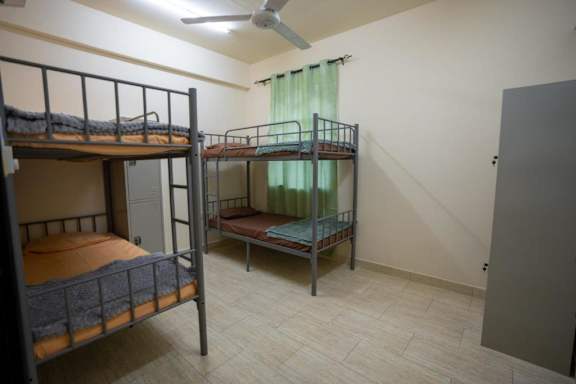
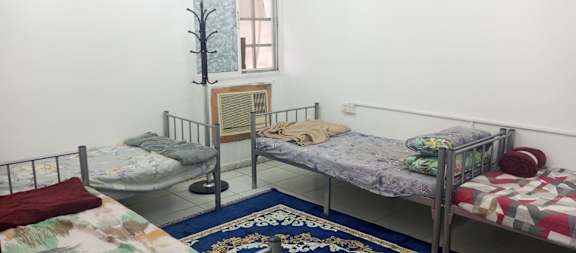
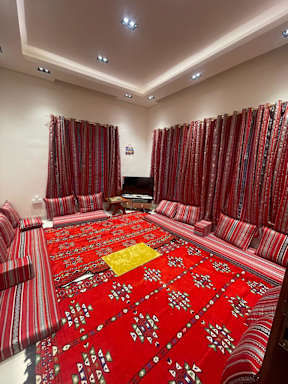
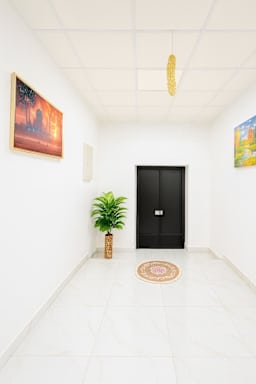
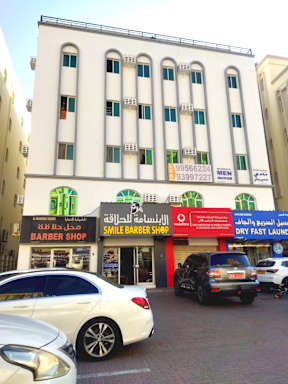
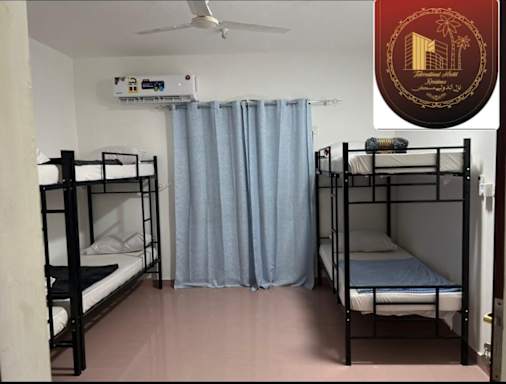
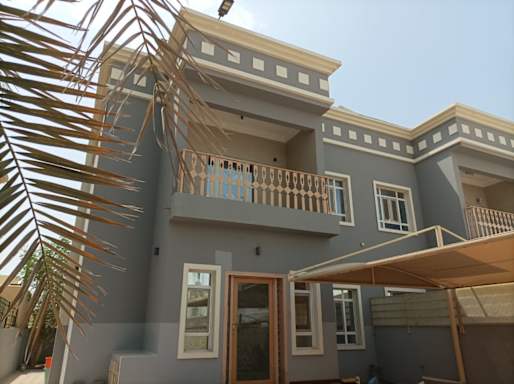
The top-rated places to stay in Muscat right now, live from Hostelworld.

October to March. Summers are extremely hot.
Average highs.
Pick how you travel. Per person per night, in euros.
Prices are in rials locally; these are euro equivalents. Includes car hire in the upper tiers.
The ones we get asked most.

Compare Muscat hostels — live prices, real reviews and free cancellation on most bookings. Then meet the people already there in the app.

 Get the App.
 Get the App.