Centre
First-timersAround Javad Khan Street.

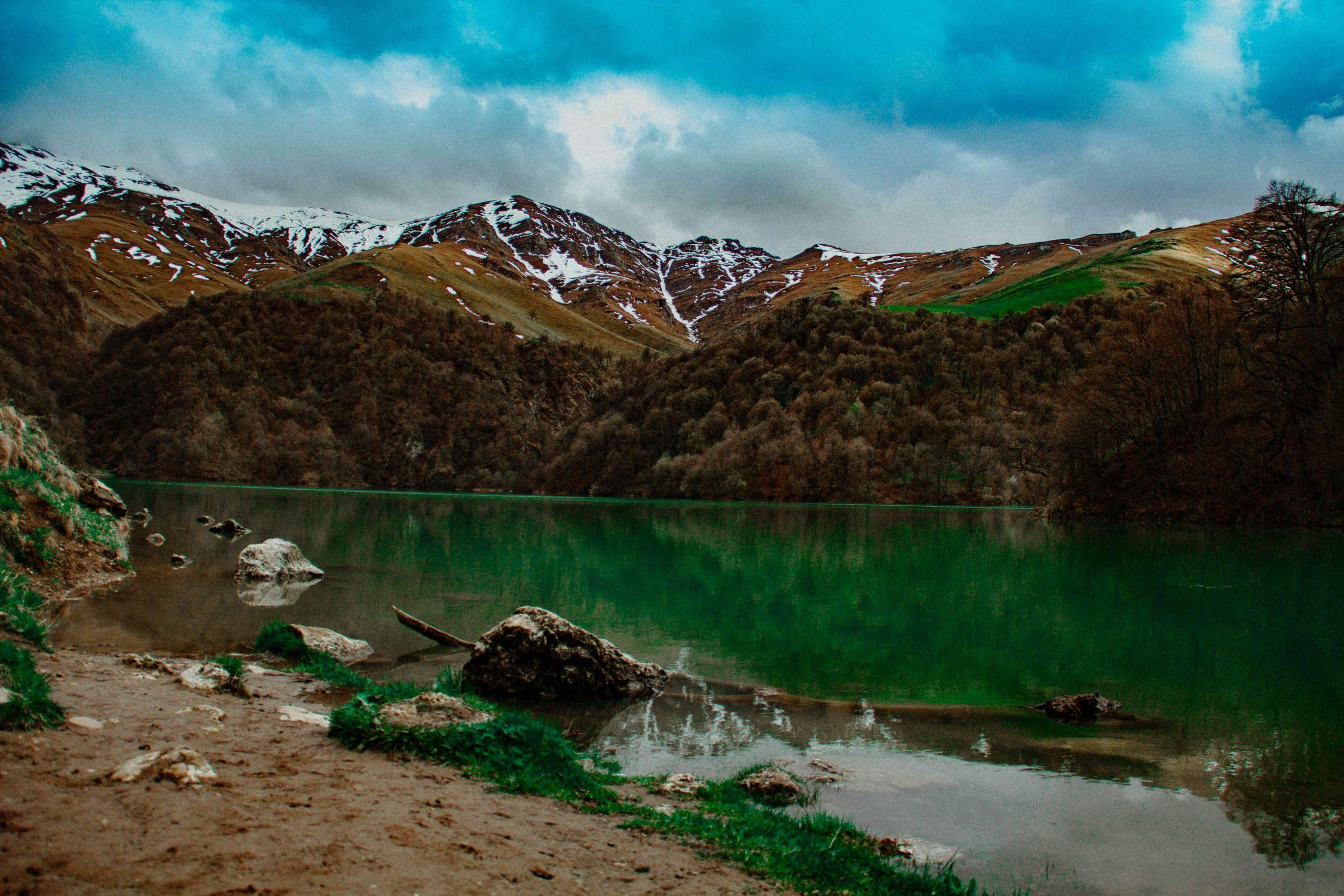
Azerbaijan's second city: the mausoleum of the poet Nizami, a mosque built in 1606, a house made of thousands of bottles, and a mountain lake an hour away.
Ganja is one of the oldest cities in the Caucasus and Azerbaijan's second city. It was the home of Nizami Ganjavi, the great twelfth-century Persian poet, whose mausoleum stands on the edge of town.
The centre mixes Soviet-era buildings with older landmarks: the Shah Abbas Mosque, built in 1606, and the Bottle House, a home decorated with tens of thousands of glass bottles.
Ganja is also the base for Göygöl National Park and its lake in the mountains. Two days is right.
Stay in the centre, around Javad Khan Street and Heydar Aliyev Square, where the hotels, restaurants and main sights are walkable.
Around Javad Khan Street.
Orange labels are neighbourhoods, dots are the 1 top-rated hostels. Map data from OpenStreetMap contributors.
Ganja, Azerbaijan's second city, is an old Silk Road city and the birthplace of Nizami Ganjavi, the twelfth-century poet celebrated across the Persian-speaking world.
Visit the Mausoleum of Nizami Ganjavi, a modern monument on the edge of the city, and the Nizami statues and murals around the centre. See the Shah Abbas (Juma) Mosque, built in 1606, and the Javad Khan tomb beside it.
The Bottle House, a private house covered in tens of thousands of coloured glass bottles in the 1960s, is the city's quirky landmark. Walk Javad Khan Street, the pedestrian heart of the city, with restored nineteenth-century buildings, and the Khan's Garden.
Göygöl, a deep blue lake in the mountains formed by an earthquake in 1139, is about an hour away in a national park; its waters are clear and its forests good for walks. Naftalan, about an hour away, is a spa town known for bathing in its unique crude oil.
Sheki is about three hours north.
Walking Javad Khan Street, the Khan's Garden and the city's parks is free, and so is seeing the Bottle House from outside.
The Shah Abbas Mosque is free to visit, dressed modestly. The Nizami Mausoleum's grounds are free.
Ganja's food is Azerbaijani: plov, dolma, kebabs and qutab. Ganja is known for its sweets, including pakhlava and shekerbura, crescent pastries filled with nuts.
Tea with jam is served everywhere. A meal is €4 to €10.
Ganja is quiet at night. Javad Khan Street fills with families in the evening, and a few restaurants and cafés serve drinks.
A beer is €1.50 to €3.
The centre is walkable. Trains reach Baku in about four to five hours, and buses are similar. Ganja has an airport with flights to Baku.
Göygöl and Naftalan need a taxi or driver.
Ganja is cheap. A careful day is €20 to €30.
A taxi to Göygöl and back is around €20 to €30, and Göygöl National Park charges a small entry fee.
The currency is the manat (AZN), at roughly 1.9 manat to the euro; prices here are euro equivalents. Cards work widely in Baku; carry cash in the regions, where small guesthouses and taxis are cash only.
Ganja is safe.
Dress modestly in mosques. Avoid discussing politics or the Armenia conflict in public.
Emergency number is 112, or 102 police and 103 ambulance.
A mountain lake, an oil spa and the Silk Road town.
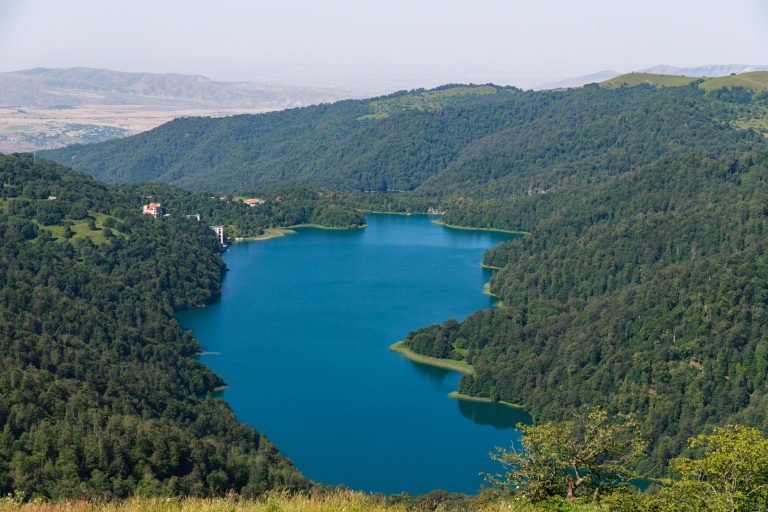
A blue lake in a national park, formed by an earthquake in 1139.
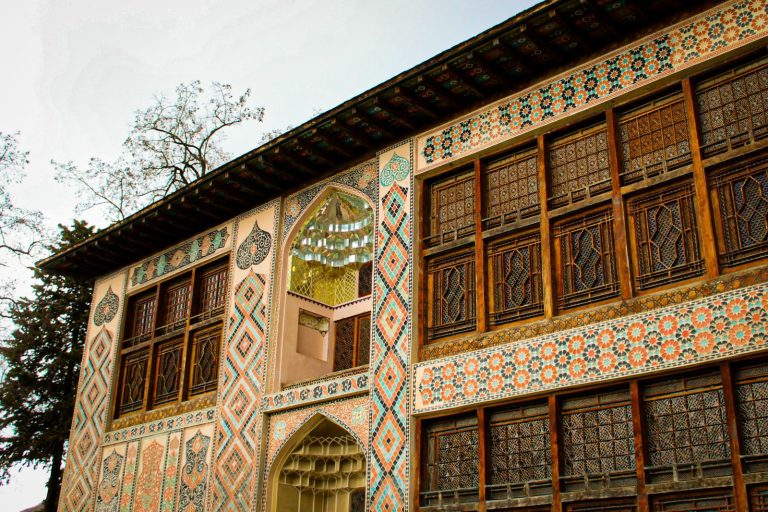
The Silk Road town.
The spring festival is the big one.
The spring new year.
The best months for the lake.
The top-rated places to stay in Ganja right now, live from Hostelworld.
April to June and September to October. Summers are hot.
Average highs.
Pick how you travel. Per person per night, in euros.
Prices are in manat locally; these are euro equivalents.
The ones we get asked most.

Compare Ganja hostels — live prices, real reviews and free cancellation on most bookings. Then meet the people already there in the app.

 Get the App.
 Get the App.