Jiefangbei
First-timersThe centre, where the rivers meet.

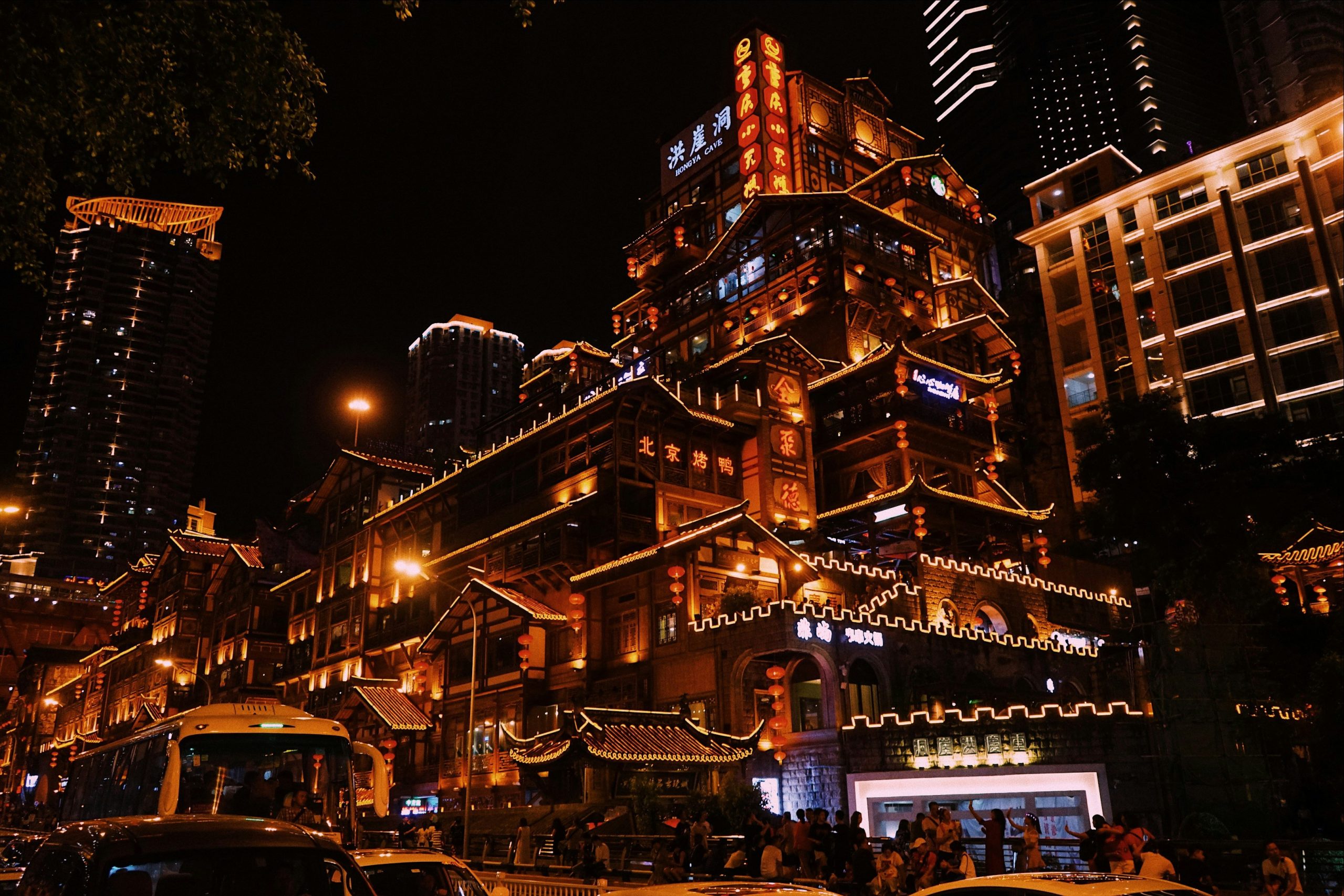
A vertical megacity on the Yangtze, where a monorail runs through an apartment block, cable cars cross the river, neon hangs off cliff-side buildings and the hotpot is the fiercest in China.
Chongqing is built on steep hills where the Yangtze and Jialing rivers meet, and it is one of the strangest cities on earth to walk around: streets sit on top of other streets, the ground floor of one building can be the twentieth of another, and a metro train runs straight through a block of flats.
Its municipality is home to more than thirty million people. It is famous for its hotpot, numbing and fiery, and it is the start of the Yangtze cruises through the Three Gorges.
Two or three days is right.
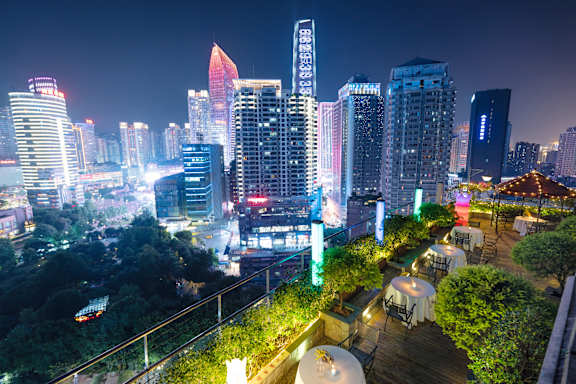
Jiefangbei, on the peninsula where the Yangtze and Jialing rivers meet, is the centre, with the metro, Hongyadong and the river views. Around Hongyadong and the cable car are the best night views. The city is built on steep hills, so stay near a metro station.
The centre, where the rivers meet.
The cliff-side complex.
Orange labels are neighbourhoods, dots are the 11 top-rated hostels. Map data from OpenStreetMap contributors.
Chongqing is a vast mountain city on the confluence of the Yangtze and Jialing rivers, with more than 30 million people in the municipality, famous for its layered streets, neon skyline and fiery hot pot.
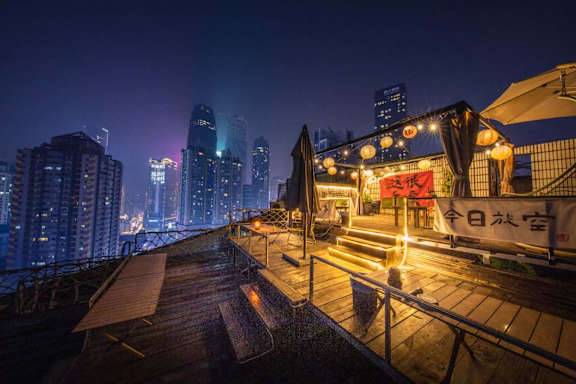
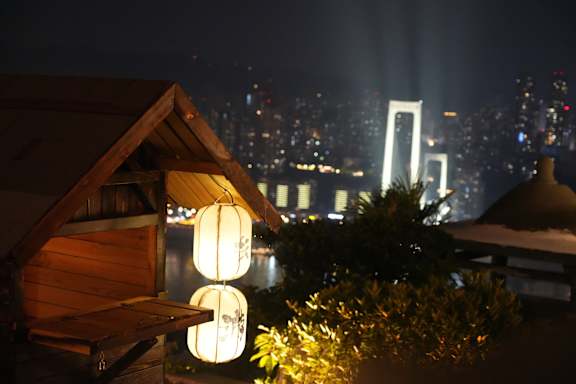
Hongyadong, a complex of stilted buildings stacked eleven storeys up the cliff, is lit up at night like a scene from Spirited Away; see it from the Qiansimen Bridge across the river. Ride the Yangtze River Cableway across the river for the skyline, and the Liziba monorail station, where a train runs straight through a residential building.
The city is so hilly that you might enter a building on the ground floor and leave on the twentieth; walk the stairways and alleys of the old Shibati district, now restored.
Ciqikou, an old riverside town in the west of the city, has narrow lanes of snacks and teahouses. Eling Park has views over both rivers.
Three Gorges cruises, three to four days down the Yangtze to Yichang through the gorges and past the Three Gorges Dam, leave from here. Wulong's karst caves and natural bridges and the Dazu rock carvings, both UNESCO-listed, are day trips.
Hongyadong is free to walk around and see at night, and so are the river views from the Qiansimen Bridge and Jiefangbei's pedestrian streets.
Ciqikou's lanes and Eling Park are free or almost free, and watching the Liziba monorail from the viewing platform costs nothing.
Chongqing hot pot is the spiciest in China: a bubbling pot of beef tallow, chilli and Sichuan pepper, in which you cook tripe, beef, vegetables and noodles. Order a yuanyang, split pot, if you want a milder side.
Xiaomian, spicy noodles for breakfast, and suanlafen, hot and sour sweet-potato noodles, are local staples. Grilled fish, kaoyu, is another favourite.
A street meal is €2 to €4; hot pot €10 to €20.
Chongqing is a night city: Hongyadong and the riverfronts are crowded with visitors after dark, and bars and clubs cluster around Jiefangbei and the Jiulongpo area. Late-night hot pot and skewers run into the early morning.
A beer is €2 to €5.
Jiangbei Airport is about 40 minutes from the centre by metro.
The metro and monorail cover the city; its hills make walking tiring, but taxis and Didi are cheap. Navigation is confusing because of the layers; trust the metro.
High-speed trains reach Chengdu in about an hour and a half. Three Gorges cruises leave from the city's piers for Yichang.
Chongqing is cheap. Dorms start around €8 and a careful day is €25 to €40.
The Yangtze River Cableway is a few euros, and a Three Gorges cruise from about €150 to €400 for three to four days depending on the boat.
The currency is the yuan (CNY), at roughly 8 yuan to the euro; prices here are euro equivalents. Almost everyone pays by phone: set up Alipay or WeChat Pay with a foreign card before you arrive, and carry some cash as a backup.
Chongqing is very safe.
Summers are extremely hot and humid, often around 40°C; the city is known as one of China's 'furnaces'. Google, WhatsApp and Instagram are blocked; use an eSIM with international roaming, and Amap or Baidu Maps for directions. Carry your passport: it is needed for trains, hotels and many sights, which are booked by real name.
Many nationalities can now enter China visa-free for up to 30 days, under a scheme extended to the end of 2026, and 240-hour visa-free transit covers many more; check the rules for your passport before you travel.
Emergency: 110 police, 120 ambulance, 119 fire.
Karst bridges, the Three Gorges and Buddhist carvings.
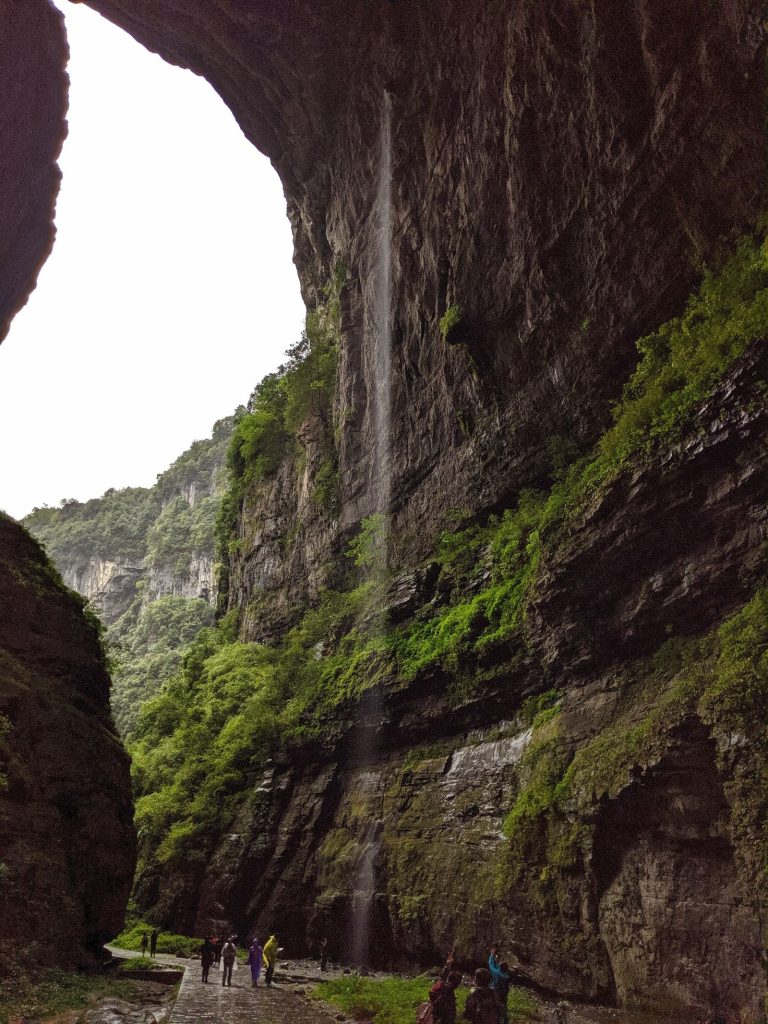
Karst caves and natural bridges, UNESCO-listed.
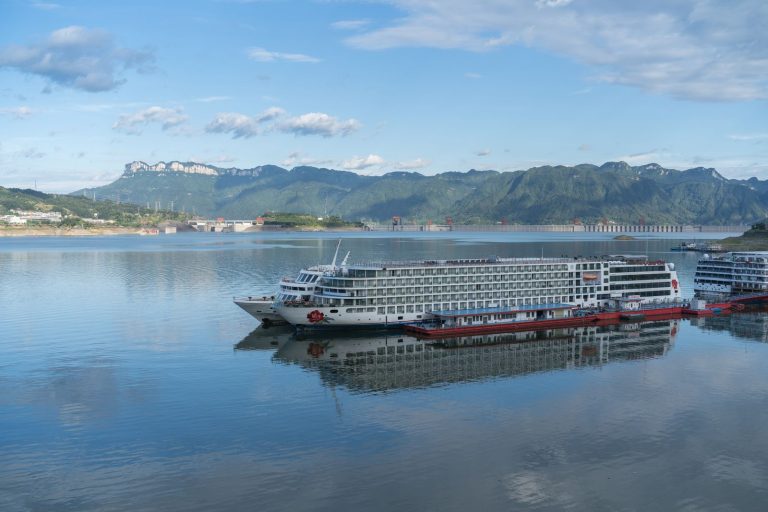
Down the Yangtze to Yichang.
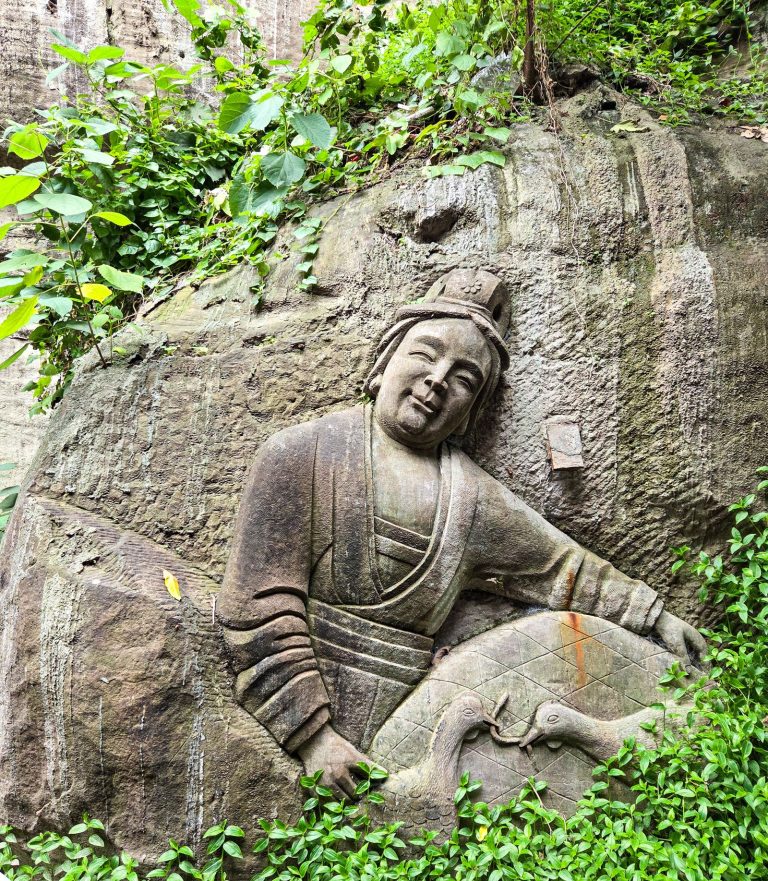
Buddhist carvings, UNESCO-listed.
The hotpot season is year-round.
National holiday crowds.
Lights and crowds.
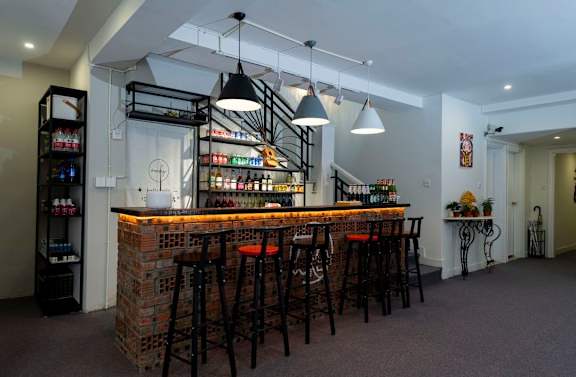
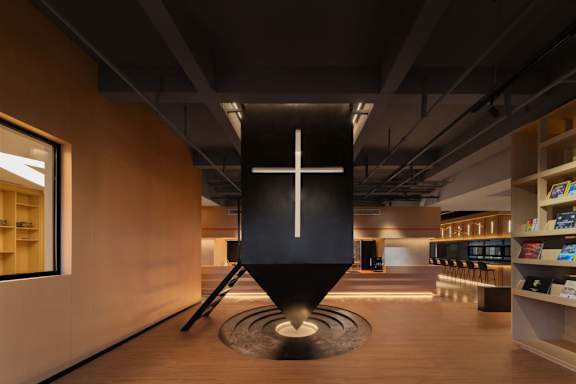
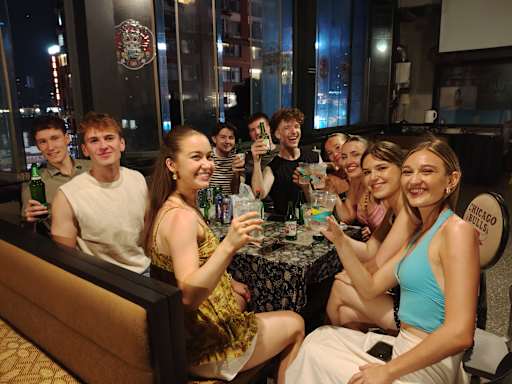
The top-rated places to stay in Chongqing right now, live from Hostelworld.
 Sustainable
 Sustainable
 Sustainable
March to May and September to November. Summers are extremely hot. Avoid Golden Week (1–7 October) and Chinese New Year if you can, when the whole country travels.
Average highs. Often foggy in winter.
Pick how you travel. Per person per night, in euros.
Prices are in yuan locally; these are euro equivalents. Excludes Yangtze cruises.
The ones we get asked most.

Compare Chongqing hostels — live prices, real reviews and free cancellation on most bookings. Then meet the people already there in the app.

 Get the App.
 Get the App.