Prawirotaman
BackpackersCafés and guesthouses.

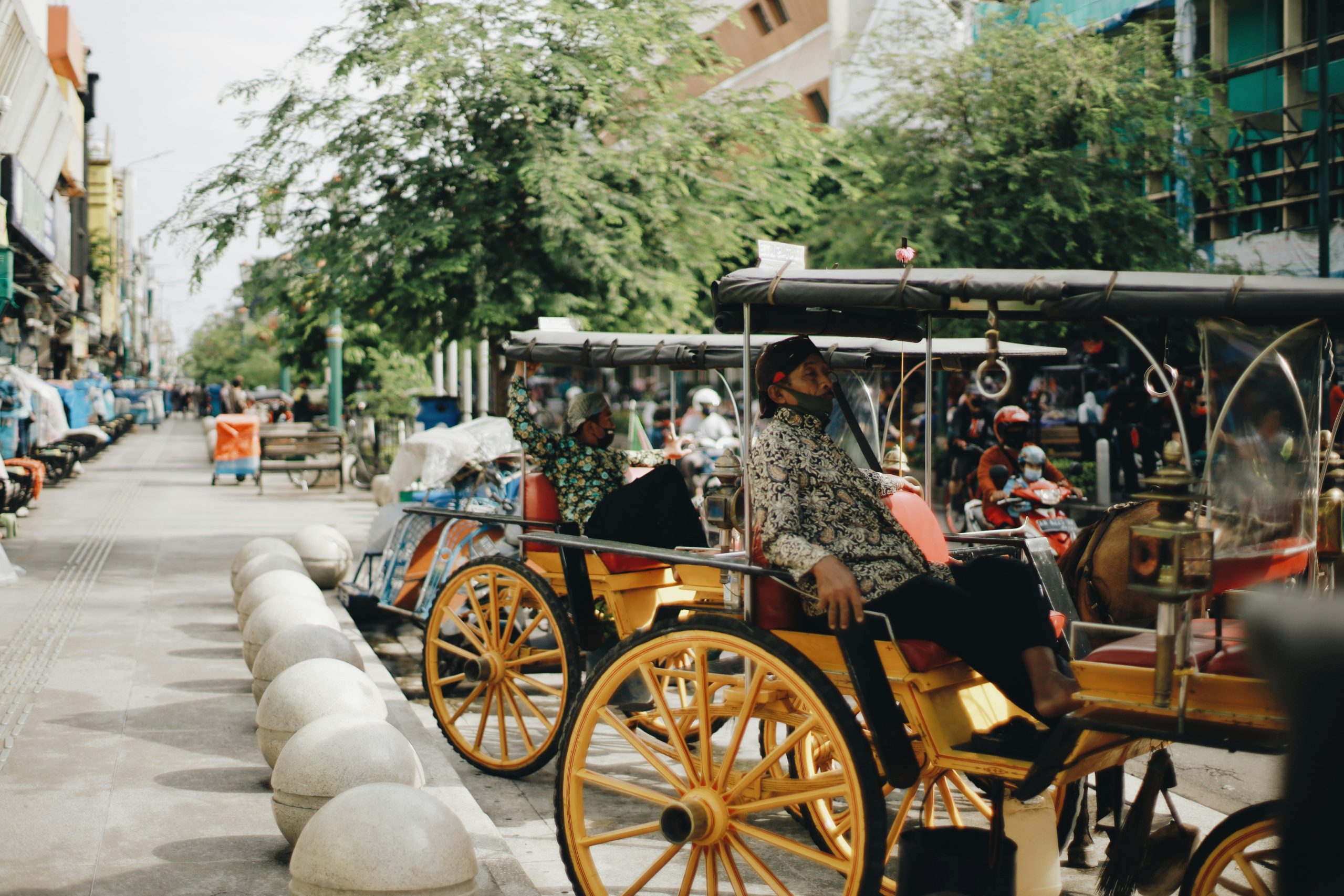
Java's cultural heart: a living sultan's palace, batik and shadow puppets, and the base for Borobudur, the largest Buddhist temple in the world, and the Hindu temples of Prambanan.
Yogyakarta, usually called Jogja, is still ruled by a sultan, who is also the governor of the province, and it is the centre of classical Javanese culture: batik, gamelan music, wayang shadow puppetry and dance.
Nearby stand two of the greatest monuments in Asia. Borobudur, a vast ninth-century Buddhist temple, and Prambanan, a complex of Hindu temples from the same era, are both UNESCO World Heritage Sites.
The active volcano Merapi rises to the north. Three days is right.
Prawirotaman, south of the Kraton, is the backpacker area, with cafés, guesthouses and hostels. Malioboro, the main street north of the Kraton, is central and busy, with shopping and street food. Staying near the Kraton puts you among the old royal quarter's lanes.
Cafés and guesthouses.
The main street.
The royal quarter.
Orange labels are neighbourhoods, dots are the 12 top-rated hostels. Map data from OpenStreetMap contributors.
Yogyakarta, Jogja, is the cultural heart of Java, a city of batik, gamelan, shadow puppets and a Sultan who is still the regional governor, and the base for two of Southeast Asia's greatest temples.
Borobudur, about an hour away, is the largest Buddhist temple in the world, built in the ninth century, with 72 bell-shaped stupas and over 2,600 relief panels. Access to the upper levels is limited by daily quotas and a separate ticket; book ahead. Sunrise over the temple, with the volcanoes in the mist, is the classic visit.
Prambanan, about 30 minutes away, is a Hindu temple complex of soaring towers from the same century; in the evening, the Ramayana Ballet is performed on an open-air stage with the temples behind it, usually in the dry season.
In the city, visit the Kraton, the Sultan's palace, with gamelan and dance performances in the mornings, and Taman Sari, the old royal water castle, with its pools and underground mosque. Learn batik in a workshop, and watch wayang kulit, shadow puppets.
Mount Merapi, one of Indonesia's most active volcanoes, can be explored by jeep, and Timang Beach has a gondola over the waves.
Malioboro Street, the area around the Kraton and the lanes of the old city are free to explore.
Alun-Alun Kidul, the southern square, is free at night, when families try to walk blindfolded between two banyan trees for luck. The street food stalls, angkringan, are almost free.
Gudeg, young jackfruit stewed for hours in palm sugar and coconut milk, is Jogja's signature dish, sweet and rich, eaten with rice, chicken and egg. Angkringan, street carts selling small packets of rice, snacks and kopi joss, coffee with a lump of burning charcoal dropped in, are a Jogja institution at night.
Bakpia, sweet bean-filled pastries, are the classic souvenir. A meal is €1 to €4.
Jogja's evenings centre on Malioboro, the angkringan carts and the southern square. Prawirotaman has a few bars and cafés for travellers.
The Ramayana Ballet at Prambanan is the evening's cultural highlight.
A beer is €2 to €4.
Grab and Gojek cover the city. Yogyakarta International Airport is about an hour away by the airport train.
Trains reach Jakarta in about seven or eight hours and Surabaya and Malang, for Bromo, in about five to seven. Buses and drivers reach Borobudur and Prambanan; tours combine them.
Yogyakarta is cheap. Dorms start around €5 and a careful day is €15 to €25, plus temple tickets.
Borobudur and Prambanan each cost foreigners about €20 to €25, with a combined ticket available; climbing Borobudur's upper levels costs extra and needs booking. The Ramayana Ballet is €10 to €25.
The currency is the rupiah (IDR), at roughly 17,000 to 18,000 rupiah to the euro; prices here are euro equivalents. Cards work in tourist areas; carry cash for warungs, boats and small islands, where ATMs are few.
Jogja is safe. Merapi is one of the most active volcanoes in Indonesia; follow official alerts and stay out of the exclusion zone.
At Borobudur, follow the rules: no climbing on stupas, and the upper levels only with a guide and the right ticket.
Most visitors need a visa on arrival, best bought online as an e-VOA before you fly, and must complete Indonesia's online arrival declaration, All Indonesia, before landing; check the current rules for your passport.
Emergency number is 112.
Two great temples, a volcano and a gondola over the sea.
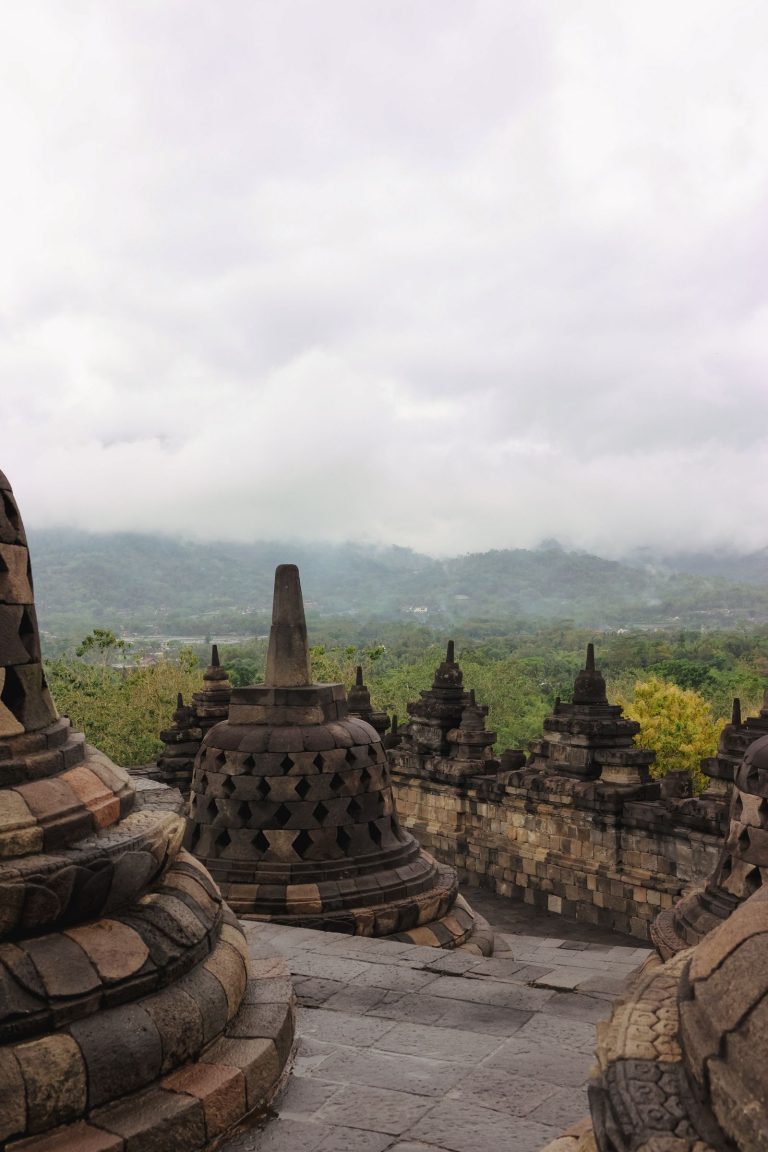
The largest Buddhist temple.
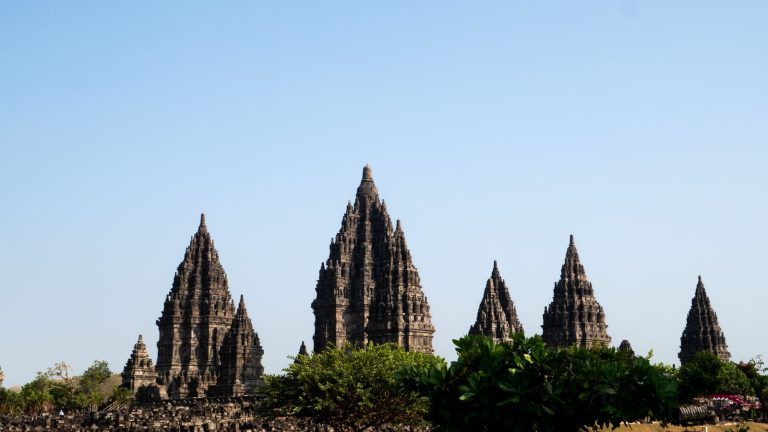
Hindu temples and the Ramayana Ballet.
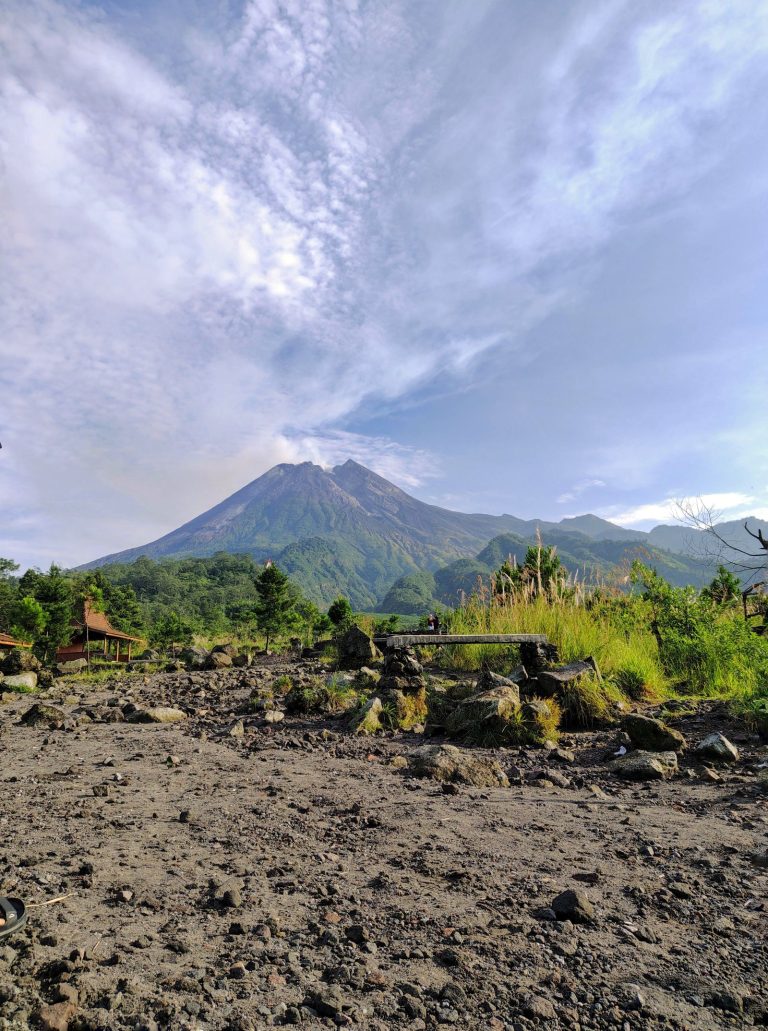
An active volcano.
The Ramayana ballet runs at Prambanan in the dry season.
Open-air dance.
A week-long royal festival.
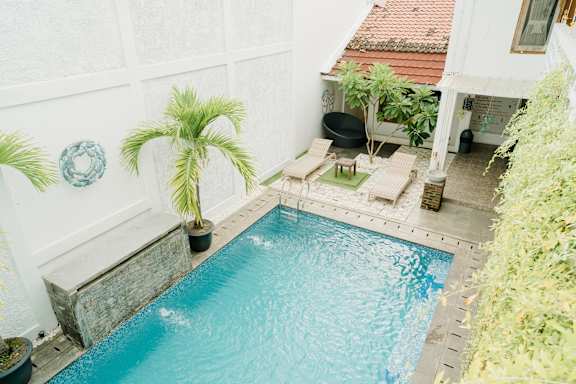
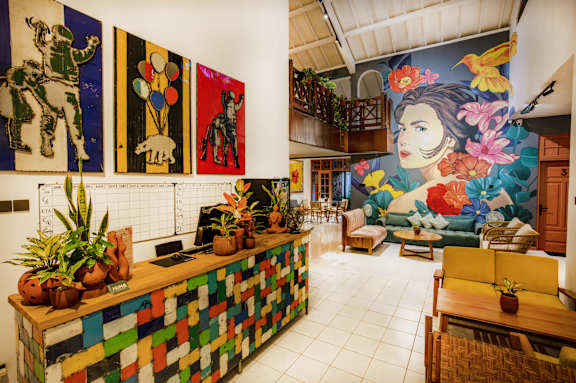
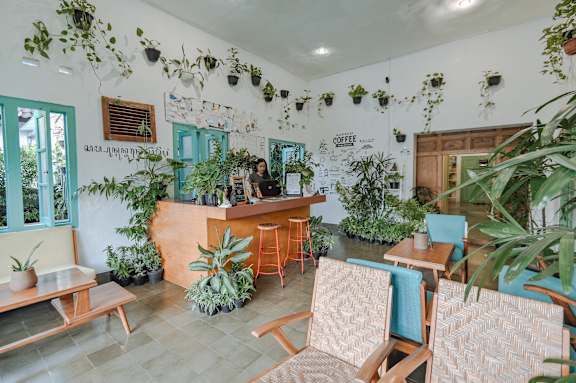
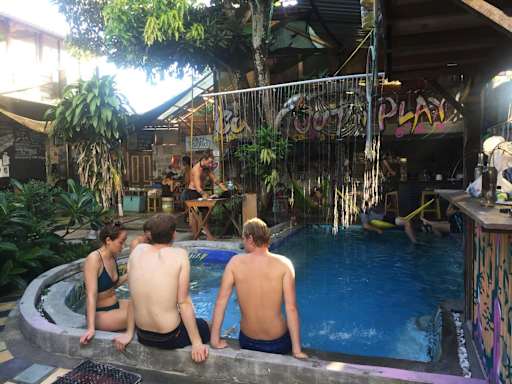
The top-rated places to stay in Yogyakarta right now, live from Hostelworld.
 Sustainable
 Sustainable
May to September is dry.
Average highs.
Pick how you travel. Per person per night, in euros.
Prices are in rupiah locally; these are euro equivalents. Excludes temple tickets.
The ones we get asked most.

Compare Yogyakarta hostels — live prices, real reviews and free cancellation on most bookings. Then meet the people already there in the app.

 Get the App.
 Get the App.