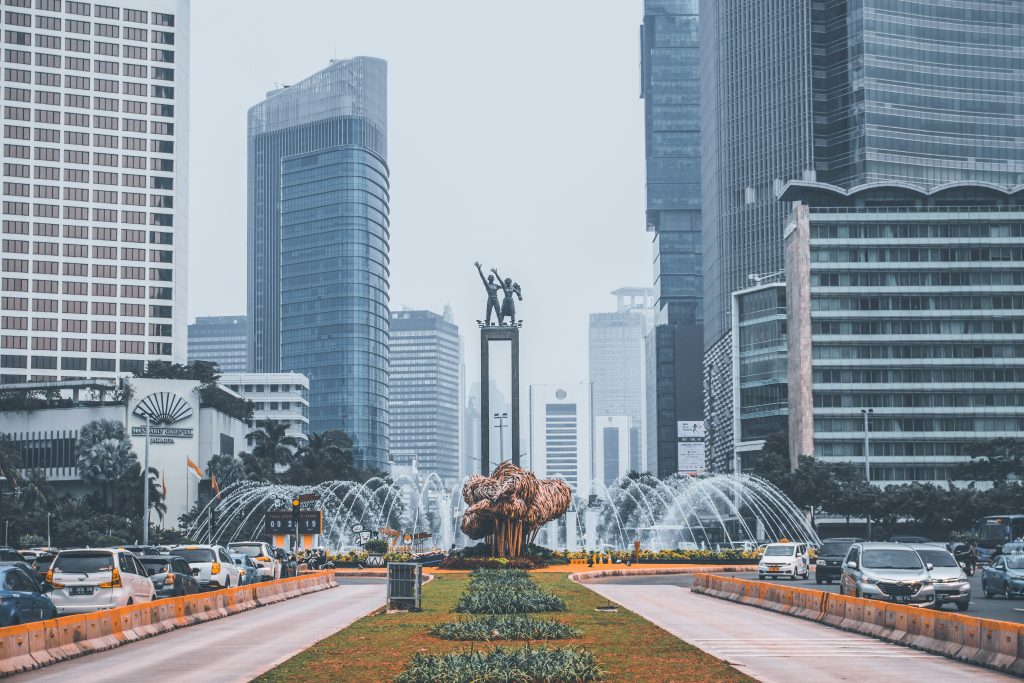
Jakarta
33 hostels
The capital: chaotic, enormous, and where most international flights land. A day or two, then move.

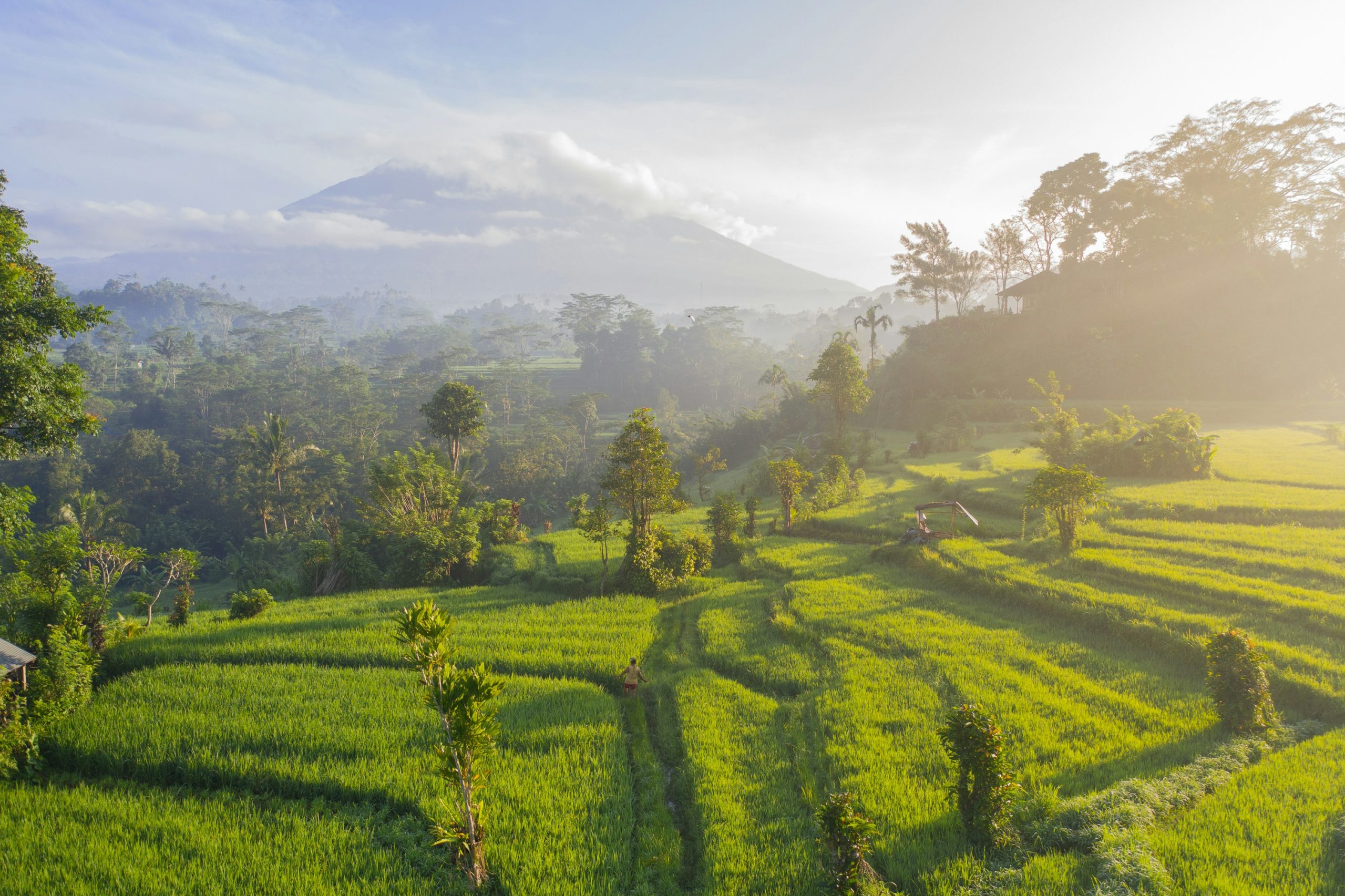
Seventeen thousand islands, the most volcanoes of any country, and Bali as the front door most people never walk past. Cheap, enormous, and far more varied than its reputation.
Almost every trip to Indonesia starts in Bali, and that is not wrong — Canggu, Ubud and Uluwatu have the surf, the rice terraces, the temples and the largest concentration of hostels in the country. It is also a small island carrying an enormous share of the country's visitors, and it can feel like it in August.
The rest is the point. Java has Borobudur and Prambanan, the two greatest temple complexes in southeast Asia, and volcanoes you climb before dawn. The Gilis and Lombok are an easy boat east. Komodo, Flores and Sulawesi are further and quieter. Sumatra has orangutans and jungle.
A fortnight does Bali and one neighbour. A month gets you across Java and into Flores or Lombok, and the country is cheap enough that the extra weeks cost very little — the flights between islands are the main expense.
Cheap domestic flights and ferries link the islands. Bali is the hub for most trips.
The capital: chaotic, enormous, and where most international flights land. A day or two, then move.
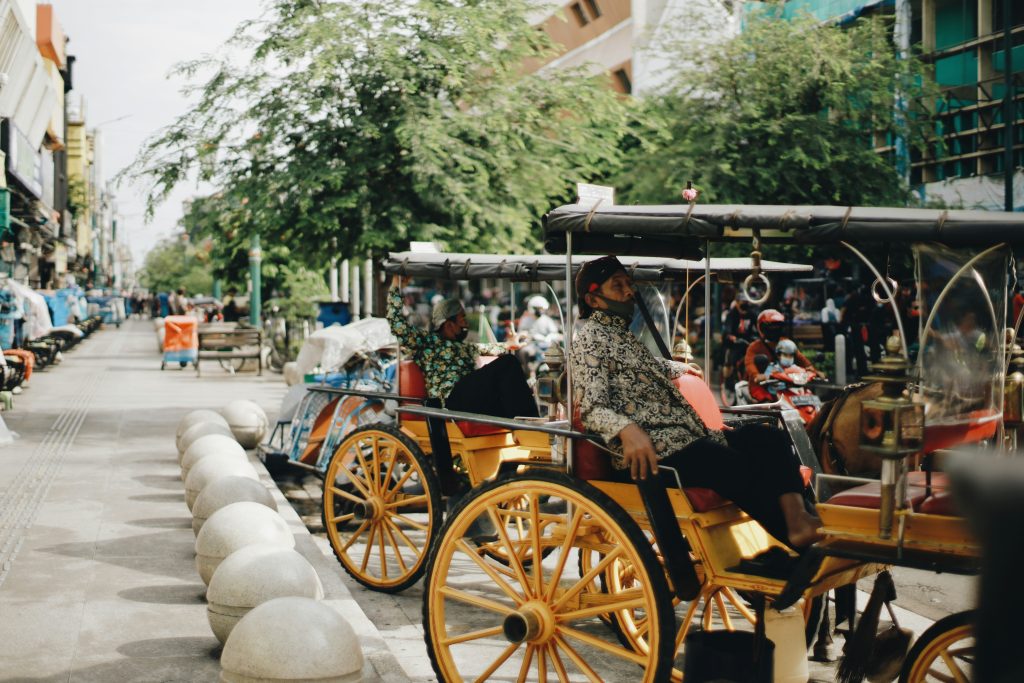
The cultural heart of Java, and the base for Borobudur and Prambanan.
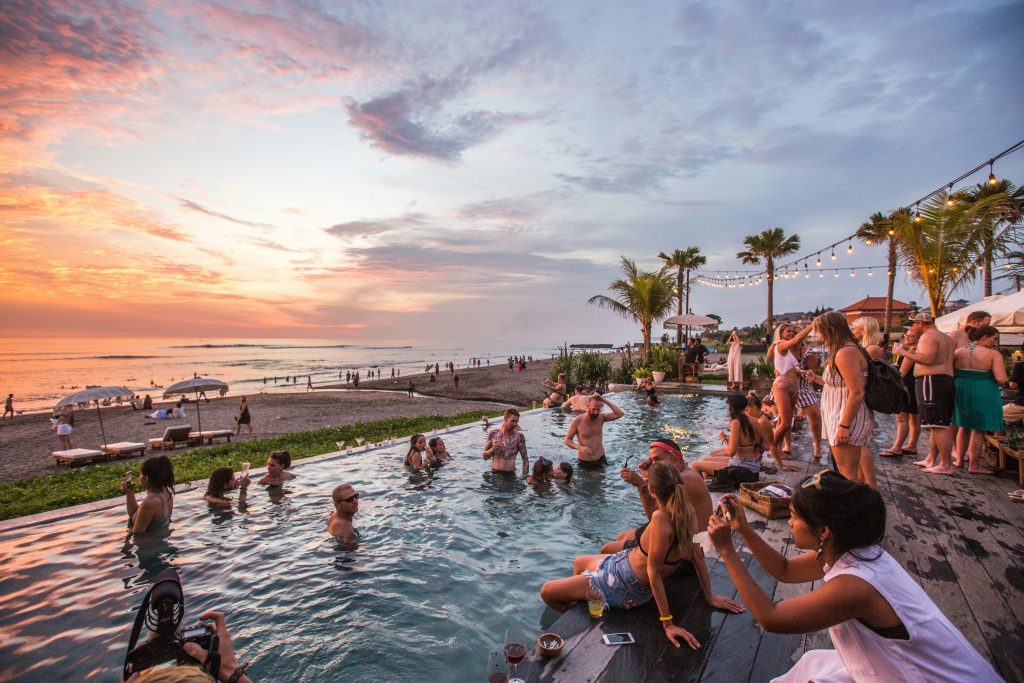
Bali's surf and digital nomad centre: beach breaks, cafés, and the biggest hostel scene in the country.
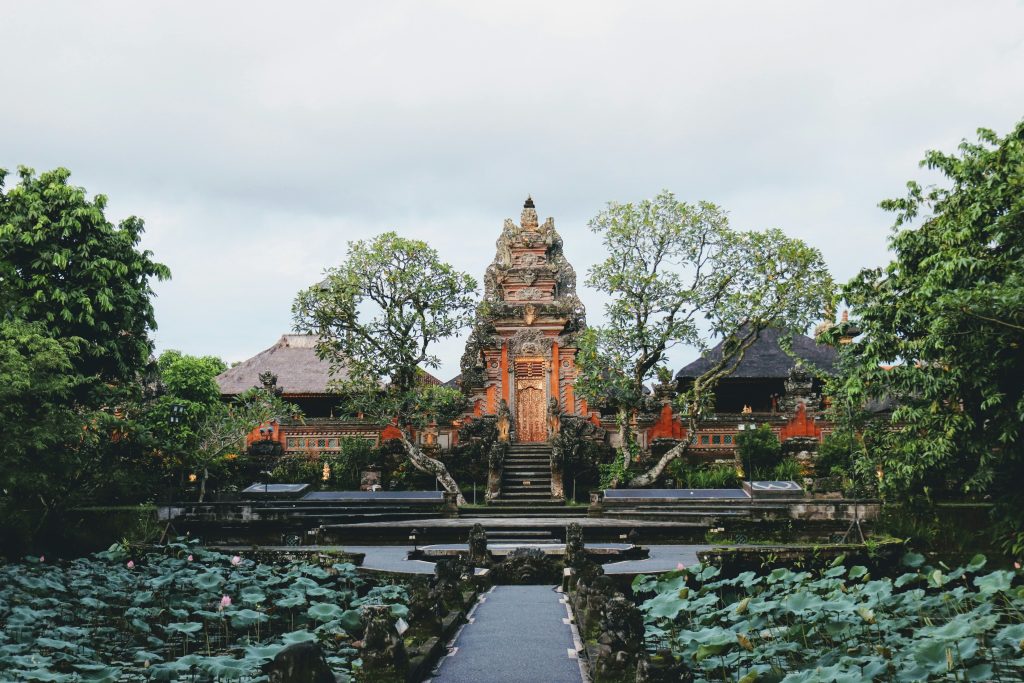
Inland Bali: rice terraces, temples, yoga and the monkey forest. Cooler and greener than the coast.
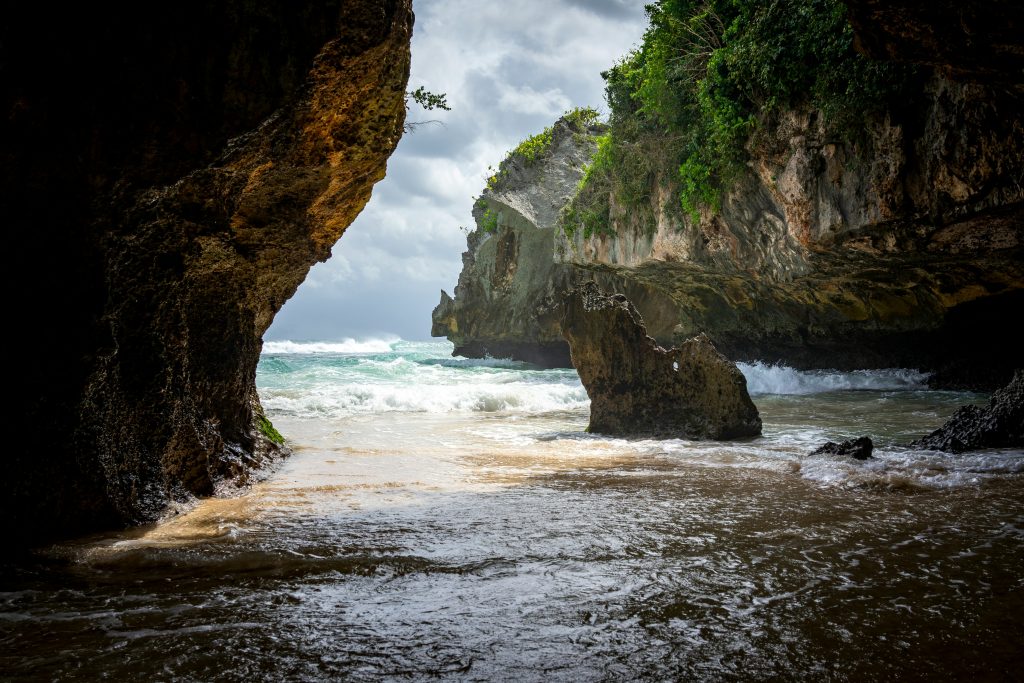
The southern cliffs: serious surf, clifftop temples and sunset bars above the break.
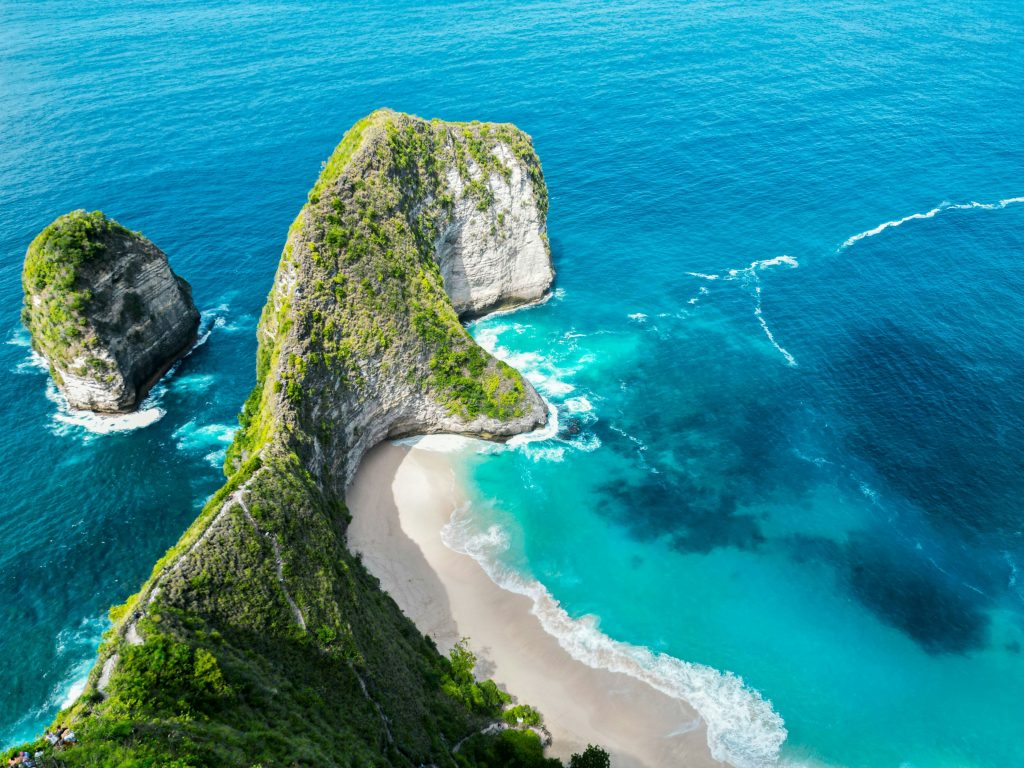
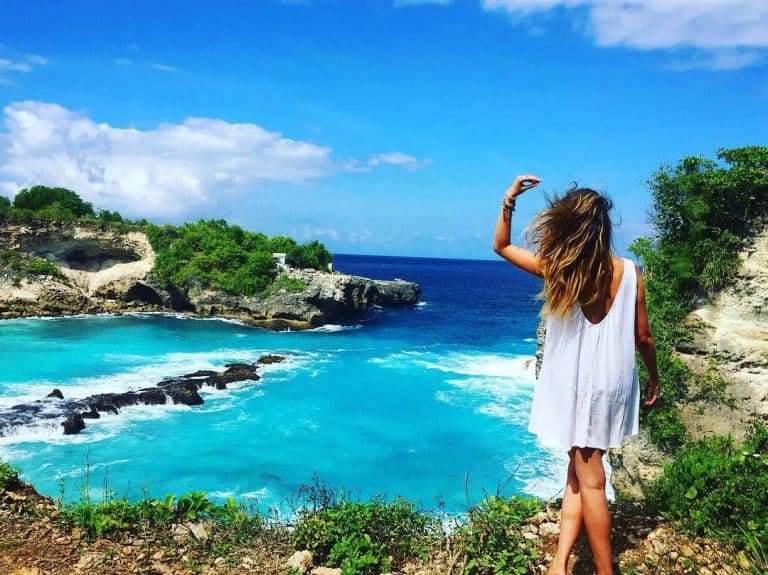
A rugged island off Bali with the cliffs from every photograph, manta rays offshore and rough roads inland.
East Bali: black sand, freediving, a sunken wreck at Tulamben and Agung behind the village.
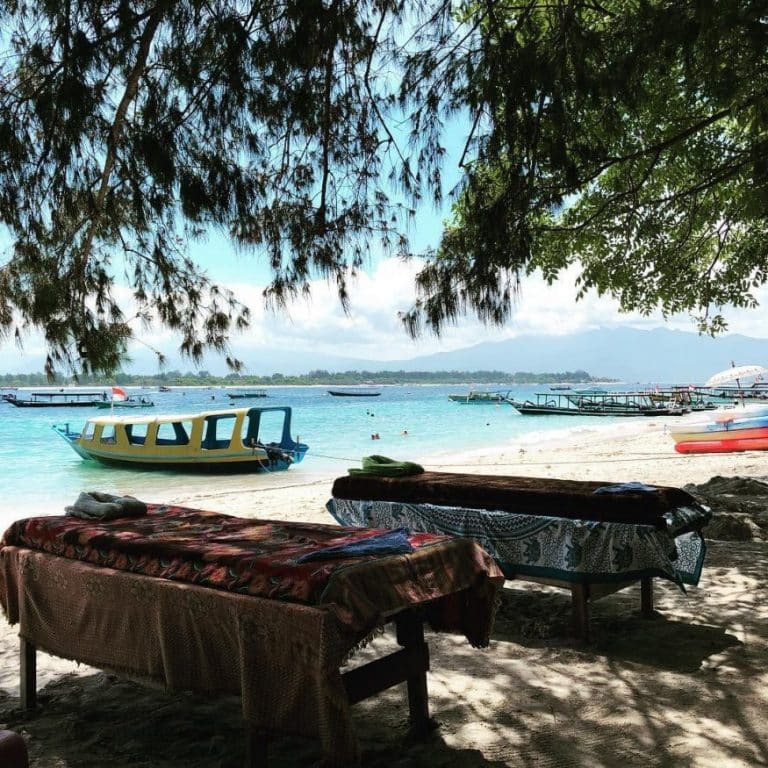
A small island with no motor vehicles, an hour and a half by boat from Bali.
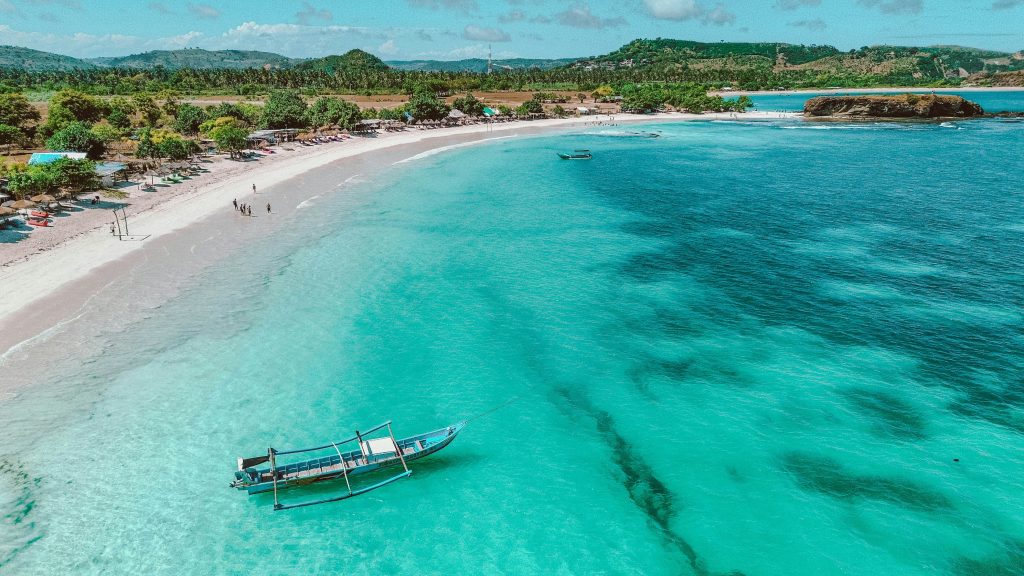
Lombok's south coast: emptier beaches, better surf and a fraction of Bali's crowds.
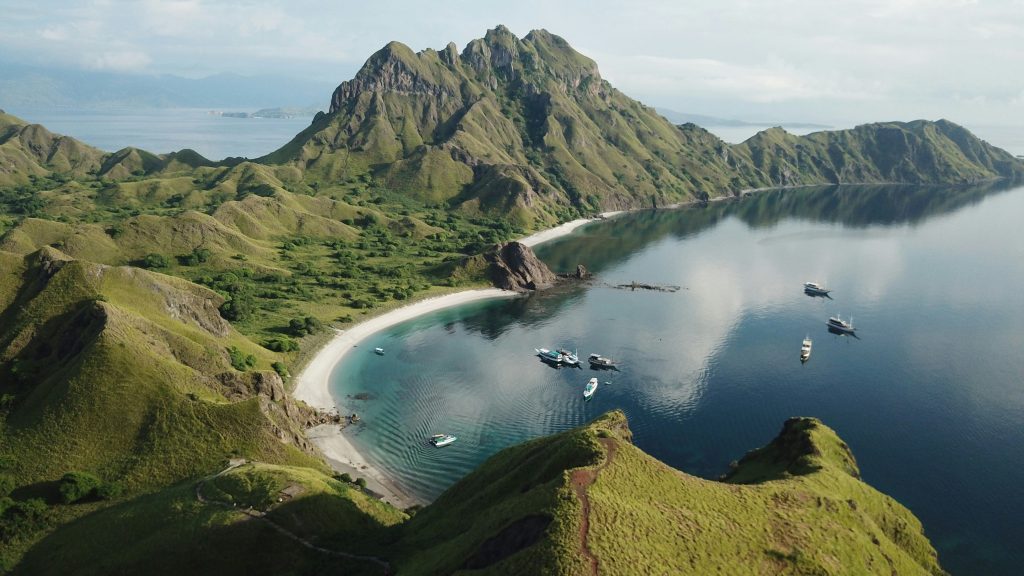
Flores: the gateway to Komodo, liveaboards to the dragons and the best diving in the country.
Sumatra: jungle trekking to see wild orangutans, and tubing back down the river to the village.
The largest volcanic lake in the world, with an island the size of Singapore in it and Batak villages around it.
Indonesia does surf, volcanoes, diving and temples, and all of them cheaply.
Seventeen thousand islands' worth, and some of the best surf on earth.
Volcanoes, dragons and jungle.
The greatest temple complexes in southeast Asia.
Very cheap once you are there. Flights between islands are the cost.
Warungs, satay and sambal that will find your limits.
Beach clubs in Bali, and very little elsewhere.
In Bali, the split is coast and inland. Canggu and Uluwatu have the surf — Canggu for beginners, Uluwatu for people who know what they are doing — and Ubud has the rice terraces, the temples and the yoga industry. Nusa Penida, a boat ride away, has the cliff viewpoints that fill Instagram and a very rough road network.
Java has the two things that justify leaving Bali: Borobudur, the largest Buddhist temple in the world, best at sunrise, and Prambanan, its Hindu counterpart nearby. Yogyakarta is the base for both.
The volcanoes are the other reason. Bromo at sunrise and Ijen, where sulphur miners work beside blue flames visible at night, are both done as pre-dawn trips from Java, and Rinjani on Lombok is a serious two or three day climb.
Warungs — small family-run eateries — are where to eat. Nasi goreng or mie goreng costs €1.50 to €3, nasi campur is a plate of rice with whatever is good that day, and the same food in a tourist café costs three times as much.
Bali has its own dishes because it is Hindu rather than Muslim: babi guling, suckling pig, is the one to try, and it is not available across most of the rest of the country.
Sambal accompanies everything and varies from warm to genuinely painful. Indonesian coffee is excellent and cheap — skip the kopi luwak, which is a tourist product with real animal welfare problems behind it.
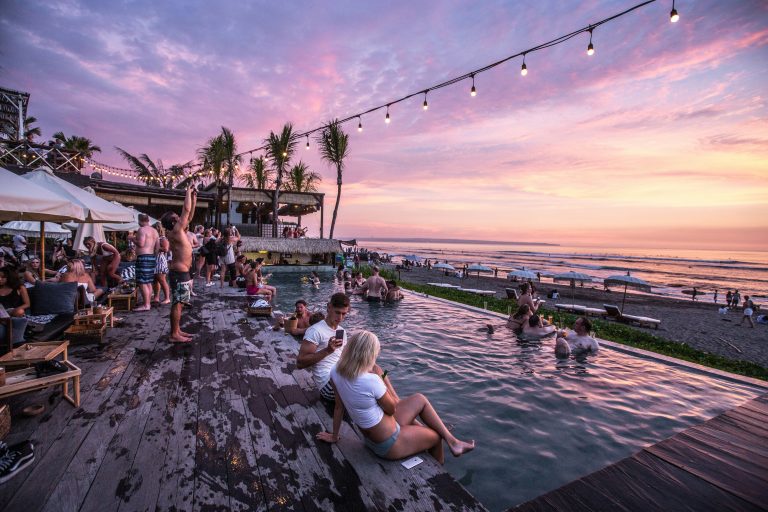
Bali carries almost all of it. Canggu has beach clubs and a hostel party circuit, Seminyak is glossier and more expensive, and Uluwatu has clifftop bars where the sunset is the main event.
It is not a cheap night by Indonesian standards — a beach club cocktail is €8 to €12, against €2 for a meal — so many people drink at hostels first.
Elsewhere the picture changes entirely. Gili Trawangan has its own party nights, but Java and most of the rest of the country are Muslim-majority and alcohol is limited, expensive or absent. Plan evenings accordingly rather than being surprised.
Distances are enormous — this is a country 5,000km wide — so domestic flights do the heavy lifting. Lion Air, Citilink and Garuda connect everything, and Bali to Yogyakarta or Lombok costs €30 to €60.
Fast boats link Bali to the Gilis and Lombok in an hour and a half to two hours. They have a mixed safety record, so use the established operators rather than the cheapest ticket, and avoid crossings in rough weather.
On Bali itself, scooters are the default and Grab and Gojek work in the main areas, though some districts have local taxi arrangements that restrict them. Java has a good train network, which is comfortable, cheap and worth using end to end.
Indonesia is cheap once you are there. Dorms start around €8, a warung meal is €1.50 to €3, and scooter hire is about €5 a day.
Bali is the most expensive part, particularly Canggu and Seminyak, where café and beach club prices are closer to European ones. Eating at warungs rather than cafés roughly halves a daily budget.
The real cost is movement: inter-island flights at €30 to €60 each, and organised trips to volcanoes, Komodo or Rinjani, which run €50 to €300. Budget for those separately rather than assuming the daily figure covers them.
Indonesia is safe for travellers in the ordinary sense, and the risks are physical rather than criminal.
Scooters are the biggest one by far. Bali's roads are busy, the rules are loose, foreign riders frequently have no valid licence and therefore no insurance, and the hospital bills are real. An international driving permit with a motorcycle category is the minimum.
The sea is the second. Rip currents on the south coast beaches are strong and lifeguards are limited outside the main beaches. The third is volcanic and seismic activity — eruptions close airports with little warning, and earthquakes happen. Follow local instructions and keep travel insurance that covers disruption.
Most nationalities get a visa on arrival or an e-visa on arrival for 30 days, extendable once, and the system has been revised several times recently — check the official Indonesian immigration site before booking.
Passports need six months' validity from entry, and proof of onward travel is sometimes requested.
Bali also charges a tourist levy on arrival, introduced in 2024, payable online or at the airport. It is small but it is enforced, and paying in advance saves queueing.
Dry season runs April to October and is the straightforward answer. The wet season is not a washout — it rains hard in the afternoon and clears — but the surf, the volcanoes and the boats all work better in the dry.
Average highs for Bali, which varies little — the difference is rain, not temperature. Ubud and the highlands are cooler, and Java's volcanoes are genuinely cold before dawn.
Pick how you travel and how long for. Per night, for one person, in euro equivalents of rupiah.
Prices are in rupiah locally; these are euro equivalents. Inter-island flights at €30–60 and organised volcano or Komodo trips are separate.
One of these shuts down an entire island, airport included, for twenty-four hours.
 Staff pick
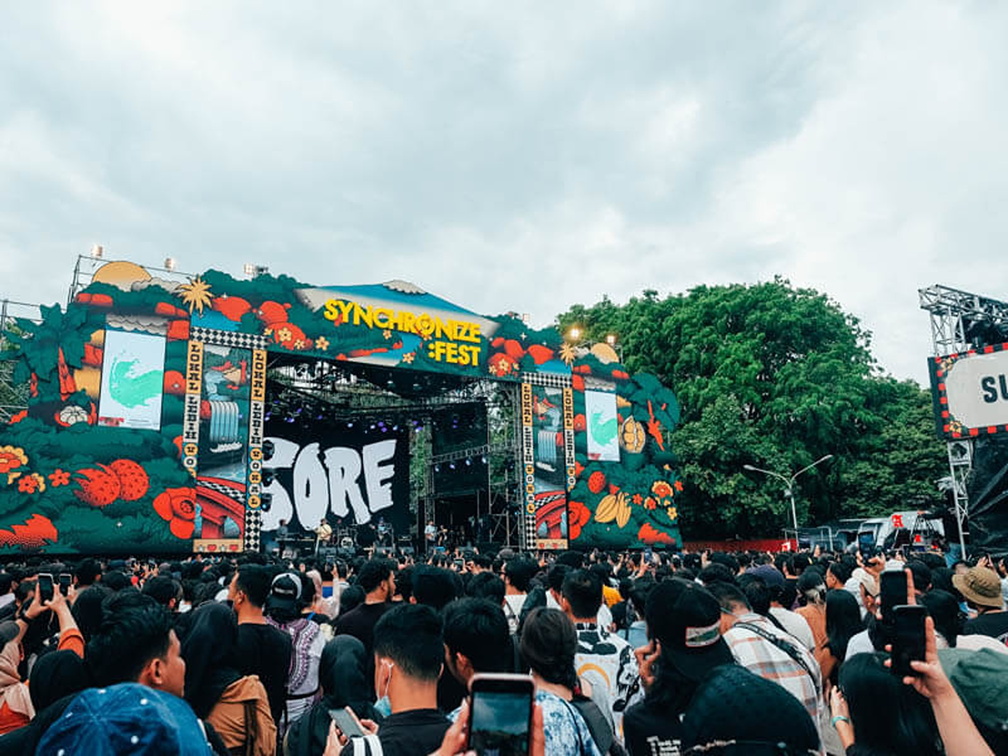
Synchronize Festival is a dynamic multi-genre music event celebrating the diversity of Indonesia’s music scene across generations. Since its founding in 2000, the festival…
 Staff pick
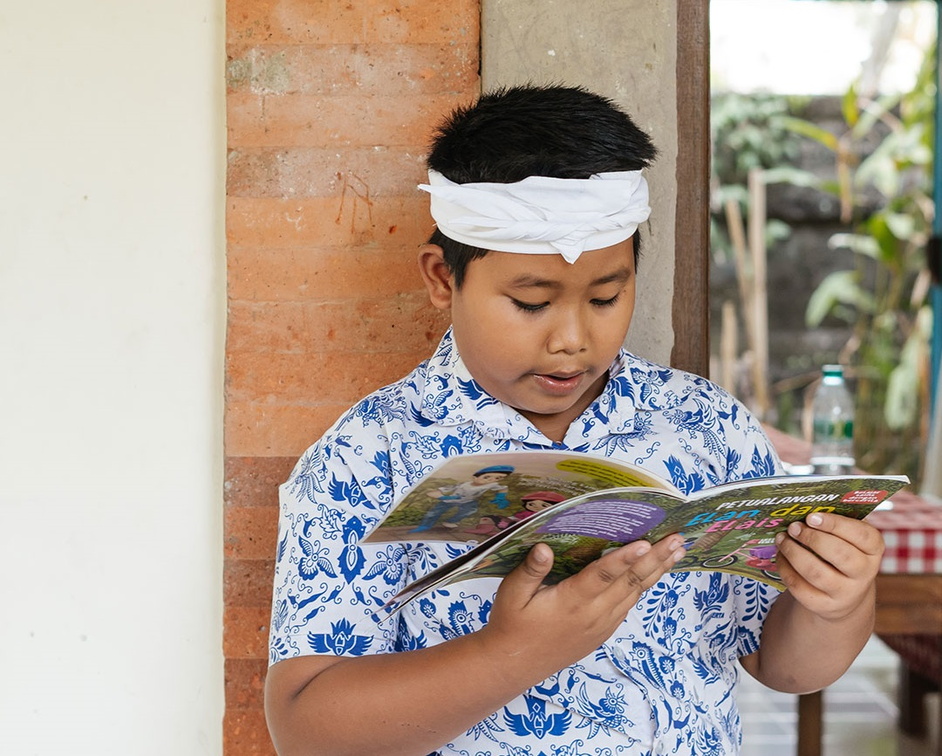
Ubud Writers and Readers Festival is a renowned literary event held in Ubud, Bali, that celebrates literature, creativity, storytelling, and the voices of diverse…
 Staff pick
Soundrenaline in Braga, Sumurbandung, Bandung City, West Java, Indonesia, is one of Indonesia’s premier music festivals, drawing thousands of fans for a day of…
 Staff pick
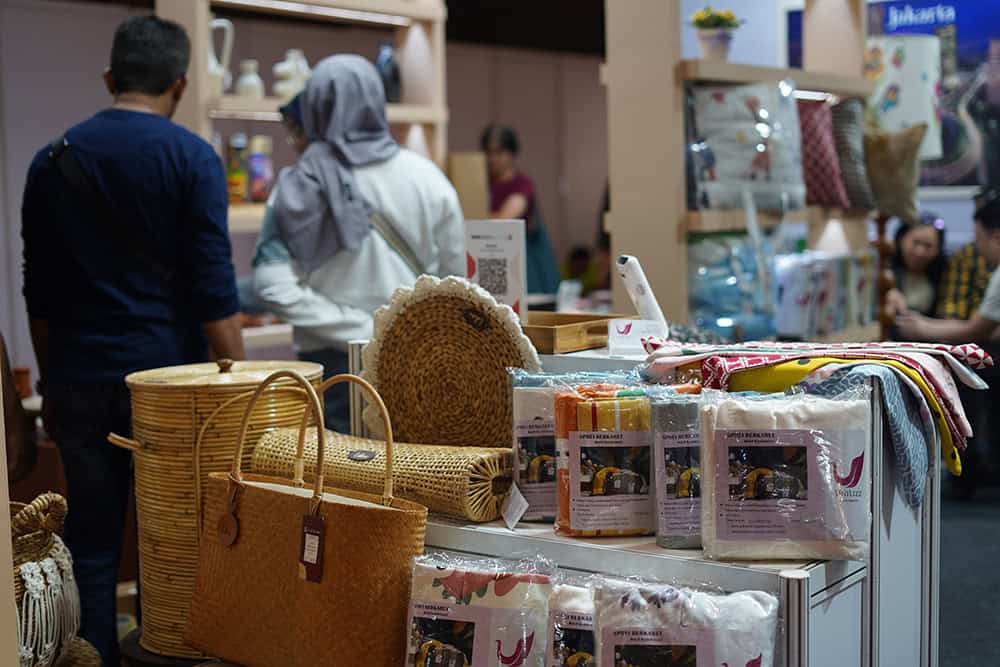
The Asia, Baby, Children & Maternity Expo (ABC&MOM) in Jakarta, Indonesia, is a leading international trade show focused on the mom and baby product…
 Staff pick
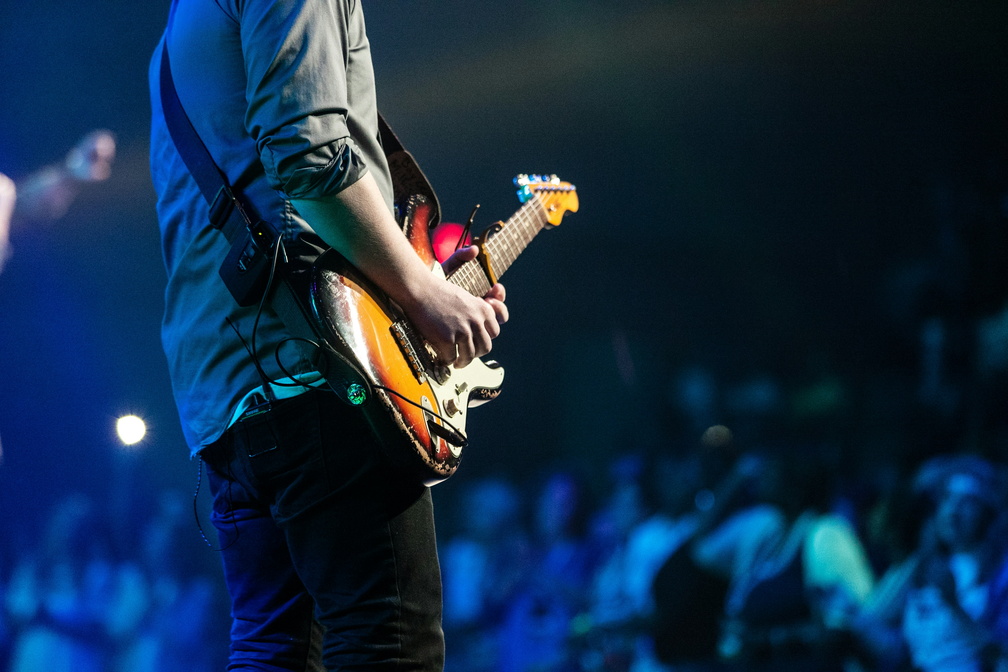
The Papandayan Jazz Fest in Bandung, Indonesia, is a renowned music festival that has been captivating audiences since 2015. Showcasing an eclectic mix of…
 Staff pick
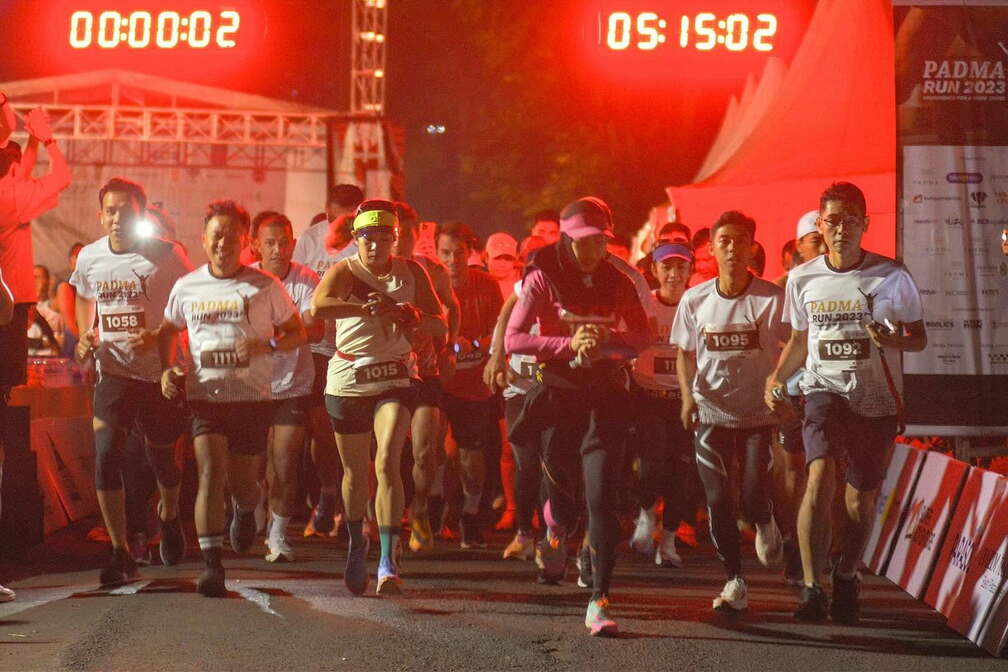
Padma Run Bandung invites participants to experience a unique running event set amidst the scenic hills of Ciumbuleuit, Bandung, where fresh air and lush…
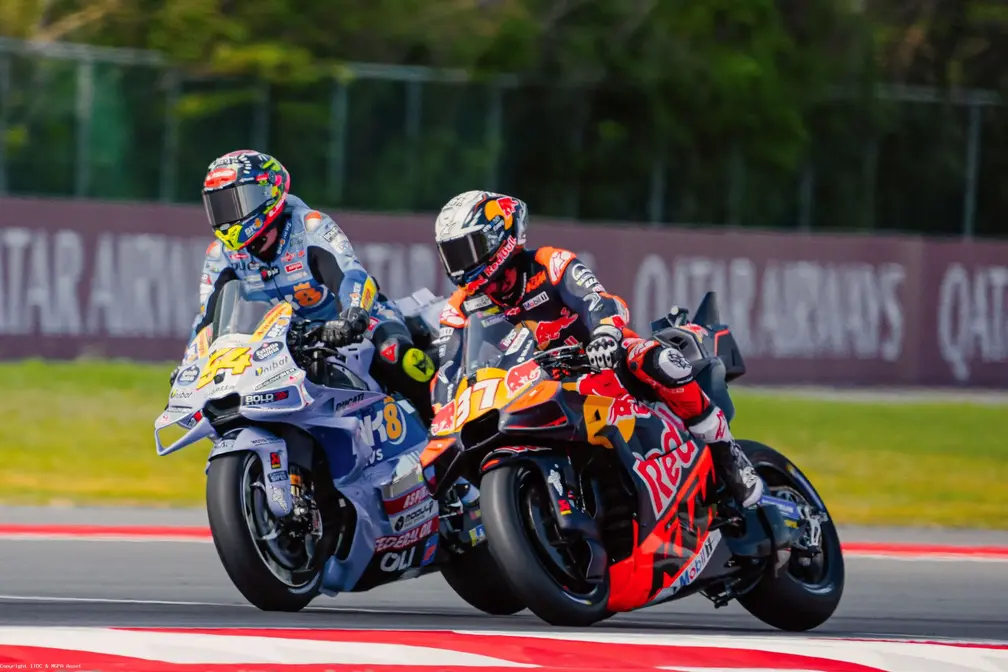
The Pertamina Grand Prix of Indonesia 2026 returns to the Mandalika International Circuit in Lombok for three days of thrilling motorcycle racing. You'll witness…
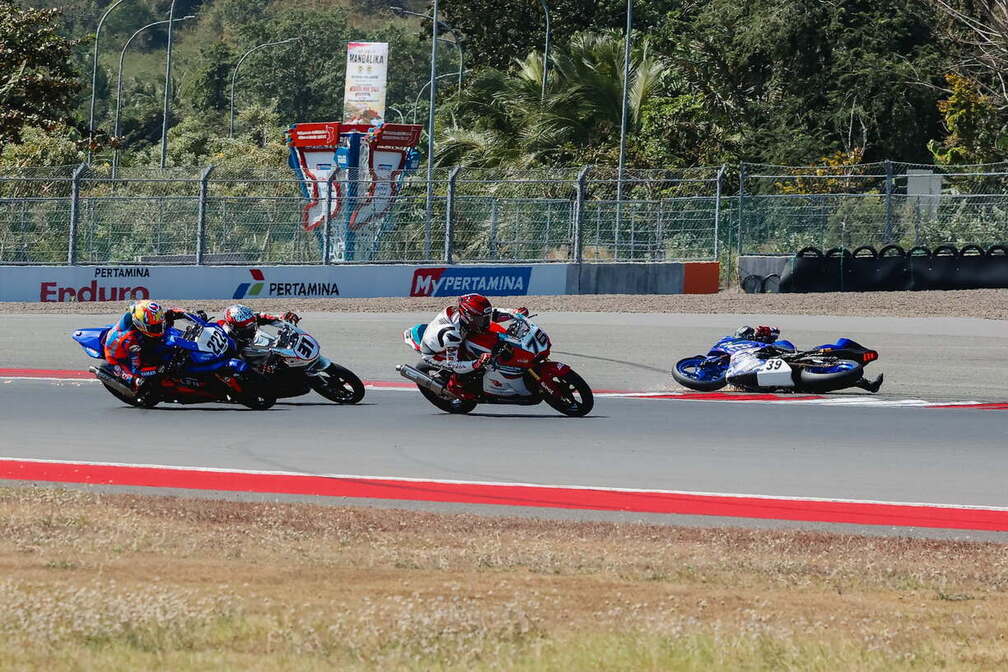
MotoGP roars into Lombok at the Pertamina Mandalika International Circuit, bringing world-class motorcycle racing to one of Indonesia's most scenic coastal regions. Official ticket…
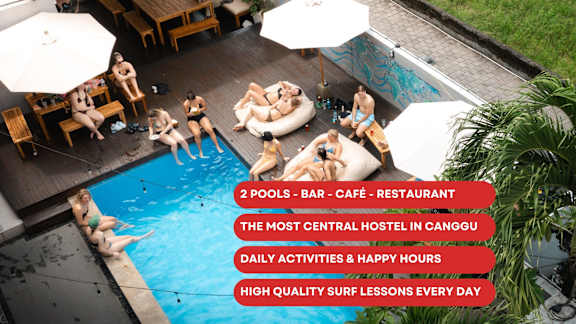
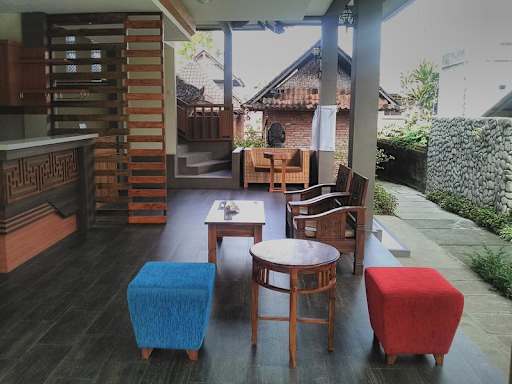
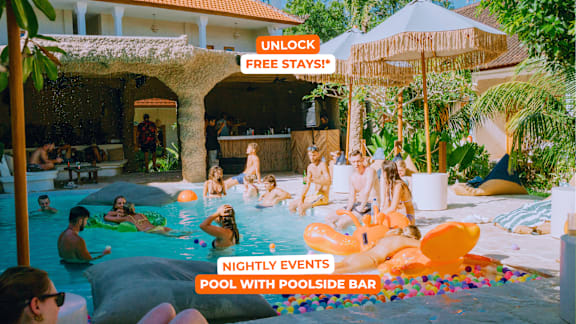
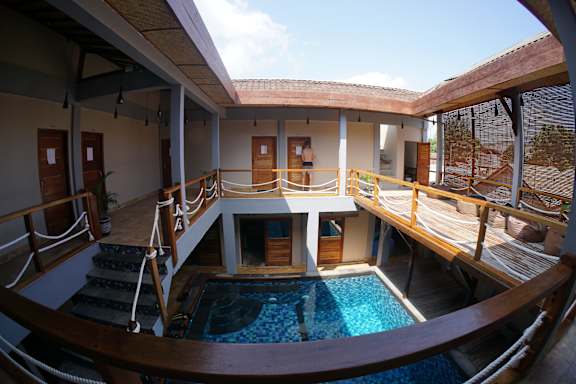
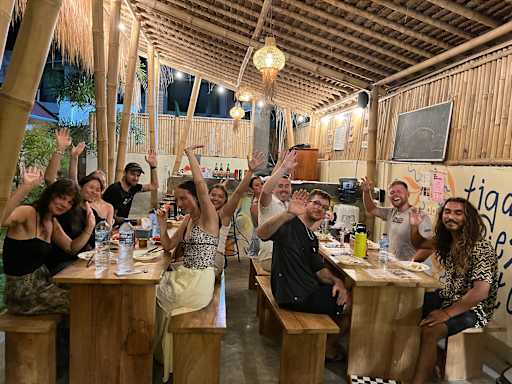
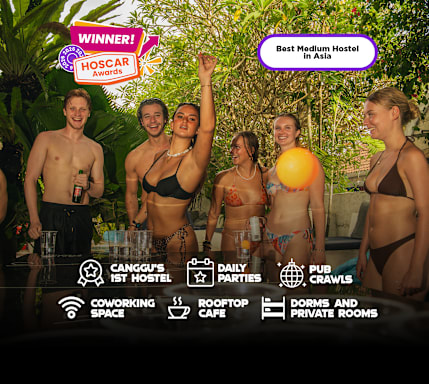
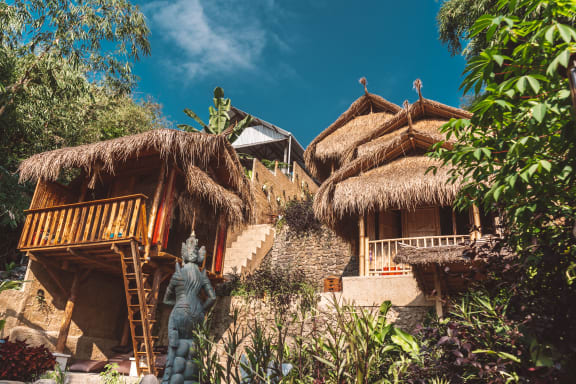
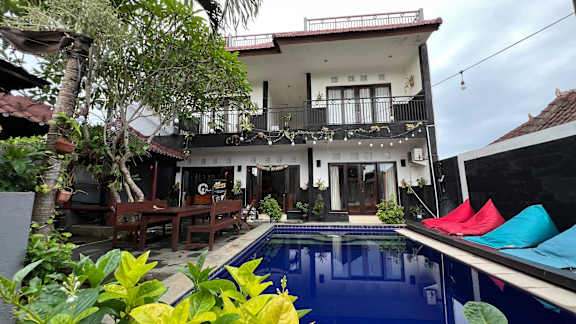
The highest-rated hostels in the country, live from Hostelworld. Bali has by far the most, with Canggu and Ubud leading; book ahead for July and August.

 Sustainable
The ones we get asked most.

Compare hostels across Indonesia — live prices, real reviews and free cancellation on most bookings. Then meet the people already there in the app.

 Get the App.
 Get the App.