Old city
First-timersInside the walls.

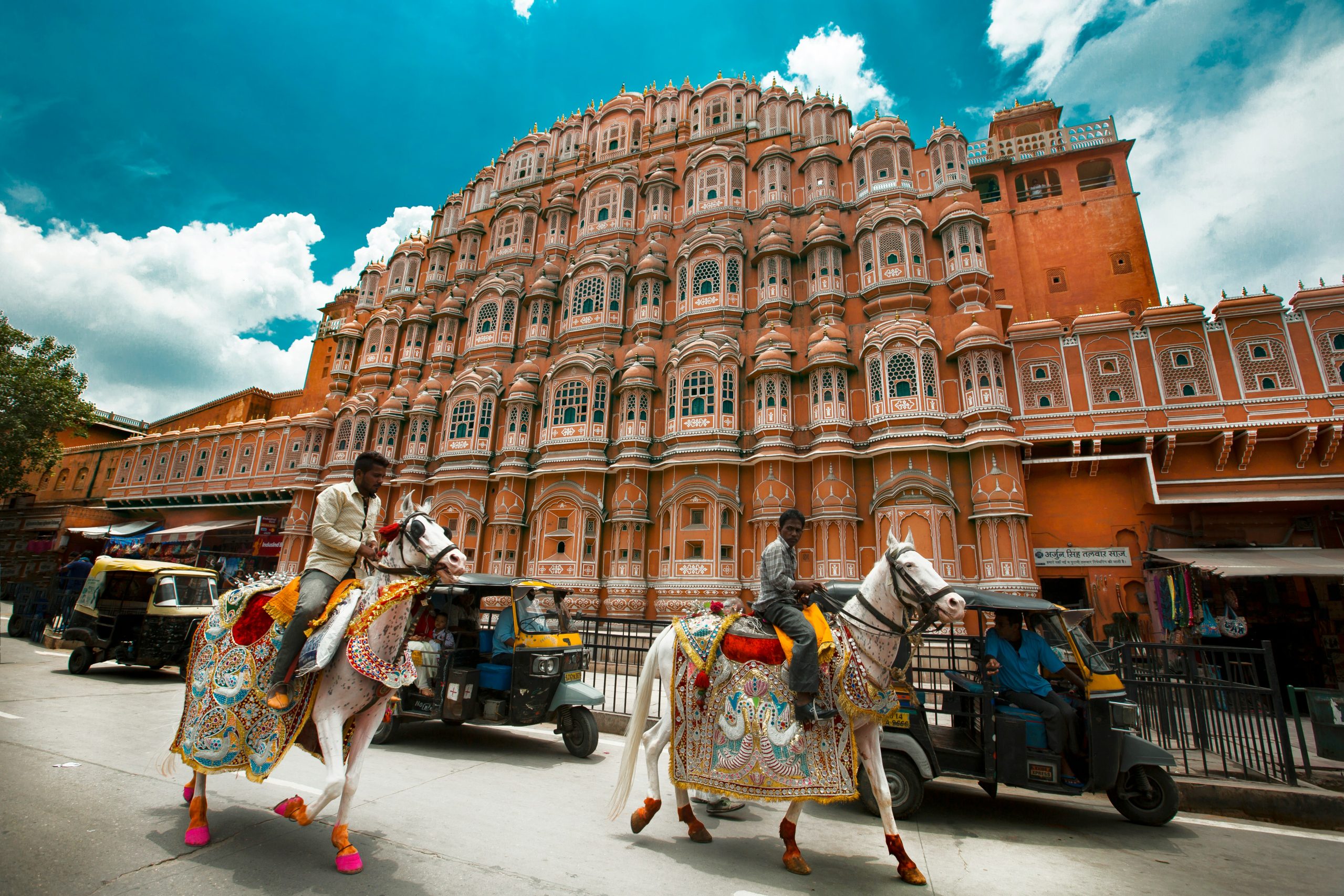
Rajasthan's pink capital, with the Palace of Winds, a hilltop fort, an astronomical observatory, and the best bazaars for crafts in the country.
Jaipur was founded in 1727 by Maharaja Sawai Jai Singh II, one of the first planned cities in India, laid out on a grid according to Hindu architecture. The old city was painted pink to welcome the Prince of Wales in 1876, and it has stayed pink ever since. It is a UNESCO World Heritage Site.
Above the city, Amber Fort crowns a hill, and the royal family still lives in part of the City Palace.
Jaipur completes the Golden Triangle with Delhi and Agra. Two or three days is right.
Stay near the old city, or in Bani Park and C-Scheme for quieter streets.
Inside the walls.
West of the old city.
South of the old city.
Orange labels are neighbourhoods, dots are the 9 top-rated hostels. Map data from OpenStreetMap contributors.
Jaipur, the 'Pink City', was founded in 1727 by Maharaja Sawai Jai Singh II and painted pink to welcome the Prince of Wales in 1876. Its walled old city is a UNESCO World Heritage Site.
Amber Fort, on a hill above Maota Lake, is a honey-coloured fort palace with mirrored halls; walk or take a jeep up rather than an elephant ride, which raises serious welfare concerns. Nahargarh Fort, on the ridge above the city, is the place for sunset, and Jaigarh, beside it, holds a giant cannon.
In the old city, the Hawa Mahal, the Palace of Winds, is a honeycomb facade of 953 small windows built so royal women could watch street life unseen; see it from a café opposite at sunrise. The City Palace is still partly home to the royal family, and Jantar Mantar, next to it, is a UNESCO-listed observatory of giant stone instruments built in the 1720s.
Shop the bazaars for block-printed textiles, gems and blue pottery, and see block printing in Sanganer. Patrika Gate, at Jawahar Circle, is a colourful gateway popular with photographers.
The old city's bazaars, the Hawa Mahal from the street and Patrika Gate are free. Walking up to Nahargarh for sunset costs only a small entry fee.
Galta Ji, the Monkey Temple, in a gorge outside the city, is free.
Rajasthani food is rich and built to last in the desert: dal baati churma, baked wheat balls with lentils and sweet crumbled wheat, laal maas, a fiery mutton curry, and ker sangri, desert beans and berries. Pyaaz kachori, an onion-filled pastry, is Jaipur's breakfast, best at Rawat Mishthan Bhandar. Lassi is served in clay cups.
A meal is €1.50 to €6.
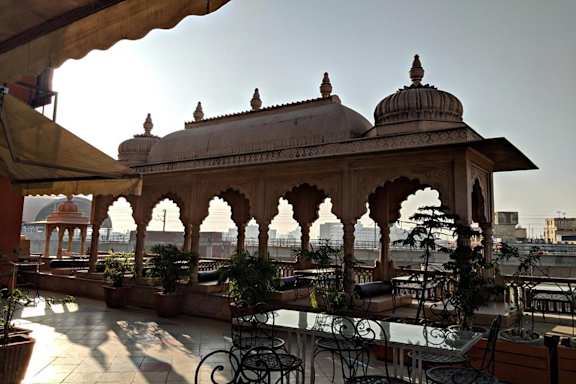
Jaipur has rooftop bars and restaurants with views of the forts, and a few bars in C-Scheme and the hotels.
A beer is €3 to €5.
Jaipur Airport is about 30 minutes from the centre. Trains reach Delhi in about four and a half hours, and buses reach Pushkar and Udaipur.
Uber, Ola and autos cover the city; Amber Fort is about 30 minutes away.
Jaipur is cheap. Dorms start around €6 and a careful day is €20 to €30.
A composite ticket covers Amber Fort, the Hawa Mahal, Jantar Mantar, Nahargarh and other sites for about €12 over two days. The City Palace charges separately, around €8.
The currency is the rupee (INR), at roughly 95 to 100 rupees to the euro; prices here are euro equivalents. UPI phone payments are everywhere, and some apps now accept foreign cards; carry cash for small shops, autos and markets.
Jaipur is safe, but the gem scam is famous: friendly strangers persuade visitors to buy gems to resell at a profit abroad; it is always a scam.
Avoid elephant rides at Amber Fort. Women travellers often face staring and comments, and sometimes groping in crowds; dress conservatively, use women's carriages on metros and trains, and book cabs through apps. Drink only bottled or filtered water, and be wary of raw salads and ice; stomach upsets are common.
Most visitors need an Indian e-Visa, applied for online before travel. Since 1 April 2026, all foreign nationals flying in must also submit the free e-Arrival Card online within 72 hours before landing; screenshot or download the QR code, as it cannot be retrieved later.
Emergency number is 112.
Forts and villages.
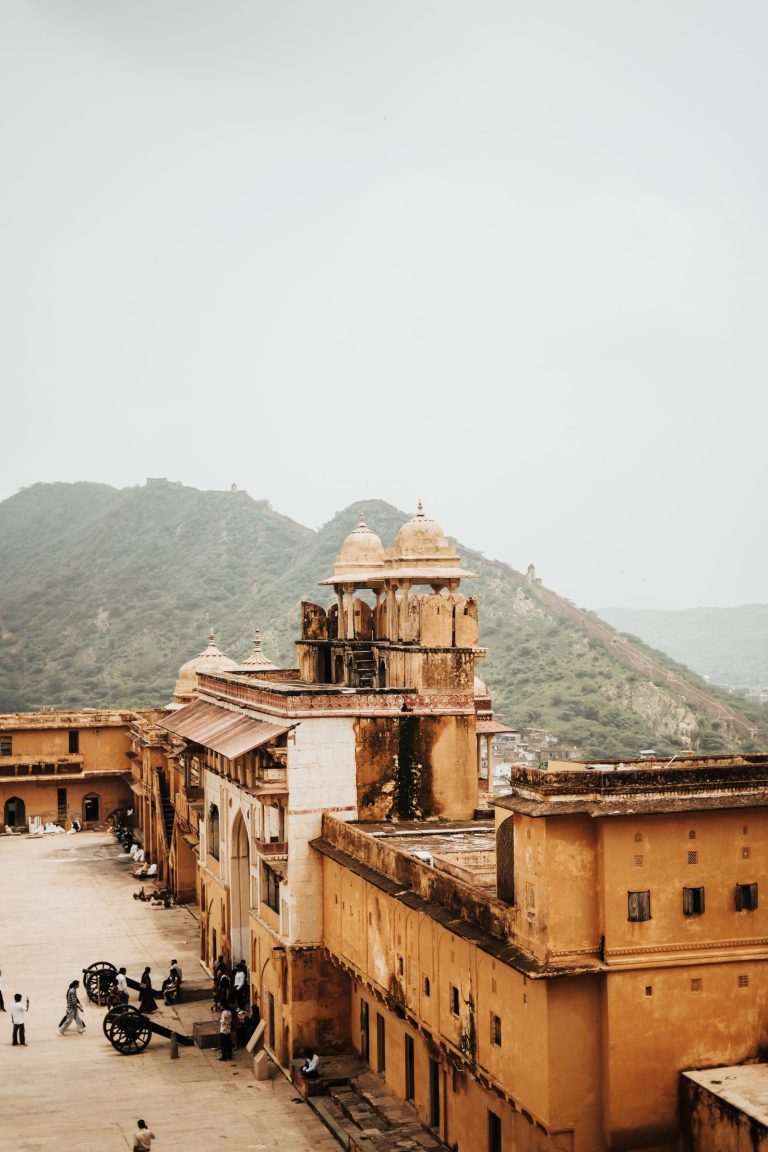
The hilltop fort.
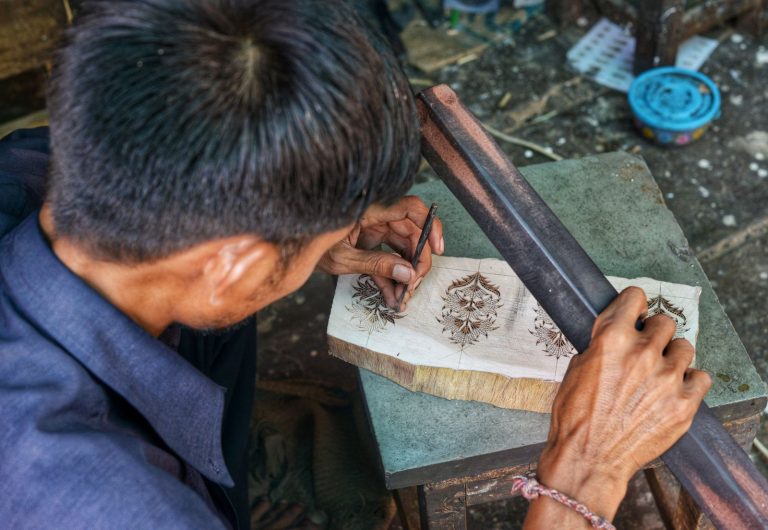
Block printing.
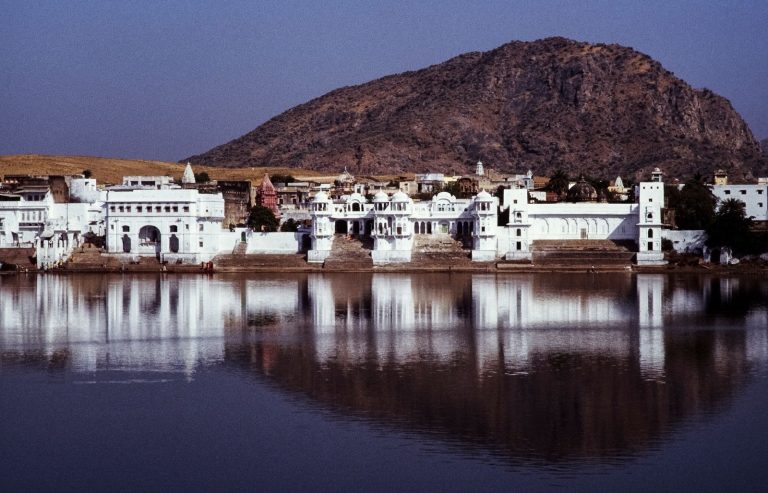
The holy lake town.
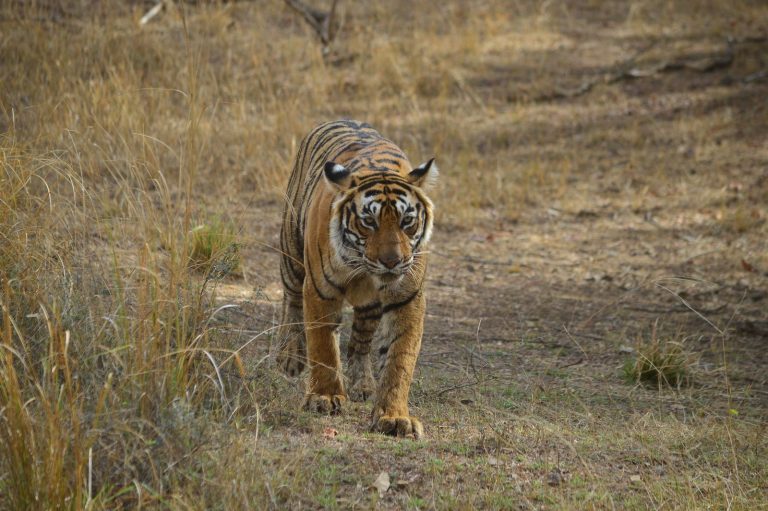
Tiger reserve.
The Jaipur Literature Festival is one of the biggest in the world.
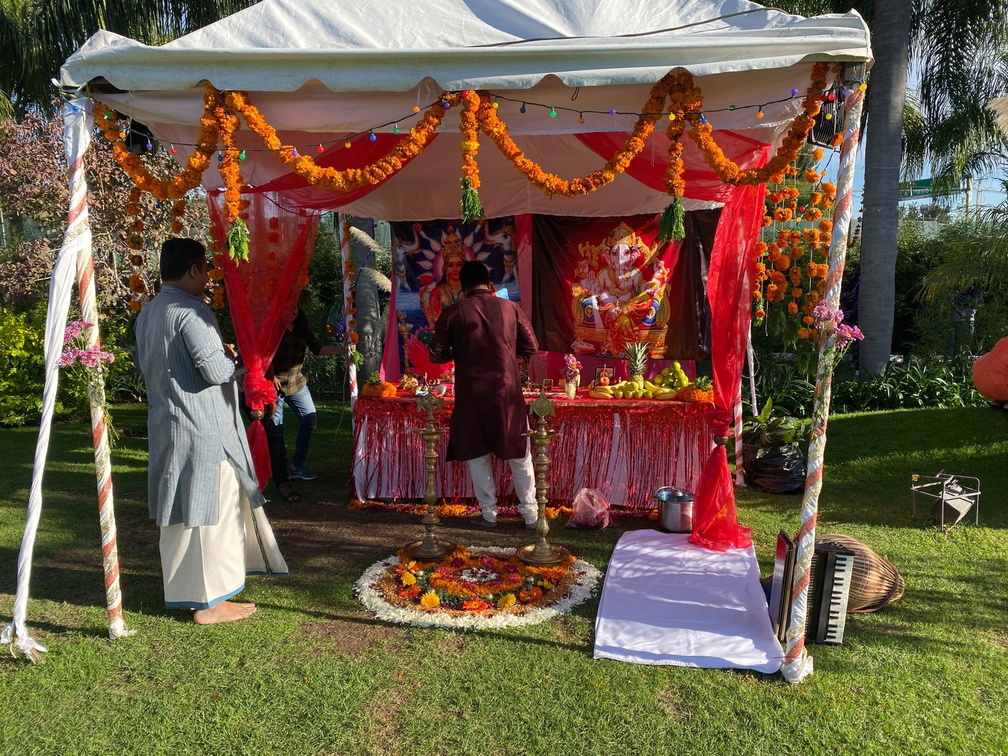 Staff pick
Experience the vibrant and joyous celebration of Diwali, also known as the Festival of Lights, in India. With millions of attendees from around the…
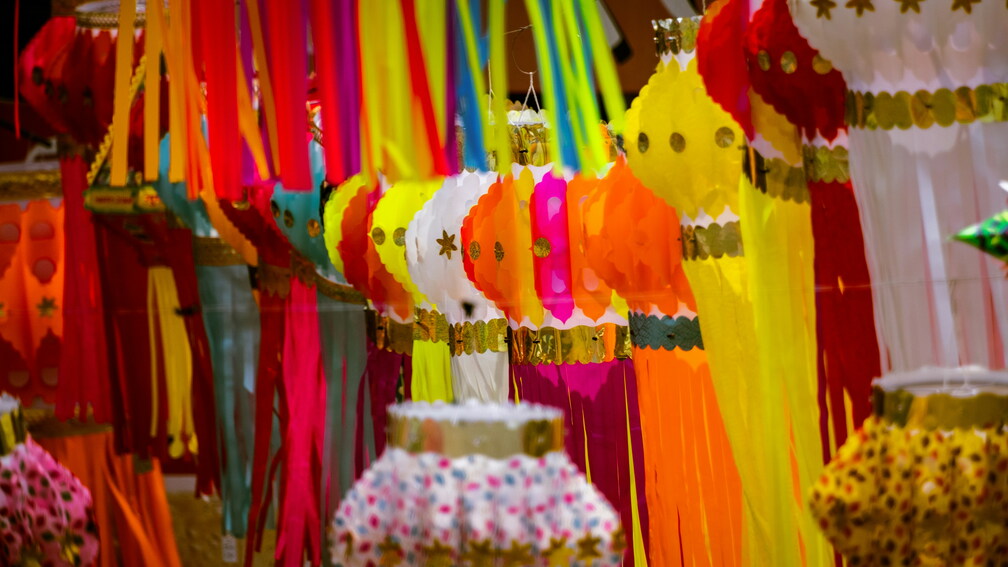
Jaipur's biggest Diwali shopping fair brings together fashion, jewellery, home décor, and lifestyle vendors under one roof for the festive season. You can browse…
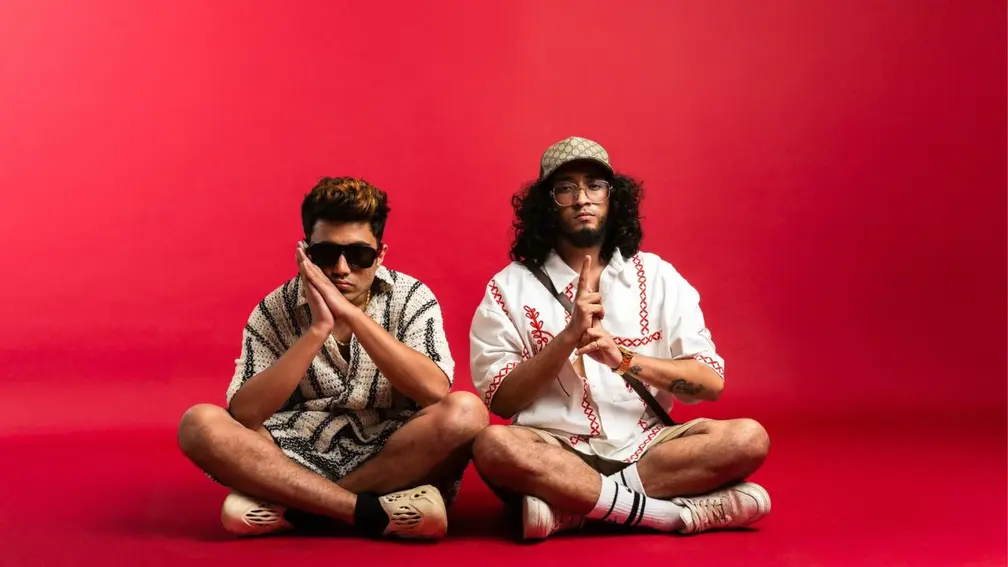
Bangr Arena transforms Jaipur into a multi-sensory playground where music, fashion, food, and culture converge under one sprawling event. You can catch high-energy performances…
Shilpkaaree brings together a curated collection of festive handlooms and handcrafted pieces from master artisans across India. You can explore everything from traditional loom…
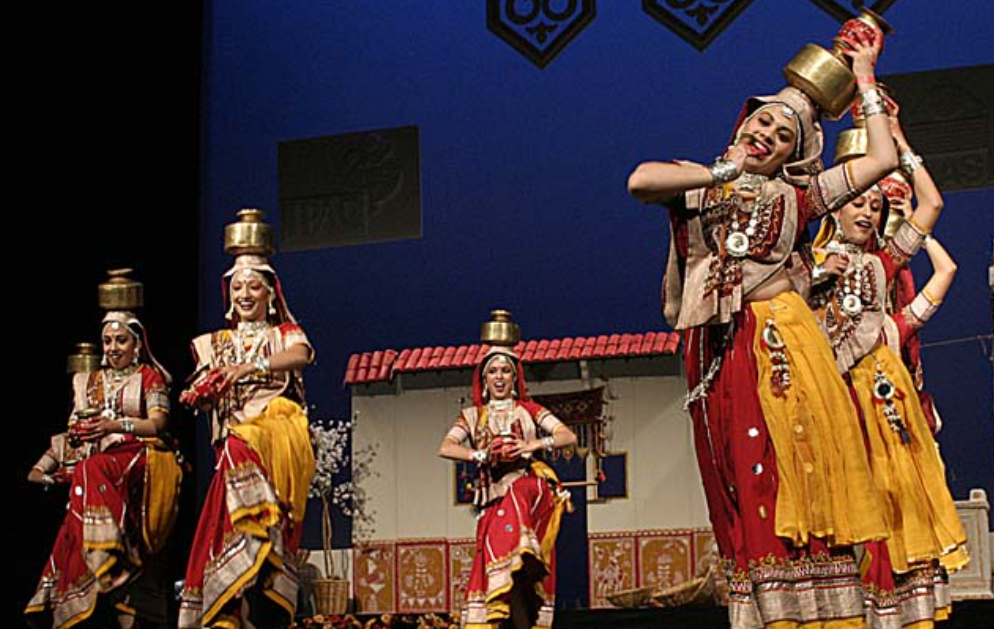
Four nights of traditional Garba and Raas bring Navratri celebrations to life at Fun Kingdom from October 15th to 18th, 2026. The energy here…
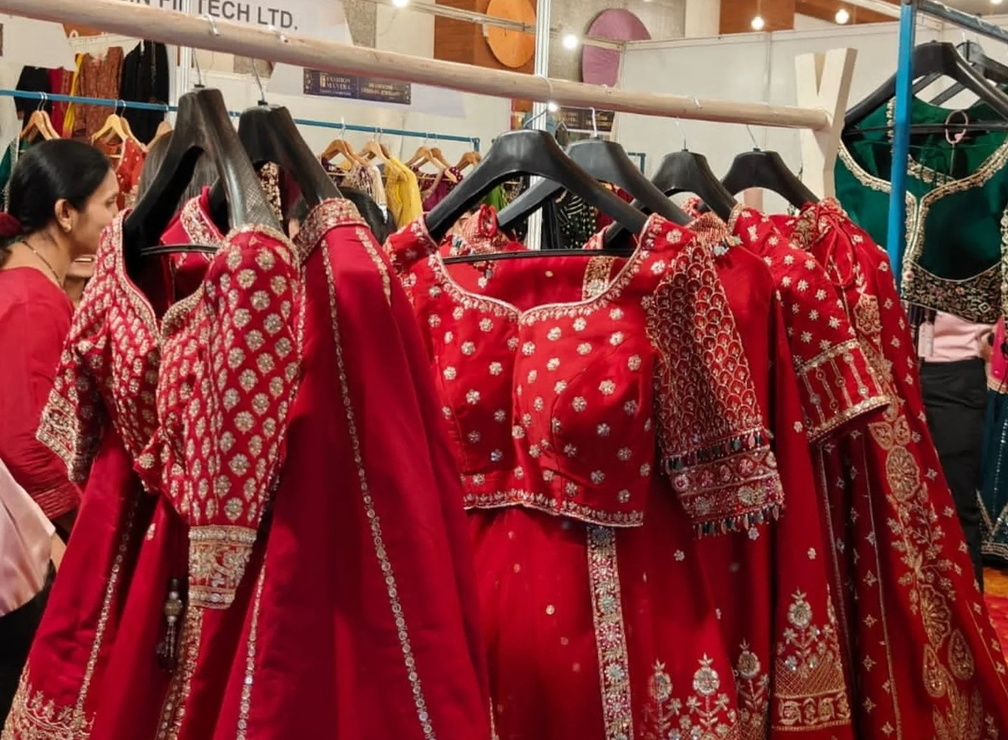
Lagan Mandap Exhibition brings together a curated collection of wedding, fashion, and lifestyle brands to inspire your special occasions. You will find everything from…
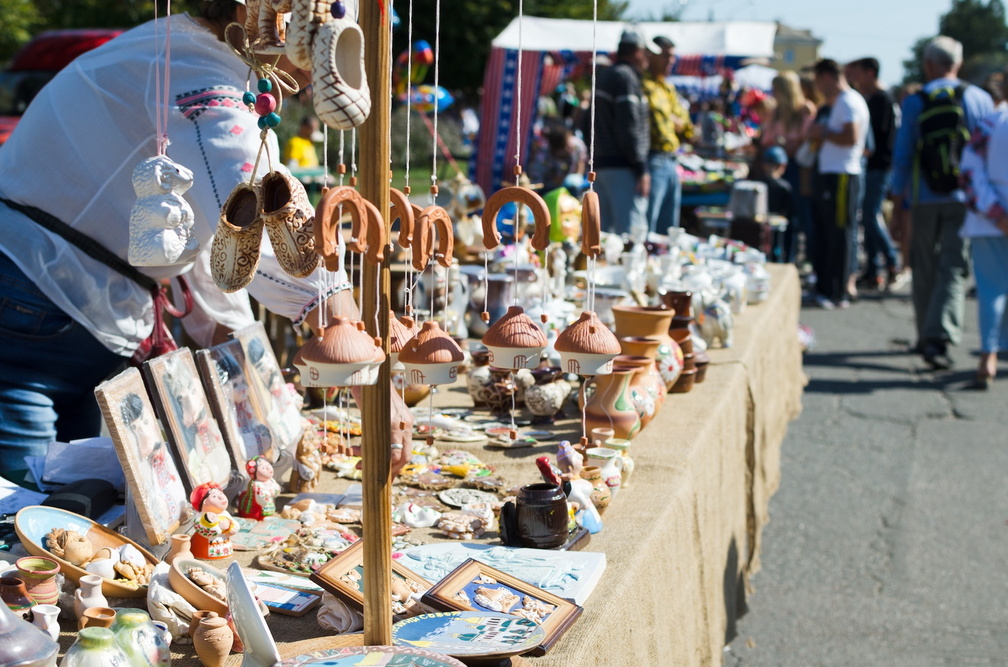
A fashion and lifestyle exhibition brings together festive wear, wedding collections, jewellery, handicrafts, home décor, and gifting options all in one space. You can…
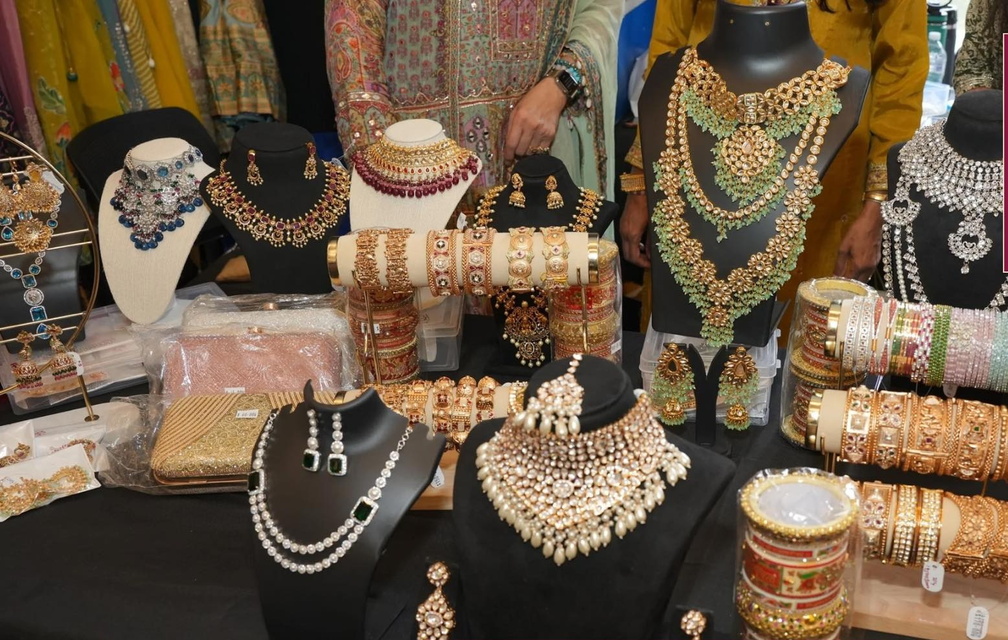
A long-running Diwali shopping exhibition returns for its 42nd edition, bringing together festive fashion, home décor, lifestyle goods, and gifts in one convenient location.…
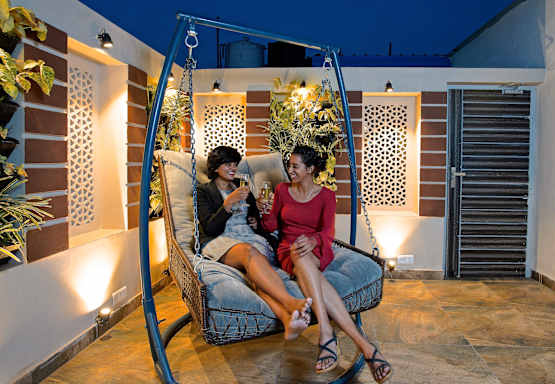
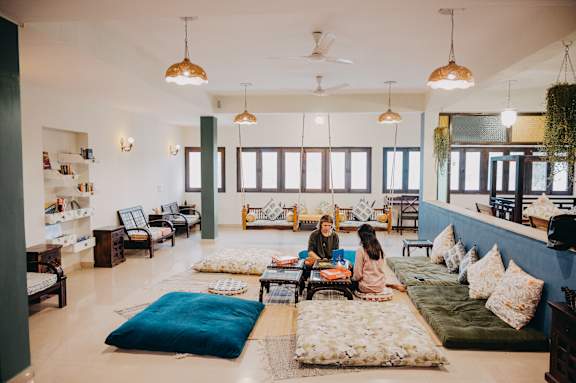
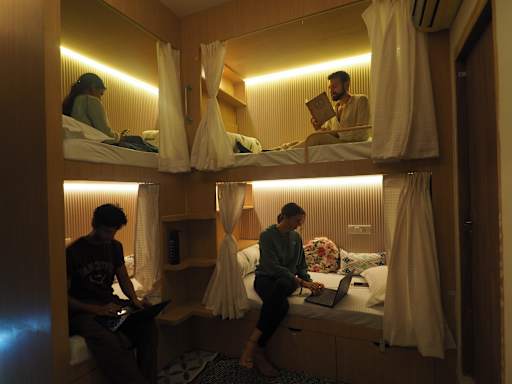
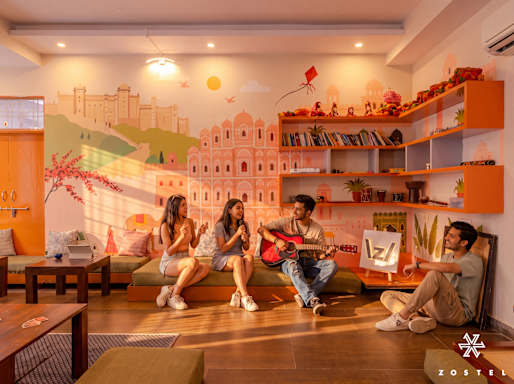
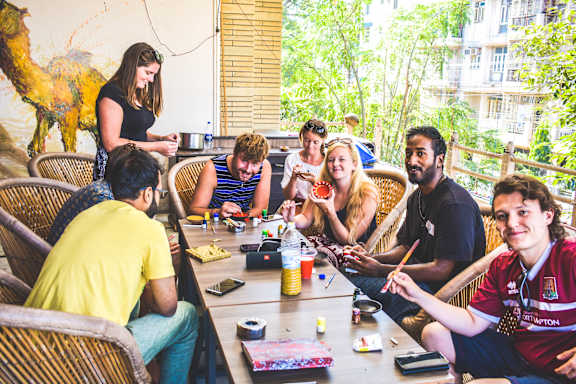
The top-rated places to stay in Jaipur right now, live from Hostelworld.
October to March. January brings the Jaipur Literature Festival.
Average highs.
Pick how you travel. Per person per night, in euros.
Prices are in rupees locally; these are euro equivalents.
The ones we get asked most.

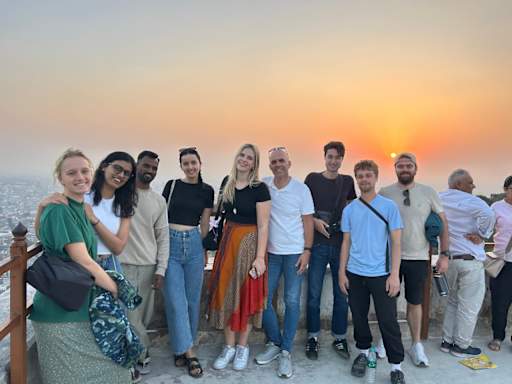
Compare Jaipur hostels — live prices, real reviews and free cancellation on most bookings. Then meet the people already there in the app.

 Get the App.
 Get the App.