Town centre
Backpackers and budgetMosi-oa-Tunya Road with hostels, cafés, markets, ATMs and the Livingstone Museum.

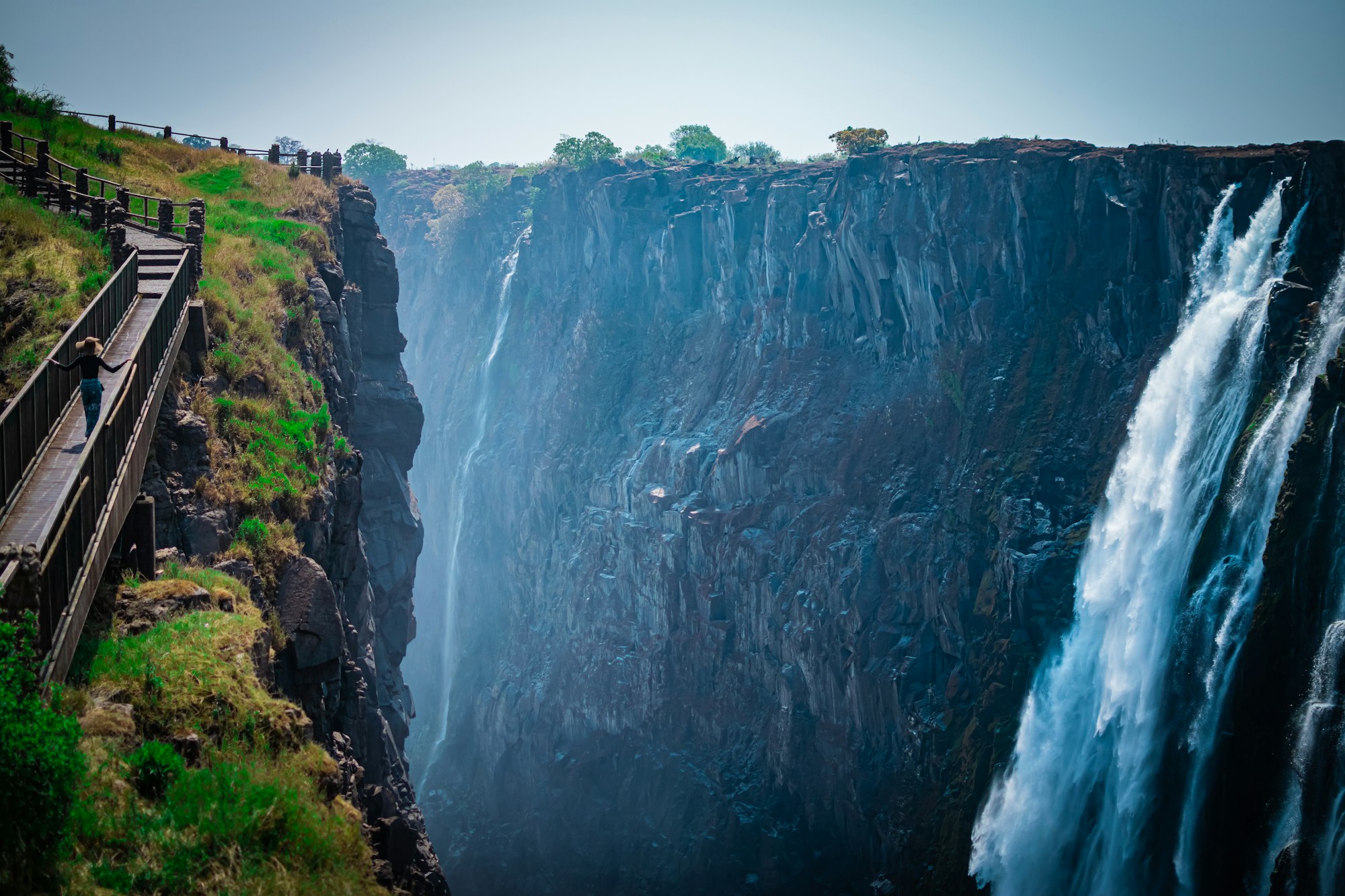
Livingstone is the backpacker capital of the Victoria Falls region: a laid-back Zambian town 10 km from the falls, with the best hostels on either side of the river. Swim at the lip of the falls in Devil's Pool, bungee off the bridge, raft the Batoka Gorge and take a day trip to Chobe or Zimbabwe.
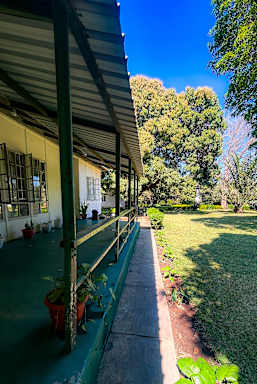
Livingstone is a small town in southern Zambia, about 10 km from Victoria Falls and the Zambezi river. It was Northern Rhodesia's capital until 1935, and Mosi-oa-Tunya Road, the main street, still has old colonial buildings with verandas.
The falls are the reason everyone comes. On the Zambian side, they sit inside Mosi-oa-Tunya National Park, the local name for the falls, meaning "the smoke that thunders". You get closer to the edge here than in Zimbabwe, and when the river is low, from about August to January, you can swim in Devil's Pool on the lip of the drop.
Livingstone is also the adventure base of the region. Hostels book everything: bungee, gorge swings, white-water rafting, microlight flights, sunset cruises and day trips to Chobe in Botswana and to the Zimbabwean side of the falls.
Compared with Victoria Falls town, across the border, Livingstone is bigger, more of a real town, and has more backpacker hostels. Jollyboys and Fawlty Towers have been backpacker institutions for decades.
The town is relaxed and easy to walk by day, with markets, cafés and a good museum. Upriver, lodges along the Zambezi offer sundowners and hippo views.
Three or four nights is ideal: one day for the falls, one for an adventure activity, one for Chobe or the Zimbabwean side, and one to rest by the pool.
Stay in town for the hostels, restaurants and free shuttles to the falls. Lodges along the Zambezi upriver are quieter, with hippos and sundowners on the doorstep.
Mosi-oa-Tunya Road with hostels, cafés, markets, ATMs and the Livingstone Museum.
Lodges and hotels along the road between town and the falls, about 10 km south.
Lodges and campsites along the river upstream, with hippos and sunset views.
The falls, Livingstone Island and the small game park with white rhinos.
Orange labels are neighbourhoods, dots are the 4 top-rated hostels. Map data from OpenStreetMap contributors.
Start at Victoria Falls on the Zambian side, in Mosi-oa-Tunya National Park. Paths lead along the edge of the Eastern Cataract, across the Knife-Edge Bridge, where you get soaked in high water, and down a steep trail to the Boiling Pot, at the bottom of the gorge. Park entry for international visitors is about US$10 to US$20, depending on the source, so check at the gate.
Devil's Pool, on Livingstone Island, is a natural rock pool at the very edge of the falls. Guided trips run by boat to the island when the river is low, from about August to January, and you swim with a guide to the lip. Prices start at about US$120.
For adrenaline, bungee jump 111 m from the Victoria Falls Bridge, swing across the Batoka Gorge, or raft some of the world's best commercial white water below the falls, best from about August to December. Microlight and helicopter flights over the falls, known as the Flight of Angels, are spectacular.
On the upper Zambezi, sunset cruises pass hippos, crocodiles and elephants, often with drinks included.
In the park's small game area, you can see white rhinos on guided walks.
In town, the Livingstone Museum, Zambia's oldest museum, has displays on history, archaeology and David Livingstone's letters and journals. The Railway Museum has old steam locomotives.
Day trips go to Chobe National Park, in Botswana, about an hour away via the Kazungula bridge, and across the bridge to the Zimbabwean side of the falls.
Livingstone's most famous sight costs money, but there are ways to enjoy the area cheaply.
Walk Mosi-oa-Tunya Road to see the old colonial buildings and verandas of Zambia's former capital.
The Victoria Falls Bridge has views of the gorge and the bungee jumpers. You can walk onto the bridge from the Zambian border post, though you will need to leave your passport or get a gate pass at the border.
Browse the craft market by the falls entrance, where carvers sell wooden animals, masks and soapstone. Bargaining is expected.
The local markets in town are free to walk around, with fruit, fabrics and second-hand clothes.
Many hostels offer free or cheap shuttles to the falls, so ask at reception.
Watch the sunset from the riverbank or from a hostel bar, which is free if you don't count the drinks.
Local restaurants in town serve nshima, Zambia's maize porridge, with relishes like beef stew, kapenta (small dried fish), beans and greens, for a few euros. Bream, a fish from the Zambezi, grilled or fried, is a good local choice.
Cafés and restaurants along Mosi-oa-Tunya Road serve burgers, pizzas, curries and steaks. Game meat such as crocodile and kudu appears on menus in the tourist restaurants.
The hostels are a big part of the food scene. Jollyboys and Fawlty Towers both have bars and cafés, and Fawlty Towers includes free breakfast and pancakes in the afternoon.
The supermarkets in town are good for self-catering.
Mosi lager, named after the falls, is the beer to drink, and a sundowner on the Zambezi is the town's ritual. Drink bottled or filtered water.
Evenings in Livingstone start on the river. Sunset cruises on the upper Zambezi, with drinks and snacks, are the town's most popular way to end the day.
After that, the hostel bars are the centre of the backpacker scene. Jollyboys and Fawlty Towers attract travellers from across town, with pool tables, cheap drinks and lots of people who just bungee jumped.
A few bars and restaurants along Mosi-oa-Tunya Road have live music at weekends, and riverside lodges have bars with views.
Livingstone is a small town, and nights end early. Take a taxi after dark rather than walking, and watch out for elephants on the roads near the river.
Harry Mwaanga Nkumbula International Airport is a few kilometres from town, with flights from Lusaka and Johannesburg. Many hostels arrange pickups.
Buses run between Lusaka and Livingstone in about six to seven hours, for around ZMW 250 to ZMW 400. Mazhandu Family Bus is a popular company. Buy tickets at the bus station, ideally a day ahead.
In town, taxis are cheap and easy to find, and the centre is walkable. Fawlty Towers runs transfers to the falls for about US$1, and other hostels offer shuttles or can call a taxi.
To Zimbabwe, take a taxi to the border at the falls, then walk across the Victoria Falls Bridge to the Zimbabwe border post, and on to Victoria Falls town. Buy a KAZA visa (US$50) if you plan to come back.
To Botswana, it is about an hour by road to the Kazungula bridge, then a short ride to Kasane and Chobe National Park. Day trips include all transfers.
Livingstone is the best value base for Victoria Falls. Hostelworld lists dorm beds from about US$15 at Jollyboys and Crystal Hostels, and about US$20 at Fawlty Towers, which includes breakfast.
Food is cheap if you eat local: nshima and relish for a few euros, and a restaurant meal around €8 to €15.
The activities are where the money goes. Park entry to the falls costs about US$10 to US$20. Devil's Pool starts at about US$120, the bungee jump is about US$160, and rafting costs around US$140 to US$175. Sunset cruises are about US$55 to US$80, and helicopter flights start around US$180.
A Chobe day trip from Livingstone costs around US$300 with a tour, plus Botswana park fees.
You will need kwacha for taxis, markets and local food; ATMs are in town. Many activities are priced in US dollars and can be paid by card or cash.
On a budget, allow around €35 to €50 a day, before activities.
Livingstone is a relaxed and generally safe town. Petty crime, like pickpocketing and bag-snatching, happens, especially around the markets and bus station, so keep valuables out of sight.
Take a taxi after dark rather than walking. Elephants, hippos and buffalo wander through parts of town, particularly near the river and the road to the falls, so be careful at dusk and night.
At the falls, stay on the paths and behind the barriers. The rocks are slippery, especially when the spray is heavy.
For adventure activities, use reputable operators booked through your hostel, and check your insurance covers bungee, rafting and Devil's Pool.
Don't swim in the Zambezi except at Devil's Pool with a licensed guide, as there are crocodiles and hippos.
Same-sex sexual activity is illegal in Zambia, and photographing the border, police and government buildings is not allowed.
Livingstone is a perfect base for Chobe in Botswana and the Zimbabwean side of the falls, both reachable in a day.
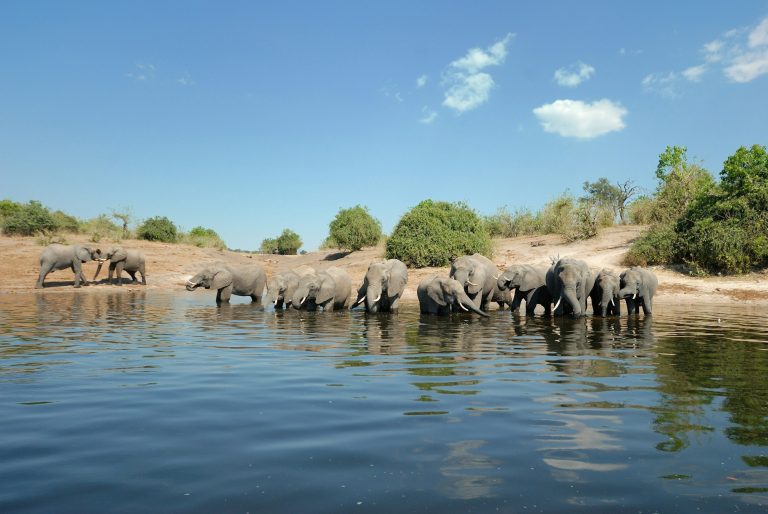
Boat cruise and game drive among huge elephant herds on the Chobe river. Botswana park fees apply.
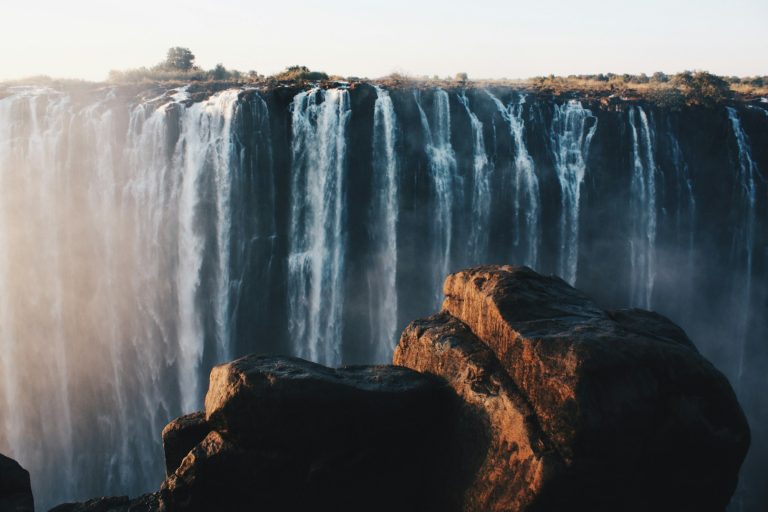
The rainforest walk, with views across most of the falls' width. Covered in the Victoria Falls hub.
Guided walks to see white rhinos in the park near town.
Big rapids below the falls, best from about August to December.
Livingstone's calendar includes Zambia's national holidays and traditional ceremonies in Southern Province.
The Lozi king moves to higher ground by royal barge; a long trip from Livingstone.
Tonga rain and harvest ceremony.
Public holiday marking independence in 1964.
Busy holiday period at the hostels and lodges.
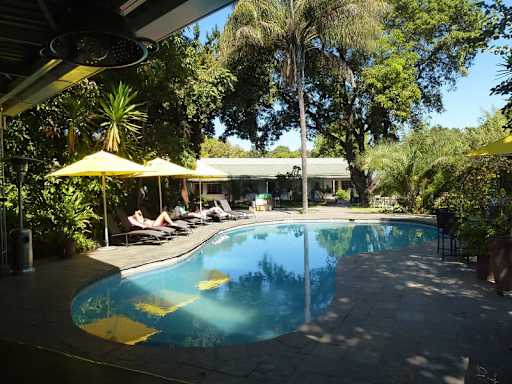
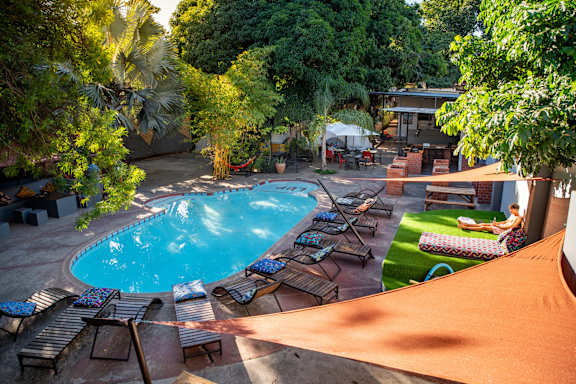
Livingstone has some of the best hostels in southern Africa, with pools, bars, activity desks and shuttles to the falls.
A Livingstone institution, rated 9.8 from 1,939 reviews, with a pool, bar and activity desk, about 1 km from the centre. Dorms from about US$15.
Rated 9.3 from 818 reviews, with free breakfast, afternoon pancakes and US$1 transfers to the falls. Dorms from about US$20.
Rated 8.1 from 7 reviews, under 1 km from the centre, with dorms from about US$20 and private rooms from US$25.
Livingstone is warm all year, with highs of 26°C to 34°C. The falls are fullest from February to May, when the spray can hide the view, and lowest in October and November. Devil's Pool and the best rafting run from about August to January.
Average daily highs from weather2travel's Victoria Falls climate data, a few kilometres from Livingstone. Crowd levels are our rough guide.
Pick a style and a number of nights for a rough total, per person, in euros.
Estimates in euros, converted from US dollar and kwacha prices. Beds are based on Hostelworld prices in October 2026; doing includes park entry but not Devil's Pool, bungee or rafting.
Prices and timetables change. Check before you travel.

Compare Livingstone hostels: live prices, real reviews and free cancellation on most bookings. Then meet the people already there in the app.

 Get the App.

 Get the App.