Tianfu Square
First-timersThe centre, with the metro.

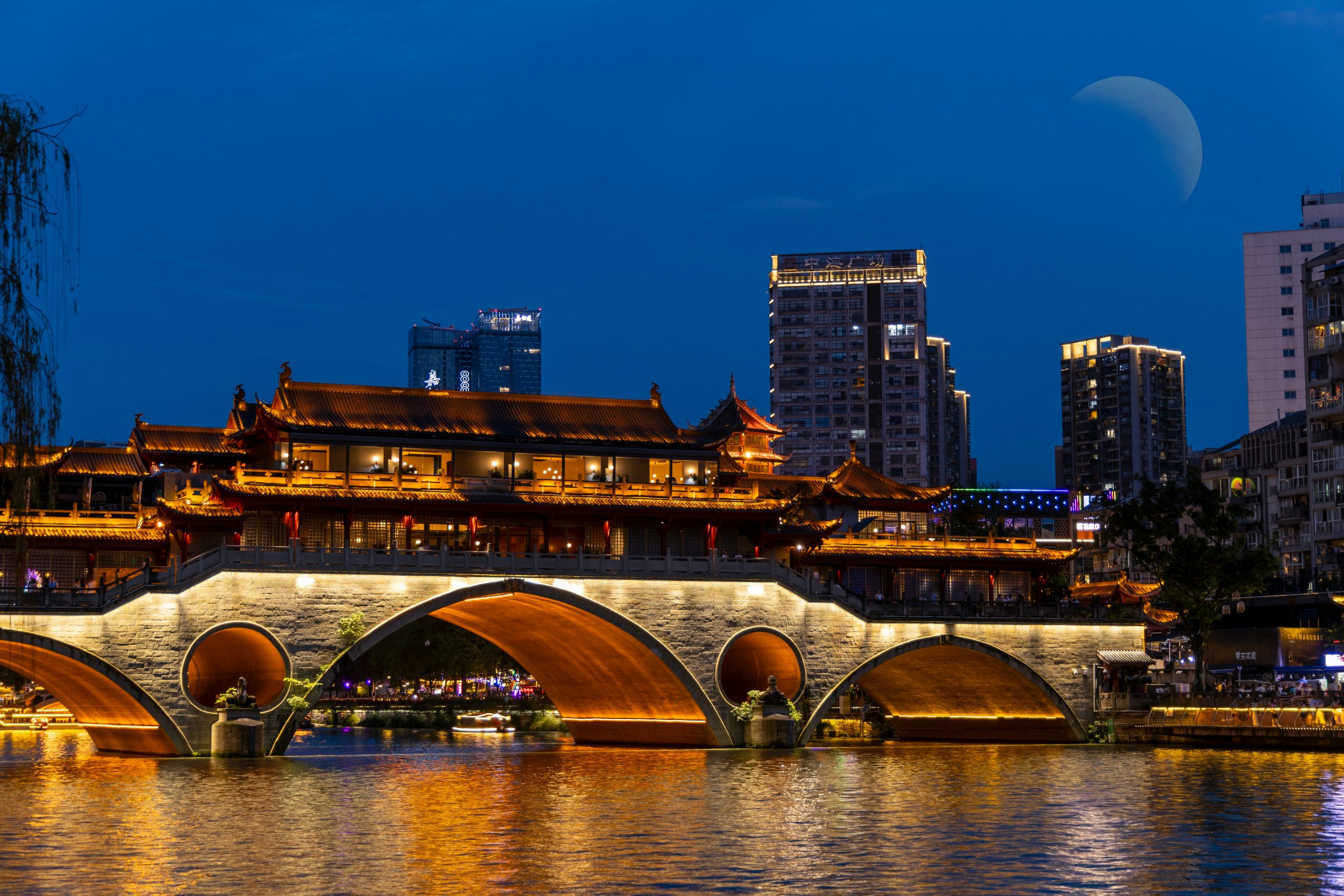
Giant pandas, fiery Sichuan food, teahouses in the park and a famously relaxed pace. China's most liveable big city, and a UNESCO City of Gastronomy.
Chengdu is the capital of Sichuan province and famous across China for its easy-going life. People spend afternoons in teahouses, playing mahjong in the parks, and eating some of the spiciest and most numbing food in the world, flavoured with Sichuan pepper.
It is also the home of the giant panda, and the breeding centre on the edge of the city is the best place in the world to see them.
Chengdu is the gateway to western Sichuan and Tibetan areas, and to the Leshan Giant Buddha. Three days is right.
Around Tianfu Square and Chunxi Road is the modern centre, with the metro and shopping. Wenshu, near the Wenshu Monastery, is quieter and more traditional, with teahouses and lanes. Kuanzhai Xiangzi, the Wide and Narrow Alleys, is a restored historic area with bars and restaurants.
The centre, with the metro.
Near the monastery, with teahouses.
The restored Wide and Narrow Alleys.
Orange labels are neighbourhoods, dots are the 4 top-rated hostels. Map data from OpenStreetMap contributors.
Chengdu, the capital of Sichuan, is a relaxed city famous for giant pandas, teahouses and some of the spiciest food in China; UNESCO named it a City of Gastronomy in 2010.
The Chengdu Research Base of Giant Panda Breeding is the classic visit: go at opening, around 7.30am, when the pandas are fed and most active; by the afternoon they are mostly asleep. Book tickets online.
Spend an afternoon in a teahouse in People's Park, where locals drink tea, play mahjong and have their ears cleaned. The Wenshu Monastery, a working Buddhist temple, has a vegetarian restaurant and teahouse. Kuanzhai Xiangzi has restored Qing dynasty alleys.
See a Sichuan opera show, with face-changing performers who switch masks in a split second.
The Leshan Giant Buddha, 71 metres tall and carved into a cliff in the eighth century, is an hour away by high-speed train. Mount Emei, a sacred Buddhist mountain, and Dujiangyan, an ancient irrigation system still in use, are both UNESCO-listed.
People's Park and its teahouses are free to enter; a cup of tea is a couple of euros. The Wenshu Monastery is free or almost free, and so is wandering Kuanzhai Xiangzi and the city's parks.
Watching the dancing and mahjong in the parks costs nothing.
Sichuan food is famous for mala, the numbing heat of Sichuan pepper combined with chilli. Hot pot, a bubbling pot of spicy broth in which you cook meat and vegetables, is the city's essential meal; order a split pot with a milder side if needed.
Mapo tofu, kung pao chicken, dandan noodles and chuanchuan, skewers cooked in spicy broth, are everywhere. Tianshui mian, sweet water noodles, and dragon wontons, longchaoshou, are local snacks.
A street meal is €2 to €5; hot pot €10 to €20.
Chengdu has a lively nightlife: bars and clubs around Jiuyanqiao on the river, Kuanzhai Xiangzi's bars, and late-night hot pot and skewers.
A beer is €2 to €5.
Chengdu has two airports: Shuangliu, closer to the centre, and Tianfu, further out; both connect by metro.
The metro covers the city, and Didi is cheap. The panda base is reached by metro and a short taxi, or direct buses.
High-speed trains reach Leshan in about an hour, Chongqing in about an hour and a half, and Xi'an in about three.
Chengdu is cheap for a big Chinese city. Dorms start around €10 and a careful day is €30 to €45.
The panda base is about €7, the Leshan Giant Buddha about €10, and a Sichuan opera show €15 to €30. Tea in a park is a couple of euros.
The currency is the yuan (CNY), at roughly 8 yuan to the euro; prices here are euro equivalents. Almost everyone pays by phone: set up Alipay or WeChat Pay with a foreign card before you arrive, and carry some cash as a backup.
Chengdu is very safe.
Sichuan food can be extremely spicy; say 'bu la' for not spicy, or 'wei la' for mild. Google, WhatsApp and Instagram are blocked; use an eSIM with international roaming, and Amap or Baidu Maps for directions. Carry your passport: it is needed for trains, hotels and many sights, which are booked by real name.
Many nationalities can now enter China visa-free for up to 30 days, under a scheme extended to the end of 2026, and 240-hour visa-free transit covers many more; check the rules for your passport before you travel.
Emergency: 110 police, 120 ambulance, 119 fire.
The Giant Buddha, a sacred mountain and an ancient irrigation system.
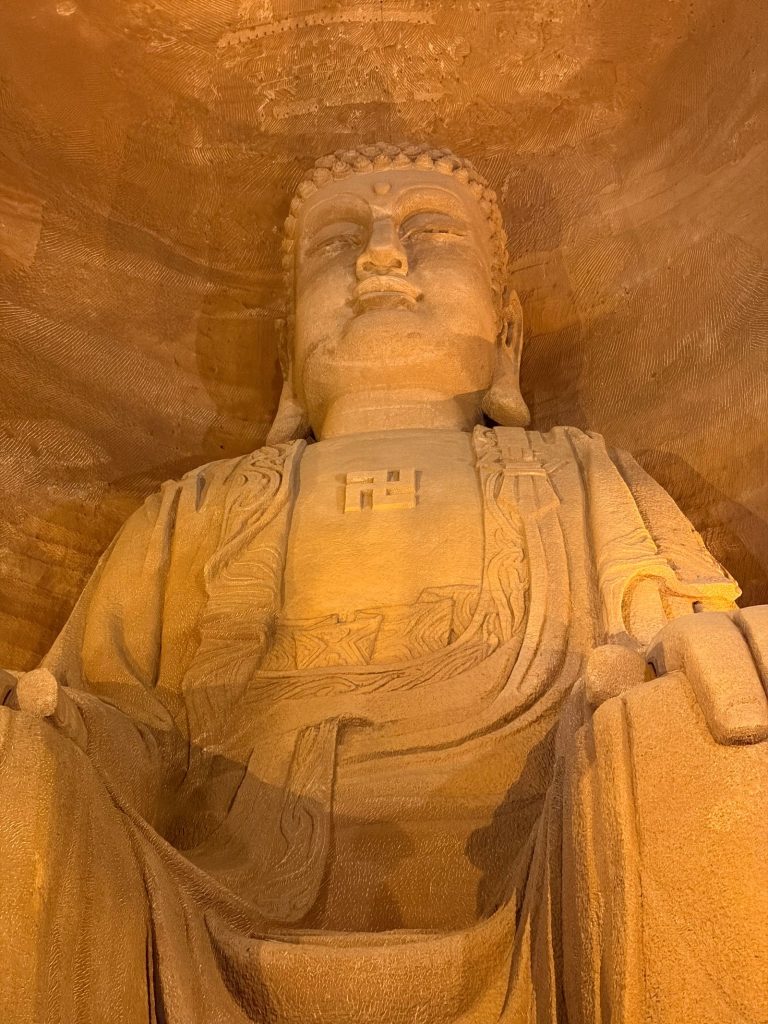
A 71-metre Buddha carved into a cliff.
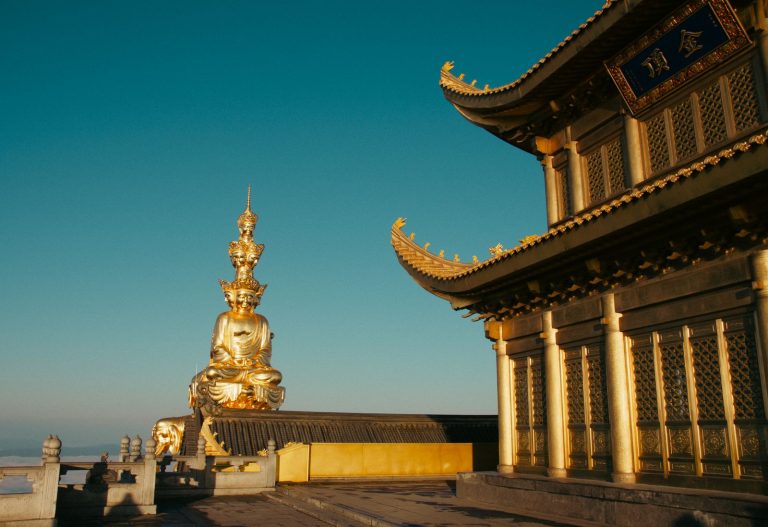
A sacred Buddhist mountain.
The Lantern Festival lights up the city after Chinese New Year.

Joker Xue brings a theatrical concert experience to Chengdu's Sports Park, where dramatic themes of transformation and power play out through light, shadow, and…

Chengdu Rongcheng takes on Tianjin Jinmen Tiger at the Phoenix Mountain Sports Center in a Chinese Super League clash between two ambitious clubs. Chengdu,…

Chengdu Rongcheng faces off against Dalian Yingbo in this Chinese Super League matchup at the Phoenix Mountain Sports Center. Both clubs bring international flair…
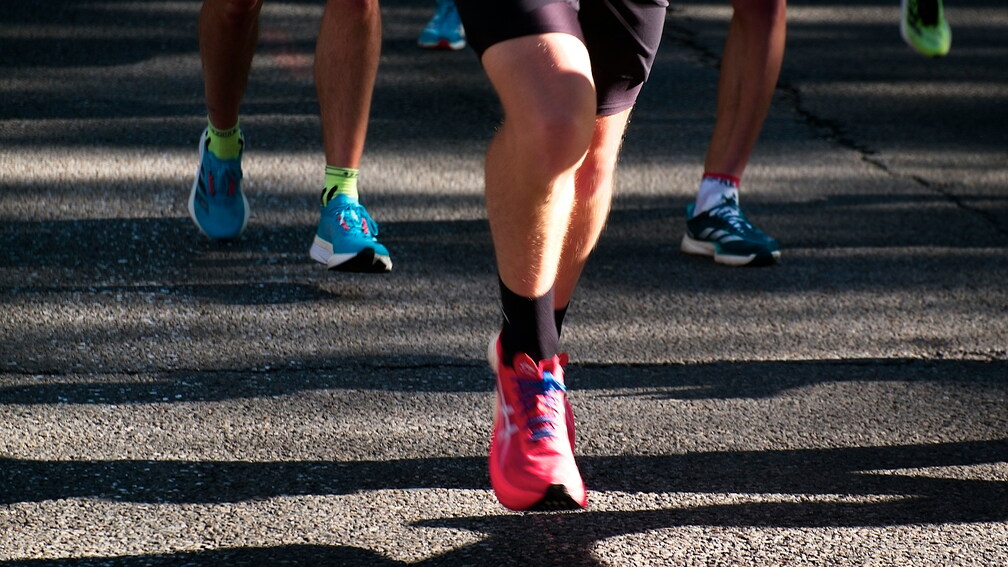
The Chengdu Marathon draws runners from around the globe to race through a city where modern energy and deep-rooted traditions share the streets. Starting…
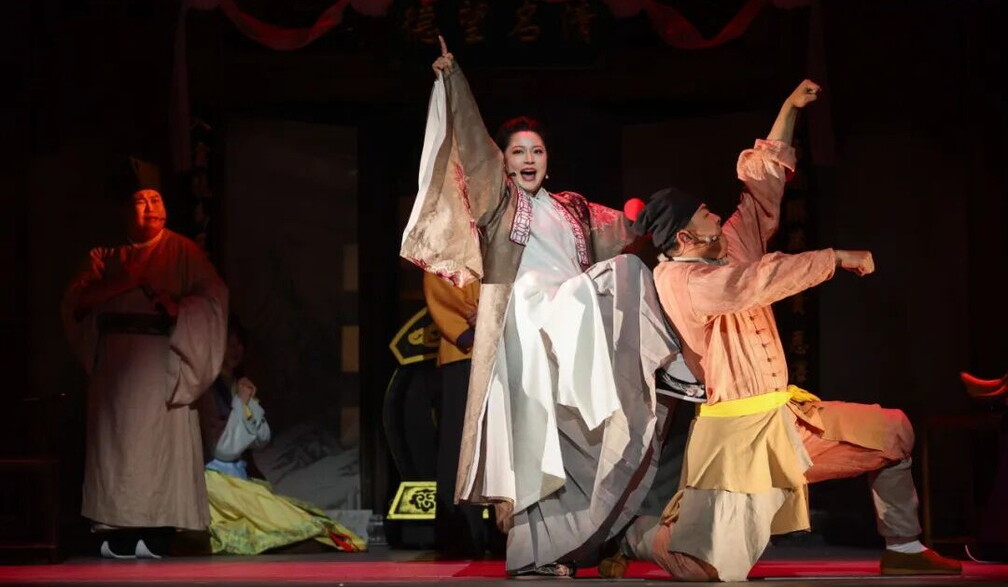
A workplace slacker who moonlights as a spirit medium, a wealthy clan fighting over inheritance, and a quota-chasing magistrate collide in this slapstick comedy…

A family stage play brings "The Little Match Girl" to life with a heartwarming twist, transporting young audiences to the fantastical kingdom of Princess…
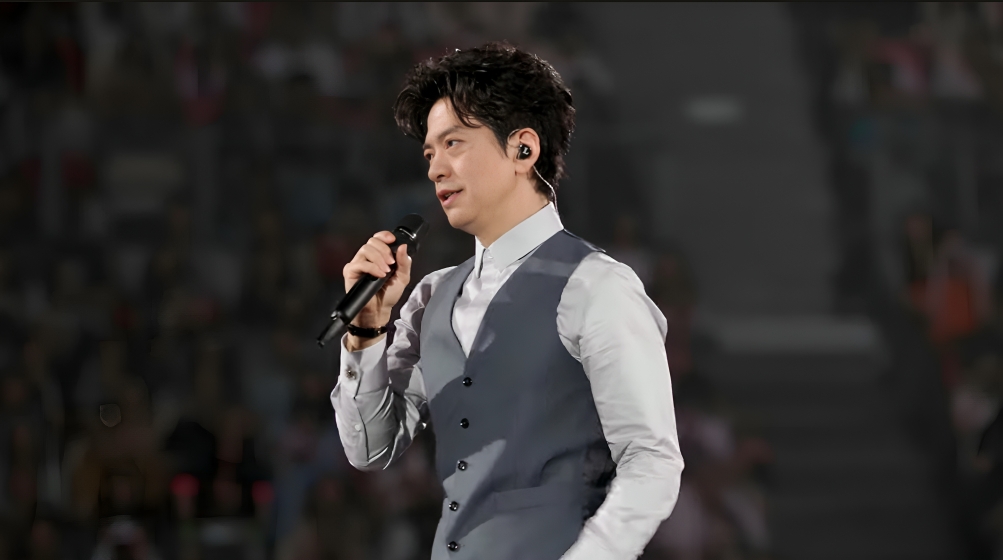
Li Jian continues his musical journey with the "Everything Flourishes" Encore tour, featuring newer works like "Wherever One Goes" and "Home Under the Starry…

A fairy tale world has lost its color, and it takes two brave characters Pleasant Goat and Happy from the "Greater Bay Chicken" IP…
The top-rated places to stay in Chengdu right now, live from Hostelworld.
March to June and September to November. Summers are hot and humid. Avoid Golden Week (1–7 October) and Chinese New Year if you can, when the whole country travels.
Average highs. Chengdu is often grey.
Pick how you travel. Per person per night, in euros.
Prices are in yuan locally; these are euro equivalents.
The ones we get asked most.

Compare Chengdu hostels — live prices, real reviews and free cancellation on most bookings. Then meet the people already there in the app.

 Get the App.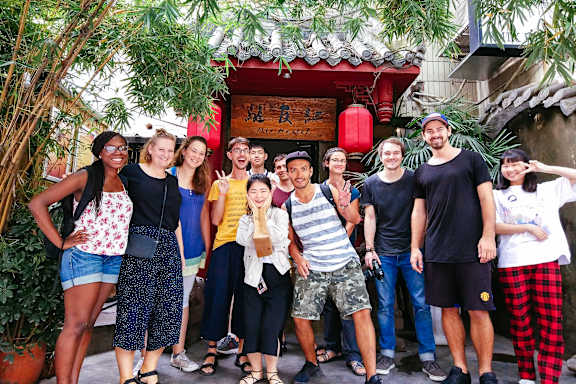
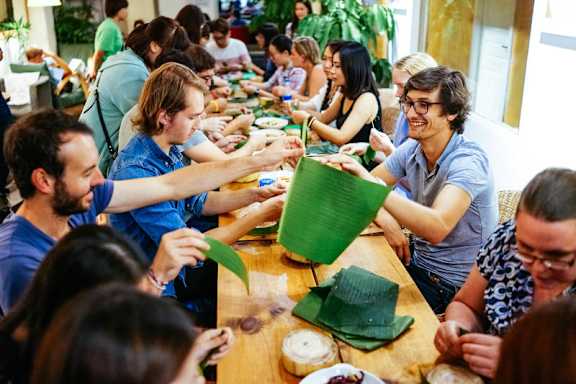
 Get the App.