Mongolia
Mongolia country guide

Things To Do In Mongolia

The least densely populated country on earth, where a third of people still live in gers and the horizon does not have anything on it. A short season, and unlike anywhere else.

€10
Dorm bed, from
2
People per square kilometre
€40
A day on a shared jeep tour
260
Days of sunshine a year

A country with almost nobody in it

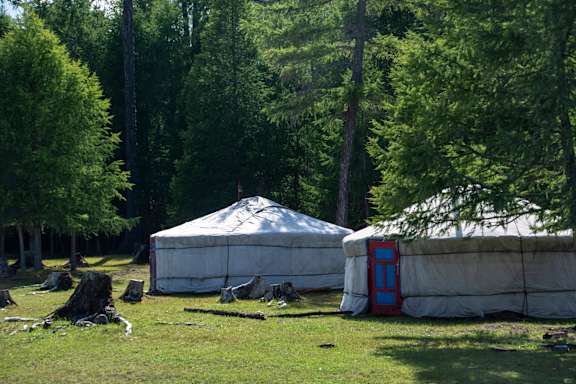
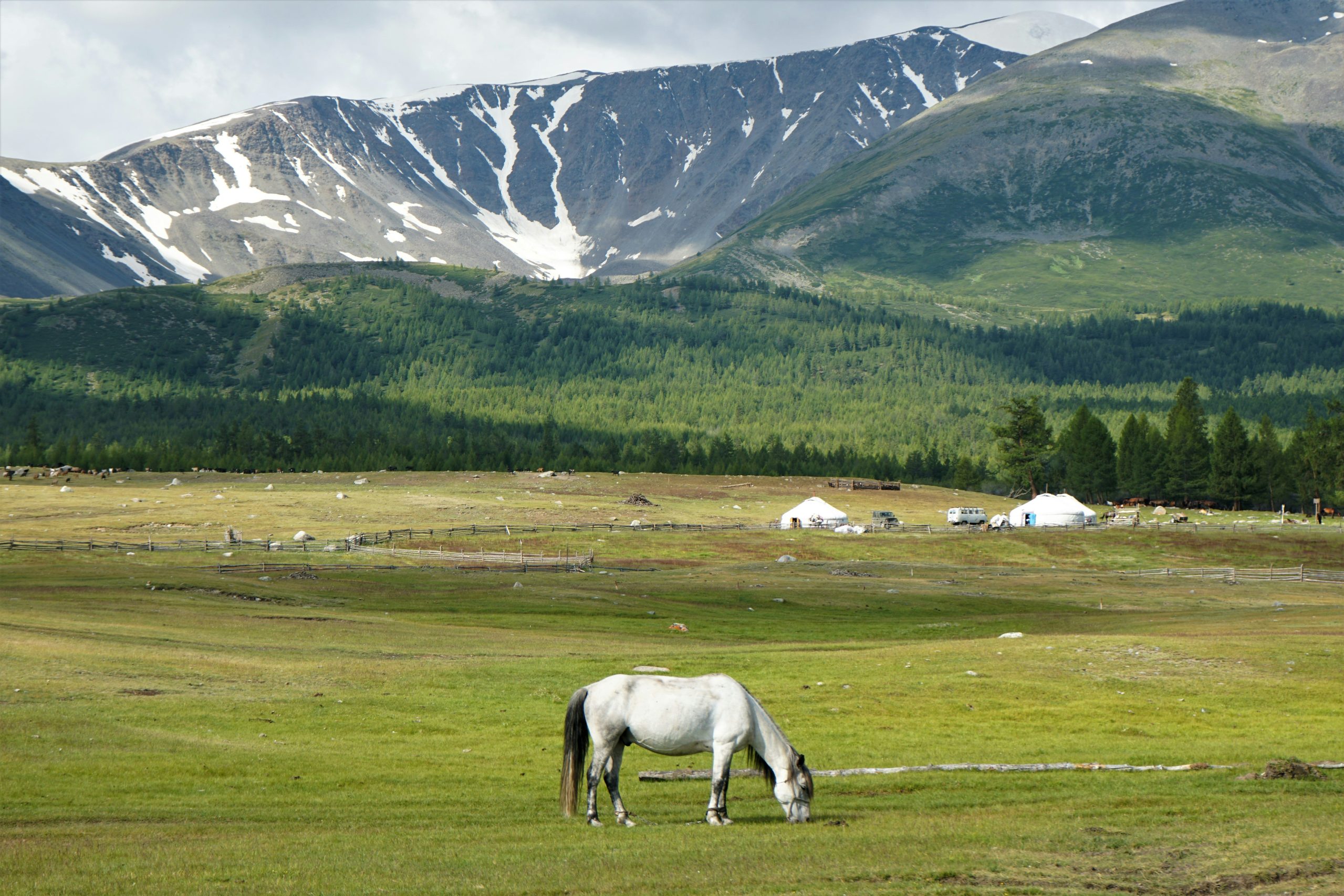
Mongolia is the size of western Europe with 3.5 million people, half of whom live in Ulaanbaatar. That leaves an enormous emptiness of steppe, desert and mountain where about a third of the population still lives nomadically in gers, moving herds between seasonal pastures.

Travel here works differently as a result. There are almost no roads outside the capital, no scheduled transport to most places, and nothing to walk to. Trips are organised as shared jeep tours with a driver and often a cook, running from three days to two weeks, arranged through hostels in Ulaanbaatar.

The classic routes go south into the Gobi — sand dunes, the flaming cliffs where the first dinosaur eggs were found, camel herders — or west to Kharkhorin and the Orkhon valley, or north to Lake Khövsgöl. Two weeks lets you do one properly.

Where to go

There is almost no public transport outside the capital. Everything else is a jeep tour.

Ulaanbaatar

Ulaanbaatar

25 hostels · dorms from €7

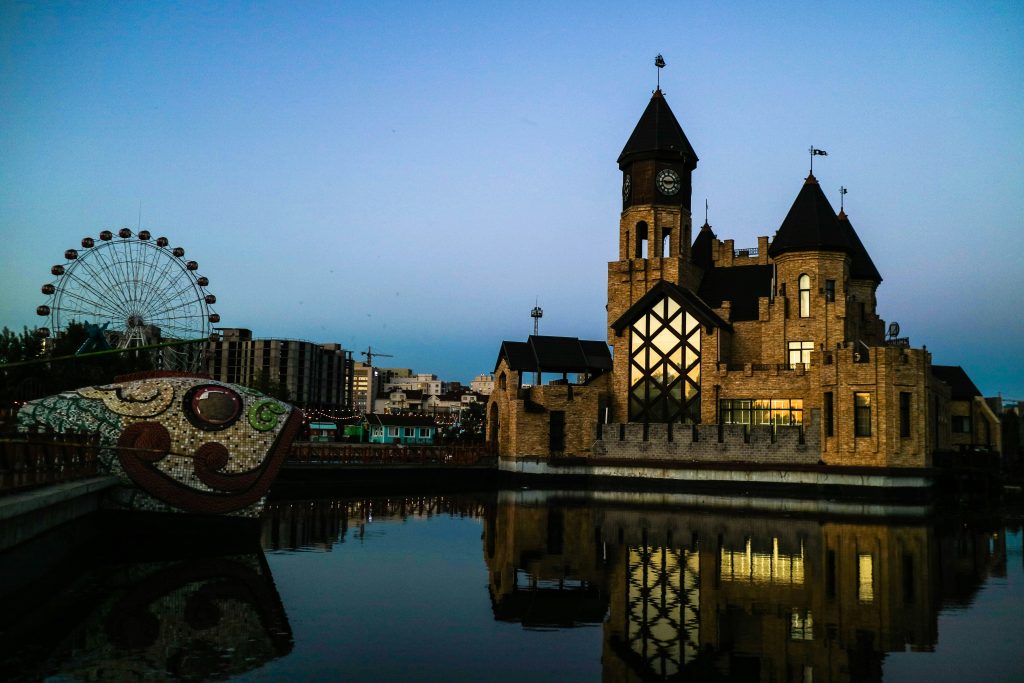
Half the country lives here. Soviet blocks, a monastery, museums and every tour starts here.

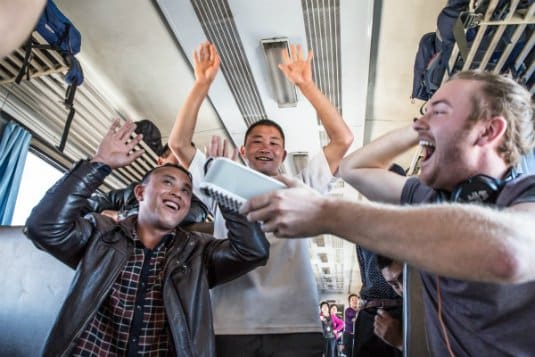
I didn't expect to have so much fun during this trip and I wish I had more time to really explore and experience the city more. There were a lot of things that you can do in the city and outside as well. There almost seems to be an event every day you passed by the square or any of the sightseeing locations. Whether it was a small gathering of people dancing or an award ceremony for mothers. Ulaanbaatar or Mongolia in general is rich of culture.

A traveller, on Hostelworld
The Ulaanbaatar guide

What kind of trip is this?

Mongolia is an overland trip by jeep and horse. There is no other version of it.

Adventure in Mongolia

Steppe, desert and mountains, all reached by jeep or horse.

What to do

  • Ride horses across the steppe
  • Climb the Khongoryn Els dunes
  • Multi-day jeep across the Gobi

Spots to visit

  • Gobi
  • Orkhon Valley
  • Khövsgöl

Best cities for it

Things to do

Things to do in Mongolia

Everything outside Ulaanbaatar is a tour, and the tours are the trip. A Gobi route of seven to ten days takes in the Khongoryn Els sand dunes, the Yolyn Am ice canyon, the Bayanzag flaming cliffs and nights in ger camps or with herding families. Shared tours booked through hostels cost €40 to €70 a day including transport, food and accommodation.

Horse riding is the other way to travel, particularly in the Orkhon valley and around Khövsgöl, where multi-day rides between families are arranged locally.

In the capital, the National Museum gives the context for everything you are about to see, Gandan monastery holds morning prayers that visitors can attend quietly, and the Zaisan memorial has the view over the city. Terelj National Park is close enough for an overnight if you have no time for a longer route.

Food and drink

Eating in Mongolia

Mongolian food is meat and dairy, shaped by a climate where almost nothing grows. Buuz are steamed mutton dumplings, khuushuur are the fried version, and both cost under a euro each at a canteen.

On tours, meals are cooked by your driver or the host family: mutton with noodles, mutton with rice, and dairy in several forms including aaruul, dried curd, which is rock hard and an acquired taste.

Ulaanbaatar has a surprisingly good range of international food and cafés, and it is worth eating what you want there because the options narrow sharply once you leave. Vegetarians should tell the tour operator in advance and still expect a limited time of it.

Nightlife

Going out in Mongolia

Ulaanbaatar has the only nightlife: bars, a handful of clubs, and a craft beer scene that has grown quickly. Prices are low — a beer is €1.50 to €3 — and the city runs later than you would expect for its size.

Outside the capital there is nothing at all, and that is the point. Evenings on tour are dinner in a ger, vodka if your driver produces it, and a sky with no light pollution anywhere on the horizon.

One local note: Mongolia has occasional dry days around certain national dates when alcohol is not sold at all, which catches visitors out.

Getting around

Getting around Mongolia

There is very little public transport outside Ulaanbaatar and almost no paved road network, which is why tours exist. A jeep with a driver, booked through a hostel or agency and shared with three or four others, is how everyone travels.

Distances are enormous and slow: a Gobi route covers several hundred kilometres a day on tracks rather than roads, and breakdowns are part of the experience rather than an exception.

The Trans-Mongolian railway crosses the country between Russia and China and stops at Ulaanbaatar, which makes it a natural stop on that route. Domestic flights reach Khövsgöl and a few regional centres and save days, at €100 to €200.

Costs

What Mongolia costs

Ulaanbaatar is cheap: dorms from €10, dumplings under a euro, a beer €1.50 to €3. A day in the city is €20 to €30.

Tours are where the money goes, and they are the trip. Shared jeep tours run €40 to €70 a day including transport, driver, food and ger accommodation, so a ten-day Gobi route is €400 to €700. Splitting between four people is what makes it work, and hostels in the capital exist partly to match travellers into groups.

Carry cash for tours — there are no ATMs once you leave, and drivers are paid in tögrög.

Safety

Staying safe in Mongolia

Mongolia is safe in terms of crime, with the exception of pickpocketing and occasional bag theft in Ulaanbaatar, particularly around the State Department Store and on crowded buses.

The risks are remoteness and climate. On tour you may be hundreds of kilometres from a hospital, phone coverage is absent across most of the country, and medical evacuation is expensive and slow — insurance that covers it is not optional here.

Winter is genuinely dangerous for the unprepared, with temperatures reaching minus 30 or lower. Ulaanbaatar also has severe air pollution in winter from ger district coal burning, which is a real health consideration for anyone with respiratory problems. Dogs around ger camps are working animals rather than pets and should not be approached.

Entry and documents

Entry and documents

Mongolia has expanded visa-free entry considerably in recent years, and citizens of many European countries, the UK, the US, Canada and Australia can now enter without a visa for 30 days under schemes that have been extended more than once. Check the official position for your nationality before booking, as the arrangements have specific end dates that keep moving.

Passports need six months' validity.

If you are arriving on the Trans-Mongolian railway, the Russian and Chinese visa requirements for the rest of that route are separate and considerably more involved than Mongolia's own.

When to go

June to September, and the window is not negotiable. Winter reaches minus 30 and most tourist infrastructure simply shuts.

-19°
Jan
Minus 30 at night. Severe air pollution in the capital
-14°
Feb
Still deep winter. The ice festival at Khövsgöl
-4°
Mar
Thawing slowly. Dust storms on the steppe
7°
Apr
Unpredictable. Snow still possible, tours barely running
17°
May
Spring. Green steppe, and the season starting
22°
Jun
Excellent. Everything green and the tours running properly
23°
Jul
Peak. Naadam in the middle of the month fills everything
21°
Aug
The best month. Warm days, cool nights, wildflowers
15°
Sep
Superb. Clear, golden and the crowds gone
6°
Oct
Cold and closing. Golden eagle festival in the far west
-4°
Nov
Winter arriving. Tours finished
-14°
Dec
Deep cold and heavy pollution in Ulaanbaatar
Bar height is temperature. Colour is how busy it gets: quiet busy peak

Average highs for Ulaanbaatar, the coldest capital city in the world. Nights on the steppe are cold even in July, and the Gobi swings 25 degrees between afternoon and dawn.

What your trip will cost

Pick how you travel and how long for. Per night, for one person. Tour days bundle everything into one figure.

On tour, €40–70 a day covers transport, driver, meals and ger accommodation together, shared between a group. That is the realistic figure for most of a Mongolian trip.

—
  • Beds—
  • Food and drink—
  • Getting around—
  • Doing things—
What's on

What is on while you are there

Naadam is the one to plan a trip around, and it is 800 years old.

Mongolia travel questions

The ones we get asked most.

How does travel in Mongolia actually work?
Through shared jeep tours booked in Ulaanbaatar. There is almost no public transport or paved road outside the capital, so you join a driver and three or four other travellers for three days to two weeks, with meals and ger accommodation included at €40 to €70 a day.
When can I visit Mongolia?
June to September. Outside that, ger camps close, tours stop and winter reaches minus 30 with severe air pollution in Ulaanbaatar. August is the best month; July has Naadam but fills everything.
How long do you need?
Two weeks. A Gobi route alone takes seven to ten days because of the distances, and a few days in Ulaanbaatar either side is normal for arranging and recovering from it.
What is Naadam?
The national festival on 11 to 13 July: wrestling, archery and horse racing, held for centuries. The country stops for it, transport and beds book out, and smaller village versions are often better than the capital's.
Is Mongolia expensive?
Ulaanbaatar is cheap — dorms from €10, dumplings under a euro. Tours are the real cost at €40 to €70 a day, which is why sharing with three or four others matters, and hostels exist partly to arrange that.
What should my insurance cover?
Evacuation. On tour you can be hundreds of kilometres from a hospital with no phone coverage, and medical evacuation is slow and expensive. This is not a country to travel uninsured.
Do I need a visa?
Many nationalities now enter visa-free for 30 days under schemes that have been extended repeatedly, but they carry end dates that keep moving. Check the official position for your passport close to booking.

Say yes to hostels, meet the world

Compare hostels across Mongolia — live prices, real reviews and free cancellation on most bookings. Then meet the people already there in the app.

Get the App. QRGet the App.
Get the App. QR  Get the App.
Scroll to Top