Poblacion
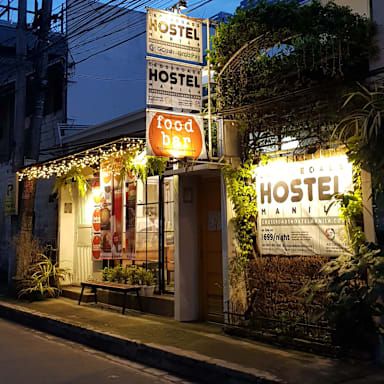
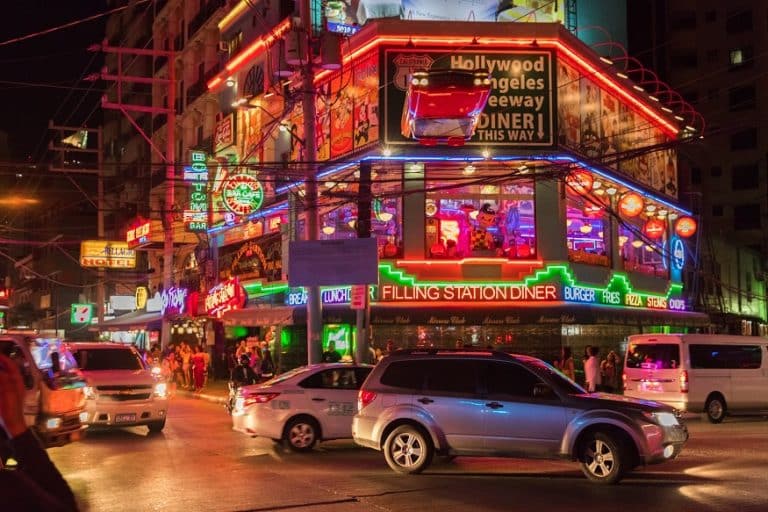
NightlifeMakati's bar district, with the best hostels.

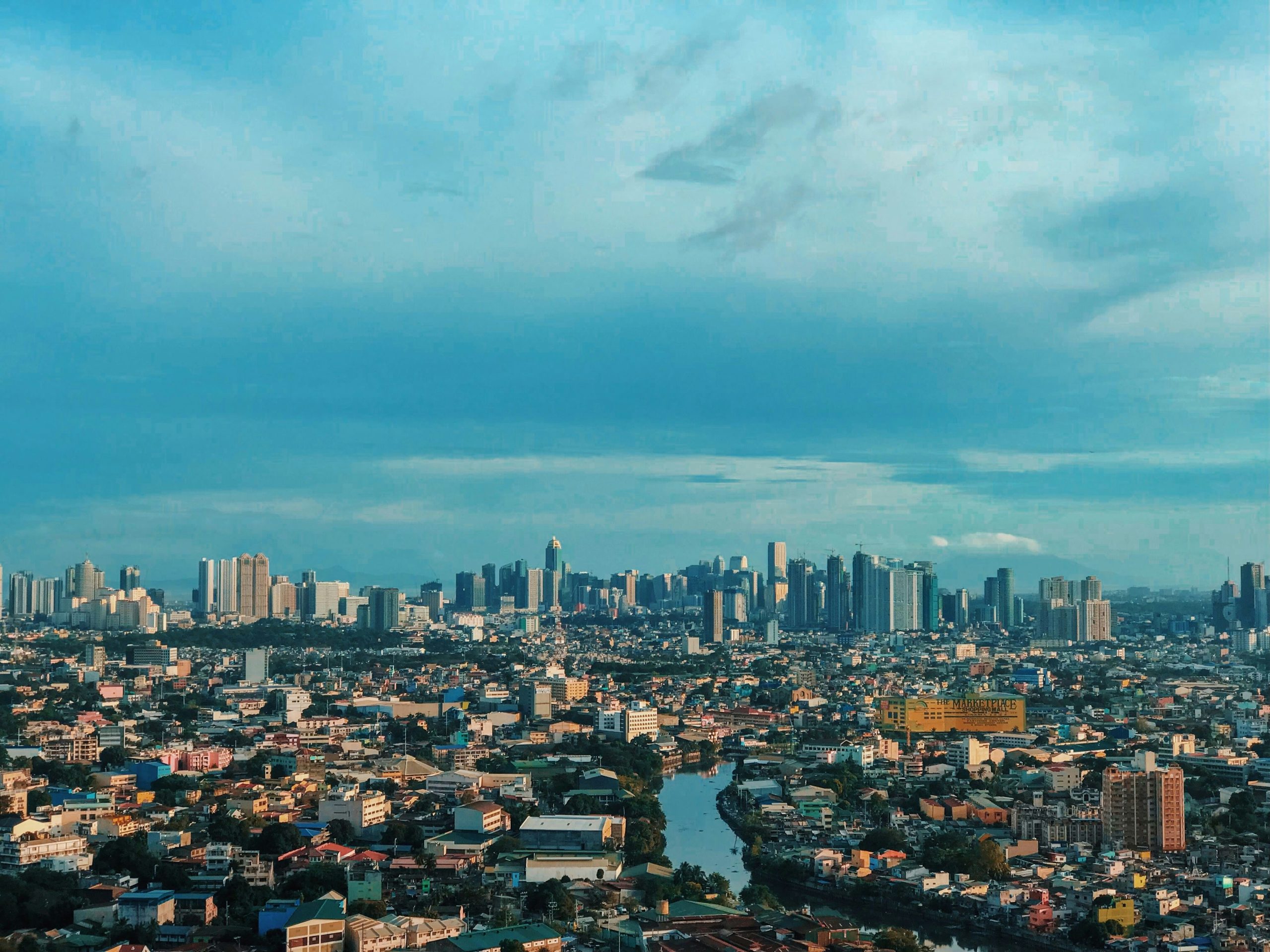
A sprawling, chaotic capital with a Spanish walled city at its heart, the oldest Chinatown in the world, free national museums and a big-city nightlife, plus the main gateway to the islands.
Manila was the capital of the Spanish Philippines for more than three centuries, and Intramuros, its walled city, still holds the San Agustín Church, a UNESCO-listed baroque church that survived the Second World War. Much of the rest of Manila was destroyed in 1945 and rebuilt as a vast, traffic-choked metropolis.
For most travellers it is a stop on the way to the islands, but it rewards a day or two: Intramuros, Binondo's food and the museums.
Two days is right.
Makati, around Poblacion, has the best hostels, food and nightlife, and is the easiest base for most travellers. Bonifacio Global City (BGC), next door, is modern, walkable and safe, but pricier. Intramuros and Ermita put you near the old city and the museums, but are quieter at night.
Makati's bar district, with the best hostels.
Walkable, safe and pricier, next to Makati.
The walled city, near the museums; quiet at night.
Orange labels are neighbourhoods, dots are the 11 top-rated hostels. Map data from OpenStreetMap contributors.
Intramuros, the walled city built by the Spanish from 1571, is the heart of old Manila. Walk the walls, visit Fort Santiago, where the national hero José Rizal was held before his execution in 1896, and see San Agustín Church, the oldest stone church in the country and a UNESCO World Heritage Site. Casa Manila recreates a Spanish-era house. Calesa horse carriages and bamboo bike tours are a fun way round.
The National Museum complex, by Rizal Park, holds the country's fine arts, anthropology and natural history collections, and is free. Rizal Park itself has the Rizal Monument and space to escape the traffic.
Binondo, founded in 1594, is the oldest Chinatown in the world; a food walk through its stalls and bakeries is one of the best things to do in the city.
In the evening, watch the sunset over Manila Bay from the Baywalk, and go out in Poblacion, Makati's bar district.
The National Museum of Fine Arts, Anthropology and Natural History are all free, and are among the best museums in Southeast Asia.
Rizal Park, the Baywalk at sunset, and walking the streets of Intramuros and Binondo cost nothing. Quiapo Church and its market, crowded with devotees and vendors, are free to visit, and BGC's parks and public art make a pleasant free afternoon.
Filipino food is hearty and often sweet-sour. Adobo, meat braised in vinegar, soy and garlic, is the national dish; sinigang is a sour tamarind soup, and kare-kare an oxtail stew in peanut sauce. Sisig, sizzling chopped pork, comes from Pampanga, north of Manila.
Binondo is the place for Chinese-Filipino food: dumplings, hopia pastries and fried siopao. Jollibee, the national fast-food chain, is an experience in itself. Halo-halo, shaved ice with beans, fruit, jelly and ube, is the classic dessert.
A street or canteen meal is €2 to €4; a restaurant meal €6 to €12.
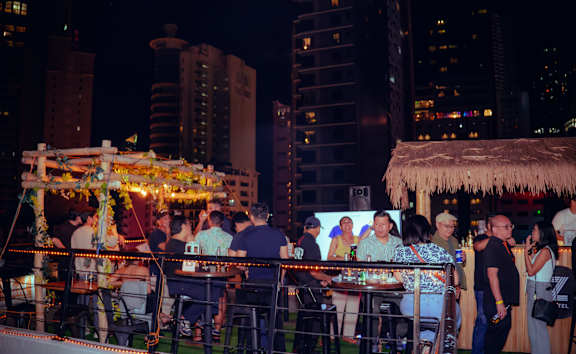
Poblacion, in Makati, is the city's best nightlife district: dive bars, speakeasies, rooftop bars and street food, busy every night. BGC has polished bars and clubs, and karaoke is a national passion, in private rooms or bars.
Beer is cheap: a San Miguel is €1.50 to €3 in a bar.
Ninoy Aquino International Airport has several terminals far apart; check which one you use. Grab cars from the airport to Makati take thirty minutes to over an hour depending on traffic.
Traffic is severe. Use the LRT and MRT train lines where you can, and Grab for everything else. Jeepneys are cheap and iconic, but routes are hard to follow at first.
Domestic flights from Manila reach almost every island: Cebu, Palawan, Boracay (via Caticlan or Kalibo), Bohol and Siargao. Complete the eTravel online registration before arriving in the Philippines.
Manila is mid-priced for the Philippines. Dorms start around €8 and a careful day is €20 to €35.
The National Museums are free, Fort Santiago charges a couple of euros, and a Grab across the city is €3 to €8 depending on traffic. A San Miguel is €1.50 to €3.
The currency is the Philippine peso (PHP); prices here are euro equivalents, at roughly 65 pesos to the euro. Cards work in malls and bigger restaurants; carry cash for street food and jeepneys.
Manila needs ordinary big-city care. Pickpockets work on trains and in crowds, especially in Quiapo and Divisoria; keep bags in front. Use Grab rather than street taxis, which may refuse the meter.
Watch out for friendly strangers who invite you to drinks or a card game; it can end in drugging or a scam.
Typhoons hit roughly from June to November and can cancel flights and ferries for days; build slack into island plans.
Emergency number is 911.
A volcano in a lake and the home of sisig.
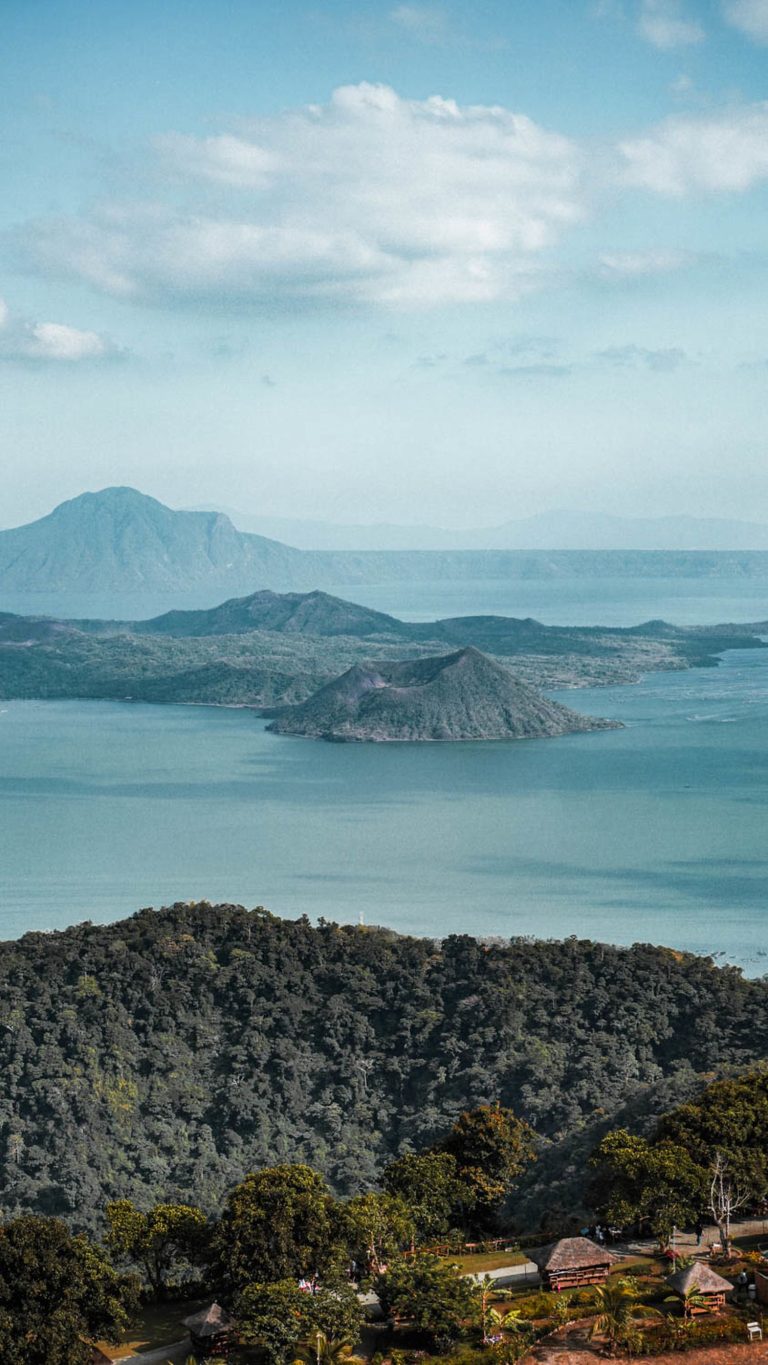
A volcano in a lake, viewed from the ridge at Tagaytay.
The culinary capital and home of sisig.
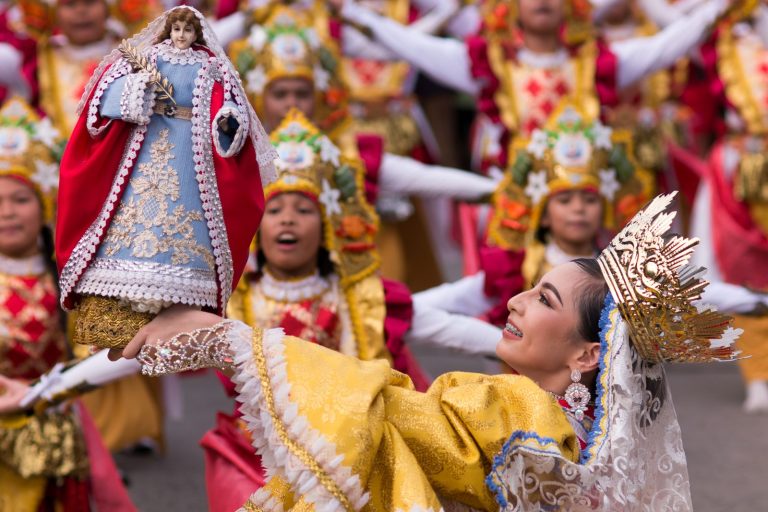
Christmas in the Philippines starts in September.
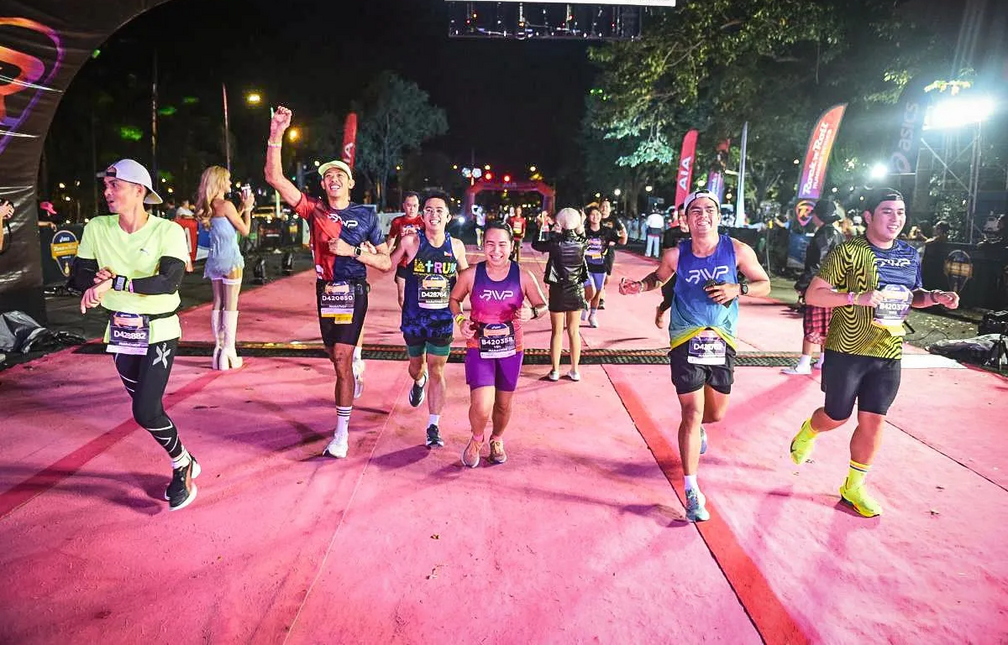 Staff pick
Rock 'n' Roll Manila brings the excitement of a global running series to the heart of Manila, Philippines, blending the thrill of a marathon…
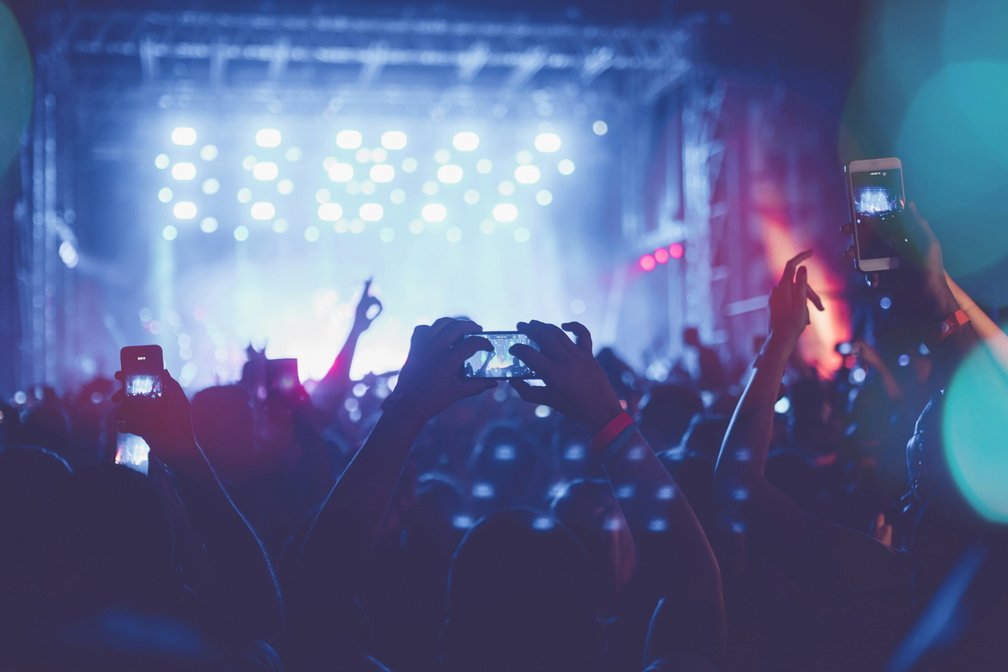
OTHERWORLD Festival brings a full day of music, art, and immersive experiences to Manila on November 28, 2026, pulling together international and local artists…

Intramuros Legacy Run 2026 is a running event held at Fort Santiago in Intramuros, Manila, on October 3, 2026. Participants can choose between 3K,…
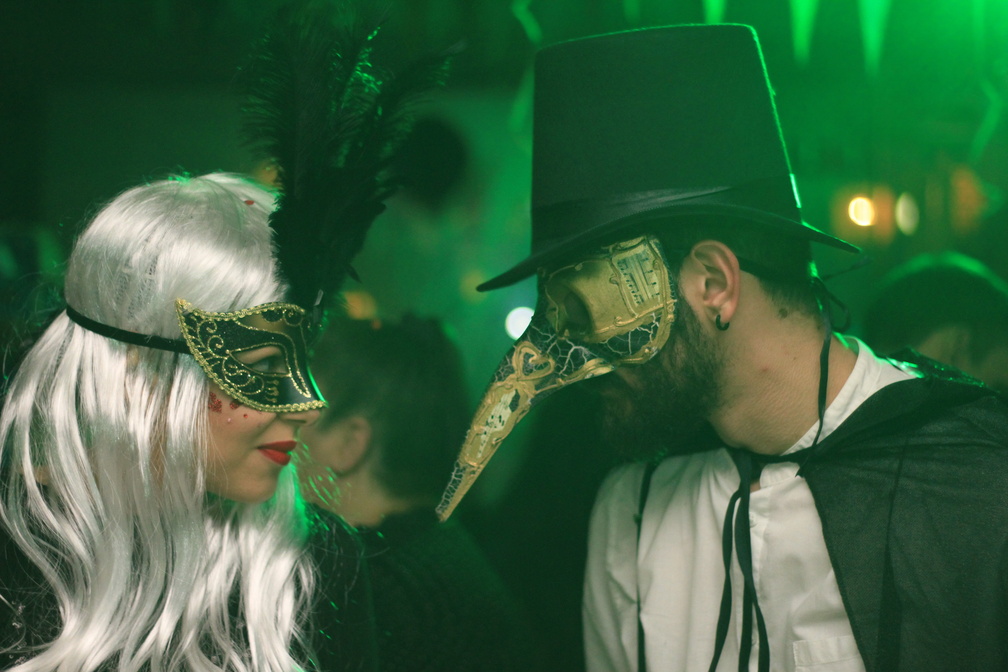
The Walled City of Intramuros transforms for Halloween, bringing its centuries-old legends and shadows to life in ways you won't find anywhere else. This…
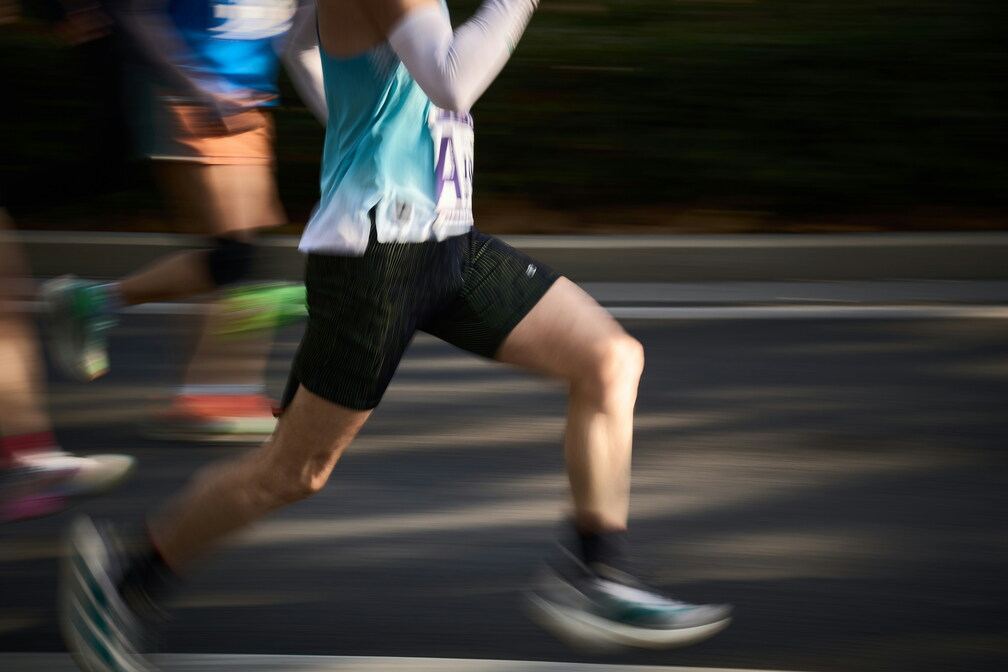
The Earth Run is the fourth and final event in the Takbo Para sa Kalikasan element series, following Fire Run, Water Run, and Air…
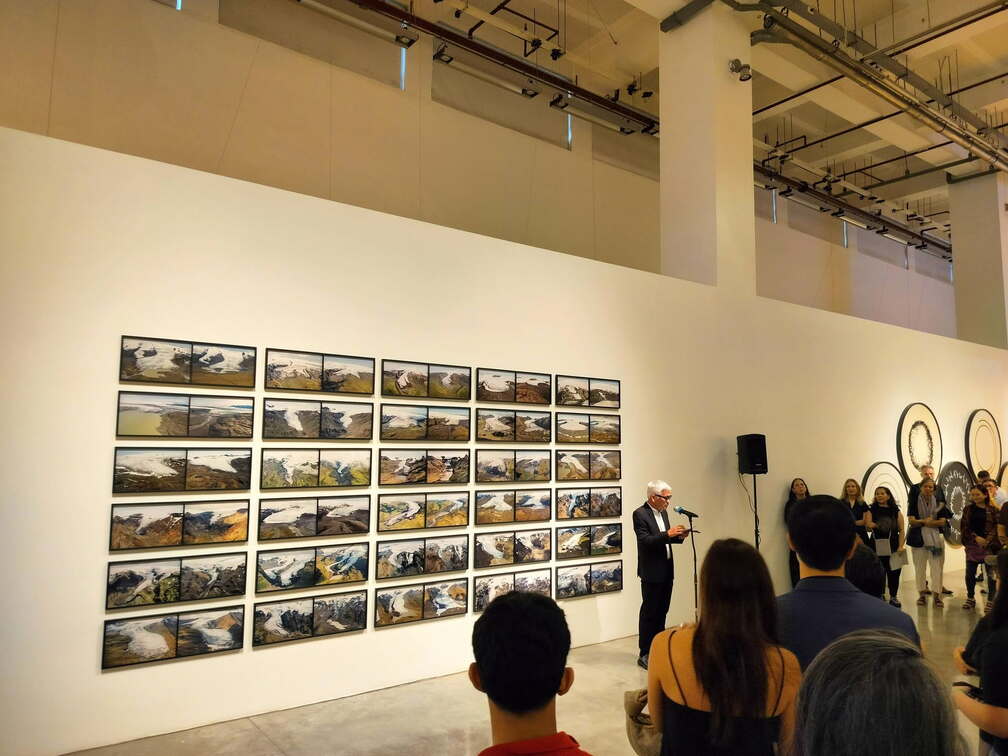
Olafur Eliasson's three-decade practice arrives in Manila as the final stop of an international tour that has traveled through Singapore, Auckland, Taipei, and Jakarta.…
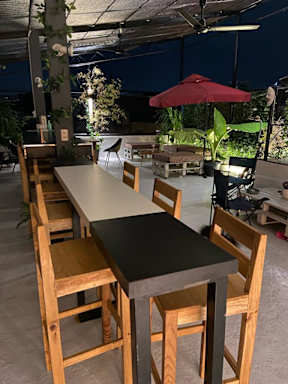
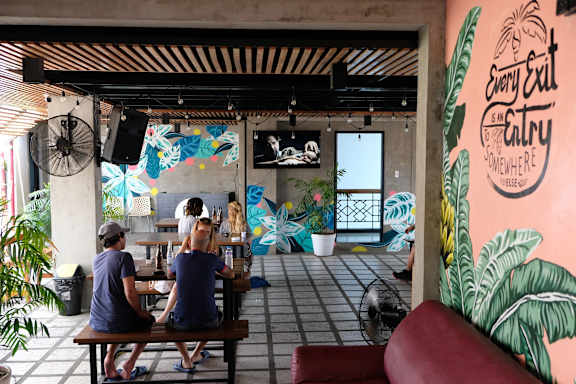
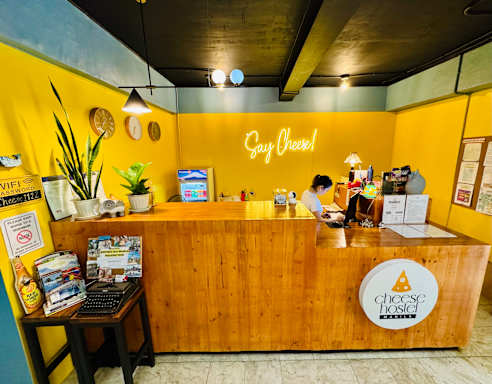
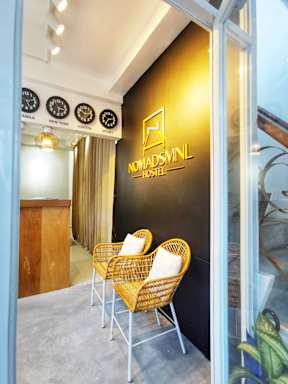
The top-rated places to stay in Manila right now, live from Hostelworld.
December to May is dry. June to November brings typhoons.
Average highs. Hot and humid all year.
Pick how you travel. Per person per night, in euros.
Prices are in pesos locally; these are euro equivalents.
The ones we get asked most.

Compare Manila hostels — live prices, real reviews and free cancellation on most bookings. Then meet the people already there in the app.

 Get the App.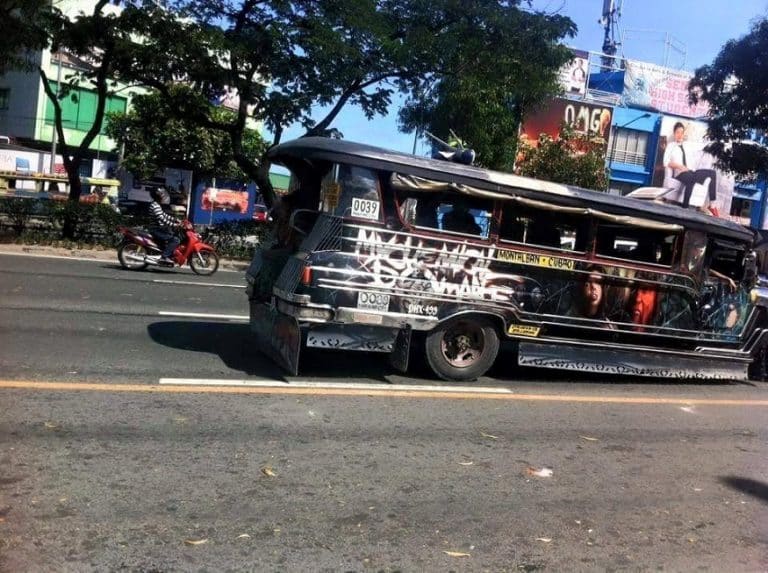
 Get the App.