Haeundae
BeachThe famous city beach, with seafront hotels, the Blueline Park coastal railway and plenty of hostels. Lively in summer.

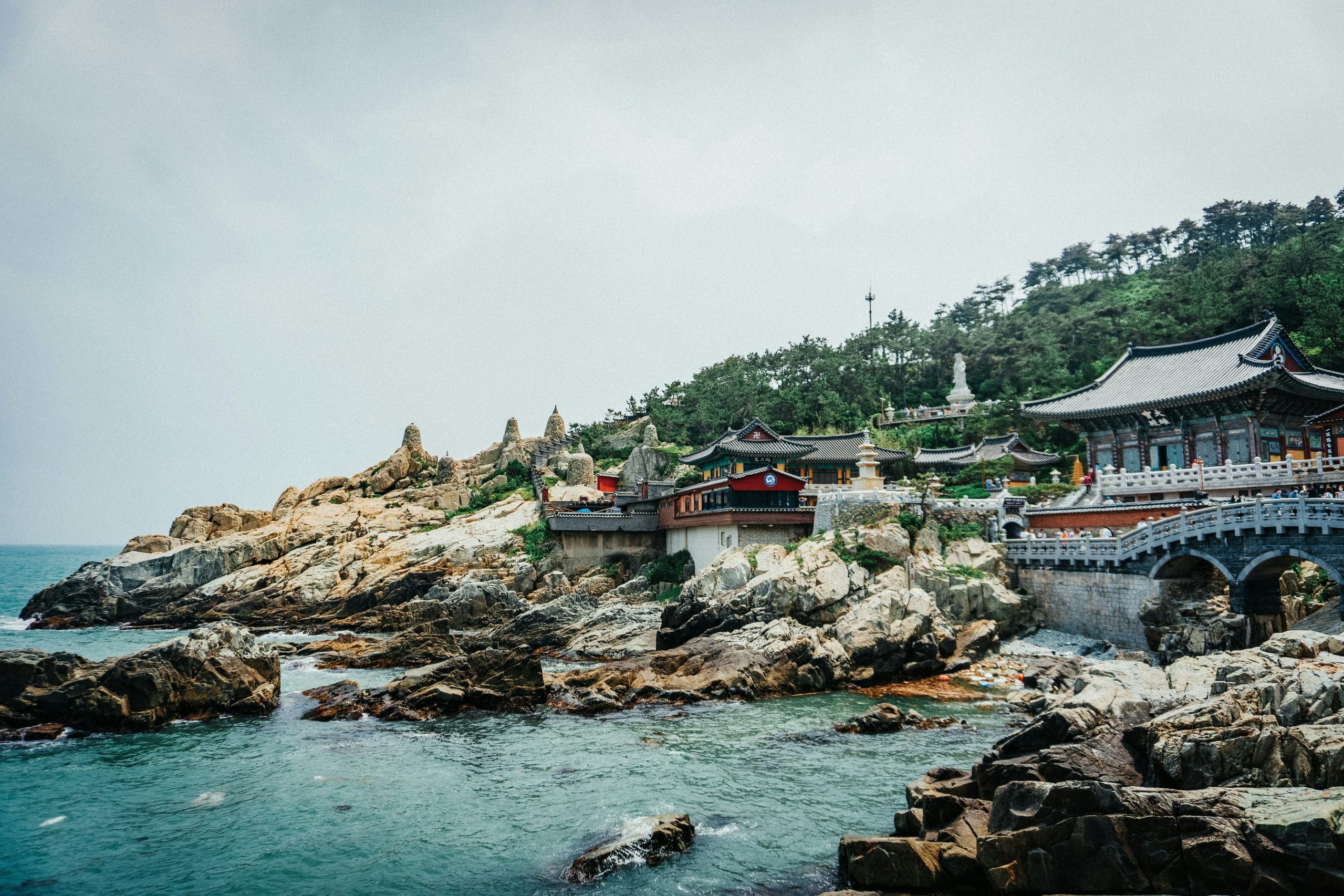
Korea's second city on the sea: city beaches, a hillside village of painted houses, a temple on the rocks, a huge fish market and drone shows over the bridge on Saturday nights.
Busan is Korea's largest port and second city, spread over steep hills and bays at the south-east tip of the peninsula. It has big city beaches, fish markets, temples on the coast and hillside neighbourhoods built by refugees during the Korean War.
It is more relaxed than Seoul, with its own strong dialect, a reputation for straight-talking locals, and life that revolves around the sea. Haeundae and Gwangalli beaches fill up in summer, and a drone show lights up the sky over Gwangan Bridge every Saturday night.
The KTX puts Busan two and a half hours from Seoul. Three days is right, with a day trip to Gyeongju.
Stay near Haeundae for the beach, or Seomyeon for transport.
The famous city beach, with seafront hotels, the Blueline Park coastal railway and plenty of hostels. Lively in summer.
The central transport hub, where two subway lines meet. Shopping streets, cheap food and late bars, well placed for everywhere.
Orange labels are neighbourhoods, dots are the 7 top-rated hostels. Map data from OpenStreetMap contributors.
Spend a day on the beaches. Haeundae is the big one, and from there the Blueline Park beach train and sky capsules run along the coast to Cheongsapo (book the capsules about two weeks ahead for sunset). Gwangalli, a short ride away, faces the Gwangan Bridge, where a drone show with hundreds of drones plays every Saturday night: 8pm and 10pm from March to September, 7pm and 9pm from October to February.
Walk the painted hillside lanes of Gamcheon Culture Village, built by war refugees. A stamp map (2,500 won) leads you around the art installations.
Take a taxi from Haeundae (about 20 minutes) to Haedong Yonggungsa, a free temple built on the rocks above the sea. It is busiest at weekends.
In the old port, eat raw fish at Jagalchi, Korea's largest fish market, then walk to the seed-filled pancake stalls at BIFF Square. Ride the Danubi train (4,000 won) around the cliffs of Taejongdae, and finish at Shinsegae Centum City, the world's largest department store, with a huge spa inside.
Busan's best bits are free. Both city beaches cost nothing, and the Saturday drone show at Gwangalli is free to watch from the sand. Arrive 30 minutes early in summer for a spot.
Gamcheon Culture Village is free to walk around (the stamp map is optional), and so is Haedong Yonggungsa temple.
Walk the coastal path at Igidae, with views back to the Haeundae skyline, or the cliffside lanes of Huinnyeoul Culture Village above the sea in Yeongdo.
Dwaeji gukbap, a milky pork-bone soup with rice, is Busan's signature dish, cheap, filling and served all day. Try milmyeon, Busan's cold wheat noodles, in summer, and ssiat hotteok, a fried pancake stuffed with seeds and brown sugar (2,000 to 2,500 won), at BIFF Square. Eomuk (fish cake) skewers cost about 1,500 won.
At Jagalchi Fish Market, choose your seafood downstairs and have it prepared upstairs. Expect a table charge of 5,000 to 6,000 won each, plus around 10,000 won to turn the leftovers into spicy soup.
A meal is €5 to €12 (about 8,000 to 18,000 won), and there's no tipping.
Gwangalli is the best night out, with beach bars and restaurants looking straight onto the lit-up Gwangan Bridge. Haeundae has bars along the seafront and in the side streets behind it, busiest in summer.
Seomyeon is the clubbing and late-bar district, popular with students. Most Busan locals drink soju with grilled clams or raw fish by the water. A beer is €3 to €6.
KTX trains reach Seoul in about two and a half hours, for around 60,000 won. Express buses take about four hours and cost less.
The subway covers most of the city, at about 1,500 won a ride with a T-money card. Gimhae Airport, with domestic and international flights, is linked to the subway by light rail.
The fast ferry to Fukuoka in Japan no longer runs, but the overnight ferry still sails from Busan's international ferry terminal.
Busan is mid-priced and a little cheaper than Seoul. Dorms start around €15 and a careful day costs €35 to €50.
Many of the big sights are free, and the rest are cheap: 2,500 won for the Gamcheon map, 4,000 for the Danubi train. If you plan to see lots of paid attractions, the Visit Busan Pass (about 55,000 won for 24 hours) can save money.
The currency is the won (KRW): about 1,530 to the euro. Cards work almost everywhere and there's no tipping. A T-money card covers transport and convenience stores.
Busan is very safe. Beaches have lifeguards in summer; swim only between the flags and stay out when the red flag is up.
Gamcheon and Huinnyeoul are residential, so keep your voice down. The hillside lanes are steep, so wear good shoes.
Emergency: 112 police, 119 fire and ambulance. 1330 is the free tourist helpline, in English.
The Silla capital an hour away, the cliffs at Taejongdae, and Japan by overnight ferry.
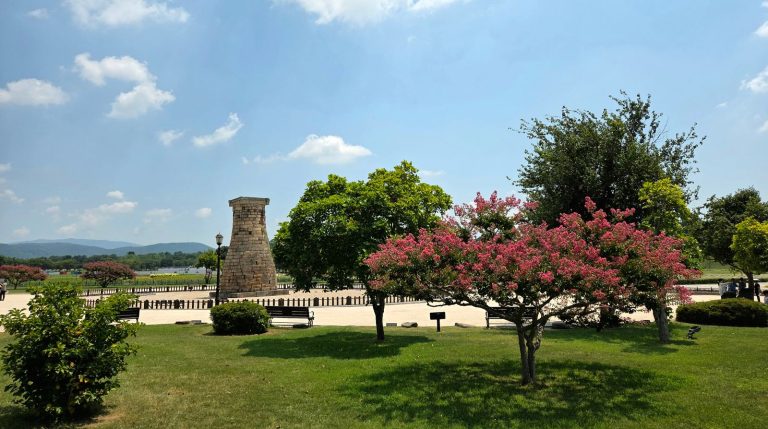
Royal tombs, the lit-up Wolji Pond and the UNESCO temple of Bulguksa, Korea's capital for a thousand years.
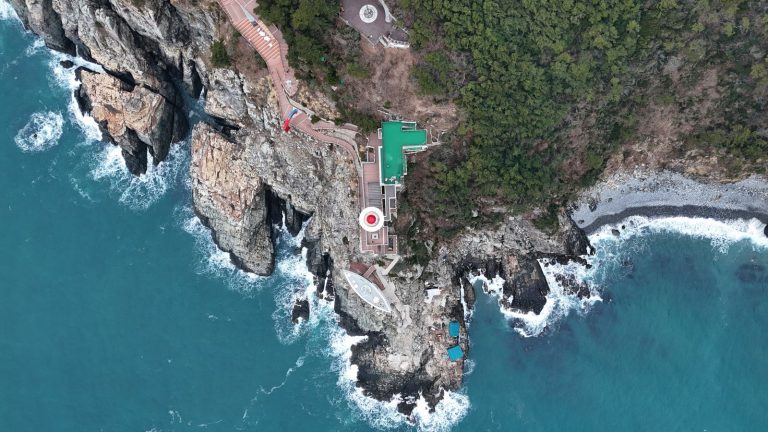
Pine-covered sea cliffs and a lighthouse on Yeongdo island. The Danubi train (4,000 won) loops around the park.
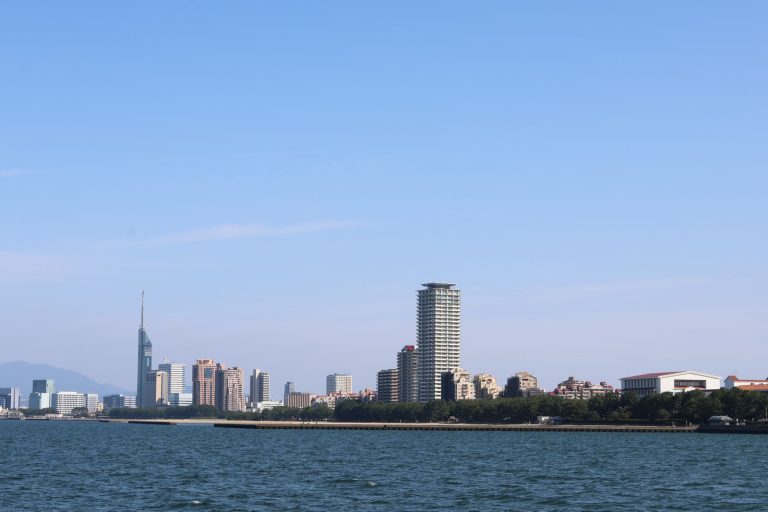
Sail overnight and wake up in Japan. The fast ferry has stopped, so plan on the overnight boat or a short flight.
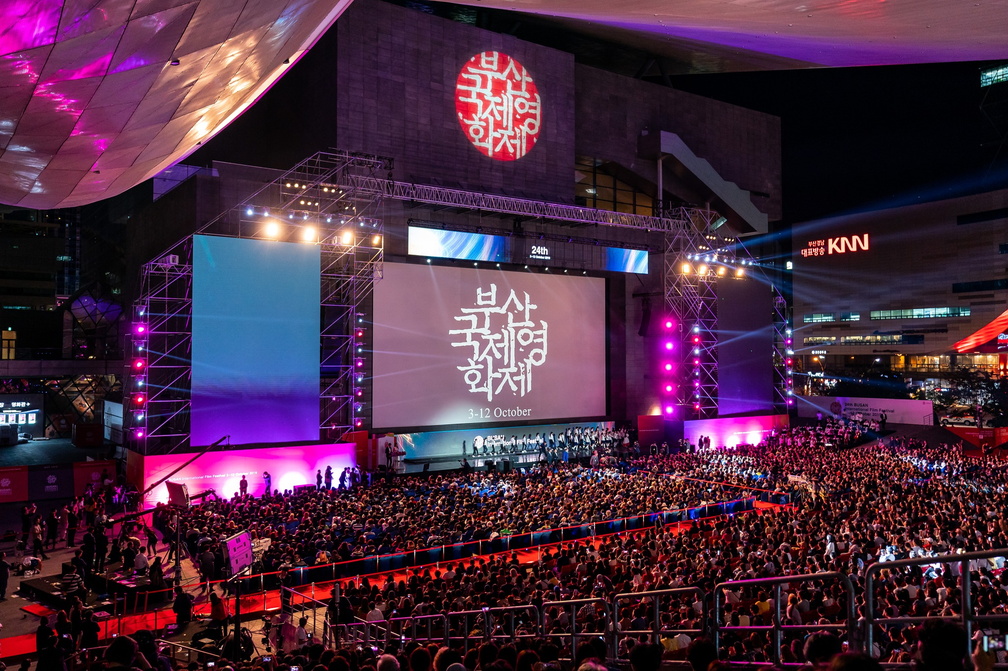
The Busan International Film Festival is Asia's biggest.
 Staff pick
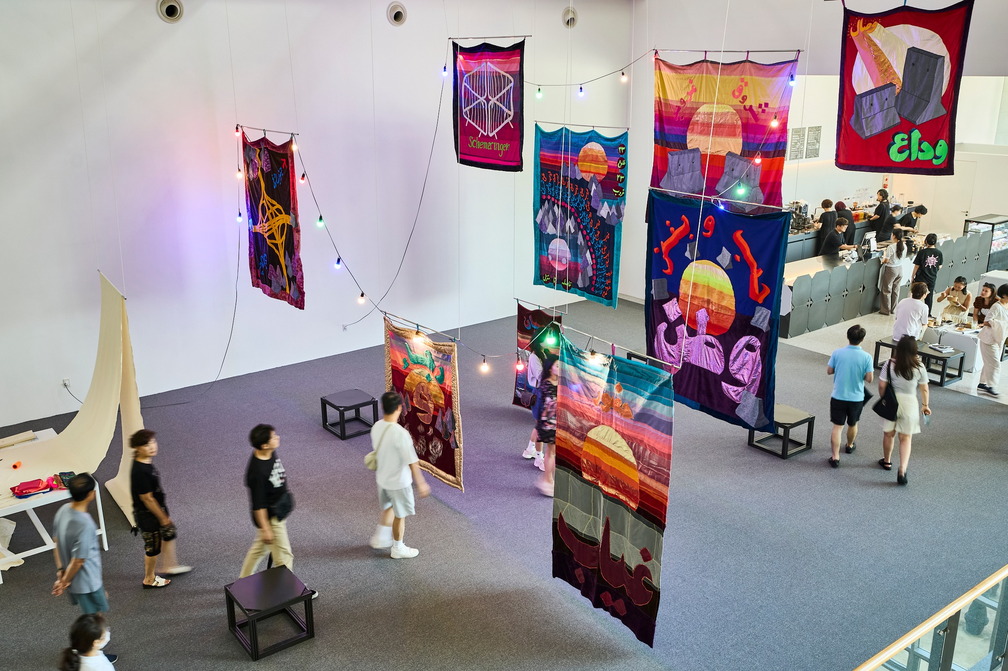
The Busan Biennale in Busan, South Korea, is a leading contemporary art event that transforms the city into a dynamic showcase for international artists,…
 Staff pick
Immerse yourself in the world of cinema at the Busan International Film Festival, a pioneering event that first graced the stage on September 13,…
 Staff pick
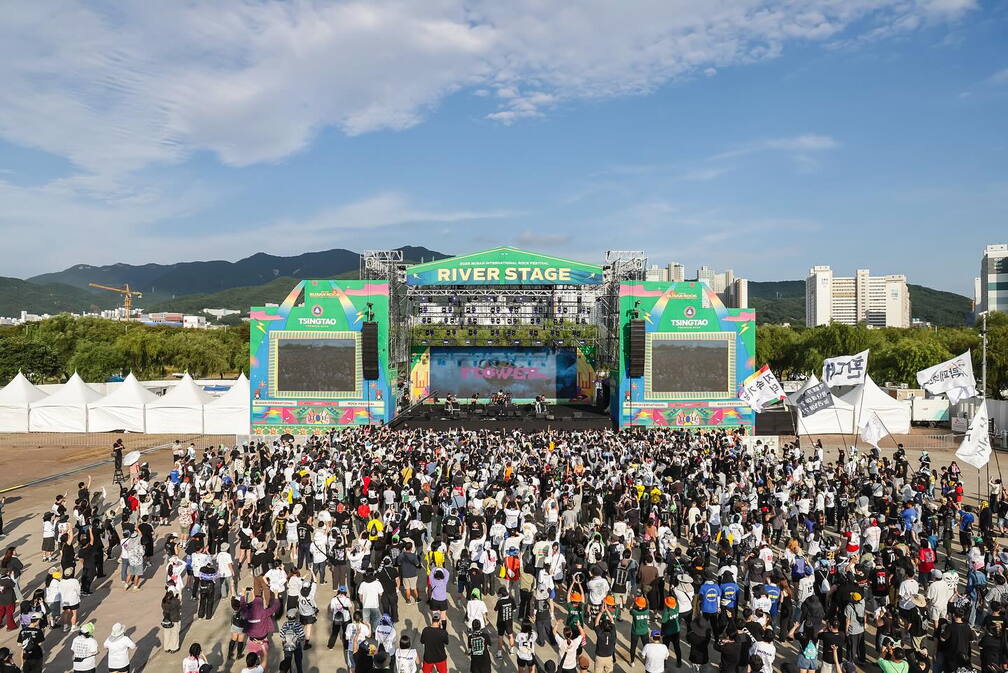
The Busan Rock Festival is a celebrated outdoor music event held at Samnak Ecological Park in Busan, South Korea. Established in 2000, it has…
 Staff pick
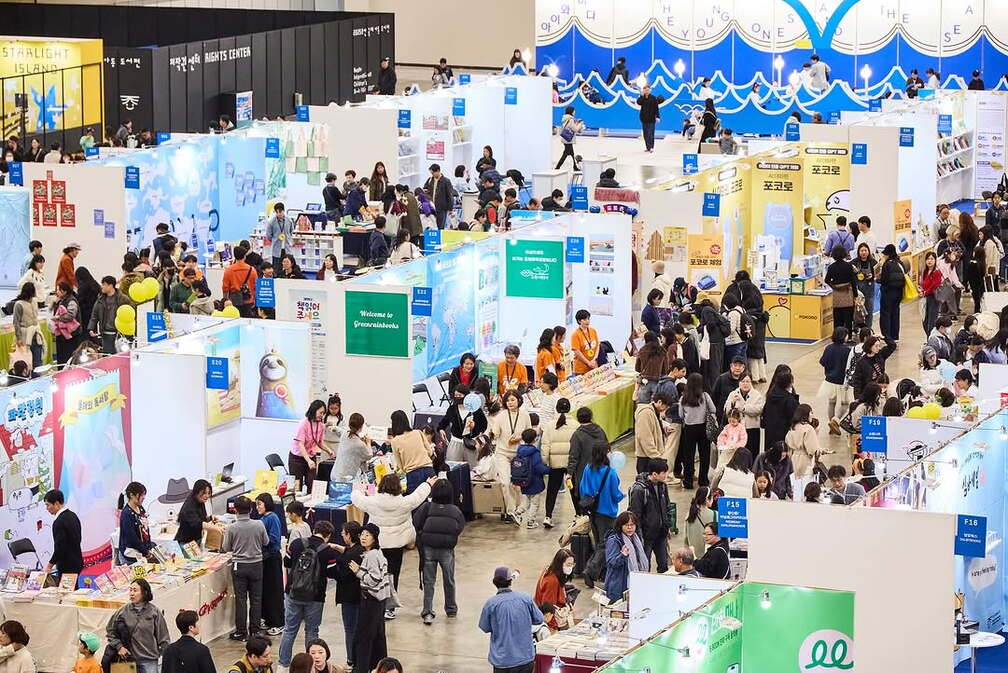
The Busan International Children's Book Fair at BEXCO, Busan, South Korea, is a global gathering dedicated to celebrating and advancing children's literature. Hosted by…
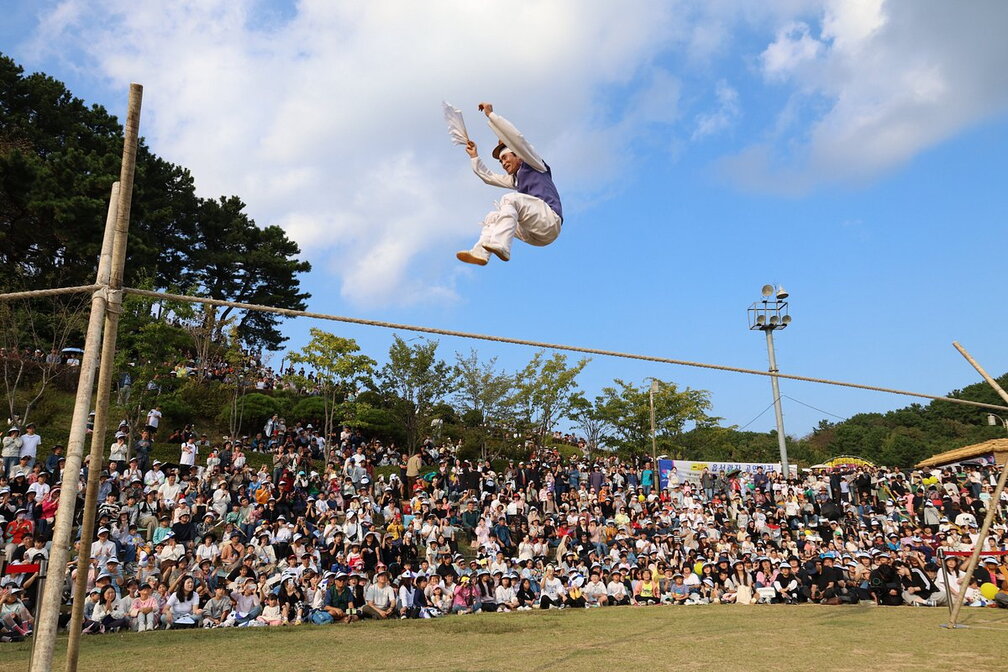 Staff pick
The Dongrae-eupseong History Festival in Busan, South Korea, is a long-standing celebration that brings the region’s rich heritage to life through immersive experiences and…
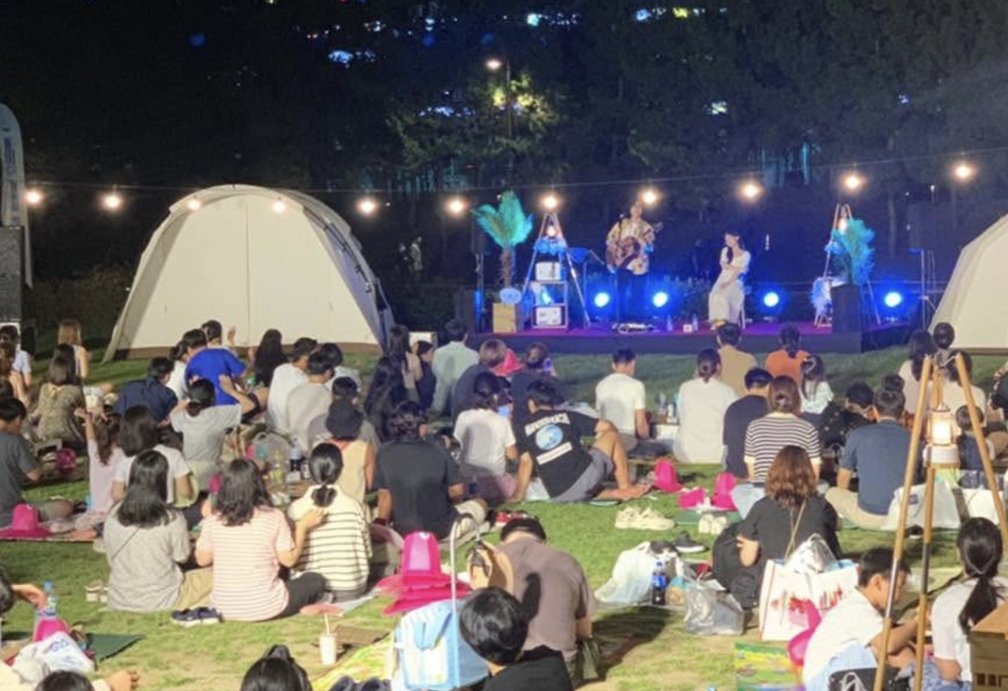
Busan transforms after dark during this months-long celebration of the city's nighttime charm. From glowing night markets and oceanside views to live street music,…
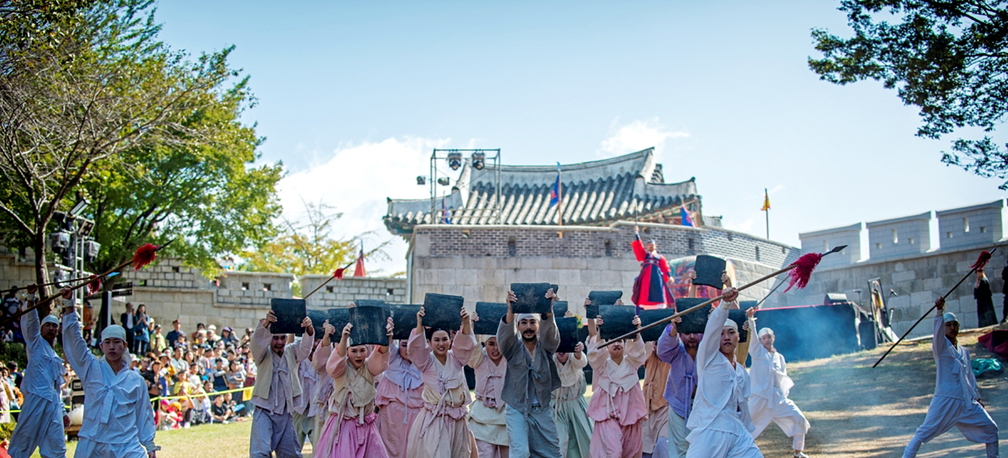
Each October, this three-day festival brings the walls of Dongrae Eupseong Fortress to life with reenactments commemorating the first battle of the 1592 Imjin…
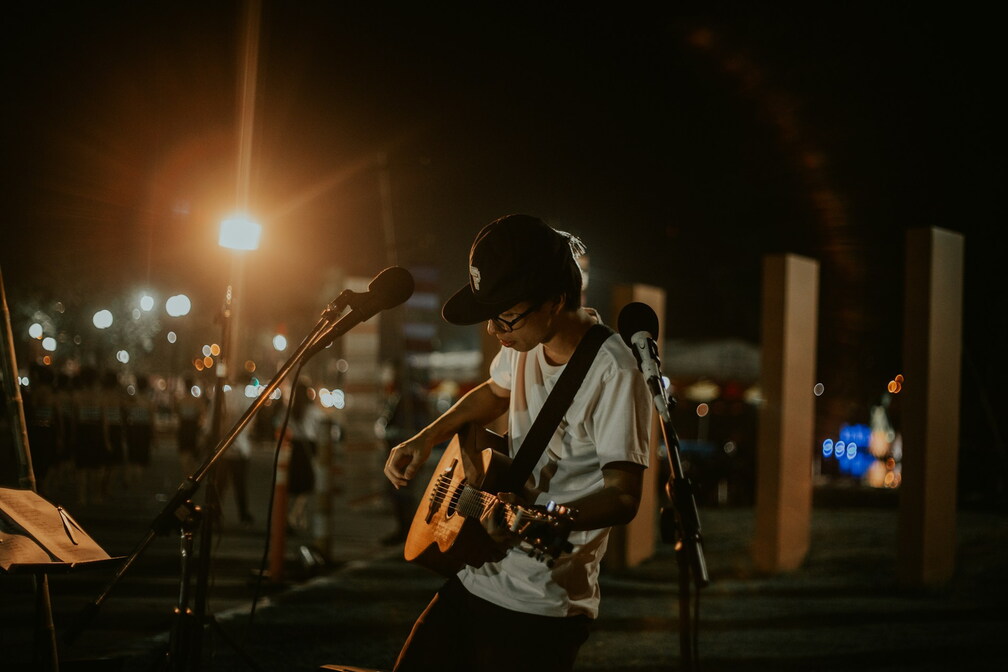
Gwangbok-ro transforms into an open-air stage where balcony concerts, street performances, parades, and hands-on activities bring the neighborhood to life. The Balcony Music Show…
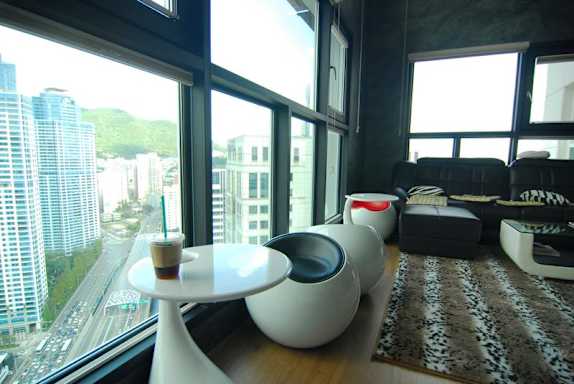
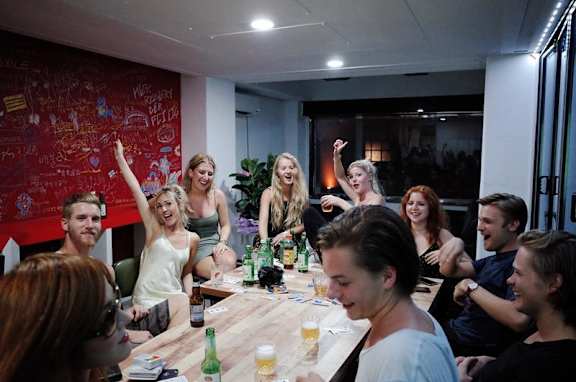
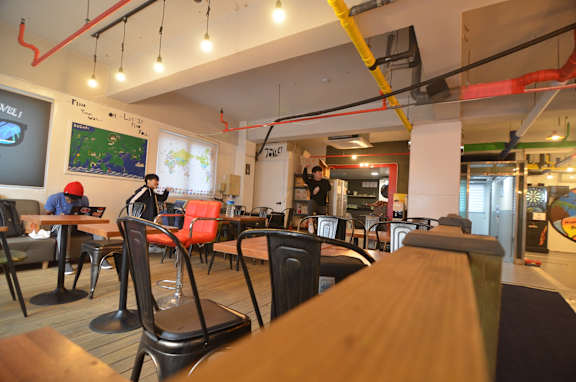
The top-rated places to stay in Busan right now, live from Hostelworld.
May, June, September and October. July and August are hot, humid and packed on the beaches.
Average highs.
Pick how you travel. Per person per night, in euros.
Prices are in won locally; these are euro equivalents.
The ones we get asked most.

Compare Busan hostels — live prices, real reviews and free cancellation on most bookings. Then meet the people already there in the app.

 Get the App.
 Get the App.