
How travelling helped me to change my spending habits and save more money
It seems contradictory to say that a trip helped me to become more aware of my expenses. Travelling means different things to different people, and everyone’s perception of their experiences are never the same. In my case, I learned a lot when I set out to meet my financial goals.
We know that money is important to embark on and enjoy a trip, but what many people don’t realise is that we need much less than we think we do to explore the world.
Travel is always an opportunity to observe and experience different lifestyles. Would you like to know some of my essential tips on how to save a little more money?
The importance of planning your money

Planning and travel are two words that go hand in hand, and the difference is noticeable when they are used together. Whatever the currency of the country you are visiting, defining exchange rates, knowing how much money you need and how much you have saved is a good start.
Just knowing that I was going on a long trip made me cut back on my daily expenses without thinking about it even a year before my departure date. Going out to bars and restaurants? Only once in a while. Everything became more planned and controlled; I started taking tupperware with me and analysed every expense that could be cut.
A goal is conquered through small actions and stages. So wake up! There is no point in setting goals if you are not willing to achieve them. Creating lists and using a diary are useful ways to get organised.
do I need it?
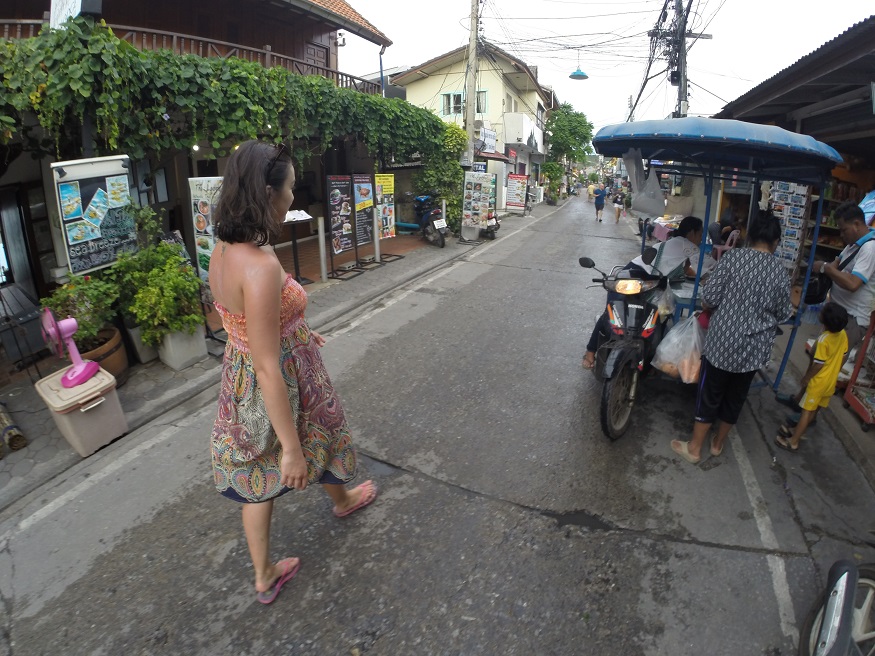
Probably not. As my trip got closer, I started to organise my suitcase. The question was always the same: “What do I take and what don’t I take? What do I need to buy? What things won’t be easy to find? My advice: take only the essentials.
At this point it’s good to find out what the weather will be like when you travel. It is much easier to pack a suitcase when you know more or less what weather situations you will encounter.
The capsule wardrobe concept can be very useful at this time of uncertainty. The idea is to take a limited number of items – around 33 pieces, including clothes and shoes – that match each other and with which you can make different combinations. The best thing is that you don’t need (and shouldn’t) buy anything new to have many different outfits.
Taking an emergency kit is always important, but be careful not to take too many things. You may already have everything you need at home. Take the minimum of medicines, only the necessary ones. I was too cautious and ended up spending too much money. By the end of the trip I had a lot of medicines left, most of them expired.
Currency exchange, taxes and other surprises
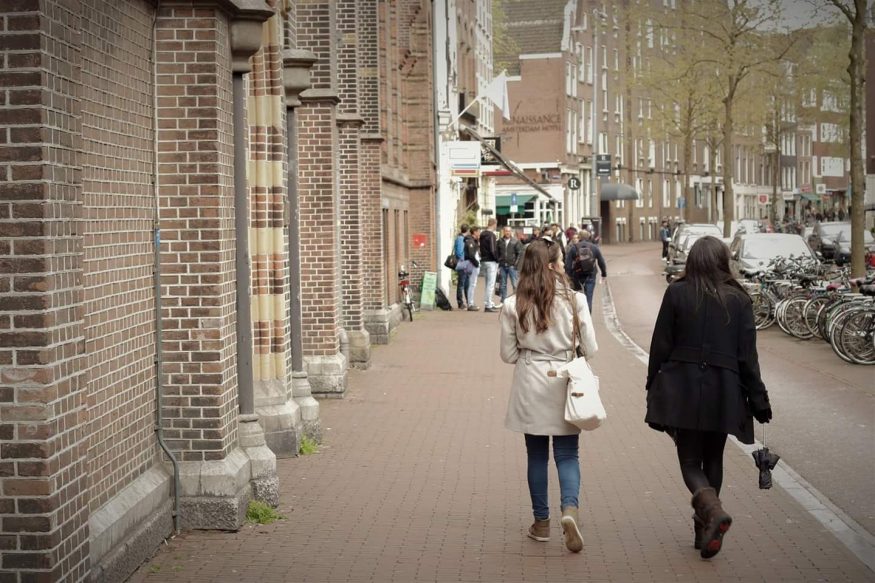
Nobody likes fees, exchange rates and unexpected changes in value. As it is impossible not to change currency or buy travel insurance, don’t leave it to the last minute. As soon as I bought my plane ticket, I took care of it.
Do your research: both on the internet and in travel and currency exchange agencies in your city. Find out as many details as possible to avoid unforeseen events. Prepare your travel insurance, change some money so you don’t arrive at your destination empty-handed and take the rest of the money with you on a prepaid card.
This way, there is less risk of losing money. And never, ever, ever, ever carry money or important documents in your checked bag. Sometimes we get distracted and forget that we will spend a few hours without it. Carry all the essentials in your carry-on bag and, if you can, in another small bag that you can hide under your clothes.
beware of what looks cheap!
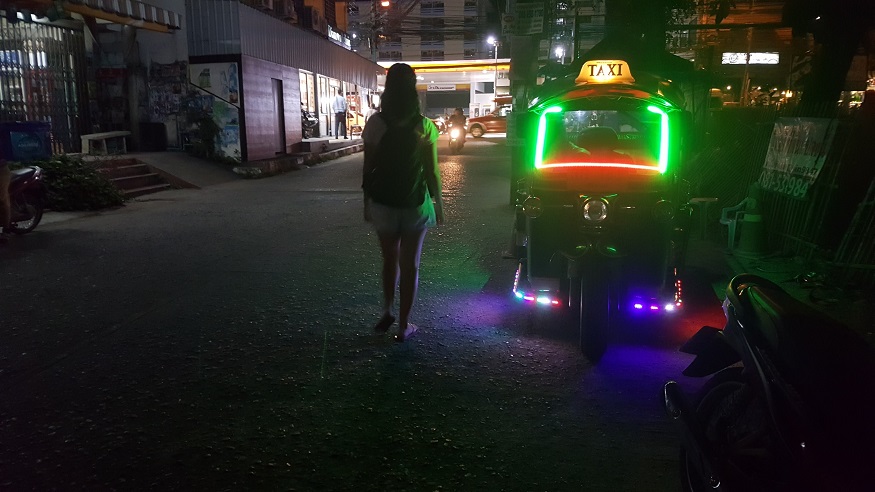
I know, it’s a lot of fun to arrive in a new place with endless shops selling beautiful objects, different clothes, electronic devices, food, accessories… There’s a lot of novelty within reach.
And in the face of all this there is an impulse to buy everything that passes in front of you. And it’s even worse if you don’t know the currency you’re buying in, as many things can seem cheaper than in euros.
I myself ended up spending money on things I didn’t need or like so much and forgot about them until a few months later as I was packing my bags to go home. The same thing happened to many of the friends I made along the way: they spent too much in shops and flea markets and ended up regretting it.
More stuff means heavier suitcases, more luggage charges and less money for other trips. I learned that I don’t need to buy everything I see just because I’m in another country and won’t find it anywhere else. There may be things worth buying, but not all of them. That’s why you have to think carefully before you throw money around.
Looking for ways to save
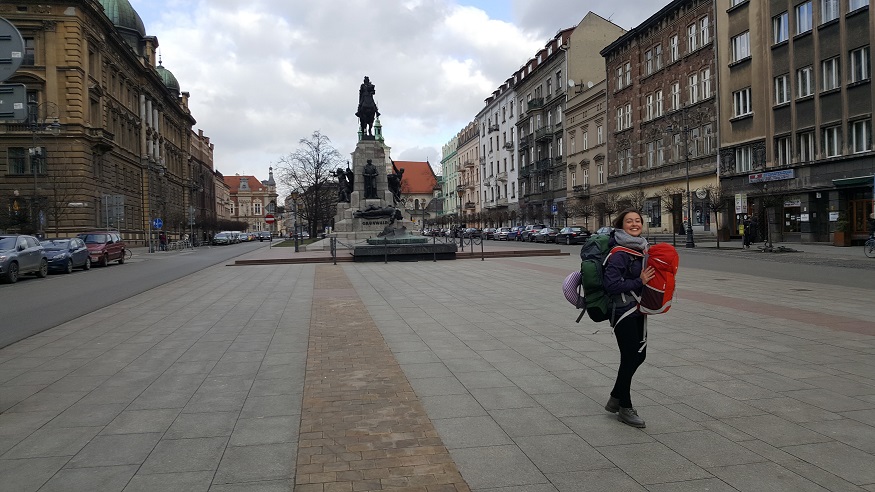
A quick Google search is all it takes to find plenty of tips on how to save while travelling. Cooking and eating more in the hostel, repeating restaurants you know are cheap and shopping in supermarkets are some of the alternatives to spend less on food.
Avoiding unnecessary spending on water bottles and snacks also makes a difference. Always keep a reusable bottle handy and try not to buy unnecessary snacks.
Another good way to save money is to work in another country, even if it is outside your professional field. If you are planning a long trip, you may be able to get a few hours of work a week. When I was in Ireland I worked in a coffee shop and a restaurant. As well as improving my understanding of the complicated Irish accent and meeting a lot of people, I was able to save extra money for trips I hadn’t planned.
Hostels for the best value for money
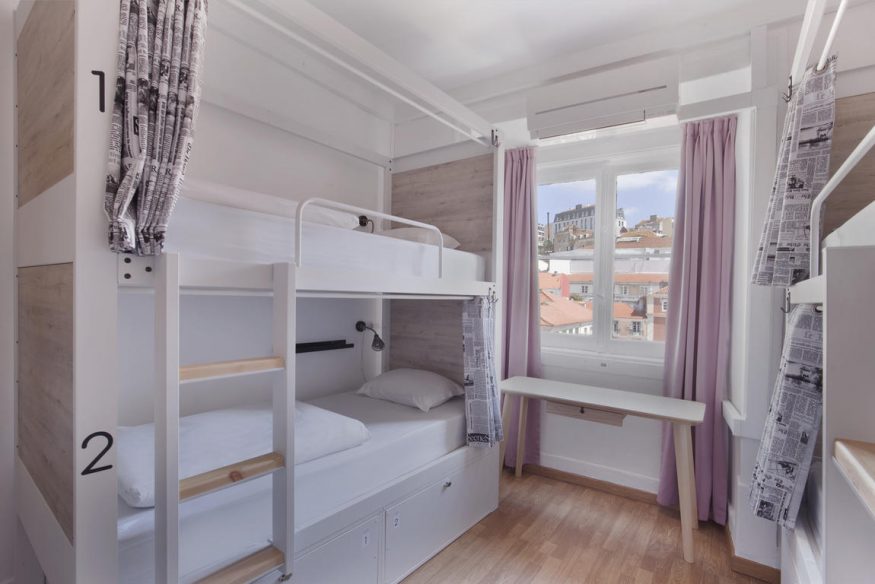
It’s very scary to go to another country and not know what the bhttps://www.brazilian.hostelworld.com/hosteldetails.php/Goodmorning-Lisbon-Hostel/Lisboa/59901arrio and the streets you’ll be staying in will be like. I went through this every time I arrived in a new place. Accommodation is always the biggest burden on our pocket and in some cities it can be extremely expensive.
It was while travelling that I discovered what hostels are really like – places where you can rest, have a relaxing bath, cook like at home and meet new people. Each hostel has its own personality that makes it different and special.
Whenever I moved to another city I always researched every possible type of accommodation and in the end the hostels always won in terms of price and benefit. If you don’t speak the language of the place you are visiting don’t worry, you can book online in English.
Manage every little expense
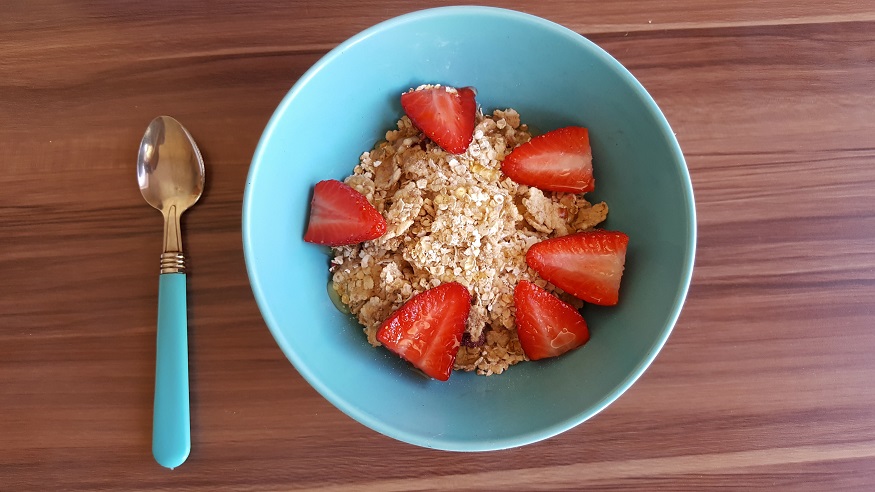
Getting into the habit of controlling our finances is not always easy. So take some time every day to review your accounts, especially if you are buying in a currency you don’t know so well.
It may be a little hard at first, but you will see that it is worth it and you will eventually do it without thinking. Creating spreadsheets, writing down what you spend in a small notebook or using financial apps can prevent unforeseen events and help you create a savings awareness.
This way you can estimate the maximum amount you can spend per day, a budget that can include meals, transport, accommodation and small purchases. It is up to you to define what is a priority.
Experiences are more worthwhile
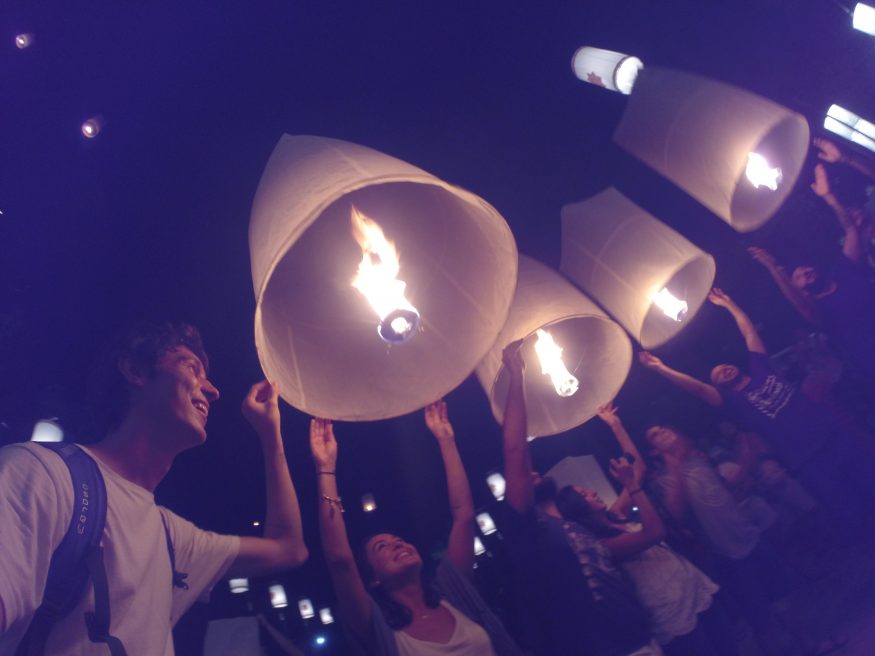
I would be lying if I said that I don’t like to buy nice or useful things for myself or to give to someone else during my travels. Souvenirs are totally allowed as long as it is a well thought-out purchase.
However, reflecting on the present, the here and now, can help you invest more in experiences and outings than in material things. For example, if you are in a faraway place and you don’t know when you will be there again, maybe try to enjoy the moment more, meet local places and people or other travellers. It is a more worthwhile experience than queuing in a shop.
Markets and shops exist in more corners of the world. Culture and atmosphere are unique to each place. Make the most of what is unique: find out about public holidays and participate in local festivities, which are usually free and help you learn about the place you are visiting.
A viagem acaba, mas o aprendizado fica
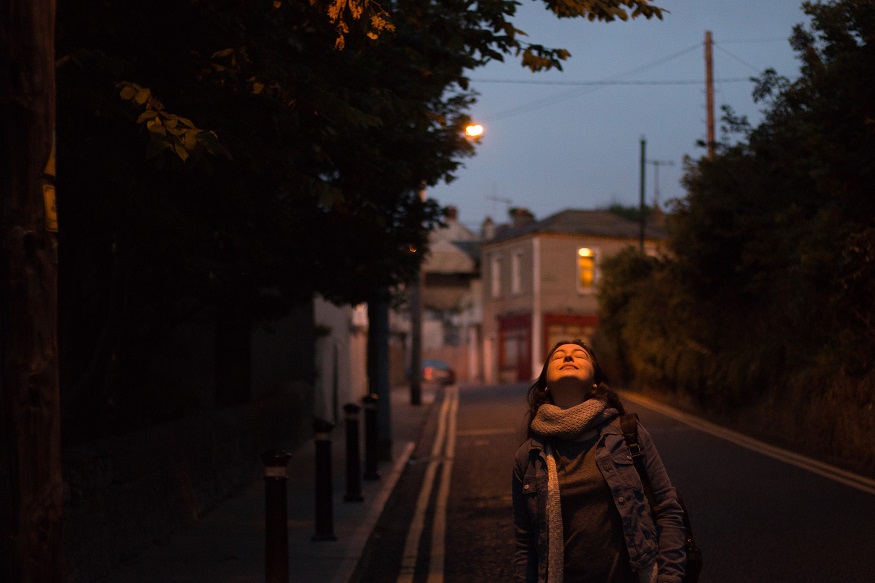
I can say that even before I started the trip I had the impression that some things were going to change. So I decided to go with an open heart and mind for whatever was to come. Along the way I had to deal with some unpleasant surprises. Unforeseen expenses do exist, so you need to be well prepared.
It is clear that I have learned a lot from my big trip and today I feel much more confident for the next one. But nothing has taught me as much as the day I arrived home. Once there I saw how my life could be different even if I was in a routine that I already knew very well.
Today I think twice before making any purchases and I have a calmer and healthier relationship with my finances. This encourages me to save a little more whenever possible, so that I can start a new journey with new experiences.
Travelling helps us to rethink our lifestyle
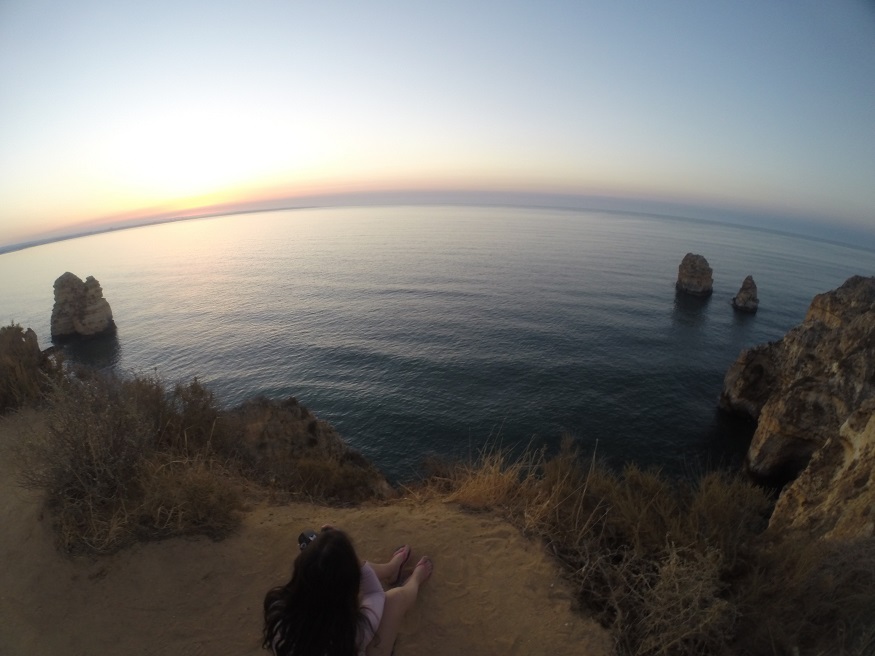
Spending some time in a place far away from what we are used to helps us to rethink our consumption habits and to consume in a more conscious way.
Today I carry with me some of the habits I have acquired while travelling. I gave up private transport little by little and started using public transport more, and at the same time I started splitting grocery bills and other expenses. I also started to cook more at home and to rethink my consumption of clothes, shoes and objects in a global way.
In the end I learned that everything is based on choices. There will always be those that will be left behind. To choose is also to renounce. Travelling taught me and continues to teach me a lot about detachment from what is ephemeral. Things have value, but experiences do not expire and will always be in our memory.
📚 About the Author 📚
Verônica Motti is Brazilian, works in digital marketing and believes in writing as a way to express herself, transmit love and share experiences. After travelling for a year in Europe and Asia, she decided to have less stuff and do more. Keep up to date with her adventures on her Instagram.

 Get the App.
Leave a Reply
You must be logged in to post a comment.