Old town and marina
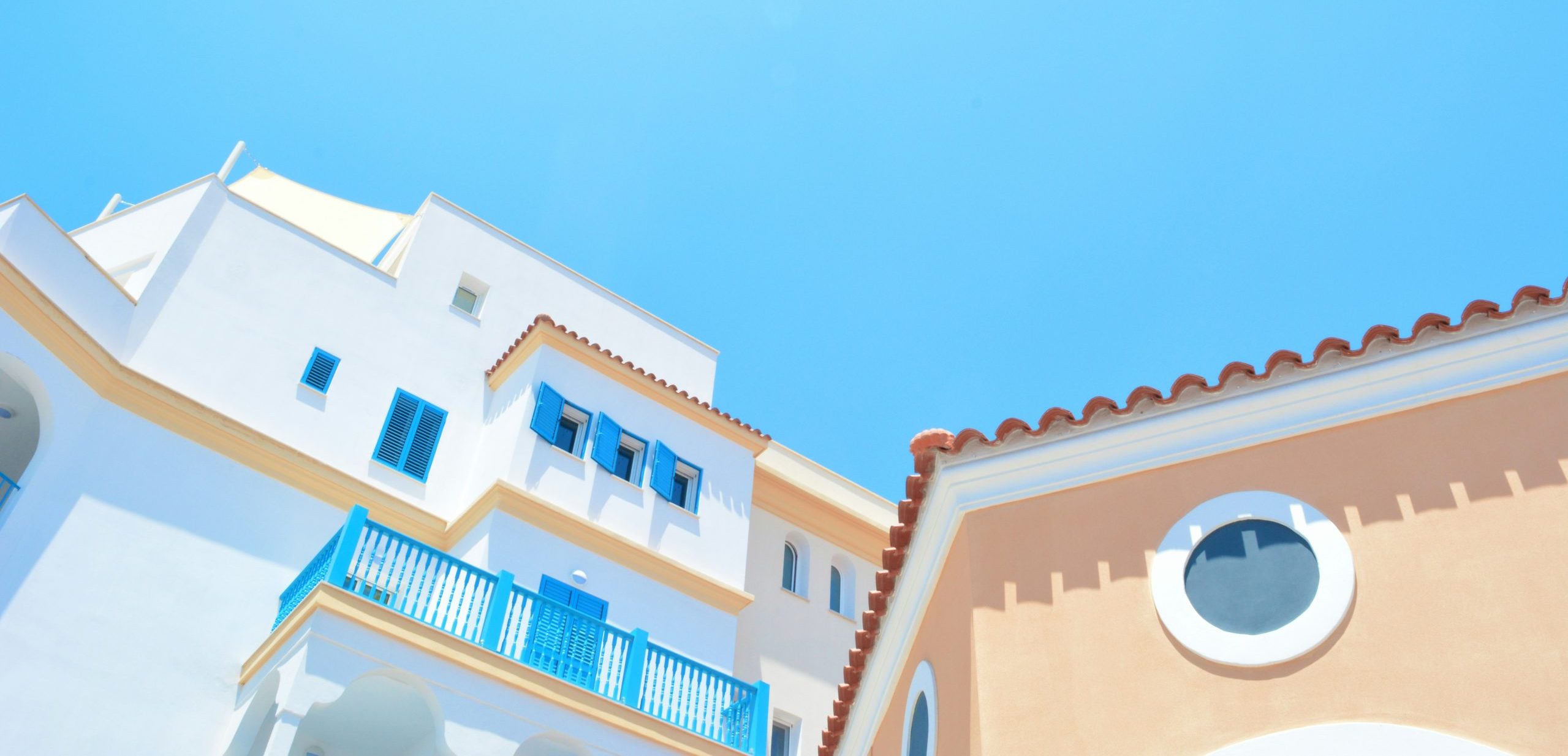
First-timersThe restored lanes behind the castle and the marina, with restaurants, bars and the best of the city.

The island's working city: a container port, a wine industry, the biggest carnival in Cyprus, and a fourteen-kilometre seafront park that locals actually use.
Limassol is the island's second city and its commercial centre — a port, a shipping hub, a wine region and, increasingly, a place of glass towers built with foreign money.
It is not a resort, and that is the appeal. The Molos seafront promenade runs fourteen kilometres with sculptures, running tracks and playgrounds, and it is full of people who live here rather than visit.
Richard the Lionheart married Berengaria of Navarre in the castle in 1191, and the castle now houses the island's medieval museum.
The old town behind the marina has been restored around a set of narrow lanes, and the wine villages of the Krasochoria are in the hills twenty minutes inland.
Carnival here is the biggest in Cyprus and runs for about ten days. Two days in the city, more with the mountains.
The old town and marina, the tourist strip east, or the quieter west.
The restored lanes behind the castle and the marina, with restaurants, bars and the best of the city.
The strip towards Amathus, with hotels, beach bars and the better sand. A bus from the centre.
West of the centre, cheaper and more residential, with the promenade running through it.
Orange labels are neighbourhoods, dots are the 1 top-rated hostels. Map © MapTiler © OpenStreetMap contributors.
Walk the Molos. The seafront promenade runs fourteen kilometres with sculpture gardens, shaded paths and sea on one side, and it is where the city goes in the evening. Free.
Limassol Castle is a small medieval fortress in the old town, where Richard the Lionheart married in 1191, now holding the Cyprus Medieval Museum.
Kourion, twenty minutes west, is a Greco-Roman city on a cliff above the sea with a theatre still used for performances and mosaic floors in the House of Eustolios.
The Krasochoria wine villages in the Troodos foothills — Omodos, Vouni, Lofou — are twenty to forty minutes inland, with cellars, stone streets and considerably cooler air.
Carnival in February or March is about ten days of events ending in a parade the whole city turns out for.
The Molos promenade and its sculpture park are free and run for fourteen kilometres.
The old town lanes, the marina and the municipal gardens cost nothing.
The city beaches are free, and while they are dark sand and pebble rather than golden, they are used by everyone.
The old carob mill area and the restored lanes around the castle are free to wander.
Carnival events are largely free to watch, including the main parade.
Meze is the format here as everywhere on the island — fifteen to twenty dishes at €20 to €30 a head, and there are fish meze versions on the coast.
Limassol is the centre of Cypriot wine, and Commandaria, made here since antiquity, is claimed as the oldest named wine still in production. The Krasochoria villages inland run tastings from €10.
Zivania is the local spirit, distilled from grape pomace and strong enough to be taken seriously.
A full meal is €15 to €25, and the old town restaurants are better value than the marina, where prices are set for yacht owners.
Halloumi, souvla and kleftiko fill the rest of the menu.
The island's best nightlife outside Ayia Napa, and a much more local version of it.
The old town around Saripolou Square is the centre — bars in restored buildings, busy from ten, with a mixed Cypriot and expat crowd. The marina has the smarter cocktail places.
The tourist strip east has beach clubs and bigger venues in summer.
A beer is €3.50 to €5 and cocktails €9 to €13.
Carnival turns the whole city into a rolling party for about ten days in February or March, and the Wine Festival in September is a week of drinking in the municipal gardens.
The city is long and thin along the coast, so buses matter: about €1.50 a ride or €5 for a day, and route 30 runs the length of the seafront.
The old town and marina are walkable, and the promenade is the pleasant way to move along the coast on foot or by bike.
Intercity buses reach Nicosia in an hour, Paphos in an hour, Larnaca in an hour and Ayia Napa in about two, at €5 to €7.
Larnaca airport is 45 minutes by shuttle for about €9, Paphos airport an hour.
There are no trains on Cyprus, and a hire car is the only practical way to reach the wine villages and the Troodos.
Mid-range for Cyprus, and more expensive than it was — the glass towers and the marina have pushed prices up. Dorms are €18 to €35, a full meal €15 to €25, and a beer €3.50 to €5.
A day is €45 to €75.
Kourion is about €4.50, the castle €4.50, and wine tastings inland from €10.
The Molos, the beaches and carnival are free, which covers a lot of a day here.
Limassol is a safe city with low crime, and the seafront and old town are comfortable at night.
The beaches here are open sea with occasional strong currents, and lifeguards work only the main stretches in season.
Summer heat is severe and the promenade has limited shade in the middle of the day.
The tourist strip has the usual issues of inflated bar bills and drink prices that are not what you were told — check before ordering rounds.
Driving is on the left, inherited from British rule, which surprises visitors from mainland Europe. Emergency number is 112.
Ruins on a cliff, wine villages in the hills, and a rock Aphrodite came out of.
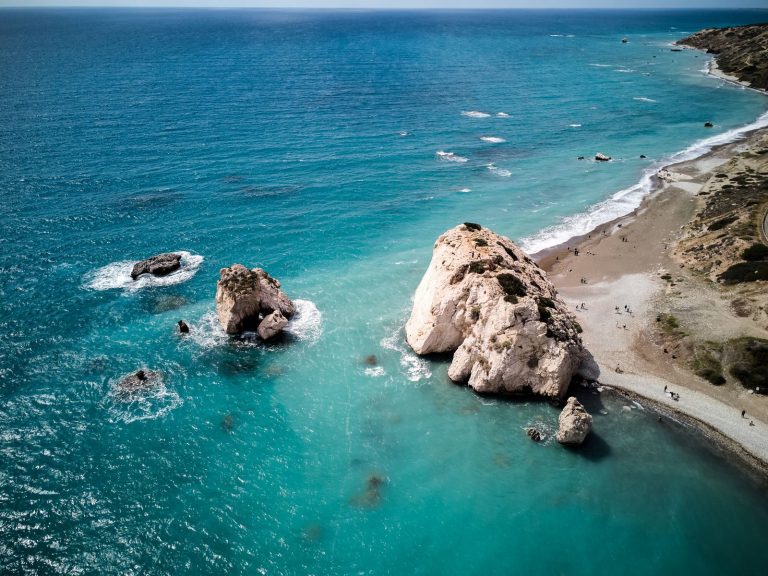
The sea stack where Aphrodite is said to have emerged, on the coast road towards Paphos.
Ten days of carnival, and a week of wine in September.
About ten days of events ending in a grand parade. The biggest carnival in Cyprus and the city at its best.
A week of tastings from producers across the island, in the gardens by the seafront.
Concerts and plays in a Greco-Roman theatre above the sea.
A long weekend of beer and music in the same gardens.
Lights and events along the promenade in mild weather.
A modest scene in and around the old town, with the tourist strip further east. Live from Hostelworld.
April, May, October and November. Carnival in February or March is the city at its best.
Average highs. The coast is several degrees cooler than Nicosia inland, and the sea stays swimmable from April into November, which is the longest season in the Mediterranean.
Pick how you travel. Per person per night, in euros.
A wine village tour at €35–60 is the main extra. The seafront and beaches cost nothing.
The ones we get asked most.

Compare Limassol hostels — live prices, real reviews and free cancellation on most bookings. Then meet the people already there in the app.

 Get the App.
 Get the App.