Old Town
First-timersStaré Město: the square, the clock, the bridge and the crowds. Central, expensive and noisy at night.
8 hostels · from €21
Hostels here

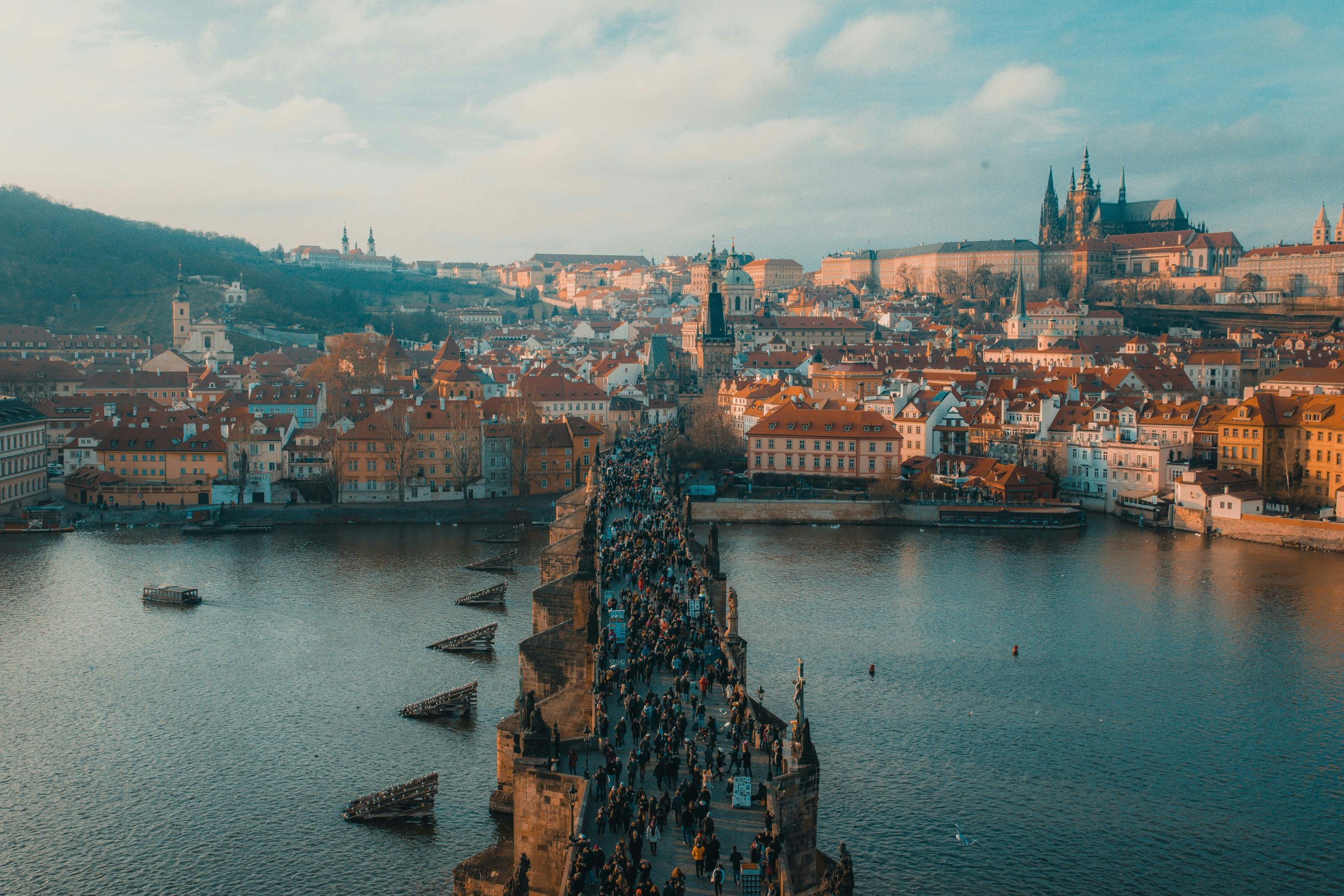
A city that survived two world wars almost intact, with a castle complex bigger than any other on earth, an astronomical clock from 1410 and beer cheaper than water.
Prague came through the twentieth century with its centre largely intact, which is why you can walk from Romanesque cellars through Gothic, Renaissance, baroque, art nouveau and cubist buildings in half an hour. It is the only city with a genuine cubist architectural quarter.
The castle is the largest ancient castle complex in the world at seven hectares, and it is a working seat of government rather than a museum.
The volume of visitors is the trade-off. The Old Town Square and Charles Bridge are close to unwalkable from mid-morning, and the centre has a thriving industry of currency exchange scams, taxi overcharging and inflated bar bills.
The fix is straightforward: be at the bridge at seven, drink in Žižkov or Vinohrady rather than the square, and use the trams.
Three or four days.
The centre is walkable and crowded. The residential districts are ten minutes away by tram and half the price.
Staré Město: the square, the clock, the bridge and the crowds. Central, expensive and noisy at night.
The former Jewish quarter between the square and the river, with the synagogues and cemetery, and calmer streets.
Below the castle across the river: baroque palaces, gardens, steep lanes and the prettiest streets in the city.
East of the centre: tree-lined streets, the best restaurants and bars, and a ten-minute tram in.
The old working-class district with more pubs per head than anywhere in the country, and the cheapest beds.
Orange labels are neighbourhoods, dots are the 12 top-rated hostels. Map © MapTiler © OpenStreetMap contributors.
Cross Charles Bridge at seven in the morning. It is the difference between a medieval bridge lined with baroque statues and a market stall crush, and it costs nothing but an alarm.
Prague Castle is a complex rather than a building — St Vitus Cathedral, the old royal palace, the Golden Lane — and the grounds are free to walk with tickets for the interiors from about €10. Go in the late afternoon when the tour groups have gone.
The astronomical clock in the Old Town Square has run since 1410 and does its apostle procession hourly. It is brief and anticlimactic, and the tower above it has the best view of the square.
Vyšehrad, the other castle on a cliff south of the centre, is free, quiet, and has the cemetery where Dvořák and Mucha are buried.
The Museum of Communism and the Cold War bunker tours cover the forty years the guidebooks skim.
Charles Bridge, the Old Town Square and the castle grounds are all free, and all better early or late.
Vyšehrad is free entirely, including the ramparts and the cemetery.
Petřín hill has gardens, a mirror maze and a small Eiffel Tower — the funicular costs a transport ticket and the walk up is free, with the best view over the city.
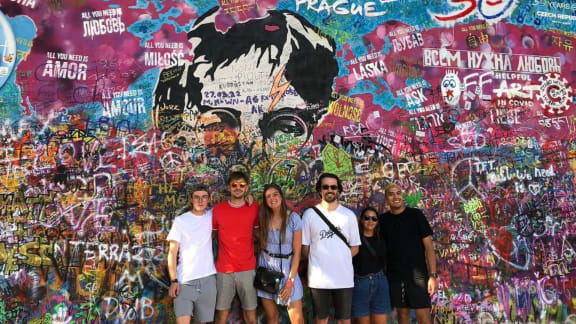
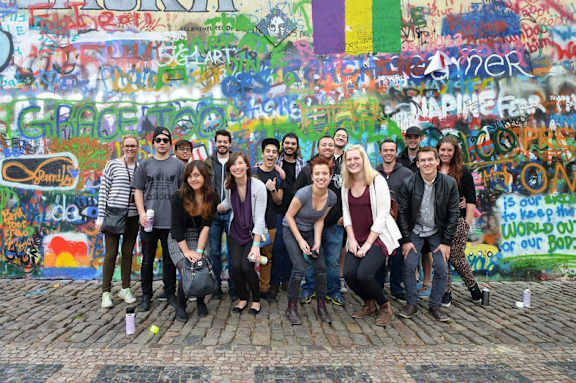
The Lennon Wall, the Kampa island park and the Vltava embankments cost nothing, and the Náplavka riverside farmers' market on Saturdays is free to wander.
Letná park above the river has the beer garden with the view that locals actually use.
Czech beer is the point and it is taken seriously. A half litre of Pilsner Urquell or Kozel is €1.80 to €2.50 in a neighbourhood pub and €4 to €6 on the Old Town Square. Tank beer, unpasteurised and delivered by tanker, is worth seeking out.
Food is heavy and good: svíčková, beef in cream sauce with dumplings; goulash; roast pork with sauerkraut. A pub main is €7 to €12 outside the centre.
Trdelník, the sugared chimney cake sold everywhere in the old town, is not Czech and locals find its ubiquity funny.
Lunch menus at €5 to €8 are how the country eats on weekdays, and Vinohrady and Karlín have the modern restaurant scene.
Žižkov claims more pubs per head than anywhere in the country and is the place to test it — scruffy, cheap and entirely local. Vinohrady has the better cocktail bars and a large expat and gay scene.
The centre has the stag-party economy, and the strip clubs, Thai massage fronts and promoters on Wenceslas Square are part of it. Bars there charge several times the normal price.
A beer is €1.80 to €2.50 in a normal pub. If you are paying €6, you are in a tourist bar.
Beer gardens — Letná, Riegrovy sady — are the summer institution, with plastic cups, a view and no pretension.
Clubs run late and Cross Club in Holešovice, built entirely from welded scrap, is worth seeing whatever is playing.
The transport is excellent and cheap: metro, trams and buses on one ticket, with 30 minutes about €1.20, 24 hours €5.50 and 72 hours €13. Validate on first use — inspectors are plain-clothed and the fine is around €40.
Tram 22 runs from the centre up past the castle and is the sightseeing route at a normal fare.
From the airport, bus 119 connects to metro line A for about €1.50 total in 35 minutes.
Taxis have a long history of overcharging; use Bolt or Uber, both of which work well.
Trains reach Vienna in four hours, Berlin in four and Brno in two and a half, all cheaply and comfortably.
Cheap if you leave the centre and expensive if you do not. Dorms are €15 to €35, a pub meal €7 to €12, and a beer €1.80 to €2.50 in a normal pub.
A day is €40 to €70.
The currency is the koruna, not the euro, at roughly 25 to one. Never change money on the street — the exchange scam is the city's oldest, with people offering good rates and handing over obsolete Belarusian or Hungarian notes. Use a bank or a well-reviewed exchange office and always ask for the exact amount you will receive before handing anything over.
Paying by card is normal everywhere.
Prague is a very safe city for violent crime and a busy one for scams.
The main ones: street currency exchange, taxi overcharging, bars on Wenceslas Square with unlisted prices, and restaurants near the square adding service and cover charges without saying so. Ask prices before ordering, check bills, and never change money with someone who approaches you.
Pickpocketing is common on tram 22, the metro at Můstek and in the Charles Bridge crush.
Cobbles across the old town are polished and slippery in rain, and the hill up to the castle is steeper than it looks.
Beer here is strong and served in half litres. Emergency number is 112.
A bone church, a spa town and a castle, all within two hours.
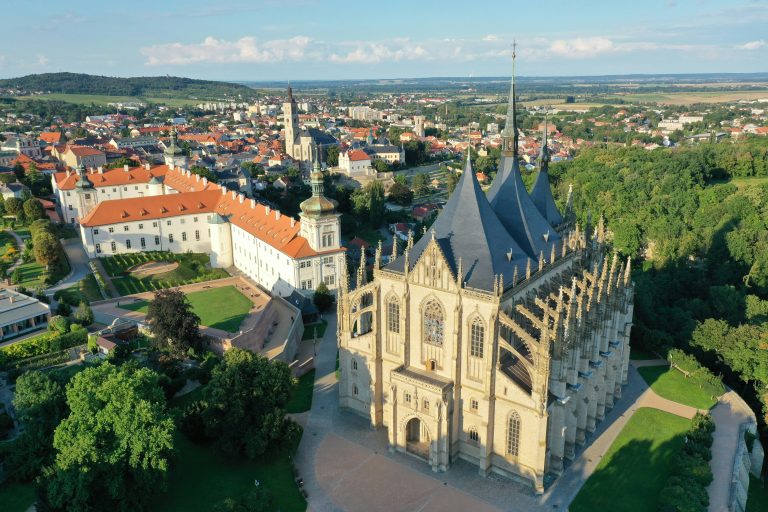
A silver-mining town with a cathedral and the Sedlec ossuary, decorated with the bones of around 40,000 people.
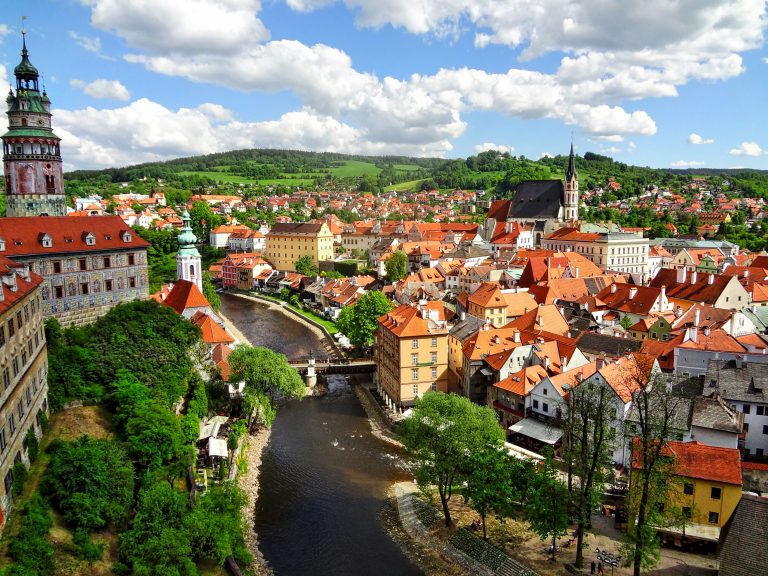
A medieval town in a river bend with a castle above it. Long as a day trip, and much better overnight.
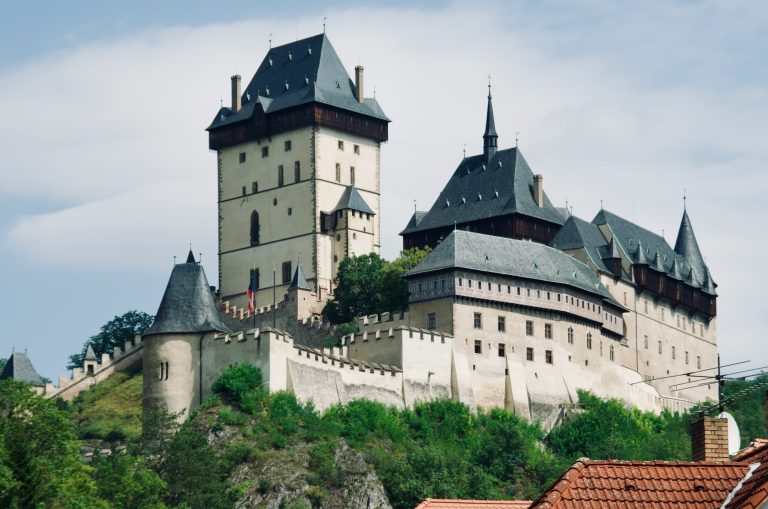
A Gothic castle built by Charles IV to hold the crown jewels, on a hill above a village.
Christmas markets in the Old Town Square, and a classical festival in spring.
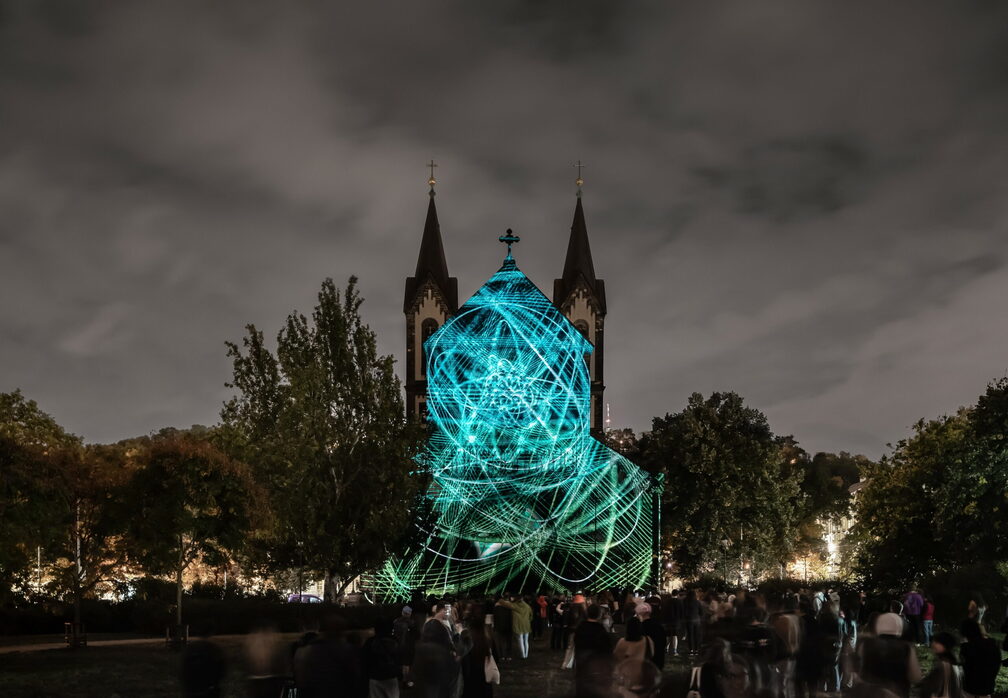 Staff pick
Experience the magic of light and technology at the Signal Festival, a dazzling event that transforms the streets of Prague into a vibrant canvas…
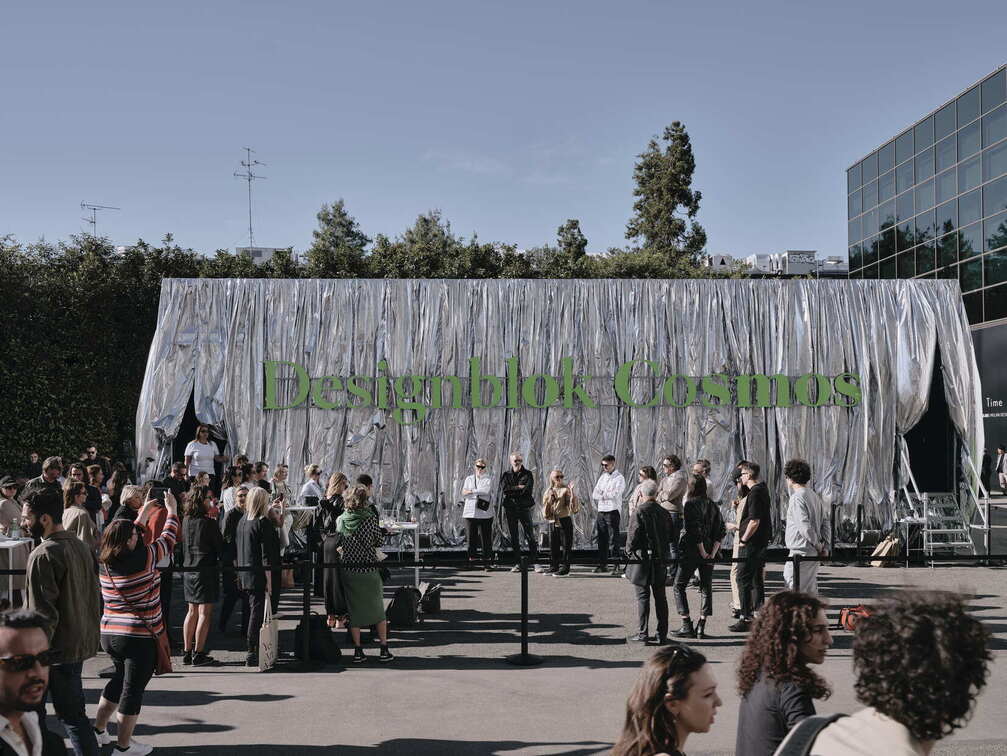 Staff pick
Designblok in Prague, Czechia, is Central Europe’s largest design and fashion festival, bringing together leading designers, manufacturers, and creative studios from across the region.…
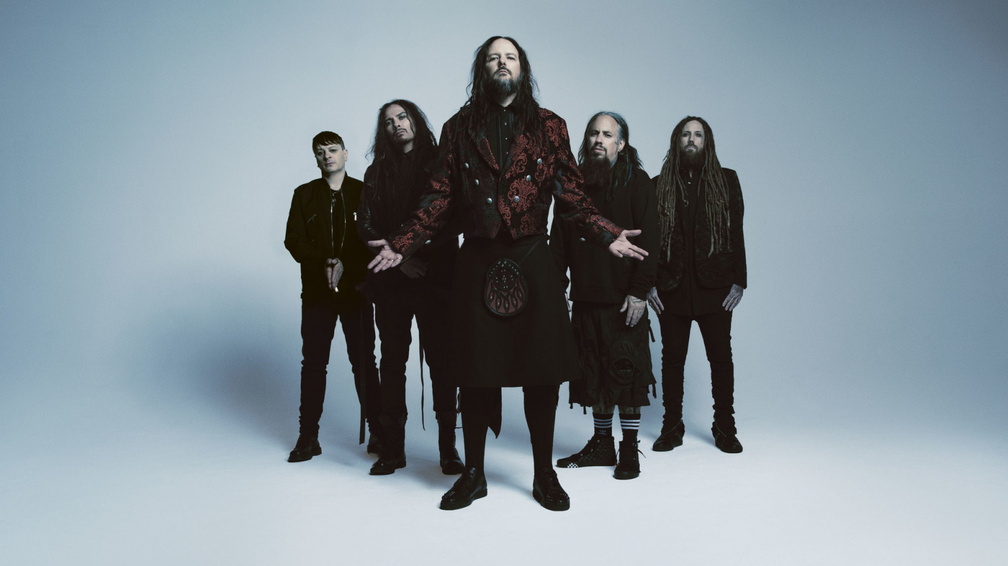 Staff pick
Korn is a nu metal band from California known for their Billboard 200 #1 albums like Follow the Leader and Issues. They have sold…
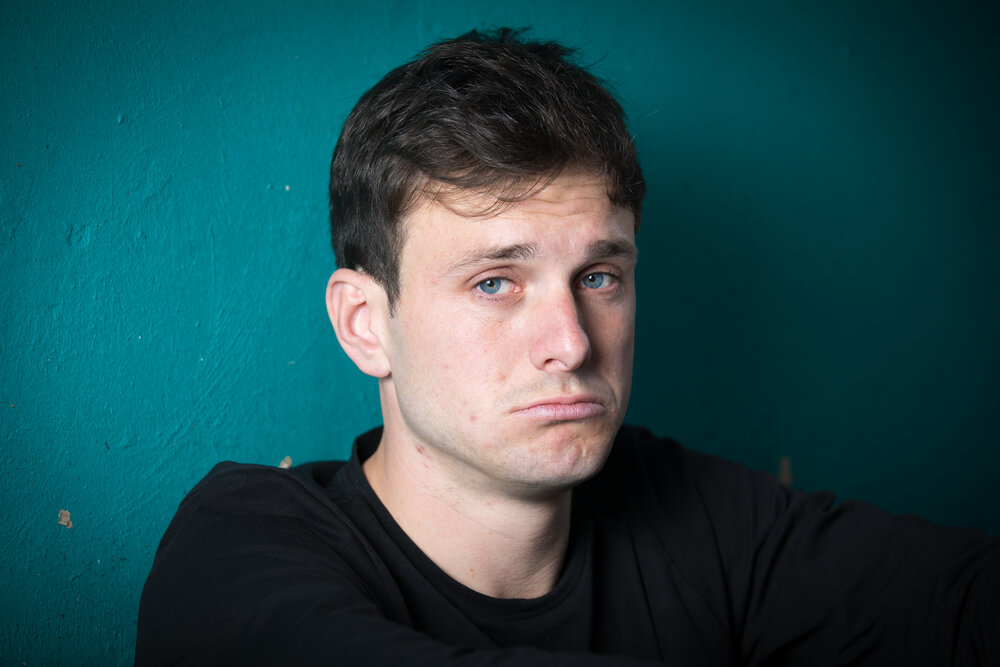 Staff pick
Mike Rice is an Irish stand-up comedian known for his brutally honest storytelling and unfiltered sense of humor. His comedy explores relationships, mistakes, and…
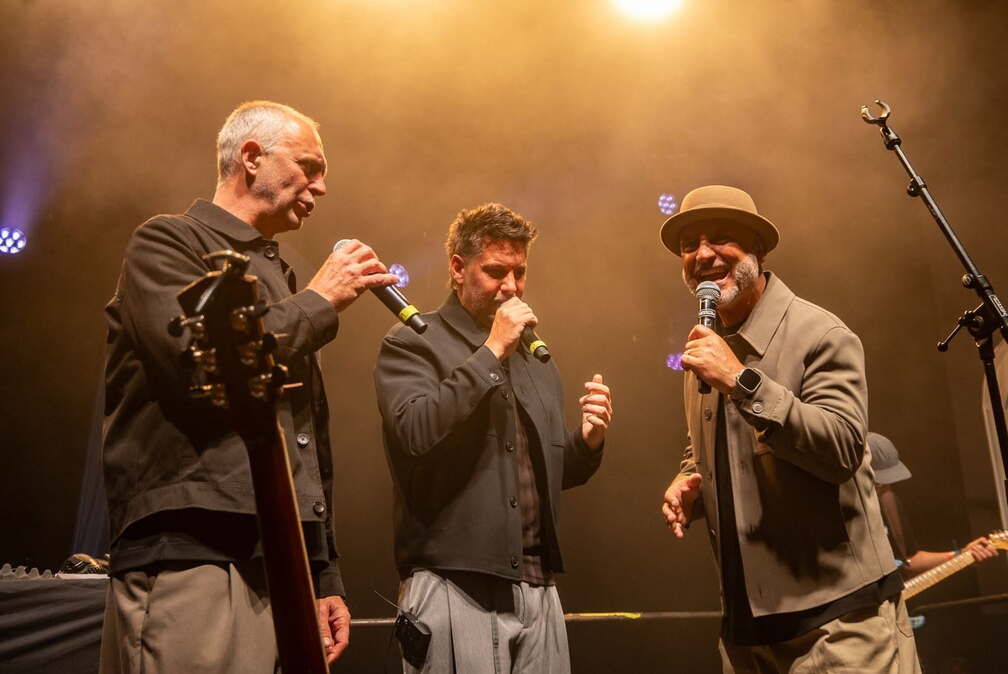
Lunetic 30 Years II. is a concert event celebrating the 30th anniversary of the band Lunetic. The event is scheduled to take place on…
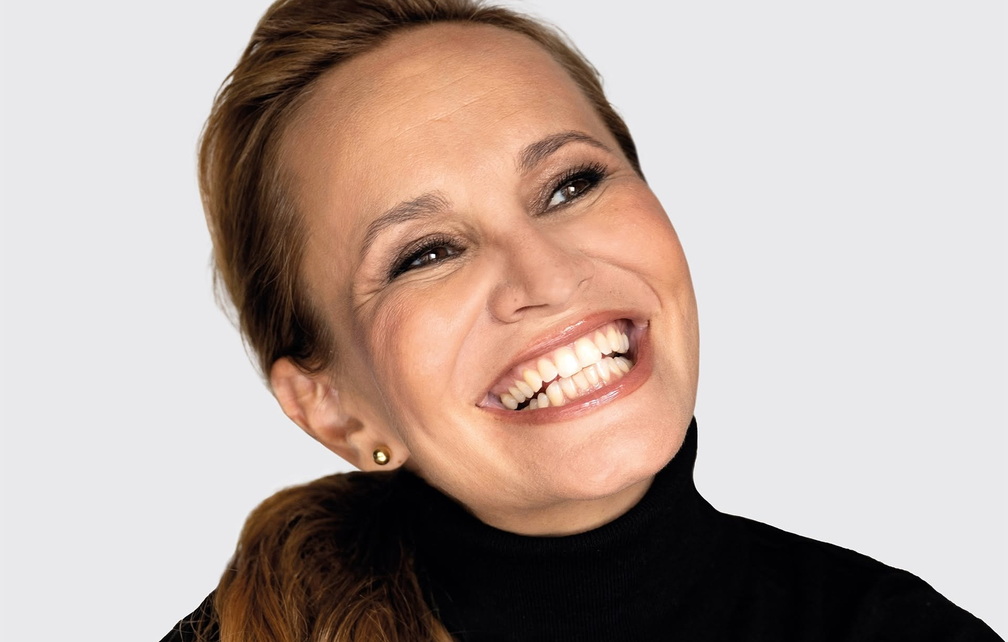
Monika Celebrates 50 is a special birthday concert of singer Monika Absolonová. The event features an emotional and entertaining program with well-known hits, songs…
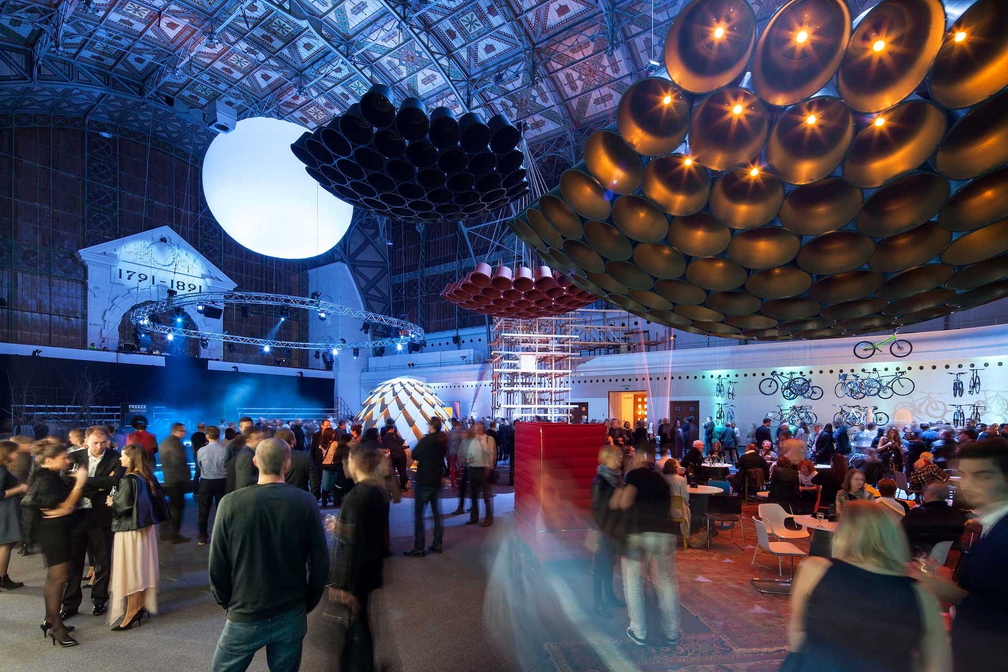
Central Europe's largest design and fashion exhibition brings together over two hundred makers, studios, and established brands across six days of curated showcases in…

Jan Bendig will perform a musical and visual show at the O2 universum in Prague. The event will feature his greatest hits, original stage…
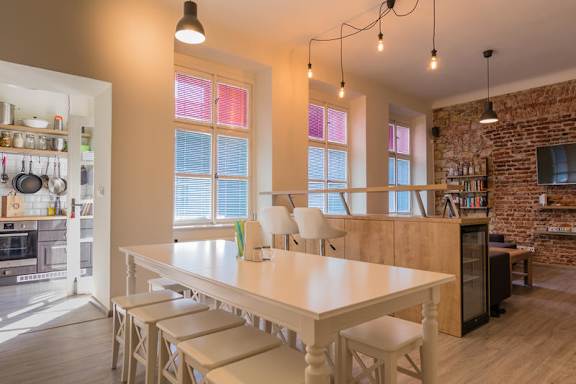
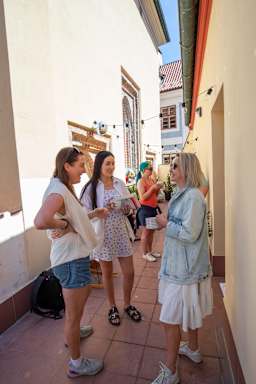
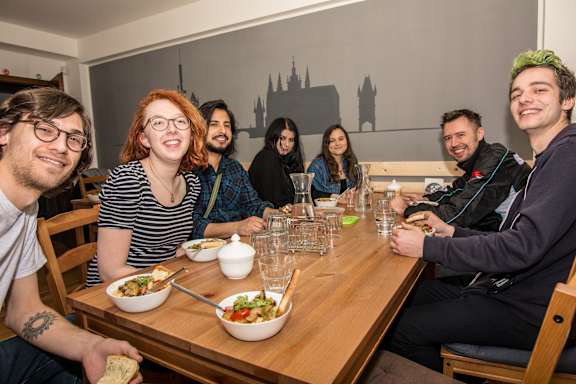
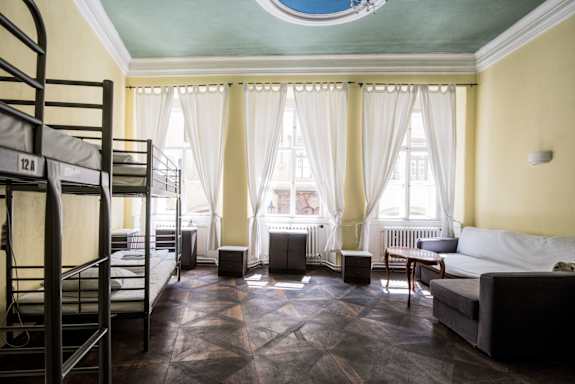
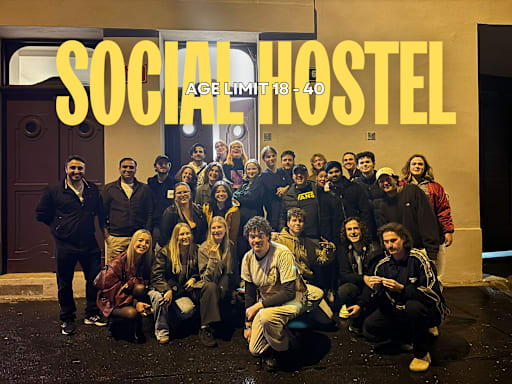
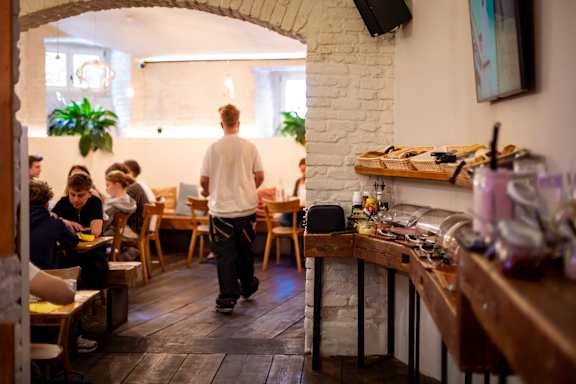
One of the biggest hostel scenes in Europe, spread from the old town out to Žižkov and Holešovice. Live from Hostelworld.
May, June and September. December has the markets and the cold.
Average highs. Prague is continental and properly cold in winter, with January and February often below freezing all day, and the beer gardens are the whole point of summer.
Pick how you travel. Per person per night, in euros.
Prices are in koruna on the ground, at roughly 25 to the euro. Transport assumes the €5.50 day ticket.
The ones we get asked most.

Compare Prague hostels — live prices, real reviews and free cancellation on most bookings. Then meet the people already there in the app.

 Get the App.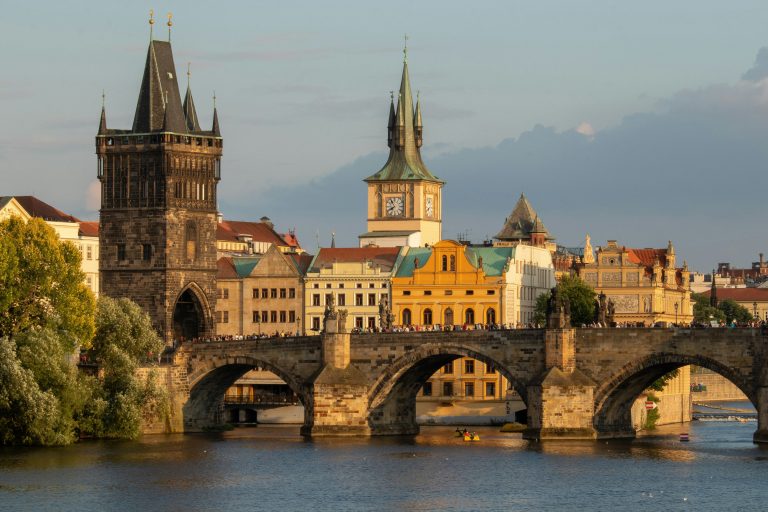

 Get the App.