Lions Square
First-timersThe centre of the centre, around the Morosini fountain. Cafés, shops and everything walkable.

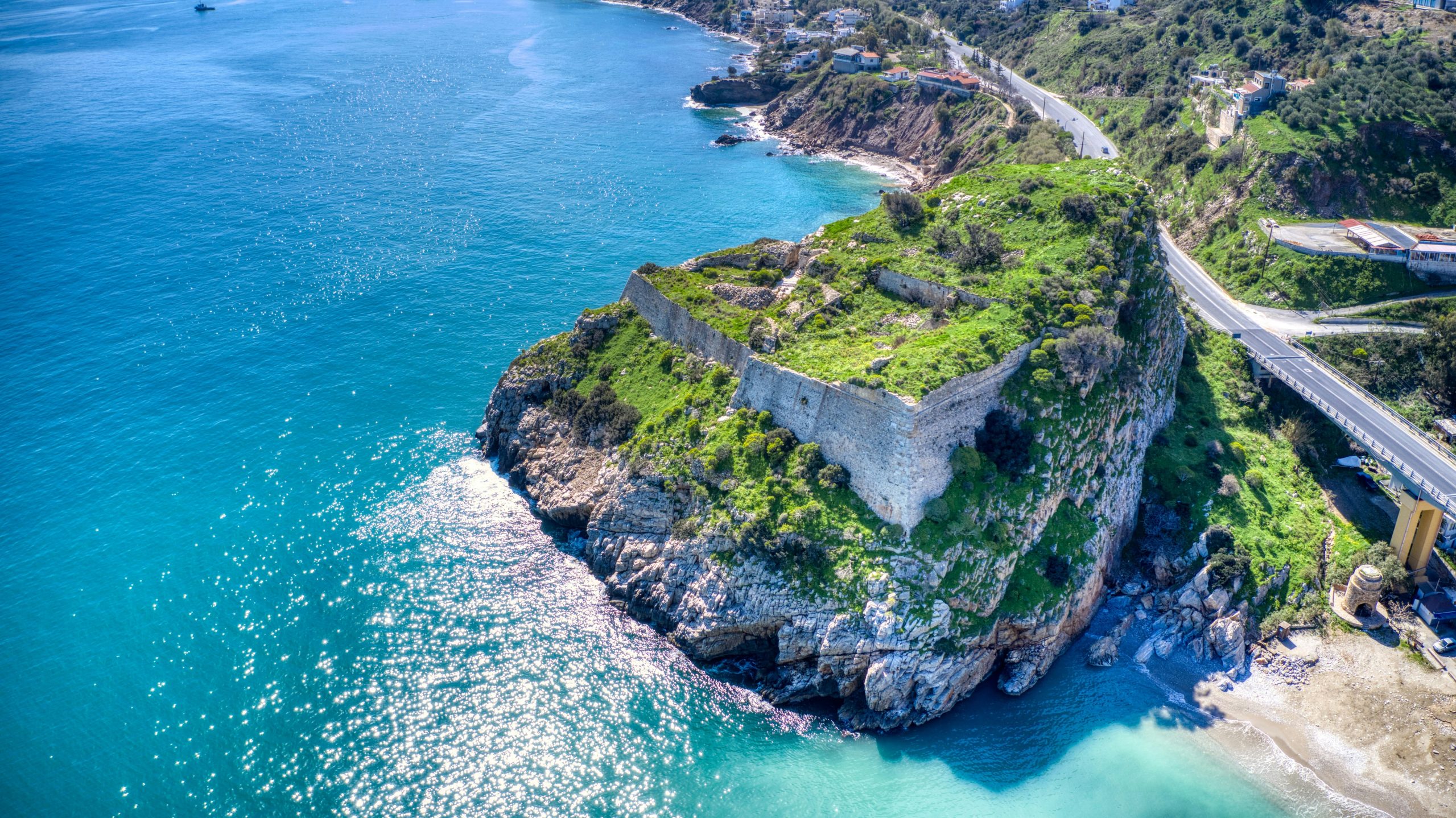
Crete's working capital: Venetian walls, a harbour fortress, and Knossos five kilometres south. Not the prettiest town on the island, but the best museum on any of them.
Heraklion is the capital of Crete and the fourth-largest city in Greece, and it makes no effort to charm. Most visitors pass straight through its airport or port. The ones who stop find a lively, unpolished city inside some of the most complete Venetian walls in the Mediterranean.
The reason to come is the Minoans. Knossos, the palace of the civilisation that ran Crete almost four thousand years ago, is a twenty-minute bus ride from the centre, and the Archaeological Museum in town holds the frescoes, the gold and the Phaistos Disc that came out of it and the other palaces.
The centre is compact and walkable, with the Lions fountain, the Venetian loggia and a market street at its heart. Two days covers the city and Knossos. It is also the most central base on the island, with buses east and west and boats to Santorini.
Everything is inside or just outside the Venetian walls. Stay near Lions Square and you can walk it all.
The centre of the centre, around the Morosini fountain. Cafés, shops and everything walkable.
Near the harbour, Koules and the main bus station. Convenient, rougher at night.
The western edge of the walls, near the bus station for Phaistos and Matala.
A long sandy beach west of the city. Resort hotels and a short bus ride in.
Orange labels are neighbourhoods, dots are the 4 top-rated hostels. Map © MapTiler © OpenStreetMap contributors.
Knossos first, and early. The palace opens in the morning, the tour groups arrive by ten, and the site has very little shade. Bus 2 from the city takes about twenty minutes. Parts of the palace were controversially reconstructed in concrete by Arthur Evans a century ago, which makes it easier to picture and harder to trust.
Then the Archaeological Museum, which is the reason Knossos makes sense. The frescoes — the bull-leapers, the blue ladies, the prince of the lilies — are the originals, and the Phaistos Disc is here with its undeciphered spiral of symbols. Full entry is €20.
In town, walk the harbour wall out to Koules, the Venetian fortress guarding the port. The Morosini fountain on Lions Square, the Venetian Loggia and the church of Agios Titos are all within a few minutes of each other. The Historical Museum of Crete has two paintings by El Greco, who was born on the island.
Finish on the walls: the Martinengo bastion holds the grave of Nikos Kazantzakis, author of Zorba the Greek, with his epitaph about fearing nothing and hoping for nothing.
The Venetian walls are free to walk along, and the Martinengo bastion, with the grave of Kazantzakis, has the best view back over the city to the mountains.
The harbour wall out to Koules is free, and the walk is best in the late afternoon. The Lions fountain, the Loggia and Agios Titos church are all free to see, and 1866 Street, the market lane, is the loudest and cheapest few hundred metres in town.
Ammoudara, a long sandy beach just west of the city, is a short city-bus ride away.
State museums and sites, including Knossos, are free on the first Sunday of the month from November to March.
Heraklion eats like a Cretan city rather than a resort. The streets around Lions Square are full of cafés doing bougatsa for breakfast, and 1866 Street, the market, sells cheese, herbs, raki and olive oil.
Cretan standards are everywhere: dakos, the barley rusk topped with tomato and cheese; kalitsounia, small cheese pies; snails with rosemary; and slow-cooked lamb with greens. A taverna meal in the centre is €15 to €20 with wine, and a gyros is under €5.
The tavernas away from the harbour and the Lions Square cafés give the best value. As everywhere in Crete, raki arrives free after the meal.
Heraklion has a young, local nightlife, driven by the university rather than visitors. The bars around Korai Street and the pedestrian lanes near Lions Square fill up late, and the city keeps going well past midnight.
It is not a party town. The big club resorts are along the coast east of the city, at Hersonissos and Malia, which are a very different scene and around forty minutes away.
A beer in town is €4 to €6, and prices stay local.
The centre is walkable. City buses cover Knossos (bus 2) and the airport, which is only about five kilometres east of the centre — one of the closest airports to a city in Greece.
Heraklion has two KTEL bus stations. The one by the port serves the north coast east and west, including Chania, Rethymno, Hersonissos and Agios Nikolaos. The one by the Chania Gate serves the south, including Phaistos and Matala.
Ferries from Piraeus arrive overnight. In summer, fast boats run to Santorini in around two hours, which makes it a possible day trip.
For anything beyond the main towns, a car is far easier than the bus.
Heraklion is cheaper than Chania and much cheaper than the Cyclades. Dorms are typically €15 to €30, taverna meals €15 to €20, and a city bus a couple of euros.
A careful day is €40 to €55. The costs to plan for are the sites — Knossos and the Archaeological Museum are about €20 each — and car hire if you want to see the rest of the island.
Eat in the centre rather than on the harbour, and use the city buses rather than taxis for Knossos.
Heraklion is safe, with ordinary city caution needed for pickpockets around the port, the bus stations and the busy streets of the centre.
The area around the port can feel rough late at night. The centre, around Lions Square, is busy and well lit.
Knossos has almost no shade, and heat exhaustion is a real risk from June to September. Go early and carry water.
On the roads, take care with scooters and hire cars: Crete has one of the higher road accident rates in Greece. Emergency number is 112.
Heraklion is in the middle of the north coast, so most of the island is within reach.
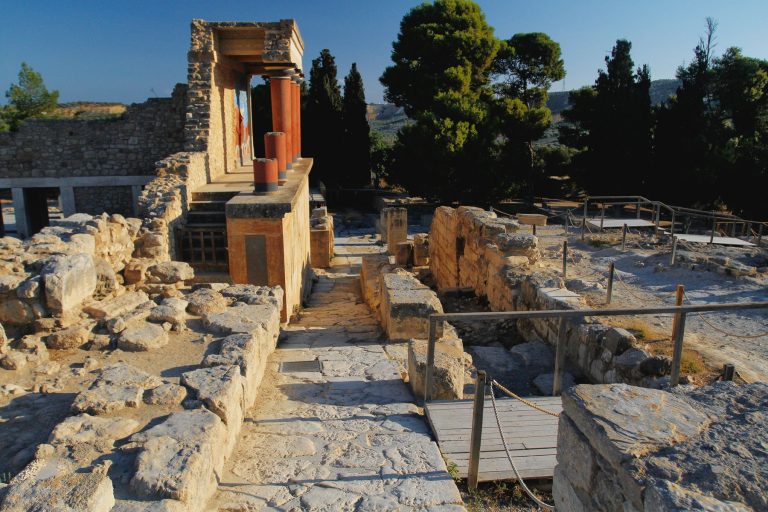
The Minoan palace of the labyrinth legend, partly reconstructed. Go at opening.
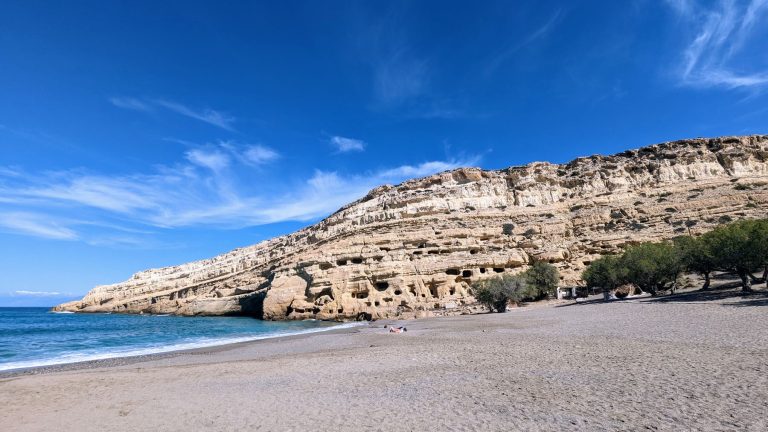
A south-coast bay with Roman-era tombs cut into the cliffs, where hippies lived in the 1960s.
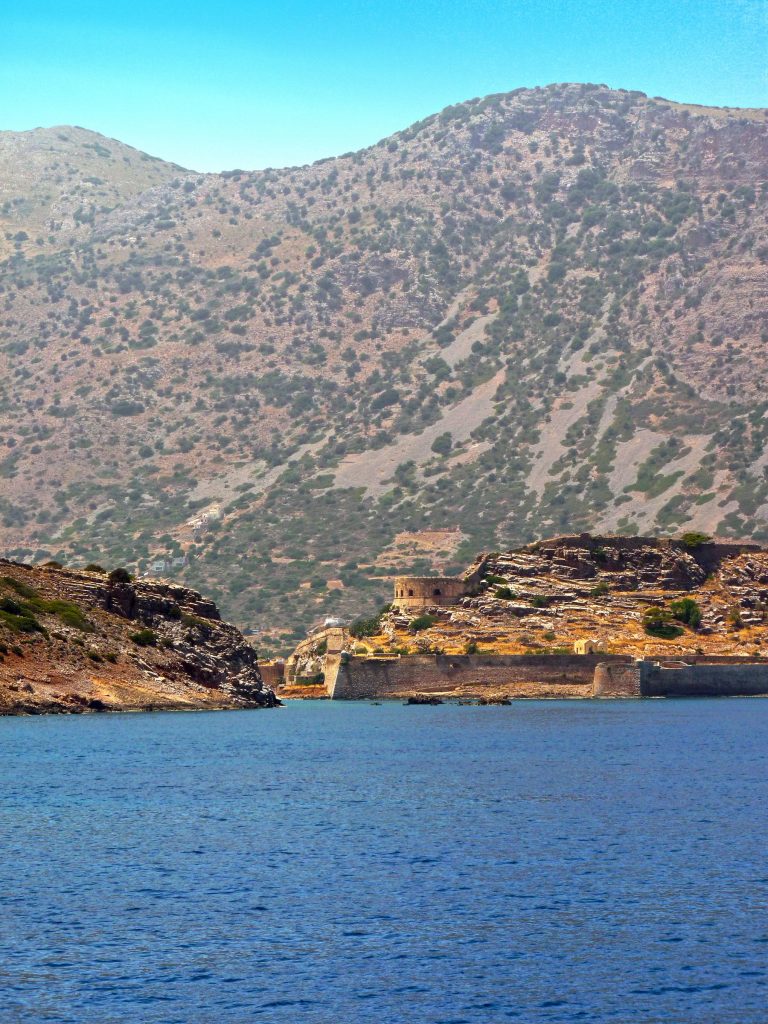
The Venetian island fortress that became Greece's last leper colony, closed in 1957.
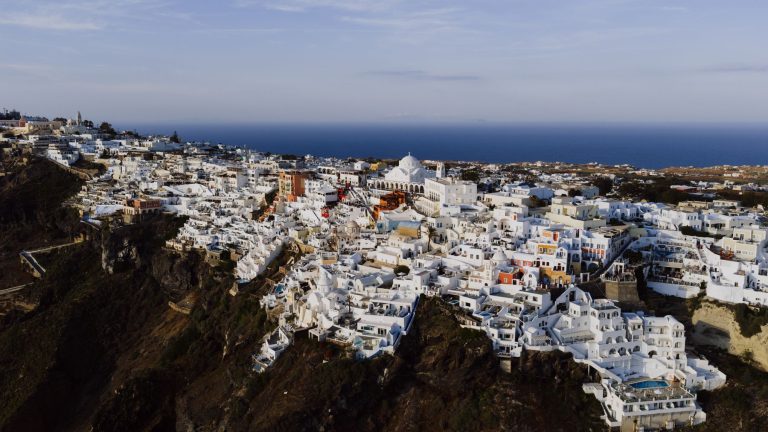
Possible as a long day trip. Better as a stay.
The city's own saints' days are when Heraklion celebrates hardest.
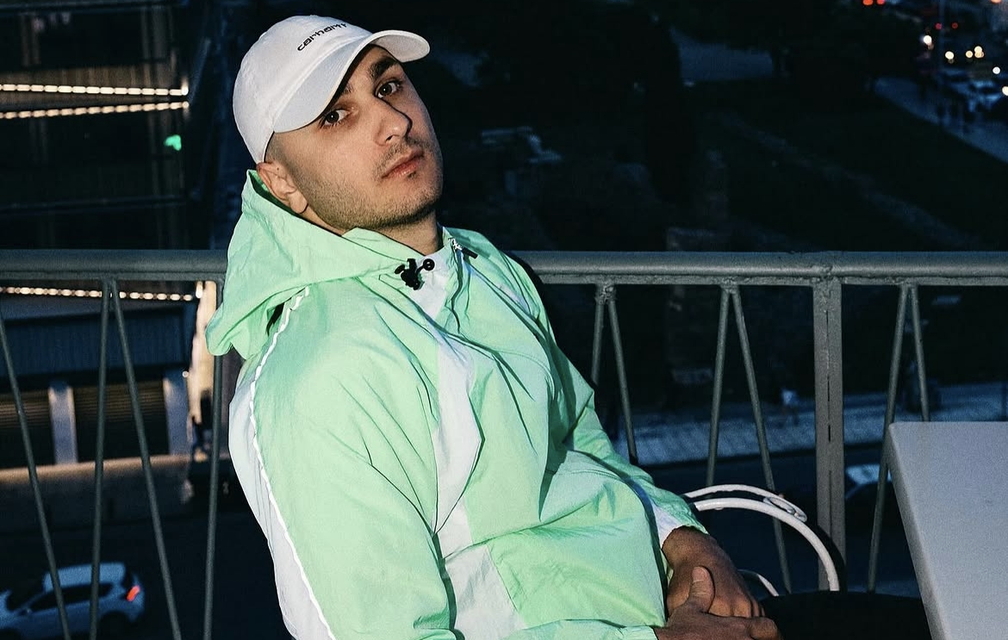
Wang returns to the Greek stage for a live show at Cine Studio, presenting his new album Tenacity. The performance promises intensity and emotion,…
Heraklion has only a few hostels, most in the centre within walking distance of the museum. These are the top-rated right now, live from Hostelworld.
Heraklion is warm for most of the year. May, June, September and October are ideal, and the city never really closes.
Average highs. The north coast is often windy in July and August, which takes the edge off the heat.
Pick how you travel. Per person per night, in euros.
Transport assumes city and KTEL buses. Site tickets are about €20 each for Knossos and the Archaeological Museum.
The ones we get asked most.

Compare Heraklion hostels — live prices, real reviews and free cancellation on most bookings. Then meet the people already there in the app.

 Get the App.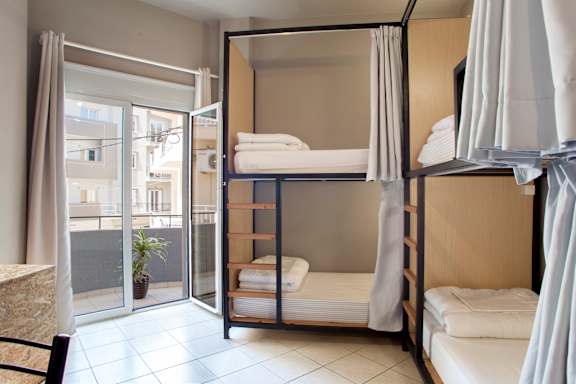
 Get the App.