Old Town
AtmosphereInside the walls: cobbled lanes, courtyards and bougainvillea. Car-free and full of history.

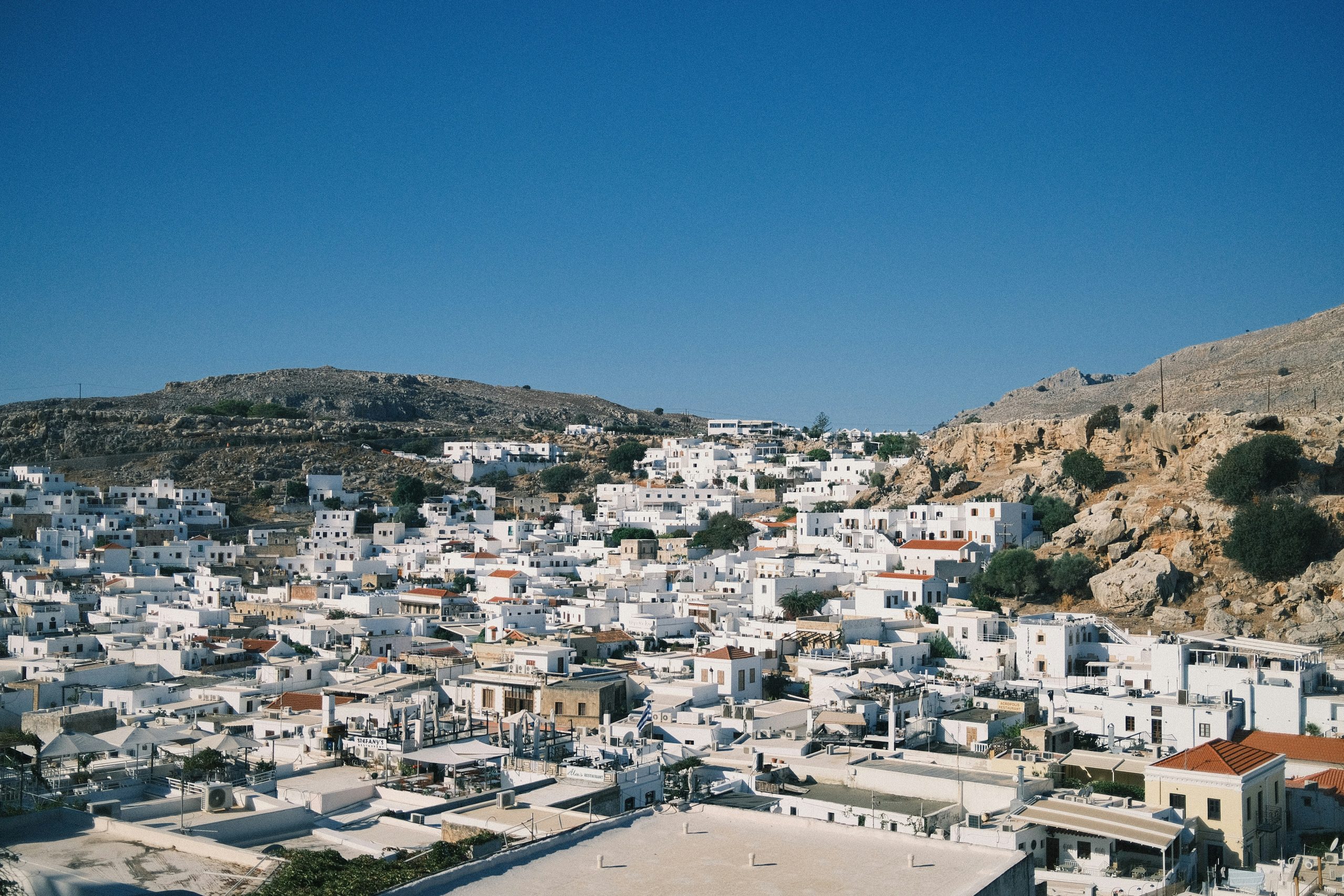
A walled medieval city built by the Knights of St John, still lived in, with beaches on both sides of it and Turkey on the horizon. Two centuries of crusader stone and five centuries of everything since.
Rhodes Town sits at the northern tip of the island, and its old town is one of the great medieval cities of Europe. The Knights Hospitaller held Rhodes from 1309 until Suleiman the Magnificent took it in 1522, and the walls, gates and inns they built are still standing, with people living inside them.
The Ottomans added mosques, fountains and baths; the Italians, who ruled the Dodecanese from 1912, rebuilt the Palace of the Grand Master and laid out the new town beyond the walls. The islands joined Greece in 1948.
Outside the walls is a modern resort city with beaches on both coasts. Two or three days covers the town and Lindos, and the island rewards a week with a car.
Stay inside the walls for atmosphere, or in the new town for beaches and nightlife. They are ten minutes apart.
Inside the walls: cobbled lanes, courtyards and bougainvillea. Car-free and full of history.
The northern part of the old town, around the Street of the Knights and the palace. The busiest part.
North of the walls, around Mandraki and Elli beach. Bars, shops and the bus stations.
The harbour just outside the walls, with the deer statues, the market and the boats.
Orange labels are neighbourhoods, dots are the 7 top-rated hostels. Map © MapTiler © OpenStreetMap contributors.
Start inside the walls. The Street of the Knights, cobbled and almost unchanged, runs uphill from the hospital — now the Archaeological Museum — to the Palace of the Grand Master, which was bombed out and rebuilt by the Italians in the 1930s. Both are worth the ticket.
Then get lost in the rest of the old town, which is much larger than the knights' quarter. Sokratous Street is the busy bazaar; the lanes south of it are quiet and residential. The Jewish quarter, La Juderia, has the Kahal Shalom synagogue, the oldest in Greece, and a museum of the community deported in 1944.
Walk the dry moat that circles the walls, which is free, green and nearly empty, and gives the best idea of the scale of the fortifications.
Outside the walls, Mandraki harbour has the two bronze deer on columns where legend puts the Colossus, and the ancient acropolis on Monte Smith, above the town, has a Temple of Apollo, a stadium and a sunset view.
The old town itself is free to walk, and it is the main event. So is the dry moat around the walls, which is quiet, shaded in places and one of the best walks in town.
The acropolis on Monte Smith, with its Temple of Apollo, restored stadium and small theatre, is open and free, and has the best sunset view over the sea to the west.
Mandraki harbour, with the deer statues and the three medieval windmills on the breakwater, costs nothing. Elli beach, at the northern tip of the town, is free and a short walk from the walls.
State museums and sites are free on the first Sunday of the month from November to March.
The restaurants on the main old-town squares are the tourist ones, and they are priced accordingly. The rule is the same as everywhere in Greece: walk a few lanes away and prices drop by half.
The new town, particularly around the market, has cheaper tavernas and good souvlaki for under €5. Fish is expensive everywhere and priced by the kilo, so ask before ordering.
Look for the island dishes: pitaroudia, chickpea fritters; lakani, goat slow-cooked in a clay pot; and melekouni, a sesame-and-honey bar traditionally made for weddings. The island also makes its own wine and souma, a grape spirit.
Rhodes Town has two nightlife scenes. Inside the walls, the bars around the old town squares are atmospheric and quieter, some in medieval courtyards.
In the new town, Orfanidou Street and the streets near Elli beach are the bar strip, with clubs and cocktails open late through the summer.
Faliraki, fifteen kilometres down the east coast, is the island's party resort. It is calmer than its reputation from the early 2000s, but still loud in July and August.
A beer is €4 to €6 in town, more in the old town squares.
The old town is car-free and entirely walkable, and the new town is flat. You will not need transport within the town.
The airport is about fourteen kilometres south-west of town. Buses run to the centre for a few euros, and taxis take about twenty-five minutes.
Buses leave from two stations beside the New Market in Mandraki: one for the east coast, including Faliraki and Lindos, and one for the west coast and the airport.
Ferries from Piraeus take around fifteen hours, and most people fly. Boats to Symi and the other Dodecanese leave from Mandraki and the commercial harbour, and boats to Marmaris in Turkey run in summer. For the south of the island, hire a car.
Rhodes Town is moderate for Greece. Dorms are typically €18 to €35, with the lower end outside summer, taverna meals €15 to €22, and a bus to Lindos a few euros.
A careful day is €45 to €60. The costs to watch are the restaurants on the old-town squares, sunbeds on the beaches, and boat trips, which add up quickly.
The walls, the moat and the acropolis are free, and the old town is the attraction. Eat in the new town or the back lanes and you will spend far less.
Rhodes Town is safe, with ordinary caution needed for pickpockets in the summer crowds on Sokratous Street and around the harbour when cruise ships are in.
The old town's polished cobbles are slippery, especially in the lanes that run downhill. Wear proper shoes.
In Faliraki, drinks are strong and cheap and the night is long. Look after each other.
Wildfires are a real summer risk on the island, and in 2023 thousands of people were evacuated from the south. Heed the 112 SMS alerts. Emergency number is 112.
The island is sixty kilometres long. Lindos and Symi are the two that most people do.
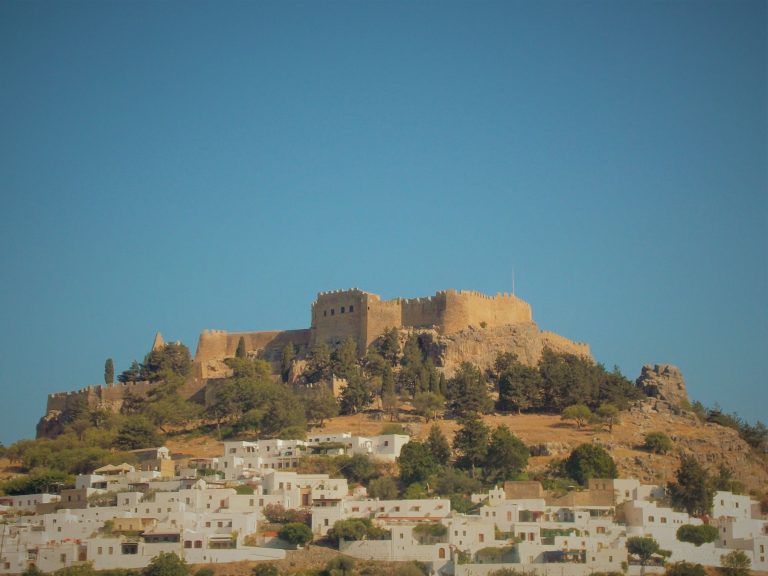
A white village under a clifftop acropolis, with St Paul's Bay below it. Go early; it is packed by midday.
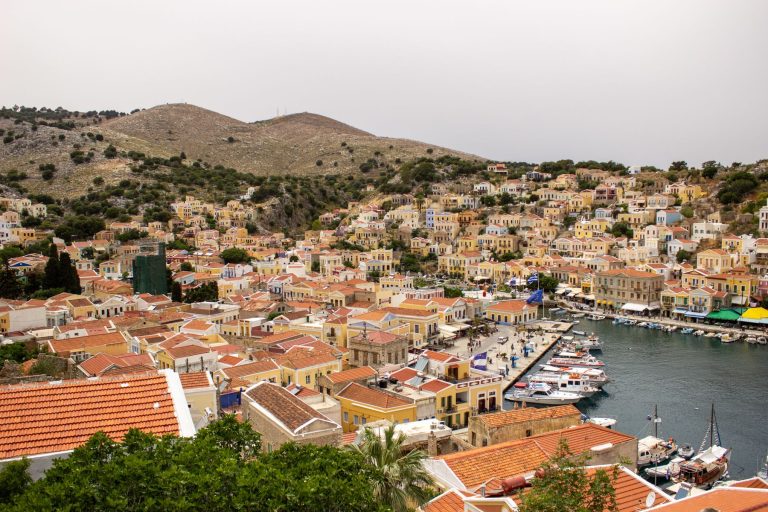
A harbour of pastel neoclassical houses climbing the hillside, and one of the prettiest islands in the Dodecanese.
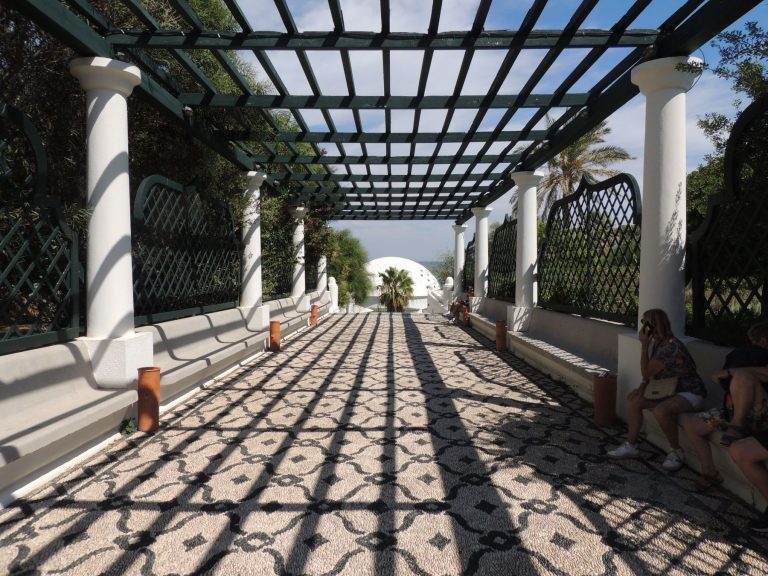
A restored 1920s Italian spa in pale domes and palms, with a small swimming cove.
Easter and the August festivals are the ones to catch.
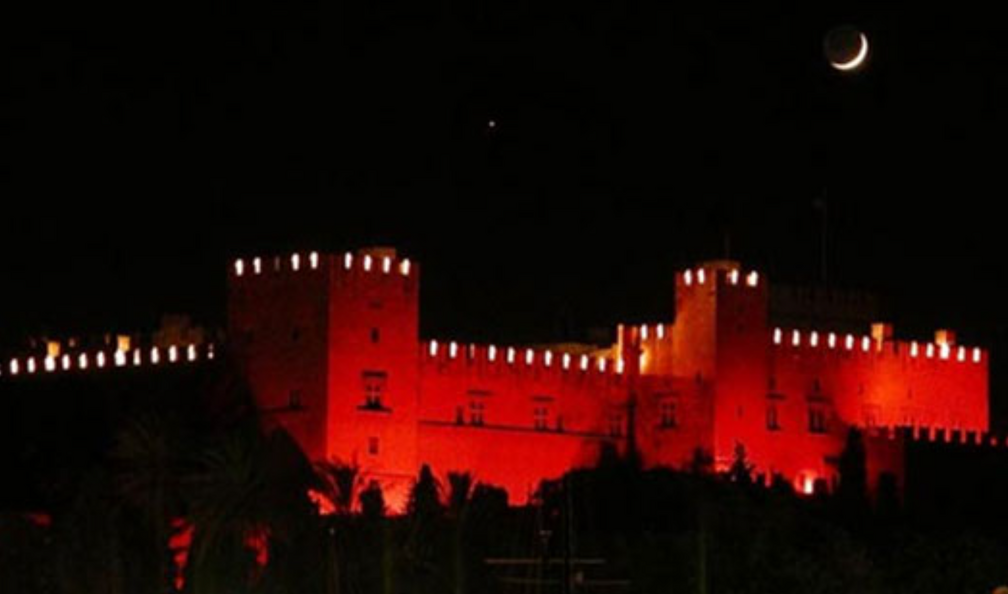 Staff pick
The Sound and Light Show in Rhodes offers a unique way to experience the island’s rich history, combining music, lighting, and architecture to bring…
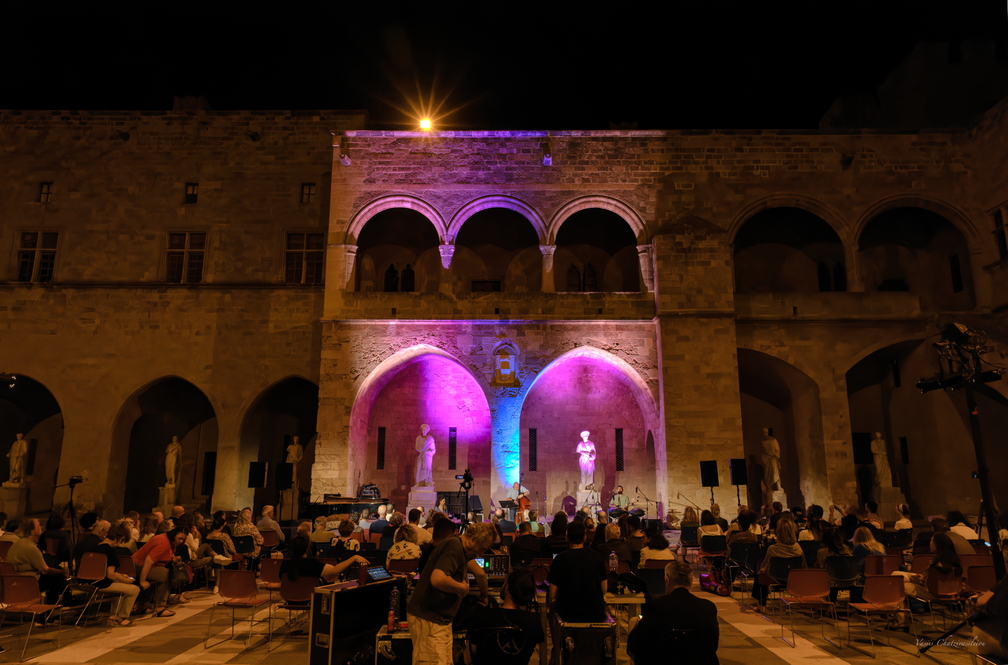 Staff pick
The Rhodes & South Aegean International Jazz Festival brings together emerging and renowned jazz artists from across Europe, the Balkans, and the Mediterranean for…
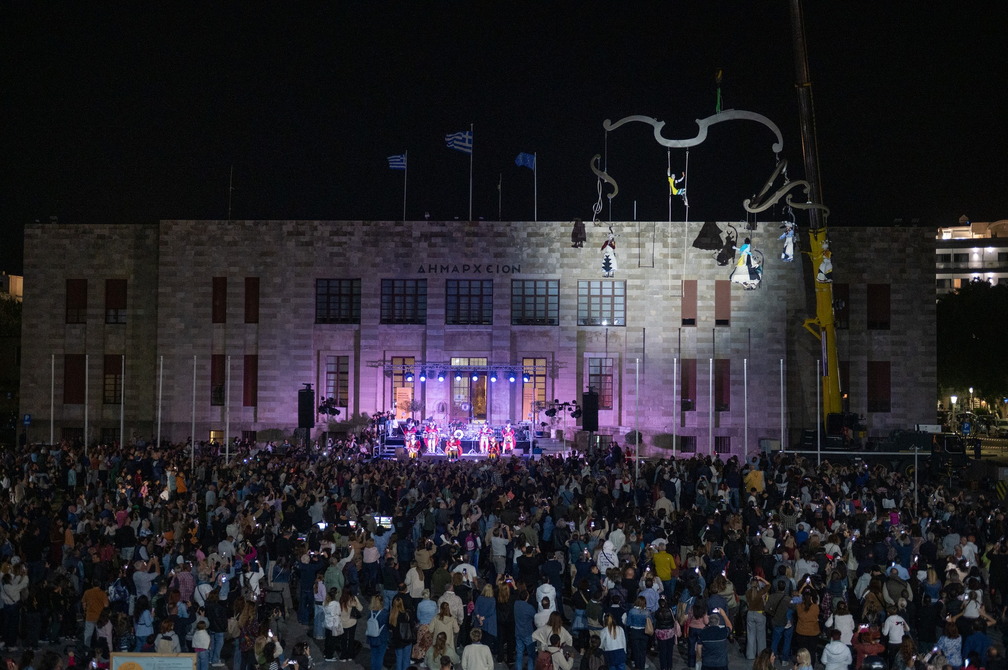 Staff pick
The European Polyphony Festival in Rhodes, Greece, is a dynamic celebration of musical and artistic diversity, founded in 2019 through a partnership between Arts…
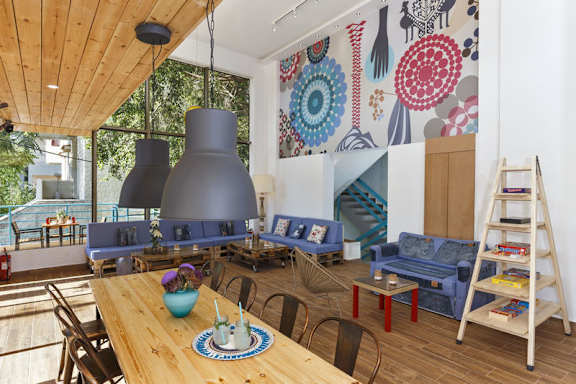
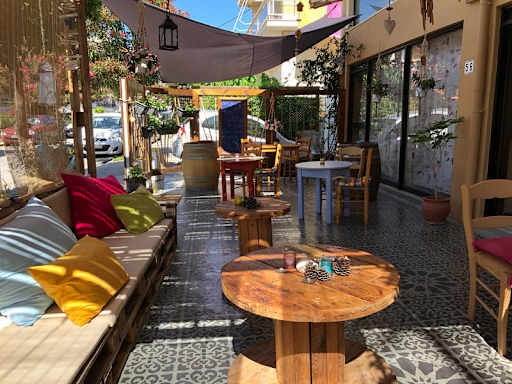
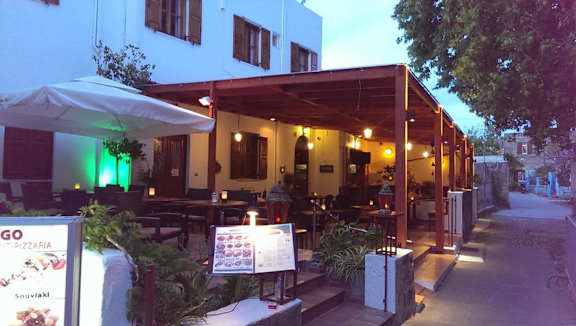
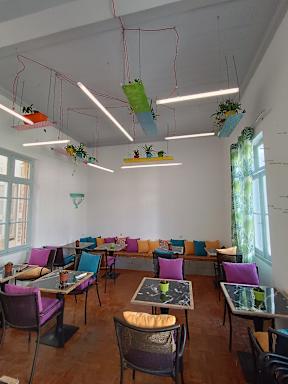
Rhodes has a small number of hostels, several inside the old town walls. These are the top-rated on the island right now, live from Hostelworld.
Rhodes has one of the longest seasons in Greece. April to June and September to October are ideal.
Average highs. Rhodes is among the sunniest islands in Greece, and the season runs well into October.
Pick how you travel. Per person per night, in euros.
Transport assumes KTEL buses. A day trip to Lindos adds a few euros in fares, plus site entry.
The ones we get asked most.

Compare Rhodes Town hostels — live prices, real reviews and free cancellation on most bookings. Then meet the people already there in the app.

 Get the App.
 Get the App.