101 Reykjavik
First-timersThe old centre: Laugavegur, the bars, the harbour and most beds. Everything within fifteen minutes.

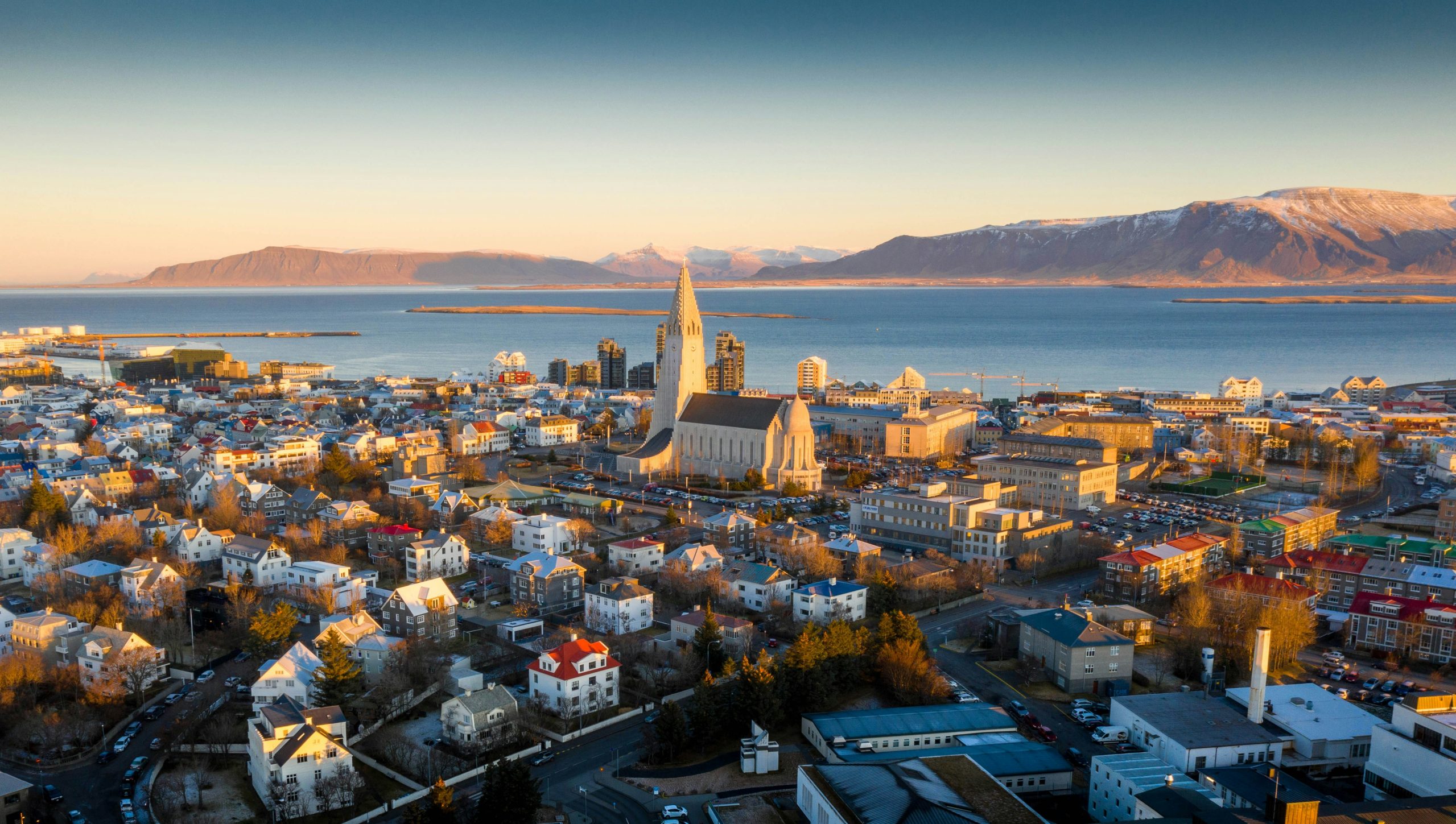
The northernmost capital in the world: geothermal swimming pools locals use daily, a concert hall made of glass honeycomb, and every tour in Iceland departing from somewhere near the harbour.
Reykjavik has about 140,000 people, and the greater capital region holds roughly two thirds of everyone in Iceland. It is small enough to walk across in half an hour and it is where every excursion, rental car and bus route in the country begins.
The centre is low-rise, colourful corrugated iron, with Hallgrimskirkja — a concrete church designed to echo basalt columns — on the hill above it.
The genuine local institution is the swimming pool. Every neighbourhood has a geothermally heated outdoor pool with hot tubs, open year-round at around 1,300 ISK, about €9, and Icelanders use them the way other countries use cafés. They are far better value and far more interesting than the famous lagoons.
There is one rule and it is not negotiable: you must shower naked, without a swimsuit, and wash thoroughly before entering the water. Attendants check. This is normal here and visitors who skip it get sent back.
Two or three days in the city, and more for the rest of the country.
A small walkable centre, with cheaper beds a short bus ride out.
The old centre: Laugavegur, the bars, the harbour and most beds. Everything within fifteen minutes.
North-west: whale watching departures, the maritime museum and converted warehouses.
East: the largest geothermal pool in the city, parks, and cheaper rooms on the bus route.
Orange labels are neighbourhoods, dots are the 8 top-rated hostels. Map © MapTiler © OpenStreetMap contributors.
Go to a municipal pool. Laugardalslaug is the biggest, Sundhollin is the handsome 1937 one in the centre, and Vesturbaejarlaug is the neighbourhood favourite. Around 1,300 ISK, about €9, for geothermal water and a row of hot tubs at different temperatures, outdoors, year-round. This is the single best thing you can do here and it costs a tenth of the famous lagoons.
Hallgrimskirkja is free to enter, and the tower is around 1,400 ISK for the view over the coloured roofs to the mountains across the bay.
Harpa, the concert hall on the waterfront, is free to walk into — its glass honeycomb facade was designed with Olafur Eliasson and the interior is worth ten minutes.
The National Museum, about 3,000 ISK, covers the settlement and is good on how a society actually functioned here.
Whale watching from the Old Harbour runs around 12,000 ISK, about €80, roughly three hours, best from April to October.
Harpa is free to enter and the glass facade is the best piece of architecture in the country.
The Sun Voyager sculpture on the waterfront and the Saebraut coastal path are free, and the path runs for kilometres with the mountains opposite.
Hallgrimskirkja's interior is free; only the tower charges.
Walking Laugavegur and the streets of 101 costs nothing, and the street art and corrugated-iron houses are the character of the place.
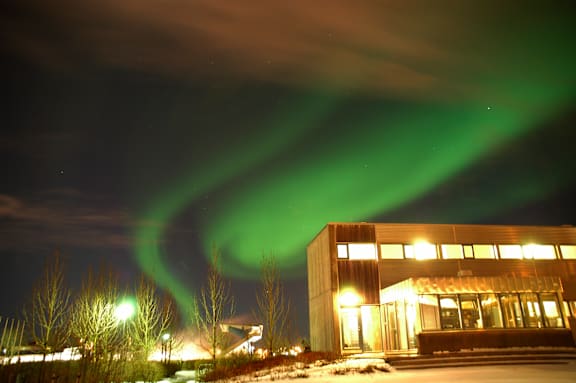
The northern lights are free between roughly September and April — you need a dark clear night, and walking out to Grotta lighthouse on the western point gets you away from the city lights without a tour.
Expensive, with a few genuine cheap options.
The hot dog is the famous one — a lamb-based pylsa with crispy onions, remoulade and two mustards, around 800 ISK or €5.50, from the stand by the harbour that has been there since 1937. Order it "with everything".
Soup in a bread bowl at around 2,500 ISK, about €17, is the other reliable budget meal.
A restaurant main is 4,500 to 8,000 ISK, roughly €30 to €55. Lamb and fish are what Iceland does well, and plokkfiskur — mashed fish and potato — is the honest local comfort dish.
Supermarkets are the real saving. Bónus is the cheapest chain and most hostels have kitchens for exactly this reason.
A beer is 1,300 to 1,800 ISK, about €9 to €13. Alcohol is sold only in state Vínbúðin shops with limited hours, so buy duty-free in the arrivals hall at Keflavik — almost everyone does, and it is not a loophole but the normal approach.
Concentrated on Laugavegur and the streets around it, and famously late. Icelanders pre-drink at home because bar prices are what they are, then arrive around midnight or one, and things run until four or five at weekends.
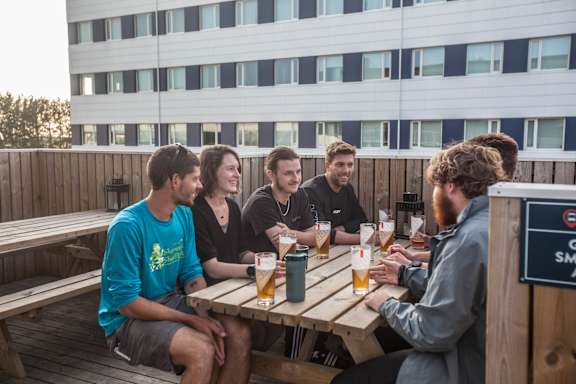
A beer is 1,300 to 1,800 ISK, about €9 to €13. Happy hours are the standard tactic and the Appy Hour app tracks them across the city — locals use it and so should you.
The music scene is disproportionate to the population: Björk, Sigur Rós and a long list since, and small venues put on live music most nights.
In June the sun barely sets, and people drink outside at two in the morning in full daylight, which is disorienting and excellent.
Bar Ölstofan, Kaffibarinn and the Laugavegur strip are the usual starting points.
The centre is walkable end to end in half an hour, and most of what you want is in 101.
City buses cost around 700 ISK (about €5) a ride and take cards. There is no tram or metro.
From Keflavik airport, the Flybus and Airport Direct take about 45 minutes for around 3,500 ISK (about €24). There is no train.
Everything outside the city is a tour or a rental car. The Golden Circle — Thingvellir, Geysir, Gullfoss — runs as a day tour from around 10,000 ISK (about €70) or as an easy self-drive.
If you rent, take the gravel and sand-and-ash protection on the insurance, and be aware that wind can tear an open car door off its hinges, which is a common and expensive claim here. Never park on the road to take a photograph.
One of the most expensive cities in Europe. Dorms are €40 to €70, a restaurant main €30 to €55, and a beer €9 to €13.
A day is €90 to €160 before tours, and tours are what really set the budget — whale watching about €80, a Golden Circle day about €70, a glacier walk €130 to €200.
The savings that work: municipal pools at €9 rather than lagoons at €60 to €100, duty-free alcohol bought on arrival, Bónus supermarkets and a hostel kitchen, the free tap water, hot dogs and soup bowls, and happy hours tracked on an app.
Cards work everywhere including buses and public toilets, so cash is barely needed.
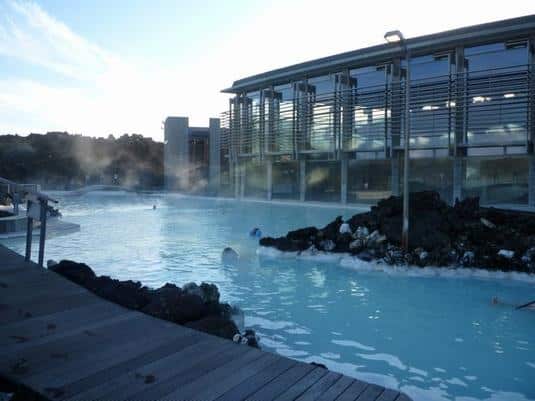
The Blue Lagoon is about €70 to €100 and forty-five minutes away near the airport. Sky Lagoon is closer and similar. Both are perfectly nice and neither is necessary.
Reykjavik has among the lowest crime rates of any capital and the city itself is very safe at any hour.
The danger in Iceland is the weather and the landscape, and it kills tourists every year. If you leave the city, check safetravel.is and road.is before setting out, every day. Conditions change within hours and road closures are common in winter.
At Reynisfjara, the black sand beach near Vik, sneaker waves arrive without warning, are far larger than the surf suggests and have swept people out to sea. Stay well back from the water line and never turn your back on it.
Never walk on a glacier without a guide and equipment. Crevasses are covered and invisible.
Do not stop your car on the road for photographs — use marked pull-offs. Rear-end collisions from this are a frequent cause of tourist injury.
Wind is the underrated hazard: it can take a car door off and knock you over. Emergency number is 112.
The famous circuit, a peninsula and a black sand coast.
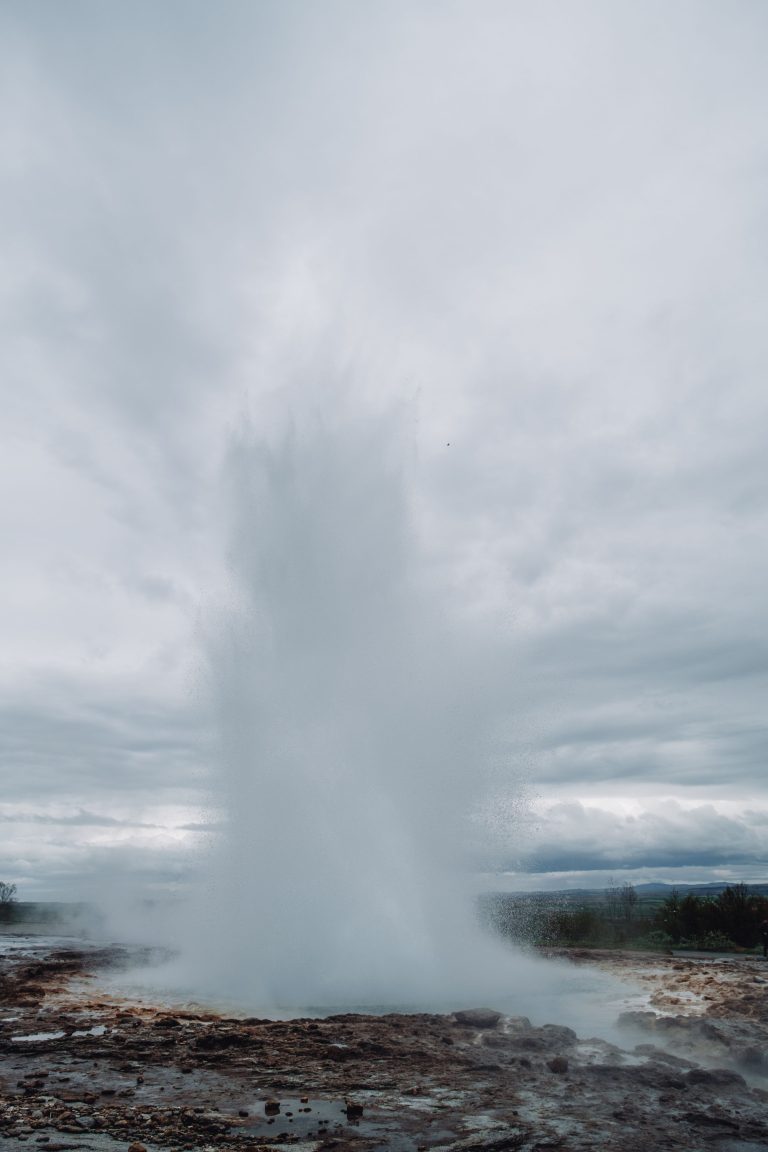
Thingvellir, where the Atlantic and Eurasian plates pull apart and the first parliament met in 930; Geysir; and Gullfoss waterfall.
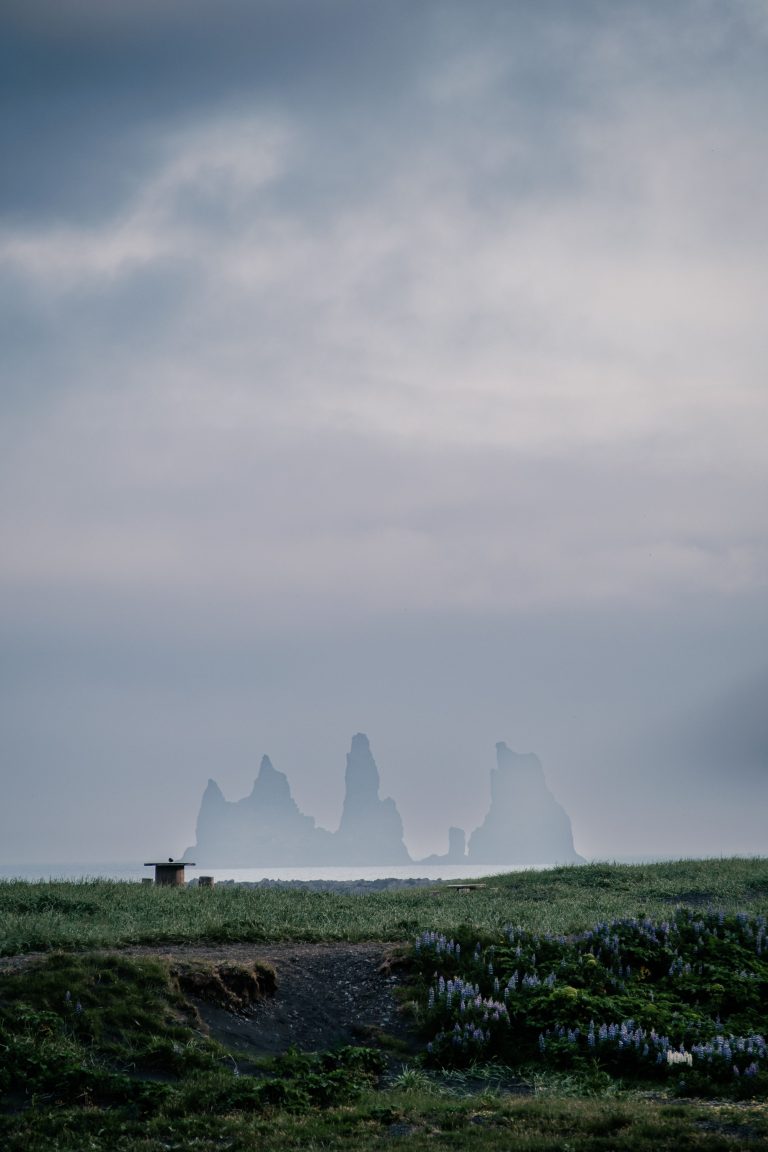
Seljalandsfoss and Skogafoss waterfalls, and the black sand at Reynisfjara — where the sneaker waves are.
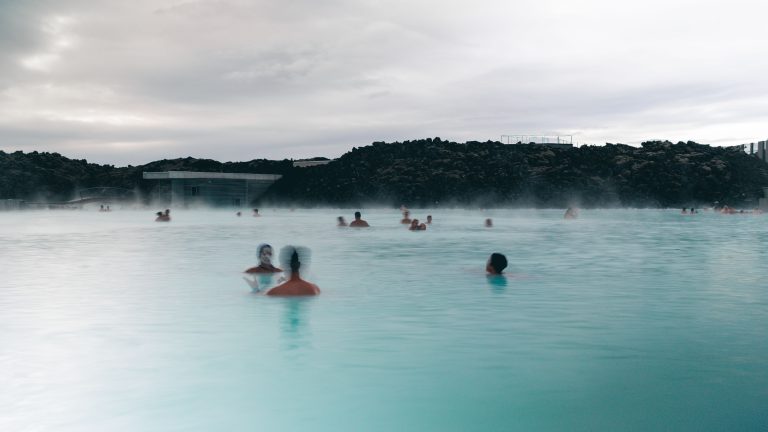
The famous geothermal spa, 45 minutes out near the airport. Book ahead. Municipal pools cost a tenth as much.
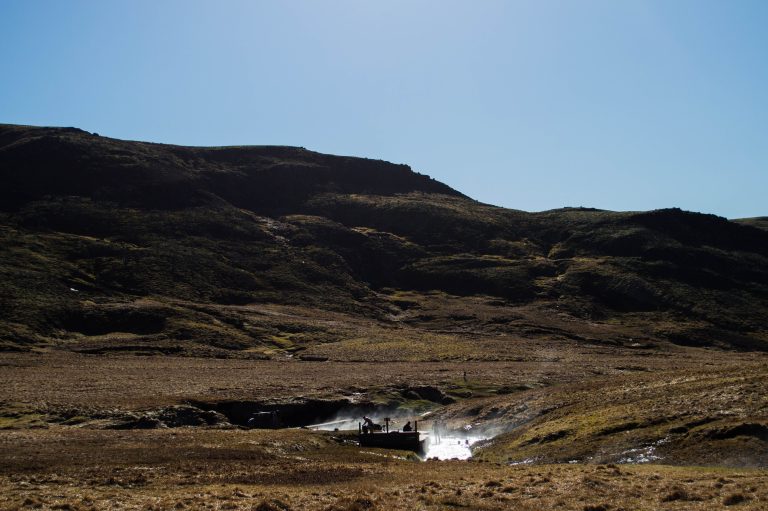
A geothermal river you can sit in, up a valley an hour from the city. Free once you get there.
A music festival in November and a midsummer with no darkness.
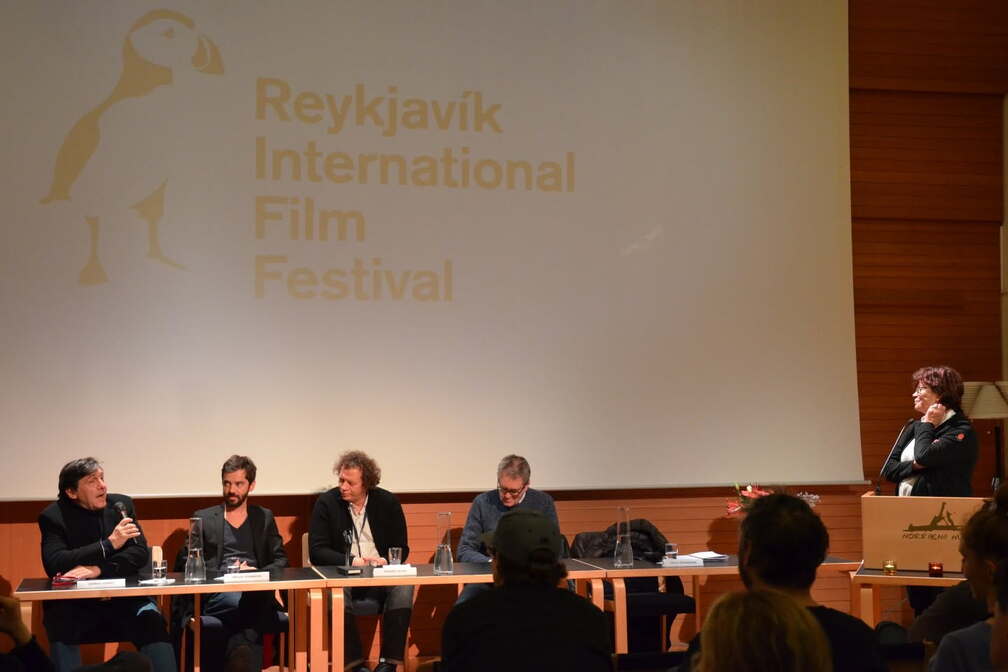
RIFF, the Reykjavk International Film Festival, stands as a major cultural event offering a wide array of independent and non-profit films. With a dedicated…
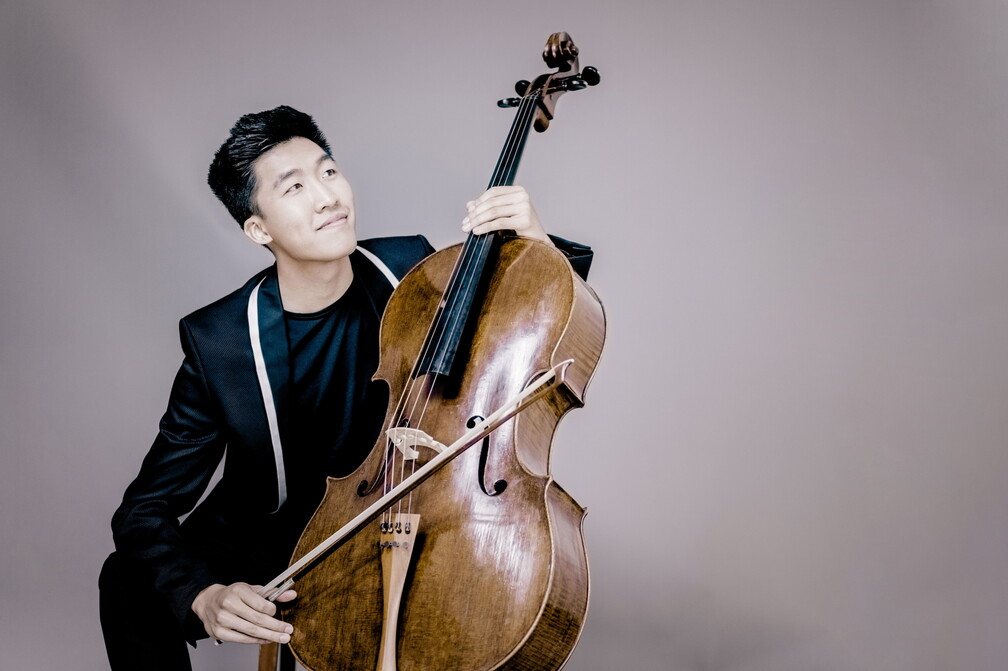
Canadian cellist Bryan Cheng performs Schumann's intimate and poetic Cello Concerto, a staple of the Romantic repertoire. The concert also includes works by Charlotte…
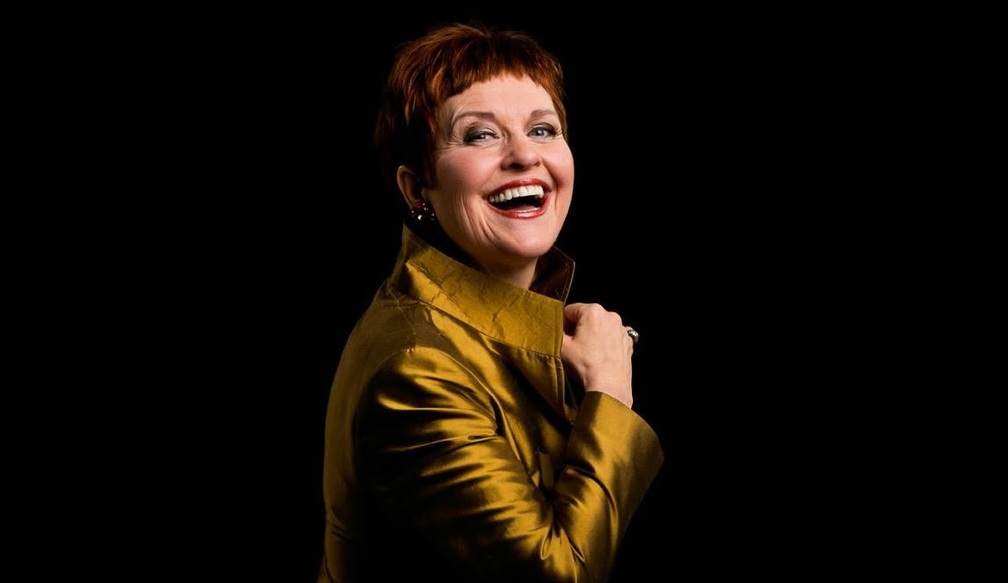
Two of the nation's most beloved voices join forces for the concert Við syngjum tvö. Óskar Pétursson and Diddú each have had remarkable careers,…
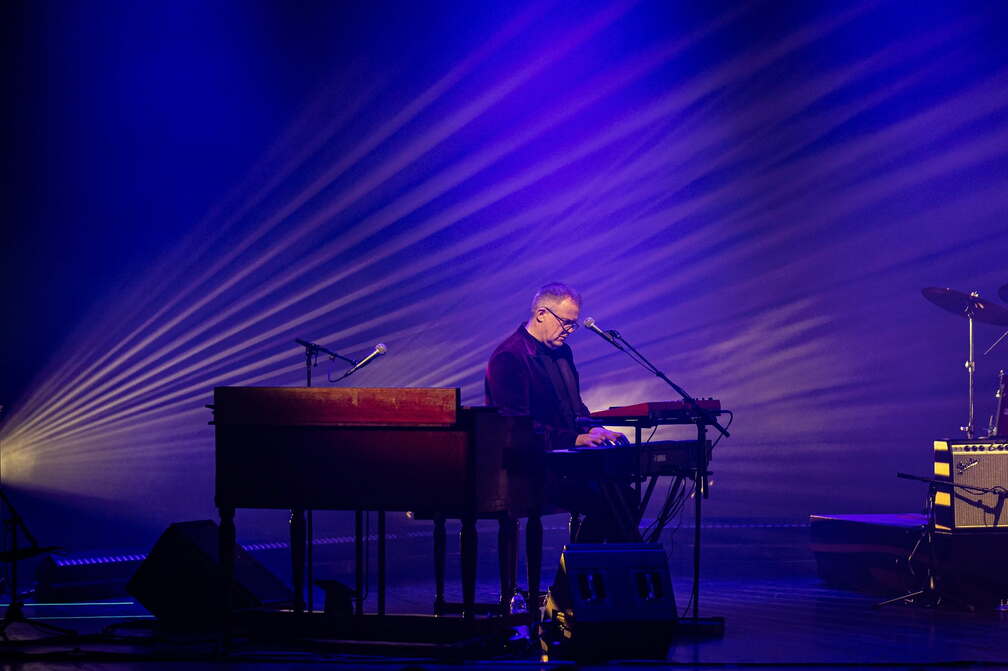
Valgeir Guðjónsson is one of the nation's most beloved songwriters, with hundreds of songs to his name. A team of singers and instrumentalists will…
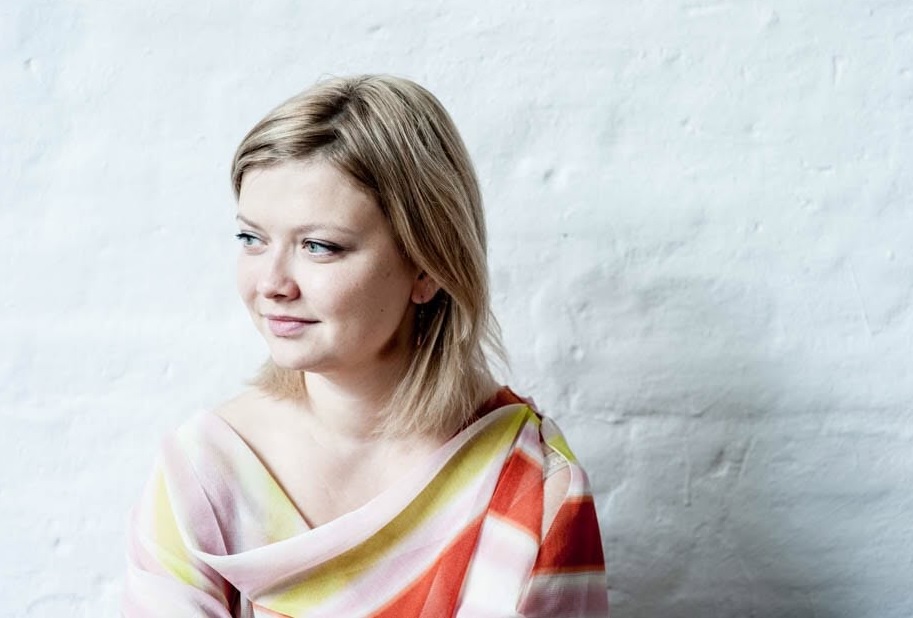
Edward Gardner leads the Iceland Symphony Orchestra in a powerful performance featuring Beethoven's Symphony No. 9 and Prokofiev's Violin Concerto No. 1 with violinist…
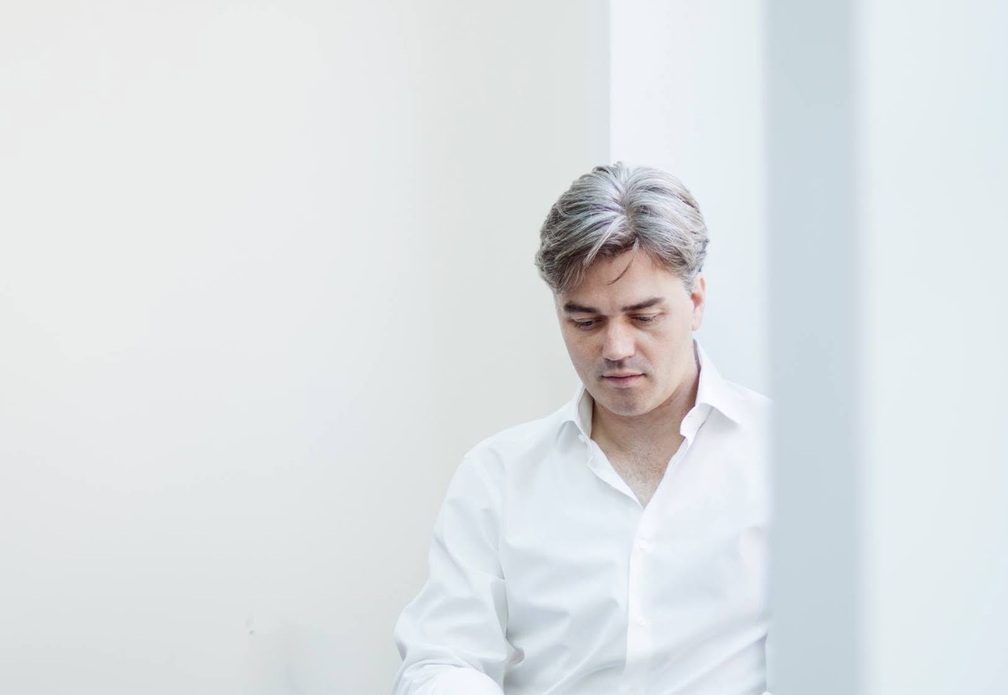
Ludwig van Beethoven's Symphony No. 9 is a monumental work that explores intense conflict before culminating in a hopeful Ode to Joy. The concert…
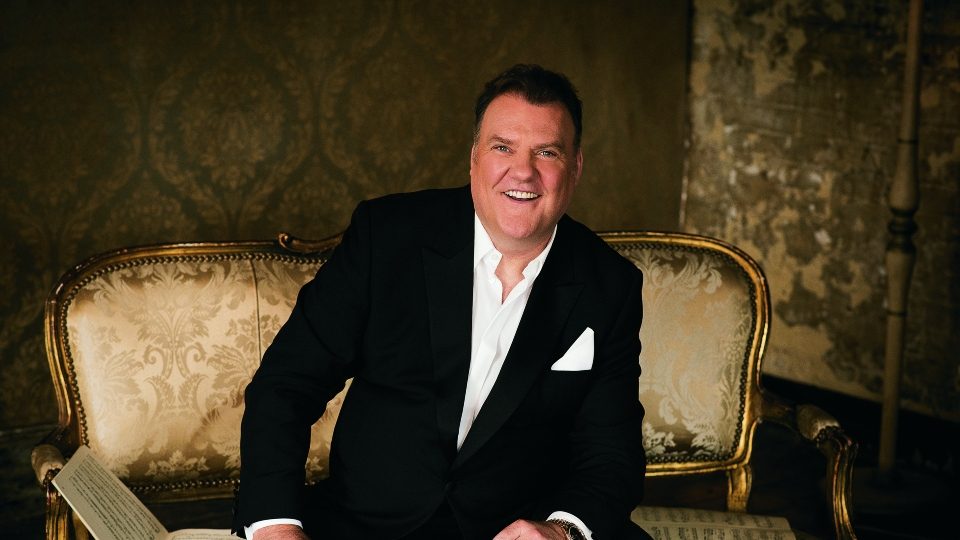
Sir Bryn Terfel, regarded as the world's finest bass-baritone, continues to perform in the most prestigious opera houses and concert halls globally. At this…
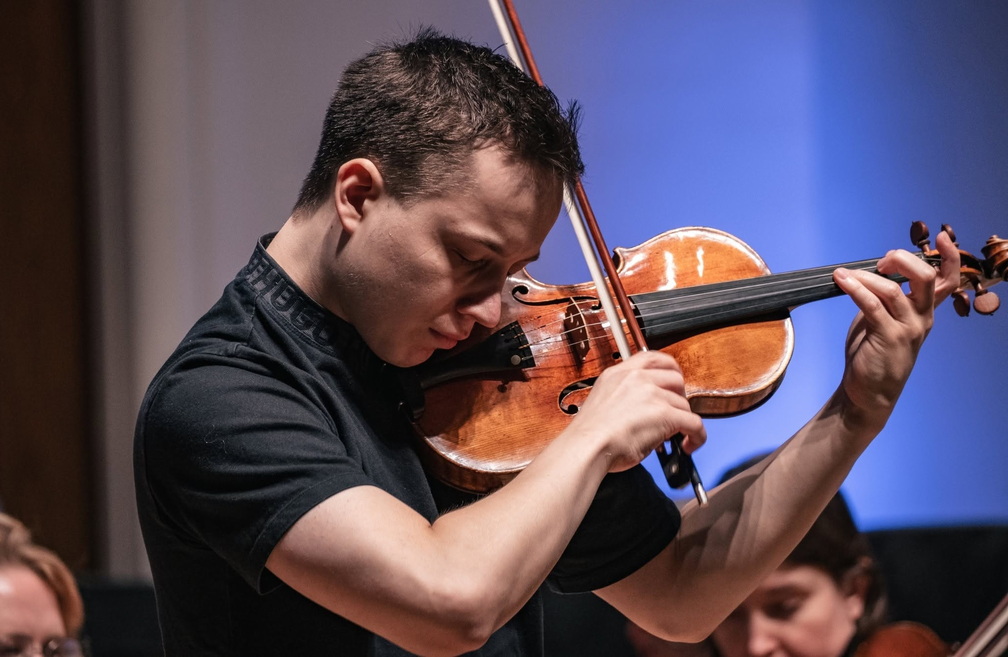
The concert presents a stirring program framed by two compositions of Jean Sibelius, including the evocative tone poem The Oceanides and his Symphony No.…
A good scene for the size, mostly in and around 101, and expensive by any standard. Live from Hostelworld.
 Sustainable
 Sustainable
June to August for light and access. September to March for the northern lights.
Average highs, which understate it — wind is the thing that determines how cold Iceland feels, not the thermometer. Daylight swings from about four hours in December to near twenty-four in June.
Pick how you travel. Per person per night, in euros — you will pay in krónur.
Shown in euros for comparison; you pay in Icelandic krónur, by card almost everywhere. Tours drive the doing line — one day trip is €70 to €140 on its own.
The ones we get asked most.

Compare Reykjavik hostels — live prices, real reviews and free cancellation on most bookings. Then meet the people already there in the app.

 Get the App.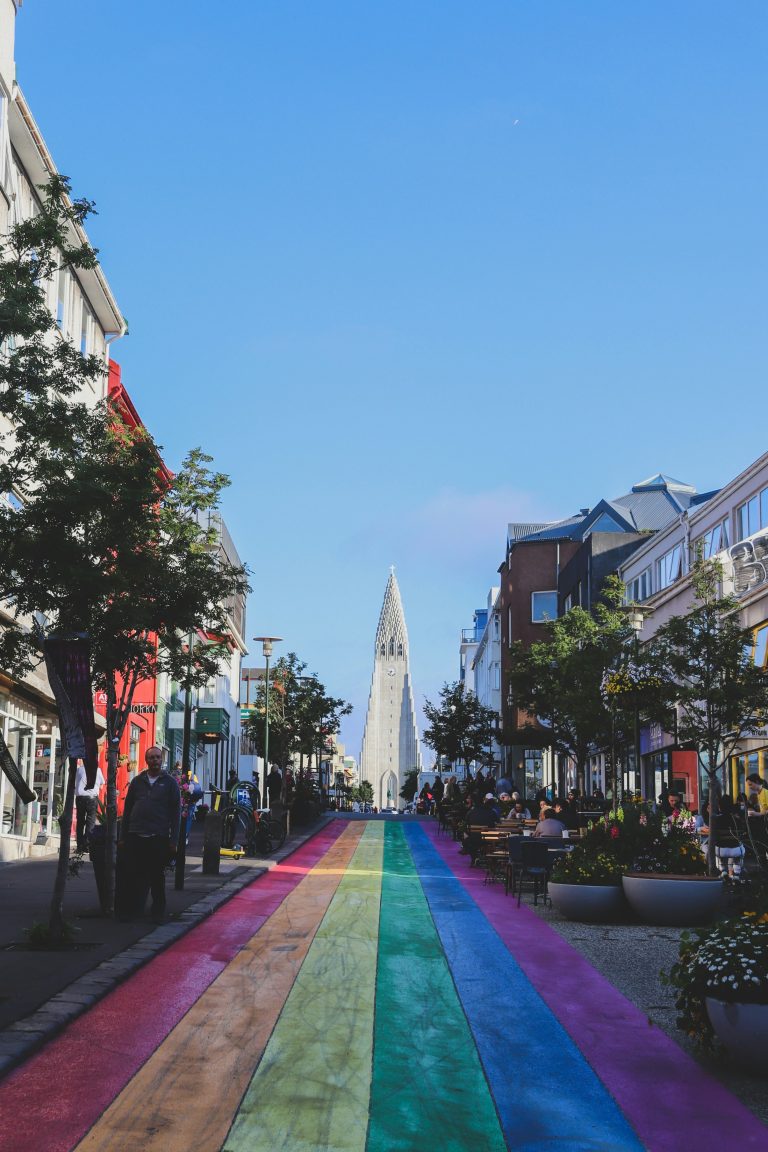
 Get the App.