Old Town
First-timersThe medieval centre: the cathedral, the squares, the bars and most beds. Busy and loud at weekends.

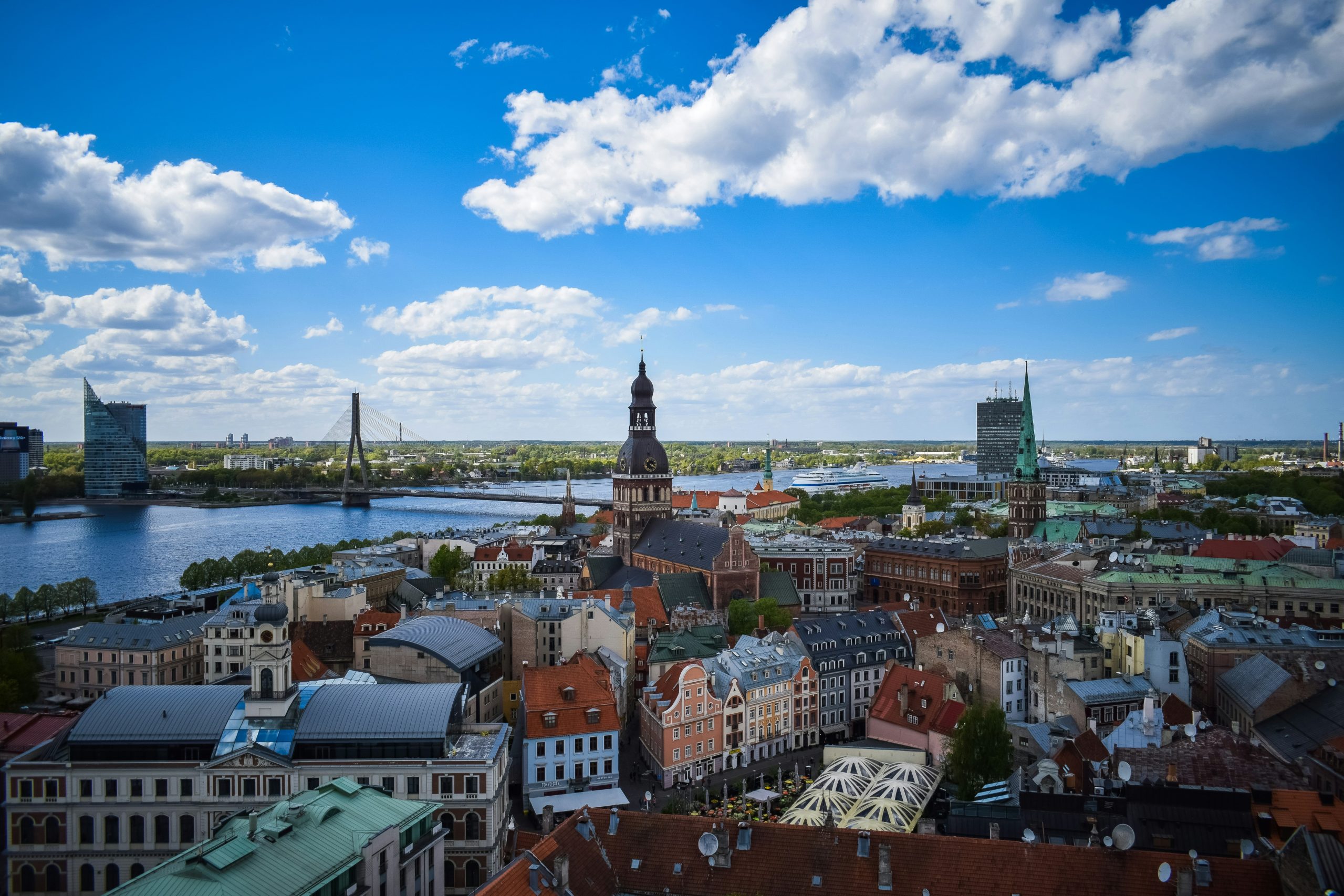
The largest city in the Baltics: the densest collection of art nouveau architecture anywhere, a medieval core, and a market housed in five German zeppelin hangars.
Riga was founded in 1201, grew wealthy as a Hanseatic trading port, and then grew wealthy again at the turn of the twentieth century — which is when it built the thing it is actually famous for.
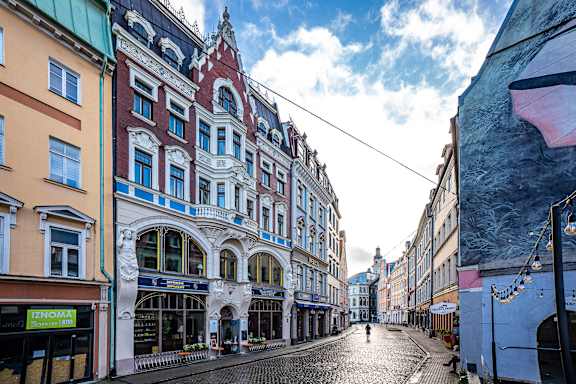
Roughly a third of the buildings in central Riga are art nouveau, the highest concentration of any city in the world. Alberta iela is the street to see it on: facades covered in screaming faces, sphinxes, peacocks and writhing plasterwork, much of it designed by Mikhail Eisenstein, whose son Sergei made Battleship Potemkin.
The old town is medieval, compact and UNESCO-listed, though a good deal of it was rebuilt after wartime destruction — the House of the Blackheads, the showpiece on the main square, went up again in 1999.
The Central Market occupies five vast hangars built for German zeppelins in the First World War. It is the largest market in the Baltics and the best cheap lunch in the city.
Three days, and Jurmala's beach is thirty minutes away by train.
A medieval core, an art nouveau ring around it, and a wooden suburb across the canal.
The medieval centre: the cathedral, the squares, the bars and most beds. Busy and loud at weekends.
North and east: Alberta iela, the embassies, leafy streets and the best architecture in the city.
North-east: independent cafés, bars and shops, with no visitors and cheaper beds.
Across the Daugava: nineteenth-century wooden houses, a weekend market and a quieter feel.
Orange labels are neighbourhoods, dots are the 6 top-rated hostels. Map © MapTiler © OpenStreetMap contributors.
Walk Alberta iela. It costs nothing, takes twenty minutes, and is the densest run of art nouveau facades anywhere — faces, sphinxes, peacocks and plasterwork that looks like it is in motion. The Art Nouveau Museum at number 12, about €9, is a restored period apartment and the best way to see how people actually lived behind those fronts.
The Central Market, in five zeppelin hangars behind the station, is free to walk and is where Riga shops. Smoked fish, rye bread, pickles and cheap hot food.
St Peter's Church tower, about €9, gives the view over the red roofs and the river.
The Corner House — the former KGB headquarters on Brivibas iela, where people were held and interrogated — is open as a museum and is sober, difficult and important. The Museum of the Occupation covers the same period more broadly.
Then find a sauna. Latvian pirts is a genuine tradition involving birch whisks and considerable heat, and several places in and around the city run sessions for visitors.
The art nouveau streets — Alberta iela, Elizabetes iela and Strelnieku iela — are free and are the main attraction.
The old town, the Freedom Monument and the changing of the guard there cost nothing.
The Central Market is free to walk through and is more interesting than most paid attractions here.
Bastejkalns park and the canal that loops through the centre are free, as is the walk along the Daugava embankment.
Mezaparks, north of the centre, is a large free park containing the Song Festival grounds — an open-air amphitheatre where tens of thousands of singers perform at the Song and Dance Festival, a tradition on UNESCO's intangible heritage list and central to how the Baltic states regained independence.
Cheap and improving fast. A main is €8 to €16 and the Central Market does hot food for €4 to €7.
Latvian rye bread is dense, dark and sour, and it is taken seriously — it turns up at every meal and as a dessert with cream and jam.
Grey peas with bacon is the national dish and exactly as plain as that sounds. Smoked fish from the coast, pickles and sour cream do most of the rest of the work.
Lido is a chain of large self-service canteens serving Latvian food by weight, which is cheap, decent and where families eat.
Black Balsam is the local herbal liqueur at 45 per cent, made to a 1752 recipe, and it is intense — locals usually mix it with blackcurrant juice or put it in coffee rather than drinking it straight.
A beer is €3 to €5, and the craft scene in Riga is good.
Two scenes, and they barely overlap.
The old town at weekends is where the stag trade goes, with a concentration of bars aimed squarely at it. It is loud, it is not representative of the city, and it is where the bar scams described in the safety section happen.
Miera iela, Avoti and the Kalnciema side have the interesting bars — small, local, unshowy, and cheaper. This is where people who live here drink.
A beer is €3 to €5 and cocktails €7 to €11.
Riga has a decent electronic scene and a number of venues in converted industrial buildings, and the summer sees outdoor bars along the canal and in the parks.
In June it barely gets dark, which changes the rhythm entirely.
Trams, buses and trolleybuses run on one ticket at around €1.50 bought in advance, more from the driver. The centre is walkable and most of the art nouveau is within twenty minutes of the old town.
Validate your ticket on boarding. Inspectors work the network and fines apply.
The airport is 30 minutes on bus 22 for about €1.50, which is among the cheapest airport transfers in Europe.
Use Bolt rather than hailing a taxi on the street — street taxis overcharging visitors is a long-standing problem here.
Trains reach Jurmala in 30 minutes for about €2 and Sigulda in an hour. Buses reach Tallinn and Vilnius in around four hours each, and Liepaja in three.
Cheap for the EU and rising. Dorms are €12 to €28, a main €8 to €16, and a beer €3 to €5.
A day is €35 to €65.
Latvia uses the euro, so prices are directly comparable and there is no exchange involved.
The Central Market at €4 to €7 for hot food is the single best saving, and the art nouveau streets, the old town and the parks are free.
Drinking outside the old town is noticeably cheaper — the same beer is often a euro or two less on Miera iela than on a main square terrace.
Cards work almost everywhere, including buses when bought through an app.
Riga is a safe city with low violent crime, and the problems that affect visitors are concentrated in one place and one kind.
The old town at weekends has a long-standing issue with bar scams targeting men, particularly those in groups. The pattern is consistent: a friendly local or a promoter suggests a bar, the group is led there, drinks arrive without prices being stated, and the bill at the end is enormous and enforced by staff. Do not follow strangers to bars, check prices before ordering anywhere, and be suspicious of any venue with no visible menu.
Drink spiking has been reported in the same area. Watch your drink and stay with the people you came with.
Street-hailed taxis overcharge. Use Bolt.
Winter brings ice on pavements and roof ice falling into the street — the warning barriers under buildings are serious — and about six hours of daylight in December.
Emergency number is 112.
A beach, a castle valley and a palace, all within ninety minutes.
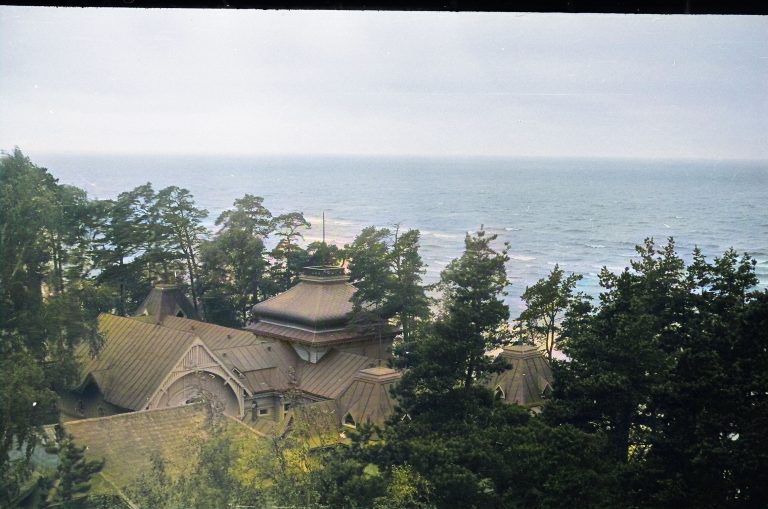
A long white sand beach and a resort town of wooden villas, where the Soviet elite holidayed.
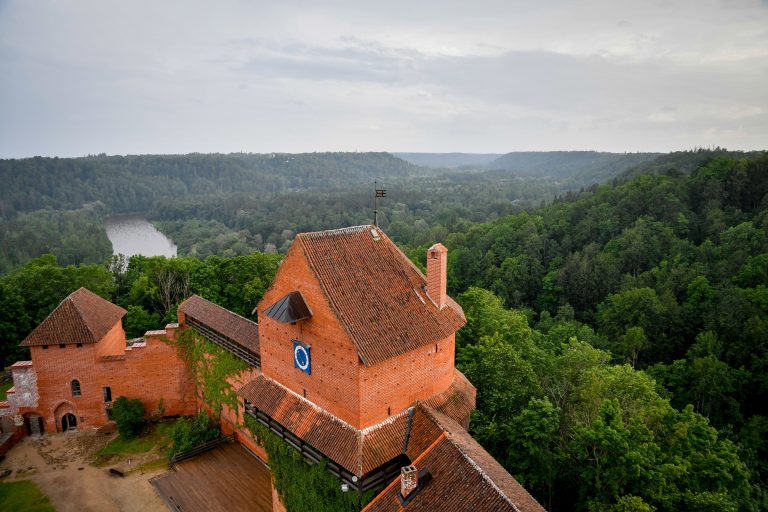
A river valley with castles, a cable car, bobsleigh track and the best hiking near the capital.
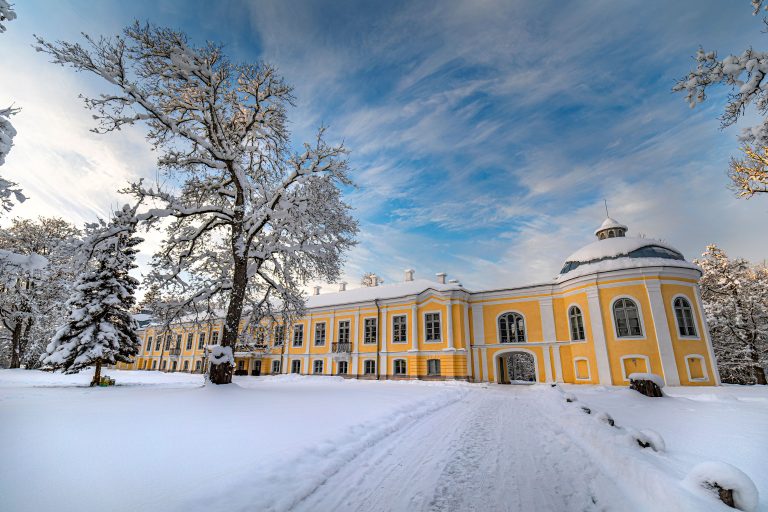
A baroque palace by the architect of the Winter Palace, with restored state rooms and formal gardens.
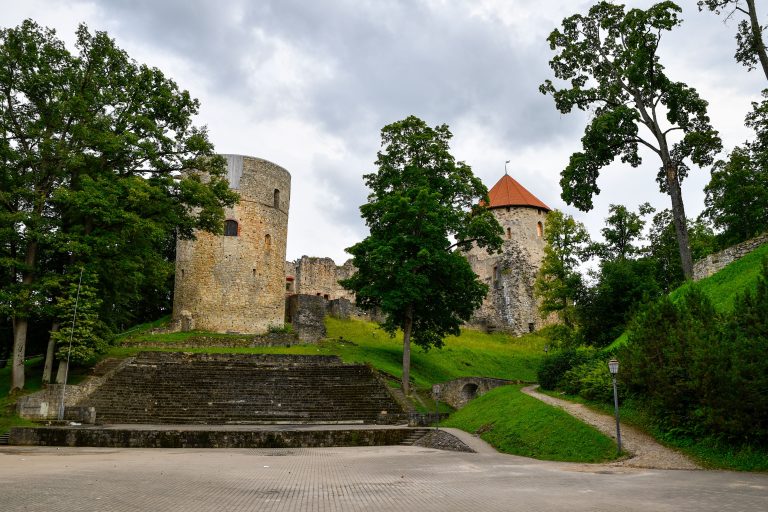
A small town with a genuine medieval castle ruin you explore by lantern.
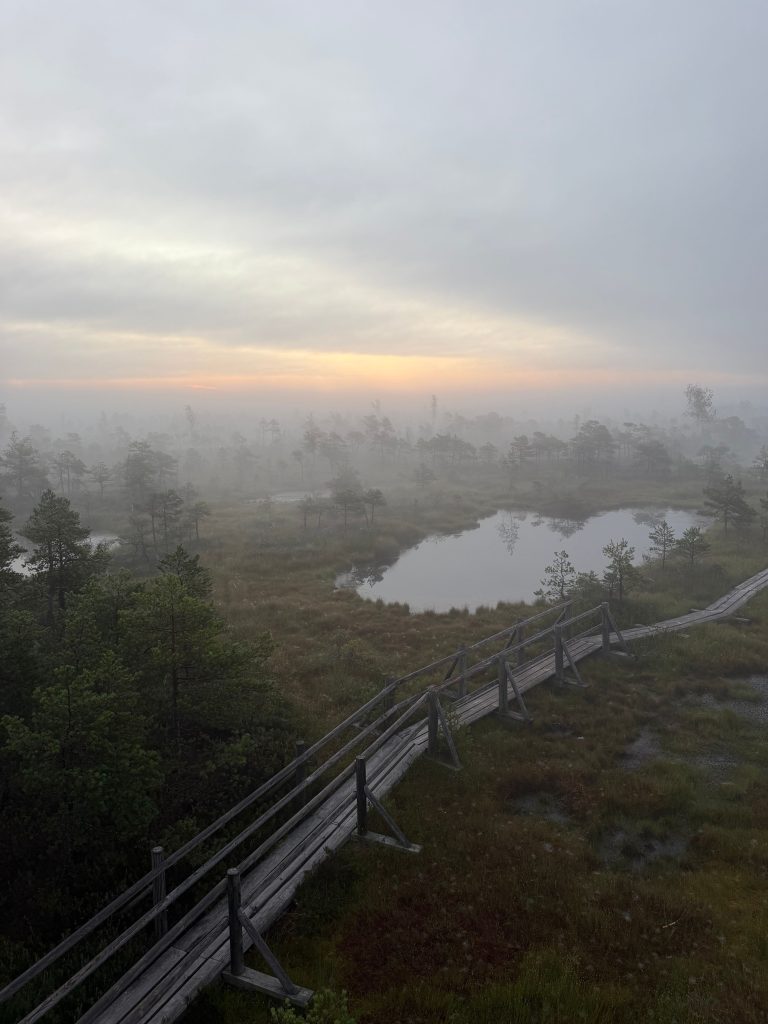
A raised bog with a boardwalk loop and a viewing tower, and the classic Latvian landscape.
A massed choir festival every five years, and midsummer bonfires in June.
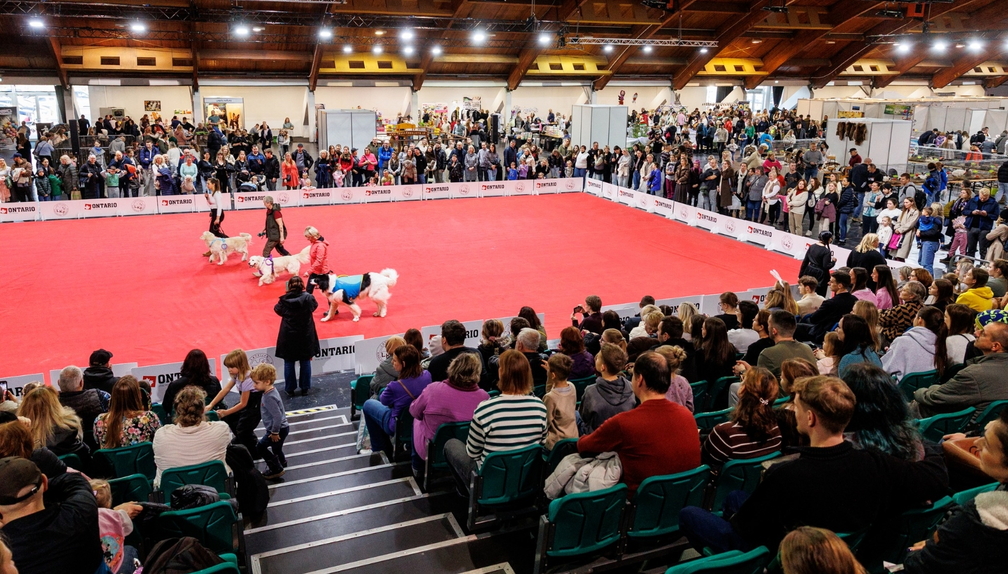 Staff pick
Zooexpo in Rīga, Latvia, at the Ķīpsala International Exhibition Centre is the largest pet show in the Baltics, bringing together a diverse array of…
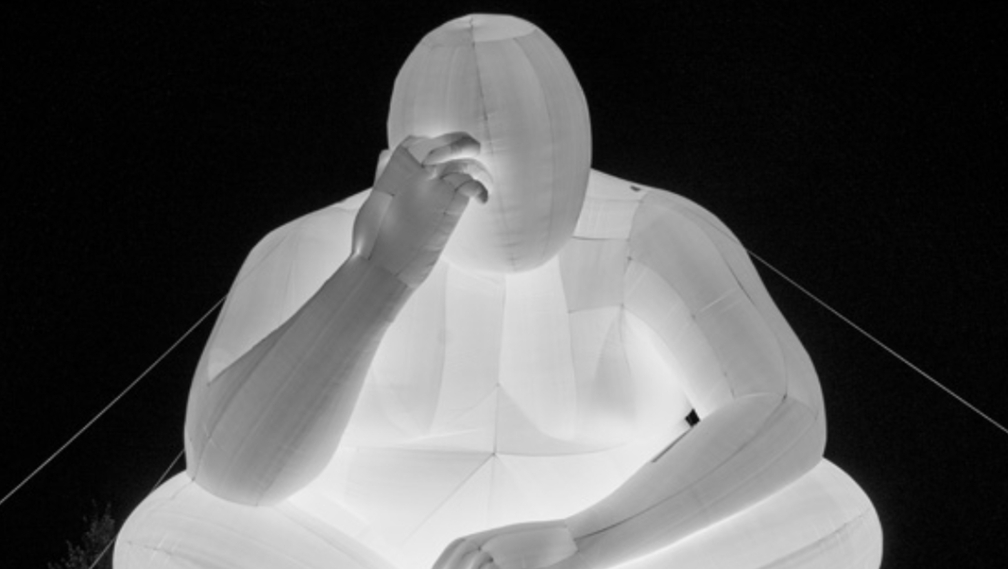 Staff pick
Staro Rīga is a captivating festival in Riga, Latvia, that transforms the city’s urban spaces with innovative light and video installations. Held in locations…
 Staff pick
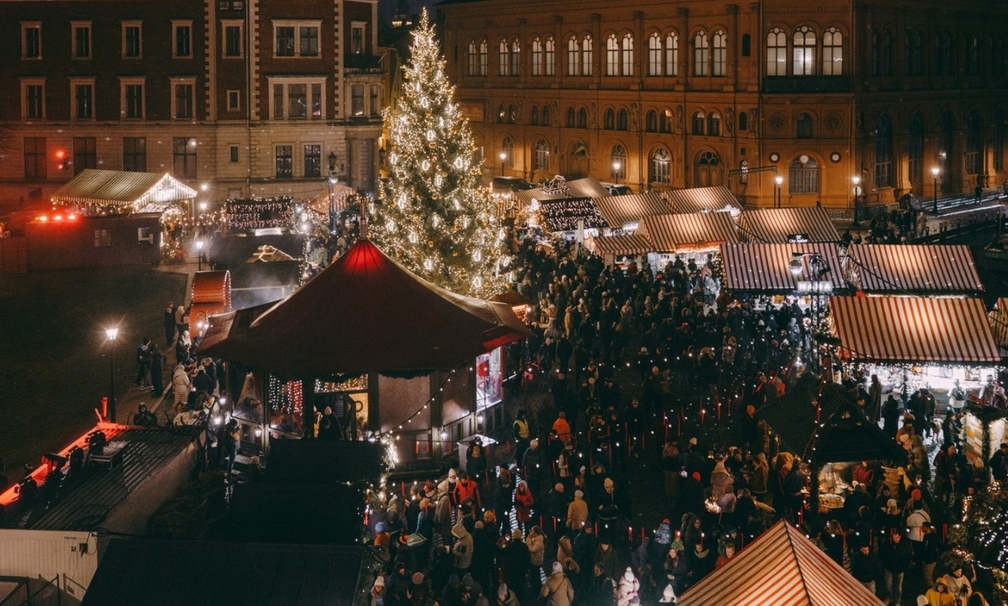
Riga's Christmas Market transforms Latvia's capital into a festive wonderland, with its main market set against the stunning backdrop of historic Doma Laukums in…
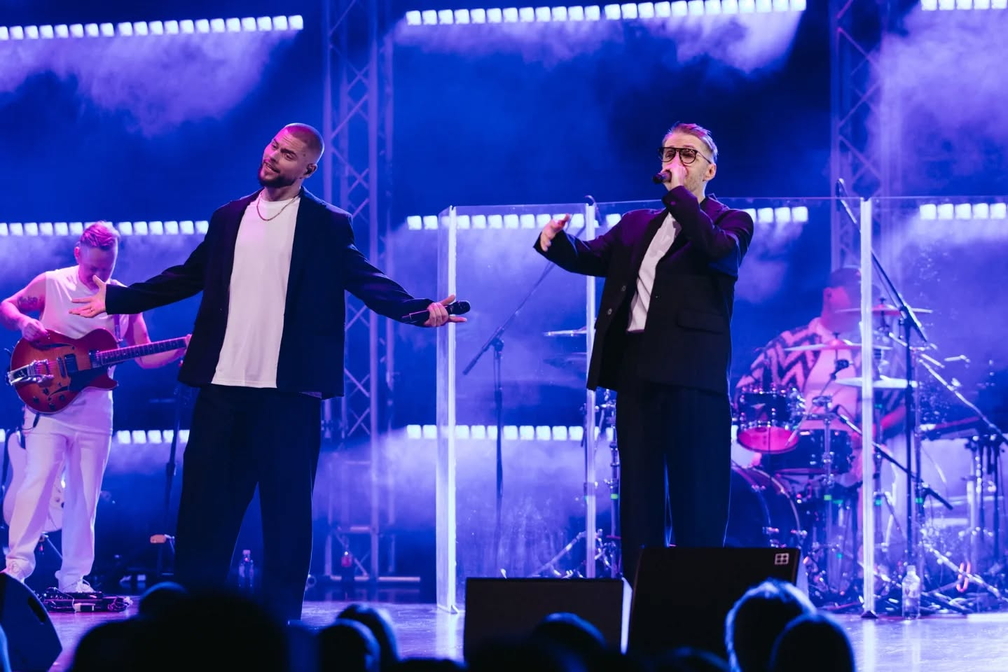
MUSIQQ invites you to one of the most significant events of 2026 with their major concert at Xiaomi Arēna on October 10. The band…
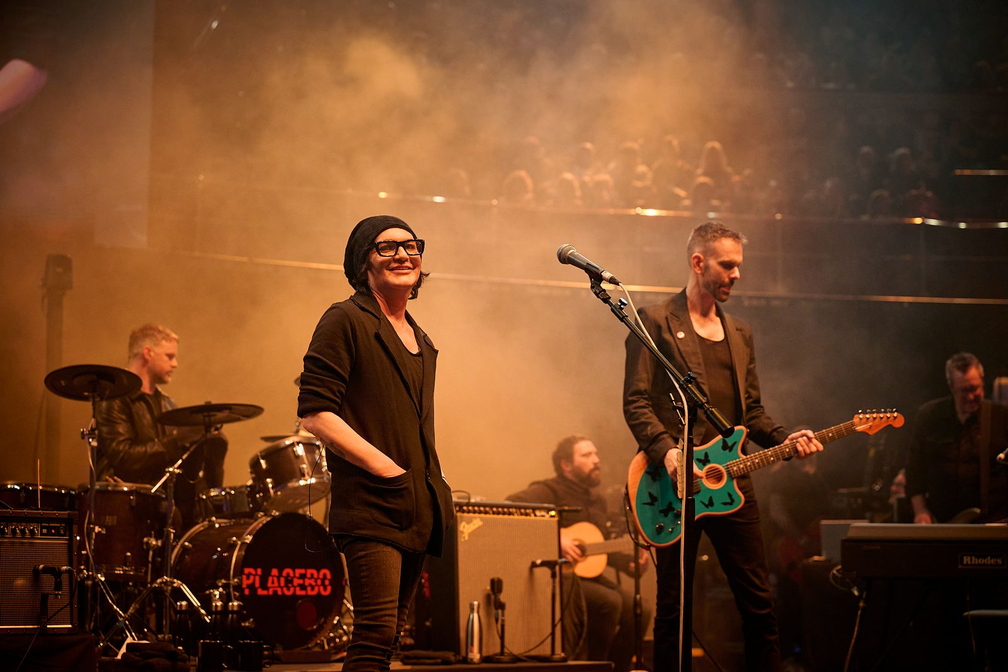
British alternative rock stars Placebo will celebrate their 30th career anniversary with a concert in Riga. The show focuses on material from their first…

KOK’130 World series is a sports event organized by the International Bushido Federation. It takes place at Xiaomi Arēna in Riga, offering an exciting…
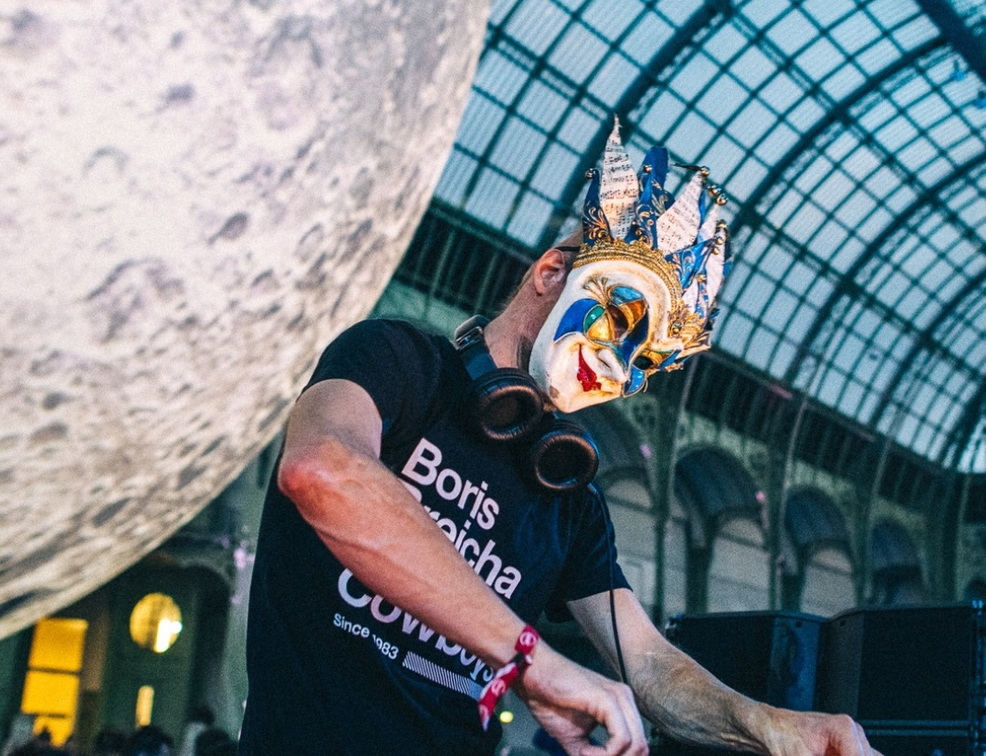
Boriss Brejcha returns to Latvia with his special Reflections tour, delivering a hypnotic experience filled with impressive production and lighting effects. His performance at…
K-Pop Forever! celebrates the global rise of K-pop, a phenomenon that has influenced music, fashion, dance, and youth culture worldwide. The show brings together…
The largest scene in the Baltics, concentrated in and around the old town. Live from Hostelworld.
May to September for light and warmth. December for markets, and it is dark.
Average highs. The daylight swing is the thing to plan for: around six hours in late December against nearly eighteen in June, when Latvians decamp to the countryside for midsummer.
Pick how you travel. Per person per night, in euros — Latvia uses them.
Latvia is in the eurozone, so these are the prices you will actually pay. The art nouveau streets and the market cost nothing.
The ones we get asked most.

Compare Riga hostels — live prices, real reviews and free cancellation on most bookings. Then meet the people already there in the app.

 Get the App.
 Get the App.