Old Town
First-timersThe UNESCO centre: the churches, the courtyards, the bars and most beds. Walkable throughout.

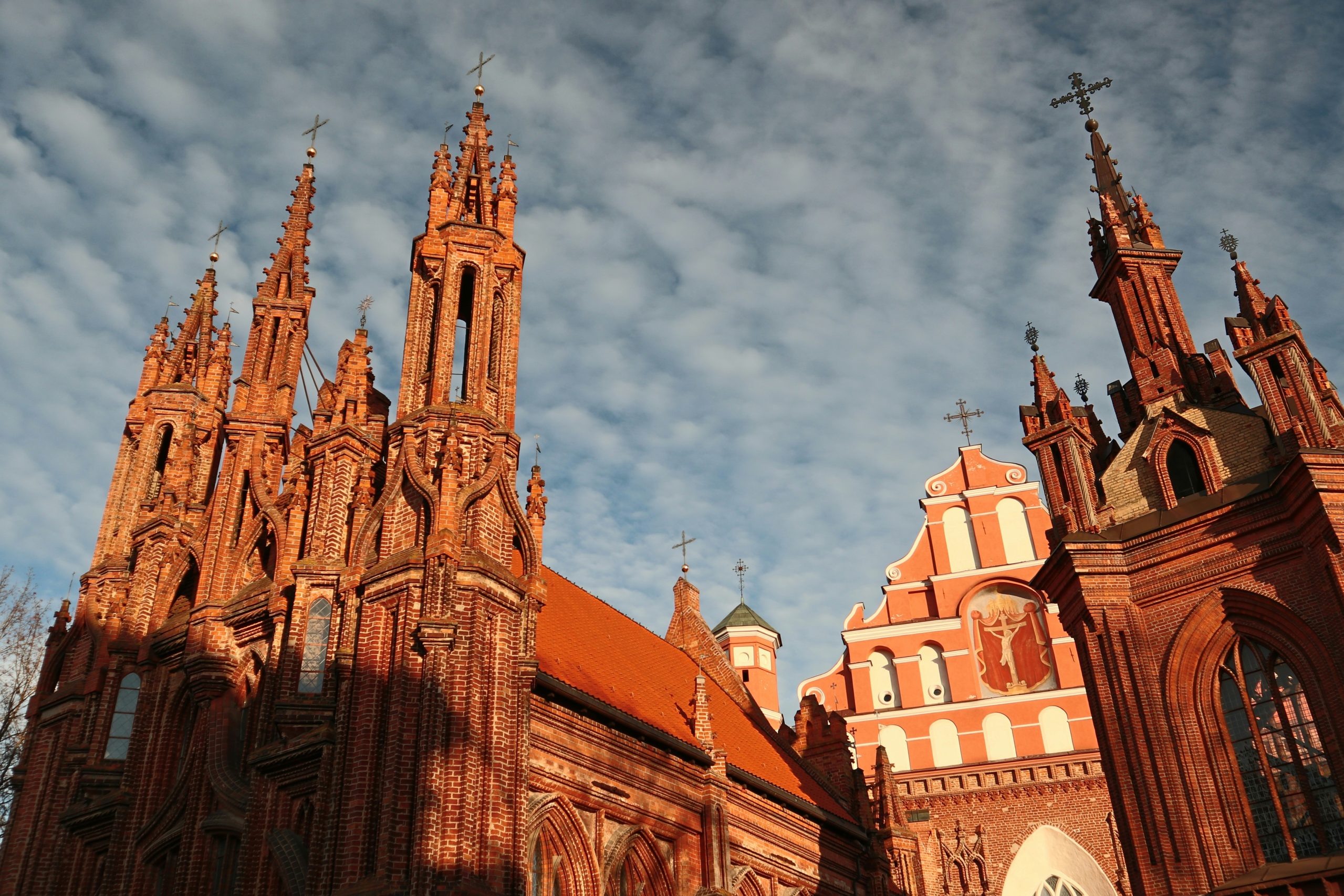
The largest baroque old town in eastern Europe, a self-declared artists' republic across the river with its own constitution, and a café culture out of all proportion to the city's size.
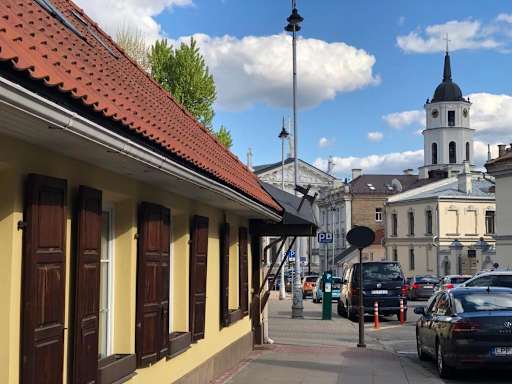
Vilnius has the largest baroque old town in eastern Europe, UNESCO-listed and remarkably intact — narrow streets, courtyards opening off courtyards, and something like forty churches within walking distance of each other.
Across a small river is Uzupis, a district that declared itself an independent republic in 1997. It has a constitution mounted on mirrored plaques in dozens of languages, an army of a dozen or so people, and a national day on 1 April when border guards stamp passports. It began as a squatted artists' quarter and has since gentrified, but the joke has outlasted the circumstances that produced it.
The darker history is present and well handled. Vilnius was called the Jerusalem of the North and had one of the most important Jewish communities in Europe; around ninety-five per cent of Lithuania's Jews were murdered in the Holocaust, most of them at Paneriai in the forest outside the city.
It is green — over forty per cent of the city is parks and forest — and cheap by EU standards. Three days.
A baroque core, a republic across the river, and a Soviet-era district for value.
The UNESCO centre: the churches, the courtyards, the bars and most beds. Walkable throughout.
Across the Vilnia: galleries, courtyard bars, the constitution wall and a village feel.
West of the centre: independent bars, a converted factory district and cheaper rooms.
A wooden-housed residential district across the Neris, ten minutes from the centre.
Orange labels are neighbourhoods, dots are the 7 top-rated hostels. Map © MapTiler © OpenStreetMap contributors.
Walk the old town, and go into the courtyards. The pleasure here is that almost every archway leads somewhere — a second courtyard, a garden, a workshop. Vilnius University, founded in 1579, is a warren of thirteen connected courtyards and costs a couple of euros to walk through.
St Anne's is the church to see: late Gothic, built of thirty-three different shapes of brick, and the one Napoleon reportedly said he would like to carry back to Paris in his palm.
Gediminas Tower on the hill has the view over the roofs, reached by a funicular or a short climb.
Uzupis is free and takes an hour. Find the constitution plaques on Paupio street — articles include the right of a dog to be a dog and the right to be unhappy — and the Uzupis angel on the square.
The Museum of Occupations and Freedom Fights occupies the former KGB headquarters, with the cells and execution chamber preserved in the basement. It is about €6 and it is not a light visit.
Uzupis is free, including the constitution plaques, the angel and the courtyard galleries.
The old town, the cathedral and most of the forty-odd churches cost nothing to enter.
The Hill of Three Crosses is a free climb with the best view of the city, and the Bernardine Gardens below it are free and large.
Paneriai, twenty minutes by train, is free. Between 1941 and 1944 around seventy thousand people, most of them Jews from Vilnius, were murdered in pits in this forest. The memorial and small museum are quiet and plainly presented, and it is the most important thing you can do near this city.
The Literatu street wall, covered in small artworks dedicated to writers connected with Vilnius, is free and easy to miss.
Cheap and heavier than you expect. A main is €9 to €16 and the lunch specials are less.
Cepelinai are the national dish: large potato dumplings stuffed with meat, served with sour cream and bacon, and named after zeppelins because of the shape. They are extremely filling and one portion defeats most people.
Saltibarsciai is the summer dish and the one you will photograph — a cold beetroot and kefir soup in an improbable bright pink, served with hot potatoes on the side.
Kibinai, baked pastries filled with lamb, come from the Karaim community in Trakai and are sold throughout the city for €2 to €3.
Lithuania has an unusual farmhouse beer tradition, kaimiskas, made with methods that largely died out elsewhere in Europe. Look for it rather than the industrial lagers. A beer is €3 to €5.
Better than the size of the city suggests, and cheap. The old town has the bars, Uzupis has the courtyard ones, and Naujamiestis west of the centre has the converted industrial spaces and the best of the current scene.
A beer is €3 to €5 and cocktails €7 to €11.
The craft and farmhouse beer scene is genuinely interesting — Lithuanian brewing preserved practices that disappeared elsewhere, and several bars in the city specialise in it.
Vilnius has a large student population and term time from September to June fills the bars.
Summer moves everything outdoors: courtyard terraces, the riverbanks and the Bernardine Gardens, with light until nearly eleven in June.
Buses and trolleybuses cost about €1 with a Vilniecio card bought at a kiosk, more if paid on board. The old town is walkable end to end in twenty-five minutes.
Validate your ticket on boarding. Inspectors work the network.
The airport is twenty minutes away and both a bus and a train run into the centre for about €1, which is among the cheapest airport transfers in Europe.
Trains reach Trakai in thirty minutes for about €2 and Kaunas in an hour for about €7. Buses reach Riga in four hours and Warsaw in about eight.
Bolt is widely used and cheap for taxis.
Cycling is good and the riverbank paths run well out of the city.
Cheap for the EU. Dorms are €11 to €25, a main €9 to €16, and a beer €3 to €5.
A day is €32 to €60.
Lithuania uses the euro, so prices are directly comparable and there is no exchange involved.
Most of what matters is free: the old town, Uzupis, the churches, the Hill of Three Crosses and Paneriai. The paid sites are a few euros each.
Lunch specials — most restaurants do a set midday menu — run €6 to €9 and are the main saving.
Cards work almost everywhere including buses through the app, though small bars and markets sometimes prefer cash.
Vilnius is a safe city with low violent crime and visitors are rarely troubled.
Petty theft happens around the station, in the old town in summer and in busy bars at weekends, at ordinary levels.
The area immediately around the bus and train stations is scruffier at night without being dangerous.
Winter brings ice on pavements, roof ice falling into the street and about seven hours of daylight in December.
The Belarusian border is roughly thirty kilometres away. It is not a routine crossing for visitors, the regional situation has been tense in recent years, and you should check your own foreign ministry's current guidance before any plan that involves approaching or crossing it.
At Paneriai, this is a place where tens of thousands of people were murdered. Behave accordingly: no photographs of yourself at the pits, and keep to the paths. Emergency number is 112.
An island castle, a memorial in the forest, and a hill covered in crosses.
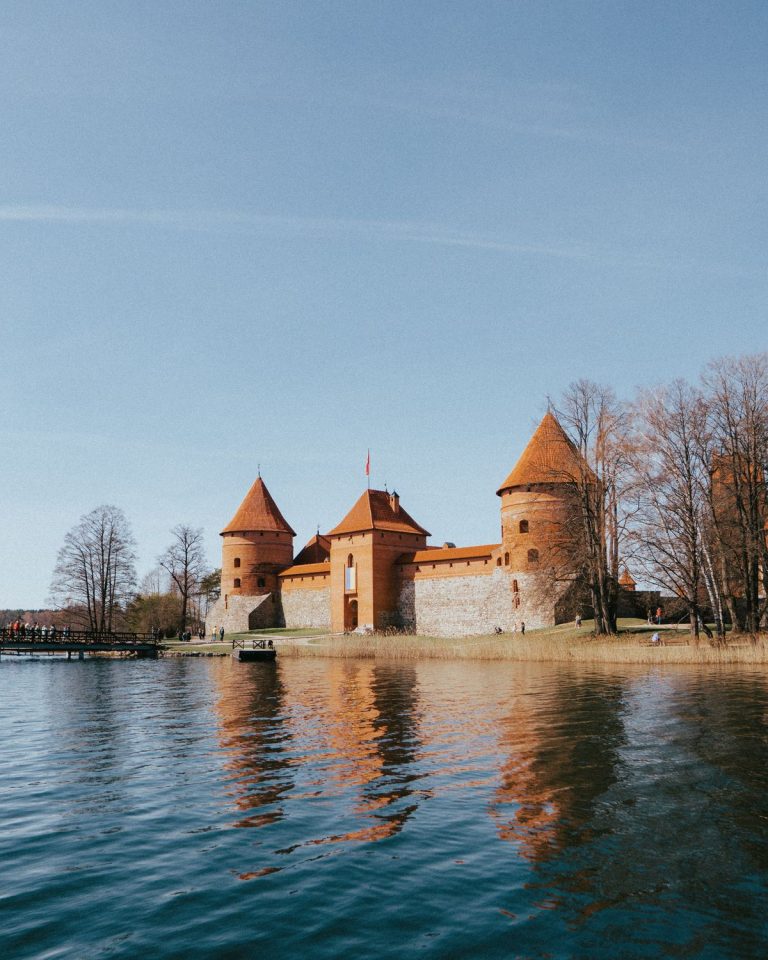
A red-brick castle on an island in a lake, reached by footbridge, with Karaim kibinai sold in the town.
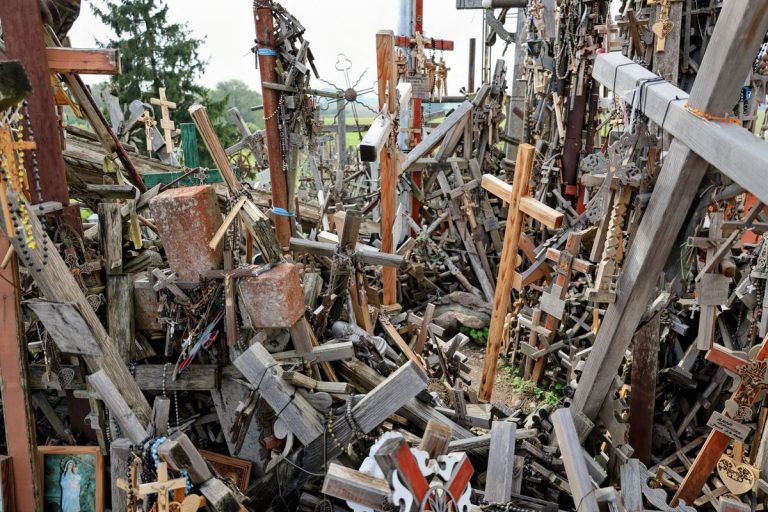
A mound covered in hundreds of thousands of crosses, repeatedly bulldozed by Soviet authorities and repeatedly rebuilt overnight.
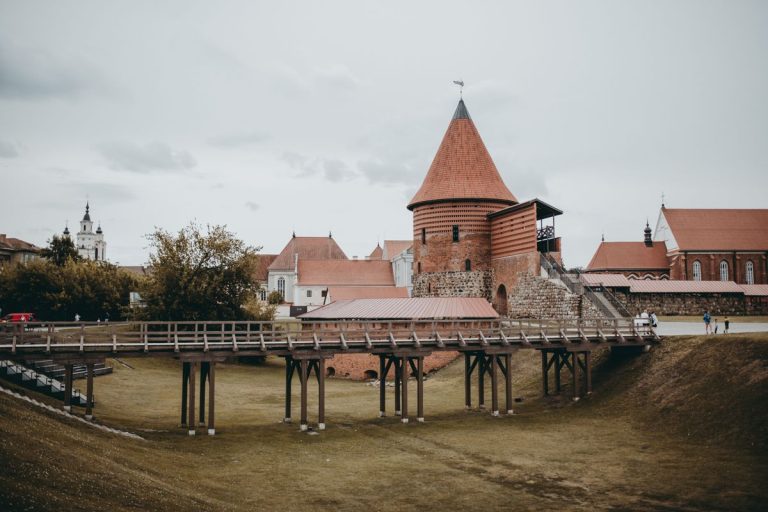
The interwar capital, with modernist architecture and prices below Vilnius.
A republic declaring independence on April Fools' Day, and a craft fair in March.
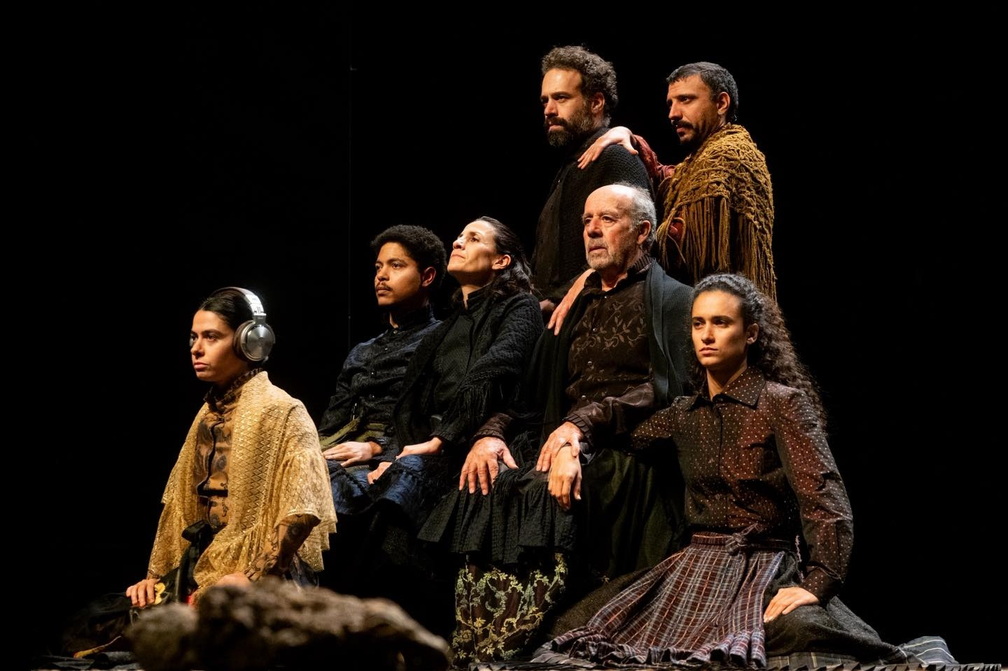 Staff pick
Sirenos Festival in Vilnius, Lithuania, is a renowned international theatre event that challenges audiences with bold contemporary performances from Lithuania and abroad. The festival…
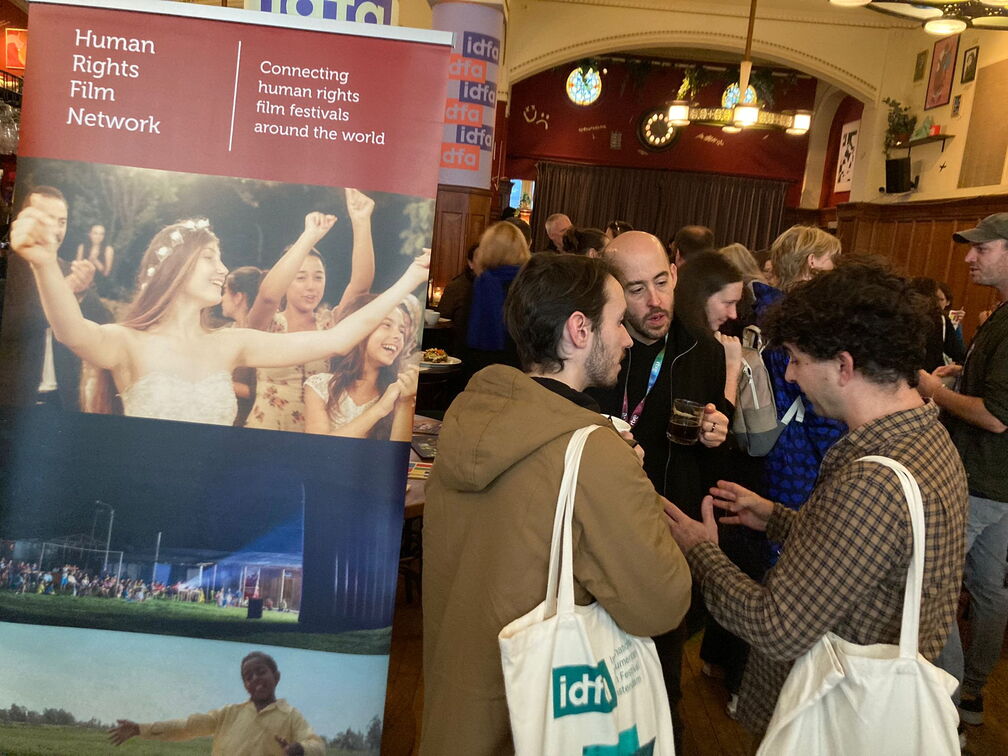 Staff pick
The Human Rights Documentary Film Festival “Inconvenient Films” in Vilnius, Lithuania, is a leading event dedicated to raising awareness about global and local human…
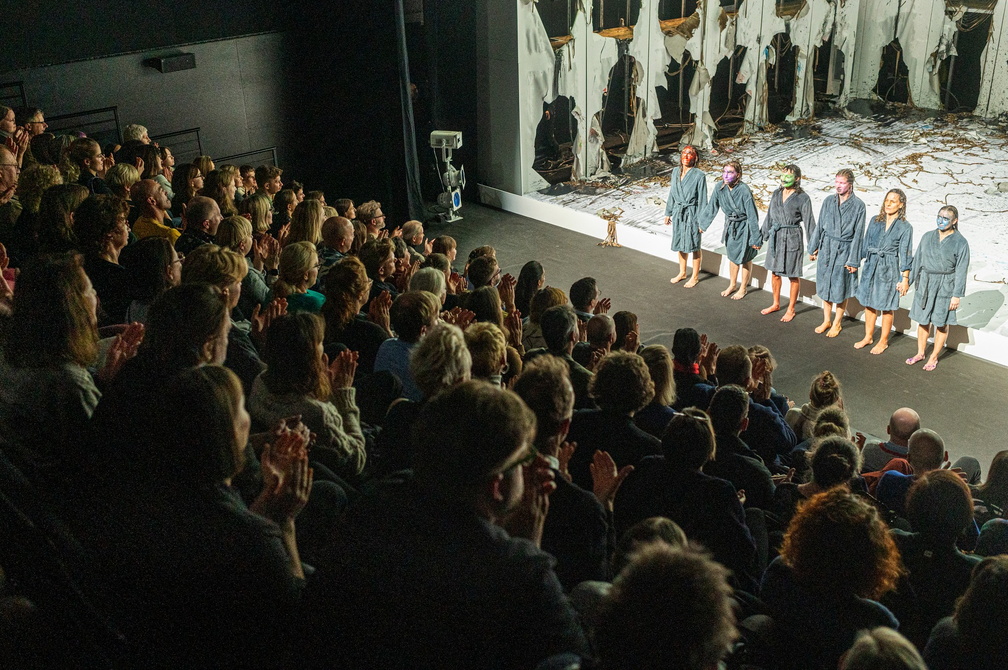 Staff pick
The Vilnius International Sirenos Theatre Festival is a captivating celebration of contemporary performing arts in Lithuania's charming capital. With a diverse lineup of innovative…
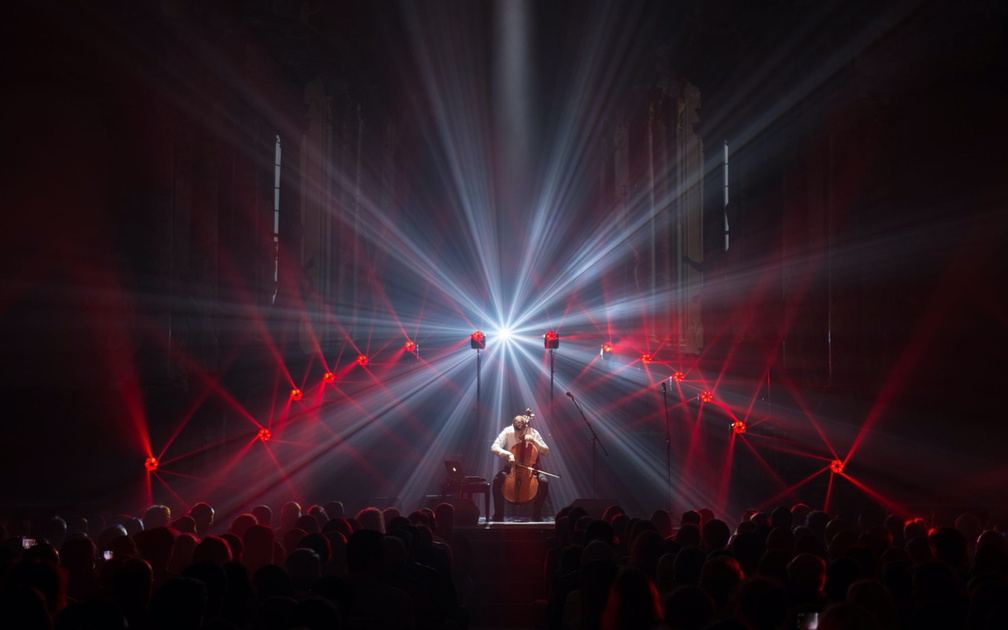 Staff pick
Vilnius Jazz is an acclaimed international jazz festival held annually in the charming capital of Lithuania. Showcasing a diverse lineup of world-renowned musicians, this…
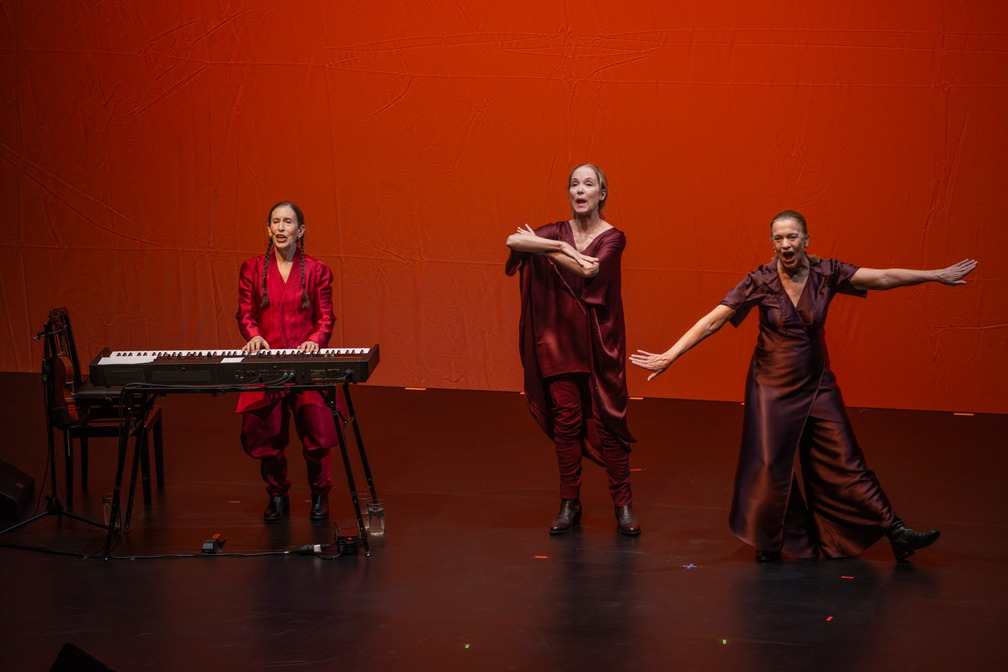 Staff pick
GAIDA in Vilnius, Lithuania, stands as the leading contemporary music festival in the Baltic region, renowned for its commitment to artistic excellence and innovation.…
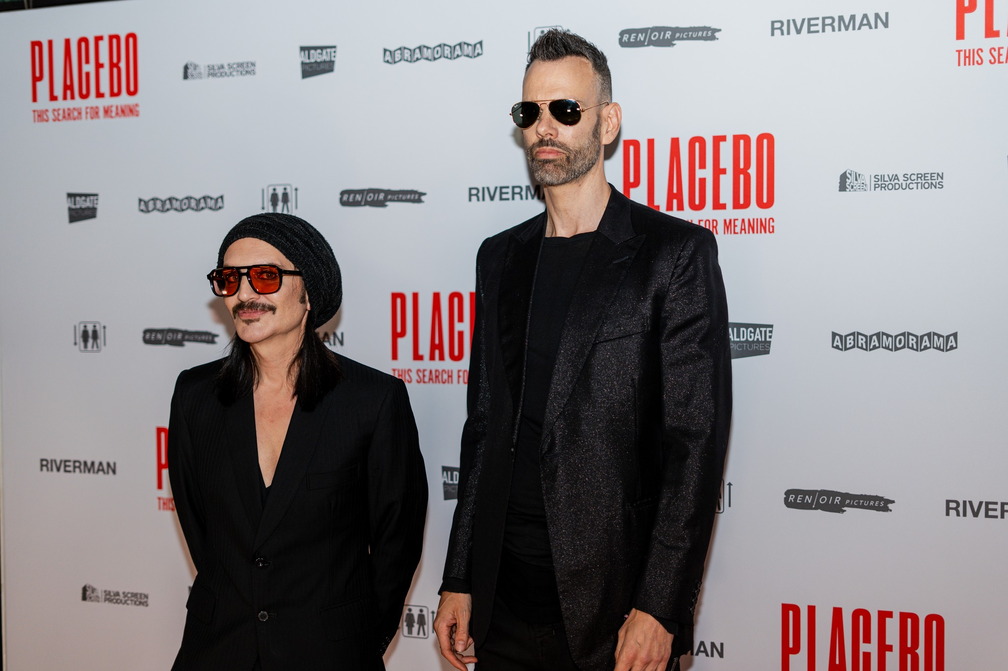
Placebo will perform at Twinsbet Arena in Kaunas on 15 October 2026. The venue offers a modern setting with excellent sightlines and a capacity…
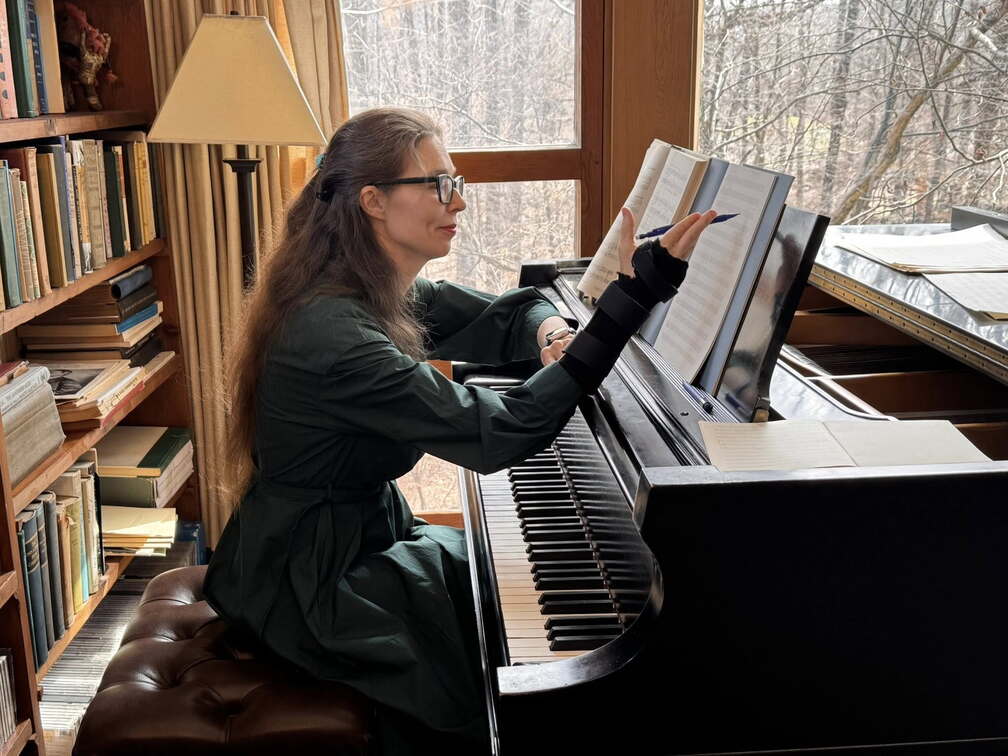
Upside Down is a new opera born from the visionary ideas of Robert Wilson and the music of Lithuanian composer Žibuoklė Martinaitytė. The production…
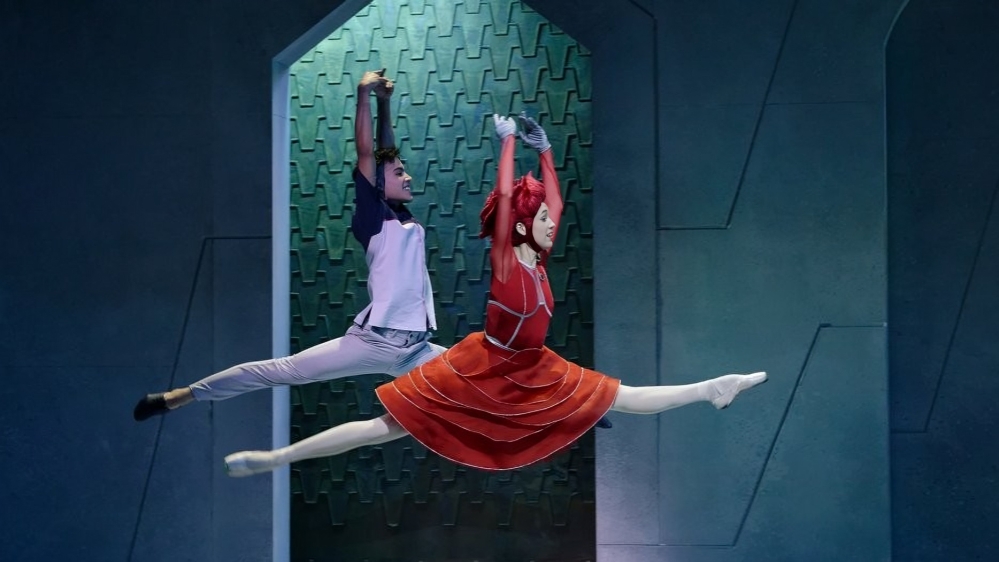
Enchanted Eyes is a two-act ballet for children inspired by Mozart's music and classic tales. The story explores true friendship and first love through…
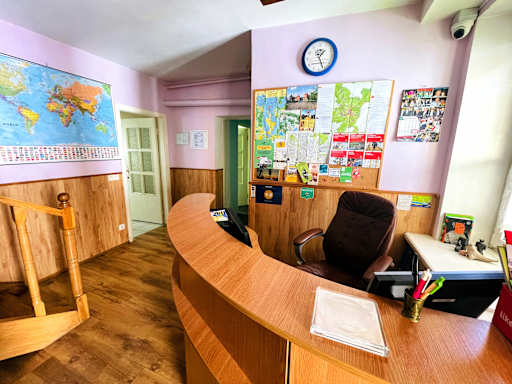
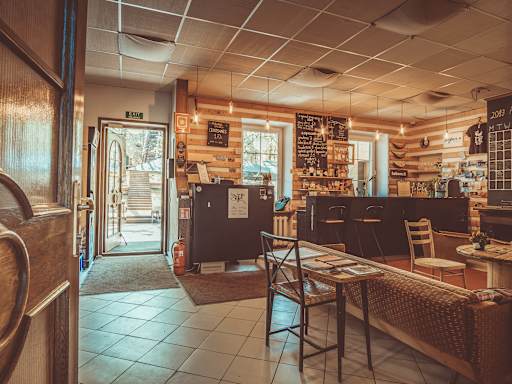
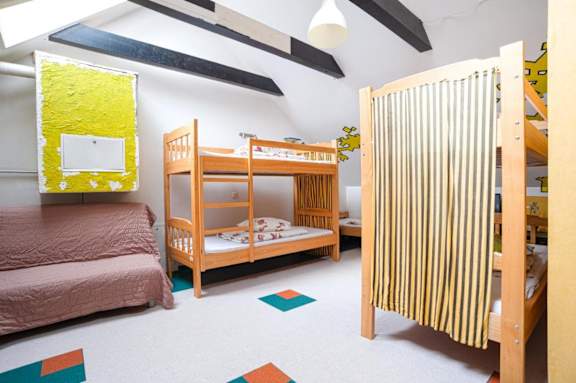
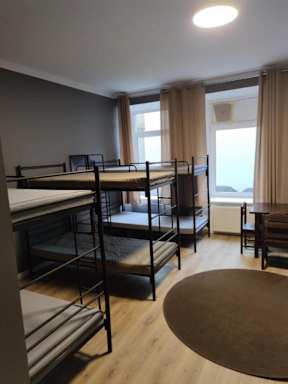
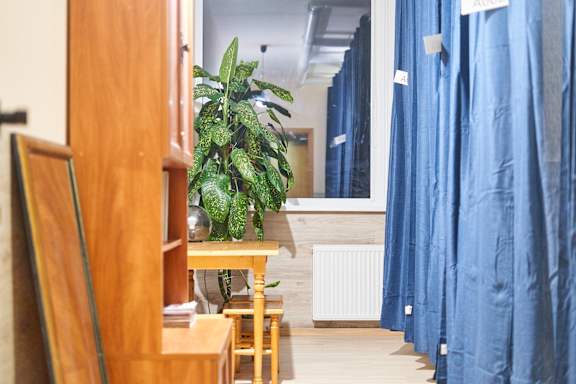
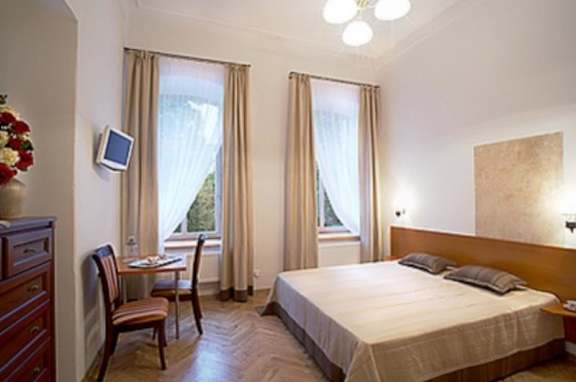
A good scene in and around the old town, at low EU prices. Live from Hostelworld.
May to September for light and terraces. Winter is cold, dark and cheap.
Average highs. Vilnius is inland and continental, so winters bite harder than on the Baltic coast, and daylight runs from about seven hours in December to over seventeen in June.
Pick how you travel. Per person per night, in euros — Lithuania uses them.
Lithuania is in the eurozone, so these are the prices you will actually pay. The doing line is low because so much here is free.
The ones we get asked most.

Compare Vilnius hostels — live prices, real reviews and free cancellation on most bookings. Then meet the people already there in the app.

 Get the App.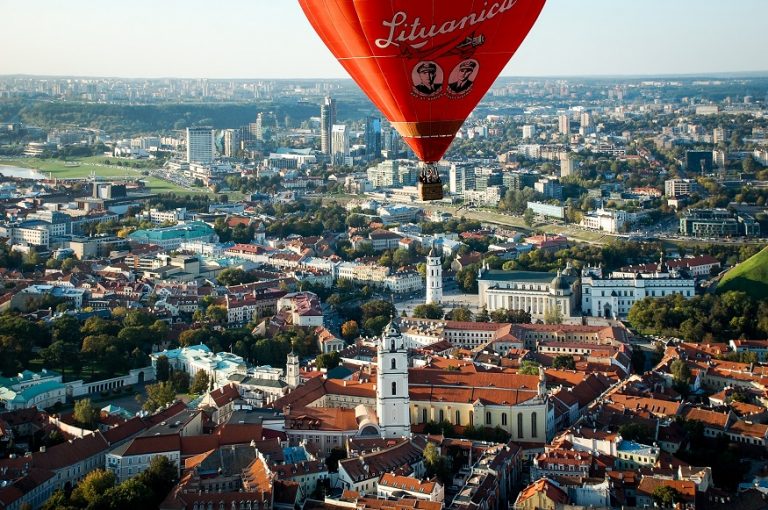
 Get the App.