Valletta
SightsThe walled city, with the cathedral, palaces and gardens.

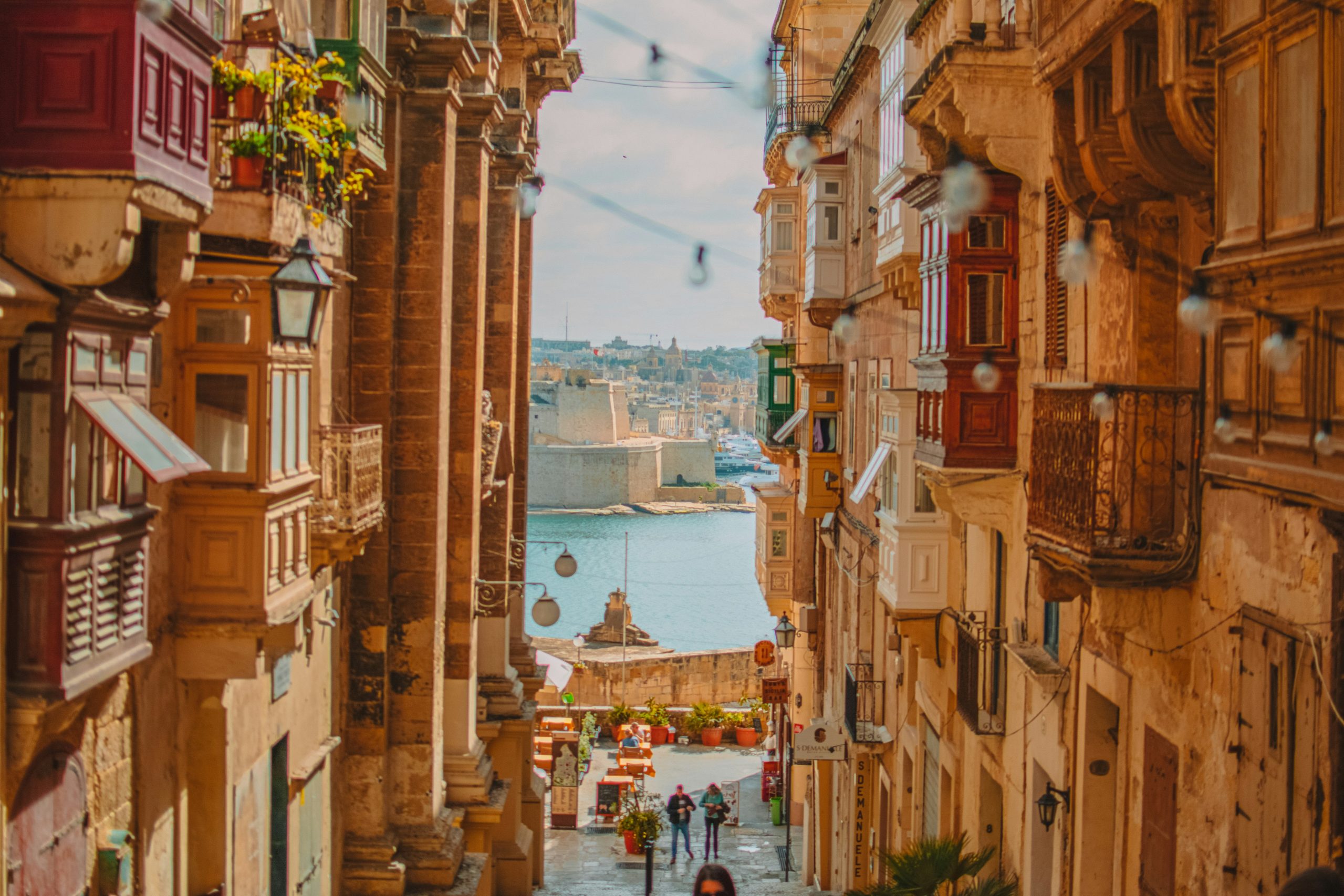
A fortified capital built by the Knights of St John on a peninsula between two harbours, walkable end to end in twenty minutes. Baroque, honey-coloured and one of the smallest capitals in Europe.
Valletta was built by the Knights of St John after they held off the Ottoman Great Siege of 1565, and it was planned as a fortress from the start: a grid of straight streets on a peninsula between the Grand Harbour and Marsamxett, ringed by bastions and dropping steeply to the water on every side.
The whole city is a UNESCO World Heritage Site, and it is tiny: about one kilometre long and six hundred metres wide. In that space are a cathedral with two Caravaggios, the palace of the Grand Masters, and some of the best harbour views in the Mediterranean.
Valletta is quiet at night compared with Sliema and St Julian's, where most of the hostels are, but it is the place to spend your days. Two days covers the city and the Three Cities across the harbour.
Valletta has very few dorm beds. Most budget travellers stay in Sliema or St Julian's and take the ferry across.
The walled city, with the cathedral, palaces and gardens.
The old sailors' street, now wine and cocktail bars.
Just outside the City Gate, by the bus terminus.
The oldest of the Three Cities, across the Grand Harbour.
Orange labels are neighbourhoods, dots are the 4 top-rated hostels. Map © MapTiler © OpenStreetMap contributors.
St John's Co-Cathedral looks plain from outside and is gold, marble and painted from floor to ceiling within. Its oratory holds Caravaggio's Beheading of St John the Baptist, the only painting he ever signed, and it is the reason many people come.
The Upper Barrakka Gardens have the best view over the Grand Harbour to the Three Cities, and the saluting battery below fires its cannons at noon. The Grand Master's Palace, the Knights' headquarters, has state rooms and an armoury.
Fort St Elmo, at the tip of the peninsula, houses the National War Museum, covering the Great Siege and the Second World War, when Malta was the most bombed place on earth.
Take a dgħajsa, a traditional water taxi, or the ferry across the Grand Harbour to Birgu, one of the Three Cities, where the Knights first settled. It is quieter and older than Valletta.
The Upper and Lower Barrakka Gardens are free, and so is the view over the Grand Harbour. The noon gun at the saluting battery can be watched free from the gardens.
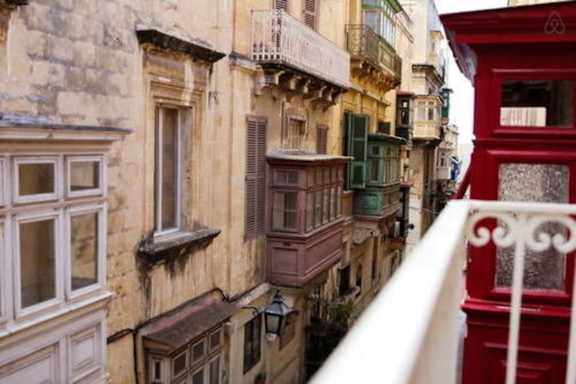
Walking the city, its steep streets of balconied houses and the bastions around its edge, is free, and it is the main event.
Notte Bianca, one night in October, opens the city's palaces and museums free until late.
Pastizzi, flaky pastries filled with ricotta or peas, are the Maltese snack, and cost well under a euro from a pastizzeria. Ftira, a flat sourdough bread, is filled with tuna, capers, tomatoes and olives for lunch.
Rabbit stew, stuffat tal-fenek, is the national dish. Kinnie, a bitter orange soft drink, and Cisk, the local lager, are the drinks.
Valletta's restaurants are pricier than elsewhere on the island, especially along Republic Street. Side streets and lunch menus are better value.
Valletta is quieter at night than Sliema or St Julian's, but it has the best bars. Strait Street, once the sailors' red-light street, is now lined with wine bars and cocktail bars.
Rooftop bars around the city have views over the harbours. For clubs, Paceville in St Julian's is fifteen minutes away.
A beer is €3 to €5.
Valletta is small and walkable, but steep. The Barrakka Lift connects the Upper Barrakka Gardens to the Grand Harbour waterfront.
Valletta's bus terminus, just outside the City Gate, is the hub for the whole island. A single ticket costs €2 in winter and €2.50 in summer and is valid for two hours. The Explore card gives seven days of unlimited travel for €25.
Ferries cross Marsamxett to Sliema in about ten minutes, and the Grand Harbour to the Three Cities. Fast ferries run from Valletta to Gozo in about forty-five minutes.
The airport is about eight kilometres away, with buses to the City Gate.
Malta is among the cheaper Mediterranean destinations, but Valletta has very few dorm beds. Budget travellers usually stay in Sliema or St Julian's, where dorms start around €16 outside summer and climb in July and August.
A careful day is €45 to €60. The costs that add up are museums and eating out in Valletta.
Pastizzi, the harbour ferries and the free gardens and walks keep it cheap.
Valletta is very safe, with very little crime.
The streets are steep and the stone is polished smooth, which is slippery in the rain.
The sun is strong from May to October. Carry water.
Emergency number is 112.
Malta is small. Everything is within an hour of Valletta.
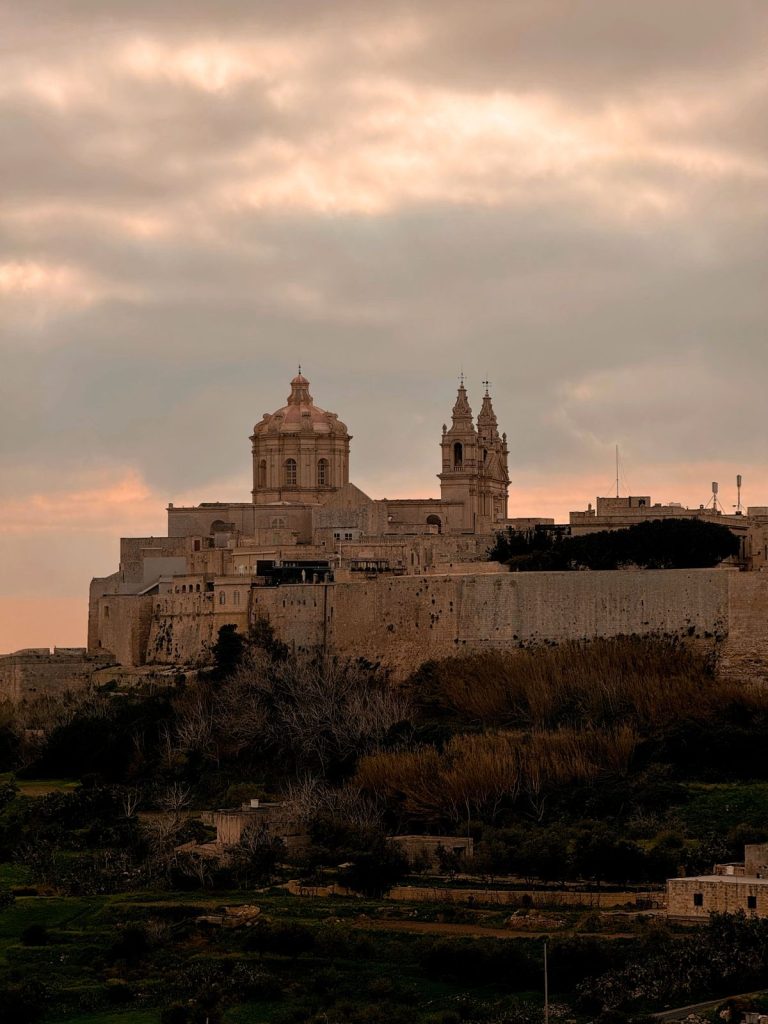
Malta's old walled capital, the Silent City, and the catacombs of Rabat.
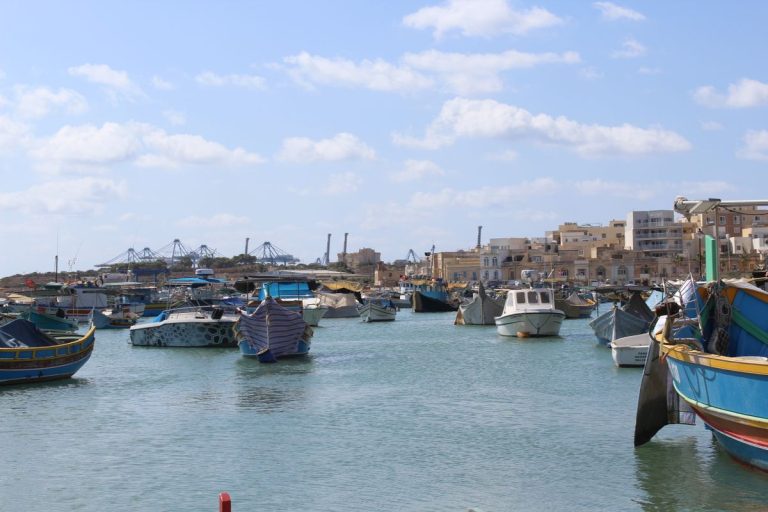
A fishing village of painted boats, with a Sunday fish market.
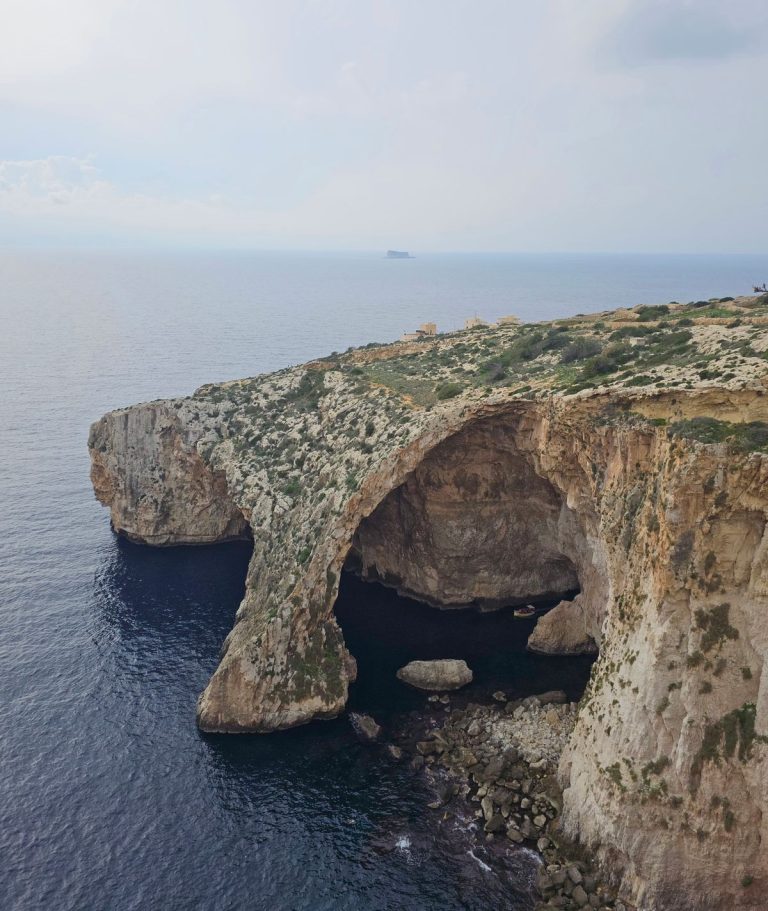
Sea caves reached by small boat from Wied iż-Żurrieq, weather permitting.
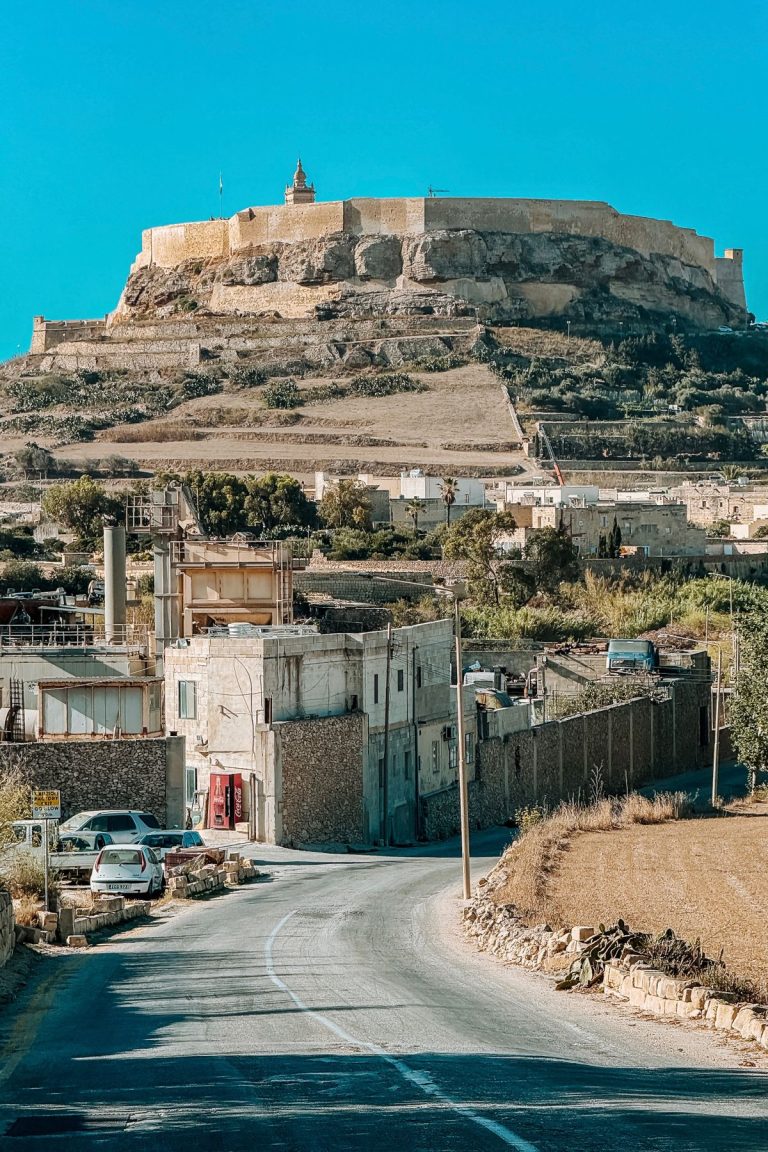
The greener, slower second island.
Carnival and the village festas are the ones to catch.
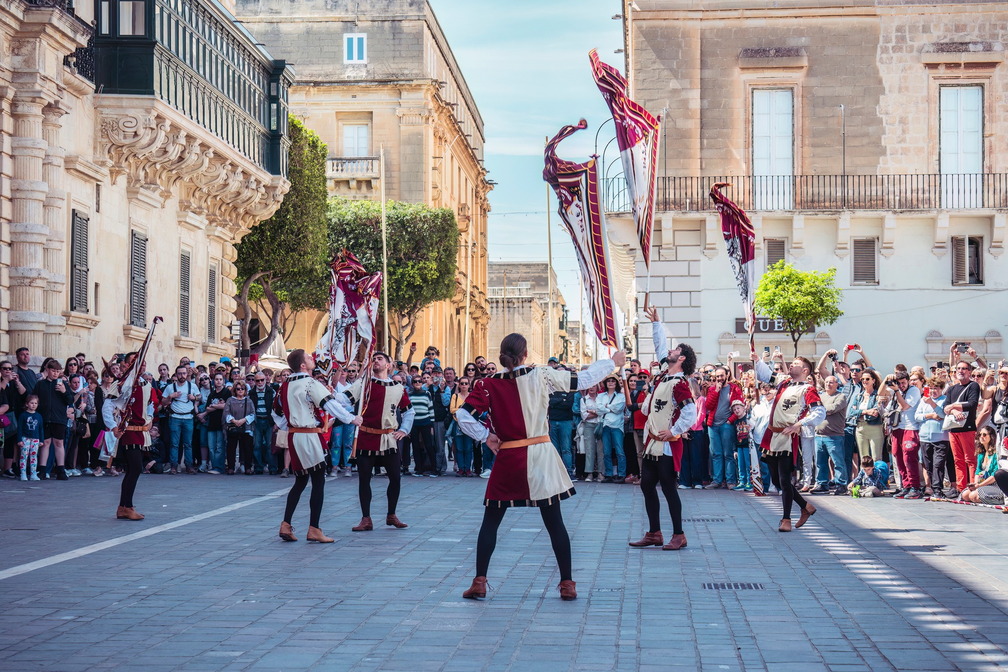 Staff pick
The Three Palaces festival in Valletta, Malta, invites audiences to experience exceptional music and performance art within the stunning interiors of Malta’s historic palaces.…
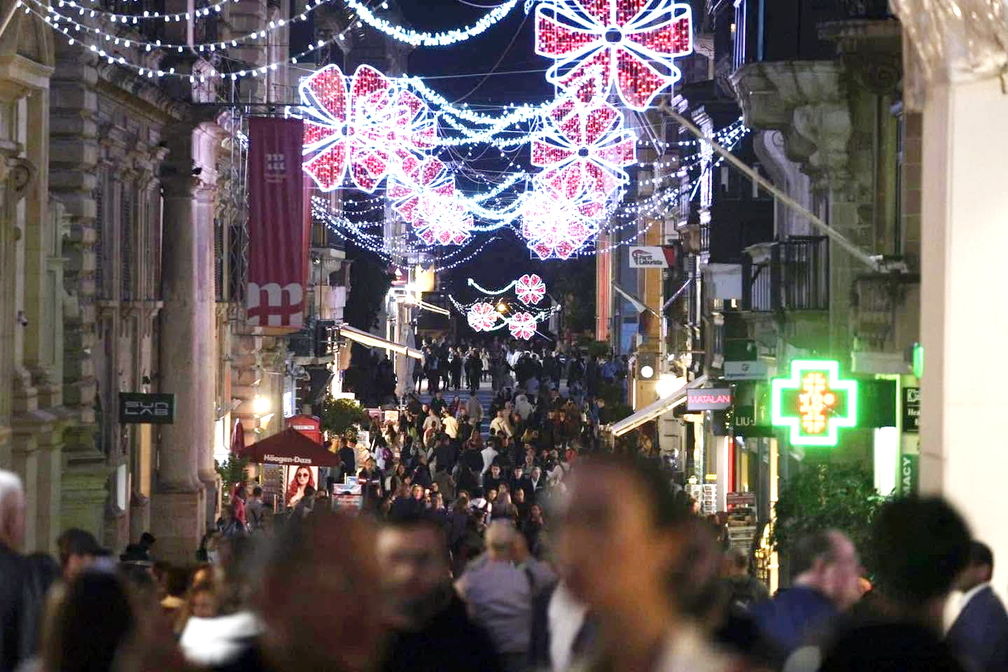
The heart of Valletta lights up with Christmas in the Capital, featuring beautiful street decorations, a nativity crib, and the iconic Christmas tree. You…
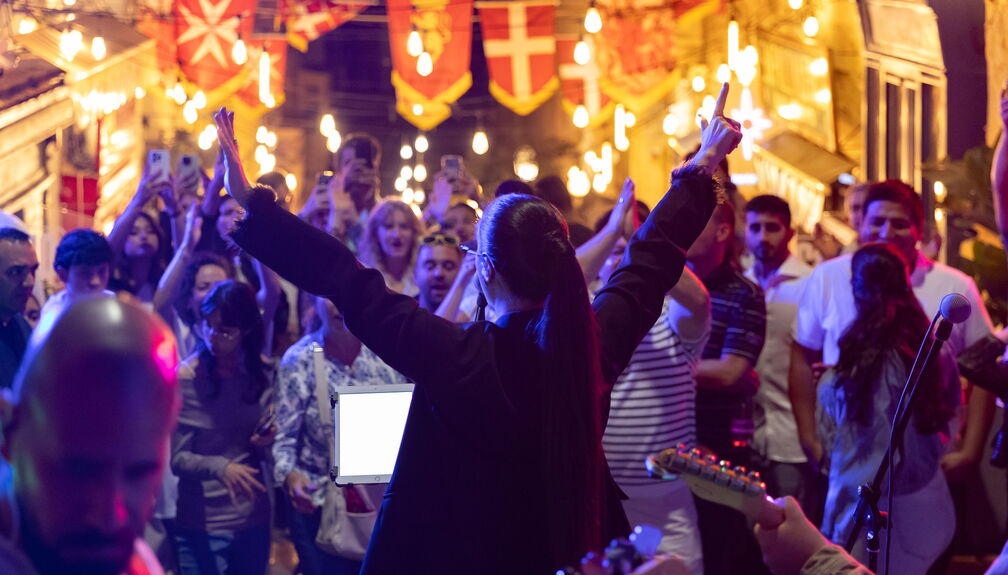
Notte Bianca is one of Malta’s largest annual arts and culture festivals held in Valletta. The city transforms for one night with live performances,…
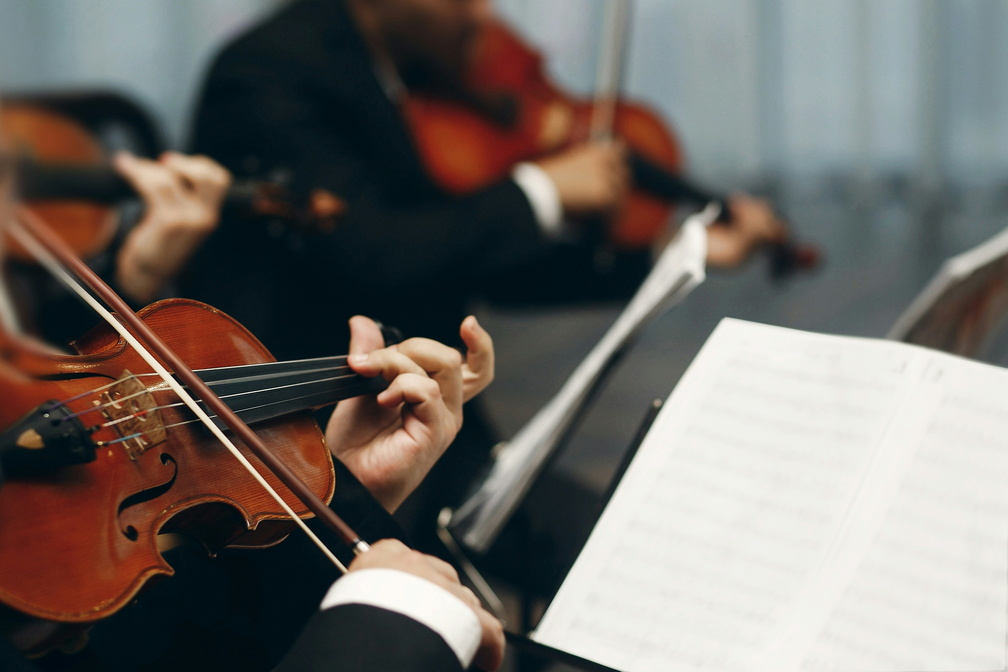
The Schloss Schönbrunn Orchestra Vienna brings a classical Viennese music evening to Malta for the first time. You will hear a refined program dedicated…
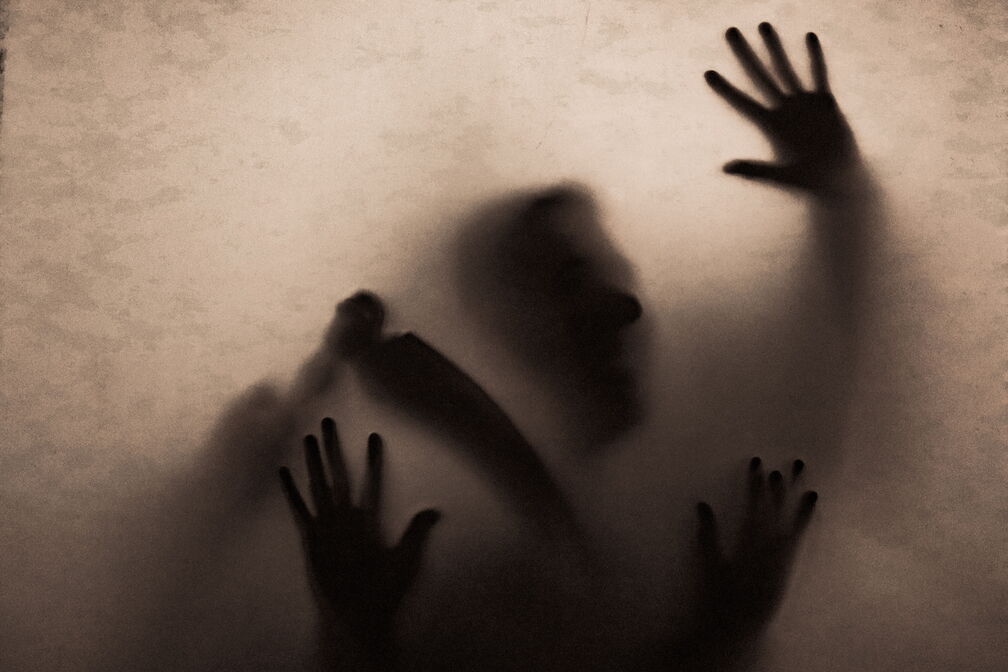
The Rocky Horror Show brings its wild, immersive rock'n'roll energy to Valletta this Halloween weekend. You can go all out with costumes and dive…

Grab your cowboy hat and boots for an evening of country music in the intimate Green Room at Pjazza Teatru Rjal. Local band Too…
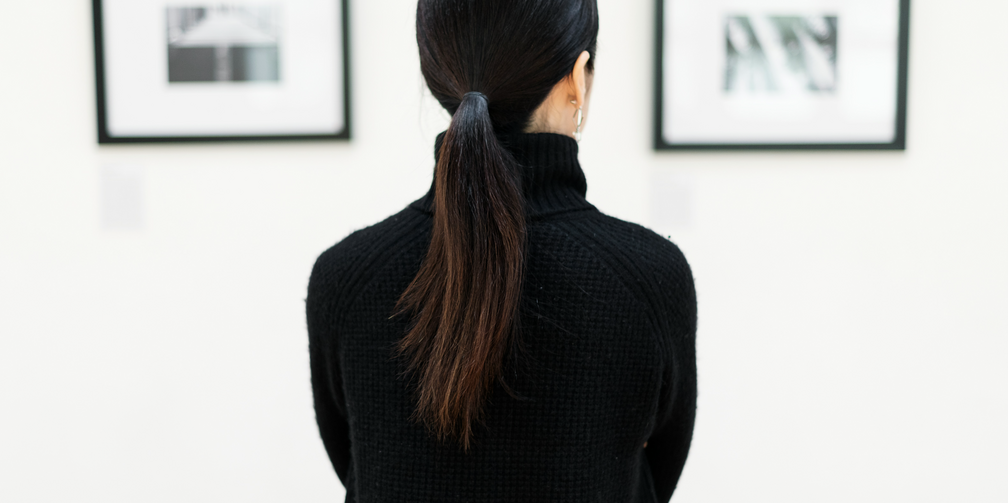
Reflections Through Time is a collective exhibition by three artists exploring how the passing of time shapes memories. The show combines interactive elements with…
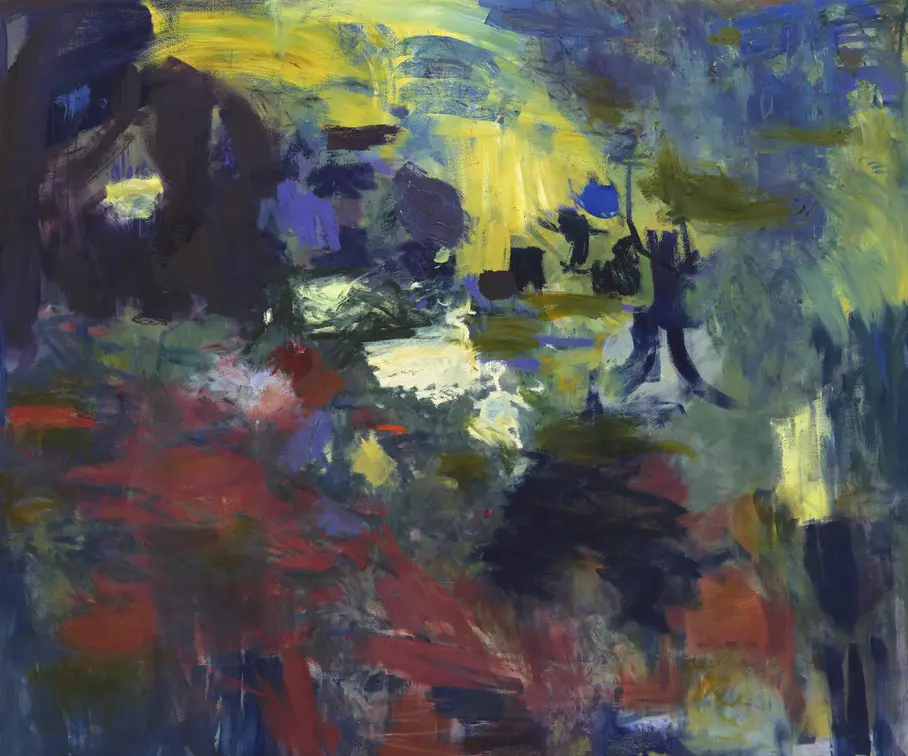
Megan Rooney: A New Life Force is a major group exhibition at Malta International Contemporary Art Space featuring three internationally recognized painters. The show…
Valletta has very few hostels. Most are across the harbour in Sliema and St Julian's, ten minutes away by ferry. Those Hostelworld lists here appear below, live.
April to June and September to October are ideal. July and August are very hot and crowded.
Average highs. The sea stays swimmable from June to November.
Pick how you travel. Per person per night, in euros.
Transport assumes buses and ferries. Beds are usually in Sliema or St Julian's.
The ones we get asked most.

Compare Valletta hostels — live prices, real reviews and free cancellation on most bookings. Then meet the people already there in the app.

 Get the App.
 Get the App.