Sentrum
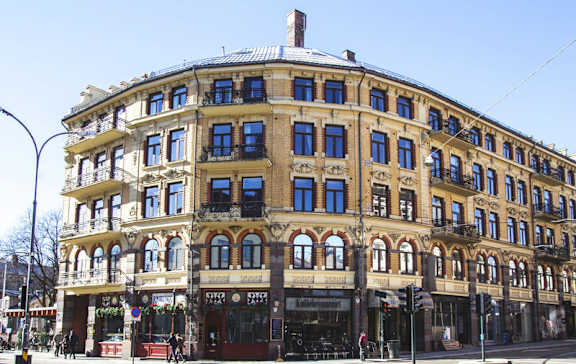
First-timersAround the station, the opera and Karl Johans gate.

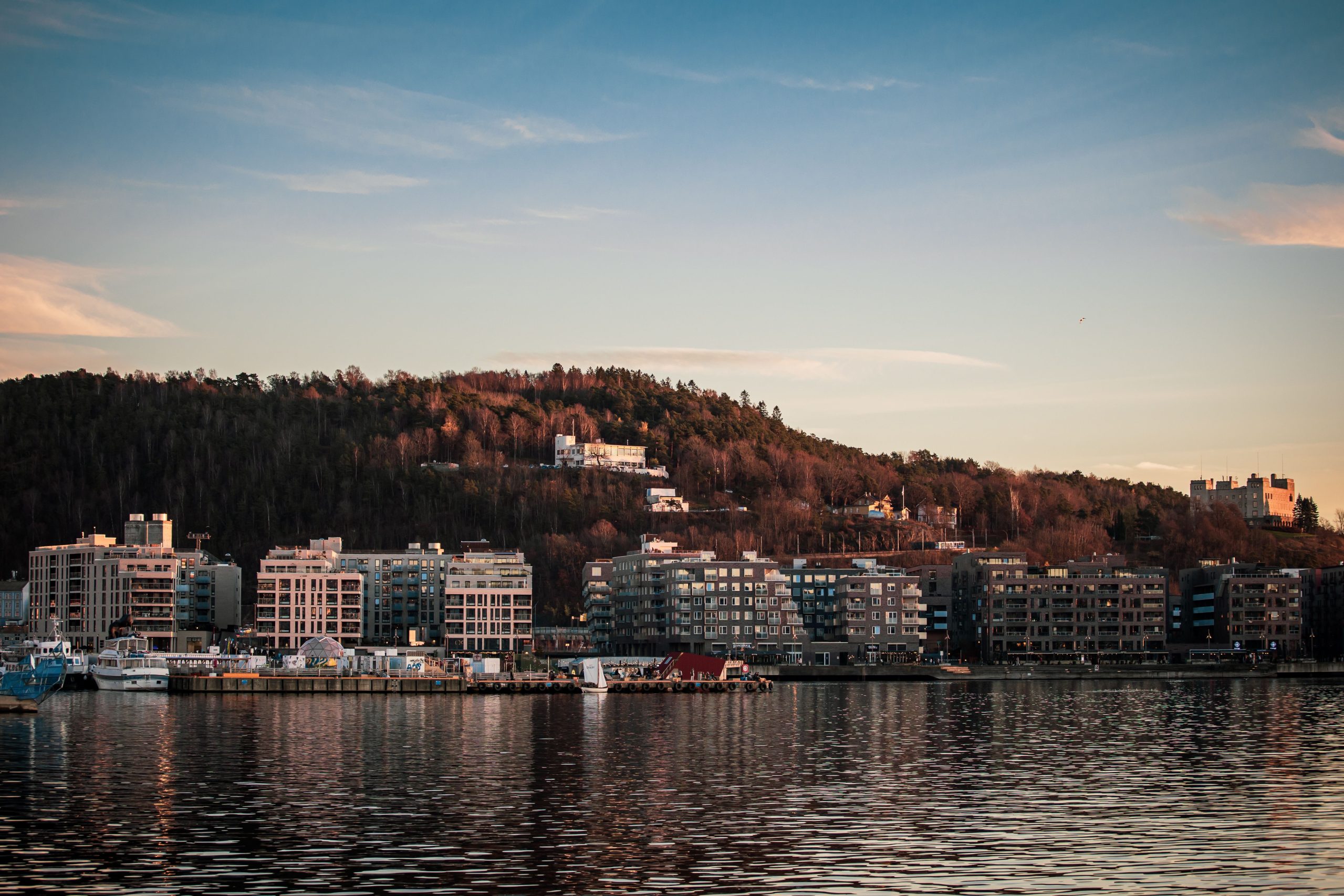
A capital at the head of a fjord, with an opera house you can walk on, harbour saunas, forest at the end of the metro line and some of the best museums in Scandinavia. Expensive, and easier on the budget than you would think.
Oslo sits at the head of the Oslofjord, with islands in front of it and the Oslomarka forest behind. In twenty minutes on the metro you can go from the waterfront to lakes and hiking trails, and in summer the islands in the fjord are reached on ordinary city ferries.
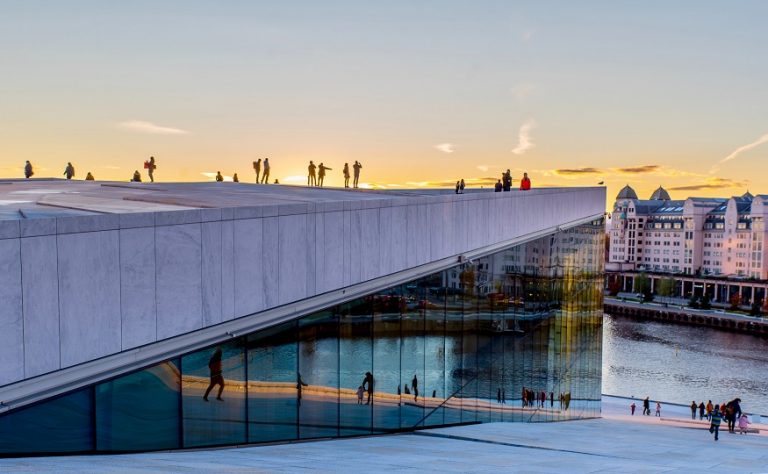
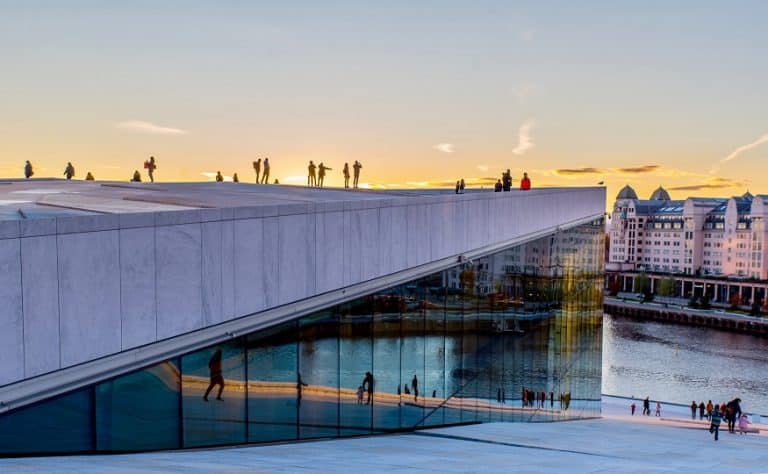
The waterfront has been rebuilt in the last twenty years: the white marble opera house slopes into the water so you can walk up onto the roof, the new Munch Museum towers over the harbour, and floating saunas are moored along the quays.
Oslo is expensive, but much of what is best is free: the opera roof, Vigeland Park, the fortress, the fjord swimming and the forest. Two or three days is right before heading west to the fjords.
The centre is compact. Stay near the station or in Grünerløkka for the bars.
Around the station, the opera and Karl Johans gate.
Bars, cafés and the river.
The Opera House and the Munch Museum.
Near Vigeland Park.
Orange labels are neighbourhoods, dots are the 4 top-rated hostels. Map © MapTiler © OpenStreetMap contributors.
Walk up the sloping roof of the Opera House for the view over the fjord; it is free and open at all hours. Next to it, the Munch Museum holds the largest collection of Edvard Munch's work, including versions of The Scream.
The National Museum, opened in 2022, is the largest art museum in the Nordic countries. Vigeland Park has more than 200 sculptures by Gustav Vigeland and is free.
Take the ferry to the Bygdøy peninsula for the Fram Museum, with the polar ship inside, the Kon-Tiki Museum and the open-air Norwegian Folk Museum. The Viking Ship Museum is closed while it is rebuilt as the Museum of the Viking Age, due in 2027.
In summer, swim in the harbour and warm up in one of the floating saunas on the waterfront. Take the metro to Holmenkollen for the ski jump and the view, or to Sognsvann for a forest lake.
The Opera House roof, Vigeland Park and the grounds of Akershus Fortress are free.
Harbour swimming at Sørenga and the island ferries in the fjord cost only a normal transport ticket.
The forest, lakes and trails of the Oslomarka are free and reachable by metro.
Eating out in Oslo is expensive: a restaurant main is €30 to €45. Mathallen, a food hall in a former factory by the river, is the best place for good food at more manageable prices.
Supermarkets — Rema 1000, Kiwi and Coop — are what most travellers use, and a packed lunch is what Norwegians eat too.
Worth paying for once: a fish soup or shrimp on the waterfront, and a cinnamon bun, kanelbolle, from a bakery.
Grünerløkka, a former working-class district along the Akerselva river, has the best bars in the city. The waterfront at Aker Brygge is pricier and more polished.
A beer in a bar is €10 to €13. Norwegians pre-drink at home and go out late, and supermarkets stop selling beer in the evening, so plan ahead.
The centre is walkable, and Ruter's metro, trams, buses and ferries cover the rest on one ticket. A 24-hour ticket is good value, and the island ferries are included.
From Gardermoen Airport, the Flytoget express reaches the centre in about twenty minutes; regular Vy trains take a little longer and cost less.
Trains reach Bergen in about seven hours, one of the great rail journeys, and Trondheim in about six and a half.
Oslo is expensive. Dorms start around €38, a restaurant main is €30 to €45, and a beer €10 to €13. A careful day is €70 to €90.
Much of the best is free, and supermarkets keep food costs down.
The currency is the Norwegian krone, and Norway is close to cashless: cards work everywhere. Prices here are euro equivalents.
Oslo is very safe.
Pickpockets work around the central station and Karl Johans gate. In winter, pavements are icy.
Emergency numbers are 112 for police, 113 for ambulance and 110 for fire.
Islands, forest and the start of the fjord routes.
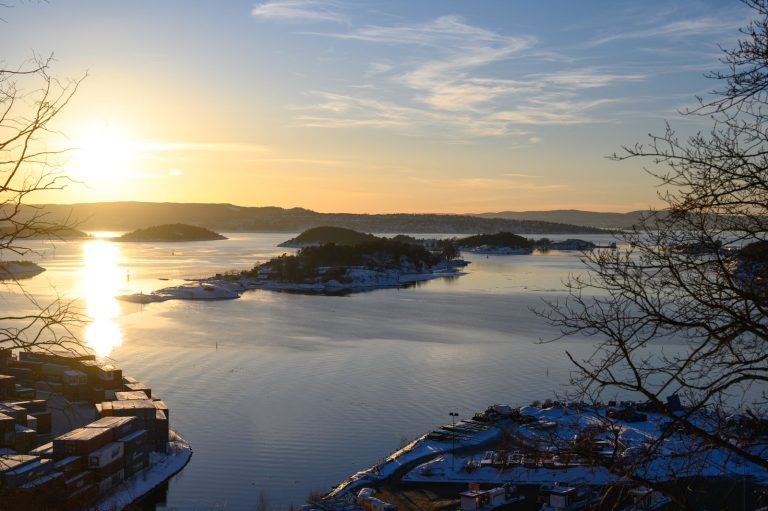
Hovedøya and the other islands, with beaches and ruins.
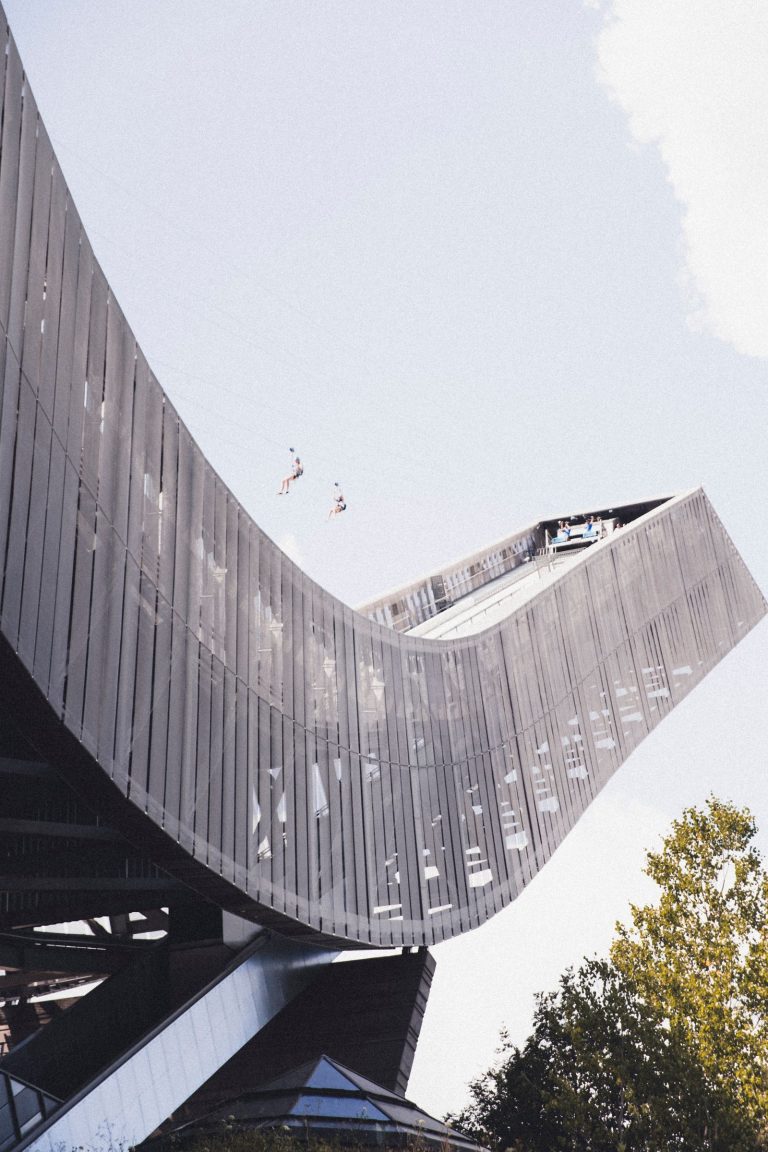
The ski jump and a view over the city.
Constitution Day on 17 May fills the streets with parades.
 Staff pick
The Oslo Film Festival in Oslo, Norway, is an annual celebration of independent cinema, founded in 2017. The festival is dedicated to highlighting innovative…
 Staff pick
The Sheepdogs are a Canadian rock band celebrated for their vintage-inspired guitar riffs and harmonies reminiscent of 1970s classic rock. Their live performances are…
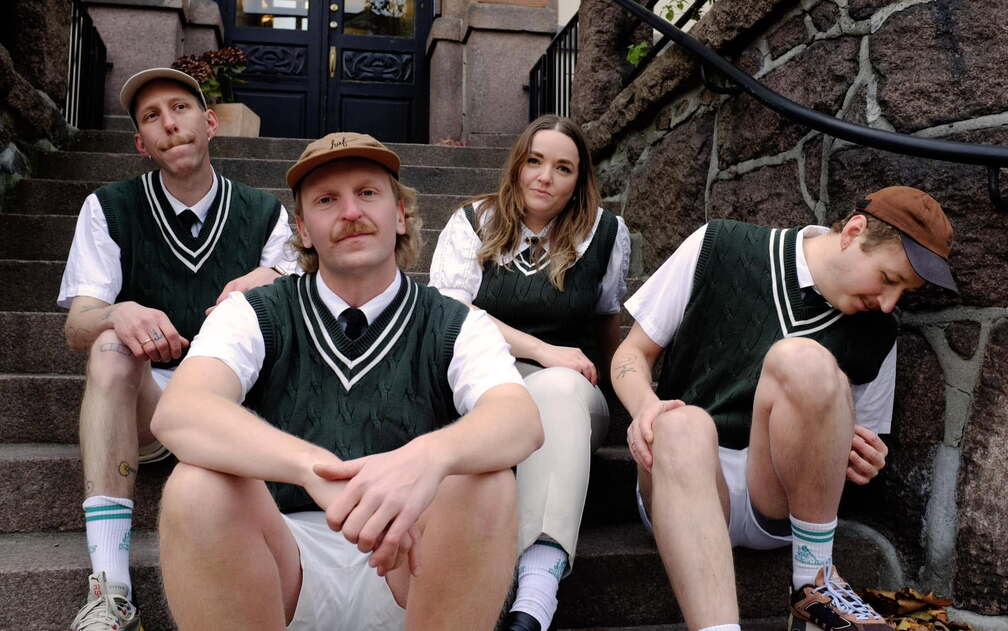
You can experience a unique and lively punk rock garage show with Blomst as they celebrate 15 years plus life itself. The event promises…
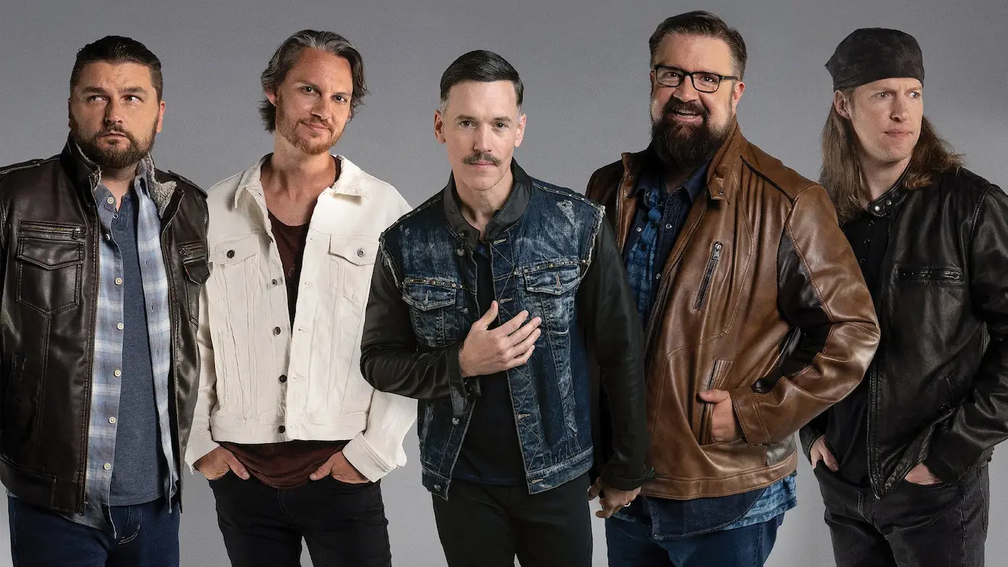
The American vocal group Home Free brings their unique blend of country, pop, and a cappella to Oslo Spektrum. Expect a night filled with…
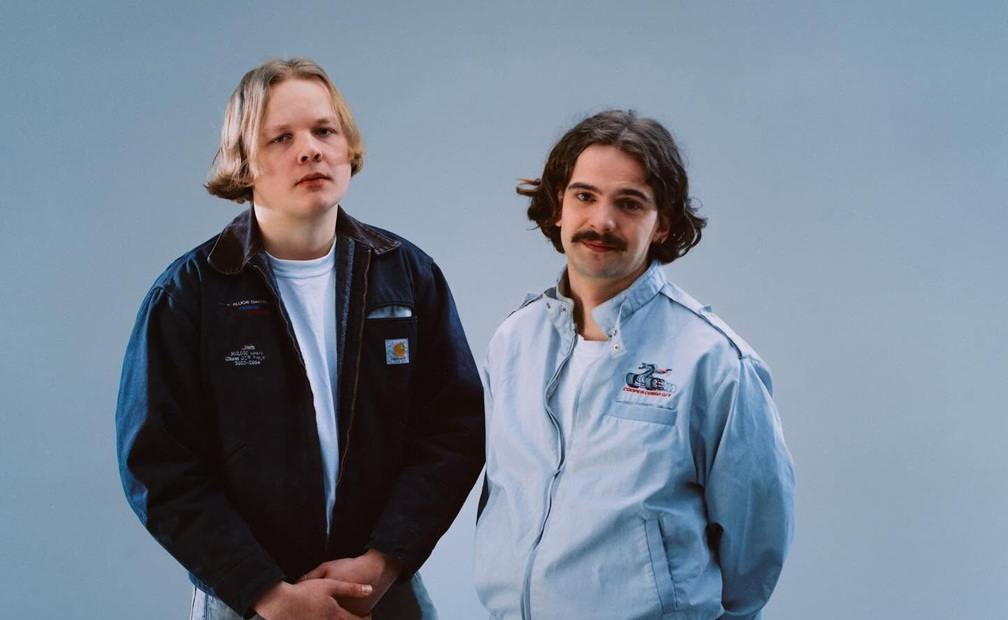
brenn. brings a distinctive blend of Norwegian rock and pop with a dynamic live presence. Their self-titled fourth album marks a new chapter, produced…

Australia's biggest comedy trio, Sooshi Mango, brings their hugely successful HOME MADE show to Europe in 2026. The trio, known for their viral videos…
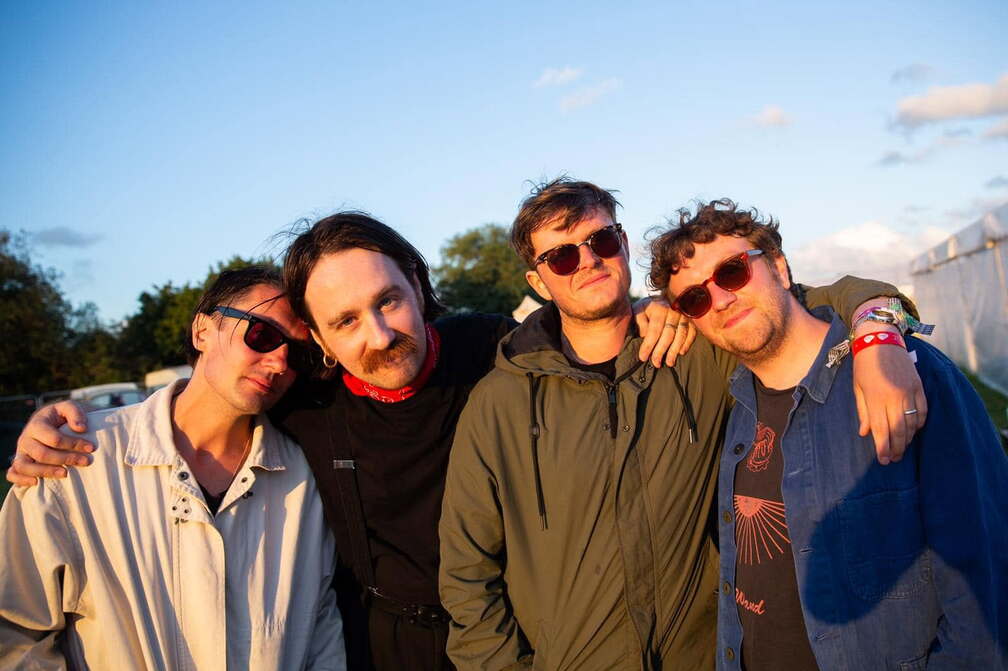
You can experience Yard Act live at Rockefeller in Oslo, where the Leeds quartet brings their dynamic indie rock and post-punk sound. The band…
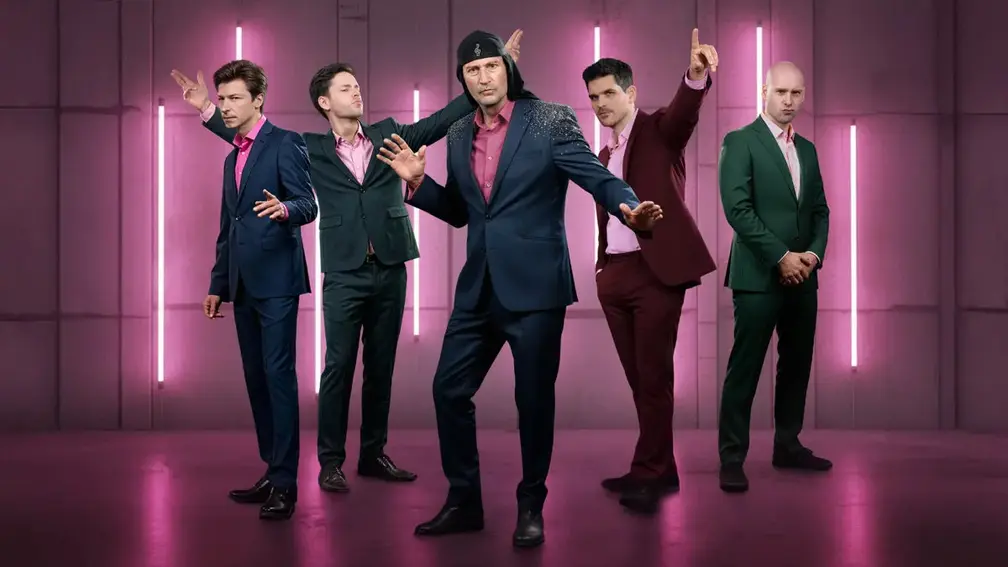
The legendary avant-garde band Laibach is returning to Oslo. On October 9, 2026, they will perform at Rockefeller, featuring new material as well as…
The top-rated places to stay in Oslo right now, live from Hostelworld.
May to September is best. 17 May is the biggest day of the year.
Average highs. Winters are cold and dark.
Pick how you travel. Per person per night, in euros.
Prices are in kroner locally; these are euro equivalents.
The ones we get asked most.

Compare Oslo hostels — live prices, real reviews and free cancellation on most bookings. Then meet the people already there in the app.

 Get the App.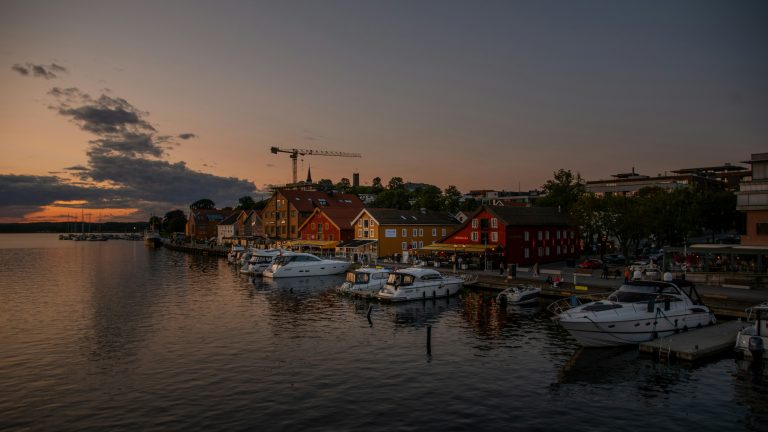
 Get the App.