Old Town
First-timers and nightlifeInside the walls: hostels, bars, restaurants and the noise. Everything within five minutes.

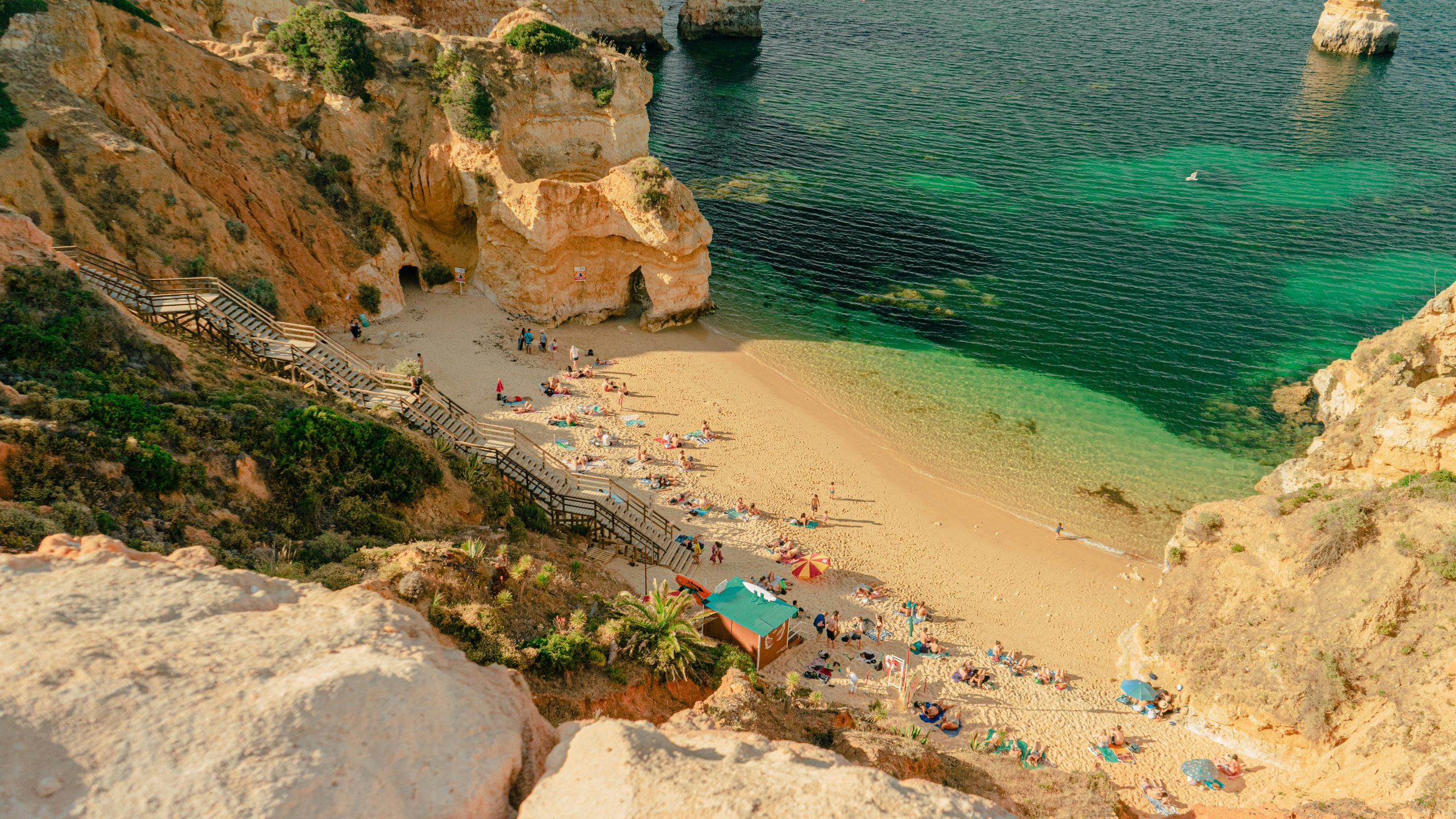
Gold cliffs, hidden coves reached by kayak, and the busiest backpacker town on the Algarve. Beautiful, and it knows exactly what it is.
Lagos is a walled town of 30,000 people that quadruples in July and August. The old centre is compact, whitewashed and easy to walk, and the cliffs start where it ends — Ponta da Piedade, fifteen minutes south, is the stack of gold rock arches that sells the Algarve.
It also has a harder history than the scenery suggests. The first European slave market opened here in 1444, and the building still stands as a museum, which is worth an hour and rarely on anyone's list.
Three or four days is right. Two if you only want beaches, a week if you are surfing or settling into the hostel scene, which is the strongest in southern Portugal.
The town is small enough that anywhere central works. The question is how far you want to be from the noise.
Inside the walls: hostels, bars, restaurants and the noise. Everything within five minutes.
East of the marina along the four-kilometre beach. Quieter, cheaper, ten minutes from the centre.
South of town near the cliffs, with a long beach and a walk along the top to Ponta da Piedade.
Orange labels are neighbourhoods, dots are the 12 top-rated hostels. Map © MapTiler © OpenStreetMap contributors.
Ponta da Piedade is the reason people come: a headland of gold rock arches and sea caves, reached on foot in fifteen minutes or by boat from the marina. The small boats at €15 to €25 go inside the grottoes where the big catamarans cannot.
Kayaking and SUP tours do the same coastline more slowly and get into the smaller caves, and they are the better version if the sea is calm.
Praia Dona Ana and Camilo are the postcard beaches, both down long staircases, both small and both full by eleven in August. Meia Praia is four kilometres long and never full.
The Mercado de Escravos, Europe's first slave market, is a small museum on the square and the most important thing in town.
The cliff walk from Porto de Mós to Ponta da Piedade and on into town is free, takes about ninety minutes, and is the best thing in Lagos.
Every beach is free, including the famous ones, and Meia Praia's four kilometres never fill.
The old town walls, the church of Santo António's gilded interior and the Saturday market at the edge of town all cost nothing. Sunset from the lighthouse at Ponta da Piedade is the town's nightly ritual and free.
Grilled fish is the point. Sardines in summer, dourada and robalo year round, sold by weight and cooked over charcoal, typically €10 to €16 for a whole fish with potatoes.
Cataplana is the Algarve's shared dish, a copper pan of clams, prawns and pork, usually €30 to €40 for two.
The restaurants on the main pedestrian streets are aimed squarely at visitors. One street back, the prato do dia is €8 to €11 and the fish is the same.
Piri-piri chicken from a churrasqueira costs €8 to €12 for a whole bird and is the best cheap dinner in town.
Lagos has the most concentrated nightlife on the Algarve and it is all in a few streets of the old town. Hostel bar crawls run most nights in summer and are how a lot of people meet each other.
It starts around ten, the bars fill by midnight, and a couple of clubs run until four. In winter about a quarter of it stays open.
Beer is €2 to €4, sangria by the jug is the default order, and the beach bars at Meia Praia do sunset drinks before anyone moves into town.
It is a young crowd and an unapologetically party town in July and August. If that is not the trip you want, Tavira or Sagres are an hour away.
You walk. The old town is ten minutes end to end and the nearest beaches are fifteen.
The train station is across the river, a ten-minute walk from the centre, with the regional line running east along the Algarve to Faro in about an hour and three quarters.
Buses to Sagres take an hour and cost about €4.50. The Rede Expressos coach to Lisbon takes four hours.
Bike and scooter rental is cheap and useful for Praia da Luz and the beaches west. Taxis and Uber both work and cost a few euros across town.
Lagos is seasonal and the price swing is enormous. A dorm is €14 in May and €35 in August, and some places double over the first two weeks of August.
A day is €40 to €60 in season, less outside it.
Boat tours at €15 to €25, surf lessons at €35 to €45 and kayak trips at €25 to €35 are the discretionary costs. The beaches, the cliff walk and the sunset are free, which is most of what makes the place good.
Lagos is very safe, and the risks are the sea and the cliffs rather than people.
The Atlantic here has strong rips and sudden shelves. Lifeguards work the main beaches in season and the flag system is not decorative — red means do not go in, and people drown on this coast every year.
The cliffs are limestone and they collapse. Stay behind the fences and off the overhangs at Ponta da Piedade, and do not sit under a cliff face on the beach.
Petty theft happens in the summer crush and on the beach while people swim. Emergency number is 112.
The western Algarve is emptier and wilder than the coast east of here.
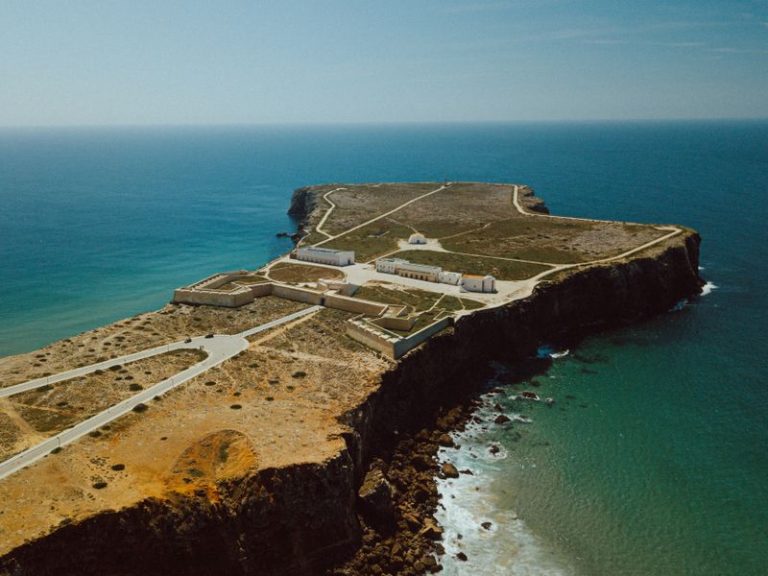
The south-western tip of Europe: a fortress on a headland, enormous cliffs and the best sunset on the continent, with serious surf beaches either side.
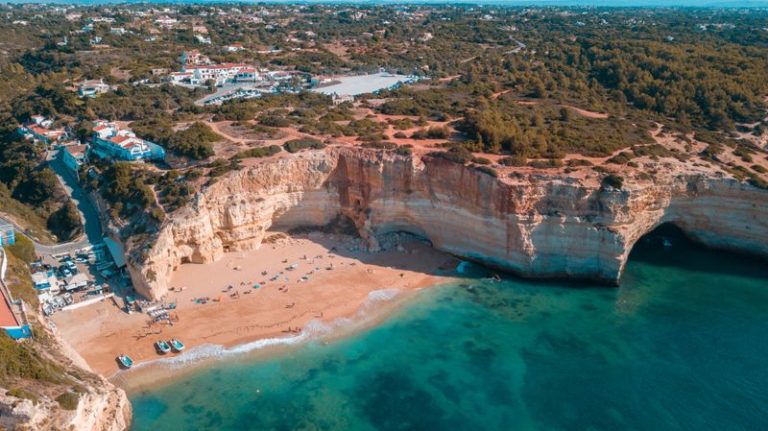
The sea cave with a hole in the roof. Only reachable by water, and better by kayak than on a packed boat.
A small town calendar, and the summer season is the event.
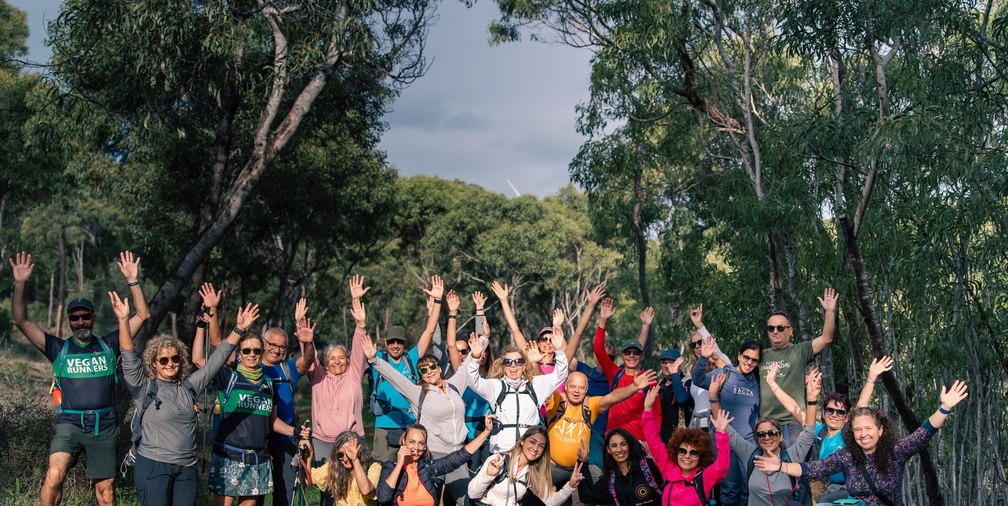
Barão de São João in Lagos hosts the Walk & Art Fest, celebrating the bond between nature and artistic expression. The event engages the…

One of Portugal's most iconic off-road motorsport events returns to the Algarve, sending competitors tearing through the trails of five municipalities across the western…
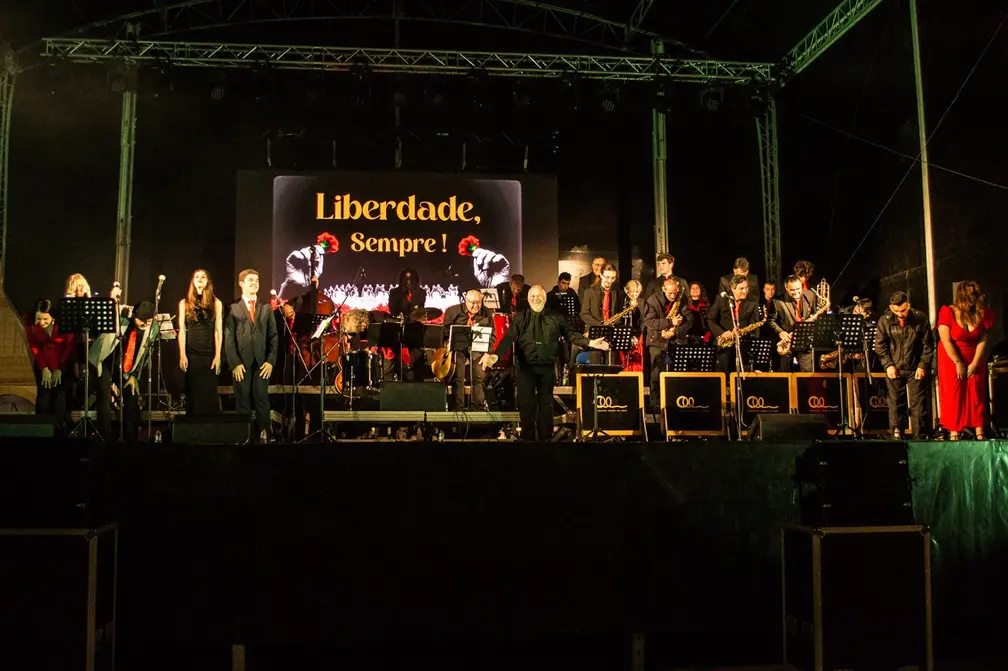
Two musical worlds meet when fado's deep soul collides with jazz's restless freedom in this concert at Lagos Cultural Center. The Lagos Light Orchestra…
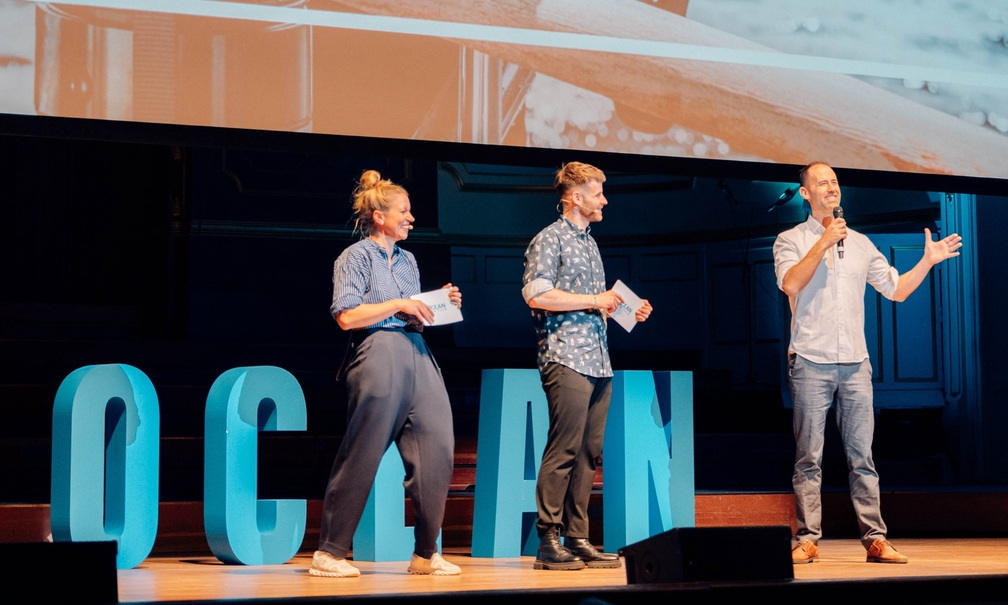
If you love the ocean and want to experience a film festival with stories from the seven seas, this event brings a fresh program…
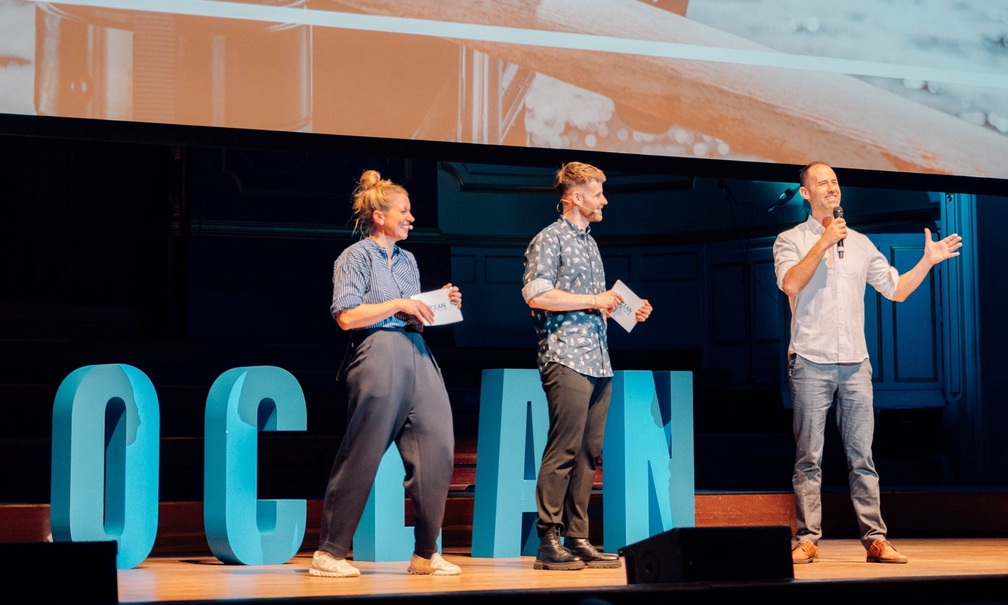
Europe's leading ocean film festival brings a fresh lineup of films exploring conservation, human rights, and stories from across the seven seas. The program…
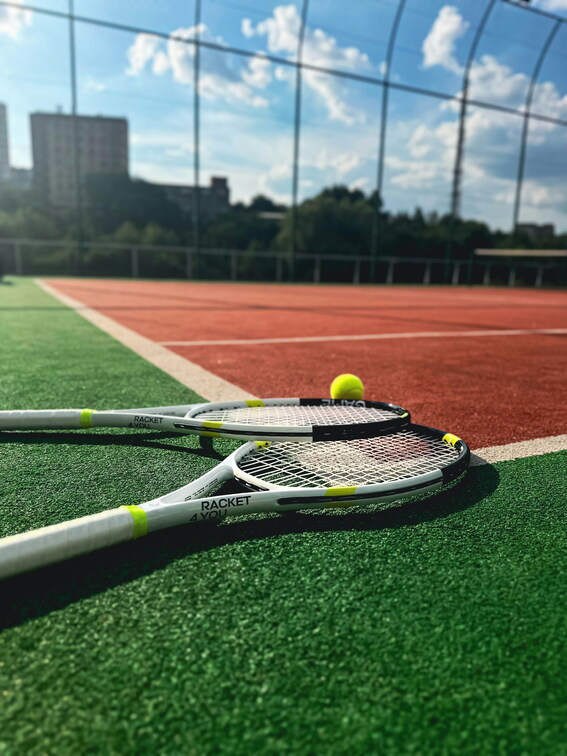
Professional women's tennis arrives in Lagos for this ITF World Tennis Tour event, where players compete for a $30,000 prize purse on outdoor hard…

Tahiti! combines two short operas in one evening, exploring the lives of its characters through music and puppetry. The program features Leonard Bernstein's Trouble…
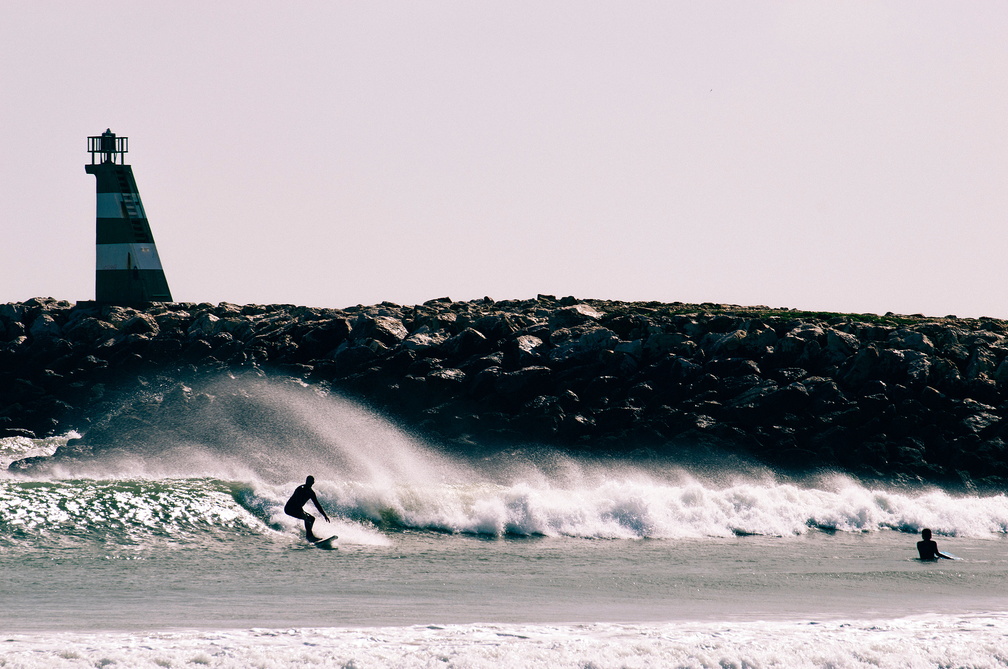
A photographic project paying tribute to Lagos unfolds across 26 images taken between 2025 and 2026, each one a quiet meditation on place and…
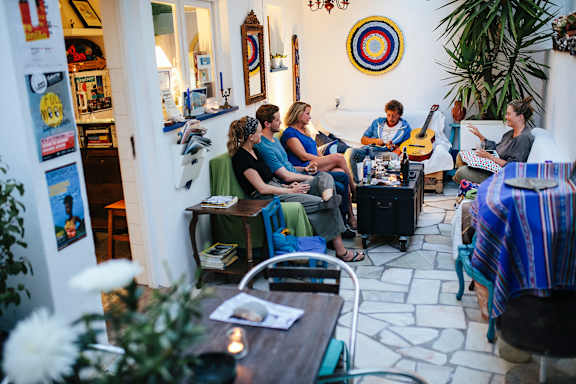
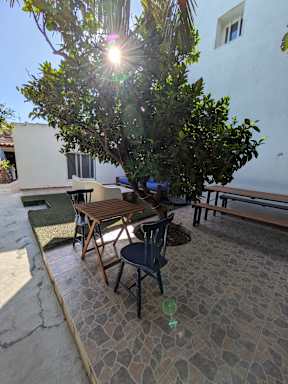
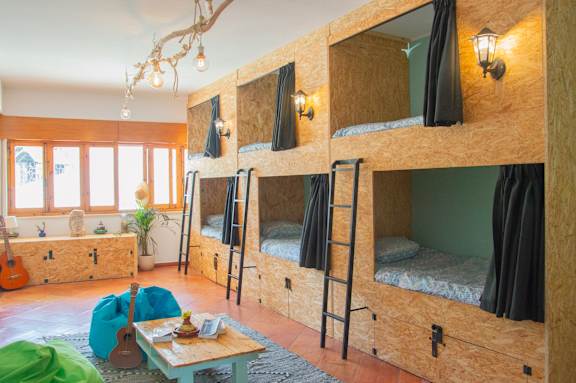
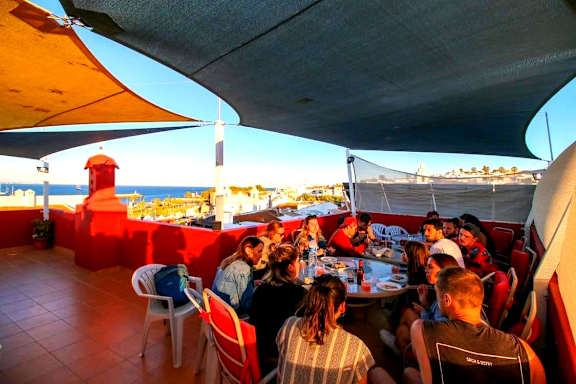
Lagos has the strongest hostel scene in southern Portugal, most of it inside the old town walls. Live from Hostelworld.

May, June and September are the best of it. August is hot, full and double the price.
Average highs. The Atlantic stays cold until June and is warmest in September, which is why September is the best swimming month rather than July.
Pick how you travel. Per person per night, in euros, in season.
August runs well above these figures. May and October are roughly half.
The ones we get asked most.

Compare Lagos hostels — live prices, real reviews and free cancellation on most bookings. Then meet the people already there in the app.

 Get the App.
 Get the App.