
Hidden Gems in Barcelona: Getting Lost on Purpose
Wandering off Barcelona’s beaten path can lead to the most memorable discoveries. Beyond the Gaudí landmarks and bustling Las Ramblas, a more authentic charm awaits in hidden corners of the city. This guide invites you to get lost on purpose – meandering through secret gardens, quiet plazas, and local hangouts that reveal Barcelona’s soul. From cactus-covered cliffs to hilltop bunkers with panoramic views, we’ll explore lesser-known spots beloved by locals. Pack your curiosity (and maybe a picnic), and get ready to uncover Barcelona’s hidden gems that most tourists overlook.
Whether you’re a backpacker craving genuine local vibes or a culture lover seeking history without the crowds, these offbeat treasures will enrich your Barcelona adventure. Let’s step off the main road and into the secrets of the Catalan capital!
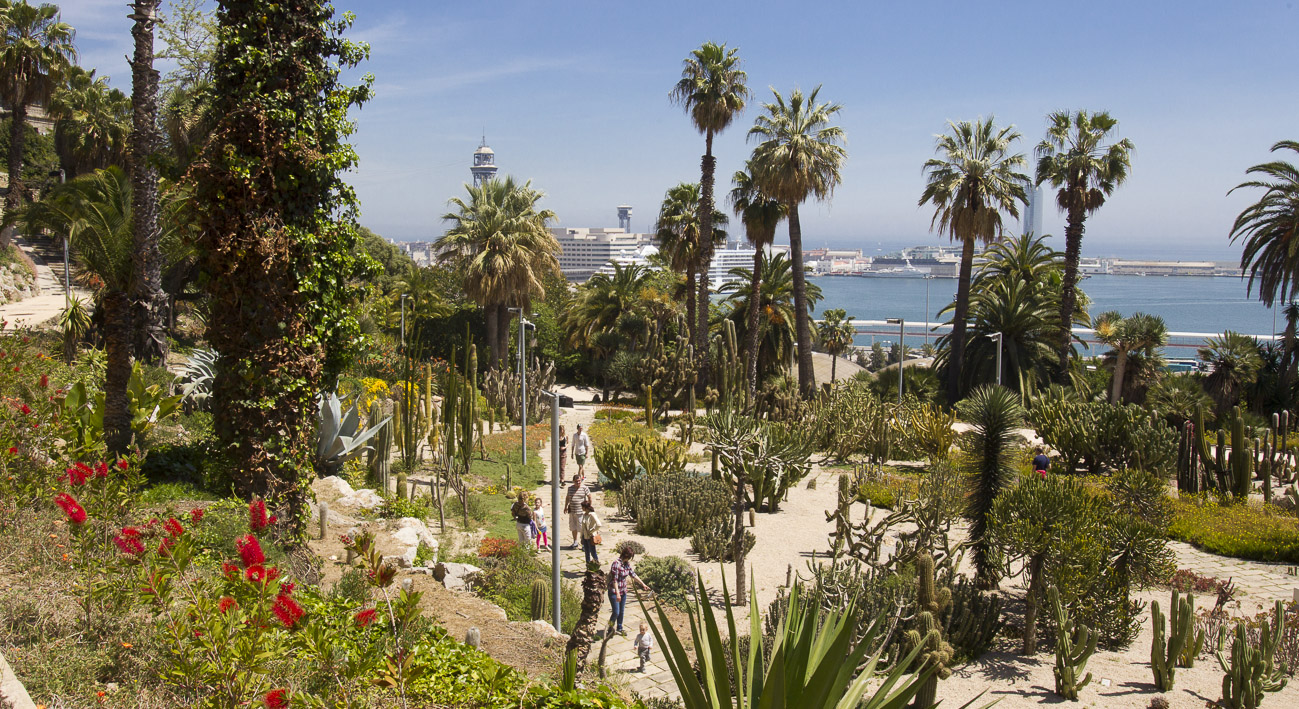
Jardins de Mossèn Costa i Llobrera (Cactus Gardens of Montjuïc)
Tucked into the side of Montjuïc Hill overlooking the sea, the Jardins de Mossèn Costa i Llobrera are a cactus lover’s dream and a true hidden gem. Covering over six hectares and home to 800+ species of cacti and succulents, this garden is one of Europe’s most important succulent collections. Wander among towering saguaro cacti, spiky agaves, and strange succulents from deserts around the world. The terraced pathways reveal stunning contrasts: arid plants set against panoramic views of Barcelona’s harbor and skyline. It’s hard to believe this exotic oasis lies just minutes from the city center – in fact, the gardens enjoy a unique microclimate a few degrees warmer than the rest of Barcelona, allowing these tropical and desert plants to thrive.
Opened in 1970 and named after poet Miquel Costa i Llobera, the cactus gardens remain one of Barcelona’s least-visited parks. That means you’ll often have the entire place nearly to yourself – just you, the gentle buzz of cicadas, and perhaps a lizard sunning on a rock. Find a shady spot under a pergola or next to the whimsical cactus sculptures to savor the quiet. The gardens were even named among the world’s “10 most beautiful gardens” by The New York Times in 1987, yet many travelers still miss this gem. Don’t forget your camera – between the otherworldly plants and the sweeping view of the Mediterranean and city skyline, it’s a photographer’s paradise.
How to Get to Jardins de Mossèn Costa i Llobrera?
-
By Metro/Funicular: Take the Metro to Paral·lel (L2 or L3) and then the Montjuïc Funicular up the hill. From the upper funicular station, it’s a 10-minute walk to the gardens.
-
By Bus/On Foot: Buses such as the 150 (from Plaça Espanya) or the Barcelona Bus Turístic Montjuïc route stop near Montjuïc Castle; from there, walk downhill towards the coast side of Montjuïc where the gardens are located. It’s about a 10-minute walk from the Montjuïc Castle or Miramar area. Signs for “Jardins Costa i Llobera” will guide you along Carretera de Miramar (near the Miramar hotel).
Pro Tip: The gardens are somewhat hidden from view – they’re on the steep seaward slope of Montjuïc and can’t be seen from the city. Don’t be discouraged if it’s quiet; that’s part of the magic! Entry is free and they’re open daily (generally during daylight hours).
Where to Eat Nearby?
There isn’t a café inside the cactus garden, so consider bringing water and a snack to enjoy on one of the benches overlooking the port. If you’re in need of refreshment afterward, Poble Sec is the nearest neighborhood hotspot. Take the funicular or a short walk down toward Poble Sec, an authentic district known for its tapas bars. Carrer de Blai in Poble Sec is famous for its pintxo bars – pop in for a few bite-sized tapas on bread and a cold beer for just a couple of euros each.
Alternatively, head toward the Mirador de l’Alcalde (a panoramic viewpoint just a few minutes’ walk from the cactus garden) where there’s often a snack kiosk in summer. For a sit-down meal, the waterfront area below (Port Vell) has many restaurants – but for budget travelers, Poble Sec’s local eateries will be more affordable and authentic.
Bunkers del Carmel (Turó de la Rovira Viewpoint)
Climb up to the Bunkers del Carmel and you’ll be rewarded with one of the most breathtaking panoramic views in Barcelona – a full 360-degree sweep of the city, sea, and surrounding hills. Perched atop Turó de la Rovira at 262 meters elevation, this spot was once an anti-aircraft battery built in 1937 during the Spanish Civil War. Today, the concrete “bunkers” and gun platforms remain as historic relics, but their role has transformed: instead of defending the city, they now offer a peaceful, picturesque perch for enjoying it.
What makes the Bunkers special (aside from the jaw-dropping view of landmarks like Sagrada Família poking above the cityscape) is the laid-back, local atmosphere. There are no entrance fees, no fences – just open sky and open space. On any given evening, you’ll find clusters of friends and couples perched on the old concrete platforms sharing a picnic or strumming guitars as the sun sets. As dusk falls, the city lights twinkle to life below, creating a magical panoramic nightscape. It’s a far cry from the crowded tourist miradors; here you’ll often rub shoulders with Barcelona residents enjoying a quiet moment above their city. Bring along a blanket, a bottle of cava, and some snacks, and you’ve got a perfect evening plan. Despite its recent popularity, the Bunkers del Carmel still feel like *“secret” Barcelona – an informal rooftop where the whole city is your view.
History buffs will appreciate the small plaques and exhibits from the MUHBA (Museum of History of Barcelona) on-site, explaining the bunkers’ role in the Civil War. But the real draw is the vibe: a mix of history and hangout. Just remember to carry any trash back down with you – let’s keep this gem as pristine as we found it!
How to Get to Bunkers del Carmel?
Reaching the Bunkers takes a bit of effort, but it’s worth it. Here are the options:
-
By Metro + Walk: Take Metro L4 (Yellow Line) to Alfons X station, or L5 (Blue Line) to El Carmel station. From either, expect a 20-30 minute uphill walk through the residential Carmel neighborhood to the summit. The route is steep – bring comfy shoes and water. Follow signs for “Turó de la Rovira” or ask a local; they’re used to directing people to els bunkers.
-
By Bus: Several bus lines get you closer. Bus #24 from Plaça de Catalunya (which also passes near Park Güell) will drop you in the El Carmel area, up the hill, at a stop like Ctra del Carmel – Mühlberg. From there it’s about a 10-minute climb up paths and stairs. Other lines like V19 or 119 also have stops nearby – check TMB city bus routes for “Turó de la Rovira” vicinity.
-
By Taxi/Ride-share: If you’re short on time or energy, a taxi or Uber/Bolt can drive you up through the Carmel neighborhood to the entrance of the bunkers area (Carrer de Marià Lavèrnia). This is the priciest option but convenient, especially if going for sunrise when public transit is sparse.
Note: The Bunkers are essentially a public lookout point, open 24/7. There’s no cover or facilities up top – no toilets, no shops – so plan accordingly.
Where to Eat Nearby?
There are no food vendors at the Bunkers, so you’ll want to come prepared. A popular tradition is to bring your own picnic: pick up some jamón, cheese, bread, and a bottle of wine or cava from a local supermarket or bakery before you head up. (There are small grocery stores and bakeries in the El Carmel area if you want to shop near the base of the hill.)
If you prefer a sit-down meal after your Bunkers visit, you have a few options when you descend. Gràcia, a hip neighborhood downhill, is a great choice – it’s about a 30-minute walk (or a short bus/taxi) from the Bunkers. In Gràcia, you’ll find plenty of tapas bars and plazas filled with locals. Head to Plaça del Sol or Carrer Verdi, where you can relax at an outdoor terrace and toast to your panoramic adventure.
For something very local, the El Carmel neighborhood itself has unpretentious cafes and bars. These aren’t tourist spots at all – think simple taverns serving cheap menu del día lunches and locals grabbing coffee. It’s a chance to experience a non-touristy residential district. While El Carmel lacks famous restaurants, you can certainly get a tasty croissant or coffee from a bakery like Forn d’en Pau on Carrer del Carmel, or some hearty Catalan home cooking at a neighborhood joint (if you speak some Spanish or Catalan, it helps in these family-run places).
Finally, if you timed your Bunkers visit for sunset, consider eating beforehand and just bringing snacks up. The view will likely fill you up more than any meal could!
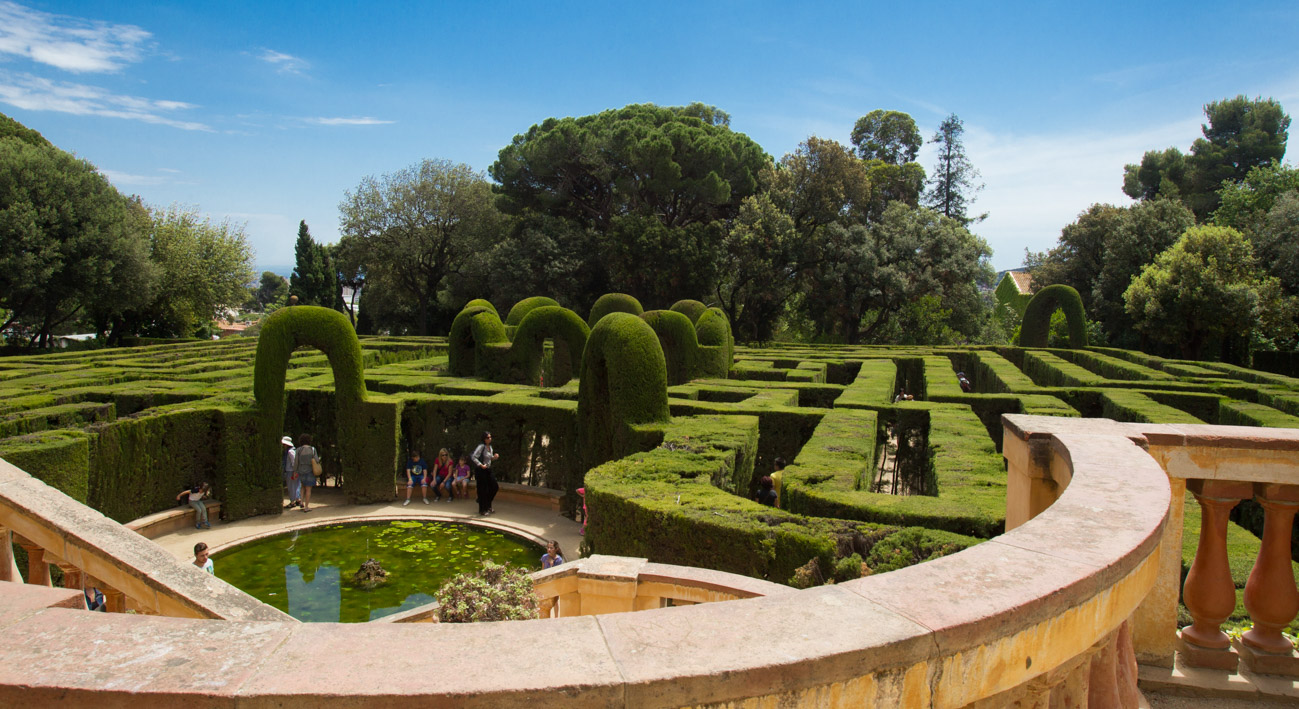
Parc del Laberint d’Horta (Labyrinth Park)
Barcelona’s oldest garden hides a delightful secret: a cypress maze straight out of a fairytale. Parc del Laberint d’Horta, set in the far north of the city, is a historic park where you can quite literally get lost on purpose. The park’s highlight is a living labyrinth crafted from tall manicured hedges – over 2,000 feet of twists and turns leading to a statue of Eros at the center. Challenge your sense of direction as you wander the maze’s green corridors; it’s equal parts serene and playful. You might find yourself doubling back or hitting a dead-end, laughing all the while – and when you finally find Eros in the heart of the maze, you’ll earn a little triumphant moment.
Built in 1791 as part of an aristocratic estate, Laberint d’Horta is steeped in history. The neoclassical garden (with the maze and Italian-style terraces) was later expanded with a romantic garden section in the 19th century. As you explore beyond the maze, you’ll discover elegant pavilions adorned with Greek gods, a tranquil pond, and even a pretty hidden waterfall. Peeking out from a pavilion balcony gives you a wonderful overhead view of the labyrinth – great for photos, or for playfully guiding your friends through the maze below. Despite its beauty, this park remains secluded and quiet, a true off-the-beaten-path retreat. The city acquired it in the 1960s, but it still feels like a secret garden where time slows down.
Families will love it (kids have a blast leading the way through the maze), but it’s equally magical for solo travelers or couples seeking calm. Birdsong, babbling fountains, and rustling leaves are often the only sounds. In spring, the surrounding gardens bloom with colorful flowers; in autumn, the ivy-clad walls turn warm hues. You’ll likely wonder: why isn’t everyone here? Treasure the tranquility – Laberint d’Horta strictly caps daily visitors to 750 people to prevent crowding, preserving its charm. This means it never feels packed, but it’s wise to go early on free entry days.
How to Get to Parc del Laberint d’Horta?
-
By Metro: Take Metro L3 (Green Line) to Mundet station. The park is a 10-minute walk uphill from the Mundet stop – just follow signs for “Parc del Laberint” or ask a local student (the path goes by some University of Barcelona faculties). The walk is along a sidewalk through a quiet area and is fairly straightforward.
-
By Bus: Bus lines 27 or 76 from the city center also stop near the park (get off at “Parc del Laberint” or “Institut Ferran Tallada” stops). It’s a short walk from there to the entrance. Using Google Maps with public transit is helpful, as it will show the nearest bus stops.
-
By Taxi: A taxi from central Barcelona (Plaza Catalunya, for instance) to Laberint d’Horta might cost around €15-€20. This is a good option if you’re short on time, as it takes you right to the entrance at Passeig dels Castanyers, 1.
Hours & Admission: The park is open daily (closing around 8pm in summer, earlier in winter). Admission is very cheap – about €2.30 – and free on Wednesdays and Sundays. Do note that on those free days (and especially weekends), more locals come, so it can be a bit busier and you may have to wait a bit at the maze entrance if capacity is reached. But it’s still nowhere near the bustle of, say, Park Güell.
Where to Eat Nearby?
Laberint d’Horta is in a residential neighborhood on Barcelona’s outskirts, so dining options right next to the park are limited. This is a great opportunity to turn your visit into a picnic outing. Consider bringing a sandwich, fruit, or snacks to enjoy on one of the park’s benches. There’s a lovely picnic area just outside the labyrinth grounds, shaded by trees, where many families relax with homemade lunches.
If you prefer to grab food in the area, take a short walk (about 10-15 minutes) into Horta, the nearby neighborhood that still feels like a small village. Head to Plaça d’Eivissa, the main square of Horta, lined with cafes and bakeries. You can enjoy a coffee or try a typical Catalan pastry from a bakery like Forn del Passeig. For something heartier, local bar-restaurants in Horta offer lunchtime menus (fixed-price meals) – for example, Can Travi Nou is a rustic Catalan restaurant not far from the park, set in a farmhouse (though a bit upscale for backpacker budgets, it’s very charming).
On your way back from the park, you could also stop at Vall d’Hebron area where there are a few casual eateries and supermarkets. But honestly, if you’re up for it, enjoying some bread, cheese, and fruit in the park’s picnic area might be the most satisfying way to dine – surrounded by nature and the lingering maze magic.
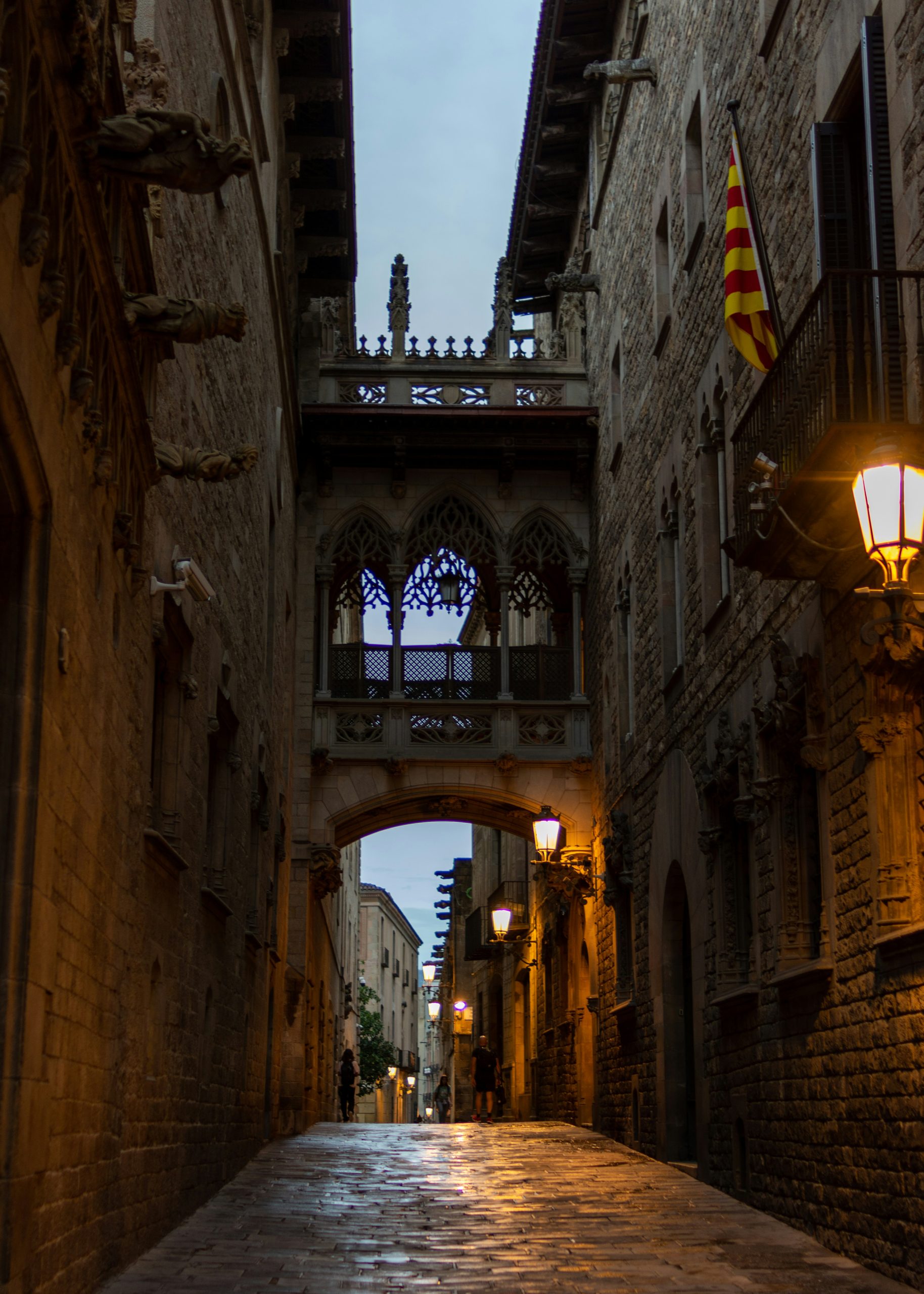
Plaça de Sant Felip Neri (Gothic Quarter’s Hidden Plaza)
In the heart of Barcelona’s Gothic Quarter, mere steps from busy tourist routes, lies a tiny, secluded square that feels frozen in time. Plaça de Sant Felip Neri is a hidden gem that you could easily miss – tucked behind the Barcelona Cathedral and accessible only via a couple of narrow alleyways. Entering the plaza, you’re greeted by the gentle trickle of an old stone fountain and the façade of an Baroque church. But what really catches your eye are the pockmarked walls of the Church of Sant Felip Neri. These scars tell a dark story: on January 30, 1938, during the Spanish Civil War, bombs dropped here killed dozens – including children who were sheltering in the church. The shrapnel damage remains visible, a haunting and important reminder of the city’s tumultuous past.
Despite (or perhaps because of) its history, the plaza emanates a profound tranquility. It’s surprisingly quiet, shielded from the surrounding city noise. Old lamp posts and a leafy tree canopy add to the atmosphere. It’s not uncommon to find the square nearly empty at certain times, save for a musician softly playing Spanish guitar – the acoustics are lovely, and it’s a favored spot for impromptu performances. The combination of beauty and melancholy gives Sant Felip Neri a unique aura. This isn’t a grand attraction, but rather a place to reflect and absorb Barcelona’s layered history. In fact, many visitors stumble upon it by accident and describe it as one of their most poignant memories of the city.
Interestingly, despite its serenity now, Sant Felip Neri has quietly appeared in pop culture – it was the backdrop for an Evanescence music video and scenes in films like “Perfume”. But there are no signs advertising that. The square keeps its low profile, content to be discovered by the observant wanderer. Have a seat by the fountain, dip your hand in the cool water, and feel the echoes of history around you.
How to Find Plaça de Sant Felip Neri?
Reaching this hidden plaza can be a little adventure in itself. Here’s how to navigate:
-
From Barcelona Cathedral: Face the front of the Cathedral, then take the small street to the right side of the Cathedral (Carrer de la Pietat). Winding through these narrow lanes, look for Carrer de Sant Felip Neri – signage can be subtle. The plaza is at the end of this little street. Essentially, you pass under a short archway and suddenly you’re in the square. It’s only a 2-3 minute walk from the Cathedral, but the turns can feel like a maze. Don’t be afraid to ask a shopkeeper, “Plaça Sant Felip Neri?” if you get turned around.
-
From Jaume I Metro (L4) or Liceu Metro (L3): Both stations are about a 5-10 minute walk. From Jaume I, walk west along Carrer de la Fruita, then south on Carrer de Sant Sever until you find a small passageway leading to the plaza (near the shoe museum). From Liceu (on La Rambla), head into the Gothic Quarter via Carrer de la Boqueria, weave toward the Cathedral, and use the directions above. Part of the charm is the sense of discovery, so don’t worry if you take a wrong turn – that’s how hidden gems are found!
-
Look for Clues: Often, you’ll notice the noise level drop and fewer people around as you approach Sant Felip Neri. The square is not visible until you’re right there. A small sign on the church wall commemorates the bombing victims. Keep an eye out for that if you think you’re close.
Where to Eat Nearby?
The plaza itself is home to a small hotel and its restaurant (Hotel Neri), and occasionally you’ll find a café terrace open there. Sipping a coffee or vermouth in Sant Felip Neri’s peaceful ambience is a delight if the opportunity arises (note: the Hotel Neri’s restaurant is upscale). For budget travelers, it might be better to enjoy the plaza and then eat elsewhere in the Gothic Quarter, since dining right on a historic square can be pricey.
Thankfully, the surrounding Gothic Quarter is packed with options. Only a few minutes away, you have Carrer del Bisbe (by the famous bridge) with some gelato shops and bakeries. If you’re in the mood for tapas, head toward Plaça de Sant Jaume or Carrer de Ferran where local tapas bars mix with visitors. Or, for something truly authentic and a bit hidden: Bar La Plata on Carrer de Mercè (about a 10-minute walk toward the harbor) is a tiny old-school bar from 1945 that serves basically four items (including legendary fried anchovies) – a real slice of local life. It’s standing-room only and delightfully unpretentious – a worthy “hidden gem” of its own if you’re not too full.
For a quick bite, you can also swing by Mercat de Santa Caterina (a 7-minute walk north, near Via Laietana). This local market has stalls for fresh food and a couple of bars where you can grab a sandwich or tapas among locals doing their shopping. It’s less famous than La Boqueria, but that means more space to breathe and enjoy.
In short, you won’t go hungry in the Gothic Quarter – the key is to wander a bit away from the busiest tourist streets and you’ll find plenty of cozy cafes and bars. Keep an eye out for menus del día if it’s lunchtime (usually a sign in Catalan/Spanish out front with a fixed price); those often indicate a more local-oriented spot. Buen provecho!
Monestir de Pedralbes (Pedralbes Monastery)
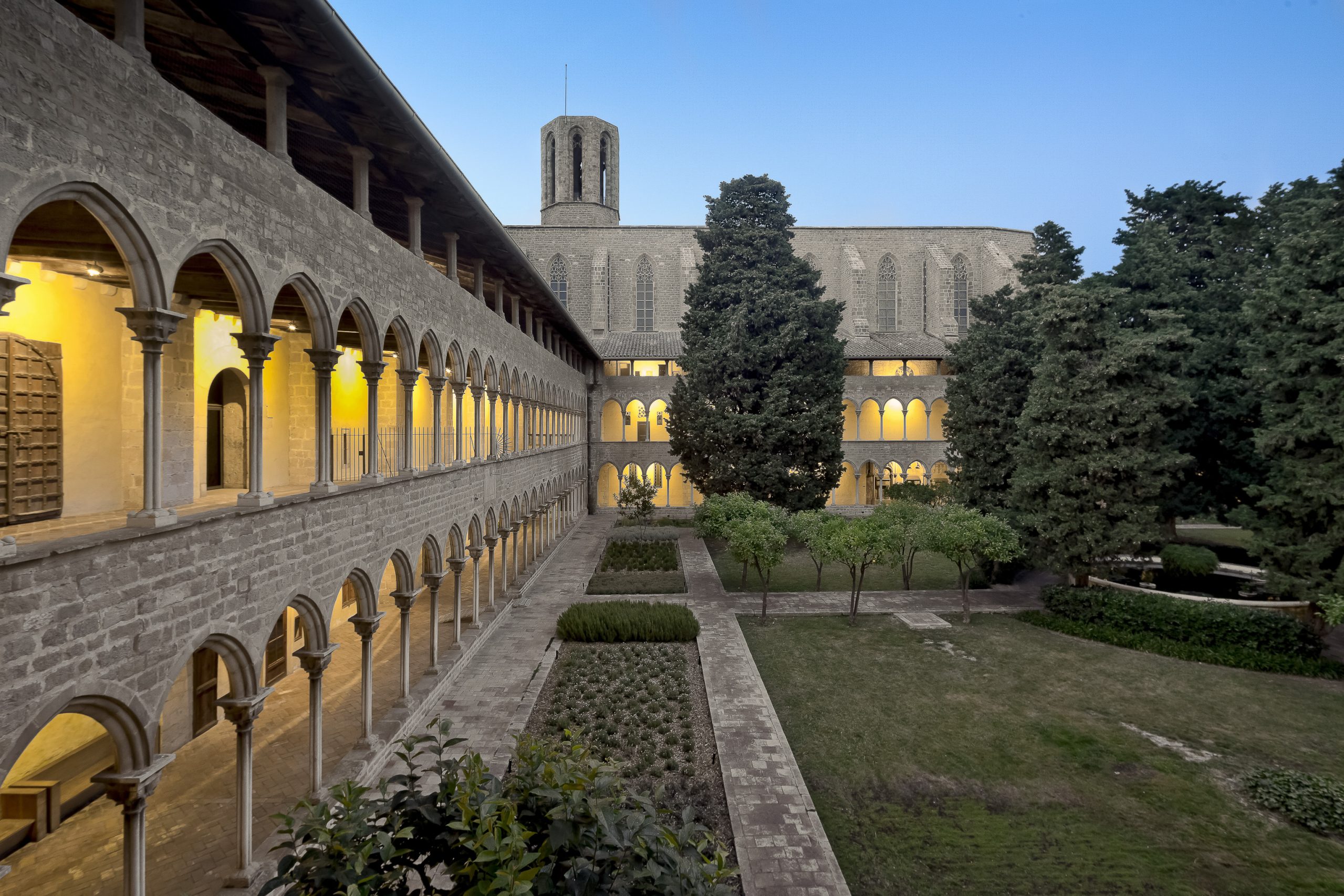
Stepping into the Pedralbes Monastery is like stepping back 700 years into a peaceful medieval world. Nestled in the affluent Pedralbes district on Barcelona’s outskirts, this Gothic monastery is a remarkably well-preserved haven of history and tranquility. It was founded in 1326 by Queen Elisenda de Montcada (with the support of her husband, King James II of Aragon) as a convent for the Poor Clare nuns. Astonishingly, a small cloistered community of nuns lived here continuously until just a few decades ago, which helped maintain the site’s original serenity. Now a museum, Monestir de Pedralbes invites visitors to wander its sacred halls, chapels, and gardens.
The showpiece of Pedralbes is its cloister – one of the largest Gothic cloisters in the world. It has three stories of graceful arches surrounding a central courtyard filled with orange trees, palms, and a trickling fountain. Strolling under the arches, you might catch the scent of rosemary or hear birds singing in the garden. Each level of the cloister is like an architectural hug, enveloping you in calm. Off the cloister are various rooms that paint a picture of monastic life: the refectory (dining hall) where nuns ate in silence, the kitchen with old copper pots, the dormitory lined with simple beds. It’s easy to imagine the quiet daily rhythms here centuries ago.
Art lovers will find treasures too. The Chapel of St. Michael boasts colorful 14th-century frescoes by Ferrer Bassa (often compared to Italian Giotto’s style) – a heavenly scene of angels that was hidden under whitewash for years and restored recently. The church itself, attached to the monastery, has a stunning rose window and houses the intricately carved tomb of Queen Elisenda. There’s also a small exhibit of religious art and artifacts used by the nuns. Despite all these sights, Pedralbes Monastery remains off most tourists’ radars. Perhaps its location is to thank – set in a quiet neighborhood away from downtown – or perhaps the draw of the beach keeps people away. Either way, it means you can often explore in relative solitude, particularly on weekday mornings.
Visiting Pedralbes feels refreshing, almost like a mini-retreat. The bustling city feels far away as you sit in the cloister’s garden listening to the wind in the cypress trees. It’s a must for history enthusiasts and a wonderful surprise for anyone who thinks Barcelona is just modernista architecture and nightlife. Here, you meet Barcelona’s medieval soul.
How to Get to Monestir de Pedralbes?
-
By Metro/FGC: The nearest metro stop is Reina Elisenda on the FGC suburban line (L6), which is about a 10-minute walk from the monastery. If coming from Plaça de Catalunya, you can catch the FGC Line L6 toward Reina Elisenda. Once at Reina Elisenda station, walk uphill on Carrer de la Duquessa d’Orleans, then turn onto Baixada del Monestir which leads to the monastery entrance.
-
By Metro (alternative): You can also take Metro L3 (Green Line) to Palau Reial station. From Palau Reial, it’s about a 15-minute walk through the pleasant upper Avinguda Diagonal neighborhood (head west along Av. Diagonal, then north on Carrer de John XXIII or Carrer del Bisbe Català which eventually curves to the monastery). The walk is slightly uphill but not too bad.
-
By Bus: Several city buses serve the area. Lines 63 and 67 from central Barcelona (Passeig de Gràcia or Plaça Universitat area) have stops close to the monastery (get off around Pg. Manuel Girona – Joan d’Alós or Pedralbes stop). Also, H4 and V5 diagonal/vertical bus lines have stops within walking distance. Always check a TMB map or Google Maps for the latest routes, as bus lines can change.
-
By Taxi: A taxi or rideshare from the city center will take about 15-20 minutes (depending on traffic) to Pedralbes. It’s a straightforward trip as the monastery is a known landmark; just tell the driver “Monestir de Pedralbes, si us plau.” This of course costs more (~€15 from Plaça Catalunya area), but it’s convenient for groups.
Visiting Info: Pedralbes Monastery has limited hours (generally Tuesday to Sunday, closed Mondays). On Sundays after 3pm, entry is free (and also free all day the first Sunday of the month), otherwise the fee is around €5. The free Sunday afternoons can be a bit more crowded (with local families and visitors), but still calm compared to downtown attractions. If you go in the morning on a weekday, you might find only a handful of other people there.
Where to Eat Nearby?
The monastery sits in a quiet residential area, so immediate dining options are a bit scarce. However, just a short distance away is the charming neighborhood of Sarrià, known for its village-like atmosphere and great eateries. After your visit, you can stroll about 15 minutes to the heart of Sarrià (head east down Carrer de Pedralbes and then Carrer Major de Sarrià). Here you’ll find pastry shops like the beloved Forn de Sarrià or Pastisseria Foix – perfect for grabbing a sweet Catalan treat like xuixo (a custard-filled pastry) or an espresso. Sarrià also has traditional bars and restaurants. If it’s lunchtime, look for a Catalan restaurant offering a menú del día. Bar Tomas in Sarrià is famous for patatas bravas if you’re in a snacky mood – it’s a no-frills local bar with arguably some of the best bravas (fried potatoes with sauce) in town.
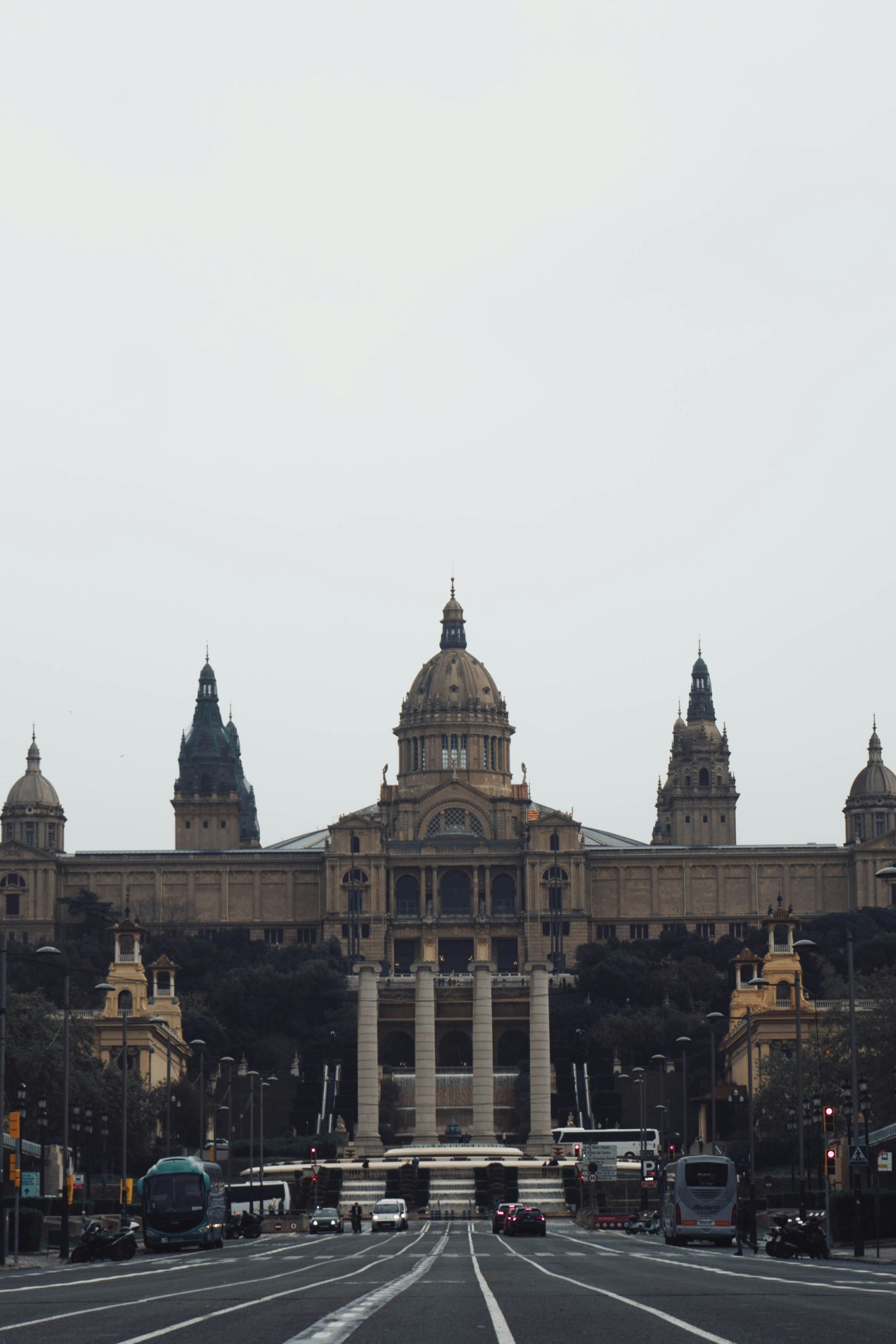
Closer to Pedralbes, near the Palau Reial metro, there’s Barcelona’s Royal Palace area (Palau Reial de Pedralbes). While the palace gardens are nice to visit, for food you have a student crowd from the nearby university. Along Avinguda Diagonal by Palau Reial, you’ll find some simple cafes (catering to university folks) and a couple of pizzerias and sandwich shops. They’re fine for a quick bite. For example, Sandwichez is a local chain with coffee and sandwiches, often located near the university.
If you fancy something upscale (maybe you’re treating yourself after all that monastery zen), Maria Parrilla or Tram Tram in Sarrià offer creative Catalan cuisine in a cozy setting – but note these are pricier and more of a dinner spot (reservations recommended).
In summary, plan on Sarrià for the best nearby food experience. The neighborhood itself is a bit of a hidden gem – wander its narrow streets, and you’ll forget you’re in a big city. It’s the perfect complement to a peaceful morning at Pedralbes Monastery.
Teatre Grec and the Greek Gardens (Montjuïc’s Open-Air Theater)
High on Montjuïc hill, an ancient-looking amphitheater sits quietly among lush gardens – welcome to Teatre Grec, Barcelona’s very own “Greek Theatre.” It’s an unexpected find: a theater that looks 2,000 years old but is actually a product of the 1929 International Exposition. Inspired by the classical theatre of Epidaurus in Greece, Teatre Grec was designed by Ramon Reventós and built into a former quarry on Montjuïc. Its stone semicircular seating and stage framed by cypress trees create a setting so atmospheric you’ll feel like you’ve stumbled on ruins… except these are revived ruins, still used every summer for the Grec Festival of arts since 1976.
When there isn’t a performance, the theater is open to the public, free of charge. You can wander right onto the stage and belt out a line or two (you’ll likely have an audience of only birds and squirrels!). The acoustics are impressive – say something and hear how your voice carries. Then climb up the terraces where spectators sit. From the top rows, you get a delightful peek view of the city through the greenery. It’s usually very tranquil here; you might find a few locals eating lunch on the steps or a couple taking wedding photos, but it’s otherwise yours to explore. The slightly overgrown, weathered look of the place gives it a romantic charm – indeed, it can feel “unkempt” or rough at the edges, but that only adds to the sense of discovery. It’s one of Montjuïc’s most chilled out spots, perfect for reading a book or just contemplating.
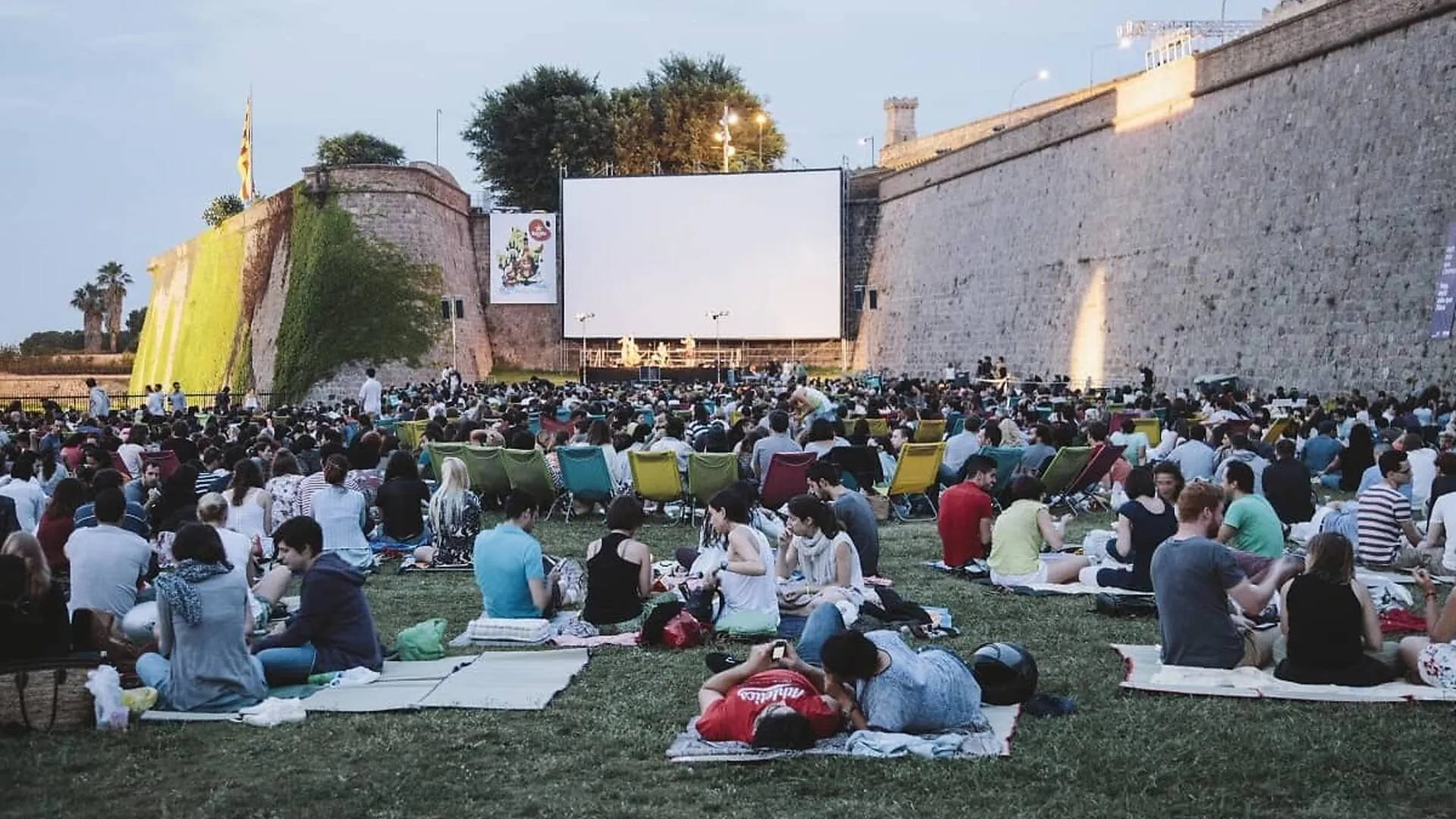
Adjacent to the amphitheater are the Gardens of Teatre Grec, a small terraced garden often overlooked even by those who visit Montjuïc Castle or MNAC museum. In these gardens, you’ll find rose bushes, pergolas wrapped in vines, and shaded pathways. It’s an ideal spot to escape the heat on a summer afternoon. Fun fact: because of the beautiful setting, the gardens and theater are popular for events – from open-air concerts to occasionally even outdoor cinema. But on a normal day, expect birds chirping and maybe a gardener trimming hedges, not crowds.
Teatre Grec and its gardens encapsulate what Montjuïc’s hidden gems are all about: nature, culture, and solitude combined. It’s a treat to include on your Montjuïc wanderings, especially if you’ve already seen the main sights like the Castle or the Magic Fountain and crave something more relaxed.
How to Get to Teatre Grec?
-
By Funicular + Walk: The Montjuïc Funicular from Parallel Metro station (L2 or L3) is a fun way to ascend part of Montjuïc hill. Take the funicular up to Parc de Montjuïc station. From there, Teatre Grec is about a 10-minute walk downhill (follow Carrer de Miramar or the footpaths toward the Miramar Gardens, and then down toward Passeig de Santa Madrona – it’s somewhat tucked below the road). The route isn’t extremely obvious, so having offline Maps or asking a passerby can help. Look for signs pointing to “Teatre Grec” or “Jardins Teatre Grec.”
-
By Metro/Bus: Alternatively, take Metro L3 to Plaça Espanya or Poble Sec. From Plaça Espanya, you can catch bus 150 up Montjuïc and get off near the MNAC museum, then walk 5-7 minutes to Teatre Grec (down behind the museum). From Poble Sec metro, it’s a bit of an uphill walk (~15 minutes) through the neighborhood’s back streets and a set of stairs at Carrer Margarit that lead into the Greek Gardens. You’ll emerge at the top of the amphitheater if you go this way.
-
On Foot from Montjuïc Sites: If you’re already on Montjuïc (say, after visiting the Olympic Stadium or Castle), you can walk to Teatre Grec through the network of parks. It lies roughly on the northeast slope of Montjuïc, below the Miró Foundation. Having a map is useful as paths twist around. But as a reference, it’s near the intersection of Passeig de Santa Madrona and Carrer dels Tarongers. The address is Passeig de Santa Madrona, 36.
Because Teatre Grec is part of Montjuïc Park, it’s open during daylight hours. If there’s an event or festival show, access might be restricted or an entry fee might apply for that performance, but during normal times it’s free to roam.
Where to Eat Nearby?
Montjuïc isn’t filled with eateries – it’s mostly parkland. Near Teatre Grec, there isn’t a café right onsite, so plan accordingly. However, just down the hill in the Poble Sec neighborhood, you’ll find a treasure trove of food options. In fact, Poble Sec is one of Barcelona’s best areas for tapas hopping.
A fantastic post-park plan is to head to Carrer de Blai in Poble Sec (about 10 minutes walk down the hill from Teatre Grec). This street is famous for its pintxos bars – nearly every establishment on Blai offers a selection of bite-sized tapas on toothpicks. You grab a plate, pick what looks tasty (each piece usually €1-€1.50), and at the end they count your toothpicks. It’s a fun, social way to refuel. Places like Blai 9 or La Tasqueta de Blai are popular and lively, especially after 7pm.
If you’re seeking something more substantial or traditional, Poble Sec has you covered too. El Sortidor de la Filomena Pagès is a charming plaza-side restaurant in Plaça del Sortidor serving Catalan dishes and tapas – a nice spot to sit outside. For budget eats, there are simple bakeries and takeaways along Carrer de Blai and Paral·lel Avenue (which you’ll hit at the bottom of the hill).
One more hidden gem: Quimet & Quimet, on Carrer del Poeta Cabanyes in Poble Sec, is a tiny standing-room-only tapas bar renowned for its montaditos (small open-faced sandwiches) and incredible canned delicacies (trust us, canned seafood in Spain is gourmet!). It’s about a 12-minute walk from Teatre Grec. It closes in the early evening and is closed weekends, but if you time it on a weekday afternoon, it’s an unforgettable local foodie experience.
Finally, don’t forget hydration – bring a water bottle for your Montjuïc explorations. You can refill at fountains (there’s likely a drinking fountain in the Greek Gardens area). Once you’re back in Poble Sec, treat yourself to something cool like a clarA (beer with lemon soda) or a scoop of gelato from Gelateria Paral·lelo on Carrer Radas.
Antic Teatre (Hidden Courtyard Culture in El Born)
Tired of traditional tourist spots? Slip into Antic Teatre, an offbeat cultural center and bar that epitomizes the local, bohemian spirit of Barcelona. Located just a few blocks from the busy Via Laietana and the Palau de la Música, Antic Teatre is easy to miss – its entrance is a modest door on a narrow side street (Carrer de Verdaguer i Callís). But pass through, and you’ll discover a lush courtyard garden shaded by a giant tree, surrounded by the crumbling walls of a 17th-century building. This is the beating heart of Antic Teatre: an open-air patio where artists, students, and in-the-know travelers gather for cheap drinks and creative vibes.
Antic Teatre (which means “Old Theatre”) is indeed an independent theatre venue – upstairs, they host avant-garde performances, experimental theater, live music, and art events almost nightly. If you’re into alternative culture, checking the schedule might reward you with a funky dance piece or an indie concert in their intimate theater space. But even if you’re not seeing a show, the garden bar is open to all. It’s a fantastic place to unwind. Grab a cerveza or sangria for a few euros at the bar (all proceeds support the cultural center), then snag a seat at one of the mismatched tables under the tree. You’ll hear a mix of languages – Catalan, Spanish, English – from the friendly crowd around you. In summer, lights are strung up in the branches, adding to the magic.
What makes Antic Teatre special is it feels like finding a secret social club. In a way, it is – a social and cultural hub that locals cherish and travelers rejoice in discovering. It’s rare to find such green tranquility in the dense Gothic Quarter/El Born area, and with reasonably priced drinks to boot. Time seems to slow down here. Don’t be surprised if you end up chatting with your neighbors; it’s that kind of place. During the day, it can be very quiet – a nice spot to chill with a book. In the evening (especially weekends), it fills up with a lively crowd before and after performances, buzzing with creative energy.
Antic Teatre’s building itself has history: a neo-classical residence from 1650, listed as part of Barcelona’s heritage. The project of turning it into a cultural space saved it from development in the early 2000s, and now it stands as a testament to grassroots arts in Barcelona. If you want to tap into the contemporary local arts scene or just relax somewhere authentically cool, this is the place.
How to Get to Antic Teatre?
-
By Metro: The closest metro stations are Urquinaona (L1 Red or L4 Yellow) and Jaume I (L4 Yellow). From Urquinaona, it’s a 5-minute walk: head southeast on Via Laietana, then turn left onto Carrer de Sant Pere Més Baix, and then right on Carrer de Verdaguer i Callís. From Jaume I, a 5-minute walk as well: go north on Via Laietana and right on Sant Pere Més Baix. The address is Carrer de Verdaguer i Callís, 12. Look for the black door with “Antic Teatre” sign above it.
-
On Foot: If you’re exploring the El Born/La Ribera area or coming from the Gothic Quarter, it’s very central. From the Cathedral, for example, it’s a 7-minute walk (head east toward Palau de la Música Catalana; the theatre is just behind the Palau). Palau de la Música itself is a great landmark – from its front, take the street on its right (Carrer de Sant Pere Més Alt), then first left, then right – basically circling around the block to the back side. Google Maps can pinpoint it easily if you have data.
-
By Bus: Many buses stop at Plaça Urquinaona or Via Laietana (e.g. bus V15, V17, 45). From there it’s a short walk as described above.
The key thing: don’t be deterred by the unassuming entrance. Push open the door – if it’s open, you’re welcome. Typically the bar and garden are open from afternoon until late night. The theater events usually start later in the evening.
Where to Eat/Drink Nearby?
Antic Teatre itself is primarily a bar for drinks (and some light snacks like chips or olives). If you’re there in the evening, consider making it your drinks spot and eating elsewhere either before or after. Luckily, the surrounding El Born district is packed with options:
-
For a quick, budget-friendly meal, check out La Champagneria (Can Paixano) about 10 minutes away in Barceloneta: it’s a standing-room cava bar with cheap sparkling wine and simple sandwiches – an experience! Or closer, around Santa Caterina Market, there are tapas bars and cafes.
-
If you want to keep the artsy vibe, El Born’s cafe scene is great. Cafès El Magnífico (for coffee) or Bormuth (trendy tapas) are within 5-7 minutes walk.
-
Since you’re near Palau de la Música, you might also try Tosca or Kiosko (a gourmet burger place) on nearby streets if you crave something different.
-
For a more local Catalan dinner, Cal Pep is a famous tapas bar a bit further in Born (reservations often needed), or Tapeo on Carrer Montcada offers modern tapas in a cool atmosphere.
But honestly, one fantastic plan is: have dinner of pintxos or tapas in El Born (so many choices along Passeig del Born or around Santa Maria del Mar church), then walk to Antic Teatre for a post-dinner drink in the garden. Alternatively, start your night at Antic Teatre with a drink, then catch an avant-garde performance upstairs (if you’re up for it), and later head out to the nightlife of El Born or the Gothic Quarter. Everything is within walking distance.
Remember, the vibe at Antic Teatre is super casual. It’s the kind of place you can bring your own sandwich to if you really wanted, and no one would mind. The focus is on community and culture. As they say, salut i cultura! Enjoy your evening among Barcelona’s creative souls.
Conclusion: Embrace the Adventure
Barcelona’s well-trodden sites are incredible, but it’s the hidden gems that often create the fondest memories. By deliberately getting lost on purpose, you open yourself up to serendipity – stumbling upon a quiet cactus oasis with a sea view, or a labyrinth where you laugh your way out, or a sunset that becomes the highlight of your trip. These secret spots showcase Barcelona’s authentic heart: its resilience, creativity, and natural beauty away from the hustle.
As you seek out the cactus gardens of Montjuïc and watch day turn to night from the Bunkers del Carmel, remember that exploration is as much about the journey as the destination. Chat with the elderly lady on the Horta metro, who might tell you about the park from her childhood. Savor that cheap anchovy tapa in a bar with no English menu. Listen to the stories the city whispers in a tucked-away plaza scarred by history.
In 2025 and beyond, travel isn’t just about checking sights off a list – it’s about immersive experiences. By following this guide optimized for SEO (so you found it!) and AEO (so even voice assistants concur), you’ve tapped into local insights that make your adventure richer. But don’t stop here. Use these hidden gems as a springboard to discover your own. The next time you see an inviting alley or a staircase leading somewhere unknown in Barcelona – take it.
Go ahead, wander without fear. Get a little lost. You’ll find your own hidden treasures in this city of endless surprises. And when you return home, you’ll have stories that truly set your trip apart – tales of the secret Barcelona that most visitors never see. Safe travels, and happy exploring off the beaten path!
¡Bon viatge i bona descoberta! (Happy journey and discovery!)
Download the Hostelworld app to start booking now


FAQ: Hidden Gems in Barcelona
Where can I get the best view of Barcelona without dealing with crowds?
Skip the touristy viewpoints and head to the Bunkers del Carmel or Turó de la Rovira for wide-open panoramic views. Both are free and usually quiet, especially during sunrise or weekday evenings. The cactus garden on Montjuïc also has a beautiful ocean-facing overlook with almost no foot traffic.
Are these hidden gems actually free or budget-friendly?
Yes, most of them are completely free to visit. The Bunkers, the cactus gardens, and walking trails like Carrer de les Aigües don’t charge anything. Even public transport to get there is cheap—around €1.27 per ride with a T-Casual travel card.
How do I get to the Bunkers del Carmel from the city center?
Take Metro Line 5 to El Carmel station, then walk uphill for about 15 minutes. Alternatively, Bus V17 drops you even closer. Try to go around golden hour for the best light—and bring your own snacks since there are no shops up there.
What’s a peaceful beach in Barcelona that tourists don’t know about?
Head north to Platja del Coco in Badalona. It’s only about 20 minutes by train (R1 line) and has a laid-back, local vibe. If you want to stay closer to the city, Playa de la Mar Bella is a great, uncrowded spot with a more alternative crowd.
Is it safe to explore Barcelona’s hidden spots alone?
Generally, yes. Barcelona is solo-traveler-friendly, but you should stay alert—especially in remote areas or at night. For viewpoints like the Bunkers, aim for daylight hours. Pickpocketing is more of an issue in tourist zones and on public transport, so keep your essentials secure.
What’s one unusual, underrated museum to check out?
MUHBA Refugi 307 is a fantastic choice. It’s a preserved underground air raid shelter from the Spanish Civil War, and it gives you a very different perspective on Barcelona’s history. Entry costs around €4–€5, and it’s rarely crowded.


 Get the App.