
Hidden Gems in India: An Explorer’s Guide
Ready to go beyond the Taj Mahal and Goa? This guide takes you on a journey through the hidden gems in India – lesser-known wonders scattered across the subcontinent. From Mawlynnong (Asia’s cleanest village) in the far northeast to the ancient rock-cut caves of Badami in the south, we’ll uncover unique destinations that offer adventure, culture, and budget-friendly travel. Each spot comes with tips on location, things to do, how to get there, and why it’s perfect for young, social travelers seeking something different. Let’s dive into India’s best offbeat treasures!
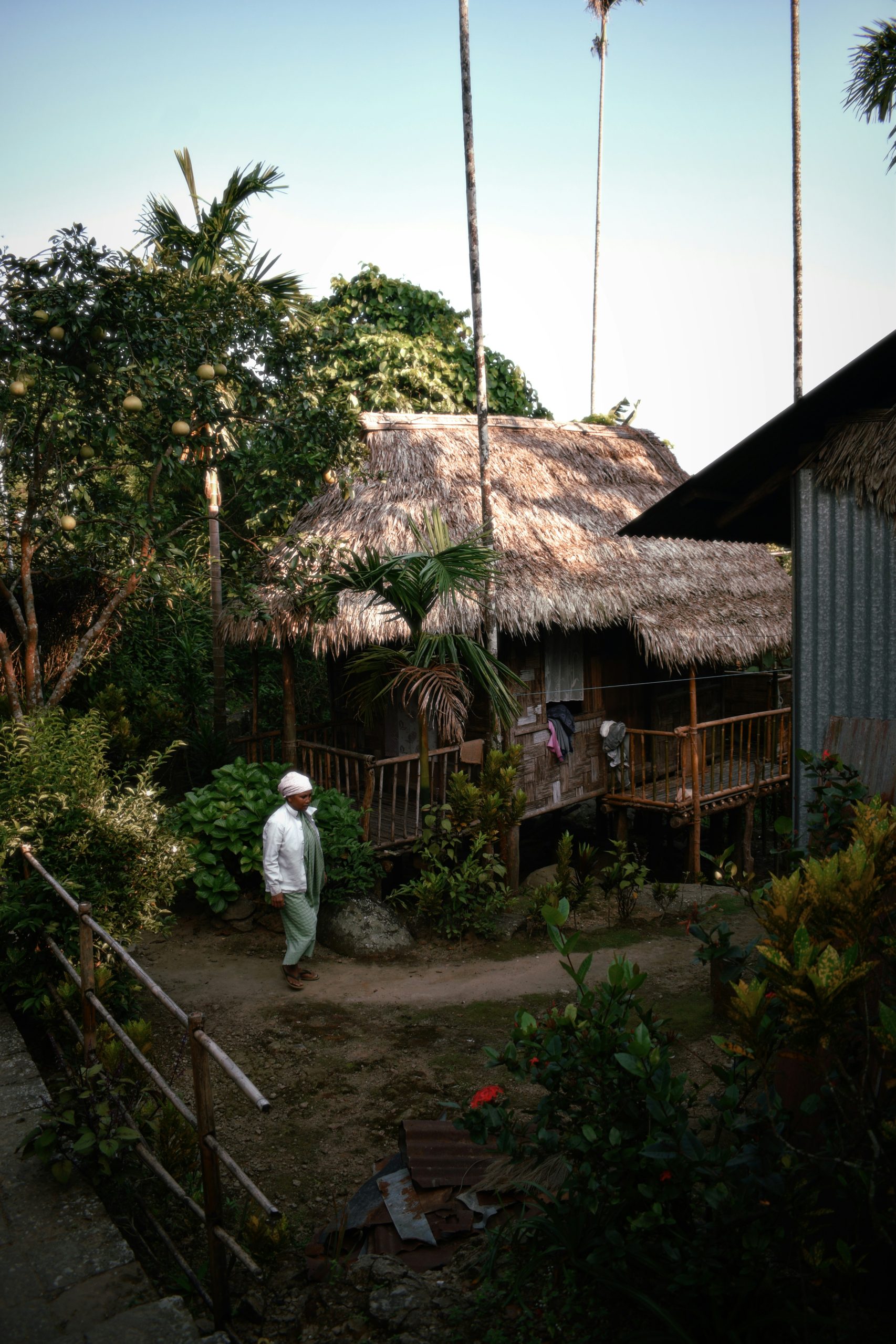
Mawlynnong, Meghalaya – Asia’s Cleanest Village in the Jungle
Nestled in Meghalaya’s East Khasi Hills, Mawlynnong is famously known as “Asia’s cleanest village”. It’s often called “God’s Own Garden” for its lush greenery and flower-lined lanes. Walking through this tiny village, you’ll notice how everyone takes pride in keeping it spotless – no litter, just well-tended gardens and bamboo dustbins at every corner. The community’s deep-rooted Khasi traditions and sustainable lifestyle make Mawlynnong feel like a serene eco-paradise.
-
Location: East Khasi Hills District, Meghalaya (about 76 km south of Shillong), near the India–Bangladesh border. It’s perched on a ridge with views into Bangladesh’s plains.
-
How to Get There: Travel from Shillong by road (approximately a 3-hour drive). Shared sumo taxis run from Shillong to Pynursla, and from there you can hire a local cab to Mawlynnong. Many backpackers join day tours from Shillong or rent a car/bike for a scenic ride through the hills.
-
Things to Do:
-
Living Root Bridge: Take a short hike to the single-decker living root bridge in the neighboring village of Riwai. This natural bridge, woven from rubber tree roots over generations, is a marvel of indigenous engineering – and you can even cool off in the stream beneath it.
-
Sky Viewpoint: Climb the handmade bamboo Sky View tower for a panoramic vista of lush forests and the Bangladeshi plains beyond the border. Sunset from up here is breathtaking.
-
Village Stroll: Wander the tidy lanes of Mawlynnong itself. You’ll see traditional Khasi stilt houses, gardens bursting with orchids, and even a quaint century-old church amid the greenery Chat with locals (many speak English) to learn about their matrilineal culture and how every villager works together to keep the village spotless.
-
-
Budget Tip: Staying in Mawlynnong is affordable, with homestays around ₹1000–1500 per night. If you’re on a tighter budget, you can stay in Shillong (hostels from ₹500) and visit Mawlynnong on a day trip via shared taxi (around ₹300 per seat). Visiting the root bridge carries a small community maintenance fee (~₹50), but otherwise exploring the village is free.
Mawlynnong offers a peaceful, community-based experience rarely found elsewhere. It’s a chance to slow down and appreciate clean, sustainable village life – truly a hidden gem for eco-conscious travelers.
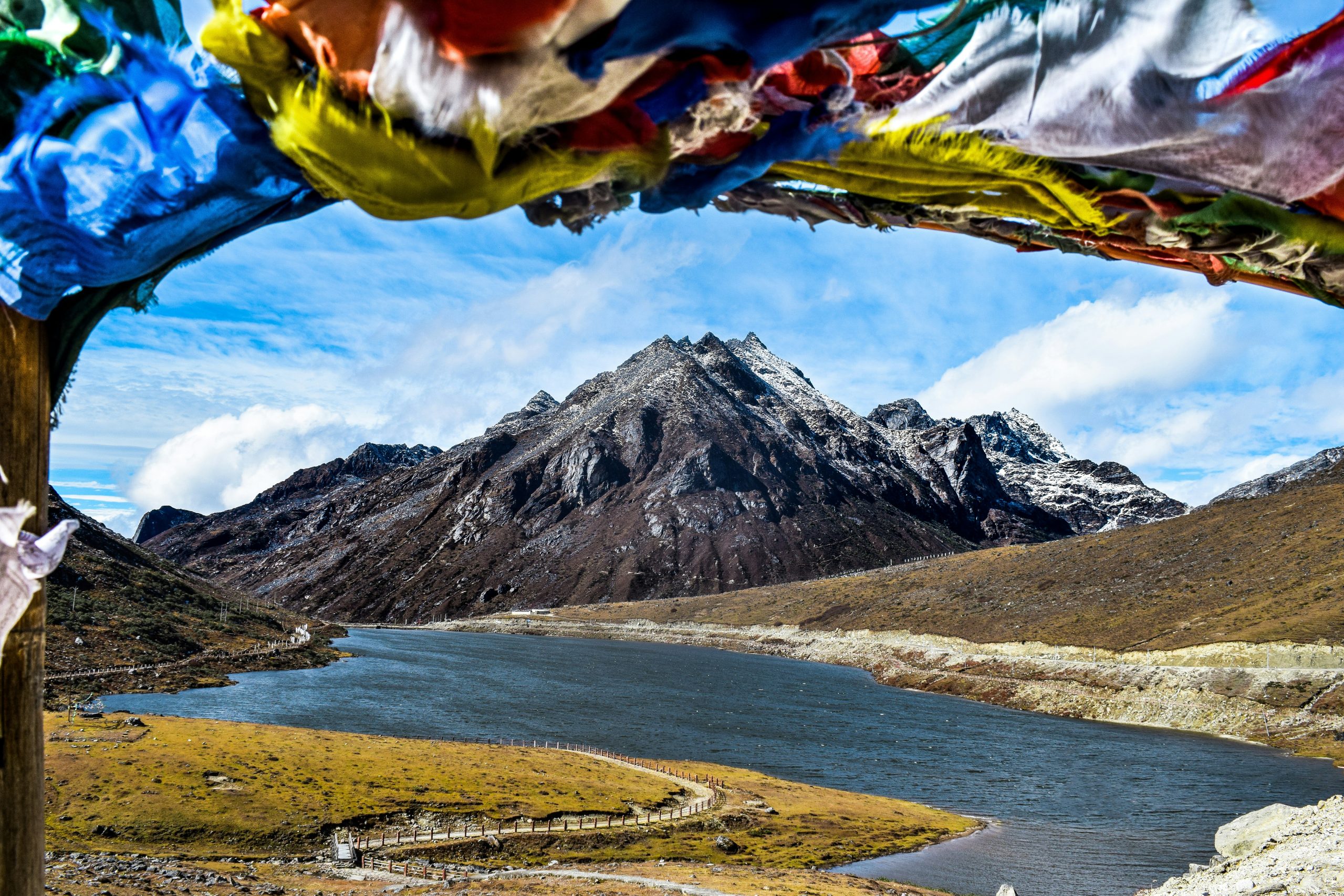
Ziro Valley, Arunachal Pradesh – A Slow-Life Paradise in the Hills
High in the misty hills of Arunachal Pradesh lies Ziro Valley, a place that feels untouched by time. Think wide emerald rice fields ringed by pine-covered mountains and rustic villages where the pace of life is delightfully slow. Home to the indigenous Apatani tribe, Ziro offers a mix of natural beauty and cultural richness that quietly steals your heart.
-
Location: Lower Subansiri district, Arunachal Pradesh (Northeast India). Ziro is remote – you’ll need an Inner Line Permit (ILP) to visit, as required for most Arunachal travel.
-
How to Get There: The journey is part of the adventure. The typical route is to fly to Guwahati (Assam), take an overnight train to Naharlagun (near Itanagar), then a shared jeep or bus to Ziro (around 4–5 hours). Alternatively, from Guwahati you can drive via Tezpur and North Lakhimpur. Roads wind through mountains – expect a gorgeous but bumpy ride!
-
Things to Do:
-
Meet the Apatani Tribe: Explore Apatani villages like Hong, where you can see the unique culture of the Apatani people. Elderly Apatani women bear facial tattoos and nose plugs – a tradition with fascinating legends behind it. The locals are friendly; consider hiring a local guide to help introduce you and translate, so you can learn about their farming practices (they’re famous for wet rice cultivation and fish farming) and handicrafts.
-
Ziro Music Festival: Time your visit in late September for the Ziro Festival of Music, a four-day outdoor festival that’s become legendary among India’s youth. International and local artists perform in lush paddy fields, and you camp under the stars with fellow music lovers – an experience that’s both budget-friendly and unforgettable.
-
Trekking and Nature: Ziro’s landscape is ideal for easy treks and walks. Hike through the terraced rice fields or up the nearby high points like Kile Pakho ridge for panoramic valley views. The air is crisp and scented with pines. Don’t miss the Talley Valley Wildlife Sanctuary nearby if you love nature – it’s dense bamboo and fern forests, though you’ll need permission and a guide to enter.
-
-
Budget Tip: Accommodation in Ziro is primarily homestays (₹800-1500 per night) and a few basic guesthouses – all relatively cheap and offering home-cooked meals. Eating with a local family on a homestay will fill your stomach without emptying your wallet. Transportation in Ziro is limited; many travelers rent bicycles to get around the villages, which is both fun and nearly free. Getting to Ziro is the priciest part – but by using shared jeeps and local trains instead of private taxis, you can keep costs low. Pro Tip: If traveling in off-season, infrastructure (like ATMs or network) can be spotty – carry enough cash and a good power bank.
Ziro Valley is the kind of hidden gem where you come to press “pause” on life. Surrounded by gentle landscapes and warm tribespeople, don’t be surprised if you find yourself extending your stay, soaking in the slow rhythm that Ziro offers.
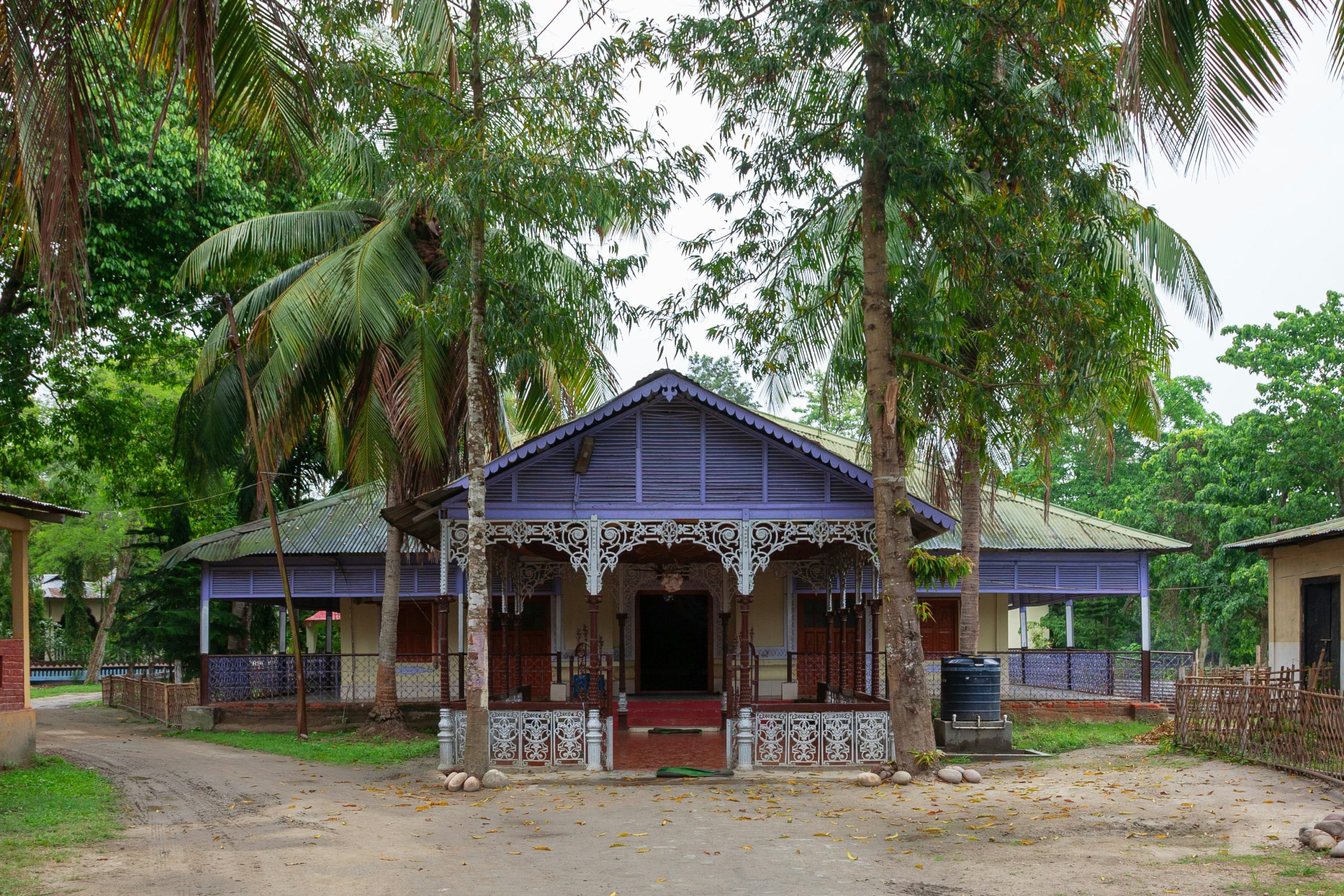
Majuli, Assam – The Floating Island of Peace and Culture
Imagine a vast river island with golden sunsets, rustic bamboo huts, and an almost spiritual calm – that’s Majuli. Set in the mighty Brahmaputra River, Majuli holds the title of the world’s largest river island. It’s a place where life moves at the pace of the flowing river, offering you a unique blend of nature, spirituality, and Assamese tribal culture without the buzz of tourist crowds.
-
Location: Brahmaputra River, Assam. Majuli sits in northeast India, roughly 20 km from the city of Jorhat (as the crow flies). The island’s size fluctuates with the river’s moods, but it’s about 350 sq km of villages, farms, and wetlands.
-
How to Get There: Reaching Majuli is an adventure in itself. Travel to Jorhat in Assam (which has an airport and railway station), then head to Nimati Ghat – the ferry point. From Nimati Ghat, public ferries carry passengers (and even cars or motorbikes) to Majuli twice a day, a scenic 1-hour ride across the Brahmaputra. The ferry costs only a few dozen rupees – one of the best cheap thrills you’ll ever have. Once on Majuli, there are shared taxis and bikes for hire, but a popular way to explore is by renting a bicycle.
-
Things to Do:
-
Explore the Satras: Majuli is a hub of Vaishnavite monasteries known as Satras. These aren’t your typical monasteries – they are vibrant centers of art, dance, and faith. Visit Dakhinpat Satra or Kamalabari Satra to witness monks (of all ages) performing traditional dances and playing instruments. Some satras also have museums of masks and artifacts. It’s a peek into a spiritual tradition that’s been alive here since the 16th century.
-
Cycle Through Tribal Villages: Rent a bicycle (around ₹100 a day) and pedal your way through Majuli’s picturesque Mising tribal villages. You’ll cross wooden bridges, pass by rice paddies, and see fishermen casting nets in the wetlands. Stop to say hello – the islanders are famously friendly and might invite you in for a cup of red tea or rice beer. Don’t be shy to try the local food like fish baked in banana leaf and pork with bamboo shoot.
-
Sunset at the Banks: Every evening in Majuli feels magical. Ride out to the open banks of the Brahmaputra at sunset. As the sun dips, the sky explodes in colors, and you might see migratory birds flying low over the water. One popular spot is near Uttar Kamalabari Satra, where a sandy river beach forms in winter. It’s the perfect place to reflect and perhaps even spot the rare Gangetic river dolphins if you’re lucky.
-
-
Budget Tip: Majuli is wonderfully gentle on the wallet. The ferry ride costs under ₹20! Homestays and bamboo cottages are available for ₹500–1000 per night, often including home-cooked meals (fresh fish curry, anyone?). Many attractions have no fees at all; even satras usually just ask for an optional donation. To save on local travel, stick to cycling – the island is mostly flat and easy to navigate. Note: Majuli can flood during the monsoons (June–August), so the best (and cheapest) time to enjoy it is October to March when the weather is cool and dry.
Majuli is the embodiment of tranquility. As one of India’s most peaceful hidden gems, it invites you to slow down, engage with rich Assamese culture, and enjoy nature’s rhythm on an island that seems to float in time.
Book Hostels In Himachal Pradesh
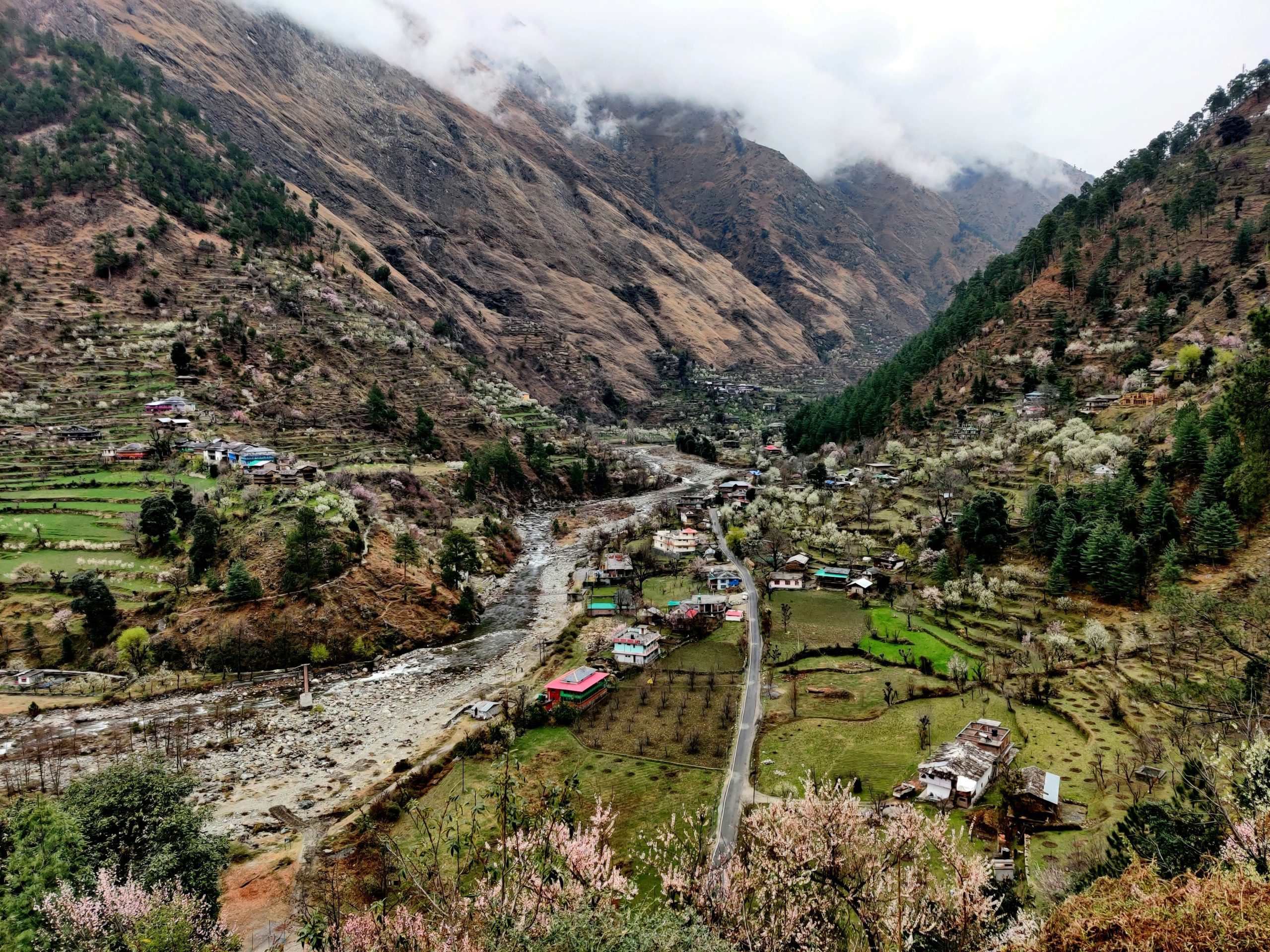
Tirthan Valley, Himachal Pradesh – Himalayan Hideaway to Disconnect & Reconnect
If your idea of heaven is a riverside hamlet with pine forests, singing birds, and zero cellphone signal, Tirthan Valley is calling. Tirthan is a secluded valley in Himachal Pradesh that remains refreshingly untouched by mass tourism. Here, the Tirthan River’s clear waters flow through lush green valleys, and life centers around bonfires, trout fishing, and lazy hammock afternoons. With no clubs, no noise – just a river, forests, and stillness, it’s the perfect offbeat retreat to reconnect with nature (and yourself).
-
Location: Kullu District, Himachal Pradesh. The valley is named after the Tirthan River and includes villages like Gushaini, Banjar, and Nagini. It borders the Great Himalayan National Park (GHNP), a UNESCO World Heritage Site known for its pristine ecosystems.
-
How to Get There: The journey from Delhi is about 500 km. The budget way is to take an overnight bus from Delhi to Aut (a stop right before the Aut Tunnel on the Delhi-Manali highway). From Aut, Tirthan Valley is about 1 hour away; catch a local bus or a shared taxi heading towards Banjar or Shoja and get off at your village of choice (many travelers go to Gushaini or Jibhi in the adjacent Banjar Valley). If coming by train, the closest railheads are Chandigarh or Pathankot, but buses are more direct. Roads are winding but decent. Tip: Since public transport inside the valley is limited, consider hiring a taxi from Aut if you’re not confident with multiple bus transfers.
-
Things to Do:
-
Great Himalayan National Park Treks: Tirthan is the gateway to GHNP, which offers some stunning trekking trails. Even if you’re not up for a multi-day trek, you can do day hikes into the park (permit ~₹100). Trails lead you through dense forests, past waterfalls and maybe into sightings of colorful pheasants or elusive Himalayan wildlife. For the adventurous, multi-day treks to Rolla or Shilt Hut with camping are an option (you’ll need a guide). It’s nature in its raw, splendid form.
-
Trout Fishing & Riverside Chilling: The Tirthan River is famous for rainbow trout. Many homestay owners will happily arrange a fishing session – or you can just lounge by the riverbanks with a book. At night, enjoy a bonfire by the river; the valley’s lack of city lights means the stars feel incredibly bright. (Don’t forget to look for fireflies if you’re there in summer!)
-
Village Hopping: Use your feet – or rent a bicycle – to explore nearby villages. Nagini has a charming temple and some cozy cafés. Sojha (Shoja), a short drive up, offers panoramic views and leads to the easy trek for Serolsar Lake through Jalori Pass. Everywhere you go, you’ll find friendly Himachali locals, traditional wooden homes, and perhaps a chance to join them for chai. This is slow travel at its best.
-
-
Budget Tip: Tirthan Valley is filled with homestays and guesthouses, many of them rustic riverside cottages run by local families. You can get a comfy bed and hearty meals included for as low as ₹800–1200 a night – try places in Gushaini or Ropa. Pro tip: No ATMs in the smaller villages (Banjar has one, but carry cash). Also, network connectivity is sparse (which is kind of the point!), so download offline maps. Since entertainment here is nature, you won’t spend much on activities – hiking is free, fishing requires a nominal permit, and just being in Tirthan costs nothing at all. It’s a budget traveler’s dream where “offline” is the luxury.
Tirthan Valley is a hidden gem that lets you disconnect to reconnect – with nature, with people around you, and with yourself. If you’re an adventurer or a weary soul seeking calm, Tirthan’s pine-scented air and starlit nights will heal and thrill you in equal measure.
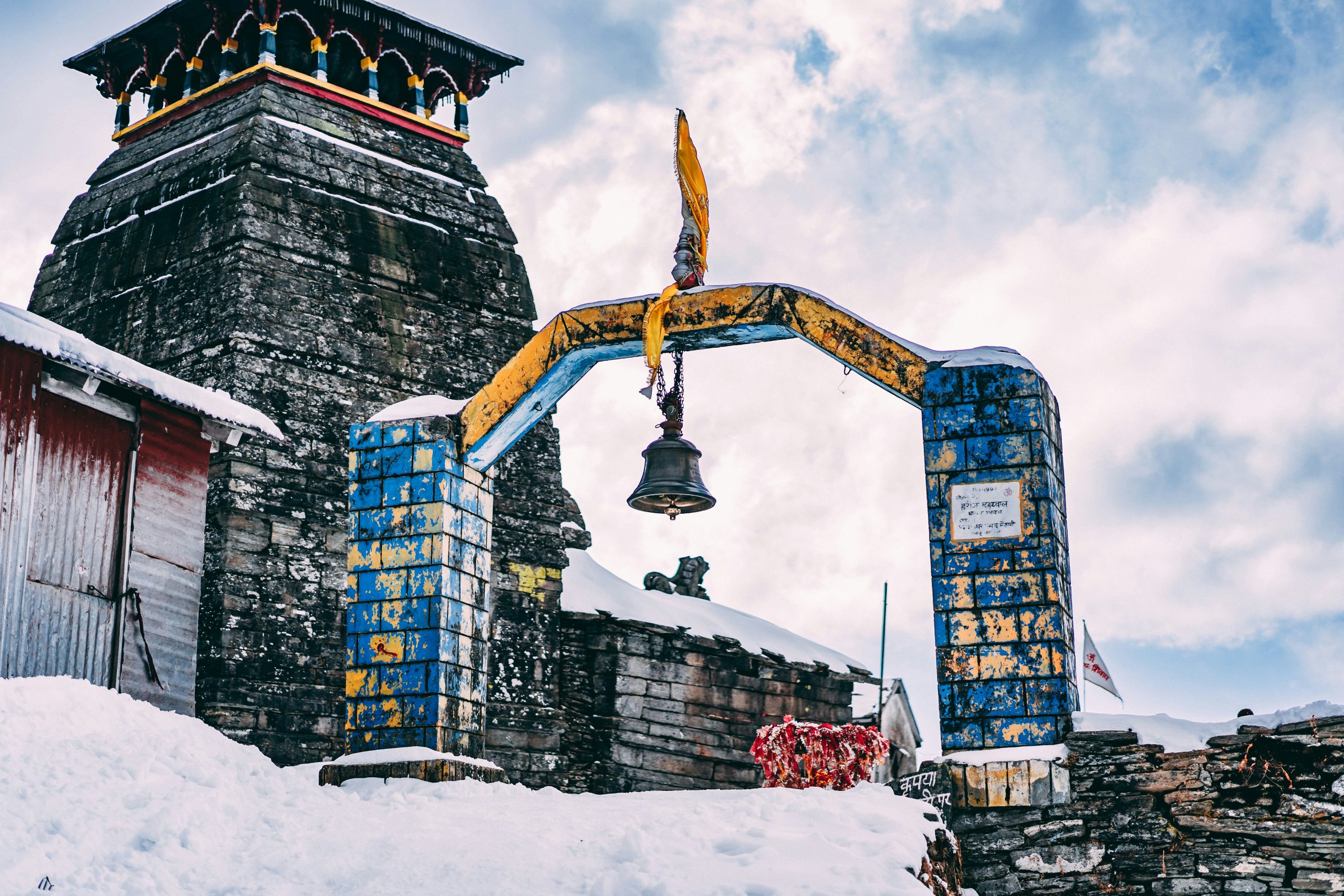
Chopta, Uttarakhand – Trekker’s Paradise in the “Mini Switzerland of India”
Chopta is often affectionately called the “Mini Switzerland of India” – and for good reason. This petite village in Uttarakhand is wrapped in alpine meadows, with views of snow-capped Himalayan peaks all around. At ~2,680m altitude, Chopta is cool in summer and snow-clad in winter, offering a perfect year-round escape for nature lovers and trekkers. It’s also the base for a legendary high-altitude temple trek, which adds a spiritual twist to its natural charm.
-
Location: Rudraprayag District, Uttarakhand, in the Kedarnath Wildlife Sanctuary. Chopta lies on the road connecting Ukhimath and Gopeshwar. It’s roughly 200 km from Rishikesh.
-
How to Get There: Budget travelers can take a public bus or shared jeep from Rishikesh to Ukhimath or Guptkashi (approx 7-8 hours). From there, jeeps head towards Chopta (another 1.5 hours). There’s no train access; the nearest railhead is Haridwar. Roads are mountainous but scenic – don’t be surprised if you have to stop for a herd of goats or admire a waterfall on the way. If coming by private vehicle or bike, note that roads can close in heavy snow (Dec-Jan).
-
Things to Do:
-
Trek to Tungnath and Chandrashila: This is the highlight of Chopta. A 3.5 km uphill trek (stone-paved) from Chopta takes you to Tungnath Temple, the highest Shiva temple in the world at 3,680 m. The trail is gorgeous, winding through forests of rhododendron and alpine grasslands. Tungnath temple itself, with its ancient stone architecture, exudes serenity. If you still have energy (and it’s daylight), continue 1.5 km further up to Chandrashila Peak (4,000 m). The summit rewards you with a 360-degree panorama of big Himalayan peaks like Nanda Devi, Trishul, and Chaukhamba. It’s an unforgettable view, especially at sunrise. (Tip: Start your trek early in the morning to catch sunrise at Chandrashila – golden light flooding the Himalayas is pure magic.)
-
Bird Watching & Wildlife: Chopta is a part of a wildlife sanctuary, making it a hotspot for birding. Bring binoculars to spot Himalayan monal pheasants (Uttarakhand’s state bird with rainbow plumage), hill partridges, and if lucky, maybe even musk deer in the forests. Early mornings and dusk are the best times for wildlife sightings.
-
Camping in the Meadows: Spend a night camping at Chopta under a glittering sky. Several local operators rent tents or you can pitch your own at designated spots. In winter, you might camp on snow! Sitting by a campfire, with the Milky Way overhead and utter silence except for the crackling fire, is an experience you won’t forget. If camping isn’t your thing, even a night stay in a basic lodge gives you the chance to stargaze – the lack of city lights makes the sky breathtakingly clear.
-
-
Budget Tip: Accommodation in Chopta is mostly basic campsites, guesthouses, and a few wooden cabins. Prices range from ₹500 (dorm tents in off-season) to ₹1500 (private cabin) per night – cheap, considering the location. To save money, travel with a group for the trek so you can split guide fees if you choose to hire one (though the trail is straightforward). There’s no ATM or big market in Chopta; bring cash and essential medicines/snacks from towns like Ukhimath. Meals will be simple (think Maggi noodles, rice and dal), but very reasonably priced. Best of all, trekking is free – no permit or entry fee for Tungnath/Chandrashila, so your main “cost” is just the effort (and it’s worth every bit!).
Chopta is a compact gem that packs in alpine adventure and soulful spirituality. Whether you’re watching the sunrise paint the Himalayas or exchanging stories with fellow backpackers by a campfire, Chopta delivers that “on top of the world” feeling – both literally and figuratively.
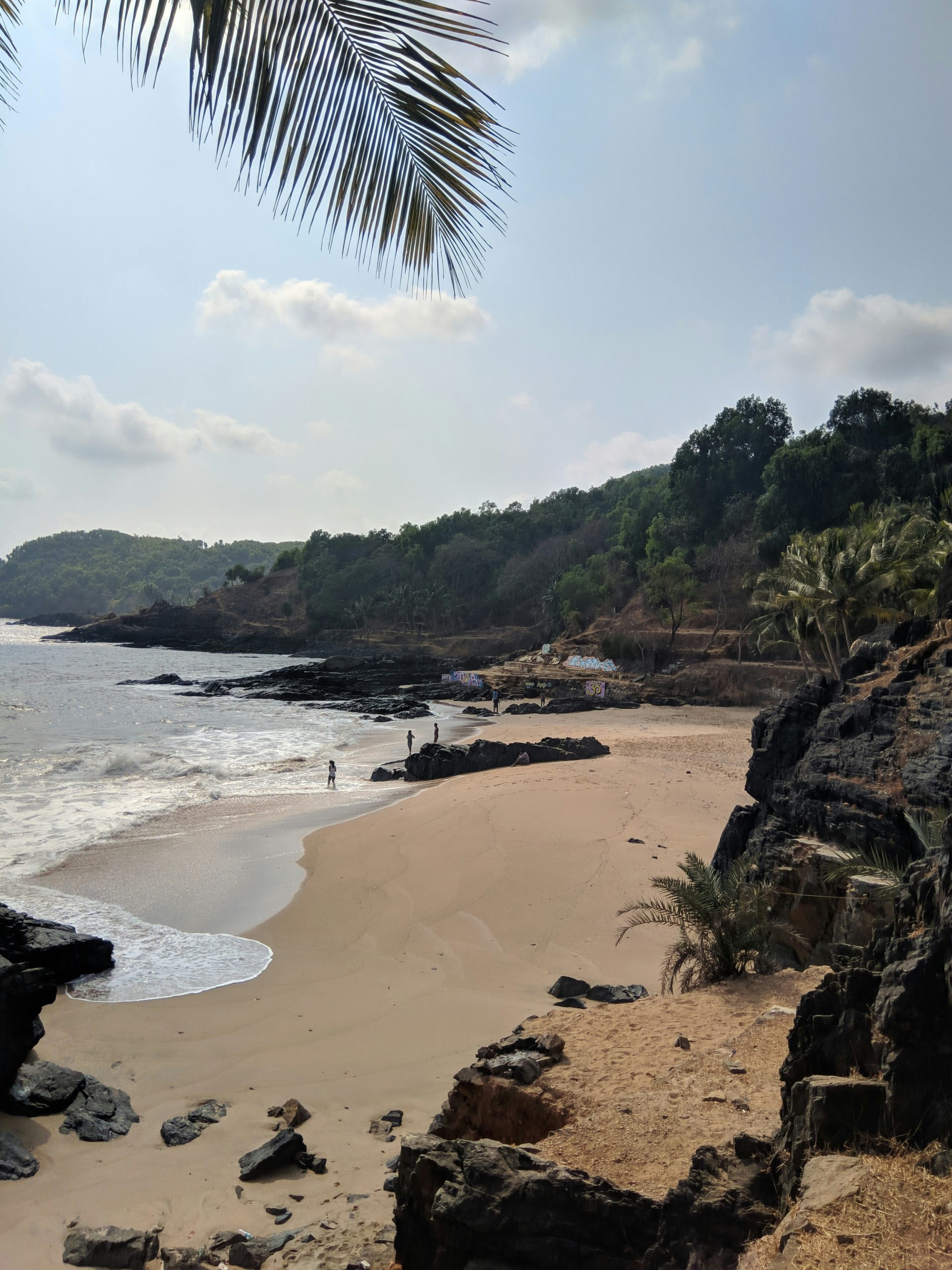
Gokarna, Karnataka – Goa’s Calm Cousin for Beaches & Bliss
If you love the idea of Goa’s beaches but not the pricey resorts and party scene, Gokarna is your dream come true. This small temple town in Karnataka hugs the same Arabian Sea coastline but offers a far more laid-back, budget-friendly vibe. In Gokarna, mornings start with yoga on the sand, afternoons are for lounging at a shack on Kudle Beach, and evenings might end around a guitar by the bonfire on Om Beach. It’s a peaceful beach meets spiritual haven kind of place, where backpackers and pilgrims oddly – and happily – coexist.
-
Location: Coastal Karnataka, about 150 km south of Goa. Gokarna town itself is small and centered around Mahabaleshwar Temple, but the main attractions are its string of beaches just south of town.
-
How to Get There: The nearest big airport is Dabolim Airport in Goa (~3.5 hours drive). From Goa, you can take a train or bus down to Gokarna Road station (8 km from town) or directly to Gokarna town. Buses from Mumbai, Bangalore, etc., also run; an overnight Volvo from Bangalore drops you in Gokarna next morning. Once there, rickshaws (or walking, if not too hot) can get you between the town and beaches. Pro tip: If coming by train, Ankola (20 km away) is a major station with more connections – from there, local buses or cabs link to Gokarna.
-
Things to Do:
-
Beach Hopping: Gokarna has four main beaches accessible by foot or a short boat ride. Gokarna Main Beach is near town (popular with pilgrims). Around the headland, you’ll find Kudle Beach – a curved stretch of sand with simple huts and cafes, great for swimming and sunsets. Next is Om Beach, named after its Om-shaped coastline; it offers water sports like kayaking and has a few chill cafes where travellers swap stories over Israeli and Indian food. Further on are Half Moon Beach and Paradise Beach, smaller and more isolated crescents accessible via a scenic cliffside trek or boat. These two have no road access, so they feel like true hidden coves – perfect for those seeking tranquility.
-
Temple & Town Stroll: Visit the Mahabaleshwar Temple in Gokarna town, an ancient Shiva temple that draws Hindu pilgrims year-round. Non-Hindus typically aren’t allowed inside the sanctum, but you can observe the rituals from just outside. Close by is the bustling bazaar road – lined with shops selling trinkets, hippie clothes, spices, and musical instruments. It’s fun to wander, grab some coconut water, and soak in the small-town vibes.
-
Yoga and Cafes: Gokarna’s serene environment has made it a mini hub for yoga enthusiasts. Many guesthouses and shacks offer morning yoga sessions on the beach for a nominal fee (or by donation). Nothing beats doing sun salutations as the sun actually rises over the ocean. Later in the day, park yourself at a clifftop café on Om Beach or a hut on Kudle Beach. Try the fresh seafood (grilled fish straight from the day’s catch) or just a simple veg thali. There’s often mellow live music in the evenings at popular spots like Namaste Café.
-
-
Budget Tip: Gokarna is wonderfully inexpensive. Simple beach huts or hostel beds can cost as low as ₹300–600 per night (they’re basic, often just a mattress and mosquito net, but who needs more when you’re steps from the sea?). Off-season (monsoon) it’s even cheaper, though many beach huts close then. Eat at local eateries in town – a South Indian breakfast (idli, dosa) is under ₹50. Getting around on foot is easy, saving you rickshaw fare. Also, haggle if you’re renting a scooter or arranging a boat trip to beaches – prices are often quoted high for tourists, but can be bargained down. All in all, you’ll find you can enjoy the “cafés, yoga, sunsets, repeat” lifestyle of Gokarna on a shoestring.
With its pristine beaches and unhurried pace, Gokarna steals the heart of every traveler looking for that perfect mix of relaxation and culture. It truly feels like Goa’s calmer, cooler cousin – the kind of hidden gem where days blur in a happy haze of sun, sand, and spirituality.
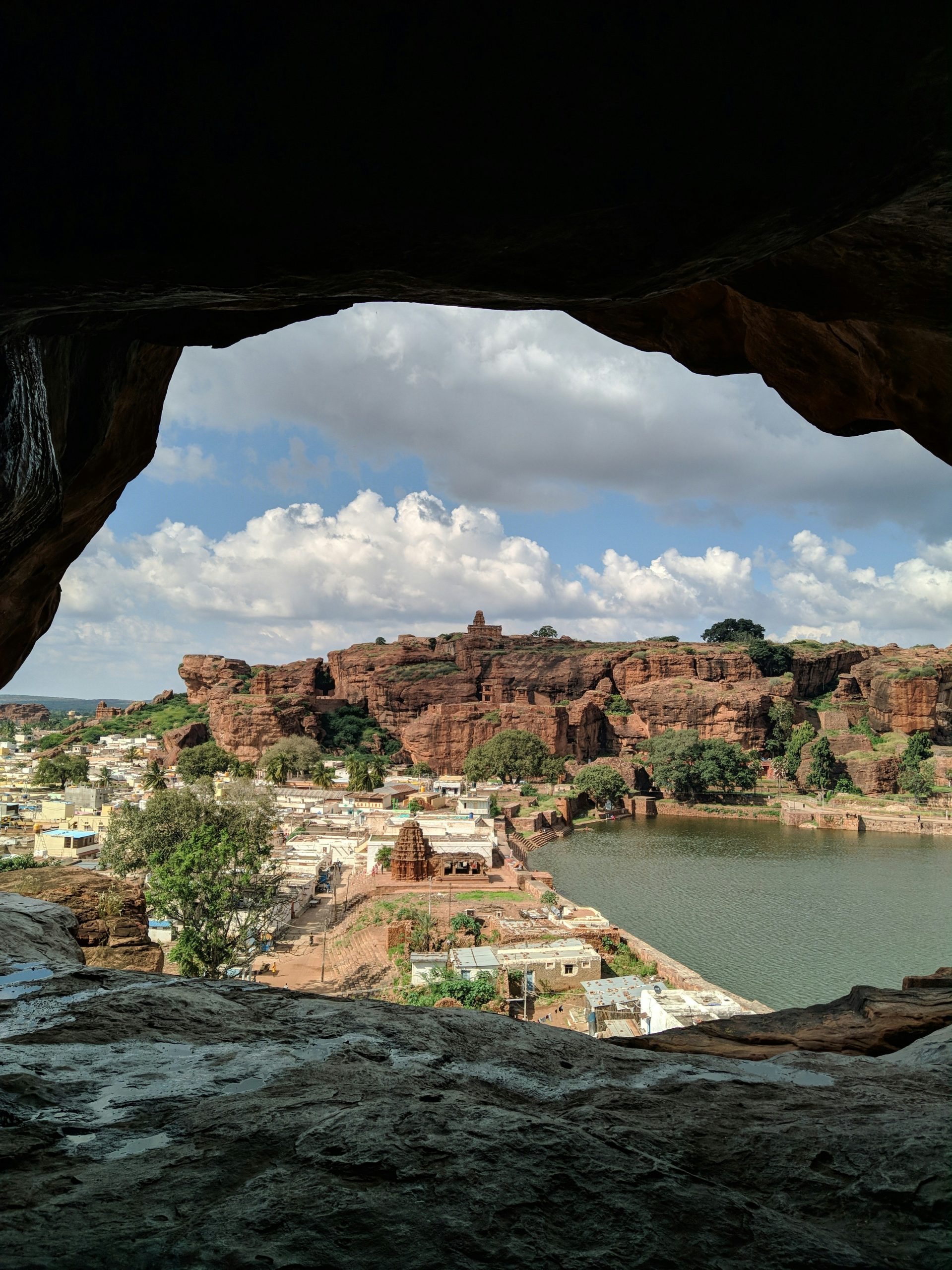
Badami, Karnataka – Ancient Cave Temples Carved in Red Sandstone
Travel back in time to an empire of the 6th century at Badami, a town known for its stunning red sandstone cliffs and the ancient cave temples carved into them. Badami, once called Vatapi, was the capital of the Badami Chalukyas, and it’s a history lover’s treasure trove. Yet, it’s surprisingly off the typical tourist trail – making it a perfect hidden gem for those intrigued by archaeology, architecture, and a bit of adventure. Imagine clambering up stone steps to caves adorned with intricate carvings of gods and legends, all while monkeys playfully scamper around. And as you look out, an emerald lake and a rustic town spread below, framed by those glowing cliffs.
-
Location: Bagalkot District, northern Karnataka. Badami forms a heritage triangle with the nearby sites of Aihole and Pattadakal (both also famed for ancient temples). It’s roughly 450 km northwest of Bangalore.
-
How to Get There: Badami is accessible by rail – Badami railway station lies on the Gadag–Bijapur line (you may need to change at Hubballi or Gadag if coming from major cities). From the station, autos (₹50–100) take you into town (just 5 km). By bus, there are direct buses from Hospet (near Hampi, 4 hours), Bangalore (overnight, ~10 hours), and Goa (via Hubballi). Once in Badami, you can walk to the cave temples from most guesthouses, or rent a bicycle to explore the town. The town is compact and easy to navigate.
-
Things to Do:
-
Explore the Cave Temples: Badami’s star attractions are its four cave temples carved into a cliffside. Cave 1 welcomes you with a giant carving of Shiva dancing in 81 poses. Cave 2 and 3 are dedicated to Vishnu – Cave 3 is the largest and boasts exquisite high-relief sculptures and ceiling paintings that still show traces of their original color. Cave 4 is Jain, smaller but serene. As you ascend from one cave to the next (they’re numbered 1 at the bottom to 4 at the top), the view keeps getting better. By Cave 4, you can see the whole Agastya Lake and the Bhoothanatha temples across the water. Fun fact: These caves are among the earliest examples of Hindu rock-cut architecture in South India, dating back to 6th-7th century.
-
Agastya Lake & Bhoothanatha Temples: After the caves, head down to the peaceful Agastya Lake, which sits right below the cliffs. On its far shore, tucked against another sandstone hill, are the Bhoothanatha temples – delicate sandstone shrines partly built and partly carved out of the rock. The reflection of these temples in the lake during late afternoon is a photographer’s delight. You can walk around the lake (it’s a popular local promenade spot) and even climb some steps on the opposite hill for a vantage point of the caves you just explored.
-
Hike to Badami Fort: If your legs are still willing, another short hike (starting near Cave 1) leads up to the Badami Fort ruins and Shivalaya temples atop the cliff. It’s a bit of a scramble through a sandstone canyon (with a few daring boulders to pass under!), but at the top you’ll find remnants of a fort, an ancient cannon, and two historic temples. The panoramic view of Badami town, the lake, and the caves from here is totally worth it. Plus, far fewer people come up this side, so you might have the vista all to yourself (save for a few langur monkeys).
-
-
Budget Tip: Badami is very budget-traveler-friendly. Entry to the cave temples is only about ₹25 for Indians and ₹300 for foreigners (combo ticket with the Pattadakal monuments) – a small price for such heritage. Many travelers stay in simple lodges near the bus stand for ₹500–800 a night or splurge ₹1200 for places with AC (helpful in summer!). Local eateries serve delicious Karnataka meals – try the North Karnataka thali which often includes jowar roti – for under ₹150. If you’re also visiting Aihole and Pattadakal (highly recommended, they’re 1 hour away), the cheapest way is to hire a scooter (around ₹500/day) or team up with other travelers to share a taxi for a day tour. In Badami itself, everything is reachable by foot or cycle, saving you transport costs.
Badami strikes that perfect balance between adventure and awe. Climbing its ancient steps and peering at 1,400-year-old carvings without jostling through crowds feels like a privilege. As you watch the sun set the sandstone cliffs on fire with color, you’ll understand why Badami is a gem – not just for its history, but for the raw, timeless atmosphere it lets you soak in.
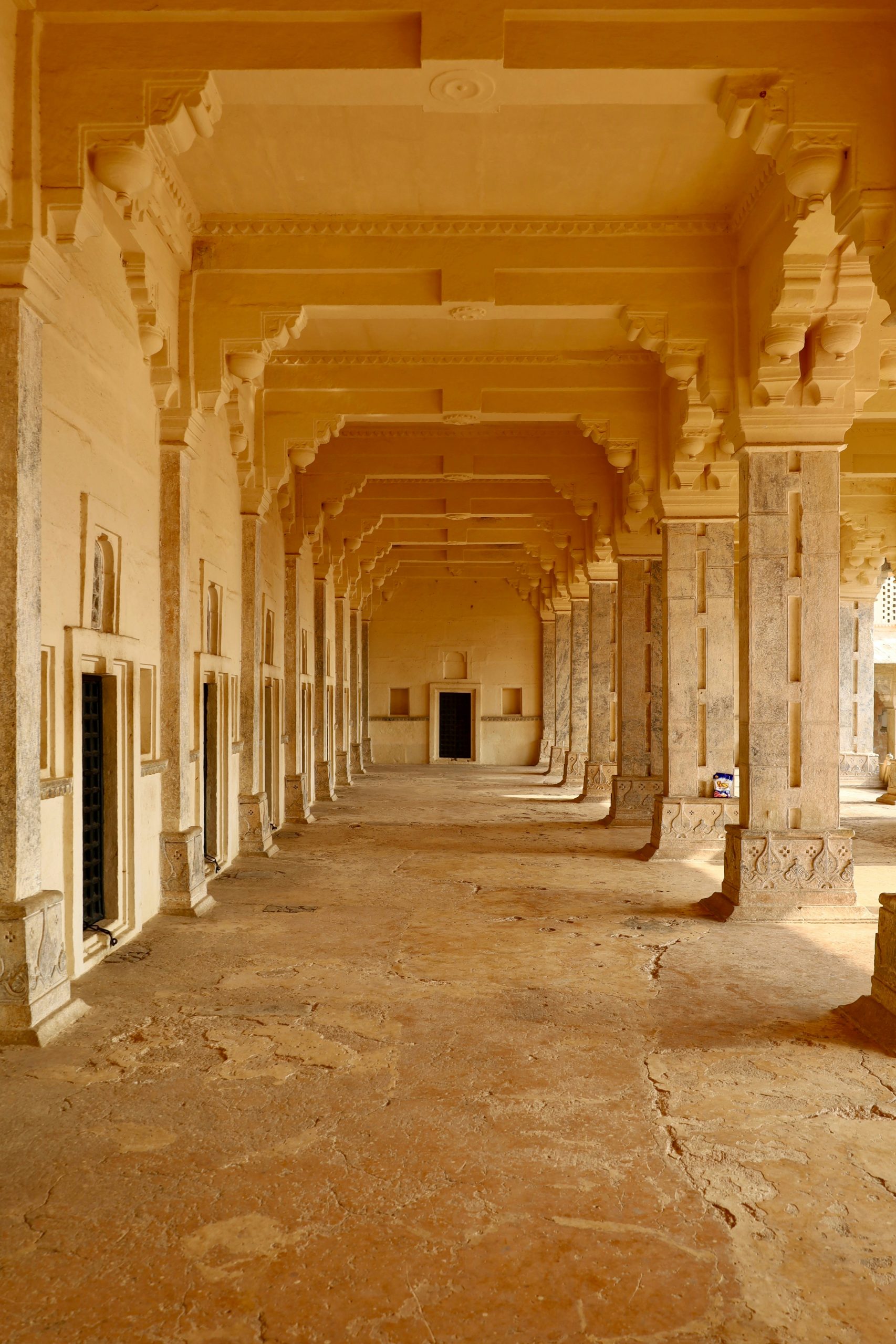
Bundi, Rajasthan – The Town Time Forgot (Stepwells, Palaces & Blue Streets)
Tucked away in a valley of the Aravalli hills is Bundi, a little Rajasthan town that seems frozen in a bygone era. Picture narrow lanes of blue-washed houses, a lake shimmering at the center, and a hulking medieval fort-palace complex presiding over it all. Bundi often goes unnoticed by the typical tourist circuit, which is exactly why it’s golden for explorers – it’s “poetry carved in stone”, minus the crowds. The town inspired Rudyard Kipling and travelers alike with its romantic, time-worn beauty. Here, every turn might reveal a crumbling stepwell or a splendid wall painting, and you’re more likely to share the view with curious local kids than tour groups.
-
Location: Hadoti region of Rajasthan, about 210 km south of Jaipur. Bundi is 35 km from Kota, the nearest major city and rail hub.
-
How to Get There: Train is convenient – catch any Kota-bound train (Kota is on main lines from Delhi/Mumbai), then hop on a quick local train or bus from Kota to Bundi (1 hour). Some express trains also directly service Bundi station once or twice a day. Buses connect Bundi with Jaipur (5-6 hours) and Udaipur (7-8 hours). When you arrive, you’ll find that Bundi town is small enough to explore by walking. Auto-rickshaws are available but often not needed except to reach a few outskirts like the 84 Pillared Cenotaph.
-
Things to Do:
-
Taragarh Fort & Garh Palace: Bundi’s crown jewel is the hilltop Taragarh Fort and the adjoining palace (Garh Palace) that cascades down the hillside. A steep walk up (or a short auto ride partway) takes you to the Garh Palace gate. Inside, you can wander through courtyards and marvel at the famed Chitrashala – a gallery of vivid 17th-century murals depicting royal life, Krishna legends, and festivals. These frescoes are incredibly well-preserved and detailed, a delight for art lovers. As you climb higher into the fort ruins, you’ll encounter overgrown battlements, old water reservoirs, and an eerie bhoot bangla (rumored haunted house). The view from the top is stunning: you see Bundi’s blue houses, the lakes, and even the patchwork of fields beyond. Note: The palace has a small entry fee; hiring a local guide for a few hundred rupees can really bring the history to life (and help navigate the complex).
-
Stepwells (Baoris) Exploration: Bundi is famous for its stepwells – centuries-old deep wells with artistic step formations. There are supposedly 50+ stepwells in and around town! The most famous is Rani Ji Ki Baori (Queen’s Stepwell), about 46 meters deep with beautifully carved pillars and arches – it’s both functional and a piece of art. There’s also Dhabhai Ka Kund, which has a dramatic geometric pattern of steps (an Instagrammer’s dream). Most stepwells are free to visit or charge a token ₹5-10. They’re usually quiet; you might have them all to yourself to click photos or just marvel at the ingenuity of old rainwater harvesting.
-
Stroll the Old City & Sagar Lake: Simply wandering Bundi is a joy. The main bazaar street is lined with Brahmin-blue houses, shops selling lac bangles and handicrafts, and cows chomping on grain spills. Friendly locals might invite you for chai. Check out the 84 Pillared Cenotaph (Chaurasi Khambon ki Chhatri) on the edge of town – it’s a hauntingly beautiful structure with (yes) 84 pillars, built in remembrance of a noble in the 17th century. In the evening, walk to Nawal Sagar Lake, the central lake with a half-submerged temple in it. The reflection of the palace on the lake at sunset is pure magic. You can sit on the ghats by the lake and feel the day slow down in this timeless town.
-
-
Budget Tip: Bundi is a backpacker’s delight cost-wise. Many heritage havelis (old mansions) have been converted into budget guesthouses – you can sleep in a place with antique furniture and inner courtyards for as low as ₹600-800 a night! Popular picks are around the palace road, giving you breakfast with a fort view. Food is cheap too – try the local specialty dal pakwan or simply have aloo parathas for under ₹50. Since Bundi is compact, you save on transport; you can rent a bicycle for pennies to reach a couple of farther sites. Bargain at the small local shops if buying souvenirs. Also, if you’re connecting via Kota, note that Kota has a lot of ATMs (and famously, fast-food chains due to its student population) – withdraw cash there, because Bundi has fewer ATMs and they occasionally run dry.
*Bundi often feels like a page from a storybook – one filled with warrior kings, wise queens, and secret stepped ponds. It’s “the town time forgot,” charming and unpretentious. For travelers, it offers that rare chance to experience Rajasthan’s history and hospitality without hurry. Climb its fort, drink from its stepwells (okay maybe not literally), and you’ll leave with your heart full of Bundi’s poetry.
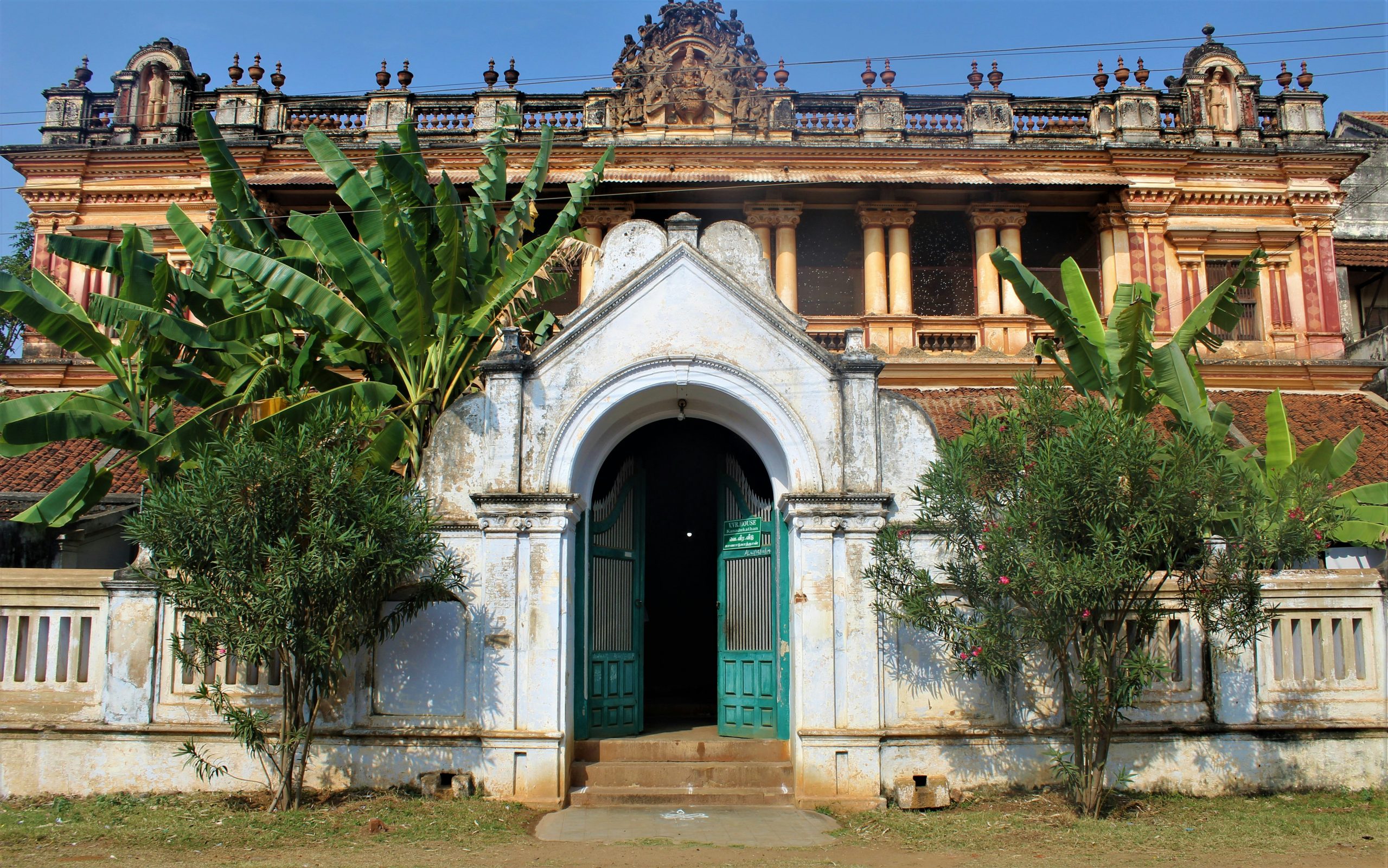
Chettinad, Tamil Nadu – Heritage Mansions and Spicy Flavors Alive in Time
In the quiet villages of Tamil Nadu’s Chettinad region, you’ll find mansions that look like mini palaces and cuisine that sets your taste buds on fire (in a good way!). Chettinad is not just one place but a collection of 70+ villages and towns (like Karaikudi, Kanadukathan, etc.) that were once home to wealthy Chettiar merchants. Today, many of their opulent 19th-century mansions still stand – some beautifully maintained, others deliciously faded. Walking through these streets is like walking through an architectural museum: you’ll see houses with Italian marble pillars, Burmese teak wood doors, and British tiled roofs, all in one! And if the architecture doesn’t mesmerize you, the Chettinad cuisine surely will – it’s among India’s most flavorful and famous (get ready for aromatic, spicy dishes). In Chettinad, heritage truly feels alive around every corner.
-
Location: Sivagangai District, Tamil Nadu. The main hub is Karaikudi, often used as the base to explore surrounding Chettinad villages. It’s about 90 km from Madurai and 400 km from Chennai.
-
How to Get There: Trains are convenient – Karaikudi has a station with trains from Chennai (overnight Rameswaram Express) and Trichy. Madurai (the closest big city/airport) is 2 hours by road; you can catch frequent buses or hire a taxi from there. Once in Chettinad, getting around the villages might need a bit of planning – bicycles can be rented in Karaikudi, or auto-rickshaws/taxis can take you village-hopping. The mansions are spread out, but many top ones are in Kanadukathan and Karaikudi itself.
-
Things to Do:
-
Palatial Mansion Tours: Visit some of the grandest Chettinad mansions. Chettinad Palace (in Kanadukathan) is a must-see – this is the Raja of Chettinad’s residence, and while you can only view it from outside, its lime plaster finish and regal architecture impress mightily. Nearby, Visalam is a mansion turned heritage hotel that often allows tourists to look around or dine (you can see period furniture and lovely courtyards). Many other mansions, like the VRM House or Periya Veedu, can be visited – some require you to request permission or pay a small fee to caretakers. Don’t miss the details: Belgian glass chandeliers, intricately carved teak ceilings, and Italian floor tiles with floral patterns. Each house tells stories of the Chettiar family who once did banking and trade all across Asia and brought back these exotic materials.
-
Culinary Delights and Cooking Classes: Chettinad cuisine is world-famous among foodies. While in its birthplace, indulge in authentic dishes. Try Chettinad chicken curry (a fiery curry with a medley of spices like star anise, kalpasi and more), varuval (spicy dry-fried meats or veggies), and the assortment of chutneys and powders that accompany meals. Many heritage hotels or homestays in Chettinad offer cooking demonstrations – a fantastic opportunity to learn the secret recipes (and take them home as the ultimate souvenir!). Even a simple meal on a banana leaf at a local eatery – with items like kuzhi paniyaram (savory rice lentil dumplings) or murukku snacks – will be memorable. It’s spicy, yes, but oh-so-flavorful.
-
Handicrafts and Shopping: Chettinad is also known for its unique arts. Visit the Athangudi tile making units in Athangudi village – you can watch craftsmen create those gorgeous colorful cement tiles, with water bath techniques, one at a time (and you can even buy some; they make lovely coasters or decor pieces if a whole tile is too heavy for your backpack!). Karaikudi’s antique markets (especially around Muneeswaran Kovil area) are a trove – you’ll find old wood carvings, brass lamps, ceramic jars, and more from old Chettiar homes. And don’t forget to pick up a Chettinad cotton sari – these handloom sarees have striking patterns and are very breathable (great for the Indian climate). They cost a fraction of fancy silk saris, making them a budget-friendly keepsake.
-
-
Budget Tip: Chettinad may look lavish, but it’s gentle on your budget. Many mansions have been converted into heritage homestays where you can stay for as low as ₹1000–1500 per night, often including homemade Chettinad breakfast. If you’re solo, look for guesthouses in Karaikudi town for even cheaper rates (~₹700). Street food and local restaurants are inexpensive – a hearty meal might be ₹100-150. Renting a cycle (around ₹100/day) to roam the villages is not only cheap but gives you the best access to nooks and crannies that cars can’t reach. Also, most mansion visits either cost nothing or a token ₹50-100 “tips” to caretakers. One thing to budget a bit more for is transport between villages if you’re not cycling – you might need to hire an auto for a few hours (negotiate a day rate, ~₹500-600, especially if you plan to cover multiple sites). Lastly, the best time is winter when weather is mild; if you go in summer to save on accommodation deals, just be prepared for very hot days.
Chettinad is a feast for the senses – from the visual grandeur of its mansions to the spicy aromas of its kitchens. It’s an offbeat cultural experience where you literally live amidst history and taste tradition in every meal. For the young traveler, it offers a story-filled journey (and Instagram backdrops aplenty!). For the budget traveler, it’s luxury on a shoestring. Either way, Chettinad leaves you enchanted and very well-fed.
Book Hostels In Andhra Pradesh
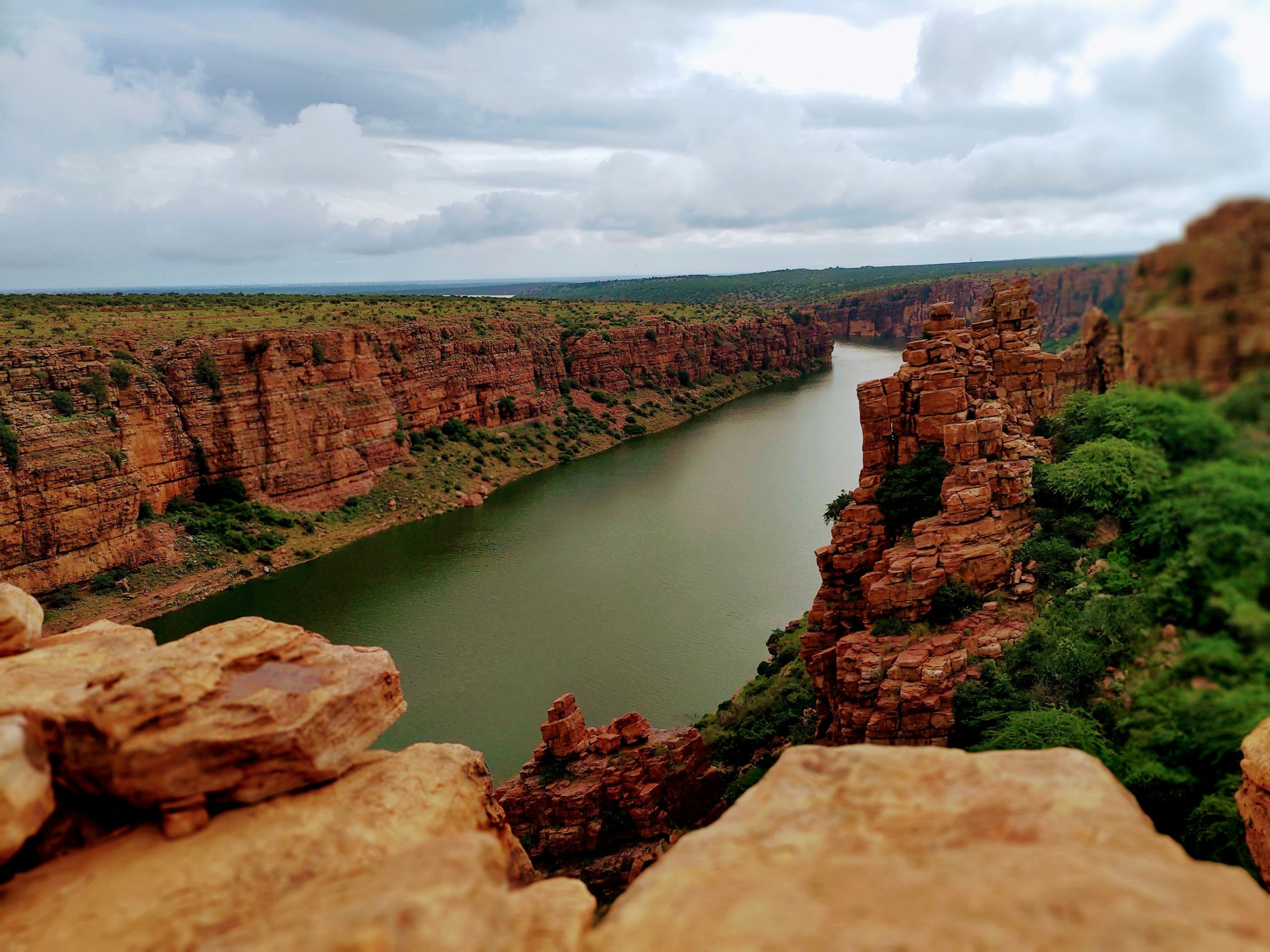
Gandikota, Andhra Pradesh – India’s Grand Canyon Adventure
Towering red cliffs, a meandering river far below, and an ancient fort overlooking it all – welcome to Gandikota, often dubbed “the Grand Canyon of India”. This hidden gem in Andhra Pradesh combines epic geological scenery with rich historical ruins. It’s the kind of place where you can stand on the edge of a gorge with wind in your hair, feeling tiny against nature’s grandeur, and then wander a 13th-century fort complex imagining the battles and lives that passed within its walls. And yet, despite its jaw-dropping vistas, Gandikota remains delightfully under-visited – an adventurous playground for those willing to go a bit off the grid.
-
Location: Kadapa District, Andhra Pradesh, on the banks of the Pennar River. The nearest town is Jammalamadugu (~15 km). It’s roughly 280 km from Bangalore (Karnataka) and 400 km from Hyderabad (Telangana).
-
How to Get There: Gandikota is remote, so getting there is half the fun. The closest major rail station is Kadapa (Cuddapah), 90 km away. From Kadapa or Tadipatri station (also ~90 km), you’d hire a taxi or take local buses to Jammalamadugu and onward to Gandikota. Many travelers from Bangalore or Hyderabad prefer to drive or ride a bike – the roads are decent and the roadtrip adds to the experience (approx 6 hours from BLR, 8 from HYD). There are also tour groups that occasionally organize trips. If using public transport all the way: catch a bus to Jammalamadugu, then a very local bus or shared auto to Gandikota village. Once there, everything is within walking distance inside the fort area.
-
Things to Do:
-
Gandikota Fort Exploration: Start with the historical side. Gandikota Fort is a sprawling ruins site with a history dating back to the 1100s. Walk through its grand entrance gate and you’ll find an old village within. Key sights: the Madhavaraya Swamy Temple with intricate carvings (though now abandoned, it’s beautiful), the Juma Masjid with its elegant arches (a testament to the fort’s multi-period Hindu-Muslim heritage), and an old granary and jail. The structures are scattered, so take time to roam. There are virtually no signboards – it feels like an adventure and you can climb and peer into many nooks freely. As you wander the fort’s edge, you’ll catch glimpses of the gorge view that awaits.
-
Canyon Viewpoint: The absolute highlight is the panoramic viewpoint of the Gandikota gorge. A short walk from the mosque, past some boulders, and suddenly you’re at the cliff’s edge – and wow! The Pennar River has carved a deep valley through the Erramala hills, creating sheer rock faces that resemble Arizona’s famed canyon (in miniature). The rocks are layers of red, brown, and gold, and as sunlight shifts, the colors dance. This spot is incredible at sunrise and sunset when the hues are most vibrant. Be cautious near the edge (there are no rails). Many like to just sit here in awe or take those envy-inducing wide-angle photos. If you’re up for it, scramble a bit on the rocks to find your own private perch. Each angle gives a new composition of river and canyon.
-
Adventure Activities: Gandikota is gaining traction for adventure. You can do kayaking on the Pennar River (local operators set up by the riverbank in cooler months; they’ll take you down a manageable stretch of the river between the gorges, safety gear provided). There’s also rappelling and rock climbing on offer occasionally during organized adventure camps – rappelling down a moderate section of the cliff is a thrill! But the most popular adventure is camping under the stars. Visitors often pitch tents on the flat ground near the cliffs (a safe distance back). The night sky here is brilliant – with little light pollution, you can clearly see the Milky Way on a moonless night. Imagine campfires, guitars, and the silhouette of canyon walls under starlight – that’s Gandikota by night.
-
-
Budget Tip: There’s no entry fee for Gandikota Fort or the canyon – it’s all open access, which is fantastic for budget travelers. The only accommodation right at Gandikota is a simple APTDC run hotel (Haritha) which is moderately priced (~₹1500). However, many choose to camp for free in the designated camping area near the viewpoint (or wherever you find flat ground). If you have your own tent, great – if not, local guides sometimes rent tents (~₹500 per tent). Carry your own food and water into the fort as there are limited options (a couple of small stalls for snacks). Alternatively, stay in Jammalamadugu for cheaper lodges (₹800 or so) and come for a day trip. Getting here on a budget means using local transport – doable, but less frequent; hitchhiking from Jammalamadugu is also a known practice among adventurous souls. Once on site, your expenses are minimal. One more tip: come with a group of friends, and you can split a hired car or guide, making it economical and more fun. Gandikota is truly a high-value experience for minimal cost – where else can you get a Grand Canyon-like experience essentially for free?
Gandikota delivers a wow factor that far exceeds the effort to get there. Whether you’re peering down the gorge with your heart in your throat, exploring centuries-old ruins, or sharing stories by a campfire, you’ll likely wonder how a place this amazing has stayed so under the radar. It’s remote, it’s raw, and it’s absolutely rewarding – a hidden gem that adventurous travelers will brag about discovering.
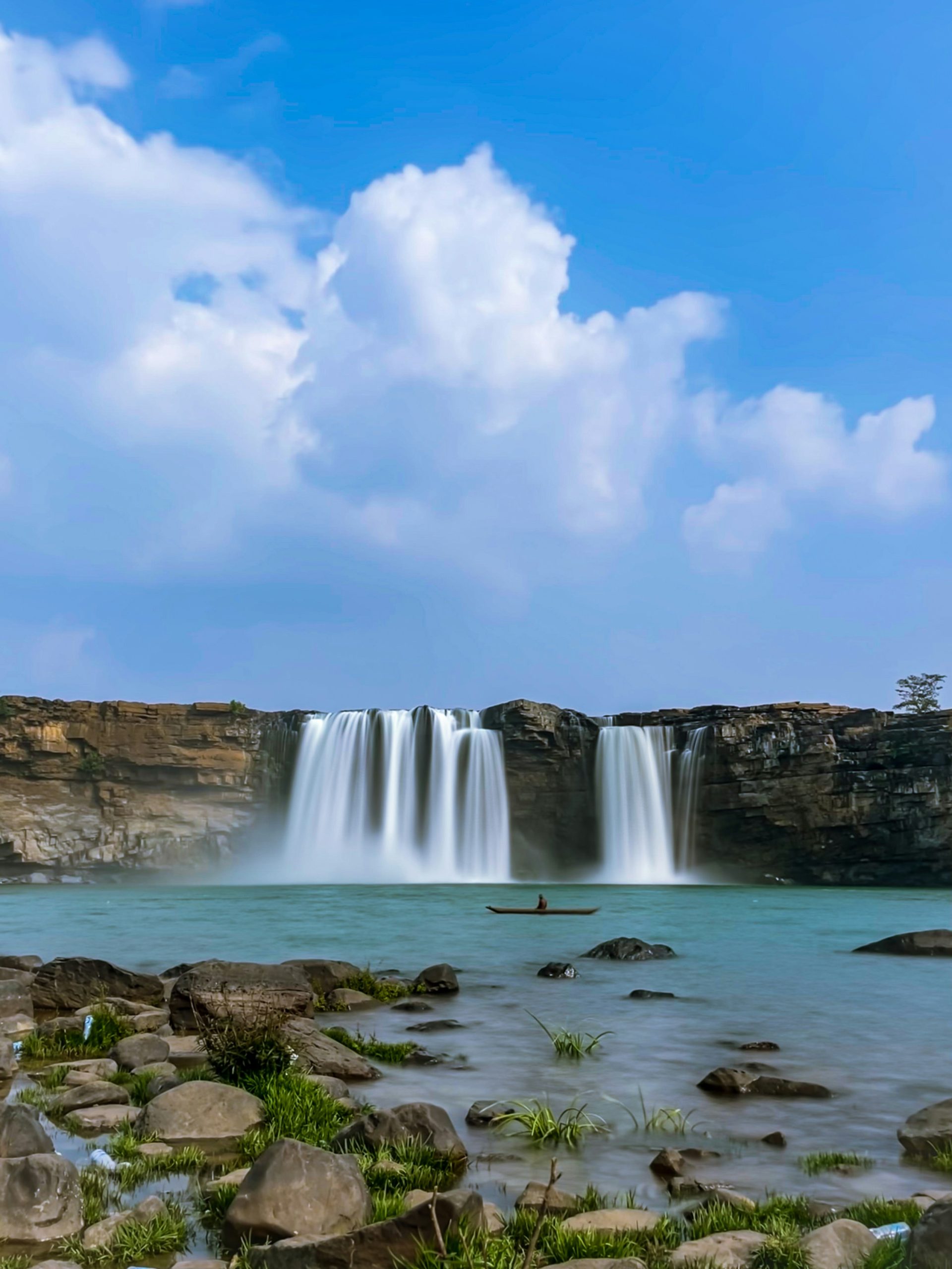
Chitrakote Falls, Chhattisgarh – The Niagara of India in the Heart of the Forest
Deep in the green heart of India, the Indravati River takes a dramatic 30-meter plunge off a horseshoe-shaped cliff, creating a waterfall so wide and powerful it’s often called “India’s Niagara Falls.” This is Chitrakote Falls (also spelled Chitrakoot), the country’s widest waterfall especially in monsoon season. Surrounded by dense forests in Chhattisgarh’s Bastar region, Chitrakote is truly a sight to behold – thunderous in the rains, serene in the dry season. It’s not just the scale that’s captivating; it’s the fact that such a natural wonder sits largely undiscovered by mainstream tourists. If you’re an adventurer or nature lover willing to venture a bit offbeat, Chitrakote will reward you with its misty magic and tribal heartland vibes.
-
Location: Bastar District, Chhattisgarh. The falls are about 38 km west of Jagdalpur, the district headquarters and nearest city.
-
How to Get There: Jagdalpur is the gateway – it has a railway station (connected via a scenic line from Vishakhapatnam) and a small airport with flights from Raipur. From Jagdalpur, you can hire a taxi or jump on a local bus to the falls (buses towards Chitrakote village or Tirathgarh side). The ride is about 1 hour. Roads are decent. If you prefer convenience, many travelers arrange a day-trip car from Jagdalpur, often combined with other local sights like Tirathgarh Falls or caves. Once at the Chitrakote site, it’s a short walk from the parking to the main viewpoints and parks around the falls.
-
Things to Do:
-
Multiple Viewpoints: The great thing about Chitrakote is you can enjoy it from various angles. There’s a main viewing platform near the parking area which gives a head-on view of the waterfall – during monsoon (July-October), the falls stretch almost 300 meters across, flowing in a massive brown torrent that roars like a jet engine. In winter and summer, the flow reduces, revealing three distinct streams of water and rocky ledges (still beautiful, just different). For the adventurous, there’s a stairway (about 70 steps) that leads down to the base of the falls. At the bottom, you can feel the spray on your face and even step closer to the waterfall’s pool (cautiously). Another awesome perspective is from above the falls – you can actually walk along the riverbank upstream and peer right over where water plunges down (hold on to your phone!). Each viewpoint offers a unique thrill.
-
Boat Ride: In the calmer months (typically winter, when water flow is moderate), locals operate small boat rides at the base of Chitrakote Falls. For a few hundred rupees, they’ll paddle you surprisingly close to the cascades. It’s an exhilarating experience as you approach the curtain of water and feel the mist engulf you with rainbows forming on sunny days. (Note: Boat availability depends on safety conditions; not offered in peak monsoon due to strong currents).
-
Experience Local Culture: Bastar region is rich in tribal culture. Near Chitrakote, you might find a small handicraft market with tribal artisans selling wood carvings, handmade jewelry, or the famous Bastar bell metal souvenirs. If you happen to visit during Dussehra festival, Jagdalpur hosts an extraordinary 75-day-long Dussehra celebration where tribes from all over Bastar come – a truly unique cultural experience. Around the falls, you might see locals, including tribal families, on picnics or performing rituals (the river and falls are considered sacred). Interact respectfully – Bastar people are warm and might share interesting folklore (like the legend of Lord Rama’s visit to Chitrakote).
-
-
Budget Tip: Visiting Chitrakote is quite affordable. There’s no entry fee to view the falls. The state tourism dept has built some cottages nearby, but budget travelers often stay in Jagdalpur where lodging can be as low as ₹500 for a basic hotel. Eating local is cheap: try the Chhattisgarhi thalis or roadside chaat in Jagdalpur market. Buses to the falls cost maybe ₹30-50 one way. If you can assemble a small group at your hostel/hotel, hiring a shared taxi for a day (₹1500-2000 split among people) can be economical and lets you cover multiple sights. Keep in mind, Bastar is largely cash economy – so carry cash, as ATMs in Jagdalpur are available but once you’re out in villages, you won’t find any. Safety-wise, the area around the waterfall is well-maintained and safe; just avoid leaning too far for selfies (every year some overzealous person learns this the hard way). Monkeys are around – protect your snacks! Lastly, do stay till sunset if you can – the falls look golden and if it’s the right season, you might catch the moonrise as well, which is simply poetic.
Chitrakote Falls may be nicknamed after Niagara, but standing before it, you’ll realize it has a soul and character all its own. There’s something humbling about its raw power in monsoon and something enchanting about its quiet grace in summer. As a hidden gem of central India, Chitrakote offers not just a visual spectacle, but a peaceful retreat into nature and a peek into the vibrant tribal heritage of Bastar. In the diary of your travels, mark this one under “unforgettable.”
Ready to discover hidden gems in India for yourself?
Now that we’ve journeyed through these incredible offbeat destinations, you can see how diverse and enriching India’s lesser-known travel gems truly are. From remote valleys and villages that redefine tranquility to architectural and natural marvels that ignite awe, each place offers something unique for the curious traveler. The best part? These experiences don’t break the bank – they thrive on simplicity, adventure, and genuine human connections, which is exactly what budget explorers and backpackers seek.
So pack your bags with an open mind, a sturdy pair of shoes, and a heart ready for adventure. India’s hidden gems are calling, promising stories and memories that you won’t find in any typical tour package. As you explore them, you’re not just a tourist – you’re an explorer, forging your own path and discovering the true soul of India, one hidden gem at a time.
Safe travels and happy exploring!
Download the Hostelworld app to start booking now


FAQ: Hidden Gems In India
What is the largest river island in the world and what’s special about it?
Majuli, in the Brahmaputra River of Assam, holds the title of the world’s largest river island. It’s special for its serene rural charm and rich cultural heritage. Majuli is home to unique Vaishnavite monasteries called satras, where monks practice centuries-old arts like mask-making, dance, and music. Life on the island is slow and rooted in nature – expect lush rice fields, stilted thatch homes, and friendly tribal communities. Reaching Majuli involves a picturesque ferry ride from Jorhat, which in itself is a memorable experience. The island is also a bird watcher’s paradise, especially in winter when migratory birds visit its wetlands.
What destination is referred to as the “Grand Canyon of India”?
The nickname “Grand Canyon of India” refers to Gandikota in Andhra Pradesh. Gandikota features a spectacular gorge where the Pennar River cuts through red rock cliffs, resembling a miniature Grand Canyon. It’s an offbeat destination known for its breathtaking viewpoints over the canyon and the historic Gandikota Fort with ancient temples and a mosque. Adventure seekers often camp near the cliff edge (at a safe distance) to catch sunrises and starry skies, and activities like kayaking in the river are offered at times. Gandikota is truly a hidden gem for both nature and history lovers.
Which waterfall is called the “Niagara Falls of India” and when is the best time to see it?
Chitrakote Falls in Chhattisgarh is often dubbed the “Niagara Falls of India” due to its wide horseshoe shape and powerful flow. The best time to see Chitrakote Falls in full glory is during the monsoon season (July to September) when the Indravati River is swollen – the falls widen up to 300 meters and roar with reddish-brown water, an awe-inspiring sight. For a calmer view (with possible boating), visit in winter (November to February) when the water is clear and streams fall in silvery ribbons. Each season offers a different experience: monsoon for raw power and rainbows in the mist, winter for serenity and exploring the exposed rocks at the base.
Are these hidden gems in India safe for solo travelers, including women?
Generally, yes – most of these offbeat destinations are safe for solo travelers, and many visitors (including solo female travelers) have had positive experiences. In fact, places like the Northeast states (e.g., Meghalaya, Arunachal) are known for their warm hospitality and have a reputation of being peaceful and welcoming with relatively low crime rate. That said, traveling off the beaten path anywhere requires basic precautions. Here are some tips:
Research and Plan: Understand the local customs and any permit requirements (for example, Arunachal Pradesh requires an entry permit). Furbago’s guide notes that Northeast states like Assam, Meghalaya, Tripura don’t require special permits for Indians or foreigners, but others do – check in advance.
Stay Connected: Inform someone (friend/family) about your itinerary. In remote areas, mobile network can be patchy; buying a local SIM (Airtel or Jio) is advisable for better coverage.
Daylight Travel: In villages or trekking areas, it’s wise to finish activities by sunset and return to your accommodation, as public transport is rare at night and it’s easier to get lost in the dark.
Accommodation: Opt for family-run guesthouses or homestays with good reviews. Not only are they safer, but they also give you an authentic experience. Pre-booking your stay, especially for late arrivals, is a smart move.
Local Guidance: Don’t hesitate to seek help from locals or hire local guides for remote excursions. For instance, taking a guide in places like Tirthan Valley or for the Ziro trek can enhance both safety and experience.
Overall, Indians are quite hospitable, and solo travelers often find themselves looked after by locals. Use the same common sense you would anywhere: keep your valuables secure, trust your instincts, and you’ll find that exploring these hidden gems is not only safe but incredibly rewarding. Many solo travelers have found these offbeat spots to be friendly, less crowded, and very welcoming to visitors – ideal for a soulful journey. Enjoy your travels and the connections you make along the way!


 Get the App.