
How to Build a Realistic Budget for Backpacking Thailand
Ask ten backpackers what they spent in Thailand and you’ll get ten different answers, and none of them will be that useful to you. That’s because a realistic budget for backpacking Thailand isn’t really a daily number at all. It’s a moving target that changes depending on whether you’re in the chaos of Bangkok, the mellow hills of Pai, or a party hostel on Koh Phangan the week of a Full Moon Party.
Building a proper Thailand backpacking realistic budget breakdown means looking at your route city by city, not applying one blanket “$30 a day” rule to the whole trip. Prices for a dorm bed, a plate of pad see ew, or a night out swing wildly between destinations, and that swing is exactly what this guide breaks down, region by region, so you can actually plan.
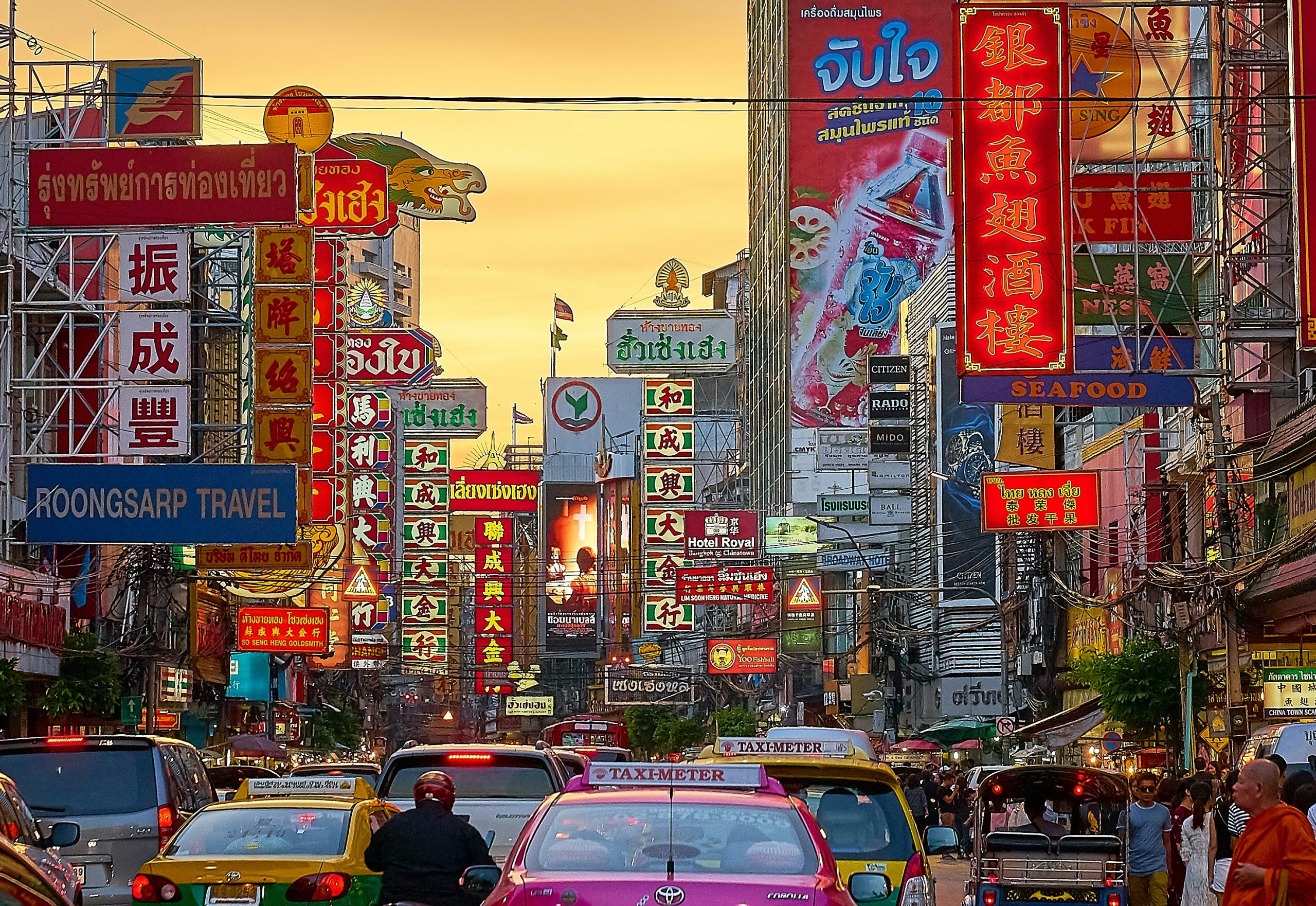
🏙️ How Much Should You Budget for Bangkok?
Bangkok is where most trips start, and it’s more affordable than its skyline suggests. A backpacking Thailand budget by city really begins here, since Bangkok sets the baseline for everything else.
- Accommodation: Dorm beds run 250 to 450 baht (roughly $7 to $13) a night in social hostels around Khao San Road or Sukhumvit.
- Food: Street food meals cost 40 to 80 baht ($1 to $2.50). A sit-down restaurant meal is closer to 150 to 250 baht.
- Transport: The BTS Skytrain and MRT are cheap and easy, usually 20 to 60 baht per ride. Grab rides across town rarely exceed 150 baht.
- Nightlife: A large Chang beer is 80 to 120 baht at a local bar, more like 200 baht plus at a rooftop bar.
Daily total: roughly $20 to $35, depending on how many rooftop cocktails make it onto your tab.
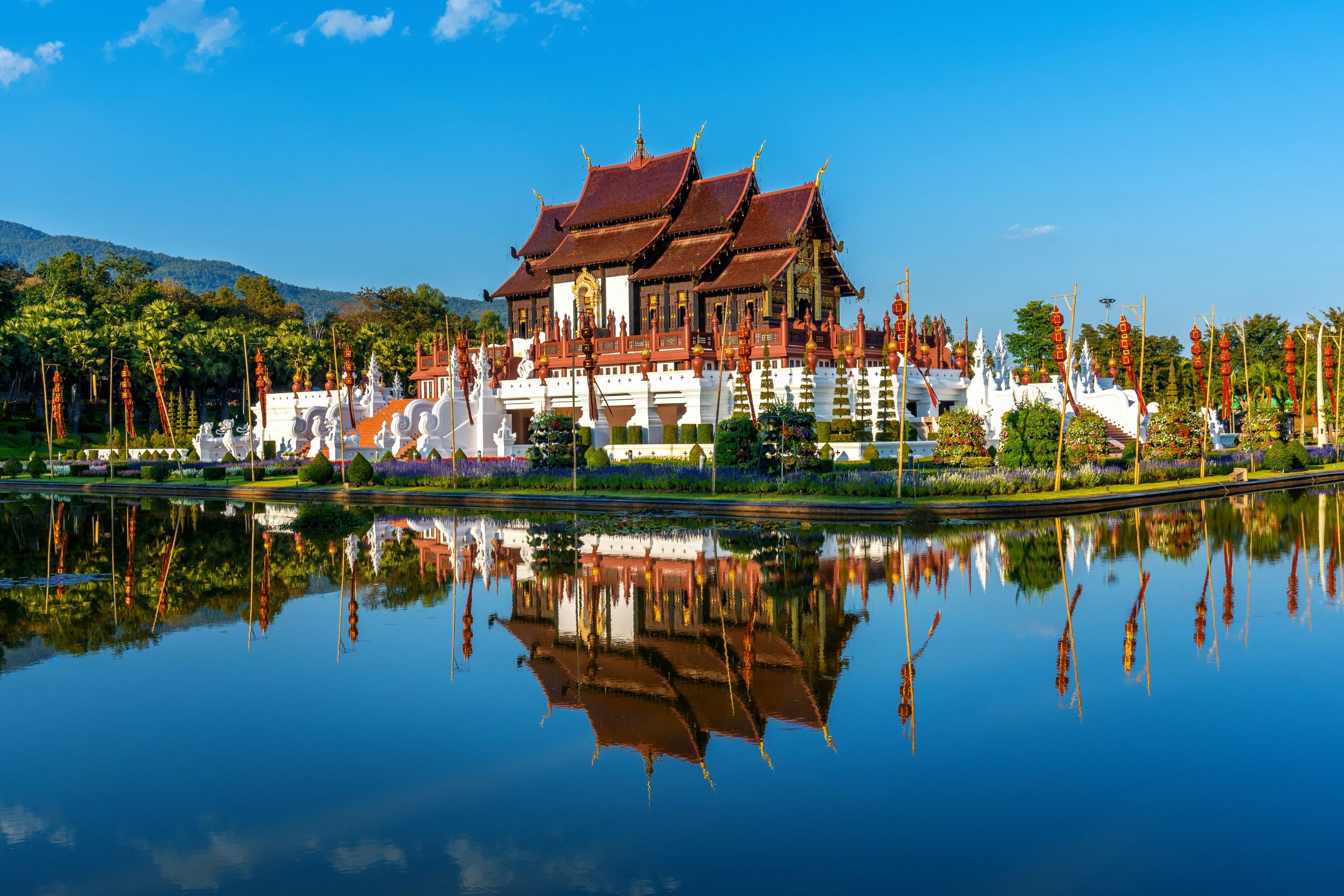
⛩️ What Does a Week in Chiang Mai Actually Cost?
Chiang Mai is noticeably gentler on the wallet than Bangkok, and it’s usually where backpackers slow down for a week or more. Hostel dorms in the Old City average 200 to 350 baht a night, and there’s real variety, from party-focused social hostels to quieter guesthouse-style stays with kitchens.
Food here might be the best value in the country:
- Khao soi or pad Thai from a market stall: 40 to 60 baht
- A cooking class (dinner included): 700 to 900 baht
- Elephant sanctuary day trip: 1,800 to 2,500 baht
- Songthaew ride across town: 30 to 40 baht
The biggest cost variable in Chiang Mai is day trips. Skip a couple of the pricier tours and this city can run comfortably under $20 a day. Add elephant sanctuaries and cooking classes and you’ll land closer to $30 to $35 on those days, still cheaper than a comparable day in Bangkok.
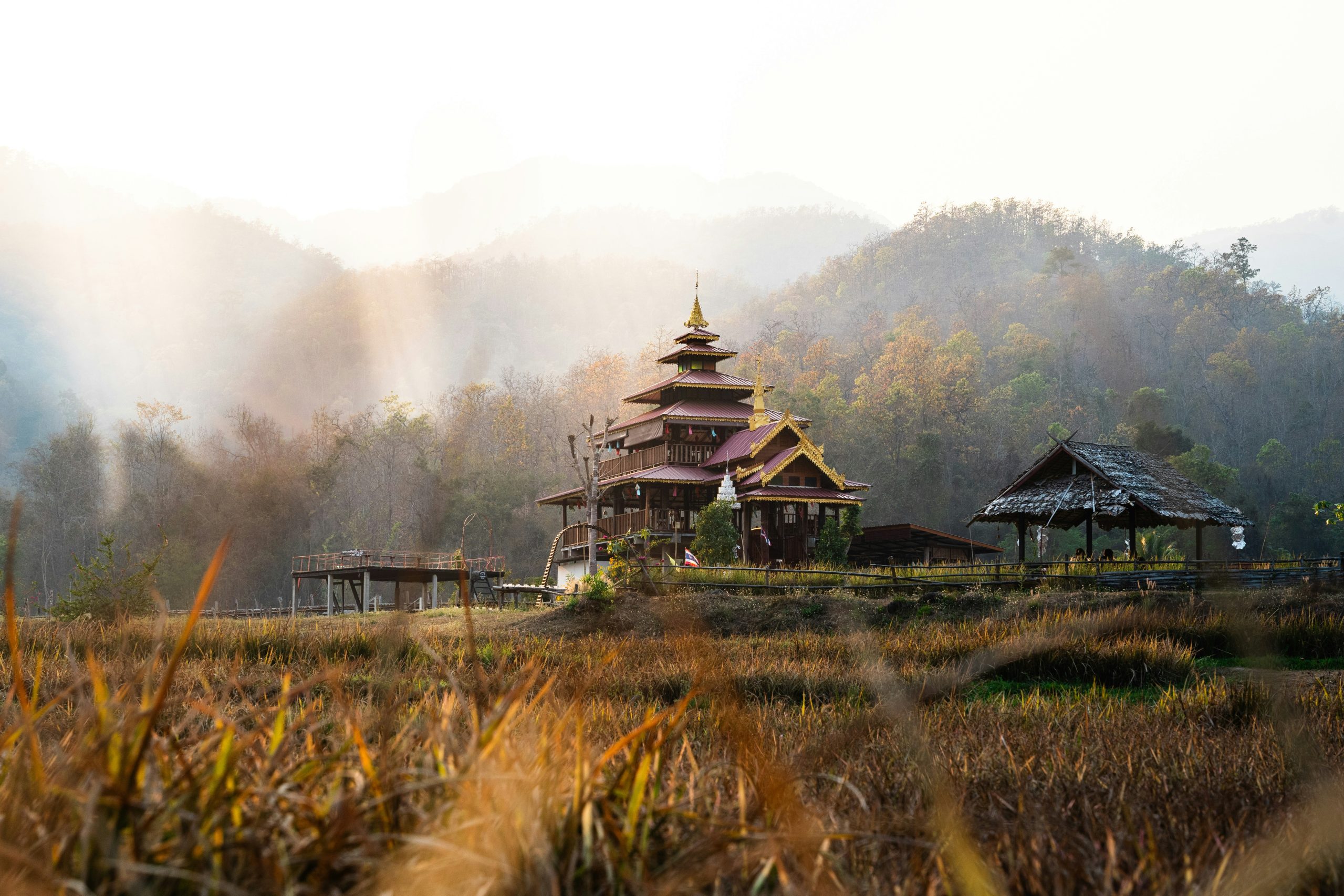
🏞️ How Cheap Is Pai and Northern Thailand?
Pai is the budget sweet spot of northern Thailand. Rent a scooter for 150 to 200 baht a day, and most of what makes Pai special (waterfalls, canyon views, hot springs) costs nothing beyond that and a small entry fee here and there.
Dorm beds average 150 to 300 baht, some of the cheapest in the country, and a full day of street food plus a bowl of khao soi for dinner rarely tops 200 baht.
Quick tip: Pai’s night market is where most backpackers eat dinner every single night. It’s social, cheap, and genuinely good, so don’t budget extra for restaurants unless you want a sit-down meal.
Getting to Pai from Chiang Mai costs 150 to 250 baht by minivan for the famously winding three-hour drive. Budget 700 to 900 baht per day here overall, and that’s a generous estimate.
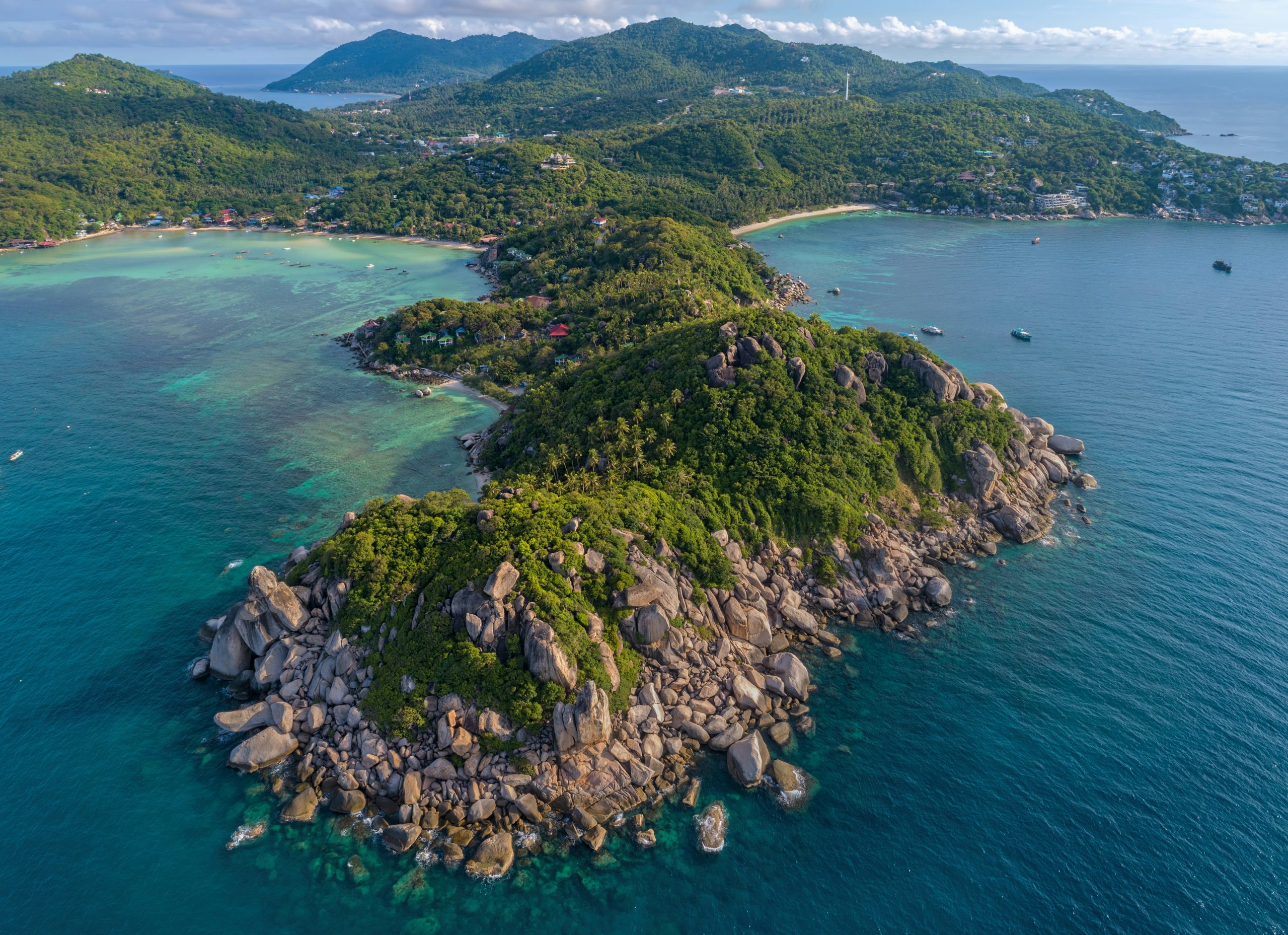
🏝️ Koh Tao, Koh Phangan or Koh Samui: Which Island Costs Least?
Island costs in Thailand vary more than almost anything else on this list, and it comes down to purpose. Koh Tao is built around diving, Koh Phangan around parties, and Koh Samui around comfort. Here’s how they stack up:
| Island | Dorm bed | Cheap meal | Standout cost |
|---|---|---|---|
| Koh Tao | 250-400 baht | 60-100 baht | Open Water dive course: ~9,500 baht |
| Koh Phangan | 200-400 baht | 50-90 baht | Full Moon Party entry: 100-300 baht |
| Koh Samui | 350-550 baht | 80-150 baht | Beachfront everything costs more |
Koh Phangan is the cheapest of the three outside of Full Moon Party week, when prices spike across the board. Koh Samui is consistently the priciest, since it caters more to couples and families than backpackers.

🌊 Phuket and Krabi: Where Does Your Money Go Further?
Phuket and Krabi get grouped together often, but they spend very differently. Phuket, especially Patong, has a bigger range: budget hostels sit around 250 to 400 baht, but nightlife and beach clubs there can eat through cash fast if you’re not careful.
Krabi, and Ao Nang in particular, is calmer and cheaper for the essentials, though it makes up for it with excursions:
- Hostel dorms: 200 to 400 baht
- Four Islands boat trip: 800 to 1,200 baht
- Railay Beach longtail boat: 100 baht round trip
- Rock climbing half-day course: 1,000 to 1,500 baht
Krabi is the better base for day trips and nature, while Phuket suits travellers who want nightlife with their beach time. Budget $25 to $30 a day in Krabi, and $30 to $45 in Phuket if Patong nightlife is part of the plan.
🗓️ What Does a 3-Week Thailand Budget Look Like Week by Week?
Here’s how a realistic three-week loop might break down for someone budgeting for a thailand backpacking trip on a moderate, not ultra-tight, budget:
- Week 1, Bangkok and Chiang Mai: 5 nights Bangkok, 5 nights Chiang Mai (with a cooking class and one day trip). Roughly $180 to $220.
- Week 2, Pai and back to Chiang Mai: 3 nights Pai, scooter rental, night market dinners nightly. Roughly $120 to $150.
- Week 3, Islands: Flight or ferry south, 4 nights Koh Phangan, 3 nights Koh Tao, including a dive course. Roughly $280 to $340.
Total for 3 weeks: approximately $580 to $710, not counting flights in and out of Thailand. That’s before any big splurges like a Muay Thai class or a multi-day dive certification, which can add $150 to $300 depending on what you choose.
📊 Thailand Backpacker Budget at a Glance
For a quick side-by-side, here’s the master breakdown across every stop covered above.
| City | Hostel dorm avg | Cheap meal | Day trip | Night out |
|---|---|---|---|---|
| Bangkok | $10 | $2 | $15-25 | $10-20 |
| Chiang Mai | $8 | $1.50 | $20-30 | $8-15 |
| Pai | $6 | $1.20 | Free-$10 | $6-12 |
| Koh Tao | $9 | $2 | $40-60 | $10-18 |
| Koh Phangan | $7 | $1.80 | $15-25 | $8-25 |
| Koh Samui | $12 | $3 | $25-40 | $12-22 |
| Phuket | $10 | $2.50 | $25-40 | $15-30 |
| Krabi | $8 | $2 | $25-35 | $10-18 |
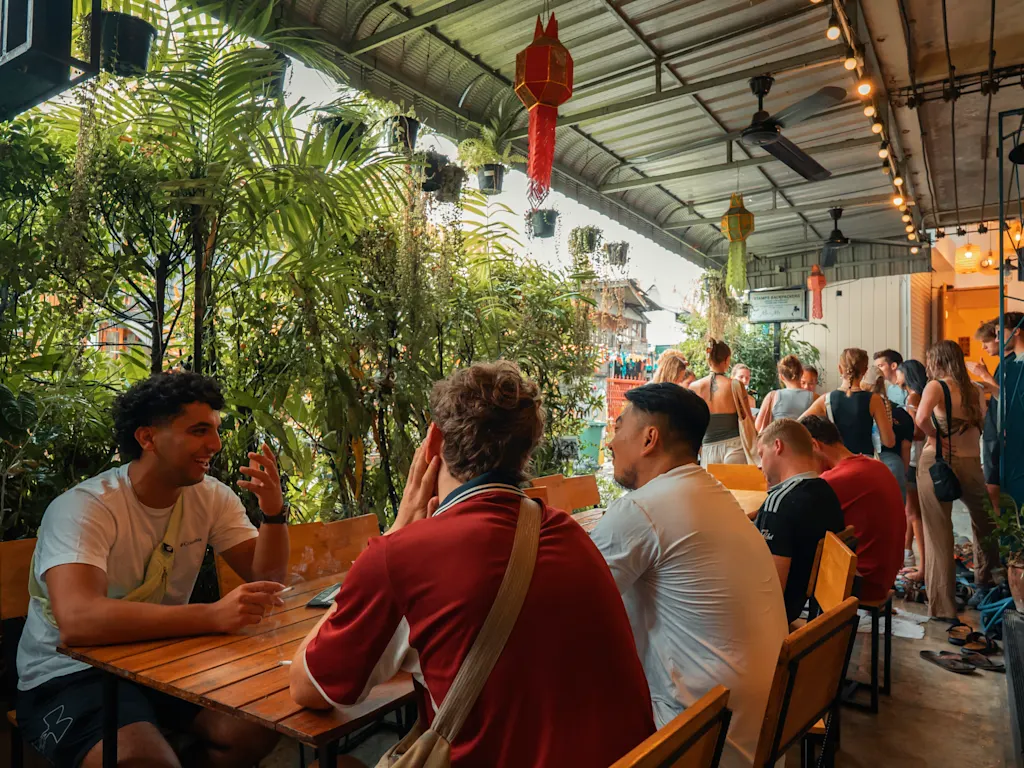
Popular Hostels in Thailand
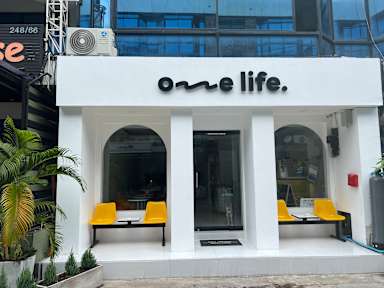
🛏️ Best Hostels to Book in Each City
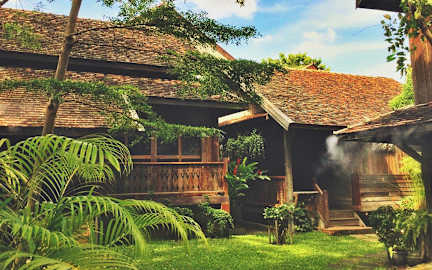
Picking the right hostel changes your daily budget more than almost anything else, since it sets your food, transport and social options for the whole stay. Here are solid, well-reviewed picks currently listed on Hostelworld:
- Bangkok: Jam Hostel Bangkok for a social, design-forward stay near the river, or The Yard Hostel Bangkok in Ari for a quieter, eco-conscious base.
- Chiang Mai: Stamps Backpackers Chiang Mai near Thapae Gate for a lively Old City social scene, or The Yard Hostel Chiang Mai for a calmer, longer-stay vibe.
- Pai: Mad Monkey Pai for a big backpacker crowd, or Common Grounds Pai for a central, chilled communal setup.
- Koh Tao: Nomads Koh Tao Hostel on Sairee Beach, ideal if diving is on the agenda.
- Koh Phangan: KOHMUNITY Hostel, a balanced, social base close to Haad Rin.
- Koh Samui: Lub d Koh Samui Chaweng Beach for a social stay right on the sand.
- Phuket: Mad Monkey Phuket Patong Beach for nightlife, or KUHĀ Hostel Phuket Old Town for something calmer.
- Krabi: Pak-Up Hostel in Krabi Town, a long-running backpacker favourite with its own bar.
The Bottom Line
A realistic Thailand backpacking budget isn’t a single figure you carry through the whole trip. It’s Bangkok’s $25 days blending into Pai’s $10 days, spiking again for a dive course on Koh Tao, and settling somewhere in between everywhere else. Plan city by city, book smart on Hostelworld, and the numbers above should get any route through Thailand budgeted with very few surprises.
Download the Hostelworld app to start booking now


❓FAQs: Building a Budget for Backpacking Thailand


 Get the App.