
Here’s How to Get Anything Repaired While Travelling
It happens to almost everyone eventually. The zip on your backpack gives out in a bus station in Vietnam. Your boots split their sole in the Scottish Highlands three days into a walking trip. Your rain jacket tears on a fence in Patagonia. Your favourite travel trousers develop a hole in a location that makes sitting down complicated.
Gear breaks while travelling. Sometimes spectacularly, sometimes at the worst possible moment. And the instinct for a lot of travellers is to panic, to feel stranded without the thing they need, or to spend money on a replacement they didn’t budget for.
The better instinct is to get it fixed. Almost anything can be repaired on the road, usually faster, cheaper, and more skilfully than you’d expect. Markets, cobblers, tailors, hardware stalls, and hostel staff have collectively solved every travel gear crisis imaginable. The knowledge is out there.
This guide covers how to get the most common pieces of travel kit repaired while you’re away, where to find help, what to carry to help yourself, and how to think about repair versus replace when you’re standing in a foreign city wondering what to do next.
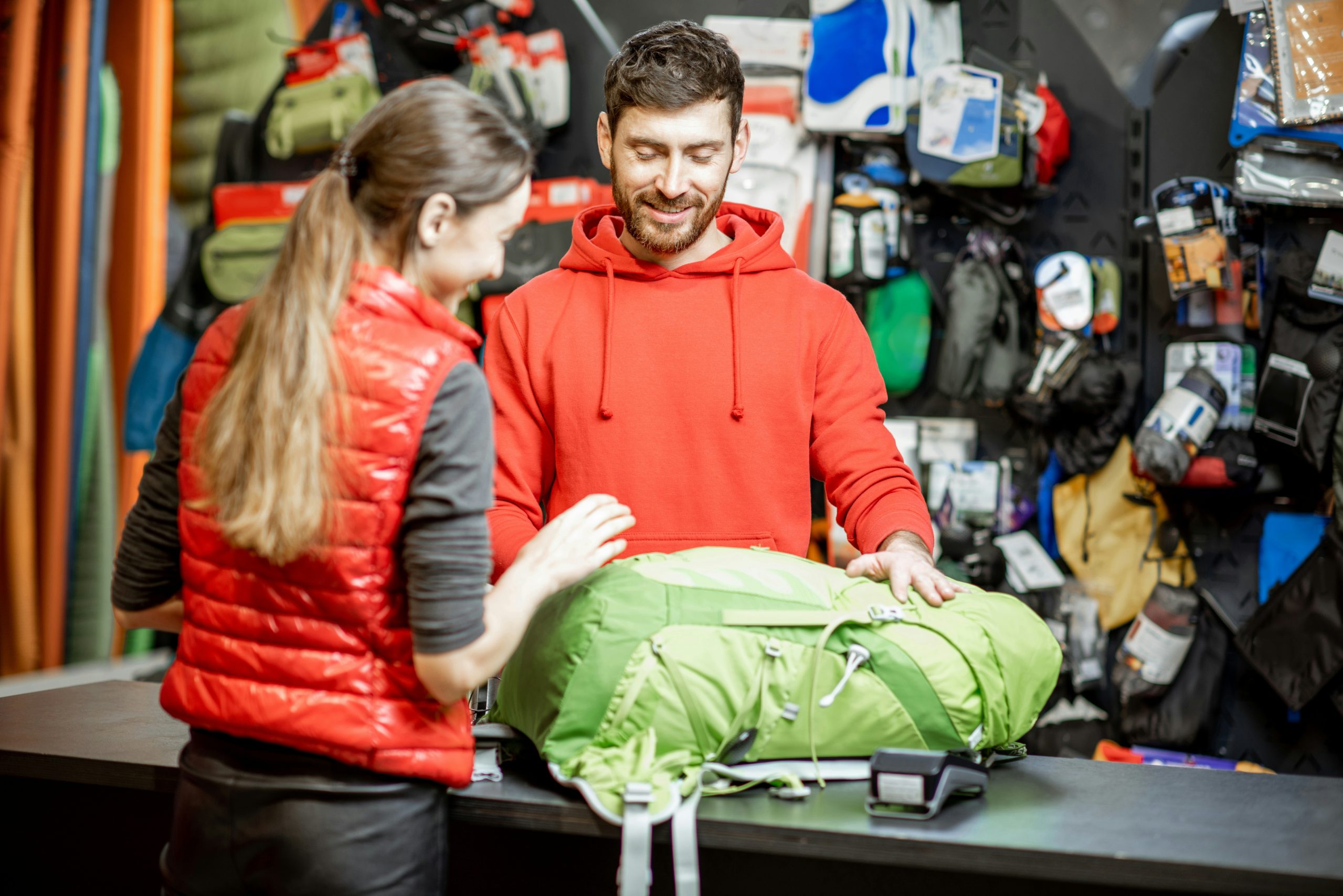
🎒 Backpack Repairs: Zips, Straps, and Tears
A broken backpack is the repair most travellers fear most, and it’s also one of the easiest to fix.
Broken zip? This is the number one failure point on travel bags. In most cities in Southeast Asia, South Asia, and Latin America, market stalls specializing in bag and luggage repair can replace a zip for the equivalent of €2-5 and have it done in under an hour. In Europe and North America, look for cobblers (shoe repair shops) who almost always handle zips too.
Torn fabric or stitching? A tailor or seamstress can patch, reinforce, or resew almost any rip. Street tailors in markets across Asia, Africa, and Latin America are fast, skilled, and inexpensive. In Southeast Asia particularly, a repair that would cost €30 in Europe costs under €3 on the street.
Broken buckle or strap? Outdoor gear shops stock replacement buckles. A tailor can reattach them. Failing that:
- Most cobblers have strong adhesive and webbing
- Hostel common rooms often have someone with needle and thread
- A carabiner can substitute for a broken buckle clip in an emergency
Ask at your hostel first. Staff know the local repair market better than any app, and many hostels keep a small kit with needles, thread, safety pins, and duct tape for exactly these situations.
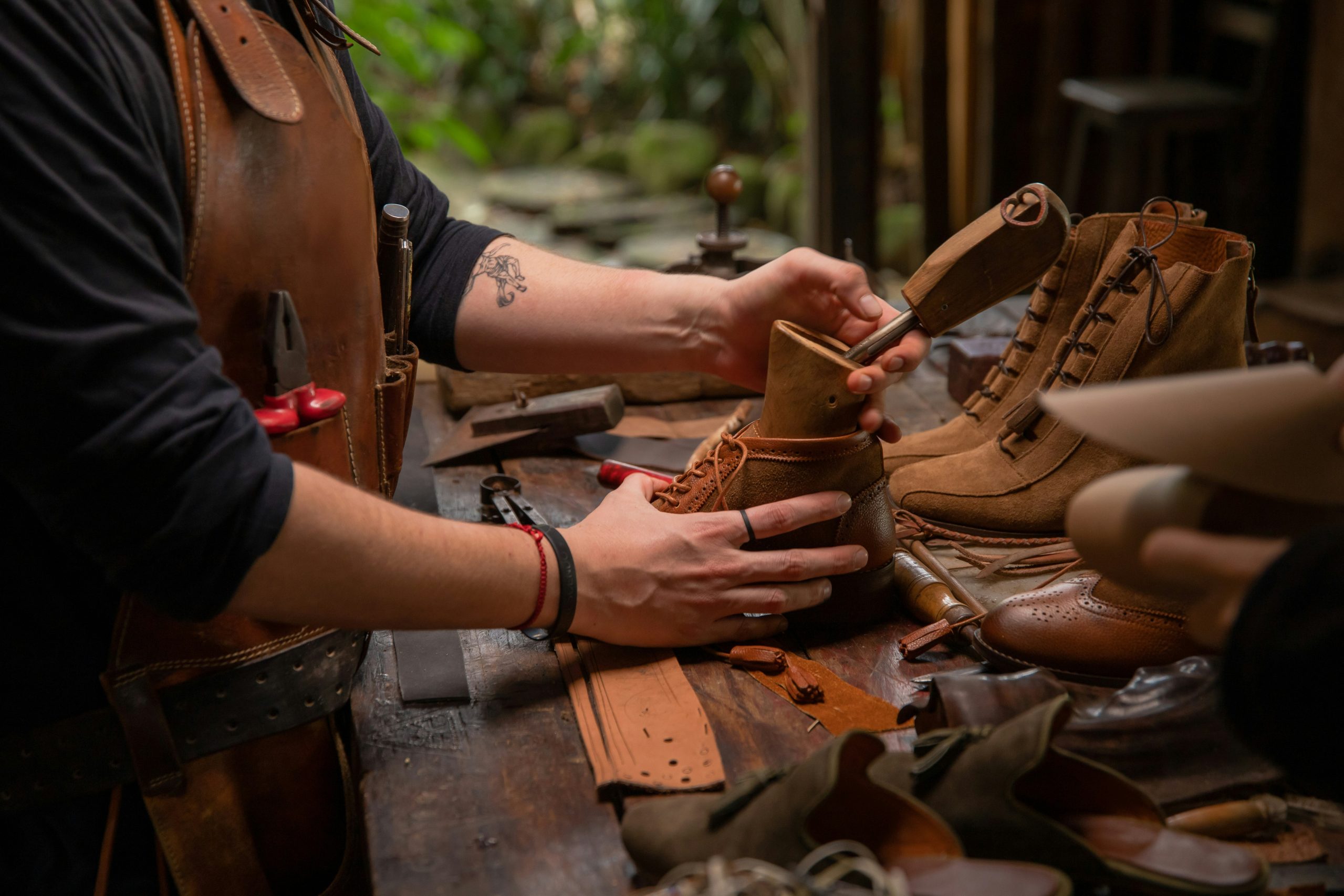
👟 Shoe and Boot Repairs
Shoes fail in predictable ways: soles separate, stitching goes, heels wear down, eyelets break. All of these are fixable, and cobblers are one of the most universally available small businesses in the world.
In Europe: look for “zapatero” (Spain), “cordonnier” (France), “calzolaio” (Italy), or simply “shoe repair” on Google Maps. Most high streets and markets have one within a short walk.
In Southeast Asia, South Asia, and Africa: roadside cobblers work from small stools with a kit of tools and glue, and they are extraordinarily skilled. A sole re-glued at a Vietnamese market stall will outlast a factory job. Cost: usually under €2.
For hiking boots specifically: Outdoor gear shops in trekking towns, from Kathmandu to Cusco to Queenstown, carry Vibram replacement soles and have relationships with local cobblers who can do the work. If you’re heading into a multi-day trek with boots that are showing wear, get them looked at before you leave.
One thing worth knowing: shoe glue (Shoe Goo or similar) is the single most useful repair item you can carry in a travel kit. A separated sole found at 7am before a long hiking day can be fixed in 20 minutes and be dry enough to wear within an hour.
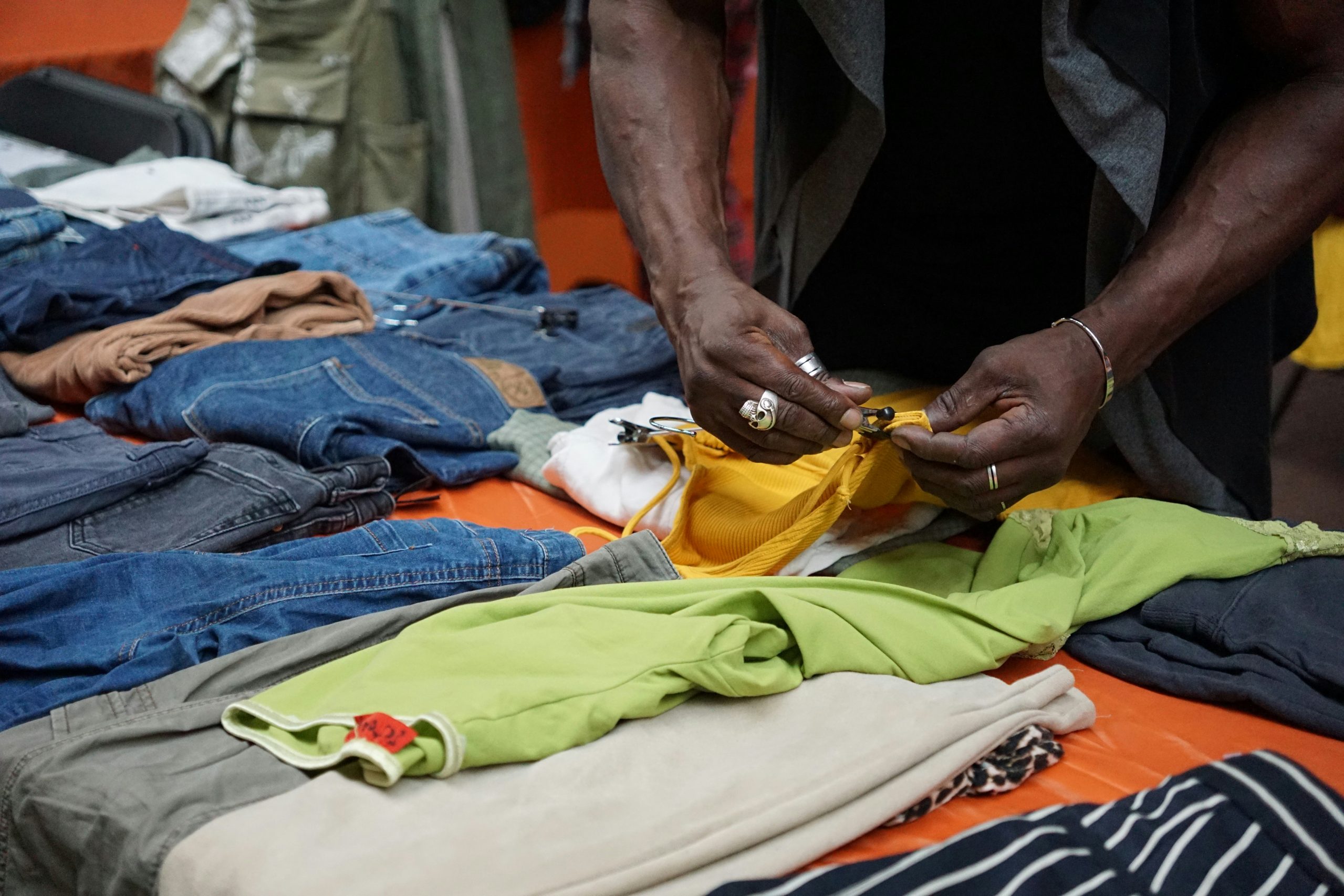
🧥 Clothing Repairs: Rips, Holes, and Broken Zips
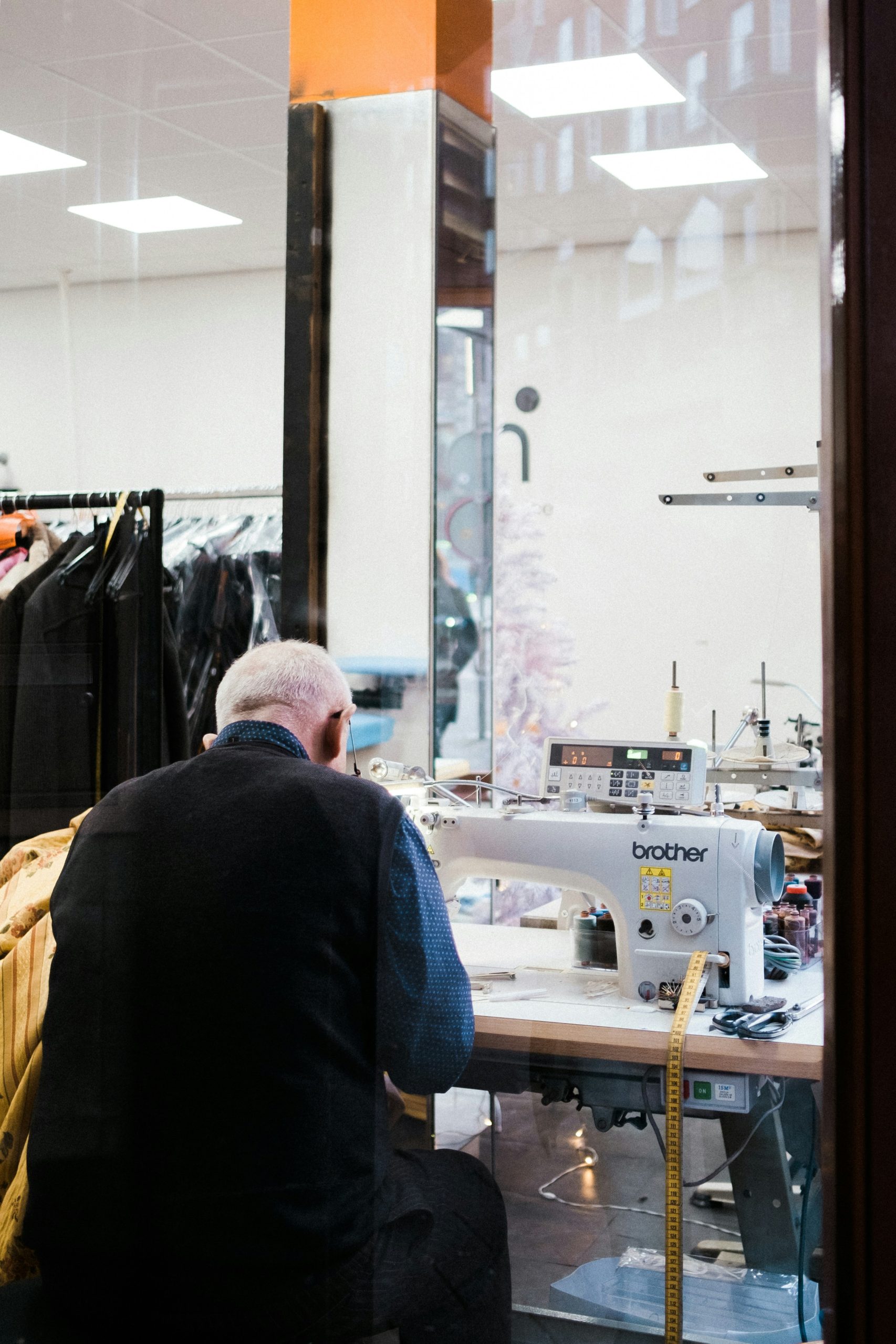
Clothing is the easiest category because tailors are everywhere. Street tailors, market tailors, and alterations shops exist in virtually every city and large town in the world. For most travellers, the hardest part is finding them, not affording them.
How to find a tailor fast:
- Ask at your hostel. This is the fastest route in any city.
- Look near markets and in covered bazaars. Tailors cluster where fabric is sold.
- Search Google Maps for “tailor,” “alterations,” or the local language equivalent.
- In Southeast Asia: look for any shop with a sewing machine visible through the window.
What can be repaired:
- Ripped seams (10 minutes, very cheap)
- Holes in fabric, patched or darned (depends on visibility and material)
- Broken zip on a jacket or trousers (usually under €5 anywhere in Asia or Latin America)
- Lost button, replaced or matched (often done while you wait)
- Waistband repaired or adjusted (if your body has changed during a long trip, this is genuinely useful)
The one limitation is colour and fabric matching. If you need an invisible repair on a specific technical fabric, you may need a specialist. For most travel clothing, a good tailor can get very close.

🏕️ Tent and Sleeping Bag Repairs
Outdoor gear repairs require a bit more thought, but they’re far from impossible.
Tent fabric and poles:
- Small tears in tent fabric can be fixed with tent repair tape (carry a small roll) or with a seamstress who works with heavier fabrics
- Broken tent poles can sometimes be splinted with a section of slightly narrower pole as a sleeve; outdoor shops in trekking towns often sell these
- Seam sealer, applied and left to dry, handles leaking seams before they become catastrophic
Sleeping bag repairs are mostly about the zip and the outer fabric. A broken sleeping bag zip is a tailor job. A tear in the outer shell can be patched by someone comfortable with nylon. Down leaking from a seam is the annoying one: patch it with iron-on nylon repair tape (carry a small piece) until you can get a proper repair done.
The golden rule for outdoor gear: repair small problems before they become large ones. A two-centimetre tear in tent fabric sealed today prevents a 20-centimetre problem after one more night in wind and rain.

🔌 Electronics and Tech Repairs
This is where most travellers underestimate the local market. In cities across Southeast Asia, South Asia, and Africa, phone and electronics repair is abundant, skilled, and astonishingly cheap. Cracked screens, dead charging ports, broken headphone jacks, laptop keyboard keys, swollen batteries: these are all fixable in most cities with a reasonable electronics market.
Where to look:
- Phone repair: Any phone shop or market electronics stall. Show the problem. They’ll tell you if they can fix it.
- Laptop repair: Larger cities have dedicated laptop repair workshops. Bring the charger and any error messages translated if possible.
- Camera repair: Major cities with camera districts (Bangkok, Hong Kong, Tokyo, Mumbai) have specialist repair shops. Smaller cities may not.
One important note: always get a quote and a timeline before agreeing to a repair, and ask to see the replaced parts to confirm they were actually changed. For camera repairs especially, stick to shops with verifiable reviews or recommendations from other travellers.
🧰 The Repair Kit Worth Carrying
A small repair kit adds almost no weight and has saved countless trips. Here’s what’s worth having:
| Item | What it fixes |
|---|---|
| Duct tape (small roll) | Almost anything, temporarily |
| Shoe Goo or strong shoe glue | Separated soles, boot repairs |
| Needle and thread (a few colours) | Clothing tears, strap reattachment |
| Safety pins (assorted sizes) | Emergency clothing fixes, broken buckles |
| Tent repair tape | Tears in tent fabric and groundsheets |
| Zip pull replacement | Broken zip pulls on bags and jackets |
| Iron-on nylon patch | Jacket and tent tears |
| Small tube of superglue | General fixes, broken clasps |
None of this weighs more than 100-150g total. A small ziplock bag fits everything. The number of times it will earn its place on a trip is not small.

🗣️ How to Communicate What You Need
Getting something repaired in a country where you don’t speak the language is easier than it sounds.
Show, don’t explain. Point to the broken part. Demonstrate the problem with gestures. Mime is universally understood and surprisingly effective. A tailor who speaks no English will understand immediately when you show them a ripped seam.
Use your phone. Google Translate with the camera function can read signs and translate them in real time. Type what you need and show the screen. For complex repairs, find an image online of what the finished result should look like.
Write down numbers. When negotiating a price, write the number on your phone screen or a piece of paper and pass it back. This removes the language barrier from the most important part of the transaction.
The universal opener: smile, point to the problem, and look questioningly. In most places, the repair person will either indicate yes (sometimes with a price gesture) or shake their head. Start there.
A good hostel is your first resource every time. Staff who have been in the same city for months know exactly who fixes things well, where the good market tailors are, which cobbler does quality work, and what a fair price looks like. Ask before you wander.
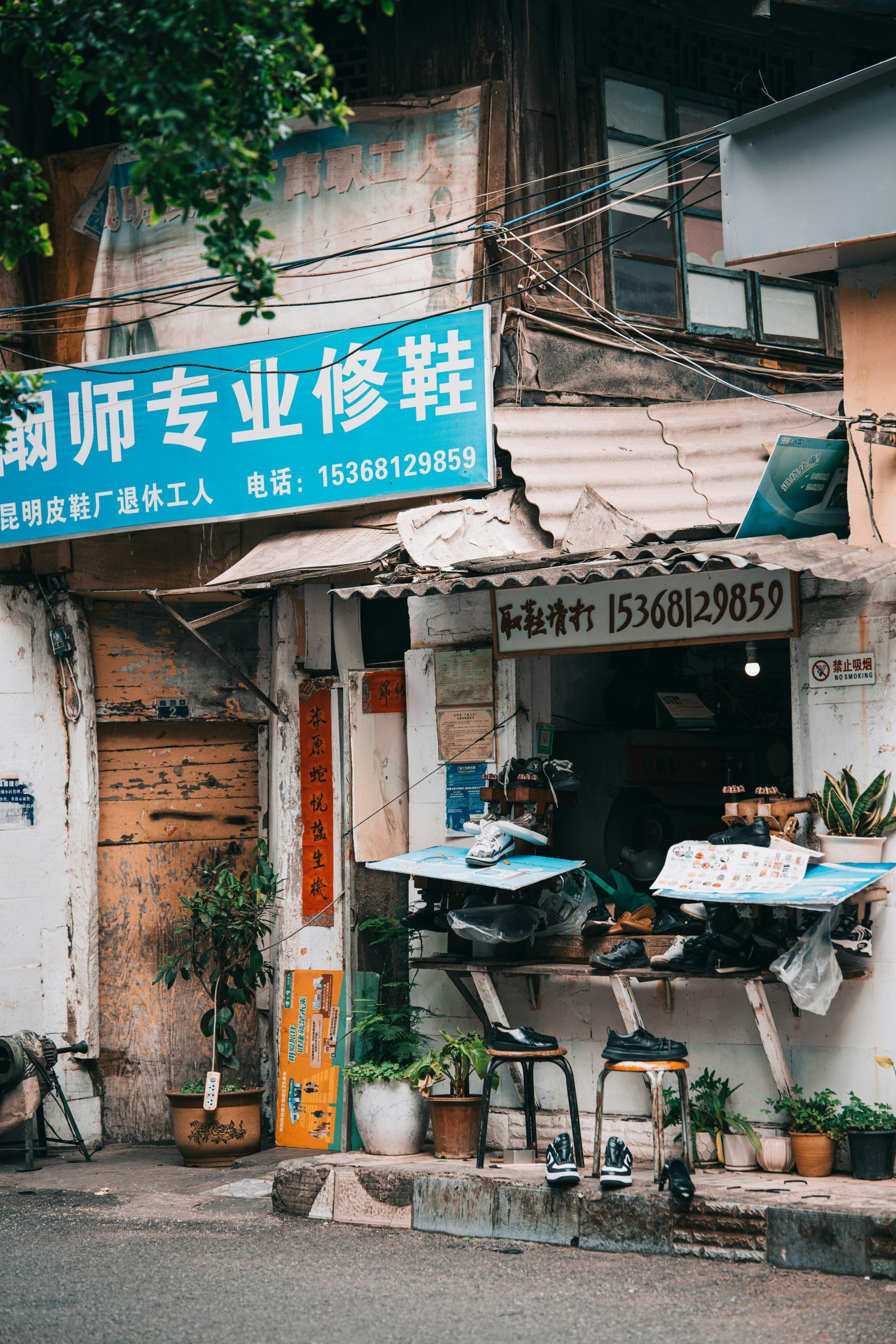
🌍 Repair Culture Around the World
Different parts of the world have different repair cultures, and knowing this shapes your expectations.
Southeast Asia (Thailand, Vietnam, Cambodia, Indonesia, the Philippines) has one of the most repair-positive cultures in the world. Almost nothing is thrown away that can be fixed. Markets have cobblers, tailors, electronic repairers, bag menders, and seamstresses at every turn. Prices are low, skill is high, and the speed is often remarkable.
South Asia (India, Nepal, Sri Lanka) is similar. Roadside repairers handle everything from bicycles to umbrellas to electronics. In Nepal’s trekking towns, outdoor gear repair is genuinely specialist-level given the volume of equipment passing through.
Latin America has a strong tradition of repair in markets and town centers. Zapaterías (shoe shops that also repair), tailor shops, and hardware stores with repair services are reliably findable across Mexico, Central America, and South America.
Europe is more expensive but by no means impossible. Cobblers are less common than they were but still present. Cities have alteration shops and zip specialists. Outdoor gear brands like Patagonia, Arc’teryx, and Osprey have European repair programs worth knowing about.
The general rule: the further a place is from disposable consumer culture, the easier and cheaper it is to get something fixed.
🏷️ Repair vs Replace: How to Decide
When something breaks on the road, the decision tree is usually simpler than it feels in the moment:
Repair if:
- The item is high quality and worth saving
- The repair is cheap relative to replacement cost
- You need the item urgently and replacement isn’t immediately available
- The repair is quick and doesn’t compromise your plans
Replace if:
- The item is end-of-life and will fail again soon
- The repair cost is disproportionate to the item’s value
- The failure is structural and affects safety (a harness, a critical tent component in extreme weather)
- You can replace it better and the old version wasn’t working for you anyway
The honest middle ground: many travellers replace things too quickly because replacement feels decisive and repair feels uncertain. Most of the time, a good repair extends the life of something you’ve already broken in, adjusted to, and trust. That’s worth more than a new version you haven’t.
✅ Final Thoughts: Fix First, Replace Later
The broken zip, the split boot, the ripped trousers: these are travel inconveniences, not disasters. Every city and large town in the world has someone who can fix them, often better and faster than you’d find at home, usually for a fraction of the cost.
The mindset shift that helps most is to treat gear failure as a normal part of travel rather than a crisis. Something will break on a long trip. Your job is to know roughly how to find the fix. This guide gives you the framework. Your hostel staff give you the local detail. The rest is just asking.
And if all else fails: duct tape buys you time until you find someone who knows exactly what they’re doing.
Download the Hostelworld app to start booking now


❓ FAQs: Getting Things Repaired While Travelling
Where do I find a tailor on the road?
Ask at your hostel first. Otherwise, look near local markets, in covered bazaars, or search Google Maps for "tailor" or "alterations." In Southeast Asia, any shop with a sewing machine visible in the window is a good starting point.
Can I get my phone screen fixed abroad?
Yes. Phone repair is widely available across Southeast Asia, South Asia, and Africa, often at a fraction of the cost of home country repairs. Show the problem, get a quote, and confirm a timeline before leaving your device.
What should I carry in a travel repair kit?
The essentials: duct tape, shoe glue (Shoe Goo), a needle and thread in basic colours, safety pins, tent repair tape, a spare zip pull, a small iron-on nylon patch, and superglue. Total weight is around 100-150g and fits in a ziplock bag.
What if I can't communicate what I need?
Show the broken item, demonstrate the problem physically, and use Google Translate's camera function to help with signs and written communication. For price discussion, type or write the number and show your screen. Most repair people understand what's needed as soon as they see the problem.
Are repairs abroad as good quality as at home?
Often better, particularly in Southeast Asia and South Asia, where repair trades are practiced with daily volume and genuine skill. For basic repairs like soles, zips, and seams, the quality is reliably high. For specialist repairs (outdoor technical gear, camera bodies), look for shops with specific experience or recommendations from other travellers.
Is it worth repairing hiking boots on the road?
Yes, if the boots are otherwise sound. A cobbler in a trekking town can re-glue soles and resew stitching. Outdoor shops in places like Kathmandu, Cusco, and Queenstown have relationships with skilled boot repairers and stock the materials to do it properly.


 Get the App.