
How to Travel with Carry-On Only and Save Money
Most backpackers spend weeks comparing flight prices, hunting for the cheapest hostel dorm and squeezing every euro out of their budget. Then they hand over 40 euros at check-in without blinking. The single biggest cost-saver most backpackers overlook is their bag. Learning how to travel carry-on only and save money on flights is one of the easiest wins in budget travel, and it does not require expensive gear or a total wardrobe overhaul. It just takes a shift in mindset and a bit of planning.
This guide breaks down exactly how carry-on only backpacking travel tips can cut your trip costs, speed up your travel days and free you from baggage stress altogether, so more of the budget goes toward the trip itself rather than the getting there. Once the bag is sorted, the rest is just finding a great hostel to land in.
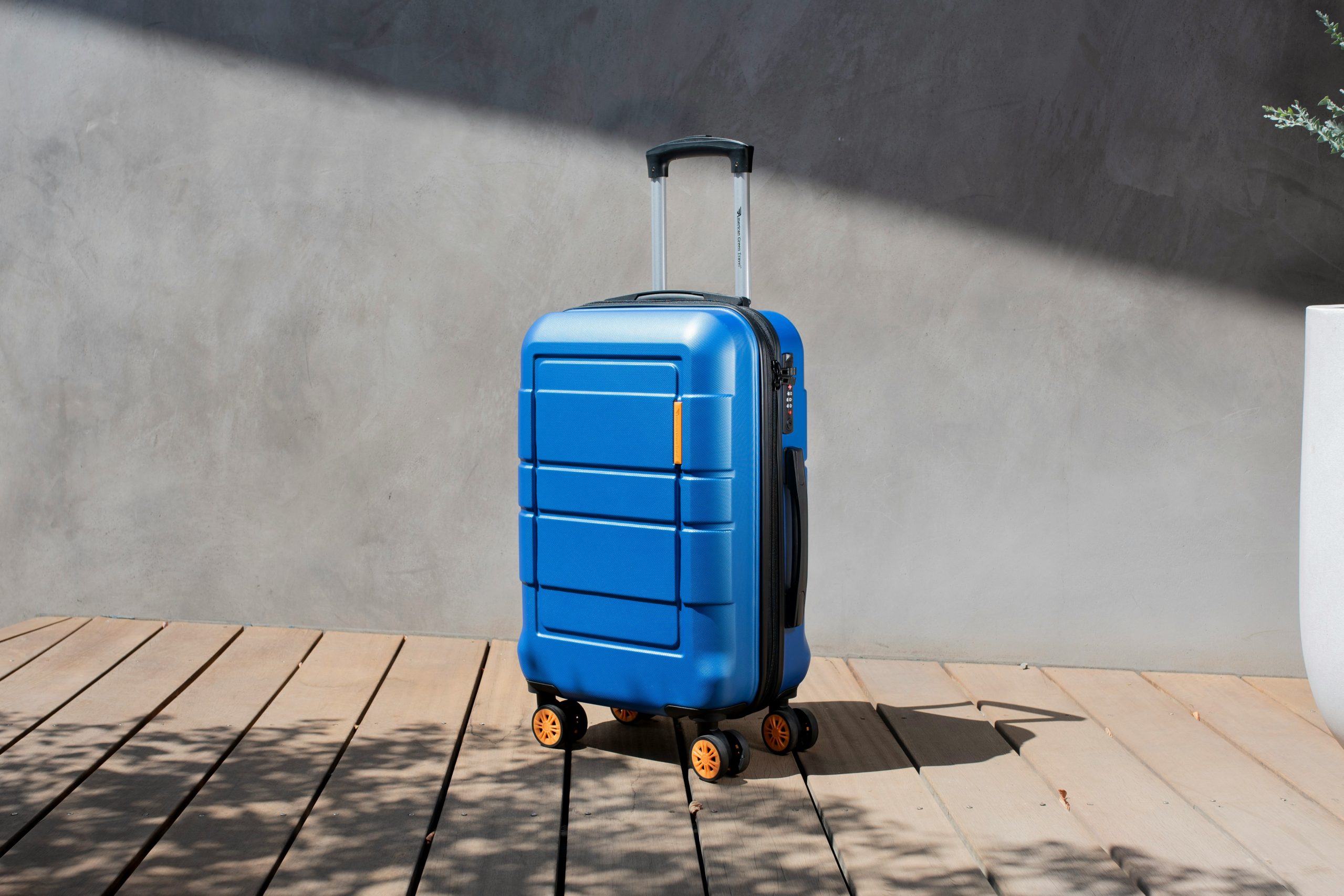
🧳 How much do checked bag fees add up to on a backpacking trip?
Checked bag fees look small until you add them up across a real itinerary. A single one-way fee on a budget European carrier typically runs between 25 and 60 euros, and most backpackers fly more than once during a trip.
Here is what that looks like over a typical three-month backpacking route:
| Flights taken | Average bag fee | Total cost |
|---|---|---|
| 4 flights | €35 | €140 |
| 6 flights | €35 | €210 |
| 8 flights | €35 | €280 |
That is money that could cover four or five extra hostel nights, a multi-day tour, or a chunk of your food budget for a week. Fees also tend to rise the closer you get to departure, so travellers who add a bag at the airport almost always pay more than those who plan ahead. Flying cheap as a carry-on only backpacker means one thing above all else: skipping this fee entirely, every single time you fly.
✈️ Why go carry-on only? Cost, speed and flexibility
Saving money on flights with carry-on luggage only is the obvious win, but it is not the only one.
- Cost: No bag fees, no overweight surprises, no last-minute upsells at the gate.
- Speed: You walk straight off the plane and out of the airport. No standing at a carousel watching everyone else’s bag come out first.
- Flexibility: Missed a connection or want to hop on an earlier bus? A carry-on moves with you instantly.
There is also a psychological upside. Travelling light forces sharper decisions about what actually matters on the road, and most backpackers report they pack less on every trip after their first carry-on-only experience. Once you feel how much easier travel days become without checked luggage, going back rarely feels worth it. This is really the foundation of most budget travel carry-on only packing tips: less stuff simply means fewer problems and more money left for the parts of the trip that matter, whether that is an extra night out or an upgrade to a better hostel dorm.
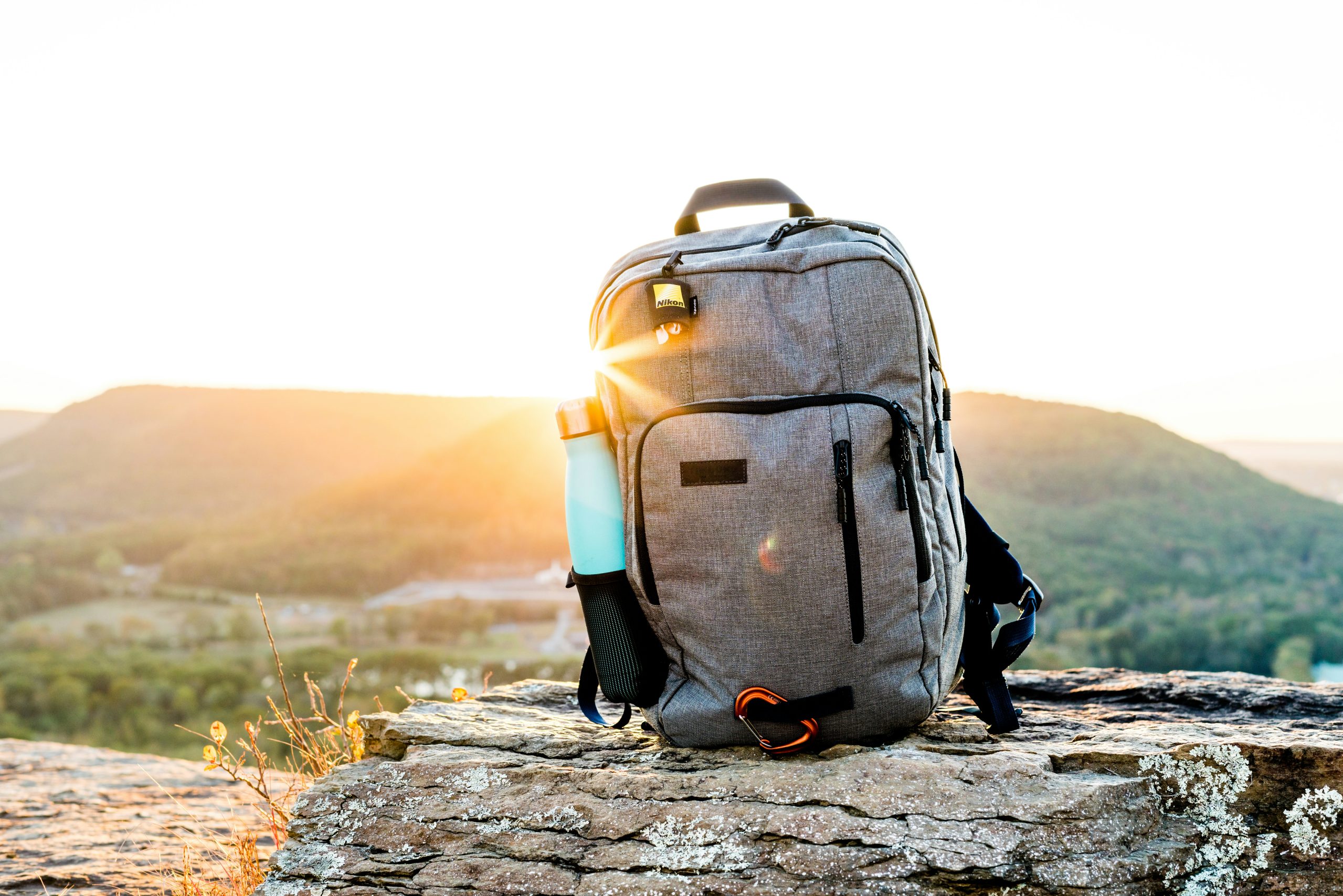
🎯 What’s the best carry-on bag for backpacking?
The right bag makes carry-on travel realistic instead of stressful. Look for these three things first.
Size. Most budget airlines cap carry-on at 55 x 40 x 20cm, though this varies, so check before you buy. A bag built to the smallest common limit works across the most airlines.
Structure. A backpack with a clamshell opening (it unzips flat like a suitcase) is far easier to pack and repack than a top-loading design, especially in a dorm room at 6am.
Weight and straps. An empty pack should weigh under 1.5kg. Padded hip straps matter more than people expect once you are wearing it through an airport for three hours.
Buy once, buy well. A well-made 35 to 45 litre travel backpack usually outlasts several cheaper bags and holds up better through months on the road.
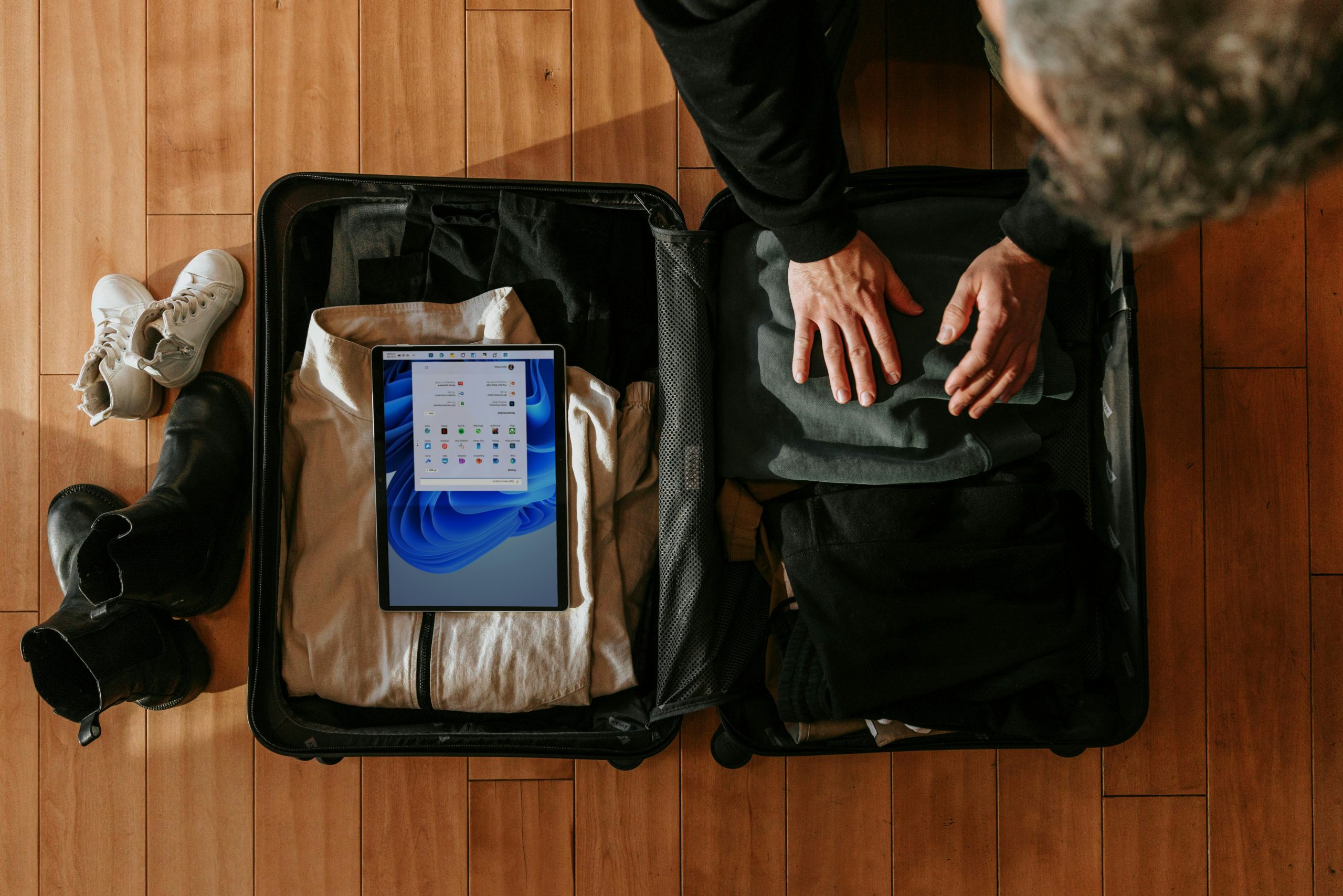
👕 What should you leave behind when packing carry-on only?
The fastest way to fit a whole trip into one bag is deciding, honestly, what you will not miss.
Skip these:
- A hairdryer or straighteners (most hostels have them)
- More than one “just in case” outfit
- A second pair of jeans (they take ages to dry and weigh a lot)
- Bulky toiletries in full-size bottles
- Books, unless you are set on one
Keep these:
- Quick-dry fabrics over cotton, every time
- One smart-ish outfit for a night out
- A basic first aid and medication pouch
- A universal adapter and a slim power bank
Most travellers who try carry-on only for the first time overpack “just in case” items they never open. After one trip, the second attempt is almost always lighter. The goal is not to suffer without comforts, it is to only bring the comforts you will genuinely use, and to trust that most hostels already have the basics covered.
📦 Do packing cubes actually help you pack lighter?
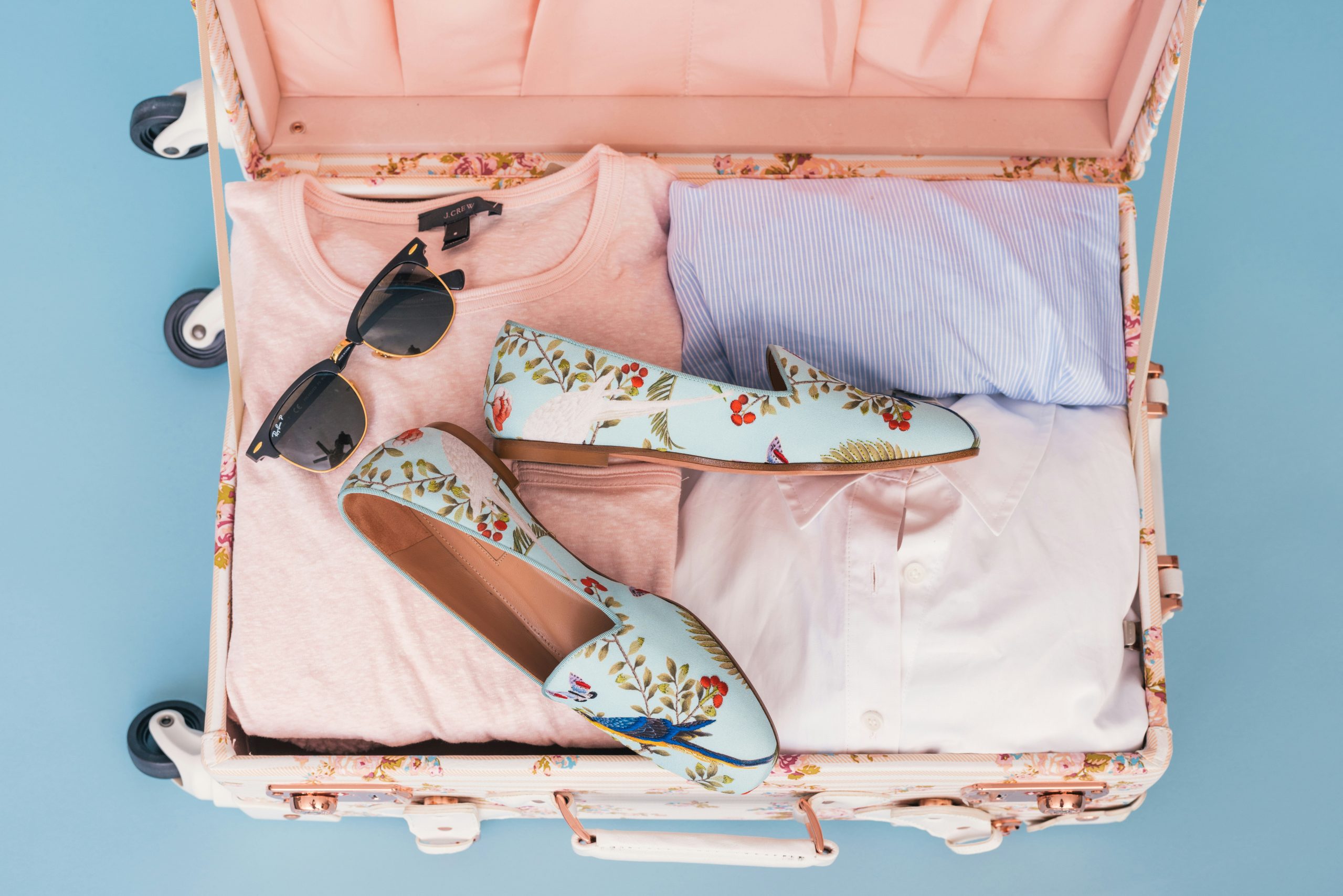
Yes, and the difference is bigger than most people expect. Packing cubes do not shrink your clothes, but they force discipline by giving every item type a fixed amount of space.
A simple system that works for most trips:
- One cube for tops
- One cube for bottoms
- One compression cube for bulkier items like a jumper or jacket
- One small pouch for underwear and socks
Compression cubes are the real trick here. They squeeze air out of soft items and can free up 20 to 30 percent of your pack’s volume, which is often the exact amount needed to close a bag that felt impossible to zip five minutes earlier. Rolling clothes instead of folding them saves further space and cuts down on wrinkles too, which matters when you are living out of a bag for weeks at a time.
🛫 Which budget airlines let you fly with just a carry-on?
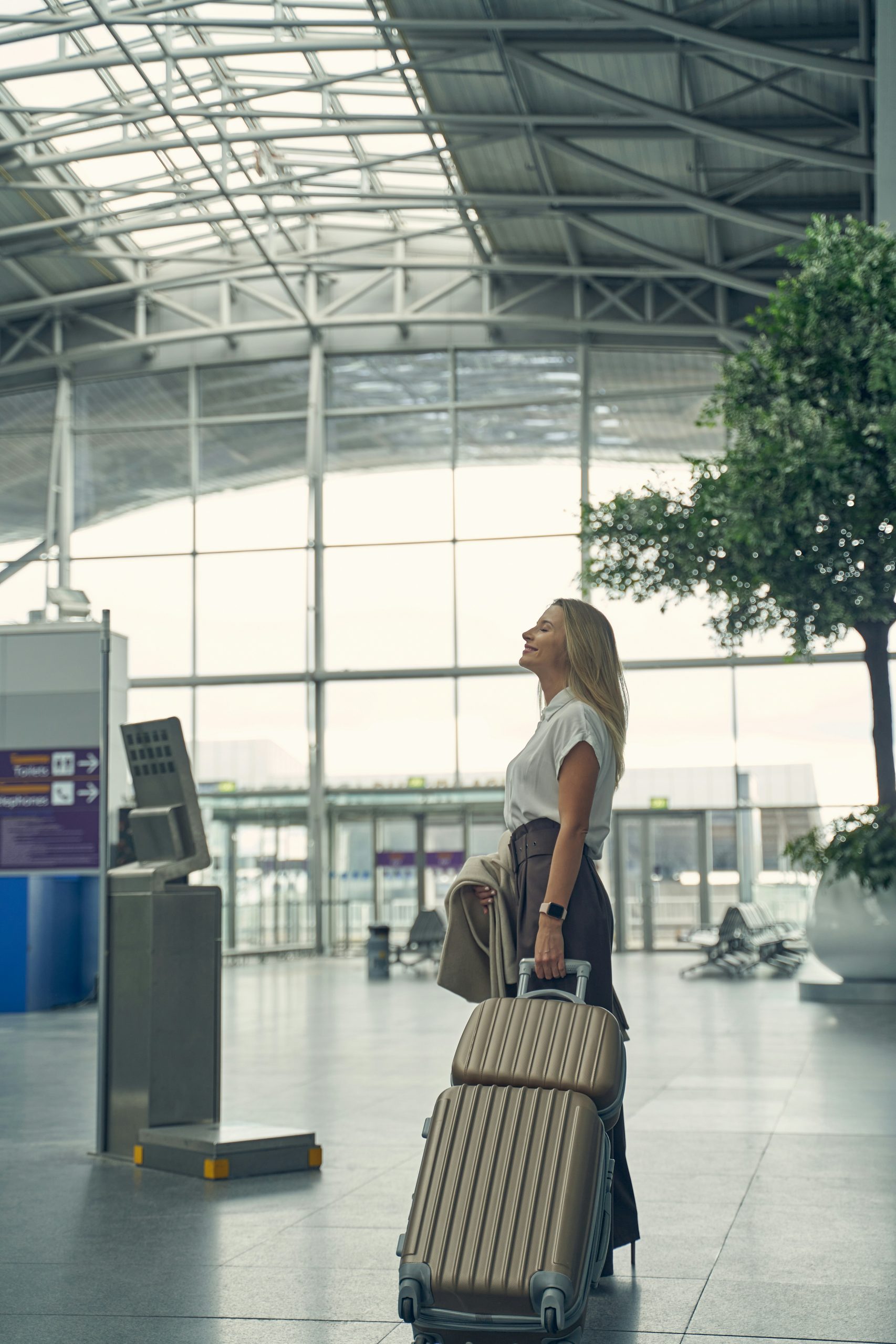
Carry-on rules vary more than most travellers expect, and getting caught out at the gate can mean paying a fee anyway.
| Airline | Free cabin bag size | Free personal item |
|---|---|---|
| Ryanair | Small bag only (fits under seat) | Yes |
| easyJet | 45 x 36 x 20cm | Yes |
| Wizz Air | 40 x 30 x 20cm | Yes |
| Vueling | 40 x 20 x 30cm | Yes |
Always check the exact limits on the airline’s own site before flying. Budget carriers change cabin baggage policies more often than legacy airlines, and gate staff measure strictly. A bag that flew free last year is not guaranteed to fly free today. This one habit, checking dimensions before booking rather than after, is what separates backpackers who fly cheap as carry-on only travellers from the ones who get stung at check-in.

🏨 Why do hostels make carry-on travel easier?
Hostel life is naturally built around travelling light, which is part of why the two go so well together.
You do not need a car, so there is nowhere to “just throw the extra bag.” You do not need a full suitcase of shoes, since most days involve walking, not driving between spots. Storage lockers are usually small by design, which quietly encourages packing less in the first place.
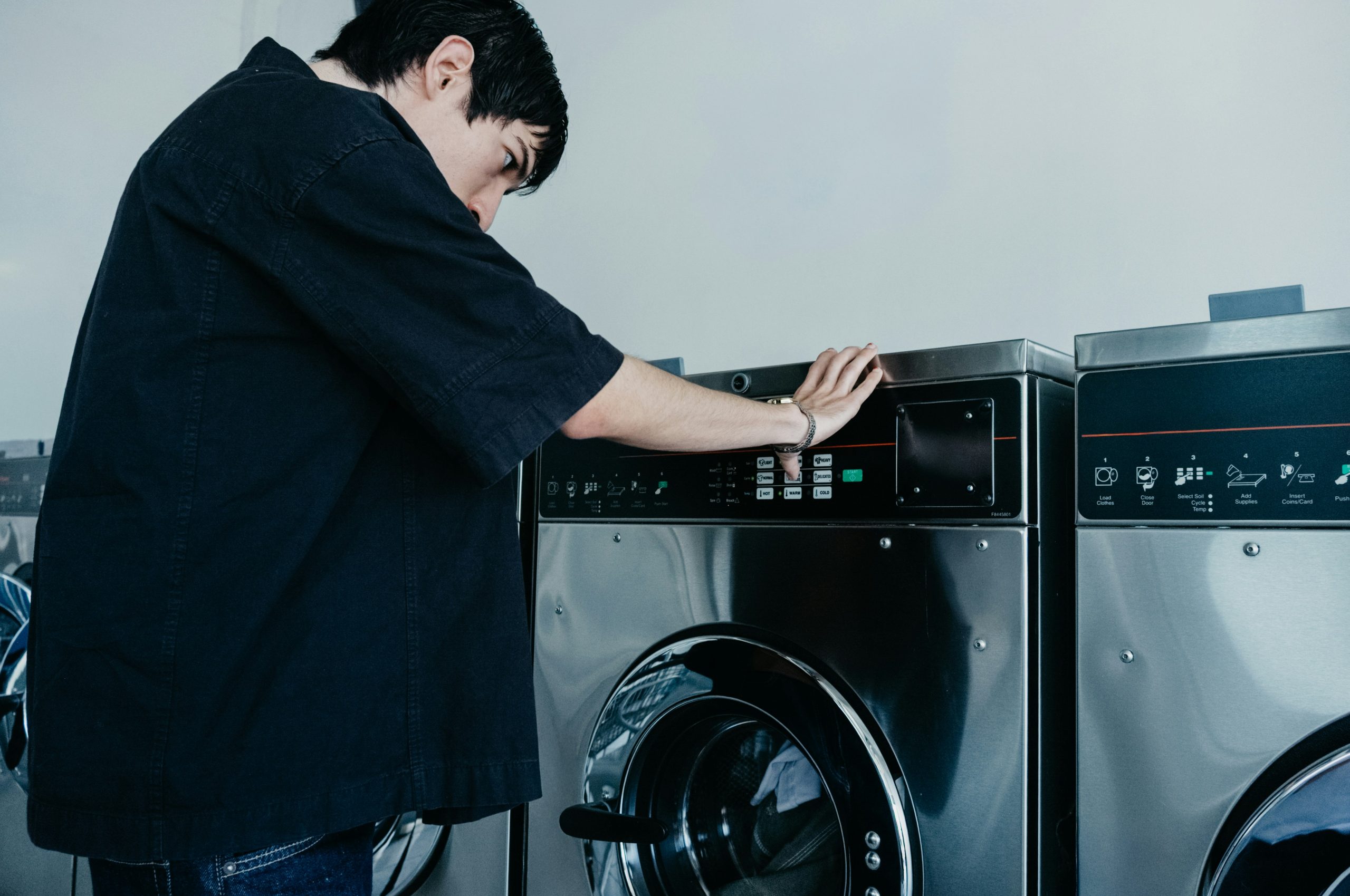
Laundry facilities are another underrated factor. Most hostels have a washing machine on site, which removes the biggest reason people overpack: the fear of running out of clean clothes. Once laundry stops being a worry, the number of outfits someone “needs” for a three-week trip drops fast, often from ten tops down to four or five. Hostels essentially remove every excuse for packing heavy, one small convenience at a time. Browsing hostels with laundry facilities on Hostelworld before booking is an easy way to plan a lighter bag from the start.
🧺 How do you do laundry on the road when packing light?
Doing laundry regularly is what actually makes carry-on only backpacking travel tips work in practice, not just in theory.
A simple routine:
- Do a small wash every 5 to 7 days rather than waiting until everything is dirty
- Use hostel machines when available, since they are almost always cheaper than a laundromat
- Hand-wash light items in a sink with a small sheet of travel detergent if a machine is not around
- Hang-dry overnight using a compact travel line, since dryers are not always available or included
Quick-dry fabrics are worth repeating here because they make hand-washing realistic. A cotton t-shirt might take two days to dry on a balcony, while a synthetic or merino option is often ready by morning. Planning laundry days around your route, rather than reacting once you run out of clean clothes, keeps a small bag workable for months rather than weeks. For a full breakdown of what to pack for hostel life beyond the laundry question, this hostel packing guide covers the essentials room by room.
Final thoughts
Travelling carry-on only is not about depriving yourself of comfort. It is about cutting the costs and hassle that come from carrying more than you need. Skip the bag fees, choose a bag that actually fits how you travel, lean on hostel laundry facilities, and check airline size limits before you book. Do that, and carry-on only backpacking stops being a challenge and becomes just how you travel, saving real money on every single flight along the way. Once the bag is sorted, all that is left is finding your next hostel and getting on the plane.
Download the Hostelworld app to start booking now


❓FAQs: Travelling Carry-On Only and Saving Money


 Get the App.