
Local Events: How Hostels Connect You with the City
Travelers do not choose hostels only for a bed. They want connection, stories, spontaneity, and insider access. That is where hostel local events shine. From free neighborhood walks to language exchanges, pop‑up concerts, and bar crawls, hostels make it simple to meet people and step straight into the city’s rhythm. Across recent traveler chats, invites to tours, museum visits, jam sessions, and clubs come up again and again, which tells a clear story: hostels are hubs that turn solo plans into shared adventures. Mentions of meetups, nightlife, food outings and events account for over 31% of all traveler messages, showing just how socially driven hostel travel is.
Hostelworld partners with hostels that curate authentic local experiences, so guests can join the moment they check in. The best part is the mix. One night is a jazz bar, the next is a street‑food crawl or a dawn hike. You will see the city like a local, with locals.

🚶♀️ What travelers actually organize together
What travelers talk about tells you a lot about what matters. In conversation threads across cities, people frequently ask about pub crawls, markets, cooking classes, free walking tours, museum visits and concerts, with pub crawls alone referenced more than 260 times, markets over 300 times, and jazz bars over 90 times.
Messages often begin with variations of “just arrived, anyone up for food or drinks?” or “heading to the walking tour at 4.” These aren’t isolated cases. Social invitations appear in 50% of traveler exchanges, proving how easy it is to slip into a group plan right away.
A few traveler-favourite social openers include:
- “Anyone wants to join?”
- “Who’s going to the pub crawl?”
- “We’re checking out the night market, come along!”
If you’re shy, joining one of the hostel’s hosted events makes introductions effortless. A simple shared outing—like a neighborhood wander—quickly becomes the anchor for the rest of your trip.
🗺️ Neighborhood walks: the simplest way to get your bearings
A well‑designed neighborhood walk offers a gentle landing into a new destination.
Travelers in places like Phuket, Hanoi, and Chiang Mai often organize informal walks through markets, old towns, or riverside streets, creating small groups almost instantly — these cities collectively rank among the most common for walk‑related conversations, with Phuket alone appearing in more than 60 messages about neighborhood strolls in Hostelworld’s chats.
These walks help guests figure out how transport works, where to find affordable local meals, and which cultural corners deserve a return visit. Often the group keeps going after the walk ends, shifting naturally into a coffee stop or a shared late lunch.
Quick Tip: Mark places on your map as you go so you can revisit them at quieter times.

🚌 Tours guests love to join (and why)
Tours mentioned in traveler chats are rarely formal or rigid. They often take the shape of small-group hostel outings, from nature trips in Chiang Mai to city walks in Prague. Chiang Mai and Hanoi appear at the very top of the list for tour-related discussion, each with more than 70 mentions of hikes, temple loops, day trips, food tours, or waterfalls.
People sign up because these excursions offer structure without pressure.
You might start with a morning cooking class, wander through a fresh market guided by someone who knows the vendors, then end with a shared dinner.
Or maybe a few strangers band together to split the cost of visiting a national park or scenic viewpoint, something travelers do routinely in destinations like Krabi, Koh Samui, and Edinburgh, all of which appear frequently in these conversations.
Why tours resonate with hostel travelers
- They are social without forcing conversation.
- They give a sense of direction when you are just settling in.
- They often reveal local knowledge you cannot Google.
🍻 Nightlife, safely and socially
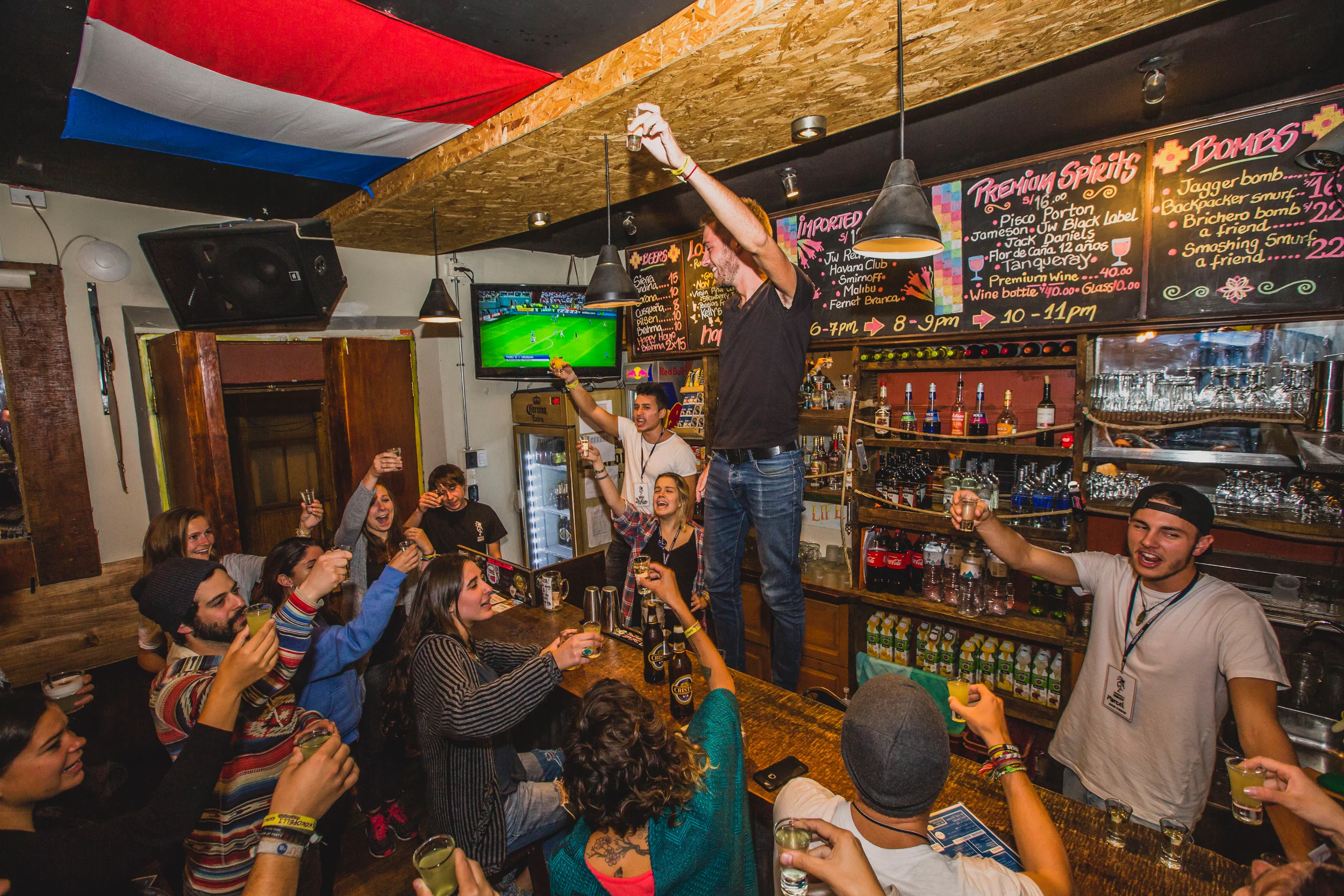
Nightlife is one of the most common threads in hostel conversations. Cities like Chiang Mai, Bangkok, Amsterdam, and Madrid appear repeatedly in nightlife-related messages, with Chiang Mai alone mentioned more than 70 times, often tied to bar meetups or jazz nights.
Amsterdam closely follows with 65 nightlife references, ranging from bar hops to club meetups.
A pub crawl in hostel culture is less about the drinks and more about how fast it forms friendships. Someone posts “Who is going out tonight?”, someone else names a meeting spot, and within minutes a small crowd is moving together.
Travelers often mention jazz bars, especially in Amsterdam and Chiang Mai, where venues double as cultural anchors as much as nightlife spots.
Safety notes travelers often share:
- Stick with the hostel-organized crawl.
- Keep your hostel’s address card.
- Buddy up for the return walk.
- Use the hostel group chat to share live locations if you split off.
🧑🍳 Local businesses at the heart of the experience
One of the clearest patterns in traveler conversations is how often people rely on local businesses recommended by hostels. Mentions of hostels liaising with local partners appear across destinations, from Chiang Mai and Bangkok to Antigua and Hoi An, each featuring chats about cooking schools, trusted taxi drivers, neighborhood bars, and activity partners.
Travelers appreciate these recommendations because they bypass tourist traps and lead directly to community-run experiences.
Cooking classes in Chiang Mai or street‑food tours in Ho Chi Minh City often come through hostel noticeboards or staff suggestions, and many travelers return with glowing reviews.
A partnership might be as simple as the hostel saying: “Go to this café; they roast their own beans and know every traveler by name.”
That kind of connection shapes a trip meaningfully.
Why this matters: You spend directly in the community, and you get rewarded with better food, fair prices, and richer conversations. Everybody wins.

🎭 Cultural events with a hostel twist
Cultural outings are popular, especially in cities with rich music and arts scenes. Sydney, for instance, appears over 20 times in cultural‑event discussions, including concerts and performances.
Berlin and Amsterdam also stand out for gallery nights, pop‑up shows, and small‑venue gigs, each with multiple mentions tied to arts and cultural happenings.
Travelers often coordinate these outings after meeting in the hostel kitchen or lounge. Someone mentions a museum late opening, someone else has a spare ticket, and suddenly a group forms.
This also appears in cities like Medellín and Brussels, where concerts or festivals spark quick meetups among travelers who arrived solo.
Micro‑itinerary idea:
- Hostel neighborhood walk to an artisan market.
- Local dinner at a community favorite.
- Small venue concert or a museum late session.
- End with a gelato or a night tram ride past the lights.
📊 Where local experiences spike: a snapshot
Cities that repeatedly spark tours and event meetups in traveler chat:
| Theme | Top hotspots (sample highlights) | Why travelers rave |
|---|---|---|
| Tours | Chiang Mai, Hanoi, Koh Tao, Prague | Easy day trips, food classes, waterfall or temple loops |
| Neighborhood walks | Phuket, Hanoi, Chiang Mai | Orientation in sprawling or historic districts |
| Cultural events | Sydney, Berlin, Amsterdam, Medellín | Live music, gallery nights, stadium energy |
| Nightlife clusters | Chiang Mai, Bangkok, Amsterdam, Madrid | Hosted crawls, jazz bars, late‑night kitchens |
Takeaway: A city known for “party” can also be great for tours, and a city known for “culture” can surprise you with community nightlife. Do not pigeonhole a destination. Ask your hostel staff what is on tonight.
🧩 How Hostelworld’s partnerships amplify authenticity
Hostelworld’s hostels often act as connectors between travelers and neighborhoods. Because they collaborate with local guides, cafés, markets, and independent venues, their event boards feel current and rooted in the real community.
This is reflected in how often travelers mention hostel‑organized crawls, market outings, and group classes. Chiang Mai appears repeatedly in messages about hostel‑endorsed cooking classes and ethical day trips, while cities like Moalboal and Krabi show patterns of hostels coordinating shared shuttles or group activities to reduce costs.
In short: travelers get insider knowledge and fair pricing; communities get sustainable support.
What to look for in a listing:
- Clear mention of free walking tours, market visits, or nightlife meetups.
- Photos of community spaces that double as event rooms.
- Reviews that shout out staff by name for local recommendations that hit.

✍️ Mini‑stories from the road
“Arrived solo, dropped my bag, and by 7 pm I was slurping soup in a market with eight people I had met an hour earlier.”
“Signed up for a cooking class through the hostel, and the chef introduced us to his spice vendor. We went back the next day with our own recipes.”
“We said, ‘just one set’ at the jazz bar. It turned into a street‑corner jam and a sunrise neighborhood walk the next morning.”
Travelers share stories like these constantly — especially in destinations with heavy jazz‑bar or food‑tour mentions, such as Amsterdam and Chiang Mai, where jazz bars alone appear in more than 90 conversations.
🧭 Build-your-day templates (steal these)
If you land before noon:
Join a short neighborhood walk, grab lunch from a hostel‑recommended market stall, rest briefly, then join the early free walking tour. Dinner often becomes a group decision.
If you only have one night:
Choose a cozy local spot staff loves, then follow the group to a cultural event or small music venue — something often arranged in Amsterdam, Berlin, and Sydney.
If it rains:
Indoor markets, cooking classes, or board‑game gatherings become the go‑to activities across destinations from Chiang Mai to Ho Chi Minh City.
🧠 Smart booking tips
- Read the events board before you book extra tours. Your hostel might run the same experience with a smaller group and better timing.
- Ask about partners. Good hostels have local business contacts for bikes, guides, and last‑minute tickets.
- Check guest chats. Many hostels run WhatsApp or in‑app threads where someone is always organizing a tour, a museum visit, or a club night.
- Balance your mix. Alternate late nights with morning walks or day trips. Your energy (and budget) will thank you.
💬 The social factor: how strangers become your plan
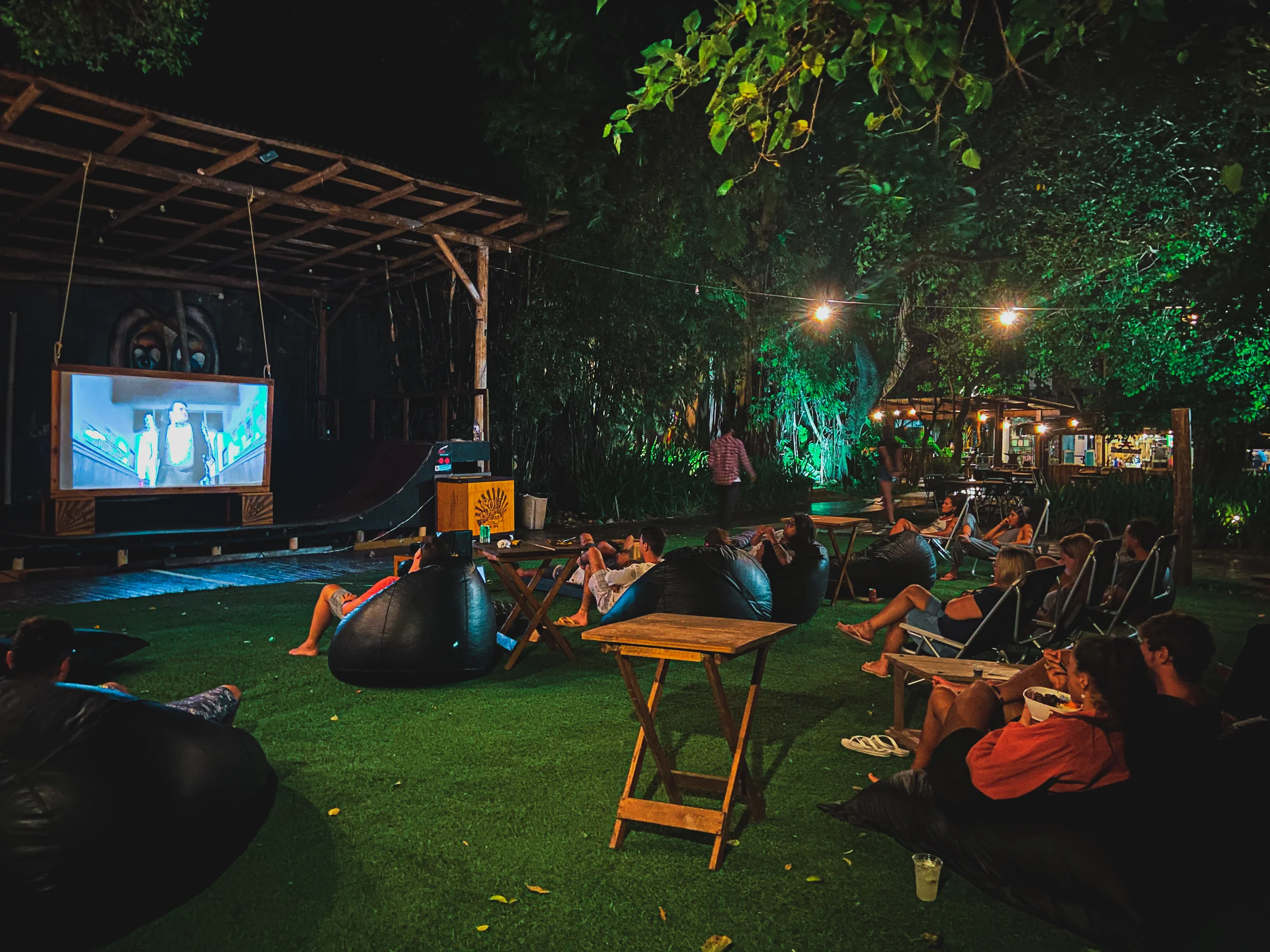
Hostels work because someone is always suggesting the next thing — a morning bike ride, an afternoon museum visit, or a sunset gathering. And because half of all traveler conversations include an invitation to join something, you never have to wonder whether you are interrupting.
Once you say yes to one plan, the rest unfolds naturally.
Try these openers:
- “Anyone keen for the market walk at 10?”
- “Two spots for tonight’s food crawl, meet at reception.”
- “We have a museum late ticket spare, want in?”
- “Heading to the jazz club after dinner, join if you like.”
You are not interrupting. You are continuing a tradition.
🔎 How to judge a hostel’s experience game before you book
A reliable way to evaluate a hostel is to look for signs of community activity.
Listings that mention free walking tours, cooking classes, or regular meetups tend to produce the most socially vibrant stays. Photos of communal tables or chalkboard calendars often indicate places where spontaneous outings form easily.
The most frequently mentioned hostels across chats share consistent traits — strong local partnerships and staff who know the neighborhood well — whether in Chiang Mai, Amsterdam, Medellín, or Antigua.
Checklist:
- Events calendar visible and current.
- Mentions of free walking tours, talks, tastings, or classes.
- Common spaces that look lived‑in, not just staged.
- Reviews that highlight staff knowledge of local businesses.
- Photo clues of maps, chalkboards, or group tables.
If three boxes tick, you will likely be in the right place.
🧯 Safety and respect, always
Travelers often remind each other to keep the hostel’s address handy, to share rides after dark, and to stick with hosted events when unsure. In nightlife-heavy destinations like Bangkok, Rome, and Amsterdam, such small habits make a big difference (all cities frequently mentioned in nightlife conversations).
Respecting local customs matters too. Conversations about visiting temples or cultural shows often include etiquette reminders, particularly in cities like Chiang Mai and Hanoi.
Simple Respect Checklist:
- Dress appropriately at temples
- Learn a few local phrases
- Observe local dining etiquette

📌 Micro‑guide: Turning a hostel into your city compass
- First hour: introduce yourself at reception, ask “What’s on tonight?”
- First evening: do the neighborhood walk or free tour.
- Second day: pick one cultural event and one food experience.
- Third day: wander solo for an afternoon, then rejoin for a group meet.
- Always: chat to staff, tip local guides, share your seat with the next traveler.
🧳 What to pack for local events
- Small daypack for market finds and layers.
- Reusable bottle and cutlery for street‑food feasts.
- Comfy shoes for cobbles, steps, and spontaneous detours.
- A pen for swapping contacts and marking maps.
- Curiosity. The most important thing you can bring.

🤝 Brand perspective: why Hostelworld leans into partnerships
Hostelworld values hostels that treat local experiences as part of the stay.
Whether it is a hostel arranging ethical sanctuary visits in Chiang Mai, coordinating day trips in Antigua, or helping travelers join cultural evenings in Berlin, these partnerships enrich trips and distribute benefits directly to local communities.
Supporting hostels that collaborate with neighborhood businesses ensures guests feel the authentic pulse of the place.
🧡 Conclusion: The city is an invitation
Hostels are not detours from the city. They are how you enter it. Say yes to the neighborhood walk, the late‑night jazz bar, the cooking class, the museum late, the spur‑of‑the‑moment pub crawl. You will eat where locals eat, clap where locals clap, and string together memories with people you just met and somehow already know.
Start with Hostelworld, choose places that partner with their community, and let the city do what it does best, welcome you in.
Download the Hostelworld app to start booking now


FAQ: Local Events
How do hostel-organized tours work?
Hostel-organized tours are usually run by local guides or trusted partners who know the area well. These tours tend to be small and flexible, allowing guests to ask questions, make stops, and customize the experience more than with large commercial operators. Travelers frequently join these activities because they’re affordable, social, and provide a structured way to explore without feeling overwhelmed by planning.
Why are neighborhood walks so popular among hostel guests?
Neighborhood walks help new arrivals get their bearings quickly. They introduce travelers to important streets, markets, public transport stops, and local food spots in under an hour. Because they’re casual and require no equipment or prior planning, they appeal especially to solo travelers who want a low-pressure group activity to start their trip.
Are hostel social events safe for solo travelers?
Yes, hostel social events are designed with solo travelers in mind. Most hostels provide clear meeting points, vetted venues, and knowledgeable staff who know how to keep the group together. Guests often share taxis home or walk back as a group, which adds an extra layer of safety. Travelers also swap real-time tips with each other, making it easier to avoid risky areas.
Do hostel partnerships with local businesses really make a difference?
They do. When a hostel partners with a local business—whether a scooter rental, café, cooking class, or tour guide—it gives travelers access to vetted and community-rooted services. These partnerships often mean fairer pricing, better quality, and authentic experiences that large tourist companies can’t match. They also help local entrepreneurs by directing consistent visitor traffic to their businesses.
What types of cultural events do hostel guests usually attend?
Travelers commonly join small concerts, live jazz nights, museum late openings, theater performances, and cultural festivals. Because many of these events are mentioned in hostel chats, guests can easily coordinate group attendance. Travelers often find that sharing a cultural event makes it more enjoyable and easier to understand the local context.
How do hostels help travelers meet new people?
Hostels create natural meeting opportunities through shared dorms, lounges, kitchens, and event calendars. Invitations like “anyone want to join?” appear constantly in traveler conversations, so joining a plan hardly feels awkward. Many guests report making friends on the first day simply by attending the free walking tour or hanging out in the common area before an event.
What should I expect from a hostel pub crawl?
A hostel pub crawl usually includes multiple bars, free shots or drink deals, and a friendly guide who keeps the group moving. The atmosphere is relaxed and welcoming, making it ideal for meeting other travelers. These crawls provide a curated nightlife experience, so you don’t need to worry about choosing the wrong venue or navigating nightlife spaces alone.
Are hostel tours and events suitable for older travelers?
Yes. While hostels traditionally attract younger backpackers, many now cater to a broader age range. Events like cooking classes, neighborhood walks, market visits, and cultural nights appeal to travelers of all ages. Staff can also recommend more relaxed activities for guests who prefer quieter outings over nightlife-oriented events.
How do I find out what local events are happening during my stay?
Most hostels have an events board, nightly announcements, or a WhatsApp group where staff and guests share daily activities. Staff are also knowledgeable about what’s happening around the city, from art markets to concerts to community festivals. Checking platforms like Facebook Events or local tourism websites can supplement hostel recommendations too.
Do I need to book hostel activities in advance?
It depends on the event. Some experiences—like free walking tours or market visits—are drop-in friendly. Others, such as cooking classes, day trips, or festival outings, may require booking a few hours or a day ahead. Hostels can help with reservations, especially when the activity involves local partners who operate on a schedule.
Are hostel-organized tours cheaper than independent ones?
Often, yes. Hostels leverage their relationships with local businesses to offer good prices or group discounts. Since they help fill tours consistently, providers return the favor with better rates. Even when the price is similar to booking independently, hostel tours often include perks like transport coordination or skipping long lines.
What should I bring to hostel events or tours?
Most events require only comfortable shoes, a water bottle, and weather-appropriate clothing. For outdoor day trips, sunscreen, a hat, and a light snack can be helpful. If attending a cultural or evening event, consider bringing a small bag, your hostel address card, and some cash for entry fees or food stalls.
Are hostel activities accessible for all mobility levels?
Some activities, such as walking tours or hikes, can be physically demanding. However, many hostels offer a mix of events, including museum visits, cultural shows, and food outings that accommodate different mobility levels. If accessibility is a concern, staff can recommend experiences that suit your pace and comfort.
How early do hostel events typically start?
Neighborhood walks or city tours usually begin late morning or early afternoon to accommodate check-ins. Nightlife events often start between 7:00 p.m. and 9:00 p.m., giving travelers time to eat or rest beforehand. Cultural events depend on the venue schedule, but hostels usually time meetups to ensure guests arrive comfortably.
Can I join local events without participating in hostel-organized ones?
Absolutely. Hostel-organized events are helpful, but many travelers choose to explore independently. Staff can provide personal recommendations for local festivals, concerts, specialty markets, or free community events. The advantage of attending hostel-organized outings is the built-in group dynamic, but exploring alone is just as valid.
Do hostel staff participate in the events?
Yes—especially during pub crawls, cultural nights, and neighborhood walks. Staff often act as guides or facilitators to help keep the group together and answer questions. Their presence is reassuring for solo travelers and ensures the outing runs smoothly. Staff participation also strengthens the hostel’s relationship with local venues.
How can I make the most of hostel-organized local events?
Arrive at the meeting point on time, introduce yourself early, and stay open to spontaneous plan changes. Bring essentials like your phone, a small bag, and cash for incidentals. After the event, join others for dinner or drinks—many friendships begin in these moments. The more engaged you are, the richer the experience becomes.
Do hostels offer events every night?
Many hostels do, especially in cities with strong tourism infrastructure. Common nightly options include bar crawls, family dinners, jam sessions, movie nights, and sunset meetups. During high season, it’s normal to have a daily mix of daytime and evening events. In quieter periods, the schedule may shift toward fewer but more curated activities.
Are hostel-organized local events worth it?
For most travelers, yes. These events provide an effortless way to see the city, meet new people, and experience culture in an authentic way. They eliminate the stress of planning and ensure you’re exploring with trusted partners or staff. Even if you’re an independent traveler, joining a few organized activities can enhance your trip by connecting you to people and places you may not have discovered alone.


 Get the App.