
Travel Tips: Real Backpacker Hacks From Chat Groups
Backpacking culture is powered by shared wisdom. In hostels, group chats, and community message boards, travelers trade tips in real time, leaving behind a trail of practical insights about how people move, save, connect and thrive on the road. These everyday conversations reveal a global pattern: no matter the city or continent, backpackers often solve the same problems in the same clever ways. From splitting rides to joining a pub crawl, these behaviors form the unofficial rulebook of the modern travel community.
This guide brings together six of the most consistent travel hacks observed across global traveler conversations, supported by real message examples from Hostelworld’s app chats. Each one reflects how backpackers adapt to logistical challenges, navigate social spaces, and make smart choices that shape the rhythm of a trip. Whether someone is planning their first solo journey or refining a seasoned travel routine, these insights offer a grounded and helpful look into how today’s travelers explore the world together.

🚕 1. Shared Rides, Shared Wins
Across countless backpacker threads, shared transportation repeatedly surfaces as one of the most dependable ways to save money and stay connected. Travelers often initiate this with short, simple phrases that carry a surprising amount of efficiency. A message like “Two people looking to share cost.” appears frequently in community chats on the Hostelworld’s app chats, the kind of post that triggers immediate replies from people heading in the same direction .
Another common variation is “Anyone want to split a taxi?”, a request that merges practicality with safety and convenience, especially during airport runs or late‑night transfers .
What makes this habit so universal is its predictability. Most travelers are trying to get to the same places at the same times, from hostel checkout rushes in the morning to evening arrivals at major bus stations. Ride sharing becomes a natural solution that reduces individual expenses and provides a built‑in moment of camaraderie.
The format rarely changes, regardless of destination. People list their time window, mention the route, and wait for a match. It is efficient, communal and deeply rooted in modern travel behavior, showing how strangers support each other in the small but important logistics of moving around.

📅 2. Saturdays: The Unofficial Peak‑Pressure Day
Weekends always influence the flow of tourism, but Saturday consistently stands out as a high‑impact day for both budgets and crowds. This pattern shows up in traveler messages from many destinations, often highlighted by a simple observation like “Saturday is the most expensive day, super busy.”
Why Saturdays are tricky
- Higher demand for tours, nightlife and activities
- Increased transport congestion, making shared rides fill up faster
- Accommodation spikes, especially in popular cities
- Longer queues at attractions
Quick planning tip
If a city feels tight on time or money, shifting major activities away from Saturday can make a noticeable difference.
This doesn’t mean Saturdays are off limits. They are simply better suited to free or low‑pressure plans, like wandering markets, relaxing at parks, or exploring neighborhoods. When travelers understand the rhythm of a destination, Saturdays become easier to navigate and far less costly.
🚌 3. The Case for Comfort: Small Upgrades With Big Impact
Backpackers are known for stretching their budget, but comfort upgrades are one place where many choose to spend intentionally. Long travel days can be draining, and the collective wisdom among travelers shows that small fare increases often create disproportionate improvements.
A traveler in one chat mentioned a typical option: “VIP bus upgrade 300 Baht.”
The exact amount is less important than the behavior it represents. Across many regions, “VIP” or upgraded transport tiers offer:
- more comfortable seating
- improved airflow or cooling
- fewer stops
- better sleep on night routes
These benefits become especially valuable when travelers need to stay alert upon arrival, whether for a morning tour, a hostel check‑in, or simply adjusting to a new environment.
Comfort becomes a form of strategy, not indulgence. Saving money matters, but so does maintaining energy. Travelers who invest in key upgrades often find their days run more smoothly, their mood improves and their overall experience becomes richer.

📶 4. SIM Cards: Why Local Shops Beat Airport Stands
Mobile data is a lifeline for backpackers. Directions, ride‑shares, hostel check‑ins and safety updates all depend on staying connected. Seasoned travelers quickly discover that airport SIM counters rarely offer the best value.
Real messages illustrate this clearly. One traveler advised:
“Go to 7/11, get True SIM, 199 baht, 30GB.”
Another noted the easy setup:
“49 baht dtac SIM at 7/11, top up at cashier, then buy the data package in the app.”
Why local stores win
- Lower prices than airport kiosks
- Plans designed for residents, with larger data allowances
- Immediate help with top‑ups
- No tourist markups
Snapshot comparison
| Airport SIM counters | Local convenience stores |
|---|---|
| Higher prices, tourist bundles | Standard local rates |
| Limited plan flexibility | Multiple providers and plans |
| Long queues after landing | Fast, casual purchase |
| Staff may upsell | No incentive to inflate prices |
Buying a SIM from local shops has become a global travel habit, rooted in cost awareness and convenience.
🗺️ 5. Group Negotiation: When Numbers Speak Louder Than Haggling
Negotiating in a new country can feel intimidating, but backpackers have found a simple workaround: go in as a group. Instead of individual bargaining, travelers coordinate to secure better rates through collective value.
A traveler comparing two excursion prices shared on the Hostelworld’s app chats:
“2000 vs 2700… seeing if they’ll come down.”
This reflects a common pattern. Travelers:
- compare multiple vendors
- form small groups of 4 to 6
- message operators together
- request small adjustments or added value
Why groups work
- Filling seats helps operators run tours profitably
- Confirmed groups reduce the risk of no‑shows
- Negotiation becomes friendly, not confrontational
Group power is not about demanding discounts, it is about offering reliability. Operators often respond positively to groups because it helps them plan more effectively.
This approach results in fair pricing and a more social experience. It also reduces the awkwardness of solo negotiation and turns a practical task into a shared moment of traveler collaboration.
🍻 6. Pub Crawls: The Backpacker Shortcut to Connection
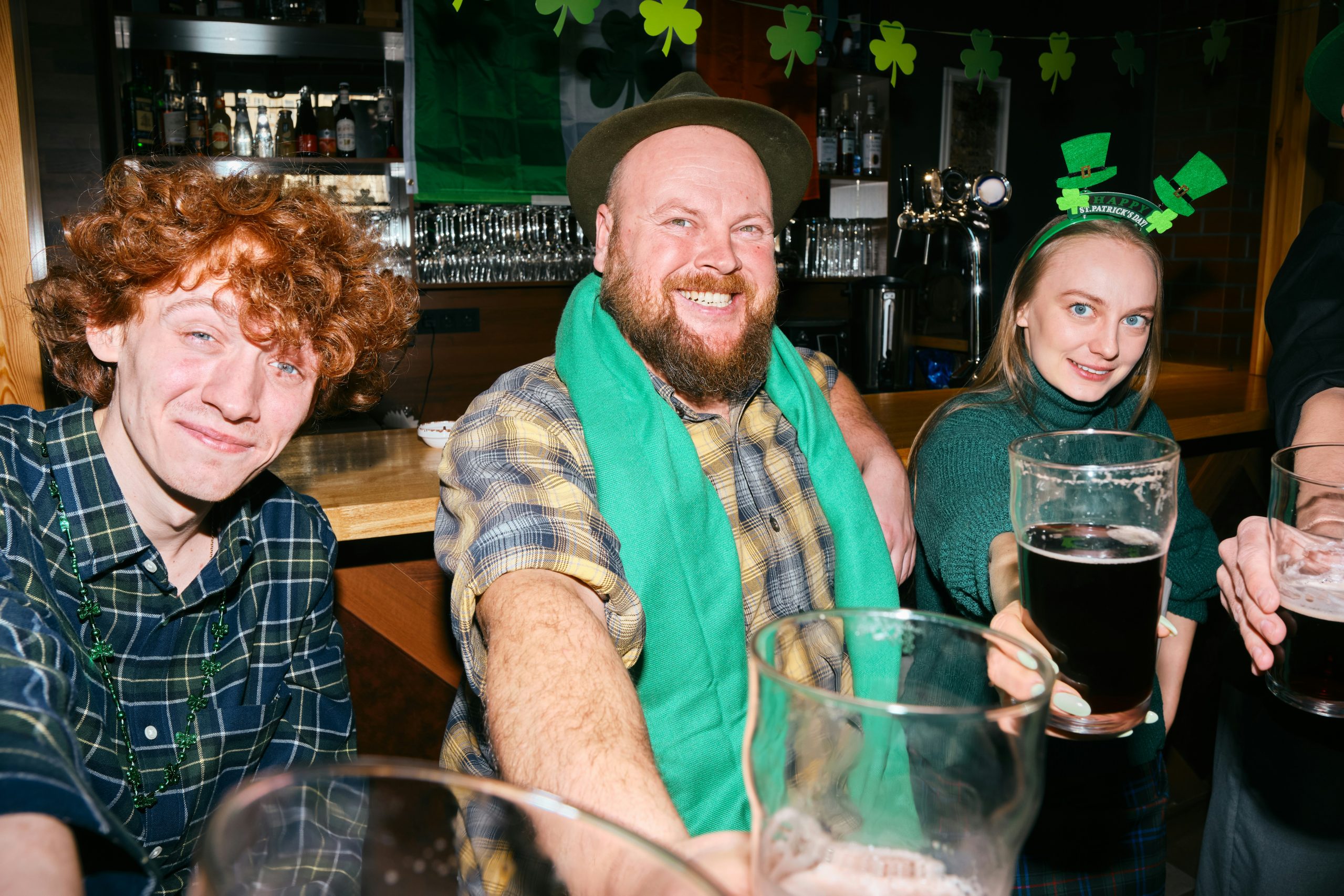
Among the most widely referenced activities in traveler conversations, pub crawls consistently emerge as a reliable way to meet people quickly. Their structure, affordability and sense of fun make them a cornerstone of hostel culture. In one traveler message, someone asked, “Would anyone be up for a pub crawl? There’s one at 8pm today and I think it’s like 12£.” This simple question captures the spirit of communal exploration that travelers crave when arriving in a new city. Another message described a lively version of the event: “Pub crawl starts 6pm, unlimited vodka, rum, tequila… karaoke later.” . These moments reveal how pub crawls offer more than nightlife. They act as social equalizers that allow travelers to blend in effortlessly with new faces and local atmospheres.
The appeal goes far beyond the drinks. For solo travelers who may feel overwhelmed by a new environment, a pub crawl provides immediate structure and support. The group collectively navigates local venues, shares recommendations and creates spontaneous friendships. The predictability of the format, combined with its inherent flexibility, explains why pub crawls remain a universal feature of backpacking. They serve as immersive introductions to new destinations and set the tone for meaningful travel encounters.
✨ 7. Quick Wins for Easier Backpacking
Backpackers often share “micro‑tips” that smooth out daily travel challenges. These small habits reflect collective experience and can make a trip significantly more enjoyable.
- Always screenshot booking confirmations and meeting points for offline access.
- Join shared ride messages early, as seats fill quickly during hostel checkout hours.
- Carry a small emergency cash reserve, since not all destinations rely on card‑based payments.
- Stay flexible. Many of the best opportunities appear spontaneously through hostel group chats.
- Check for last‑minute spots on tours or classes that still need participants.
These quick wins can transform unexpected situations into seamless travel moments.

⚠️ 8. Common Mistakes New Backpackers Can Avoid
New backpackers often make predictable mistakes that experienced travelers know how to sidestep. The good news is that these missteps are easy to avoid with a little awareness.
Frequent pitfalls
- Buying SIM cards at airports, which are almost always more expensive than local shops.
- Booking major activities on Saturdays, when crowds and prices peak.
- Assuming every destination uses the same payment methods, leading to awkward moments at markets or transport stands.
- Skipping social opportunities, which can make solo travel feel unnecessarily isolating.
- Overpacking, which limits freedom during long walks or multi‑stop travel days.
Awareness of these habits helps travelers make more thoughtful decisions from day one.
📊 9. A Handy Table of Backpacker Behaviors
| Travel pattern | Real traveler example | Why it matters |
|---|---|---|
| Ride sharing | “Two people looking to share cost.” | Cuts expenses and builds community |
| Busy Saturdays | “Saturday is the most expensive day…” | Guides trip planning and reduces stress |
| SIM card strategy | “Go to 7/11, get True SIM, 199 baht, 30GB.” | Ensures affordable mobile connectivity |
| Comfort upgrades | “VIP bus upgrade 300 Baht.” | Improves long travel days and next‑day energy |
| Negotiation behavior | “2000 vs 2700… seeing if they’ll come down.” | Shows group‑based negotiation in action |
| Social travel | “Pub crawl starts 6pm…” | Encourages connection and city discovery |
This at‑a‑glance overview highlights how simple behaviors shape the global backpacking experience.

🧭 Collective Wisdom Makes Travel Better
Backpacking thrives on collaboration. The habits shared in this guide reflect the countless small decisions travelers make every day, from sharing taxis to joining pub crawls. These are not isolated tips but widespread patterns shaped by real experiences and real messages exchanged between strangers who quickly become temporary teammates. Each message, whether offering a shared ride or inviting someone to a social event, carries a piece of the communal knowledge that keeps the global hostel ecosystem vibrant.
Together, these behaviors show how travelers create structure, reduce stress and make connections in unfamiliar places. The rhythm of modern backpacking is built on these understated exchanges, and each one adds to a collective intelligence that grows stronger with every new journey.
Download the Hostelworld app to start booking now


FAQ: Backpacking Tips From Real Traveler Conversations
❓ How do backpackers find people to share taxis or rides with?
Most travelers organize ride sharing through hostel group chats, community message boards, or WhatsApp groups.
Typical messages are simple and direct, such as:
“Anyone heading to the airport at 6am?”
“Two people looking to share a taxi.”
“Bus station run in 30 minutes if anyone wants to split.”
Because many travelers follow similar schedules, these posts often receive replies quickly. Ride sharing not only cuts transport costs but also adds a layer of safety and companionship.
❓ Why do experienced travelers avoid buying SIM cards at airports?
Airport SIM kiosks often sell tourist-priced bundles that are significantly more expensive than local plans.
Local convenience stores usually offer:
cheaper SIM cards
larger data allowances
more flexible data packages
In many countries, stores like 7-Eleven, convenience kiosks, or mobile carrier shops provide quick SIM activation and easy top-ups, making them the preferred option for budget travelers.
❓ Are pub crawls actually good for meeting people while traveling?
Yes. Pub crawls remain one of the fastest social entry points for solo travelers.
They work well because they provide:
a structured group activity
multiple venues in one night
a mix of travelers from different hostels
guides who handle logistics
For people arriving in a new city alone, pub crawls offer an easy way to break the ice and build connections quickly.
❓ Why is Saturday often the most expensive day for travel activities?
Saturday typically sees the highest demand for tourism services.
This leads to:
higher accommodation prices
busier tours and attractions
limited availability for transport
nightlife events reaching capacity
Many experienced travelers shift major activities to weekdays to avoid peak prices and crowds.
❓ Is upgrading transport worth it for budget travelers?
Surprisingly often, yes.
A small upgrade on buses or trains can offer:
reclining seats or extra legroom
air conditioning
fewer stops
better sleep on overnight journeys
For long travel days, these improvements can make a huge difference in energy levels and overall comfort.
❓ How do backpackers negotiate tour prices?
Instead of negotiating individually, travelers often form small groups.
The process usually looks like this:
Compare prices from multiple operators
Gather 4 to 6 interested travelers
Contact the vendor together
Ask for a group rate or added value
Tour companies often respond positively because filling multiple seats at once reduces uncertainty.
❓ What role do hostel chats play in modern backpacking?
Hostel chat platforms and group messaging apps have become central planning tools for travelers.
They are used to:
organize shared rides
find people for tours
coordinate meals or outings
get local advice in real time
meet other guests staying in the same hostel
These chats create small temporary communities that help travelers navigate unfamiliar places together.
❓ What are some small travel habits that make backpacking easier?
Experienced travelers often rely on simple routines that prevent common travel issues.
Helpful habits include:
saving offline maps for navigation
screenshotting bookings and tickets
keeping emergency cash in a separate place
packing light to move easily between destinations
joining hostel chats early after arrival
These small precautions can save significant time and stress during a trip.
❓ How can first-time backpackers meet people quickly?
The easiest ways are:
joining hostel activities
participating in pub crawls or walking tours
using hostel group chats
hanging out in common areas
joining shared transport or excursions
Backpacker environments are naturally social, so simply showing up to shared spaces often leads to conversations and connections.
❓ Is it safe to share rides with strangers while traveling?
In many backpacker contexts, ride sharing is considered safe because:
travelers usually meet inside hostels first
multiple people join the ride
routes and destinations are clear
However, travelers should still use common sense, verify destinations, and avoid sharing rides outside trusted environments.
❓ Why do backpackers rely so much on group advice?
Travel communities thrive on collective experience.
Instead of researching everything individually, travelers often benefit from advice shared by people who:
just visited the same attraction
used the same transport route
negotiated the same tour price
discovered cheaper alternatives nearby
This real-time knowledge exchange helps travelers make faster, smarter decisions.
❓ What are the most common mistakes new backpackers make?
First-time travelers often run into a few predictable pitfalls:
buying overpriced airport SIM cards
booking activities during peak weekend days
overpacking heavy bags
skipping social opportunities
relying only on cards in cash-heavy destinations
Most of these mistakes disappear quickly as travelers learn from hostel communities.
❓ Why is backpacking culture so collaborative?
Backpacking works best when travelers share information and resources.
People naturally help each other because they face the same challenges:
navigating unfamiliar cities
finding affordable transport
discovering social opportunities
staying connected on the road
Over time, these shared solutions become an informal rulebook that shapes the global backpacking experience.


 Get the App.