

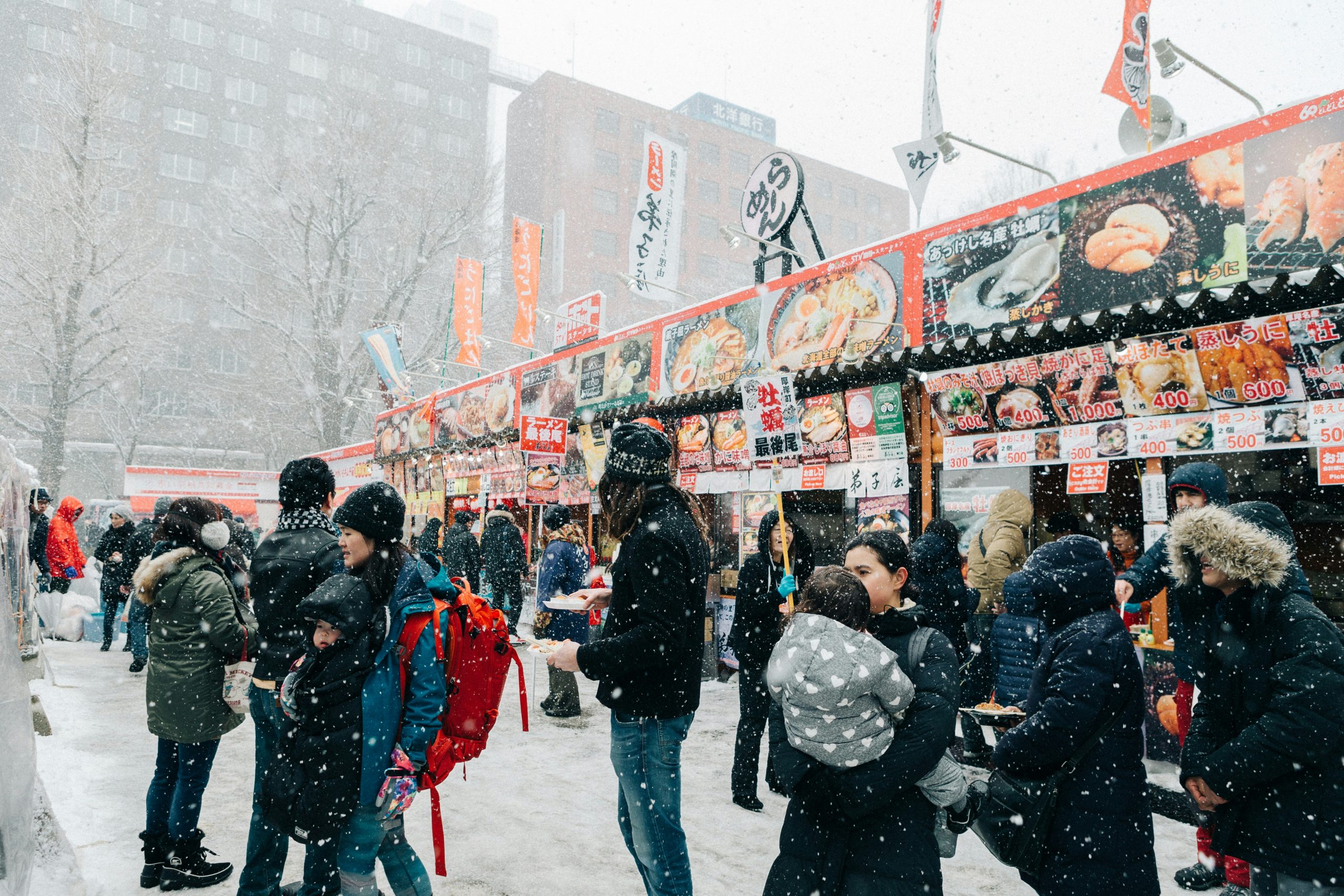
The Sapporo Snow Festival runs from 4 to 11 February 2027 across three sites: Odori Park, the main street in Susukino and the Tsudome dome in Higashi-ku. Walking among the sculptures costs nothing, so your real costs are getting to Sapporo and a bed in festival week. It started in 1950 with six snow sculptures made by local school students, and it now draws more than two million visitors a year, according to the city’s official Sapporo Travel site. That’s why beds go early.
The dates come from Sapporo Travel, checked in November 2026. Below you’ll find what’s at each site, what’s free and what isn’t, a simple budget, how cold it gets, a three-day plan and where to stay. For more on the city, browse our Sapporo travel guides.
When and where is the 2027 festival?
The festival runs from 4 to 11 February 2027 at three sites. Odori Park and Susukino are one subway stop apart, and you can walk between them, most of the way underground. Tsudome is further out, in Higashi-ku, so it needs a subway ride. Here’s what each site has, based on the city’s official Sapporo Snow Festival page, checked in November 2026. The organisers had published the 2027 outline but not the full Tsudome and Susukino programmes by then, so check the details again closer to the date.
Odori Park
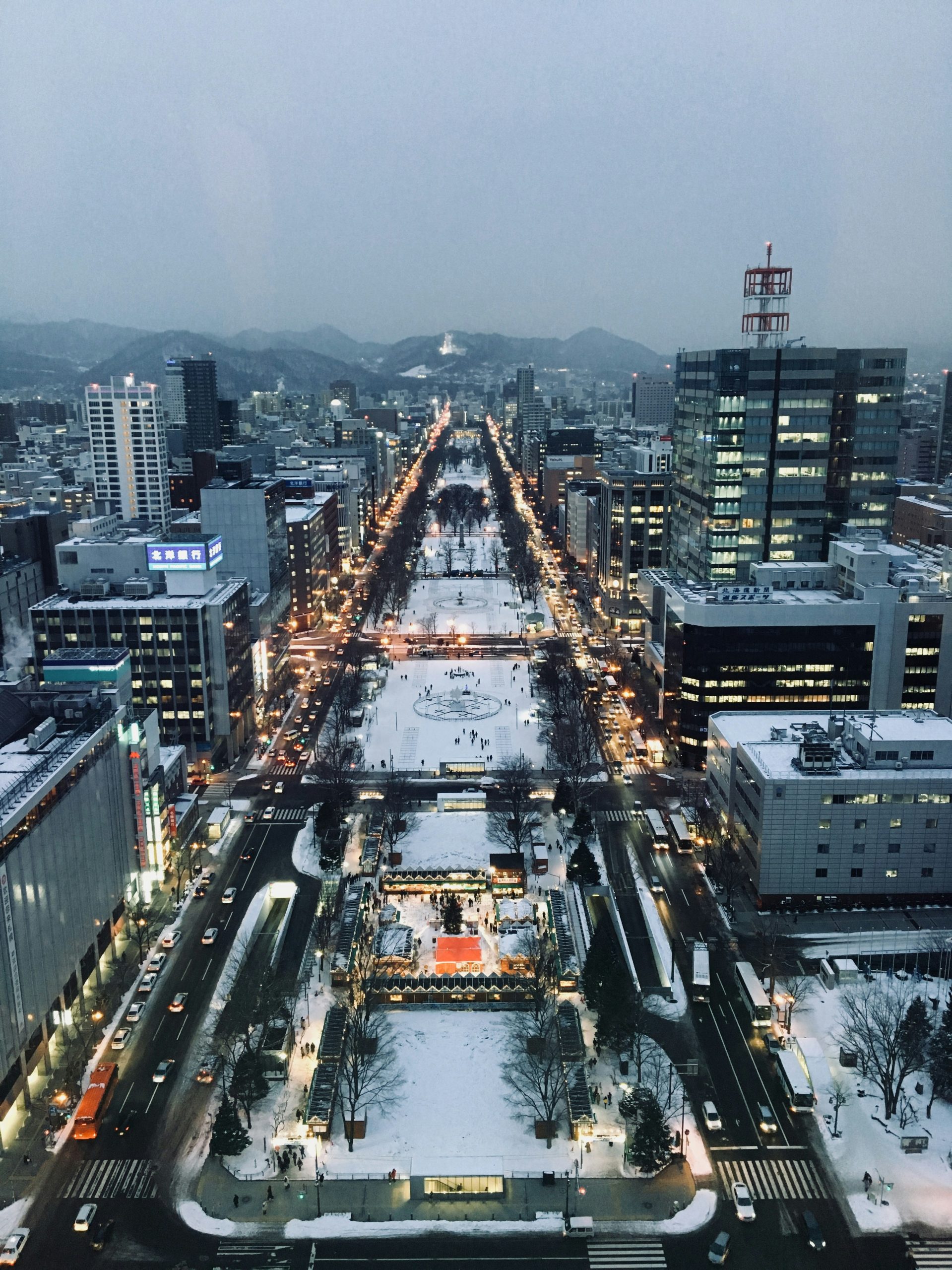
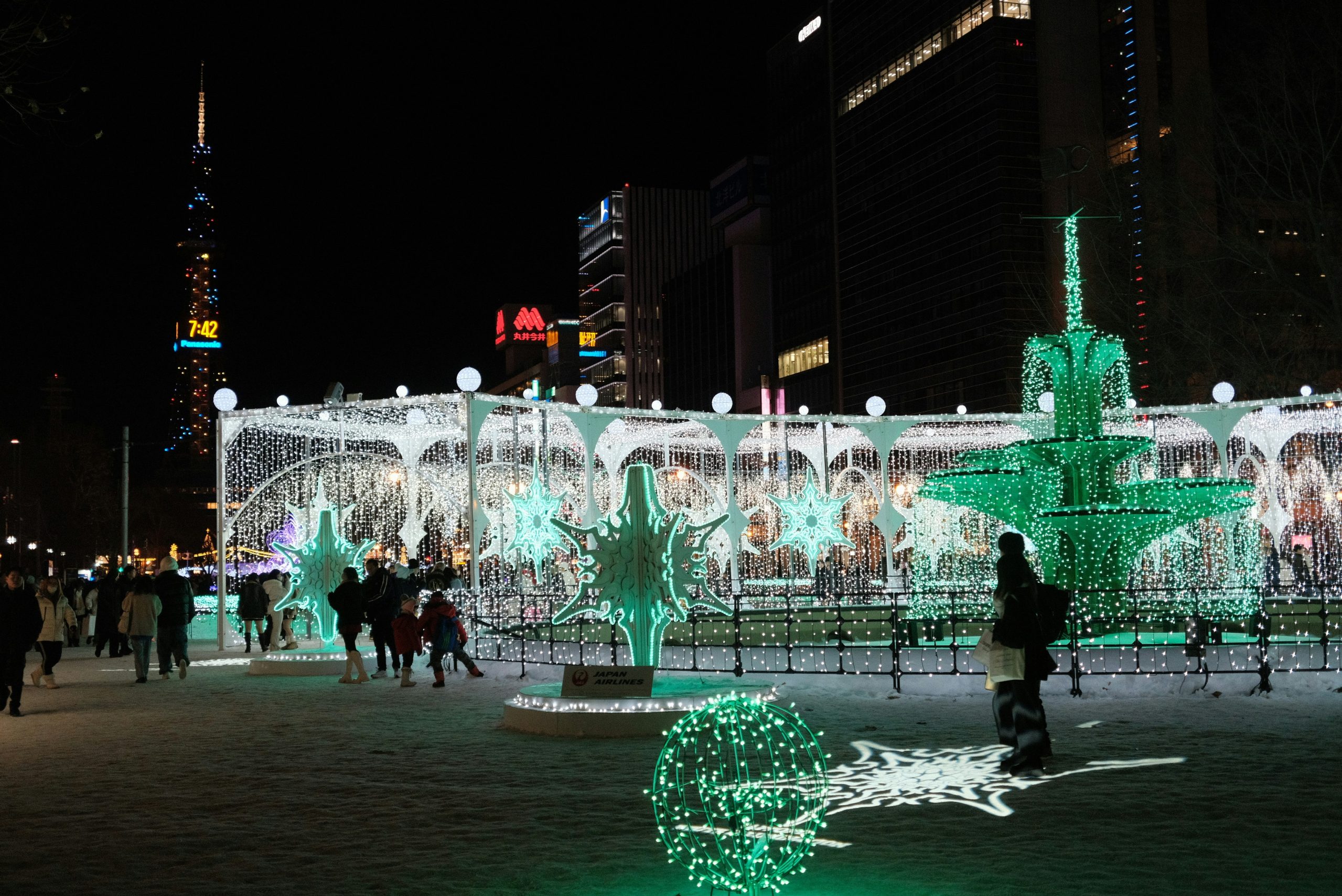
This is the main site, with the big snow sculptures spread along about 1.5km of the park in central Sapporo. The sculptures are lit from sundown until 10pm, so come once in daylight to see the detail and again after dark. Get off at Odori subway station, which sits right under the park.
Susukino
Sapporo’s nightlife district hosts the ice sculptures, set along the main street between Minami 4-jo and Minami 7-jo, plus an ice bar. It’s at its best at night, when the ice is lit up and the bars around it are open. Susukino subway station drops you in the middle of it.
Tsudome
Tsudome is the family site in Higashi-ku, with snow slides, snow rafting and other snow play outdoors and food stalls inside the dome. Go in the daytime: a 2027 festival guide lists it as open 10am to 4pm, still to be confirmed by the organisers, while the Odori lights run until 10pm. Take the Toho subway line to Sakaemachi, then the festival shuttle bus, which runs every 5 to 10 minutes according to Japan Guide, or walk for 10 to 15 minutes.
Planning more of Hokkaido or Japan around the festival? Our Japan travel guides cover the rest of the trip.
Is the Sapporo Snow Festival free?
Yes, seeing the sculptures is free at all three sites, and there are no tickets or gates at Odori Park or Susukino. You can walk the whole of Odori by day, come back for the lights and wander the Susukino ice sculptures at night without spending a yen. The money goes on the extras: a few rides at Tsudome, the bus out there, hot food and drinks.
Tsudome is free to enter too, and most of the outdoor snow play costs nothing. A few attractions charge per go. Guides from recent seasons put the ice slide at about ¥600 (roughly €3) a ride, according to Japan Activity, and a February 2025 write-up by Kansai Odyssey priced snow rafting at ¥1,000 for adults. The festival shuttle bus from Sakaemachi subway station costs ¥200 (about €1), cash only. These are past-season prices; the 2027 Tsudome programme wasn’t out when we checked in November 2026, so treat them as a guide and carry coins. Euro figures use the exchange rate in November 2026.
Food is where a free day turns into a paid one. Odori Park has stalls selling hot snacks and Hokkaido specialities, and the ice bars in Susukino charge for drinks, so set yourself a daily food budget before you go. A cheap trick that works across Japan: fill up on onigiri and hot cans of coffee or soup from a convenience store, then buy one treat at the stalls. For more ways to keep food costs down in an Asian city, see our Hong Kong budget weekend, and there are more cheap trips in our Asia travel guides.
How much does a festival trip cost?
Your bed is the big cost of a Snow Festival trip. The rest is small: the train in from the airport, a subway ride or two and whatever hot food keeps you going between sites.
The easiest cheap way from New Chitose Airport into the city is the JR Rapid Airport train. It costs ¥1,230 (about €6.60) one way to Sapporo Station, according to JR Hokkaido’s airport train page, checked in November 2026. You’ll still see ¥1,070 or ¥1,150 in a lot of guides, including the Sapporo Station guide, but those are older fares, so budget for ¥1,230. The ride takes about 33 to 37 minutes, depending on the train. Tap in with Suica or another IC card for an unreserved seat. A reserved u-seat costs ¥1,000 extra (¥800 if you book it ticketless online), which is only worth it if you want a guaranteed seat for you and your bag.
| Airport train | ¥1,230 |
| Reserved seat | ¥1,000 |
| Tsudome slide | ¥600 |
| Tsudome shuttle | ¥200 |
Beds are where festival week bites. Sapporo fills up for the festival and the cheapest dorms go first, so book as soon as your dates are fixed. We haven’t put hostel prices here because they change daily; the hostel cards further down show live prices for your dates. If your plans might shift, our guide to Hostelworld’s flexible booking options explains how to book early without being locked in.
Food is the cost you control most. Have one proper hot meal a day, a bowl of ramen or a stall snack at Odori, and cover breakfast and lunch from convenience stores or your hostel kitchen if it has one. Euro figures in this section use a rate of about ¥185 to the euro.
How cold is Sapporo in February?
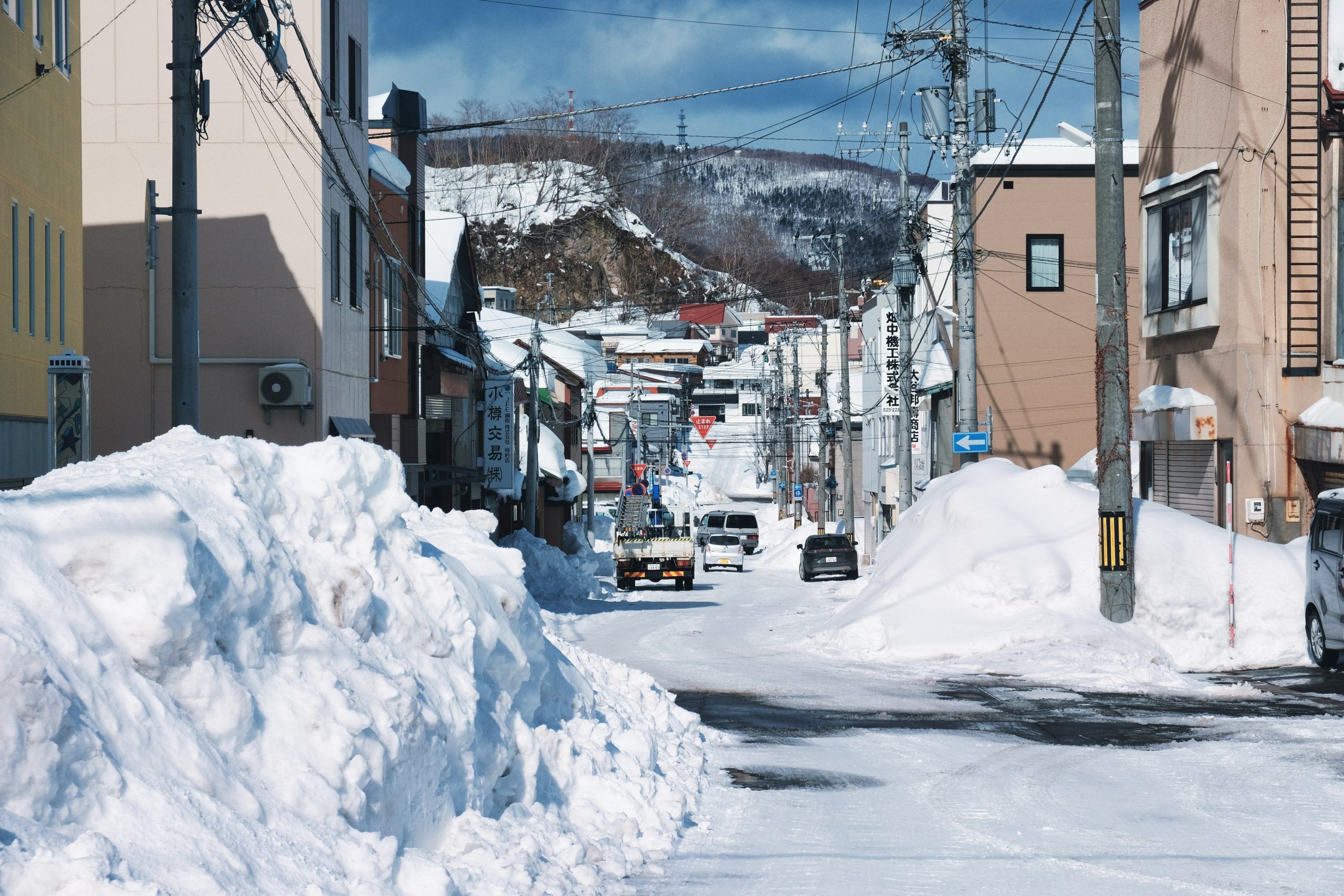
Sapporo in February sits around freezing by day and well below it at night. The Japan Meteorological Agency’s 1991 to 2020 averages, as listed on Wikipedia’s Sapporo page, put the February high at 0.4°C and the low at -6.2°C. The same figures give the city 116cm of snow in the month, falling on about 25 days, so expect fresh snow on the pavements most mornings.
| Average high | 0.40 °C |
| Average low | -6.20 °C |
Source: Japan Meteorological Agency 1991-2020 normals, via Wikipedia
The evening lights at Odori are when it bites hardest, because you’re standing still after dark. Dress in layers you can open up when you duck into a shop or the subway, where it’s warm. This short kit list covers it:
- Thermal base layers, top and bottom
- A warm mid-layer and a windproof, waterproof outer jacket
- Waterproof boots with a good grip, plus slip-on ice grippers for packed snow
- Hat, scarf and gloves you can use your phone in
- Hand warmers for the night sculptures
Use the underground walkways to warm up between sites. The Chi-Ka-Ho walkway links Sapporo Station to Odori in about 10 minutes, and the Pole Town shopping street carries on underground from Odori to Susukino, so you can do most of the walk between the two festival sites out of the snow.
If you’re adding more of Japan in the cold months, our guide to winter in Japan covers more snow, onsens and festivals.
A three-day Sapporo Snow Festival plan
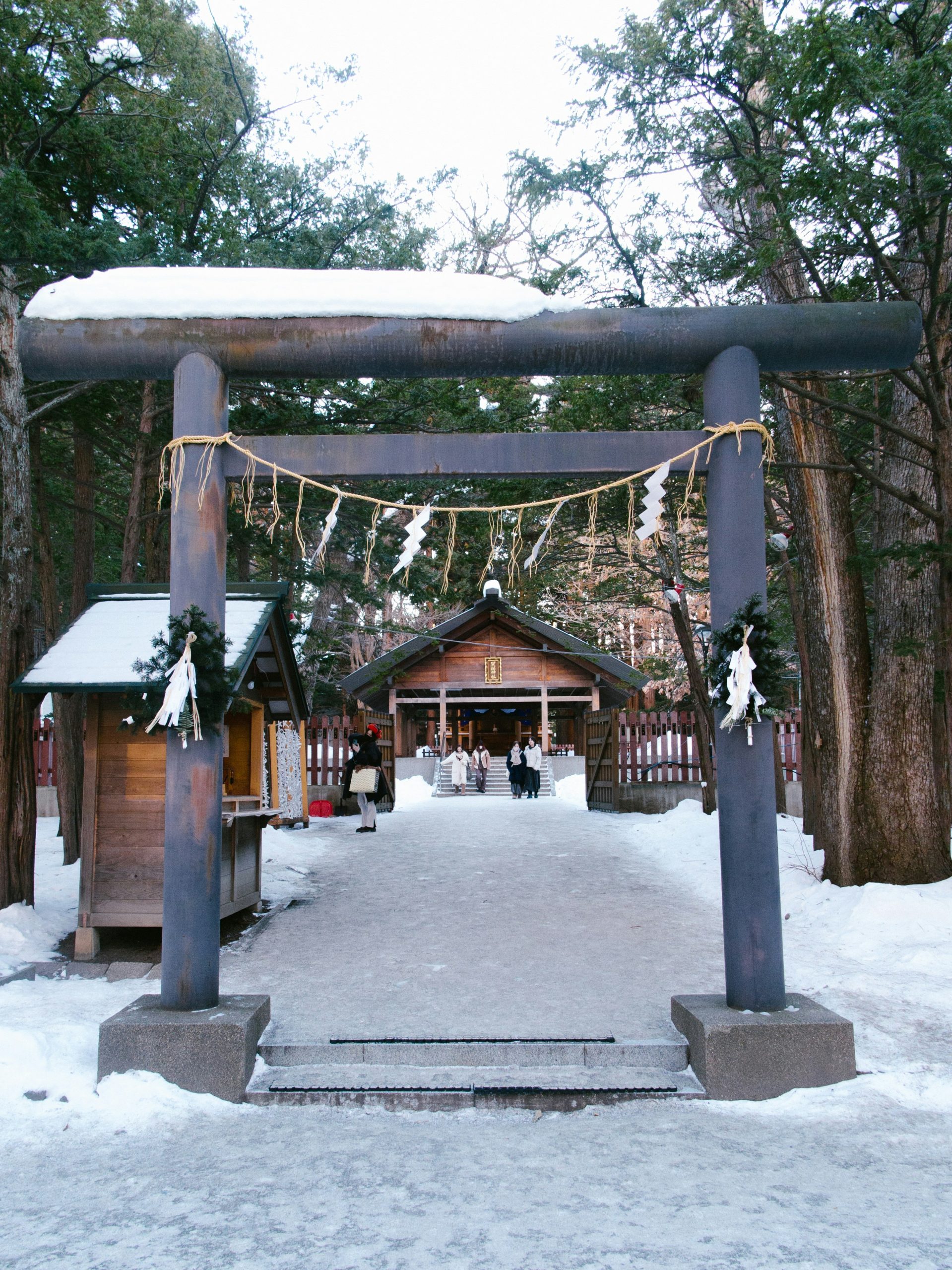
Three days is enough to see all three festival sites and squeeze in Otaru, without rushing between them in the cold. The plan below puts each site at the time of day it works best: Odori twice, Tsudome in daylight, Susukino after dark and Otaru for the evening lanterns.
Day 1: Odori Park by day and after dark
Start at the TV Tower end of Odori Park in the morning and walk the length of the sculptures while the light shows their detail. It’s about 1.5km end to end, so take your time and stop at the food stalls for something hot at lunch. Head back to your hostel or into the underground walkways in the afternoon to warm up.
Come back once it’s dark. The sculptures are lit until 10pm, so the second walk feels like a different site. Go early in the evening if you want space to take photos.
Day 2: Tsudome, then Susukino at night
Spend the morning at Tsudome, since it closes earlier than the other two sites. Ride the Toho line to Sakaemachi, take the shuttle bus or walk, and save the snow slides and rafting for before the queues build. Bring coins for the rides and the bus.
In the evening, head to Susukino for the ice sculptures, which look best lit up at night. Have dinner nearby, a bowl of ramen is the obvious cheap pick in Sapporo, and finish at the ice bar if you’ve kept something in the budget.
Day 3: Day trip to Otaru
Otaru is a canal town on the coast, and it’s an easy day out from Sapporo. Rapid trains from Sapporo Station take about 30 minutes and cost ¥800 (roughly €4.30) one way, according to Japan Guide’s Otaru access page, so check the JR Hokkaido fare before you go. Spend the day walking the canal and the old warehouse streets, then stay on for the evening. If you’d rather sleep by the canal, there are hostels in Otaru too.
Time it for the Otaru Snow Light Path, when the canal and streets are lit with candles and snow lanterns. Sapporo Travel lists it for 6 to 13 February 2027, which overlaps with the Snow Festival from the 6th, but some guides say the official Otaru dates weren’t out when we checked in November 2026. Confirm on the Otaru Tourism Association site before you fix your days. In past seasons the main venues were lit from 5pm to 9pm, according to Watabi’s Snow Light Path guide, so catch a train back to Sapporo afterwards.
Where to stay for the Snow Festival
Stay near Odori or Susukino and you can walk to both main festival sites, then head back to warm up between the day and night visits. The two are one subway stop apart, and the underground walkways cover most of the route on foot, so a bed anywhere between them saves you subway fares and cold waits.
The area around Sapporo Station works too. It sits at the north end of the Chi-Ka-Ho walkway, so Odori is a short walk underground, and it is handy if you arrive by train from the airport with a heavy bag.
Book months ahead. Festival week is one of the busiest weeks of Sapporo’s year, and with more than two million visitors coming in, the cheapest dorm beds near Odori and Susukino are usually the first to go. If you are new to booking hostels, our guide to how Hostelworld works explains dorms, private rooms and reviews before you pick one.
If the central beds are gone, look along the Toho subway line. It runs through Hosui-Susukino, Odori and Sapporo stations and ends at Sakaemachi, the stop for Tsudome, so a hostel near any Toho line station keeps you a single ride from Odori, Susukino and the Tsudome stop. Check the walk from the hostel to the station before you book, because a 10-minute walk feels longer on icy pavements at night.
These hostels in Sapporo show live prices and availability for your dates:
Book your bed before December
Book your bed and your flight to New Chitose as soon as your dates are fixed, and aim to have both done before December. The festival runs 4 to 11 February 2027, and the cheapest dorms near Odori and Susukino are the first to go. If your plans might still shift, choose a bed you can change and book the flight to match.
Next, check the Sapporo Events page on Hostelworld to see what else is on while you’re in town. It lists concerts, festivals and other events in the city, with social hostels nearby. When we looked in November 2026, it listed Sapporo White Illumination (19 November to 24 December 2026) and a run of winter concerts, but not yet the Snow Festival itself, so look again as February gets closer.
Then find people to share the cold with. Once you’ve booked, the free Hostelworld app lets you join Linkups, which are activities set up by your hostel, hostels nearby or other travellers, from 14 days before check-in. Look for a day trip to Otaru or a night out in Susukino, or create your own Linkup for the Snow Light Path and see who joins.
City Chats are the other way in. They’re group chats with travellers staying at any hostel in Sapporo, so post there if you want company for a drink at the Susukino ice bar or someone to catch the train to Otaru with. If you haven’t booked a bed yet, Social Pass opens the same social features.
If you’re flying into Japan through Tokyo, compare hostels in Tokyo for the nights either side, or see all hostels in Japan if Sapporo is one stop on a longer route.

 Get the App.
Comments