
Seasonal Hostel Travel: Peak Times & Booking Strategies
Seasonal travel influences everything: the crowd in your dorm room, the buzz in the kitchen, the cost of your next night’s stay. Understanding how the seasons shift can turn a good trip into a brilliantly planned one.
Whether travellers are chasing sunshine, avoiding monsoons or hopping between music festivals, the seasons quietly set the pace. Knowing the best time to book a hostel, recognising how festivals inflate demand and learning how to stay flexible all make a huge difference on the road.
This guide uses Hostelworld’s booking trends to help travellers move through the seasons with confidence, save when it matters and lean into the moments when a city comes alive.
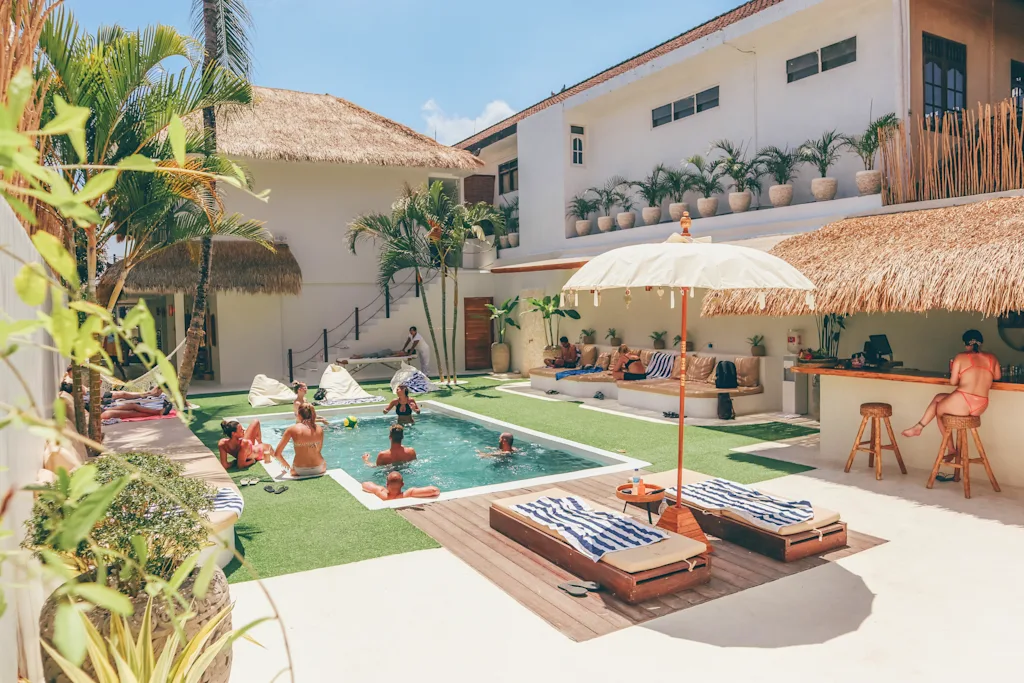
☀️ Understanding the Seasons Like a Pro
Seasonality remains one of the strongest forces in global travel. High season brings sunseekers, festival crowds and packed hostel kitchens. Shoulder season delivers a dreamy balance of affordability and atmosphere. And low season, often overlooked, can offer some of the richest, most personal experiences.
The trick is to think beyond weather alone. For example, places like Japan attract huge waves of travellers in spring, even though temperatures may still be cool. Meanwhile, Southeast Asia’s dry season fills hostels months in advance simply because it aligns with the European winter exodus.
A reliable rule: always scan local holiday calendars. A city might feel “off-peak” but suddenly spike because of school breaks, national events or long weekends. Knowing these patterns helps travellers avoid inflated prices and find the hostel vibe they’re truly seeking.

🎉 Big Festivals That Reshape Hostel Demand
Festivals transform cities—and hostel availability—with stunning intensity. Beds that linger for weeks at normal times can disappear overnight once festival-goers start booking.
Here’s a quick look at how major events influence demand:
| Festival | Destination | Peak Period | Seasonal Impact |
|---|---|---|---|
| La Tomatina | Spain | August | Hostels sell out far ahead of time |
| Songkran | Thailand | April | Countrywide water festivals drive huge movement |
| Oktoberfest | Germany | Sept–Oct | One of the fastest sellouts globally |
| Carnival | Brazil | February | Coastal cities reach full capacity |
| Holi | India | March | Colour celebrations elevate demand nationwide |
Travellers heading to any globally recognised festival should plan with intention. Booking 2–3 months in advance is often the difference between a top-rated social hostel and a last-minute bed far from the action.

🕒 When to Book Based on Real Patterns
Hostelworld booking behaviour consistently shows that travellers underestimate how early popular destinations fill. Understanding these patterns gives travellers a major advantage.
For example:
- European summer hits capacity early. Many travellers book 4–6 weeks ahead, sometimes more for cities like Amsterdam or Lisbon.
- Southeast Asia from December to February sees a major jump as travellers trade winter for warmth.
- Ski destinations often require 6+ weeks’ notice for best pricing.
A smart technique is simply checking availability early—not to commit immediately, but to read the room. If those last few beds disappear quickly, that’s your sign that the destination is entering a busier cycle.

💸 The Reality of Dynamic Pricing
Hostel pricing works much like airline pricing. Rates shift based on occupancy, demand, and how far away the travel date is. Prices can rise quickly as beds fill, especially during weekends or seasonal peaks.
Yet dynamic pricing isn’t your enemy. It responds to patterns that travellers can predict:
- Fewer available beds = higher nightly rates
- Sudden demand spikes = fast price changes
- Event-driven surges = instant competition
One of the easiest ways to navigate dynamic pricing is to consider dorm size. When smaller dorms fill first, prices can become disproportionate. Larger dorms often stay affordable longer, making them ideal for flexible travellers.
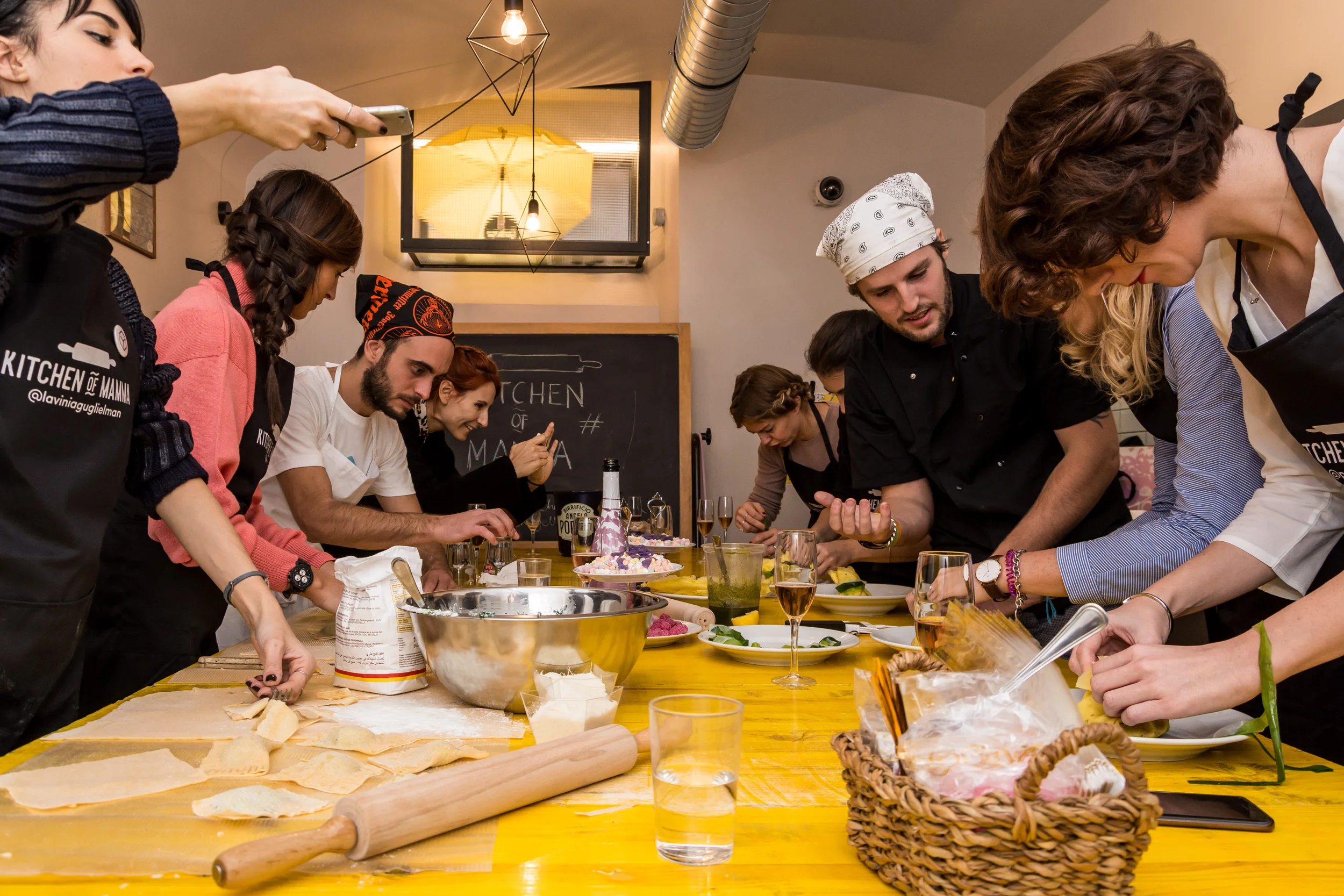
🎒 How to Catch the Best Deals Throughout the Year
Seasonal shifts create natural opportunities for savings. Shoulder months often hide some of the year’s best deals, but even during peak periods, travellers can still book smart.
Here are ways travellers routinely save money:
- Arriving midweek, especially in hotspots where Fridays and Saturdays surge.
- Exploring emerging neighbourhoods, where hostel quality is strong but competition is still growing.
- Comparing multiple dorm types, as a 12-bed dorm may be half the price of an 8-bed during high demand.
- Booking a partial stay to lock in the first nights, keeping the rest flexible.
Being adaptable—whether through date choice or dorm style—remains one of the strongest tools for budget travellers.

🌦️ Weather‑Driven Travel and Its Surprising Side Effects
Weather guides global movement, yet its influence is not always intuitive. In many places, “rainy season” doesn’t mean days of downpour. Sri Lanka, for example, often has brief afternoon showers followed by sunny skies, which significantly lowers demand and prices compared to peak months.
Travellers who embrace these softer seasons enjoy quieter beaches, better hostel availability and the chance to meet others who prefer slower, more meaningful travel. These periods also tend to attract a more long-term, community-focused crowd.
If you can tolerate a bit of unpredictability in the sky, off-peak weather windows offer major value without sacrificing experience.
📅 Shoulder Seasons, the Hidden Goldmine
If there’s a best-kept secret in seasonal travel, it’s the shoulder season. This is when destinations breathe: weather is comfortable, crowds lighten, and prices ease.
Think of Portugal in April or October, Vietnam in March, or early spring in New Zealand. In these months, one to three weeks’ notice is typically enough to secure high-quality hostels with excellent social scenes.
Shoulder seasons also suit the rising wave of solo travellers. With 68% of all solo travellers under 31, and many seeking deeper cultural connections, these calmer months provide the perfect setting for forming lasting bonds.

🧳 How to Build Flexibility Into Your Trip
Flexibility is now a core travel skill. Even the most carefully planned trip might shift due to weather, transportation changes or spontaneous connections.
A few flexible strategies that work well:
- Choosing hostels with free cancellation to adapt without penalty.
- Splitting stays so you’re not locked into one place if the vibe isn’t right.
- Keeping alerts on for price drops or newly added hostel inventory.
- Preparing an alternative neighbourhood or backup hostel for busy months.
These small habits allow travellers to move in sync with seasonal patterns rather than fighting against them.
🕺 Festival Travel Hostel Strategies
Festival trips are unforgettable—but intense. Having structure around hostel planning makes a huge difference.
Before the festival, secure centrally located hostels or those known for organising pre-drinks, shuttles or group meetups. Popular events draw social travellers, so staying where the action starts amplifies the experience.
During the festival, expect lively common rooms, late-night returns and kitchens full of group dinners. Keeping essentials (like earplugs or a portable lock) accessible is key.
Afterward, consider booking an extra night instead of leaving immediately. That post-festival recovery day turns a chaotic departure into a calm transition.
🚶 Hidden Peaks You Might Not Expect
Not all peak seasons match a travel brochure. Some of the most competitive booking windows emerge from events travellers don’t anticipate.
University graduations, national marathons, international sporting events, surf competitions and even major concerts can cause sudden spikes in hostel demand. These periods often catch travellers by surprise because they’re not listed in standard tourism guides.
A quick scan of a destination’s event calendar can reveal these micro-peaks—and help travellers stay one step ahead of price surges.

🍜 Seasonal Travel and Hostel Social Energy
One of the most powerful elements of seasonal travel is the changing social energy inside hostels.
- In high season, hostels thrum with group tours, rooftop parties and travellers arriving from all corners of the world.
- In shoulder seasons, conversations deepen. Travellers linger over breakfast, join workshops, and form tight-knit groups.
- Low season often creates the most memorable bonds, with fewer guests and more meaningful interaction with hostel staff.
Given that 55% of solo travellers say meeting people is the highlight of their trip, choosing the right season can completely redefine the social experience.
🧭 Route Planning With Seasonal Logic
Travelers can craft smoother routes simply by following seasonal logic. Instead of fighting the weather or crowds, they flow with them.
For example, one popular route starts in northern Europe in late spring, dips south during summer’s heat, then pivots to Southeast Asia for a warm, adventurous winter. Another moves through Central America during autumn before heading south as seasons shift.
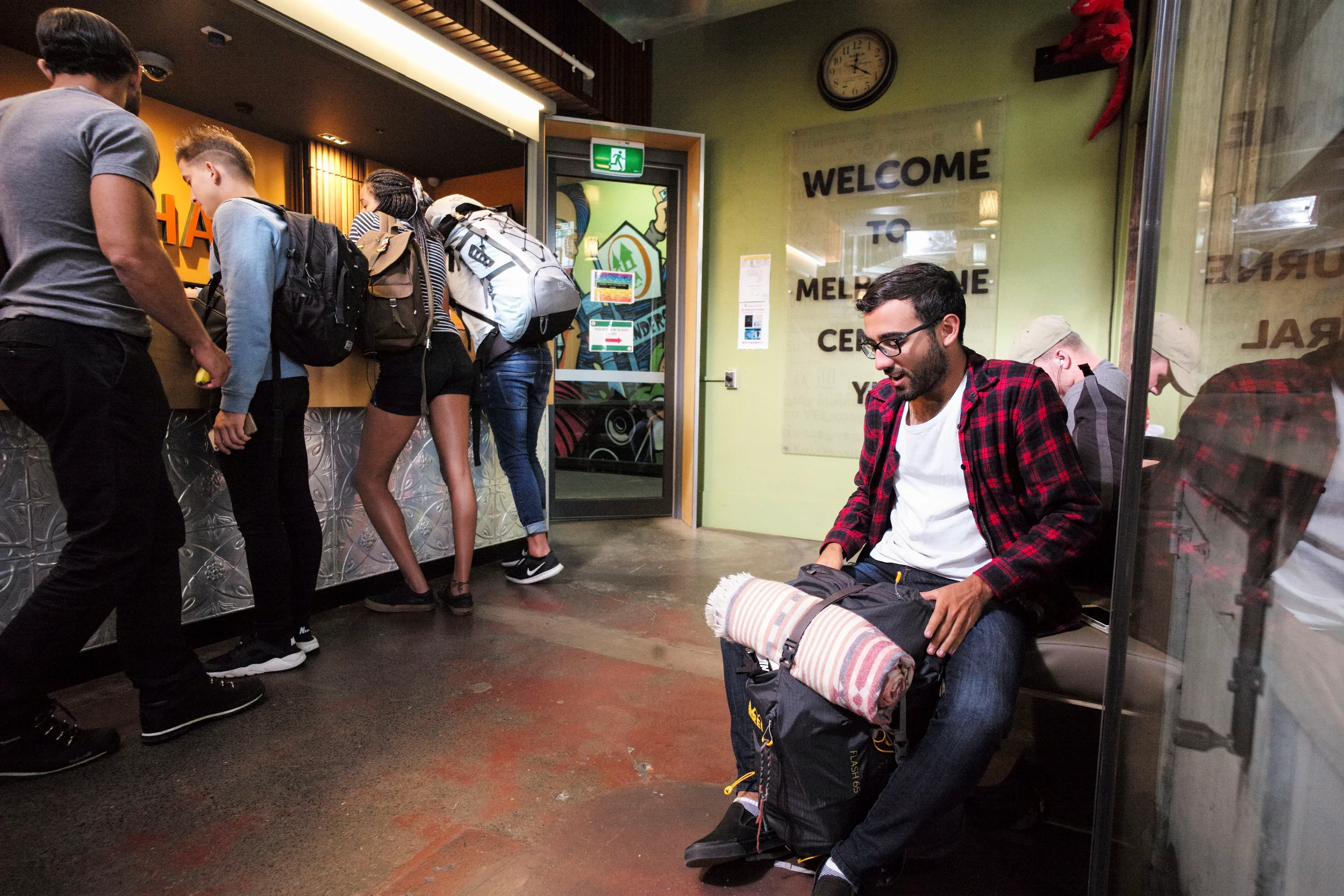
✈️ Last‑Minute Strategies When Plans Change
Hostel travel thrives on spontaneity. When plans flip unexpectedly, a few agile strategies help keep everything smooth.
Travellers often pivot by staying in nearby towns, swapping to bigger dorms, or using overnight transport to bypass peak accommodation dates. Some even message hostels directly, as availability can change faster than online listings.
Seasonal surprises are normal. Learning to adapt is part of the backpacker toolkit.
🧭 Bonus Micro‑Strategies for Smoother Seasonal Travel
A few small but impactful techniques:
- Track sunrise and sunset for hikes or long bus rides.
- Carry lightweight layers for shifting climates.
- Choose hostels with kitchens during pricier seasons.
- Read recent reviews, which often reveal seasonal changes in vibe.
These finishing touches round out a well-timed trip.

🌅 Travel With the Seasons, Not Against Them
Seasonal travel shapes everything—from the price you pay, to the people you meet, to the experiences that define your journey. By reading seasonal patterns, planning around festivals, making flexible decisions and staying aware of booking windows, travellers can navigate each destination at its most rewarding moment.
Whether you’re chasing festivals, sunshine, cultural immersion or the vibrant social energy that makes hostels special, let the seasons guide you. Travel becomes richer, smoother and far more connected when you move with the rhythm of the world, not against it.
Move with the rhythm of the world, not against it.
Download the Hostelworld app to start booking now


FAQ: Seasonal Hostel Travel
How far in advance should I book for major festivals?
For major festivals—like Oktoberfest, Carnival or Songkran—travellers should book 2–3 months ahead to avoid last‑minute scarcity. Many festival‑focused travellers plan around hostels rather than hotels because of the social factor, which means dorms near event areas fill instantly. Booking early also ensures access to pre‑game events, pub crawls and community activities hosted by many top hostels.
Are shoulder seasons actually cheaper, or is that a myth?
Shoulder seasons are genuinely cheaper in most destinations because demand softens between the extreme peaks. Hostels reduce rates, tours become easier to book and flights often drop as well. More importantly, the social environment remains lively but less chaotic, giving travellers a balance of savings and connection.
Why do hostel prices fluctuate so much within a single week?
Hostel prices shift due to dynamic pricing, which responds to occupancy, local events and weekend traffic. Fridays and Saturdays typically surge as backpackers arrive for nightlife. Midweek prices often dip because demand naturally slows, making it a strategic time for budget-conscious travellers to check in.
What types of travellers usually fill hostels in high season?
High season brings a wide mix of travellers—gap‑year backpackers, festival‑goers, solo adventurers and digital nomads. Because the season aligns with holidays and school breaks, the overall energy tends to be lively and social. If you seek large group activities, packed pub crawls or bustling communal kitchens, high season hosts that environment naturally.
What are the benefits of travelling in low season?
Low season offers a quieter, more intimate experience, and often the strongest sense of community. Hostels have more space, staff often engage more with guests and prices across the board are significantly lower. Travellers who enjoy slow mornings, deeper conversations and less tourist traffic often find low season far more rewarding than they expect.
How does weather impact hostel availability?
Weather drives large-scale travel patterns, but not always logically. Destinations like Sri Lanka or Vietnam might still have great conditions during “rainy season,” with only brief showers that barely affect plans. Because many travellers avoid these periods unnecessarily, hostels often run excellent deals and have more availability than during peak sunshine months.
Should I rely on free cancellation when travelling through changing seasons?
Absolutely. Free cancellation gives travellers the flexibility to pivot when seasons shift unexpectedly. Weather, transport changes or meeting new travel companions can influence plans. Keeping your bookings cancellable allows spontaneous itinerary changes without financial penalties, which is especially useful in regions with unpredictable seasonal patterns.
How do I avoid price spikes caused by surprise local events?
Scanning a city’s local event calendar is one of the smartest hacks. Marathons, university graduations, big concerts and national holidays often fill hostels unexpectedly. If you're flexible with dates, avoiding these micro‑peaks can save a lot of money. Booking slightly outside the event window usually returns prices to normal.
What size dorm is best for saving money during peak times?
Larger dorms—10, 12 or even 16 beds—tend to stay cheaper longer because they accommodate more guests. They’re an excellent option for budget travellers who want to stay close to the action. If you’re travelling during busy periods, choosing a bigger dorm can be the difference between an expensive private room or an affordable, social bed.
How do seasonal patterns affect the hostel vibe?
Seasonality changes the social “temperature” of a hostel. High season is energetic with plenty of instant friendships, while shoulder season brings a blend of sociability and calm. Low season often fosters intimate, meaningful connections with both travellers and staff. Choosing your travel season is essentially choosing your preferred social atmosphere.
What’s the best strategy for spontaneous backpackers?
Spontaneous travellers thrive by using a “first few nights” strategy: book a hostel in advance for your arrival, then keep the rest flexible. This allows you to gauge the vibe, adjust to the city and follow recommendations from other travellers. It also lets you respond to seasonal pricing changes without being locked into long stays.
Are festival hostels worth the higher price?
Often, yes. Festival hostels create a built‑in community—pub crawls, group pre-drinks, shared transport and themed events—that amplify the entire experience. Even though prices rise during festival weeks, the social value tends to outweigh the cost. For many travellers, the hostel atmosphere becomes as memorable as the festival itself.
How do solo travellers navigate seasonal crowds?
Solo travellers often prefer shoulder seasons because they offer the perfect mix of social energy and manageable crowds. Hostelworld’s own research shows 68% of solo travellers are under 31, and many travel specifically to meet new people. Shoulder seasons support this goal without the intensity or chaos of peak months.
What if my trip overlaps with two different seasons?
Travelling between seasons can be incredibly rewarding. You might enter a country at the tail end of high season—when the atmosphere is still buzzing—but enjoy falling prices and calmer conditions as shoulder season begins. Transitional months often deliver the best of both worlds, letting you experience lively social scenes without paying premium rates.


 Get the App.