
Sustainable travelling – how to pack
Have you ever thought about the impact you have on the environment when travelling? Have you ever thought about how much plastic and other rubbish you produce in a single day of sightseeing? Have you ever thought about the waste you produce on an aeroplane? And who has ever visited an incredible tourist attraction that was full of rubbish?
I dare say that our rubbish is possibly the biggest villain when it comes to pollution. As the world has developed economically and technologically, we have lost control of what we consume and what we throw away. We label what is not rubbish as rubbish, we produce unnecessary waste without realising it and we throw everything away without thinking about the consequences of our actions. Fortunately, nowadays, with the growing media attention to environmental issues and easy access to information, many people are becoming more aware and trying to live a more sustainable life by doing what they can to take care of the planet and reduce their negative impact on the environment.
And you don’t have to be a hippie, vegan or environmentalist to be concerned about these issues. If you’re the kind of person who likes to strap a rucksack on your back and head out into nature, that should be enough to preserve and protect the planet that is your home. That’s not sensationalism… But if we don’t preserve it now, if we don’t take care of it now, it won’t exist in a few years. And seriously, there are still many incredible places in this world that we can visit, right?
With that in mind, I’ve put together 9 tips that really work so you can take precautions and pack your suitcase in a sustainable way to produce as little waste as possible when travelling. Believe me, it’s the little things we can do to make a difference.
1. Create a checklist
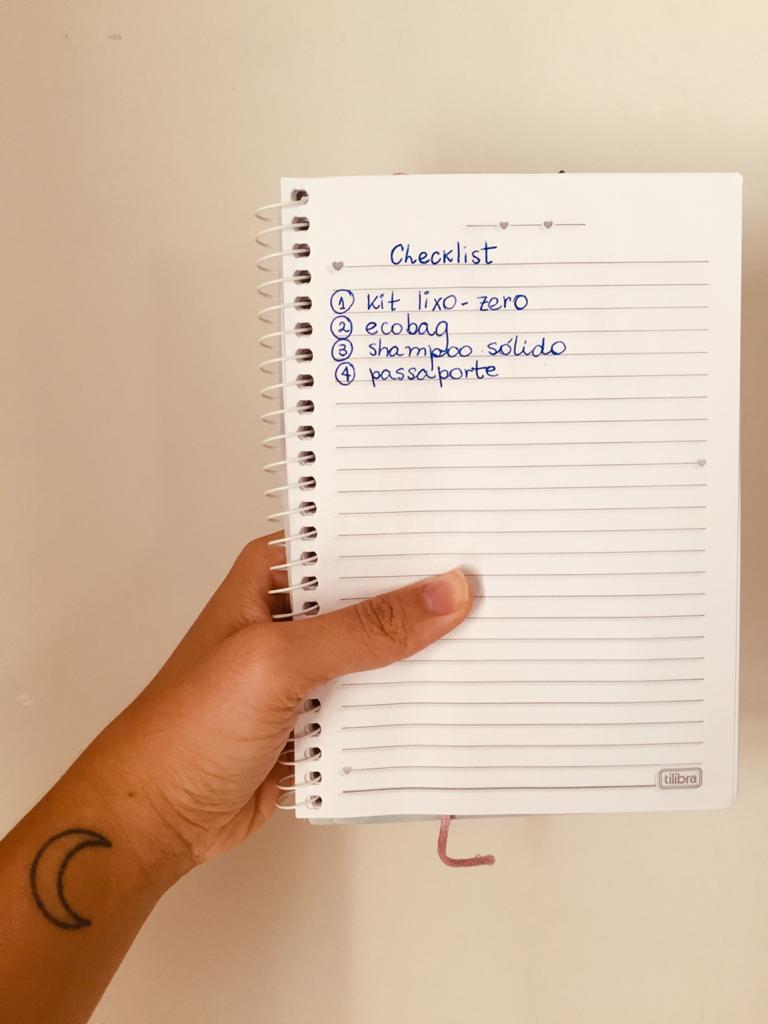
This tip is probably the silliest, but definitely the most effective. There’s nothing worse than arriving at your destination and realising you’ve forgotten something important (did you say knickers?). It’s happened to me, and I bet it’s happened to you too. You’ve finished lunch, go to brush your teeth and…. “Hey, where’s my toothbrush?”.
A checklist prevents you from being let down in any situation, but it also prevents you from having to buy things you already have at home just because you forgot to pack them in your suitcase. And when you stop buying something, you also indirectly stop producing new waste, be it in the form of packaging, bags or rubbish. Do you realise that? That’s why I suggest you take some time a week before your trip to think of everything you’ll need, be it clothes, beauty and personal care products, electronics, shoes and so on. Another valuable tip is to find out about the weather conditions in the cities you will be visiting. Is rain forecast? Pack your umbrella or mackintosh in your suitcase… Take only what you need, but take everything you need!
2. Use what you already have
This is one of the first steps for anyone who wants to live a more sustainable life: to be a more conscious consumer. It’s in our culture to buy new things without really needing them, but this lifestyle is basically the reason why the world is the way it is: full of rubbish. That’s why I invite you to only travel with things you already own. Combine the clothes you are used to in a different way. Or repeat the same top several times, there’s nothing wrong with that. And you know that jacket you wore on your last trip? It’s still in your wardrobe, wear it instead of buying a new one! The important thing here is that you’re going to a different place where no one knows you or has ever seen you, so everything about you will be new, you know? Even the trousers you wear to work every week, or the worn-out trainers from three years ago…. Appreciate what you already have and sort out what you no longer want to wear.
“But what if I need to take something with me that I don’t have yet?”
3. Don’t buy, borrow
A good way to save money and avoid unnecessary waste is to borrow things you don’t have. This tip is very good, for example, if you are travelling to a cold place and need warmer clothes. Instead of spending money on coats and accessories that you may never wear again, borrow them from a friend or relative. And this doesn’t just apply to cold weather clothing. It’s also worth it if you need a suitcase, mattress, boots, rucksack, camera or anything else. I’m sure someone will be able to help you. Just take extra care with your friend’s belongings, return them in perfect condition and that’s it…
4. Put together your zero waste kit
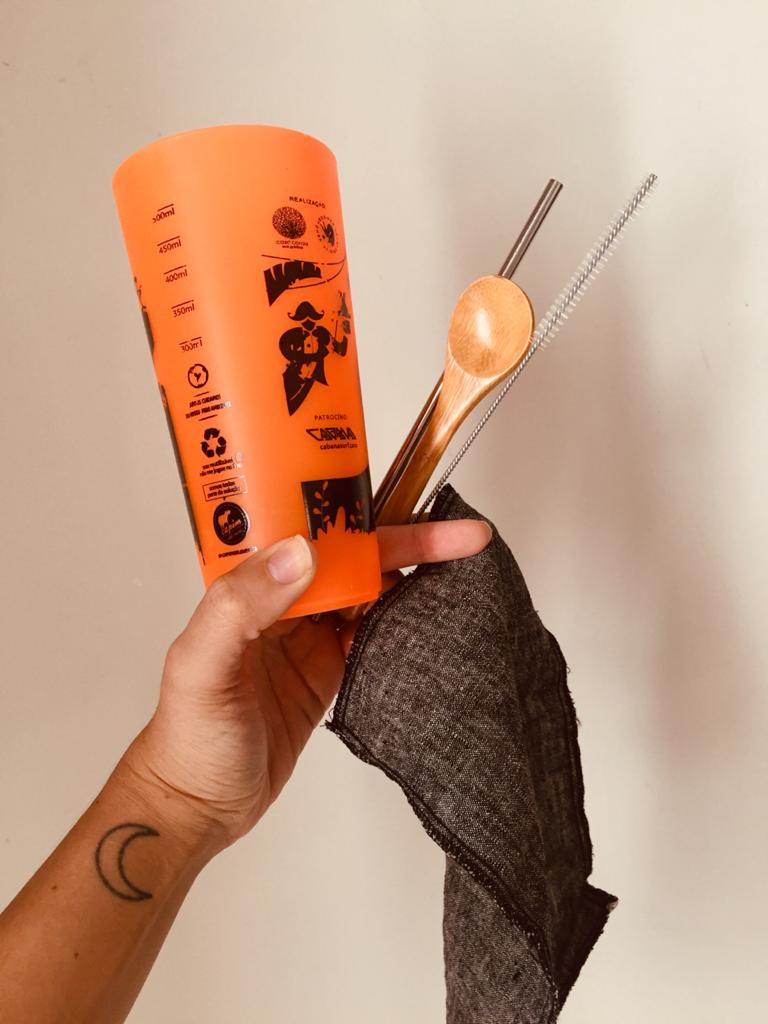
Okay, this is the most important tip… Take a Zero Waste Kit with you when travelling and always carry it with you! By “zero waste kit” I mean: glass, cup, straw, water bottle, cutlery, cloth napkin and anything else that replaces disposable items. Do you realise how much waste you will avoid just by putting together a kit like this? And of course, tips 2 and 3 apply here too: use what you already have or borrow it from someone else. You don’t have to buy the trendy folding mug or bamboo cutlery just because it looks pretty. Use cutlery from your own household, the mug you got for your birthday, cloths you’ve been saving… and so on. This set is very important, especially for use in aeroplanes. If you drink water or coffee, you can give the flight attendant your own cup or mug and save yourself a lot of disposable cups. You can also use your own cutlery. In short, do what you can, but do it. Oh, and don’t forget to take a bottle of water with you when travelling! In many countries you can drink water straight from the tap, which is very handy, and in many others there are drinking fountains and water fountains everywhere in the cities. If you’re staying in a hostel, always fill up your bottle before you go outside. If you take a reusable bottle with you, you will always have enough liquid with you, save money and avoid waste, which in my opinion is the easiest thing to avoid.
5. Always carry an eco-bag with you
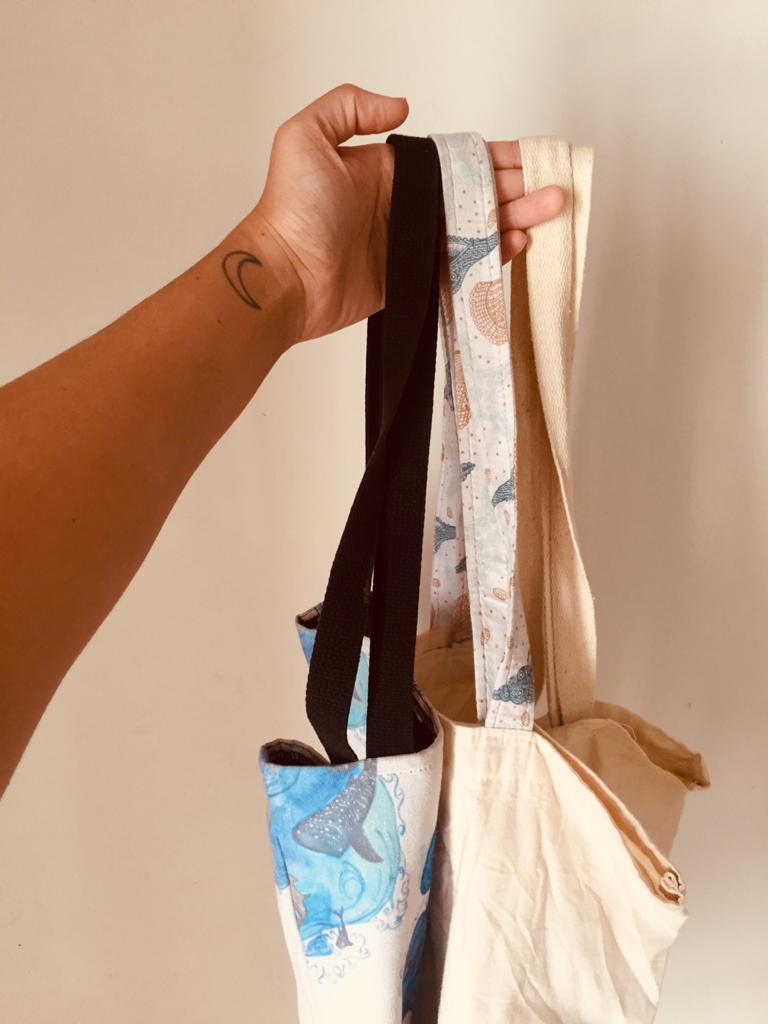
Even in everyday life, an eco-bag is essential for anyone trying to live more sustainably. It ensures that you don’t use plastic bags, whether you’re at the market, the pharmacy or anywhere else… When travelling, an eco bag has all these uses, but I always use mine to carry my stuff to the hostel bathroom when I shower, for example. Or to take my dirty clothes to the launderette. Do you realise how many uses there are? And again, you don’t have to buy a beautiful, expensive eco bag made from the silk of monks from the Himalayas (laughs), you can use any cloth bag or shopping bag you have at home. Or you can also make your own eco bag. Definitely another simple tip with huge significance.
6.Use and abuse cloth bags
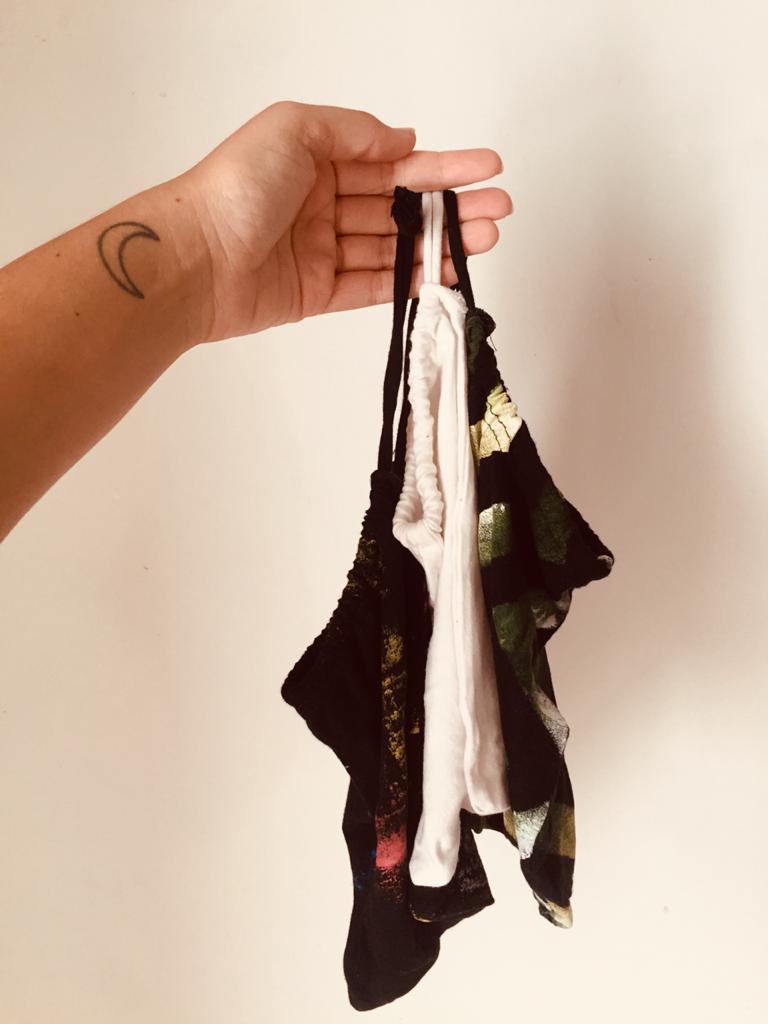
Okay, we’re conscientious people and won’t ‘abuse’ anything, but a simple and very effective way to pack your suitcase without plastic bags (which would probably end up in the bin after the trip) is to rely on cloth bags. Think of everything you would normally pack in a supermarket bag: Your shoes, socks, medication, toiletries, make-up, snacks, you name it. Now swap the carrier bag for a cloth bag and voilà! Not only are they reusable, but they’re also much more durable than plastic bags, making them another great replacement.
Take a few empty bags with you in your suitcase to use while travelling. They can be used to store fruit and snacks, to store and protect valuables, to buy food in bulk and even to store the rubbish you produce on your travels. I can tell you that once I started using cloth bags, I never picked up a plastic bag again. The bags in the photo were made from scraps that were supposed to be thrown away. It’s a good idea to get your own if you have contact with seamstresses or clothes shops. There are also some brands and online shops that sell fabric bags in different sizes, so it’s worth the investment for once.
7. Invest in eco-friendly toiletries
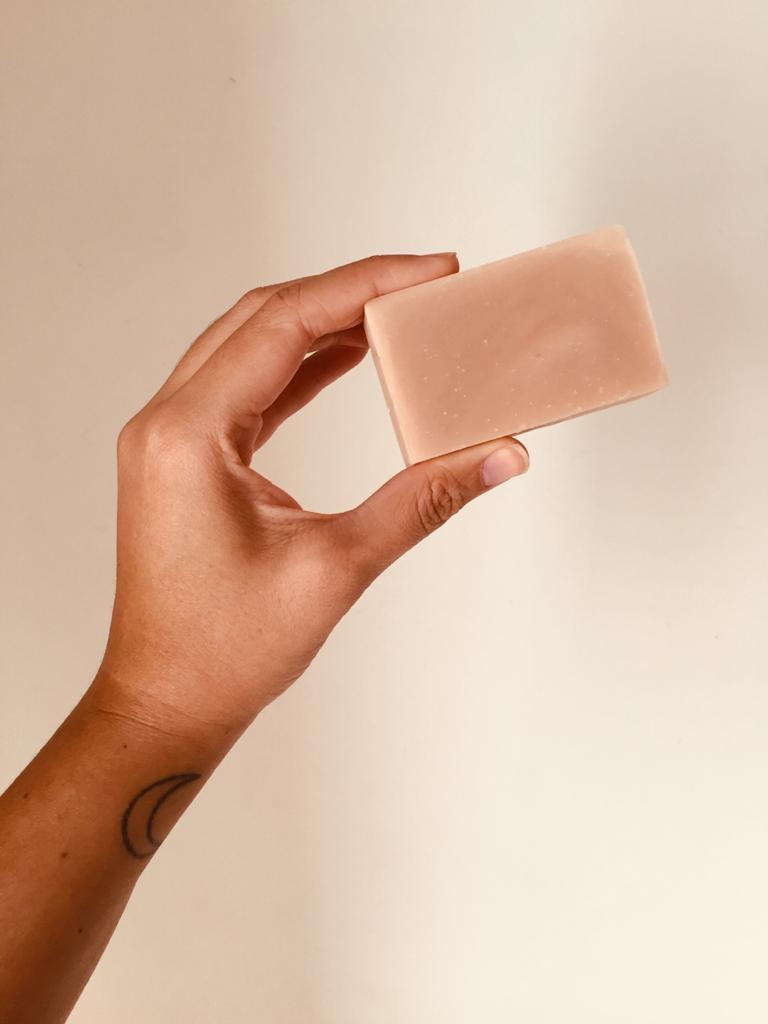
If you don’t use these products yet, I’ll give you a tip: buy solid shampoos, conditioners, toothpaste and deodorants. The big advantage is not even that they are not packaged in plastic, but that they are solid and you can easily take them in your hand luggage, as airlines limit the amount of liquid products in your luggage. Another advantage is that they are organic, natural and very good for your health and the health of the planet. And I have yet another advantage: these products are usually “several in one”, and a single soap can be used as a shampoo, conditioner and soap. Ingenious, isn’t it? You can take everything you need into the shower in a soap dish and that’s it. There are several brands and online shops that sell products of this type – and here I make another exception – so invest your money and buy a solid shampoo (that doubles as a conditioner and soap), a toothpaste tablet and a solid deodorant. I promise you won’t regret it.
8.Peel more, unwrap less
What would our lives be without the good old cliché, right? The above phrase may sound romantic, but it makes sense and is useful for all of life, not just when travelling. Plan your meals so that they produce as little waste as possible! How do you do that? By peeling more and packing less (: I know sometimes we spend all day sightseeing and don’t have time to cook or worry about our waste all the time, especially when money is tight and we have to eat at cheaper places. But an easy way to avoid excess waste production is to buy everything from the supermarket, such as fruit and veg, and prepare your own meals. Especially if you are staying in a hostel, this works very well and is a great way to save money. Prepare sandwiches, sort out fruit, pack everything in a cloth bag and be a responsible tourist!
But if you still have to consume products full of packaging…
9. Use the recycling and separate collection systems in the places you visit
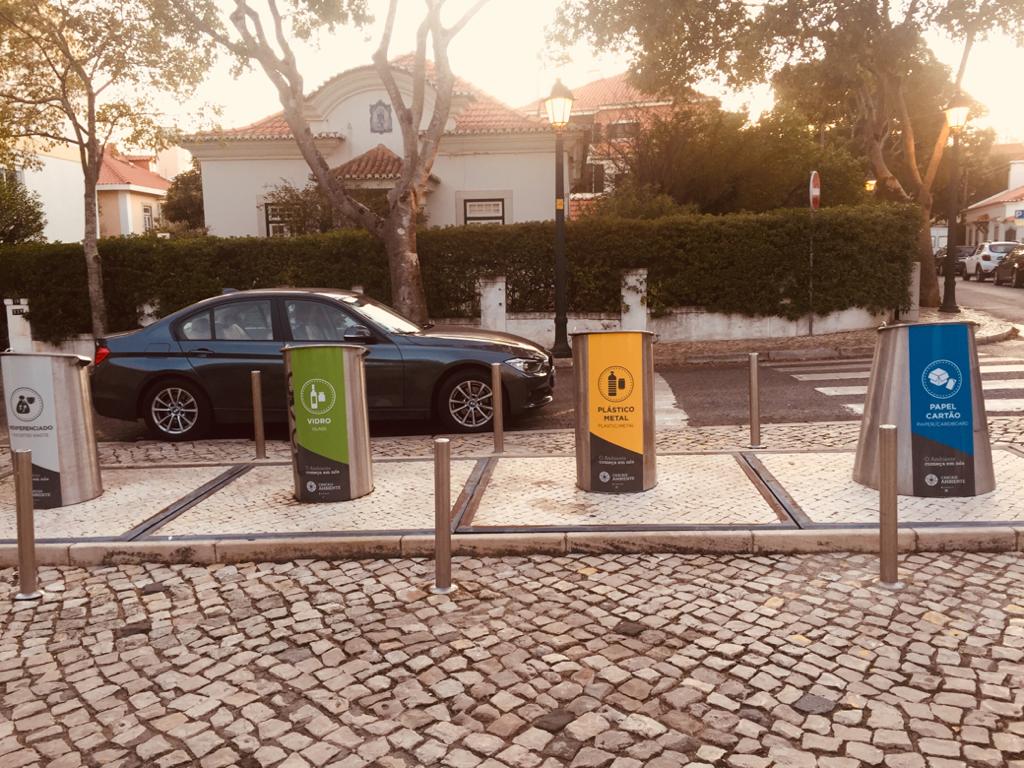
All of the above tips are designed to help you avoid litter during your trip. Believe me, even if you have the best possible intentions, the only truly effective way to prevent your rubbish from ending up in the environment is to stop producing it.
In the meantime, however…
I know from experience that it’s not always possible to stop producing rubbish, especially if you’re travelling all day and don’t have much money. In such cases, relying on the recycling services of the region you’re in is a last resort. Many European countries, such as Germany and Italy, have very good recycling services. Unfortunately, I have realised that everything in these countries is wrapped in plastic. It’s strange when you go into a supermarket and see a tomato wrapped in cling film. That’s why it’s sometimes not so easy to avoid waste and that’s why recycling is a good idea. In many European countries there are recycling bins everywhere in the cities, but if you can’t find one, you can keep your rubbish with you until you get back to your hostel or find a suitable bin. But let’s be clear: recycling shouldn’t be an excuse to litter everywhere you go. It should be your last resort.
I think you’ll agree with me when I say that travelling is the best thing ever! It’s so nice to arrive in a completely new place, with a different culture and climate to the one you’re used to… Not to mention the incredible landscapes that exist all over the world. Speaking of free spirit to free spirit: I invite you to consider these tips and try to live more sustainably. We have the power to make this world a better place to live, and we have a duty to take care of the place we live in. Do all you can, that will be enough. I wish you a safe journey!
📚 About the author 📚
Luiza is an oceanographer and sustainable consultant at Ecofriends Consultoria. Together with two other friends, she gives tips on how to do the things we love most in a sustainable way, such as travelling. You can see her posts about sustainability on her business Instagram and her selfies on her personal Instagram.

 Get the App.
Leave a Reply
You must be logged in to post a comment.