
Day Trips from Naples: Italy’s Best-Kept Secrets
So, you’ve landed in Naples, the chaotic, vibrant heart of Southern Italy. You’ve probably already stuffed your face with pizza, navigated the buzzing streets, and soaked up that unique Neapolitan energy. But here’s the secret: Naples isn’t just a destination; it’s your ultimate launchpad for some of the most epic day trips in Italy.
Seriously, if you’re a solo traveller or on a tight budget, Naples is your best mate. It’s super well-connected by public transport – think trains, buses, and ferries – making it ridiculously easy and affordable to explore ancient ruins, stunning islands, and charming coastal towns without needing a fancy tour or a car. Forget those pricey organised trips; we’re talking independent adventures that let you explore at your own pace, save your pennies, and truly soak it all in.
“How many days are enough in Naples?” you might ask. While Naples itself deserves a good 3-4 days to truly get under its skin, it’s also the perfect base for a longer trip, allowing you to spend a week or more exploring the surrounding Campania region. Trust me, you won’t run out of incredible places to see.
Ready to ditch the city for a day and discover some serious Italian magic? Let’s dive into the best day trips from Naples that are perfect for your solo, budget-friendly escapades!
Top Day Trips from Naples You Can’t Miss
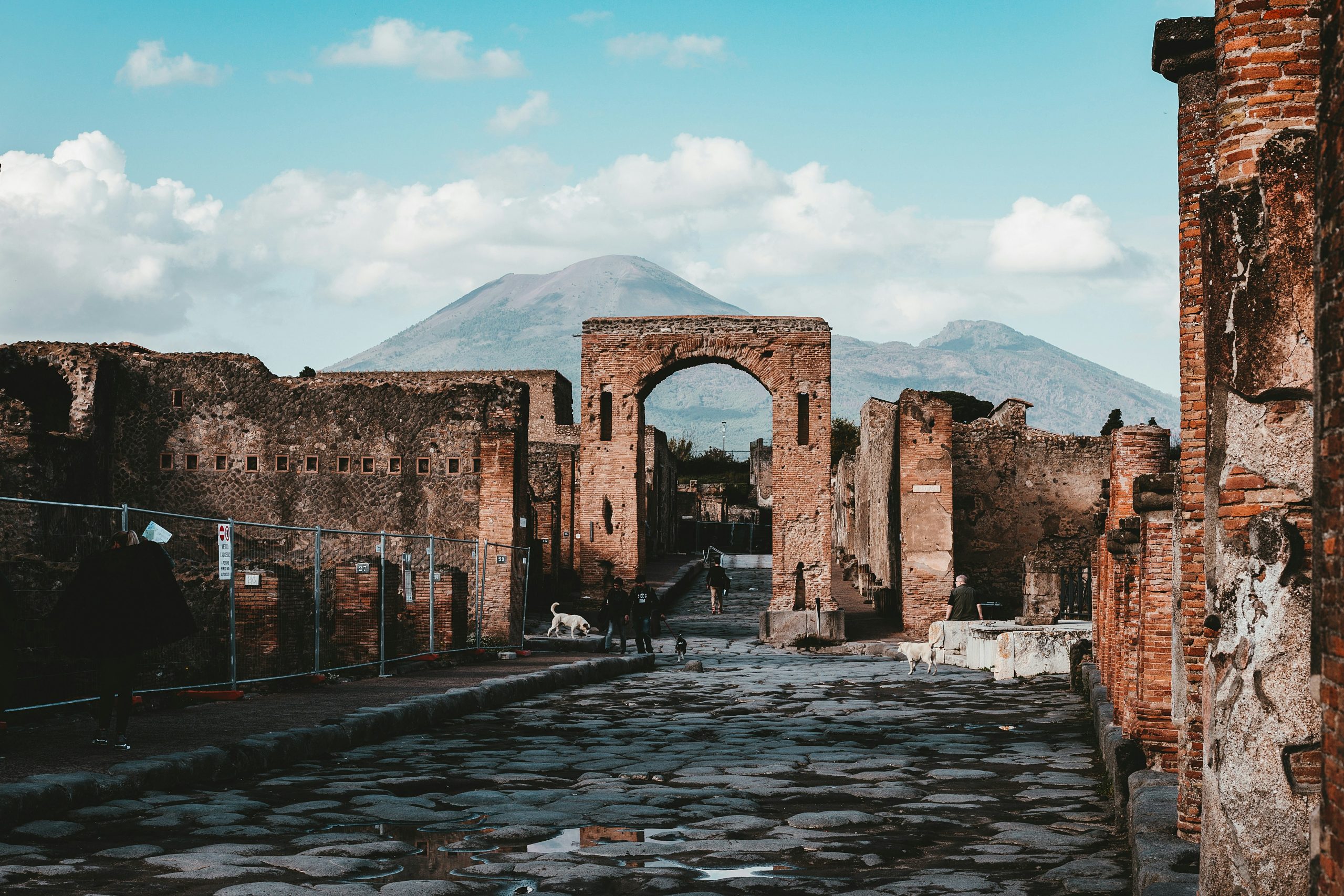
Pompeii: Step Back in Time
Imagine walking through a city frozen in time, exactly as it was nearly 2,000 years ago. That’s Pompeii for you. Buried by the eruption of Mount Vesuvius in 79 AD, this ancient Roman city is an archaeological site like no other. It’s a powerful, humbling, and utterly fascinating experience that’s a must-see for any history buff or curious traveller.
Why it’s a must-see for you: Pompeii offers an unparalleled glimpse into Roman life. As a solo traveller, you can wander at your own pace, letting the history wash over you without feeling rushed. It’s incredibly well-preserved, giving you a real sense of what daily life was like, from grand villas to humble bakeries. Plus, it’s super accessible and budget-friendly via public transport.
Must-See Spots:
- The Forum: The heart of public life, surrounded by temples and administrative buildings.
- Amphitheatre: One of the oldest and best-preserved Roman amphitheatres, where gladiatorial contests took place.
- Villa of the Mysteries: Famous for its vibrant frescoes depicting a mysterious cult ritual.
- House of the Faun: One of the largest and most impressive houses, known for its intricate mosaics.
- Lupanar (Brothel): Offers a peek into a different side of Roman life, with explicit frescoes.
- Garden of the Fugitives: Where plaster casts of victims caught in the eruption are displayed.
How to Get There (on a Budget): This is super easy! Head to Napoli Centrale train station (or Porta Nolana, which is the first stop on the Circumvesuviana line and often less crowded). Look for the Circumvesuviana train line towards Sorrento. The stop you want is Pompei Scavi – Villa Dei Misteri. The journey takes about 35-40 minutes and costs just a few euros. It’s a short walk from the station to the archaeological park entrance.
Top Tips for Solo/Budget Travellers:
- Go Early: Seriously, beat the crowds and the heat, especially in summer. The site opens at 9:00 AM.
- Bring Supplies: There aren’t many places to buy food or water inside, and prices are higher. Pack a big bottle of water, snacks, and maybe even a packed lunch.
- Wear Comfy Shoes: You’ll be doing a lot of walking on uneven ancient streets. Trainers are your best friend here.
- Audio Guide vs. Tour: As a budget traveller, skip the expensive guided tours. Download an audio guide app or rent one at the entrance. It gives you flexibility and saves cash.
- Half-Day or Full-Day? You can easily spend a full day here, but if you’re short on time, a focused half-day is doable.

Mount Vesuvius: The Volcano with a View
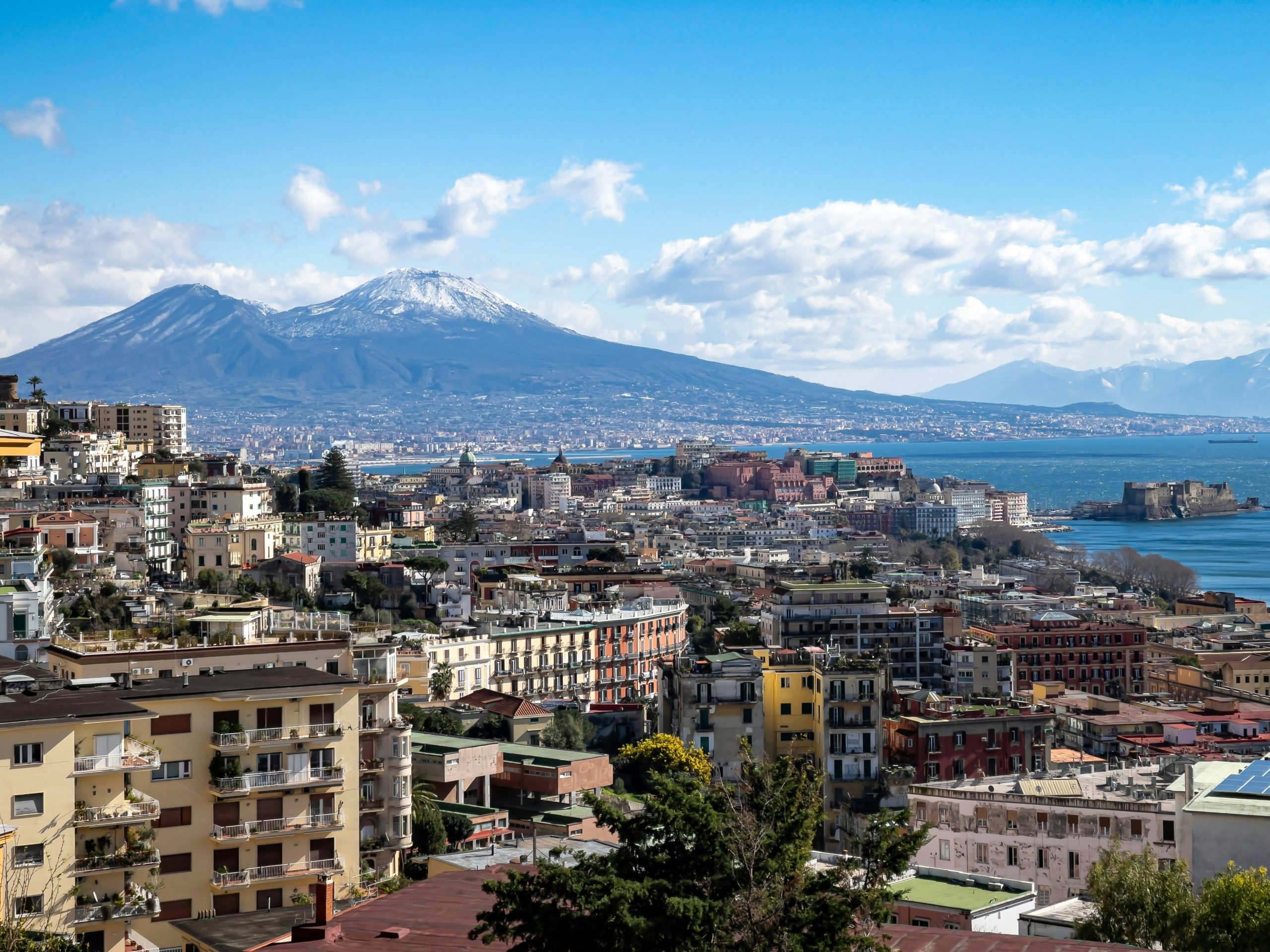
Standing majestically over the Bay of Naples, Mount Vesuvius is the infamous volcano that buried Pompeii and Herculaneum. While it’s still active (don’t worry, it’s closely monitored!), you can hike right up to its crater for incredible panoramic views.
Why it’s worth it for you: It’s an iconic landmark and offers breathtaking views of Naples, the Bay, and the surrounding towns. It’s a cool way to connect with the history of Pompeii and see the sheer scale of the volcano’s power. The hike itself is manageable and a great way to get some fresh air.
Must-See Spots:
- The Crater: Walk around the rim and peer into the steaming crater.
- Panoramic Views: Soak in the incredible vistas stretching across the Bay of Naples, including Capri, Ischia, and the Amalfi Coast on a clear day.
How to Get There: The easiest way to combine Vesuvius with Pompeii is to take a bus from the Pompei Scavi – Villa Dei Misteri train station. There are usually private bus services (like Busvia del Vesuvio or EAV bus) that take you up to the car park near the summit. From there, it’s about a 20-30 minute uphill walk to the crater. The bus ticket and entrance fee to the National Park are separate costs.
Top Tips:
- Check the Weather: The summit can be cloudy or windy. Check forecasts before you go.
- Wear Layers: It can be cooler at the top, even on a sunny day.
- Sturdy Shoes: The path to the crater is gravelly and uneven.
- Combine with Pompeii: It’s common to do Pompeii in the morning and Vesuvius in the afternoon. Allow at least 2-3 hours for Vesuvius, including travel time from Pompeii.
The Amalfi Coast: Postcard Perfection (Without Breaking the Bank)
Ah, the Amalfi Coast. You’ve seen the photos – colourful cliffside villages, sparkling turquoise waters, winding roads. It’s as stunning in real life as it is on Instagram, and yes, you can totally do it as a day trip from Naples, even on a budget! It just requires a bit of smart planning.
The key to exploring the Amalfi Coast on a budget is using public transport: trains, buses, and ferries. While a private driver might be tempting, it’ll eat into your travel fund faster than you can say “limoncello.”
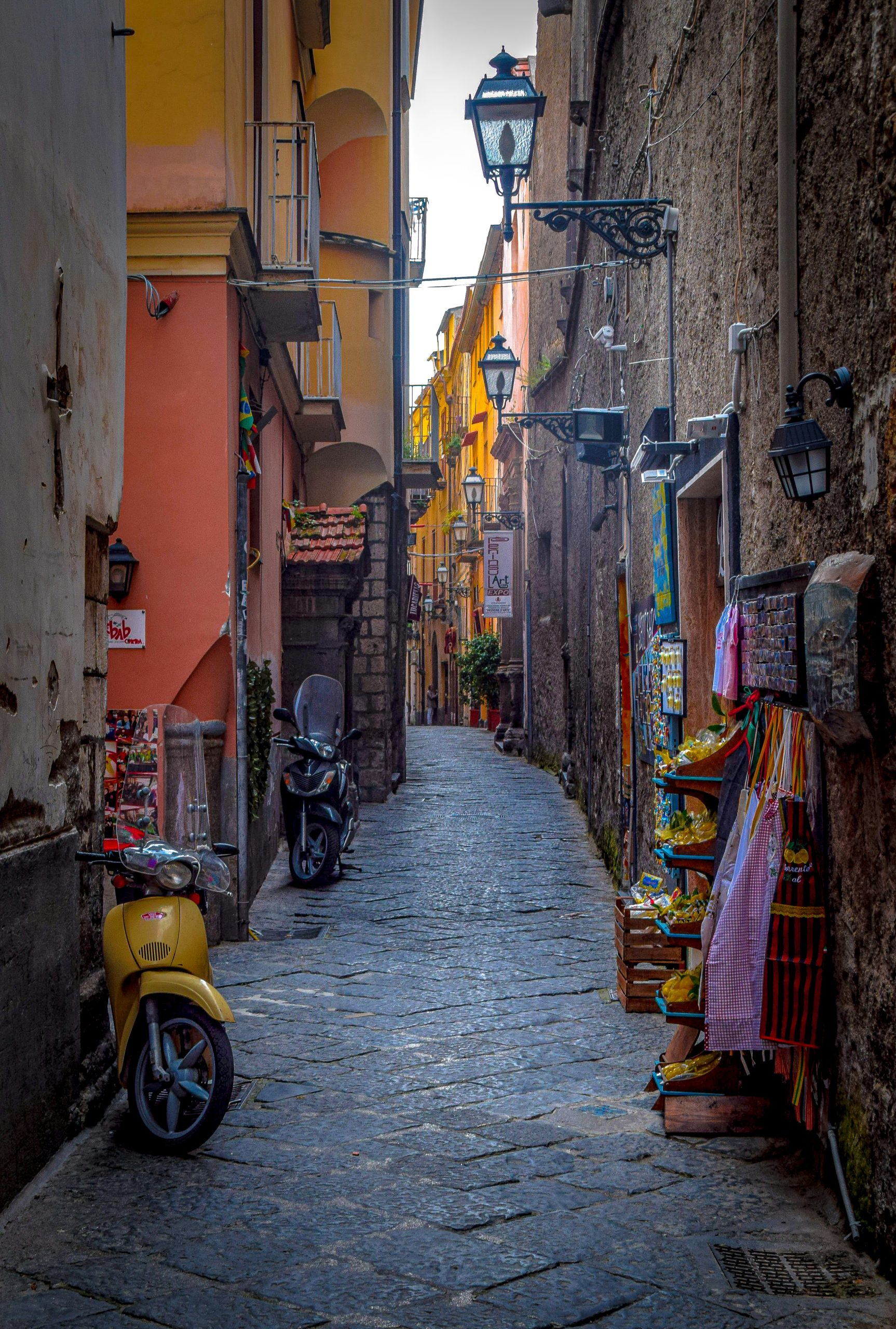
Sorrento: The Gateway Vibe
Sorrento isn’t technically on the Amalfi Coast, but it’s often considered its gateway. It’s a charming town perched on cliffs overlooking the Bay of Naples, with a relaxed vibe and easy connections to both Naples and the Amalfi Coast.
Why it’s great for you: Sorrento is a fantastic base or first stop. It’s easy to get to, has a lovely atmosphere, and offers stunning views. It’s also a great place to grab a bite or a drink before heading further along the coast.
Must-See Spots:
- Piazza Tasso: The main square, perfect for people-watching.
- Marina Grande: A picturesque fishing village with colourful boats and seafood restaurants.
- Lemon Groves: Wander through the groves and try some local limoncello.
- Villa Comunale Park: Offers incredible panoramic views of the bay and Vesuvius.
How to Get There: Take the Circumvesuviana train from Napoli Centrale all the way to the last stop, Sorrento. The journey takes about an hour and 10 minutes and is very affordable.
Top Tips:
- Explore on Foot: Sorrento is very walkable.
- Try Limoncello: It’s the local speciality!
- Use as a Hub: From Sorrento, you can catch SITA buses or ferries to other Amalfi Coast towns like Positano and Amalfi.
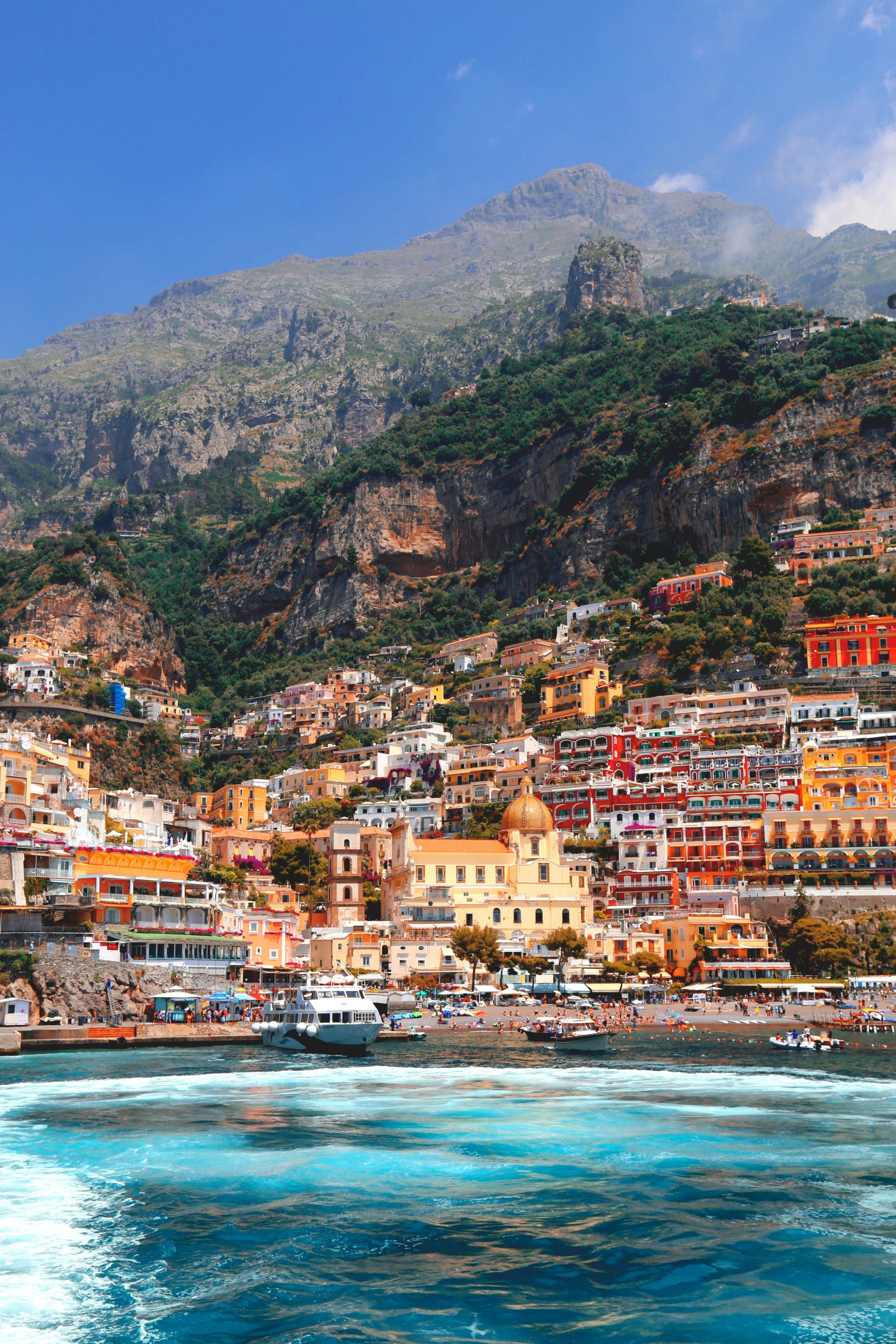
Positano: The Insta-Famous Cliffside Dream
Positano is probably the most iconic image of the Amalfi Coast: pastel-coloured houses clinging precariously to the cliffs, tumbling down to the sea. It’s undeniably beautiful, but also the most popular (and often priciest) spot.
Why it’s worth it: The views are simply breathtaking. It’s a place you have to see at least once. As a solo traveller, you can take your time exploring the narrow, winding streets and finding the perfect photo spots.
Must-See Spots:
- Spiaggia Grande: The main beach, offering classic views of the town.
- Church of Santa Maria Assunta: With its distinctive majolica-tiled dome.
- Narrow Streets: Get lost (in a good way!) in the charming alleyways filled with boutiques and cafes.
How to Get There:
- Train to Sorrento: Take the Circumvesuviana from Naples to Sorrento (approx. 1h 10m).
- Bus or Ferry from Sorrento:
- SITA Bus: From Sorrento train station, catch a SITA bus towards Amalfi. Positano is about a 40-minute bus ride. Buses can get crowded, especially in peak season.
- Ferry: During warmer months (April-October), ferries run regularly from Sorrento’s Marina Piccola to Positano. This is a more scenic (and less nauseating) option, though slightly more expensive. It also offers amazing views of the coastline from the water.
Top Tips:
- Be Prepared for Stairs: Positano is built on a steep hillside. You’ll be doing a lot of climbing!
- Best Views from the Sea: Consider a short boat tour from Positano to truly appreciate its beauty from the water.
- Budget Bites: Look for smaller cafes or tavola calda (hot table) places away from the main tourist drag for cheaper food.
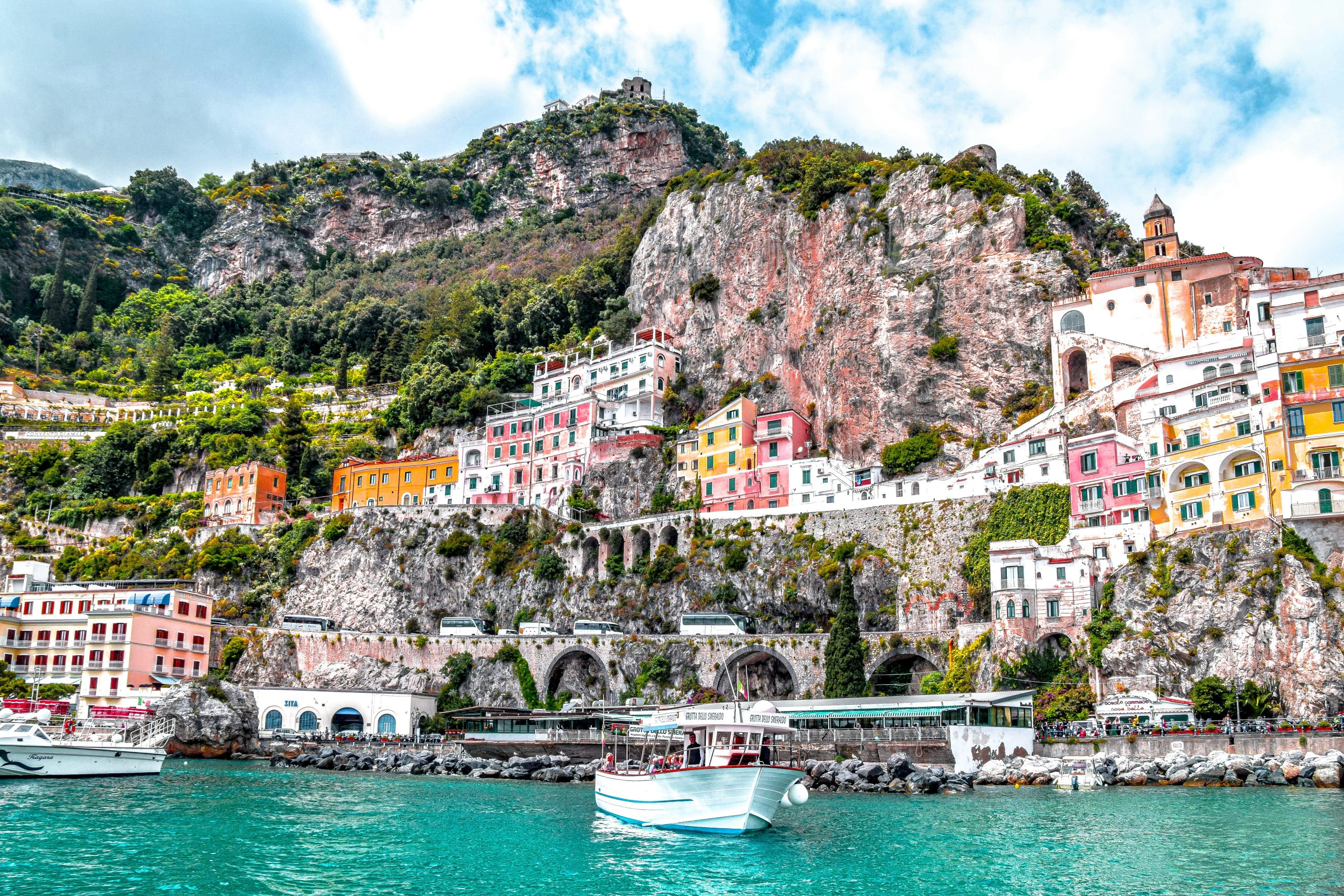
Amalfi: The Historic Heart
Amalfi was once a powerful maritime republic, and its rich history is still evident in its grand Duomo and charming town centre. It’s a bit more spread out than Positano and feels a little less “glamorous,” but equally beautiful and steeped in history.
Why it’s worth it: It’s the historical and cultural centre of the coast, with a stunning cathedral and a more relaxed, authentic feel than Positano.
Must-See Spots:
- Duomo di Sant’Andrea (Amalfi Cathedral): A magnificent cathedral with a grand staircase, a beautiful cloister (Chiostro del Paradiso), and a crypt.
- Paper Museum (Museo della Carta): Learn about Amalfi’s ancient paper-making tradition.
- Piazza Flavio Gioia: The main square, bustling with cafes and shops.
How to Get There:
- Train to Salerno, then Ferry/Bus: Take a Trenitalia regional train from Napoli Centrale to Salerno (approx. 40-60 minutes). From Salerno, you can catch a ferry directly to Amalfi (highly recommended for scenic views, approx. 25 minutes) or a SITA bus.
- Train to Sorrento, then Bus/Ferry: As with Positano, you can take the Circumvesuviana to Sorrento, then a SITA bus or ferry along the coast to Amalfi. This route is longer but allows you to see more towns.
Top Tips:
- Explore the Alleyways: Wander through the narrow, winding streets behind the Duomo for hidden shops and local life.
- Grab a Pastry: Try a sfogliatella or delizia al limone from a local bakery.
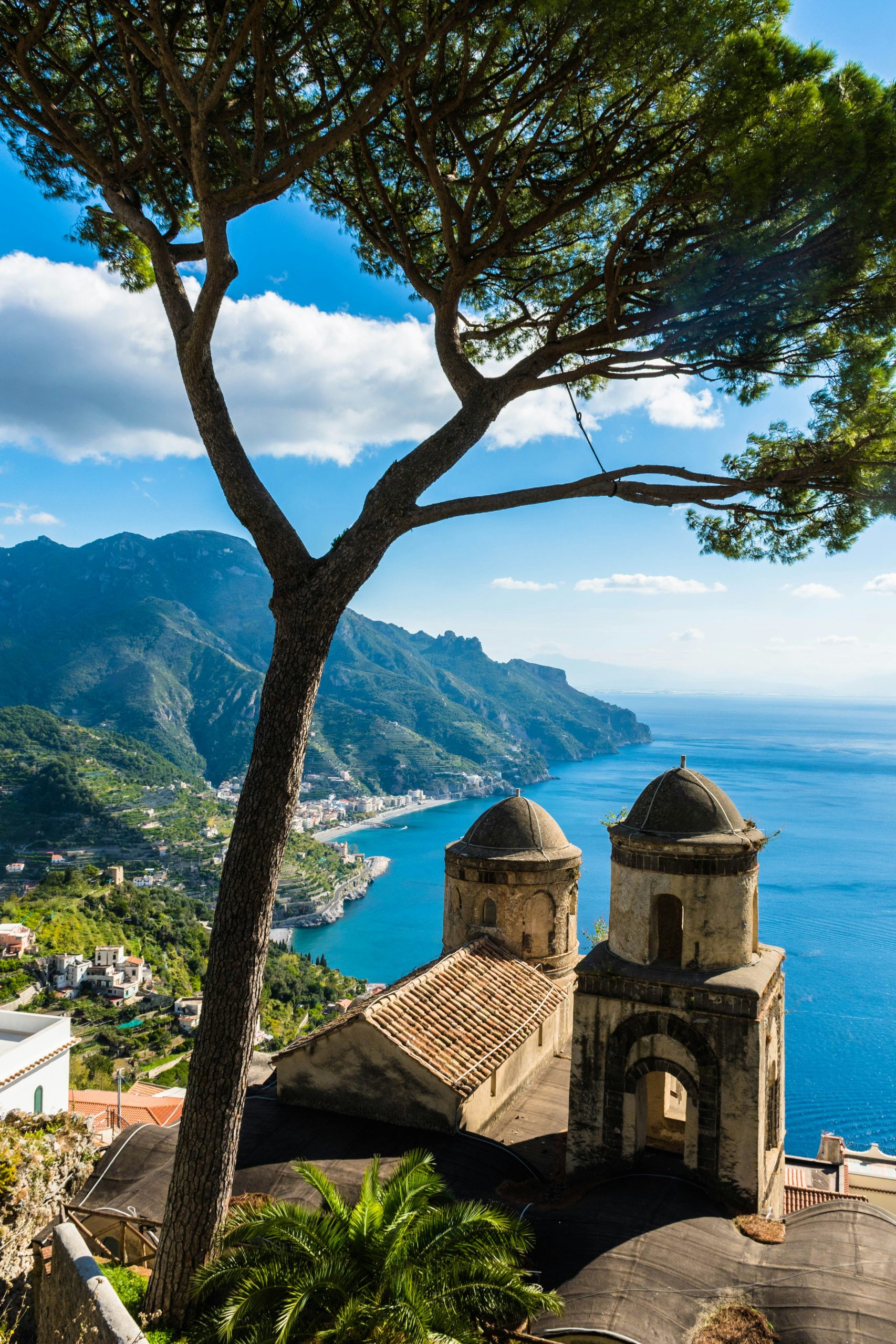
Ravello: The High-Up Haven
Perched high above the coastline, Ravello offers some of the most spectacular panoramic views of the Amalfi Coast. It’s quieter and more refined than the coastal towns, known for its stunning gardens and villas.
Why it’s worth it: If you’re looking for peace, quiet, and truly breathtaking vistas, Ravello is your spot. It’s perfect for a chill afternoon of soaking in beauty.
Must-See Spots:
- Villa Rufolo: Famous for its terraced gardens and incredible views, which inspired Wagner.
- Villa Cimbrone: Home to the iconic Terrace of Infinity, offering unparalleled panoramic views.
How to Get There: From Amalfi, you can catch a local SITA bus up to Ravello. The bus ride is short (about 20 minutes) but winding.
Top Tips:
- Perfect for a Chill Afternoon: Bring a book, find a bench, and just enjoy the views.
- Entry Fees: Both Villa Rufolo and Villa Cimbrone have entry fees, but they are absolutely worth it for the gardens and views.
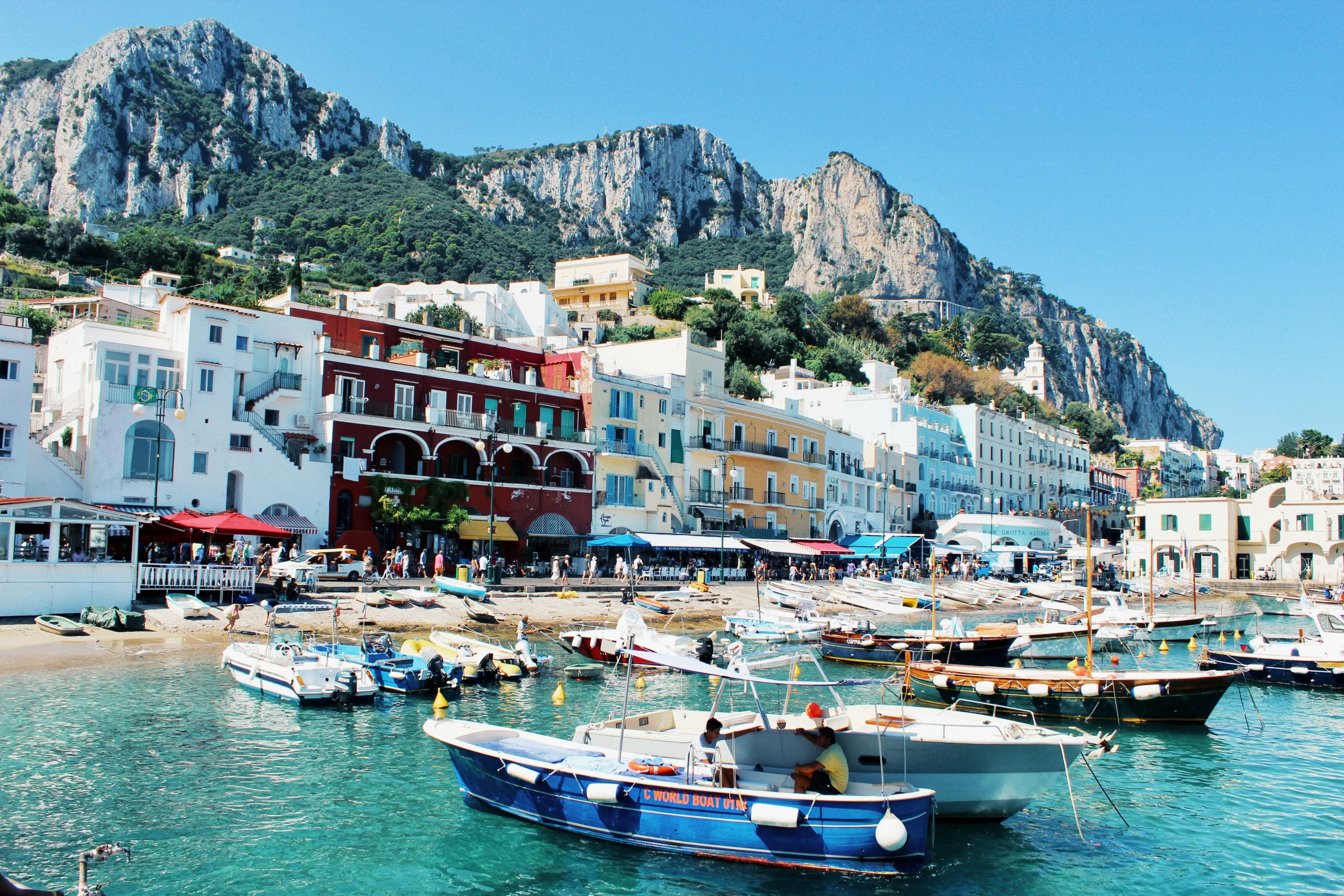
Capri: Island Glamour (on a Budget, Kinda)
Capri. The name itself conjures images of glamour, designer shops, and celebrity yachts. And while it certainly has that side, it’s absolutely possible to experience the stunning beauty of Capri on a budget, especially as a solo traveller. It’s all about smart choices and embracing public transport.
Why it’s worth it: The island is ridiculously beautiful, with dramatic cliffs, crystal-clear waters, and iconic rock formations. The views from the top are insane, and the vibe is just chef’s kiss.
Must-See Spots:
- Anacapri: The higher, more laid-back town on the island. Take the Monte Solaro chairlift from Anacapri for 360-degree views (it’s a single-person chairlift, so perfect for solo travellers!). Visit Villa San Michele, the former home of Swedish physician Axel Munthe, for beautiful gardens and views.
- Capri Town (Piazzetta): The bustling main square, great for people-watching.
- Faraglioni Rocks: Iconic sea stacks that are the symbol of Capri. You can get great views from the Augustus Gardens or via a boat tour.
- Blue Grotto (Grotta Azzurra): A sea cave famous for its magical blue light. Note: This can be pricey and time-consuming, and often has long queues. Consider if it fits your budget and time.
How to Get There: Regular ferries and hydrofoils depart frequently from Molo Beverello (for hydrofoils, faster but more expensive) or Calata Porta di Massa (for ferries, slower but cheaper) in Naples. The journey takes about 45-80 minutes, depending on the type of boat. Buy your tickets at the port.
Top Tips for Solo/Budget Travellers:
- Go Early: Catch the first ferry to avoid the biggest crowds and make the most of your day.
- Explore Anacapri: It’s generally less crowded and slightly cheaper for food and souvenirs than Capri Town.
- Walk, Walk, Walk: Instead of taxis, use the local buses (they’re small and often packed, but cheap!) or walk between sights. The walk from Capri Town to the Augustus Gardens is lovely.
- Pack a Picnic: Grab some fresh bread, cheese, and fruit from a local shop for a budget-friendly lunch with a view.
- Consider a Boat Tour (Optional): While the Blue Grotto can be a faff, a boat tour around the island is a fantastic way to see the Faraglioni, hidden coves, and the coastline. Shop around at Marina Grande for shared boat tours, which are more affordable than private ones.
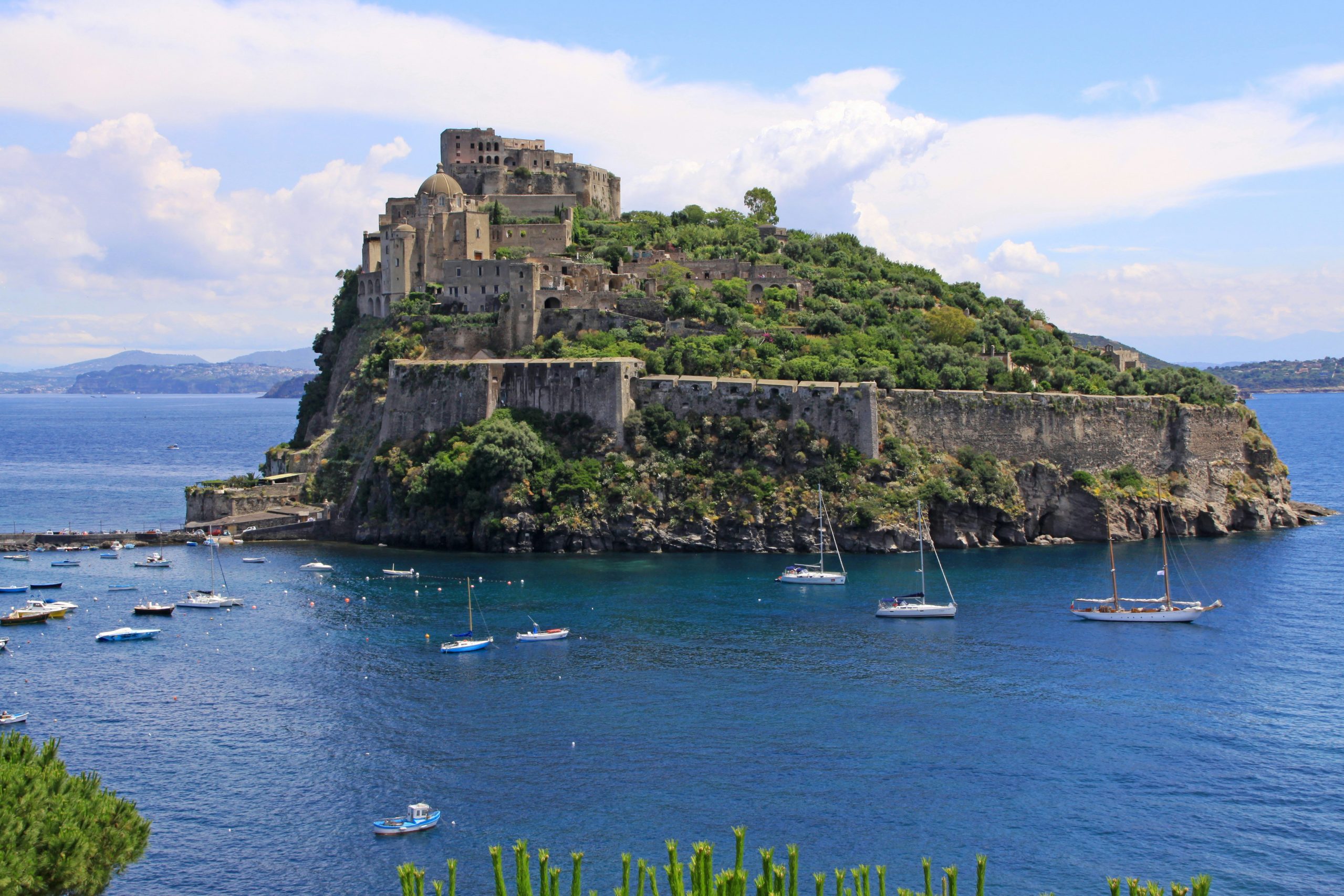
Ischia: The Volcanic Island Escape
If Capri feels a bit too “seen and be seen,” then Ischia is your answer. It’s the largest island in the Bay of Naples, known for its lush landscapes, thermal spas, and a more laid-back, local vibe. It’s a favourite holiday spot for Neapolitans themselves.
Why it’s worth it: Ischia offers a mix of relaxation, history, and natural beauty. It’s less touristy than Capri, making it perfect for a solo traveller looking for a more authentic Italian island experience without the hefty price tag. The thermal parks are a unique draw.
Must-See Spots:
- Castello Aragonese: A stunning medieval castle perched on a volcanic rock, connected to the main island by a bridge. Explore its churches, prisons, and panoramic terraces.
- Thermal Gardens: Ischia is famous for its natural hot springs. Popular (but pricier) parks include Negombo and Poseidon Gardens. For a budget option, look for free thermal springs like Sorgeto (requires a bit of a climb down, but worth it!).
- Sant’Angelo: A picturesque fishing village on the southern coast, known for its charming harbour and thermal waters.
- Mount Epomeo: The highest point on the island, offering hiking trails and incredible views.
How to Get There: Regular ferries and hydrofoils depart from Molo Beverello or Calata Porta di Massa in Naples. The journey takes about 1-1.5 hours. Ischia has several ports (Ischia Porto, Casamicciola, Forio), so check which one is closest to where you want to explore.
Top Tips:
- More Local Feel: Embrace the slower pace and local atmosphere.
- Explore Different Towns: Ischia is quite large, with several distinct towns. Use local buses to get around.
- Relaxation Focus: If you’re into wellness, dedicate time to a thermal park or a natural hot spring.
- Foodie Heaven: Ischia has fantastic seafood and local wines. Look for family-run trattorias.

Procida: Italy’s Colourful Secret
Procida is the smallest of the Neapolitan islands and a true hidden gem. It was even named Italy’s Capital of Culture for 2022. With its vibrant, pastel-coloured houses cascading down to the sea, charming fishing boats, and authentic atmosphere, it’s a photographer’s dream and a perfect escape from the hustle and bustle.
Why it’s a hidden gem: Less crowded and touristy than Capri or Ischia, Procida offers an authentic glimpse into island life. It’s incredibly picturesque and perfect for a relaxed day of wandering and soaking in the beauty.
Must-See Spots:
- Marina Corricella: The iconic fishing village with its colourful houses, narrow streets, and charming harbour. This is the postcard view!
- Terra Murata: The highest point on the island, a fortified medieval village with stunning views and the Abbazia di San Michele Arcangelo (Abbey of St. Michael the Archangel).
- Marina Grande: Where the ferries arrive, a lively port with cafes and shops.
- Chiaiolella Beach: A lovely sandy beach for a quick dip.
How to Get There: Regular ferries and hydrofoils depart from Molo Beverello or Calata Porta di Massa in Naples. The journey is the shortest of the islands, taking about 30-40 minutes.
Top Tips:
- Perfect for a Chill Day: Procida is small and easily explored on foot. No need for extensive planning, just wander and enjoy.
- Photography Paradise: Every corner offers a photo opportunity, especially in Corricella.
- Try Fresh Seafood: Being a fishing island, the seafood here is incredibly fresh and delicious. Look for local eateries in Corricella.
- Walk from Marina Grande to Corricella: It’s a pleasant walk, offering great views as you descend into the colourful village.
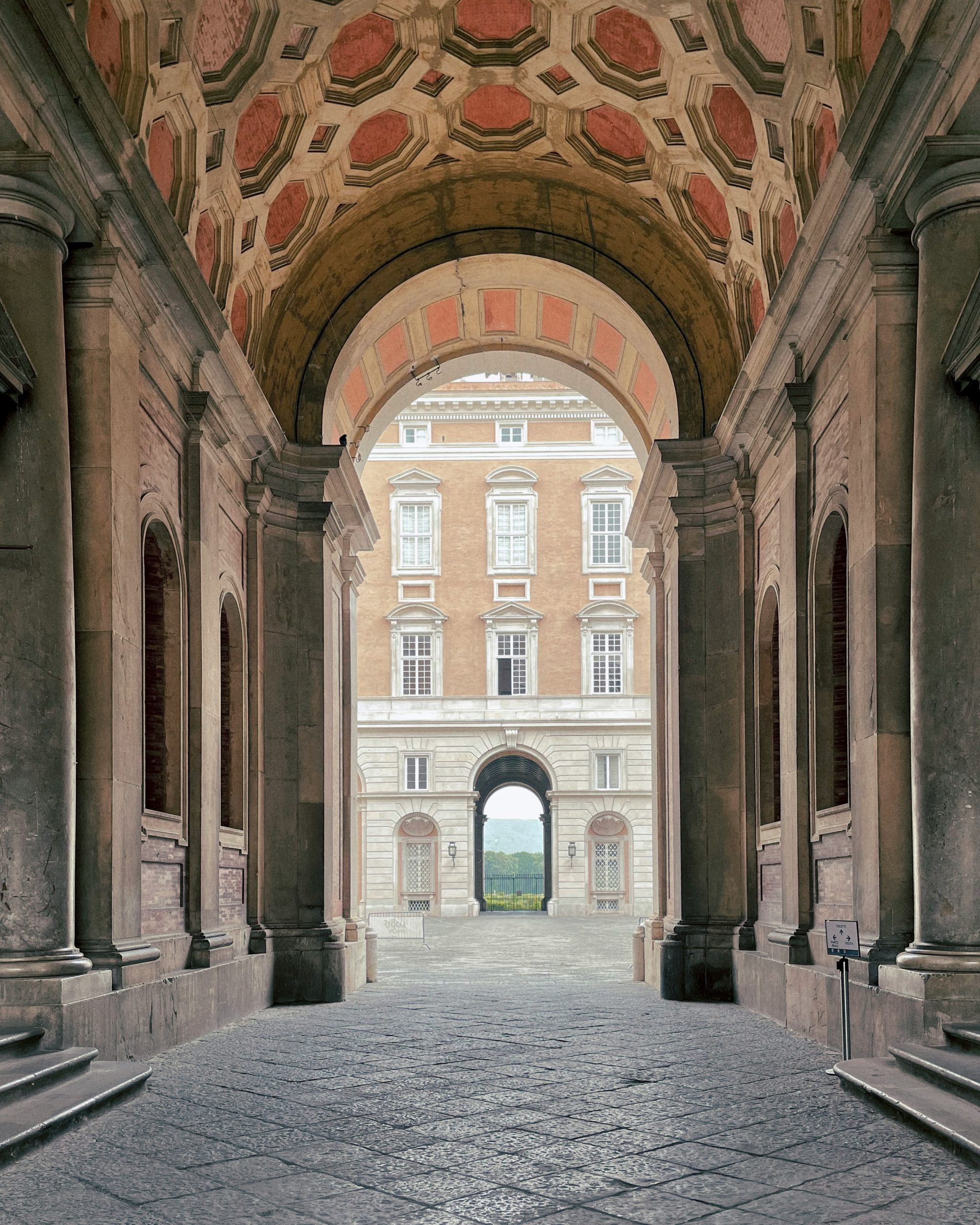
Royal Palace of Caserta: Italy’s Versailles
If you’re into grand architecture and opulent history, the Royal Palace of Caserta (Reggia di Caserta) is an absolute must-see. This UNESCO World Heritage site is one of the largest royal residences in the world, built for the Bourbon kings of Naples. Think Versailles, but Italian style!
Why it’s worth it: The sheer scale and grandeur of the palace and its gardens are mind-blowing. It’s a fantastic cultural day trip that offers a different kind of historical experience than the ancient ruins.
Must-See Spots:
- Royal Apartments: Lavishly decorated rooms showcasing the wealth and power of the Bourbon monarchy.
- Palatine Chapel: A stunning chapel within the palace.
- The Park and Gardens: Stretching for kilometres, with elaborate fountains, cascades, sculptures, and the beautiful English Garden.
How to Get There: Take a Trenitalia regional train from Napoli Centrale directly to Caserta station. The journey is quick, about 30-45 minutes, and the palace is just a short walk from the station.
Top Tips:
- Allow Plenty of Time: This place is massive! You’ll need at least 3-4 hours, possibly more if you want to explore the gardens thoroughly.
- Rent a Bike: The gardens are huge. You can rent bikes near the entrance to explore them more efficiently and save your legs.
- Pack Snacks/Water: Especially if you plan to explore the extensive gardens.
- Check Opening Hours: The palace and gardens have separate opening times and sometimes close on Tuesdays.
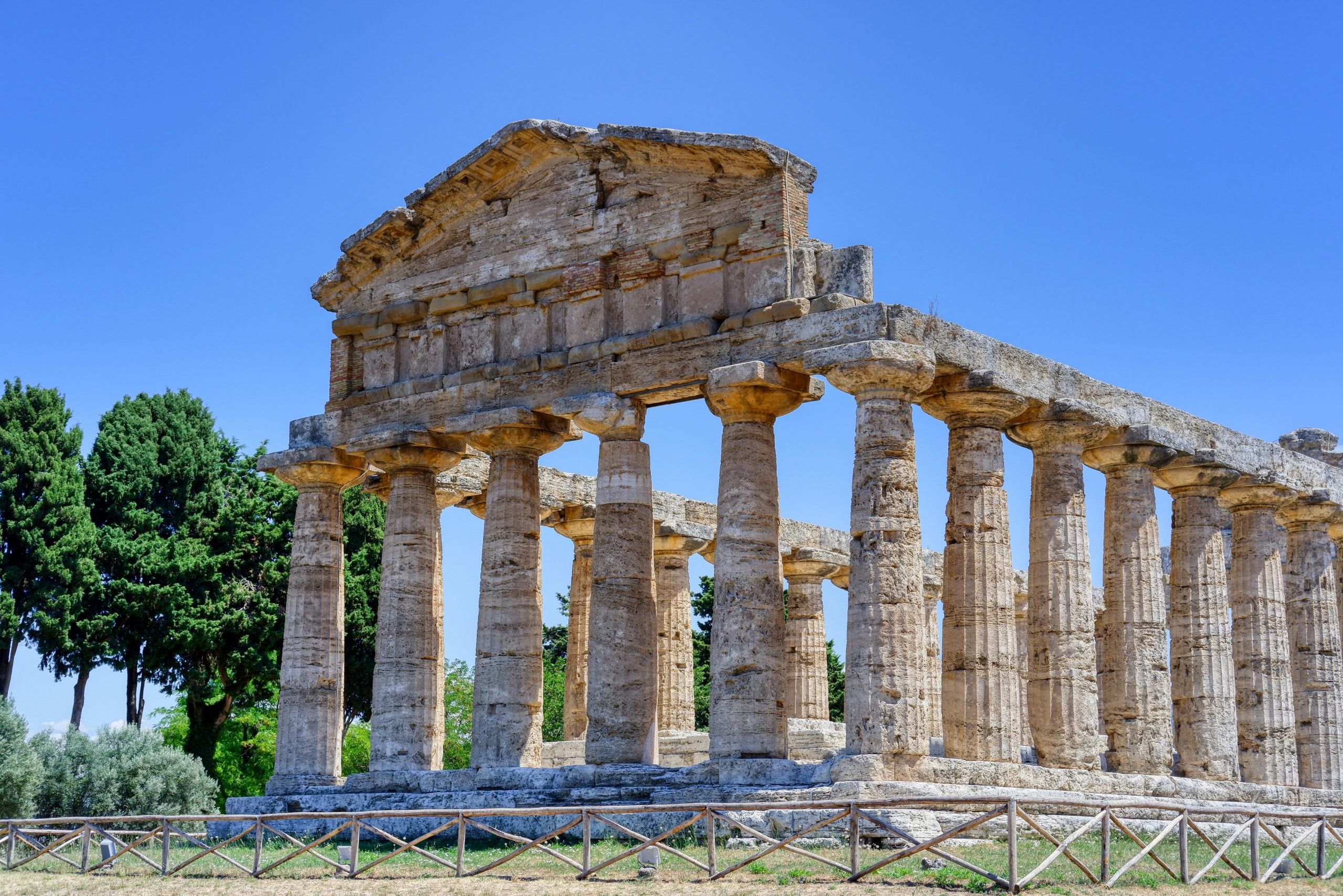
Paestum: Ancient Greek Grandeur
Ready for some seriously impressive ancient Greek temples? Head south from Naples to Paestum. This archaeological site boasts three incredibly well-preserved Greek temples, dating back to the 6th and 5th centuries BC. It’s less crowded than Pompeii but equally awe-inspiring.
Why it’s worth it: These are some of the best-preserved Greek temples outside of Greece itself. It’s a powerful reminder of Magna Graecia (Greater Greece) and the influence of Greek culture in Southern Italy. Plus, it’s often quieter, allowing for a more contemplative visit.
Must-See Spots:
- Temple of Hera (Basilica): The oldest of the three temples.
- Temple of Neptune (or Poseidon): The largest and most impressive, incredibly well-preserved.
- Temple of Athena (or Ceres): Located at the northern end of the site.
- National Archaeological Museum of Paestum: Houses artefacts found at the site, including the famous “Tomb of the Diver” frescoes.
How to Get There: Take a Trenitalia regional train from Napoli Centrale directly to Paestum station. The journey takes about 1 hour to 1 hour 20 minutes. The archaeological park is a short walk from the station.
Top Tips:
- Combine with Mozzarella: Paestum is in the heart of buffalo mozzarella country! Many farms offer tours and tastings. You could arrange a visit to a caseificio (dairy farm) nearby for a delicious experience.
- Less Crowded: Enjoy the peace and quiet compared to the more famous Roman ruins.
- Wear Comfy Shoes: You’ll be walking around a large archaeological park.
Planning Your Epic Day Trips: General Tips for Solo & Budget Travellers
You’ve got the destinations, now let’s talk strategy to make these day trips from Naples smooth, affordable, and unforgettable.
- Public Transport is Your Best Mate: Seriously, embrace it! The Circumvesuviana train is your go-to for Pompeii, Herculaneum, and Sorrento. Trenitalia regional trains cover Caserta and Paestum. For the islands and coastal towns, ferries and hydrofoils are essential. SITA buses are key for getting around the Amalfi Coast. Download apps like Moovit or Google Maps for real-time public transport info.
- Book Ahead (Sometimes): For popular ferries (especially to Capri in peak season) or entrance tickets to major attractions like Pompeii, booking online a day or two in advance can save you time queuing and sometimes even a few quid. For trains and buses, you can usually buy tickets on the day.
Pack Smart:
- Water Bottle: Stay hydrated! Refill at public fountains where available.
- Snacks: Save money by bringing your own snacks.
- Comfy Shoes: You’ll be doing a lot of walking, often on uneven surfaces.
- Layers: Weather can change, especially on islands or at higher elevations like Vesuvius.
- Sunscreen & Hat: The Italian sun is no joke.
- Power Bank: Keep your phone charged for maps, photos, and emergencies.
- Stay Connected (Offline): Download offline maps of the areas you’re visiting. This is a lifesaver if you lose signal or want to save data.
- Eat Local, Save Big: Skip the tourist traps. Look for trattorias (family-run restaurants), pizzerias (obviously!), and tavola calda (hot table) places for delicious, affordable meals. Street food in Naples is also legendary and cheap.
- Embrace the Unexpected: Things might not always go to plan (a bus might be late, a ferry cancelled due to weather). Stay flexible, have a backup idea, and remember that sometimes the best adventures come from unexpected detours.
- Safety First: As a solo traveller, always be aware of your surroundings, especially in crowded areas or on public transport. Keep your valuables secure and tell someone your plans. Italy is generally safe, but common sense goes a long way.
Ready to Explore?
Naples is more than just a city; it’s your gateway to some of Italy’s most iconic and breathtaking destinations. Whether you’re delving into ancient Roman ruins, hiking up a volcano, or soaking up the sun on a colourful island, these day trips offer incredible experiences for every solo and budget-conscious traveller. So, pack your bags, grab your train tickets, and get ready for an unforgettable adventure from the heart of Campania!
Download the Hostelworld app to start booking now


 Get the App.