Centro Storico
First-timersThe historic centre on the Greek grid: Spaccanapoli, pizzerias and churches.

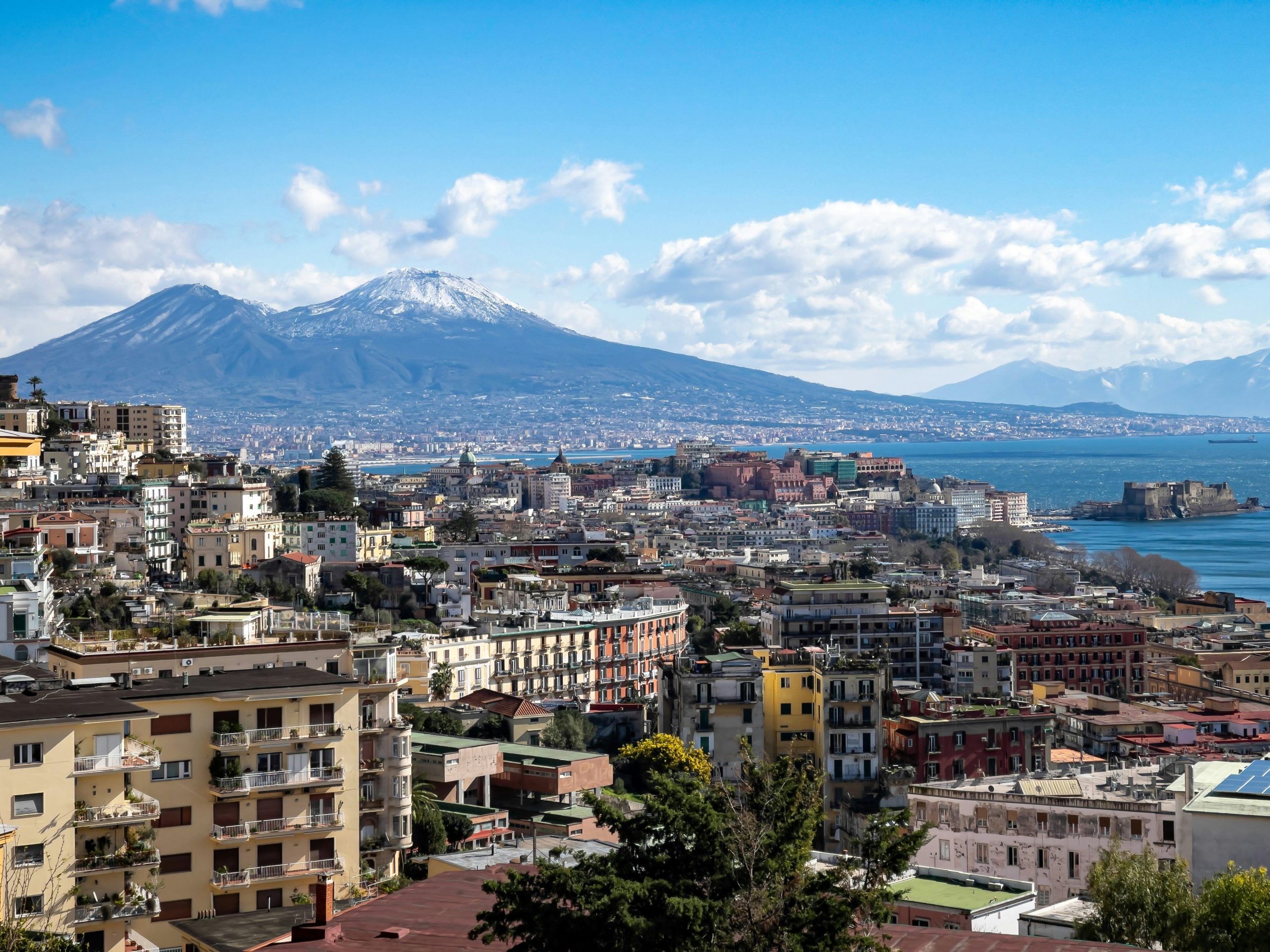
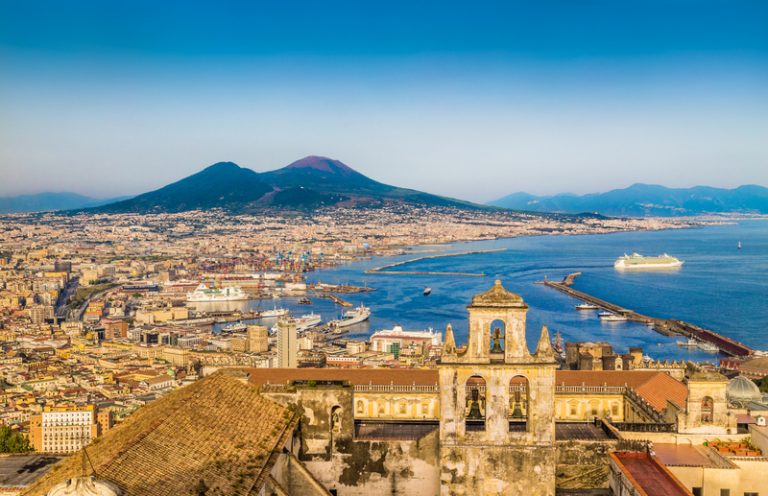
Chaotic, loud, crumbling and magnificent, with the best pizza and coffee in Italy and Vesuvius over the bay. The base for Pompeii, Capri and the Amalfi Coast.
Naples is one of the oldest continuously inhabited cities in Europe, founded by Greeks nearly three thousand years ago, and for centuries it was one of the biggest and richest capitals on the continent. It has the grandeur to show for it, and the decay: palaces with washing strung across their balconies, churches full of Baroque gold on streets of scooters and shouting.
The historic centre, built on the Greek street grid, is a UNESCO World Heritage Site and the most densely lived-in old town in Italy. Beneath it is a second city of tunnels, cisterns and catacombs.
Naples has a reputation, and some of it is deserved, but it is a warm, generous city that most visitors end up loving. Give it two or three days, and use it as the base for Pompeii, Herculaneum, Vesuvius and the islands.
Stay in or near the historic centre. The station area is convenient for Pompeii but the least pleasant part of town.
The historic centre on the Greek grid: Spaccanapoli, pizzerias and churches.
Steep, narrow lanes of washing lines and Maradona murals, just off Via Toledo.
The elegant quarter by the seafront, with smart shops and baretti.
The hilltop district reached by funicular. Residential, calm and local.
Around the central station and the Circumvesuviana. Convenient and rough.
Orange labels are neighbourhoods, dots are the 12 top-rated hostels. Map © MapTiler © OpenStreetMap contributors.
The routes we would take, in the order we would take them.
Walk Spaccanapoli, the long straight street that cuts through the historic centre along the line of the Greek city, and the parallel Via dei Tribunali. Via San Gregorio Armeno, between them, is lined with workshops making nativity figures all year round.
The Cappella Sansevero holds the Veiled Christ, a marble figure under a shroud so fine it looks transparent. Book ahead; it is small and sells out. Go underground at Napoli Sotterranea, through the Greek and Roman cisterns and tunnels beneath the centre, or at the catacombs of San Gennaro in the Sanità district.
The National Archaeological Museum has the best of what came out of Pompeii and Herculaneum, including the mosaics and the Farnese sculptures. See it before or after the ruins.
Take the funicular up to the Vomero for Castel Sant'Elmo and the Certosa di San Martino and the view over the bay to Vesuvius. Walk the seafront, the Lungomare, from Castel dell'Ovo at sunset.
The historic centre is free to walk, and it is the main attraction. So are the churches, many of them extraordinary, and the Baroque spires in the squares.
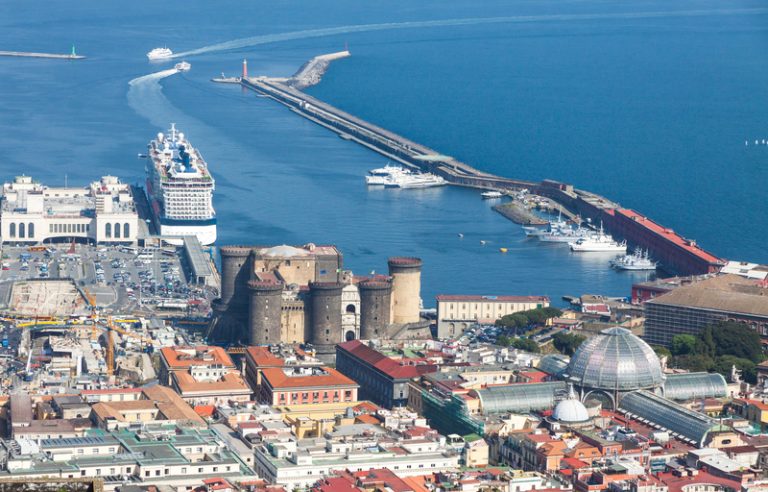
Castel dell'Ovo, the castle on the seafront, is free, with views across the bay. The Lungomare, the seafront promenade, is where the city walks in the evening.
Several metro stations on line 1 are designed by artists and architects, and Toledo station, with its blue mosaic shaft, is one of the most beautiful in Europe. It costs a single ticket to see.
The murals of Maradona in the Quartieri Spagnoli are a pilgrimage site. State museums, including the Archaeological Museum, are free on the first Sunday of the month.
Naples invented pizza, and it is still the best place to eat it. A margherita at a classic pizzeria costs €5 to €8, and a pizza a portafoglio, folded in four and eaten on the street, costs a few euros. Fried pizza is the other local version.
The pastries are as good: the sfogliatella, a shell of crisp layered pastry with ricotta, and babà, soaked in rum.
Coffee is short, strong and sweet, drunk standing at the bar for about €1 to €1.20. The caffè sospeso, a coffee paid for in advance for a stranger who cannot afford one, is a Neapolitan tradition.
The Porta Nolana and Pignasecca markets are the places for cheap food. Naples is one of the cheapest big cities in Italy to eat in.
Naples goes out late and outdoors. Piazza Bellini, in the historic centre, is the student and bohemian centre, with bars around a square that has Greek walls exposed in the middle.
The baretti of Chiaia, small bars in the lanes near the seafront, are where the city's well-dressed crowd drinks. The Vomero has a younger, more local scene.
Drinks are cheap: a beer is €3 to €5, a spritz a little more. The night starts around ten and runs late, especially in summer.
Naples is walkable in the centre, but it is hilly and the traffic is chaotic. The metro, the funiculars, buses and trams are run by several companies, which makes the ticketing confusing; a single city ticket costs under €2, and ANM also sells a day ticket.
From the airport, the Alibus runs to the central station and the port for €5 in about twenty minutes.
For Pompeii, Herculaneum and Sorrento, take the Circumvesuviana train from Garibaldi, under the central station. A city ticket is not valid; buy an extra-urban ticket, about €3.30 to Pompeii. The trains are crowded and slow; watch your bag.
Ferries and hydrofoils to Capri, Ischia and Procida leave from Molo Beverello and Calata Porta di Massa. High-speed trains reach Rome in about seventy minutes.
Naples is one of the cheapest big cities in Italy. Dorms start around €18, a pizza is €5 to €8, a coffee about €1, and street food makes lunch almost free. A careful day is €45 to €60.
The costs that add up are the day trips: Pompeii and Herculaneum each have their own ticket, the ferries to Capri are expensive, and the Circumvesuviana adds a few euros each way.
State museums are free on the first Sunday of the month.
Naples is safer than its reputation, but it needs more care than most Italian cities. The main risk is bag and phone snatching, sometimes from scooters. Carry your bag on the side away from the road, keep your phone in your hand close to you, and leave expensive watches and jewellery at home.
The area around Piazza Garibaldi and the central station is the roughest part of the centre, especially at night. The Circumvesuviana trains are crowded and targeted by pickpockets.
The traffic is the other hazard. Scooters use pavements and one-way streets in both directions. Cross with confidence and with the locals.
Emergency number is 112.
Naples is the base for some of the most extraordinary sites in Europe.
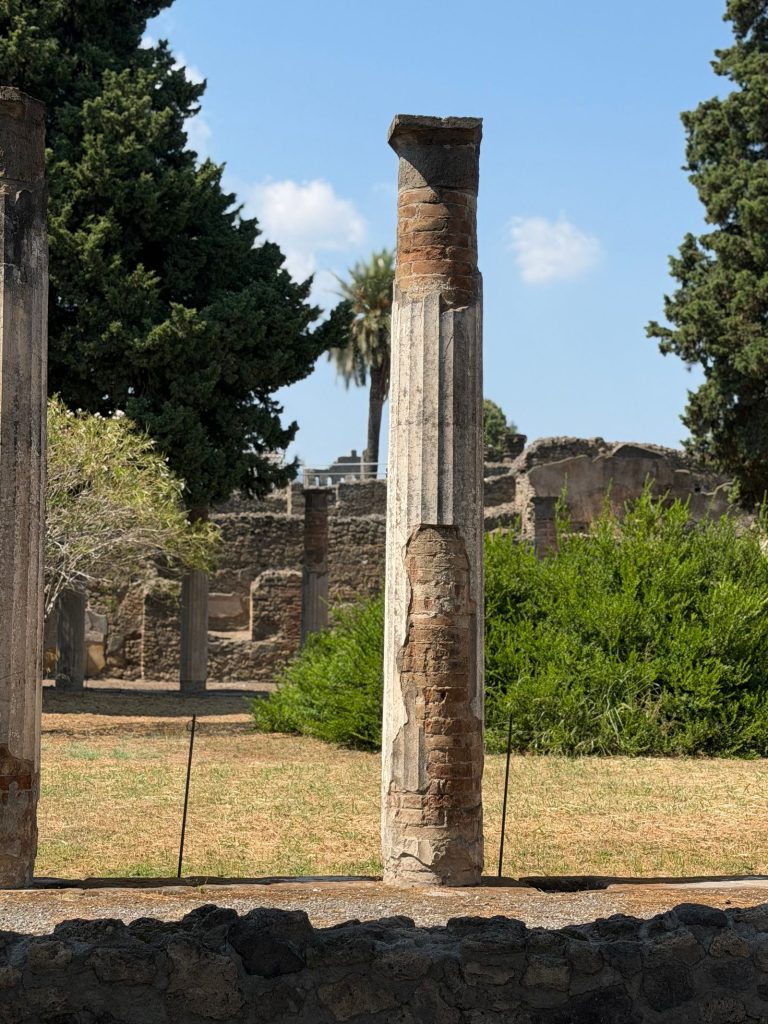
The Roman town buried by Vesuvius in 79 AD. Huge and shadeless: go early, with water, and book the ticket online.
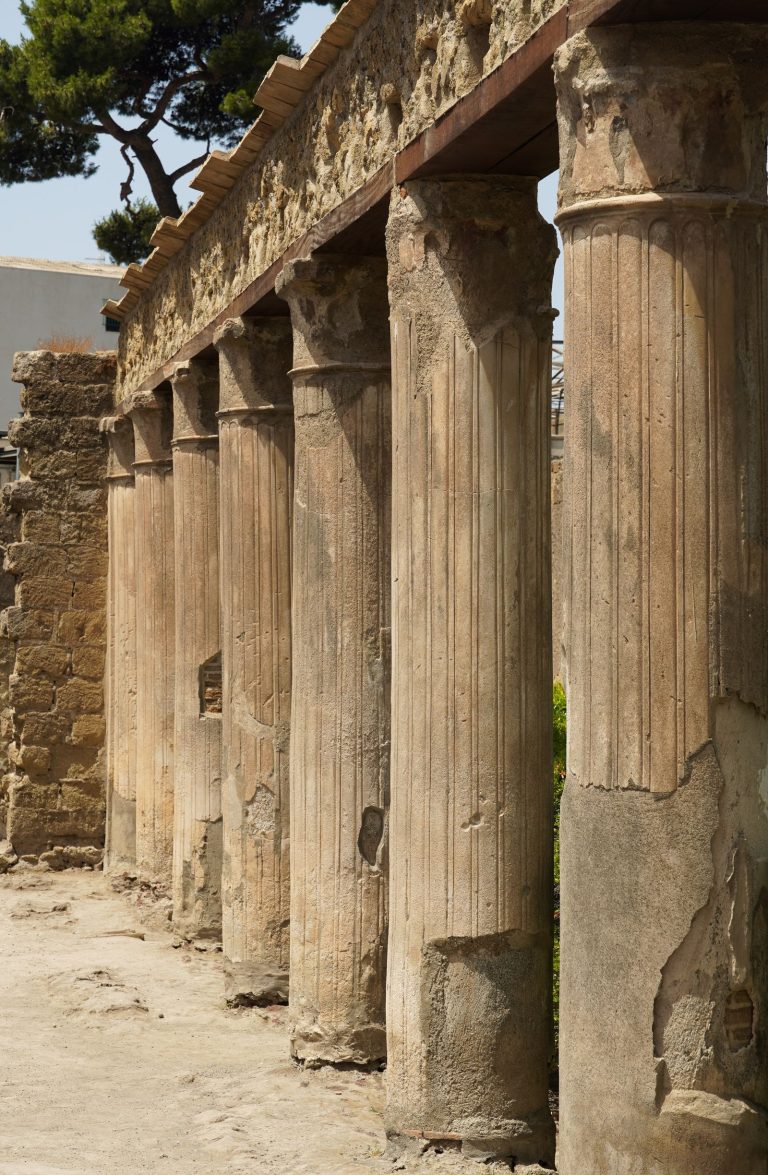
Smaller and better preserved than Pompeii, with upper floors and wooden beams still in place.
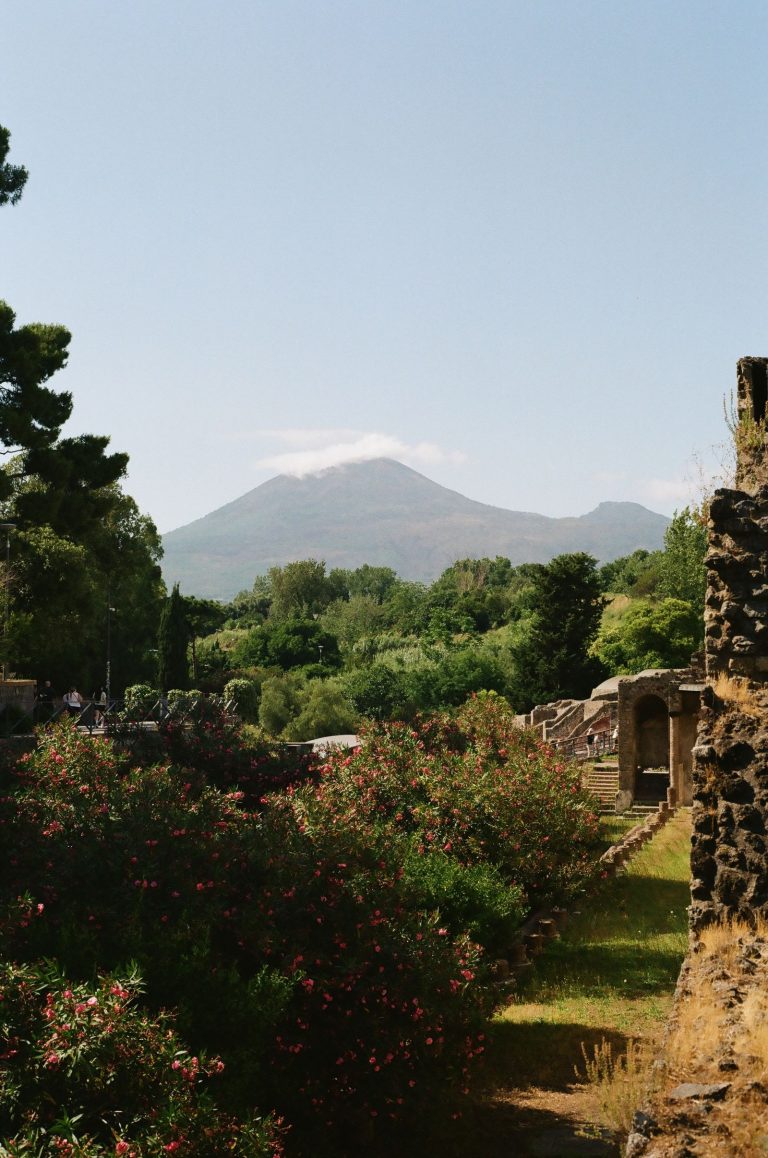
The volcano itself, with a timed ticket for the path to the rim.
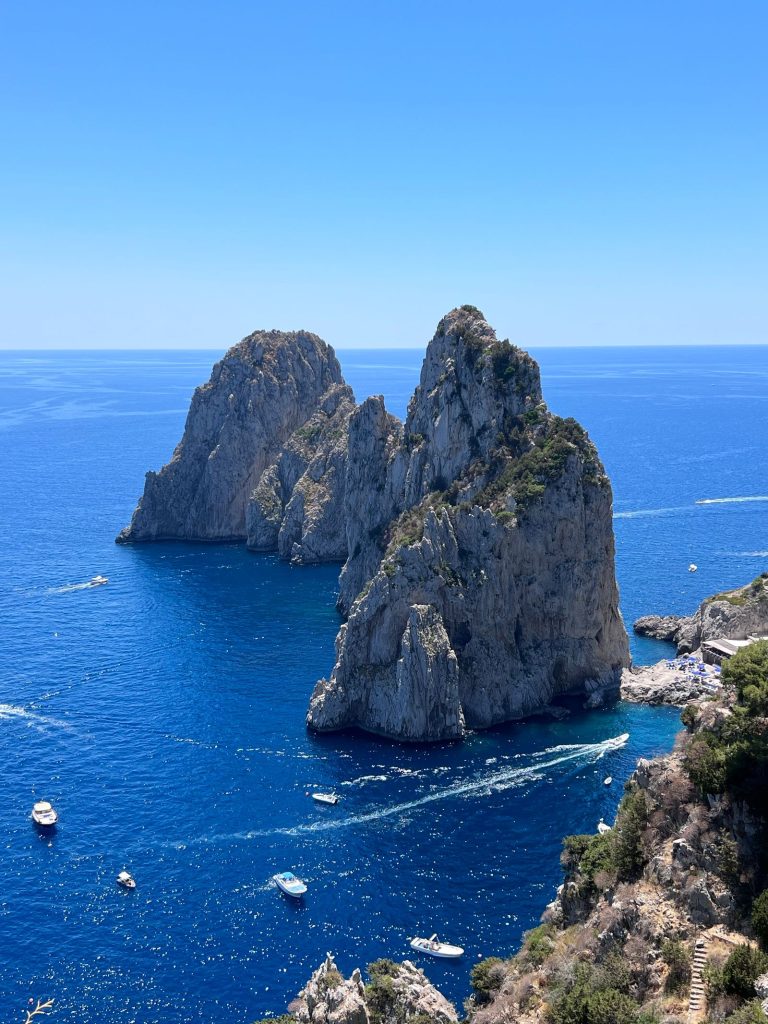
The famous island: cliffs, the Blue Grotto and very high prices. Go early.
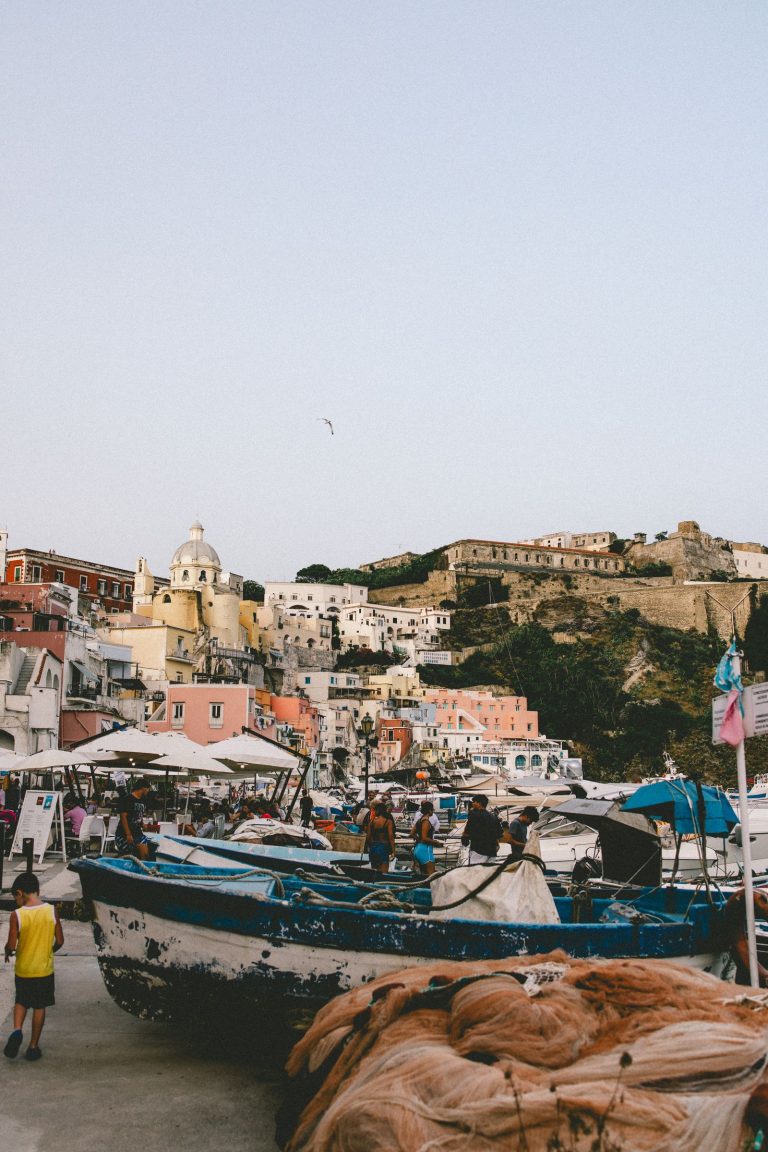
A small, colourful fishing island, quieter and cheaper than Capri.
The city's patron saint performs a miracle three times a year. Everything else comes second.
 Staff pick
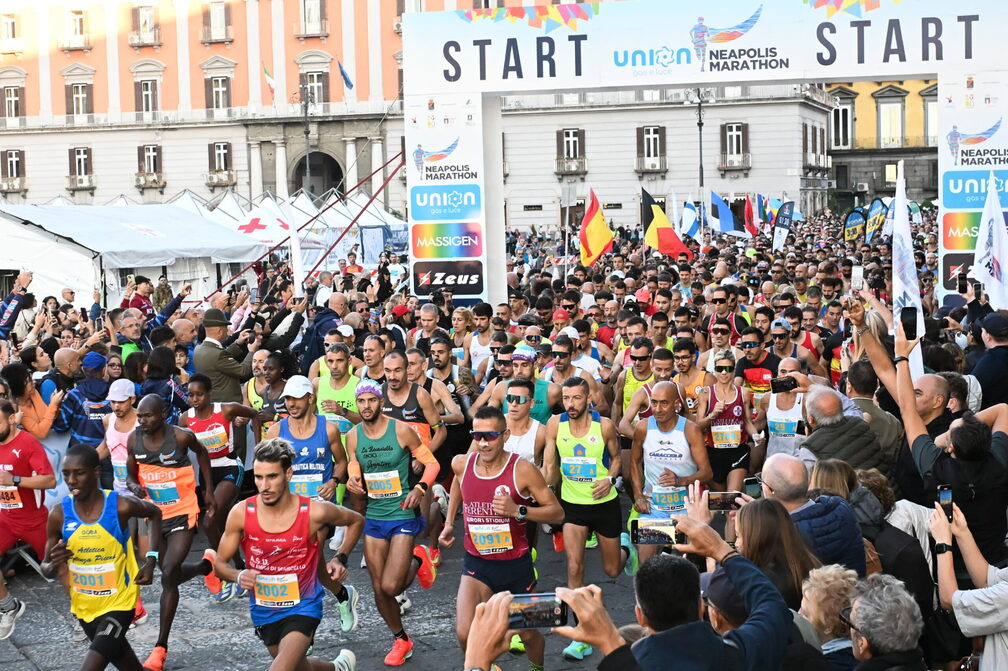
The Neapolis Marathon invites runners to experience Naples, Italy, in a unique way, with a scenic route that winds through the city’s historic heart…
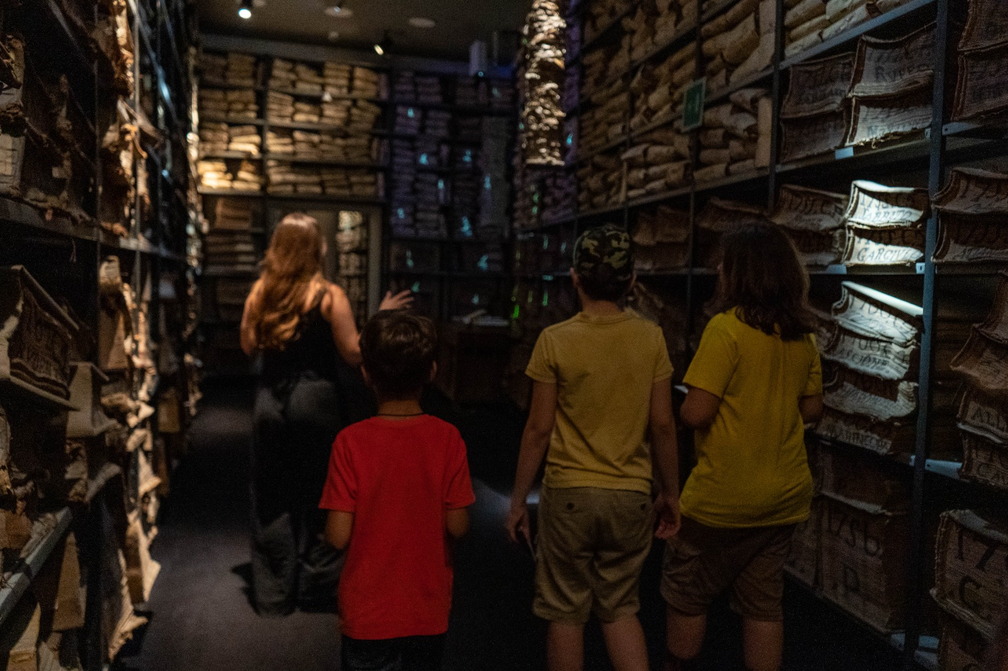
Kids aged 6 to 10 can explore Naples through free guided tours, workshops, and interactive activities that bring the city's history, art, and science…

Mitridate, Re di Ponto is a serious opera in three acts with music by Wolfgang Amadeus Mozart. The production features a distinguished cast and…

Mitridate, Re di Ponto is a serious opera in three acts with music by Wolfgang Amadeus Mozart and libretto by Vittorio Amedeo Cigna-Santi. The…

One of Italy's most beloved artists, Gianni Morandi, will perform at Arena Flegrea in Naples on October 1, 2026. This concert is part of…

Anita Rachvelishvili, a renowned mezzo-soprano, performs a rich program of classical pieces accompanied by pianist Vincenzo Scalera. The concert includes works by Tchaikovsky, Rachmaninov,…

This concert brings together works by a remarkable lineup of composers including Tchaikovsky, Rachmaninov, and Verdi. It takes place at the historic Teatro di…

La Scuola Napoletana in Russia is a chamber music concert featuring works by Domenico Cimarosa, Giovanni Paisiello, Antonio Caldara, and Ferdinando Sebastiani. The performance…
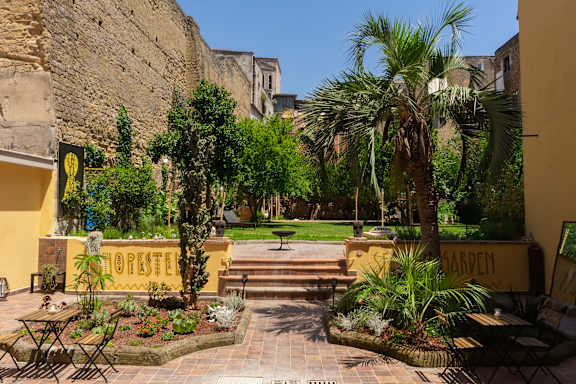
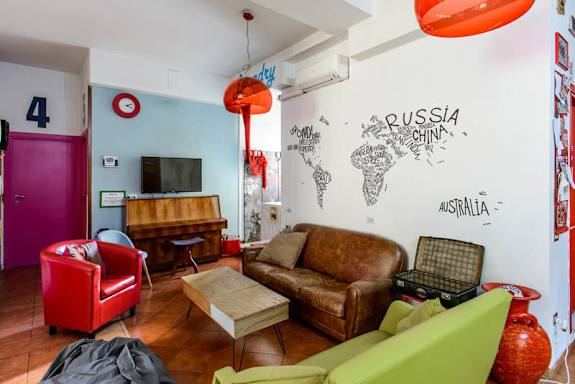
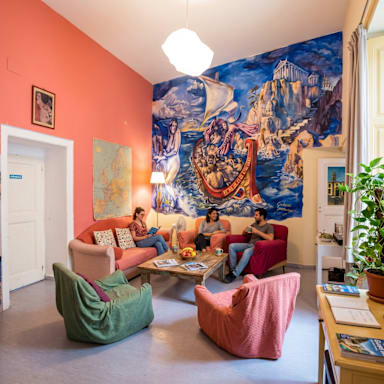
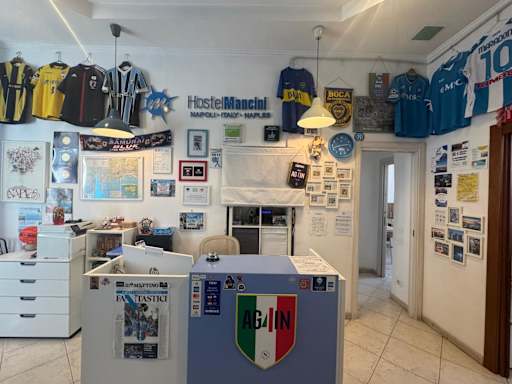
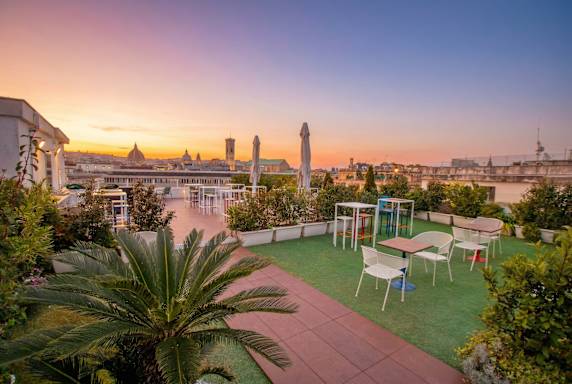
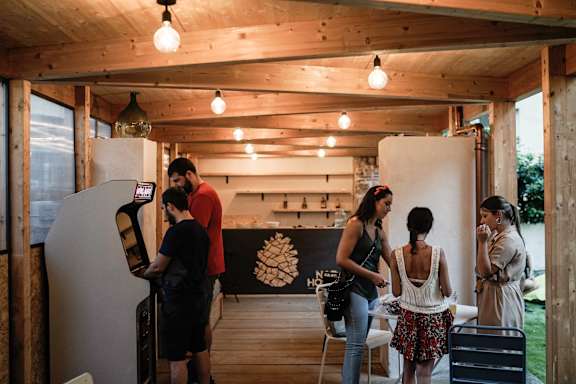
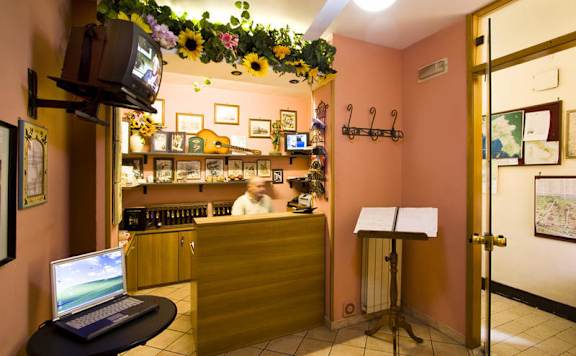
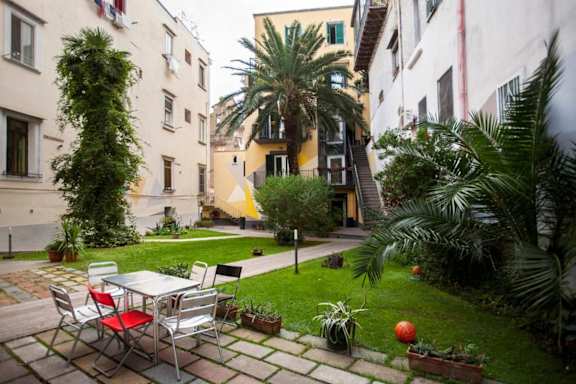
Naples has good-value hostels, most in the historic centre and near the station. These are the top-rated right now, live from Hostelworld.



April, May, September and October are ideal. July and August are hot, and the islands are packed.
Average highs. Naples is warm most of the year, and the sea is swimmable from June to October.
Pick how you travel. Per person per night, in euros.
Transport assumes city tickets and the Circumvesuviana. Pompeii and Herculaneum each have their own entry ticket.
The ones we get asked most.

Compare Naples hostels — live prices, real reviews and free cancellation on most bookings. Then meet the people already there in the app.

 Get the App.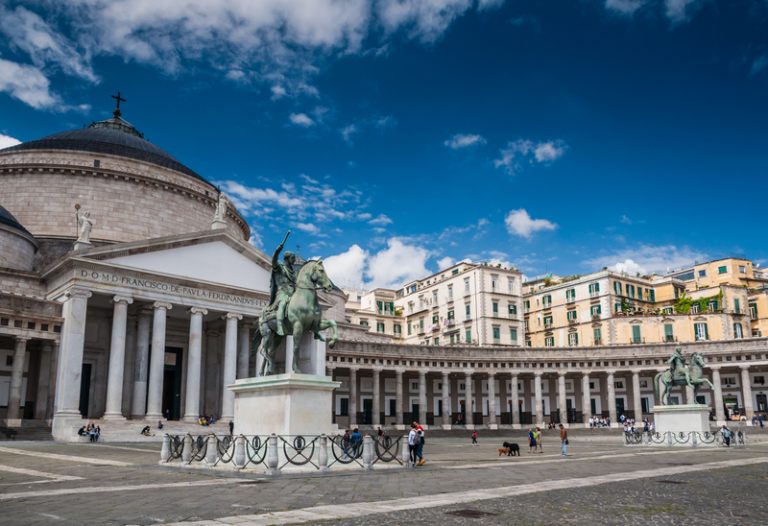
 Get the App.