Centro
First-timersAround Piazza Tasso and Corso Italia. Everything close.

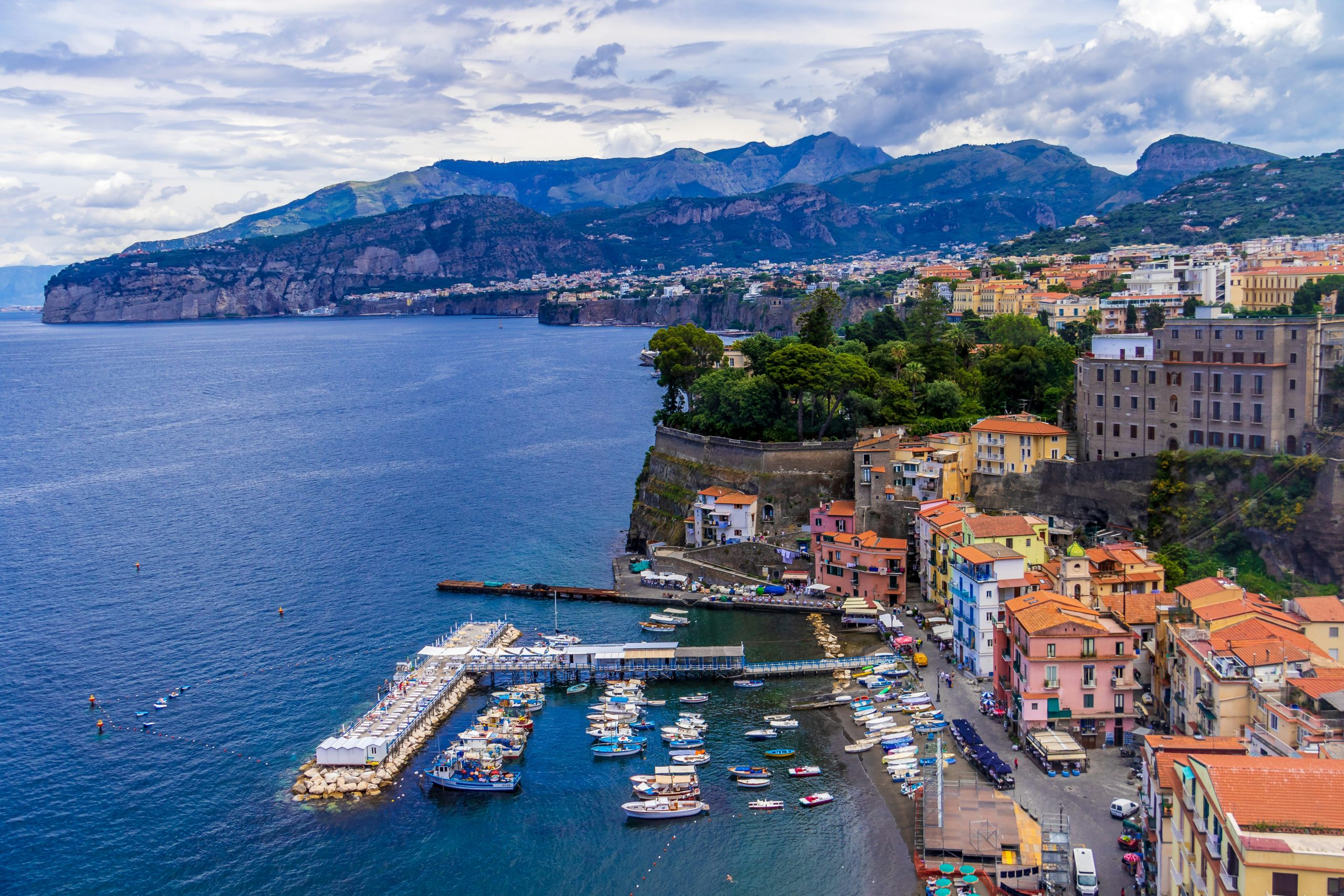
A cliff-top town over the Bay of Naples, with lemon groves, ferries to Capri and Pompeii half an hour away. The practical base for the Amalfi Coast, and cheaper than staying on it.
Sorrento sits on cliffs above the Bay of Naples, with Vesuvius across the water and the Amalfi Coast on the other side of the peninsula. It has been a resort since the days of the Grand Tour, and it is built for visitors: a pedestrian centre, lemon groves, limoncello shops and hotels on the cliff edge.
It is not the most beautiful town on the coast. Positano, Amalfi and Ravello are more dramatic. But Sorrento is flat, connected and cheaper, with trains to Naples and Pompeii, buses along the Amalfi Coast and ferries to Capri, and that makes it the most practical base in the region.
Three or four days covers it, with day trips every day. The town is busiest from May to September and very quiet in winter.
Stay in or near the centre for the ferries and the train. Sant'Agnello, next door, is cheaper and quieter.
Around Piazza Tasso and Corso Italia. Everything close.
The old fishing harbour, with seafood restaurants.
The port below the town, for Capri and the coast.
The next town east, cheaper, with most of the hostels.
Orange labels are neighbourhoods, dots are the 4 top-rated hostels. Map data from OpenStreetMap contributors.
Start in Piazza Tasso, the main square, and walk down to the Villa Comunale, a public garden on the cliff edge with a view over the bay to Vesuvius. The Vallone dei Mulini, a deep gorge right in the centre of town, has the ruins of an old mill at the bottom.
The cloister of San Francesco, next to the Villa Comunale, is small and peaceful, and hosts concerts in summer. Walk down to Marina Grande, the old fishing harbour, for seafood by the water.
The Bagni della Regina Giovanna, a natural pool in the rocks with the ruins of a Roman villa above it, is about half an hour's walk west of town and the best place to swim nearby.
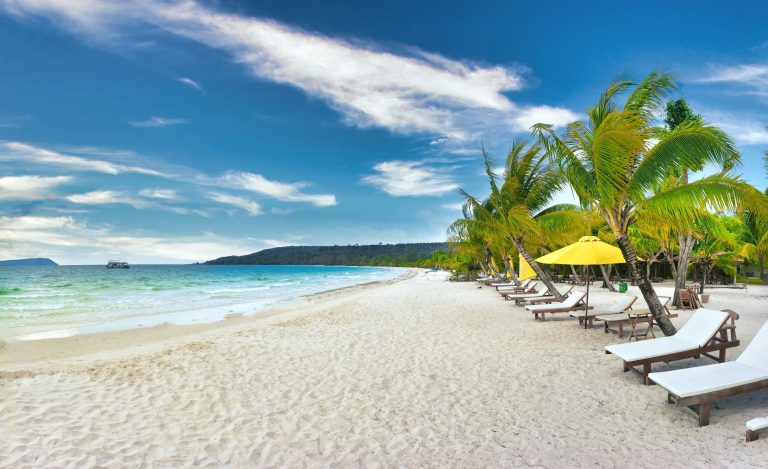
Sorrento's beaches are small and rocky, and most swimming is from wooden platforms run by beach clubs, which charge for entry and sunbeds.
The Villa Comunale view is free, and so is the view of the Vallone dei Mulini from the street above.
The cloister of San Francesco is free to enter. Marina Grande is free to walk.
The Bagni della Regina Giovanna are free, reached by a path through the olive groves. The walk to Punta Campanella, at the tip of the peninsula, is free and has views of Capri.
The old town's lanes and lemon groves cost nothing to wander.
Sorrento's food is the food of the Bay of Naples: seafood, pizza and pasta. Gnocchi alla sorrentina, baked with tomato and mozzarella, is the local dish.
Lemons are everywhere. Limoncello is made from the peninsula's lemons, and the delizia al limone, a lemon cream sponge, is the local dessert.
Sorrento is a tourist town and the restaurants on the main streets are priced for it. Marina Grande and the side streets are better value. Pizza costs €8 to €12, and a pasta dish €12 to €18.
Sorrento's nightlife is relaxed. The bars around Piazza Tasso and Corso Italia fill in the evening with visitors, and there is live music in some of them.
The town is more for a long dinner and a drink on a terrace than for clubs. A spritz is €6 to €9.
Sorrento is flat and walkable in the centre.
The Circumvesuviana train runs from Naples to Sorrento in about an hour and ten minutes, stopping at Pompeii and Herculaneum. It is cheap, crowded and slow; the seasonal Campania Express is faster and more comfortable.
SITA buses run along the Amalfi Coast to Positano and Amalfi from outside the station. They are crowded in summer, with long queues. Ferries from the port, Marina Piccola, go to Capri in about twenty to thirty minutes, and in season to Positano, Amalfi and Naples.
The roads on the peninsula are narrow and congested. Do not drive on the Amalfi Coast in summer if you can avoid it.
Sorrento is expensive, though cheaper than the Amalfi Coast towns. Hostel beds are few, mostly in Sant'Agnello next door, and typically start around €30, higher in summer.
A careful day is €65 to €85. The costs that add up are ferries, which are much more expensive than the buses, beach clubs and eating in the centre.
The train to Pompeii and the SITA buses are cheap. Staying here and day-tripping is much cheaper than staying on the Amalfi Coast.
Sorrento is safe. Watch for pickpockets on the crowded Circumvesuviana and SITA buses.
The roads are the main hazard. The main road through town and along the coast is narrow, busy and often has no pavement.
On the coast and on Capri, the sun is intense in summer. Carry water.
Emergency number is 112.
Every day trip from Sorrento is one of the most famous in Italy.
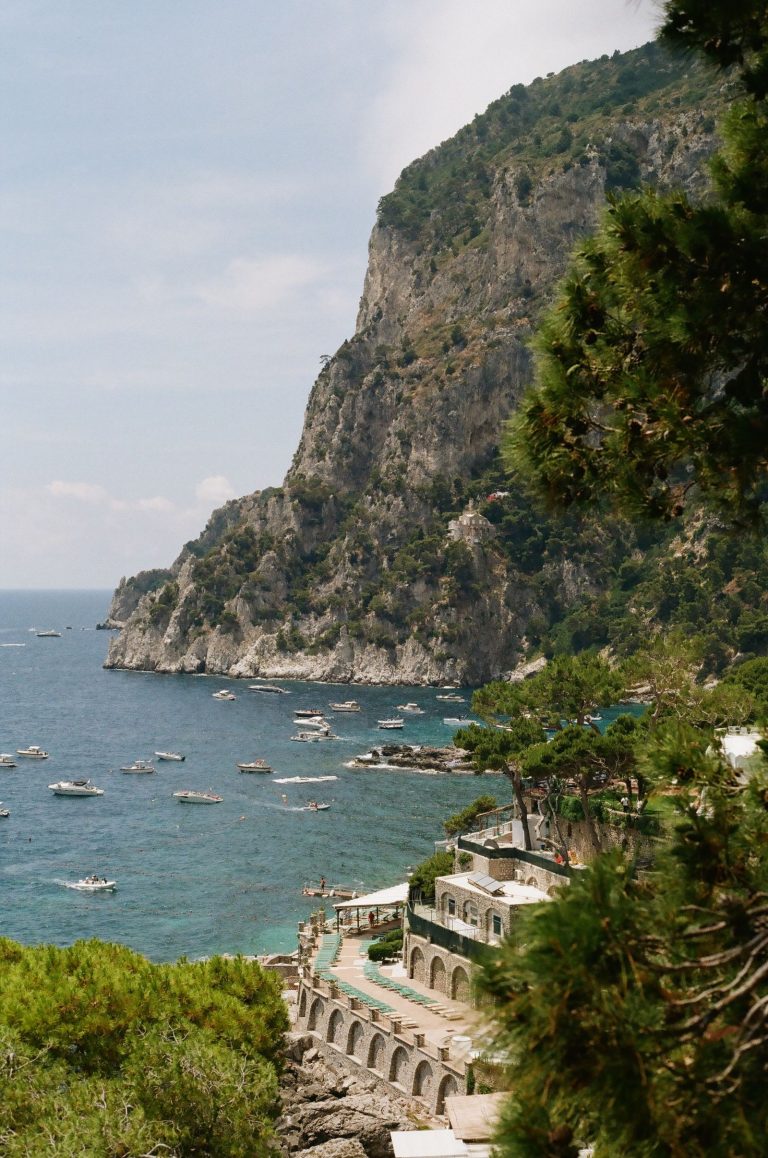
The island of cliffs and the Blue Grotto. Go early.
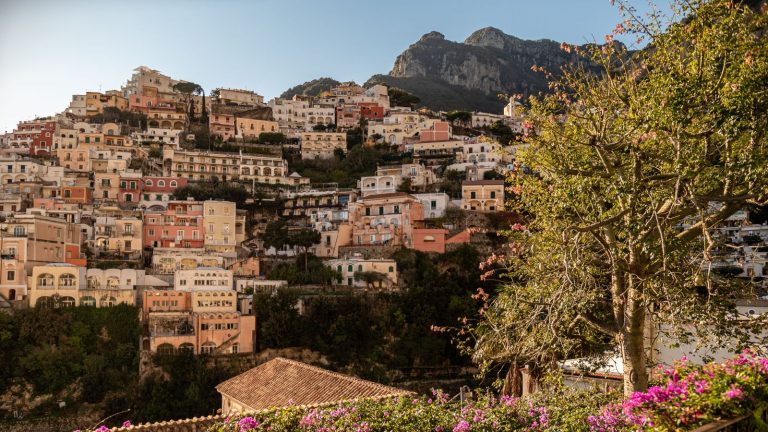
The most famous town on the Amalfi Coast, stacked down a cliff to the sea.
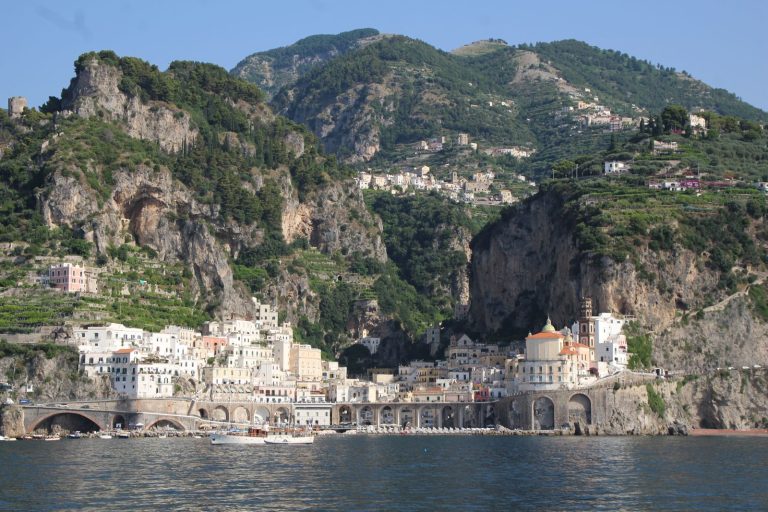
The old maritime republic, and the gardens of Ravello high above it.
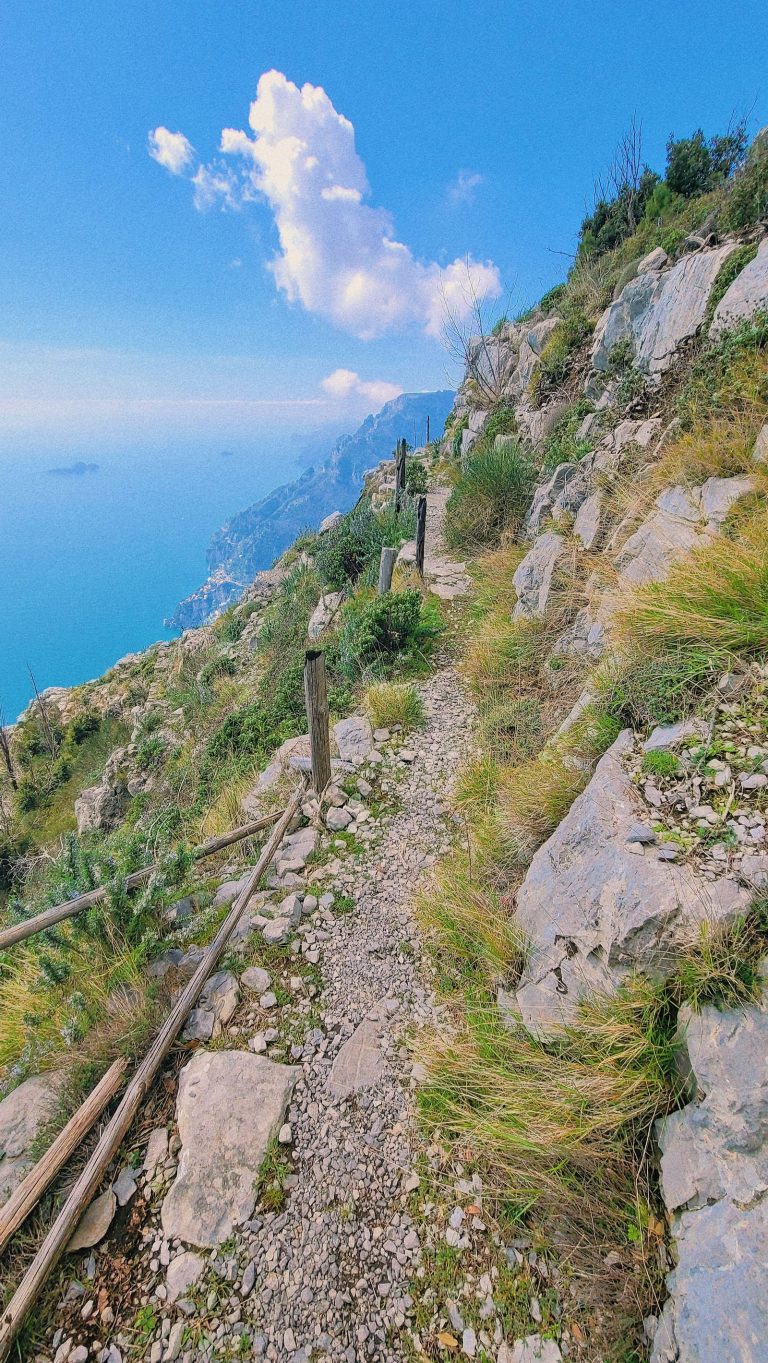
A cliff-top walk high above the Amalfi Coast, ending above Positano.
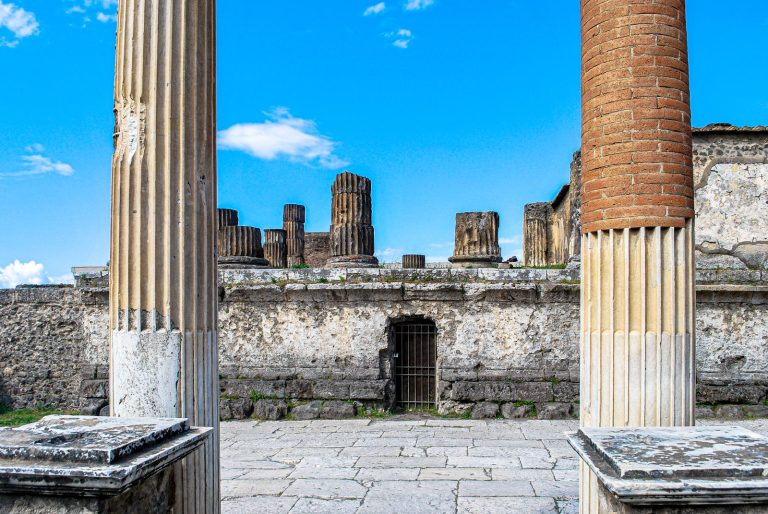
The Roman town buried by Vesuvius. Book the ticket online.
Sorrento's Holy Week processions are some of the most striking in Italy.
 Staff pick
The Sorrento Film & Food Festival in Sorrento, Italy, is a unique celebration where film premieres and culinary excellence come together on the stunning…

Tony Tammaro brings his sharp-witted Neapolitan storytelling to Piazza Sant'Antonino, where his songs skewer the quirks and contradictions of everyday Italian life. His style…

Every Tuesday morning, Via San Renato transforms into a bustling open-air market where locals haggle over fresh produce, cheese, clothing, and household goods. The…

Friday nights bring Latin rhythms to Fauno Notte Club, a historic nightclub that has been a popular nightlife destination on the Sorrentine Peninsula since…

Fauno Notte Club has been a landmark of Sorrento's nightlife since the 1950s, attracting international visitors and local partygoers to its central location on…

Three self-appointed professors take the stage in academic gowns to teach a subject no university would dare offer: Naples itself. Amedeo Colella, known for…

The enticing voices of the three tenors Francesco Fortes, Alessandro Fortunato, and Stefano Sorrentino take you on a journey through Italian opera masterpieces and…
Sorrento has only a few hostels, most in Sant'Agnello next door. Book early for summer. These are the top-rated right now, live from Hostelworld.
April, May, September and October are ideal. July and August are very busy, and much closes in winter.
Average highs. The sea is swimmable from June to October.
Pick how you travel. Per person per night, in euros.
Transport assumes trains and buses. Ferries to Capri and along the coast cost much more.
The ones we get asked most.

Compare Sorrento hostels — live prices, real reviews and free cancellation on most bookings. Then meet the people already there in the app.

 Get the App.

 Get the App.