
Your Guide to Unexpected Wonders and Hidden Gems in Tokyo
Tokyo is a city of contrasts – ultra-modern skyscrapers and neon streets exist alongside quiet lanes, historic shrines, and lush pockets of nature. Beyond the famous spots like Shibuya Crossing or Senso-ji Temple, an entire world of hidden gems awaits intrepid travelers. These lesser-known attractions showcase the authentic heartbeat of Tokyo, where you can connect with local culture and discover sights most tourists miss. Whether it’s a cat-filled temple, a secret garden, or a retro shopping street, each hidden spot offers a story and a slice of everyday Tokyo life.
Tokyo’s hidden gems often lie beyond the tourist hotspots, offering scenes like the tranquil Gotokuji Temple filled with hundreds of beckoning lucky cat statues. These surprising sights capture the blend of tradition and quirkiness that make Tokyo so captivating. By stepping off the typical tourist trail, you’ll not only dodge the crowds but also uncover the city’s soul – authentic experiences, budget-friendly fun, and memorable encounters with locals. Let’s dive into the unexpected wonders of Tokyo, with tips on how to get there, when to visit, and what to do at each spot. (Psst… Staying in a social hostel is a great way to meet fellow travelers to explore with – and you can find plenty of awesome hostels in Tokyo on Hostelworld!)
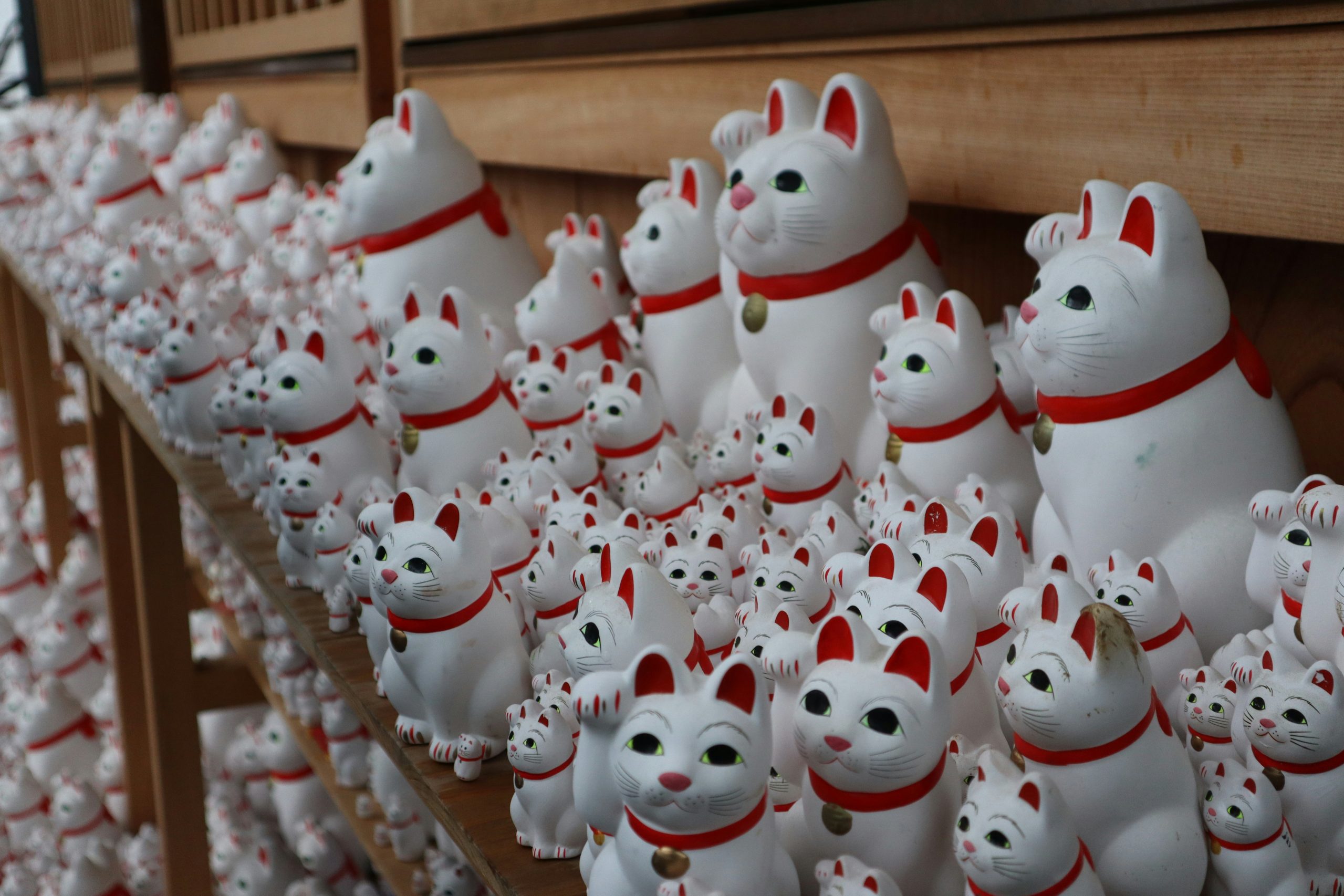
Gotokuji Temple – The Lucky Cat Temple of Setagaya
Nestled in a peaceful Setagaya neighborhood, Gotokuji Temple is a sanctuary famed for its hundreds of maneki-neko (beckoning cat) statues. According to legend, this Buddhist temple is the birthplace of Japan’s lucky cat charm – a cat here supposedly saved a feudal lord from a storm, inspiring the iconic raised-paw cat figurines. As you wander the grounds, you’ll see countless white cat statues of all sizes sitting around the shrine, creating a whimsical and utterly Tokyo scene. Despite its growing fame, Gotokuji retains a calm, local atmosphere – a welcome break from the city’s bustle. It’s especially photogenic on a sunny day, when sunlight filters through the trees onto a sea of cheerful cat statues.
Location
Setagaya ward, west of central Tokyo (about 15 km from Tokyo Station). The temple is tucked in a suburban residential area, offering a glimpse of everyday Tokyo life around it.
How To Get There
From Shinjuku Station, take the Odakyu Line (Odawara line) about 30 minutes to Gotokuji Station, then walk 5 minutes to the temple. Alternatively, take the charming Setagaya Tram Line (one of Tokyo’s last street trams) to Miyanosaka Station, which is just around the corner from Gotokuji. The temple entrance is unassuming – look for the pagoda and cats as you approach.
Things To Do
Explore the main hall and pagoda, then visit the cat statue display area – bring a camera for this one-of-a-kind sight. You can even buy your own maneki-neko figurine at the temple office to place as an offering or take home as a souvenir. Don’t miss the little shop selling cat-themed ema (wish plaques) and charms. Stroll around the tranquil neighborhood after; there’s a retro tram crossing nearby with cat motifs on the tram cars!
Best Time To Visit
Any time of year is great. Mornings on weekdays are extra peaceful with soft light for photography. In autumn, the temple’s small garden has pretty foliage that adds color to the scene. Avoid major Japanese holidays when locals might visit en masse.
Budget Tip
Entrance is free and the temple is open from around 6am to 6pm. If you’re coming from central Tokyo, save money with a Tokyo public transit day pass or use an IC card (Suica/Pasmo) for convenient, discounted fares. Also, exploring the area on foot or by tram is a fun and cheap way to spend the day.
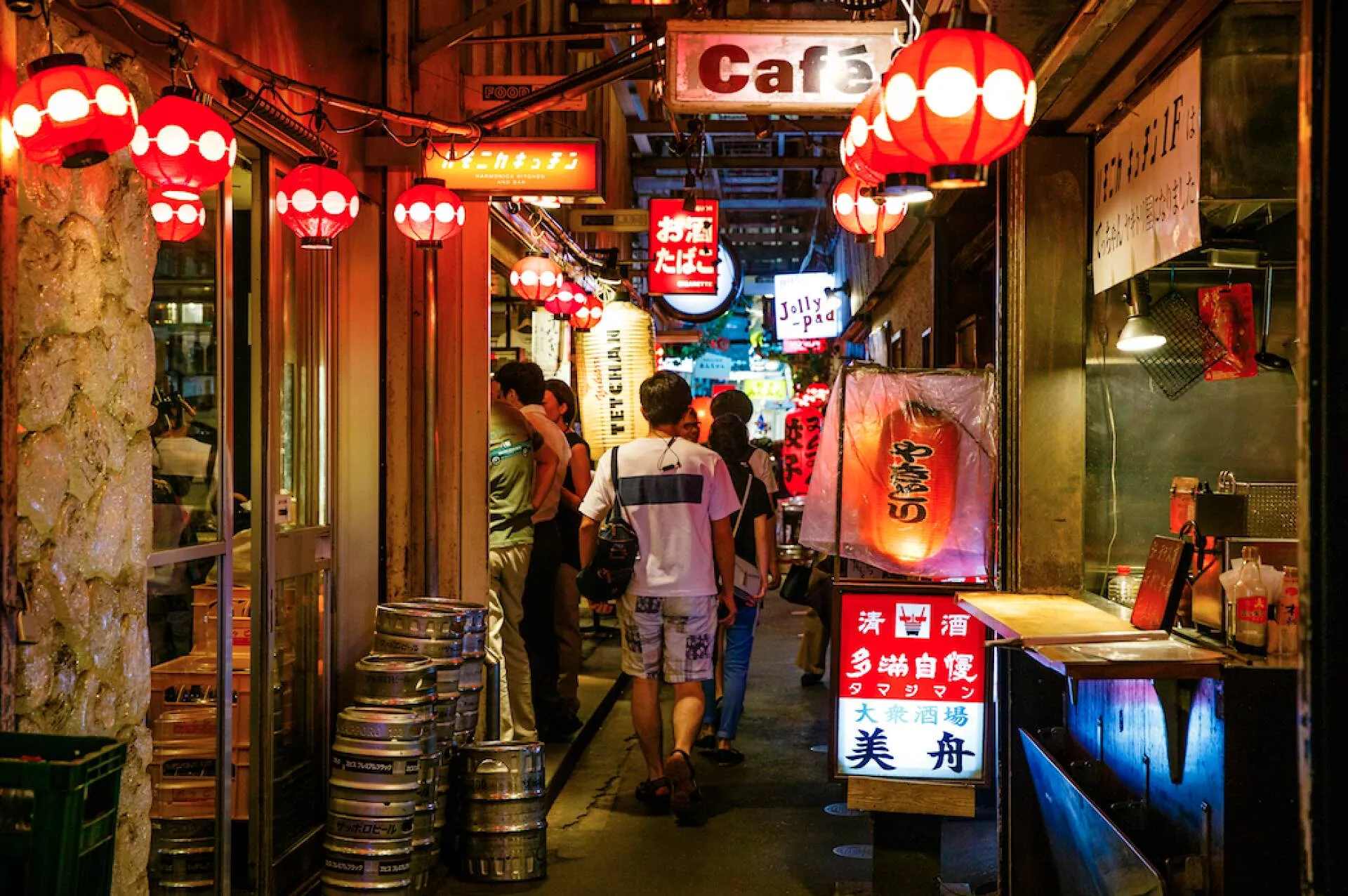
Harmonica Yokocho (Kichijoji) – Lively Alleyway of Tasty Treasures
In the trendy neighborhood of Kichijoji (just west of central Tokyo), there’s a warren of narrow alleys known as Harmonica Yokocho. This atmospheric arcade dates back to the post-war era and earned its name because the tight cluster of tiny stalls and bars resembles the holes of a harmonica. By day, you’ll find old-fashioned shops selling fruits, snacks, and knick-knacks. But by night, Harmonica Yokocho truly comes alive – packed with tiny bars, izakayas, and food stalls, each brimming with character and local patrons. Lanterns glow overhead, the smell of grilled yakitori fills the air, and you can hear laughter and clinking glasses from the closet-sized taverns. It’s a local nightlife gem where you can hop from one mini-bar to the next, rubbing shoulders (literally) with Tokyoites.
Location
Kichijoji (Tokyo’s Musashino City area), just outside Kichijoji Station (north exit). It’s around 20 minutes by train from Shinjuku on the Chuo Line.
How To Get There
From central Tokyo, take the JR Chuo Line or Keio Inokashira Line to Kichijoji Station. Harmonica Yokocho is immediately north of the station’s central exit – a maze of alleys between the bus terminal and Sunroad shopping street. Look for the sign “Harmonica Yokocho” at the entrance, or simply follow your nose toward the smell of street food.
Things To Do
In the evening, wander through the lantern-lit lanes and pop into an izakaya for yakitori (grilled chicken skewers) and a beer or shochu. With dozens of teeny eateries (some seat only 5 or 6 people), you can sample a variety of dishes – try izakayas specializing in tempura, oden (stewed foods), or gyoza. Chat with the friendly owners and patrons; even if you don’t speak Japanese, the atmosphere is convivial and welcoming. During the day, you can visit little shops selling dried fish, spices, or vintage goods. It’s also fun to explore Inokashira Park (south of the station) in the afternoon, then head to Harmonica Yokocho after dark for dinner and drinks.
Best Time To Visit
Evenings year-round are best to experience the buzz – roughly 6pm onward when locals gather after work. In warmer months, the alley gets lively with people spilling out into the lanes. If you prefer a quieter stroll, go around 5pm before the crowd, or at lunchtime when a few eateries serve cheap lunch specials. Kichijoji is especially nice in spring – you can view cherry blossoms in Inokashira Park by day (March–April) and celebrate with drinks in Harmonica Yokocho by night!
Budget Tip
Many spots here are inexpensive, aimed at locals – you can get a few skewers and a drink for under ¥1000 at some stalls. It’s mostly cash-only, so have some yen on hand. If you’re on a tight budget, eat at one of the popular standing bars (tachinomi) where prices are low, or grab street food like takoyaki from a stall. Also, note that some bars may charge a small cover (otōshi) fee that comes with a little appetizer – it’s normal in Japan.
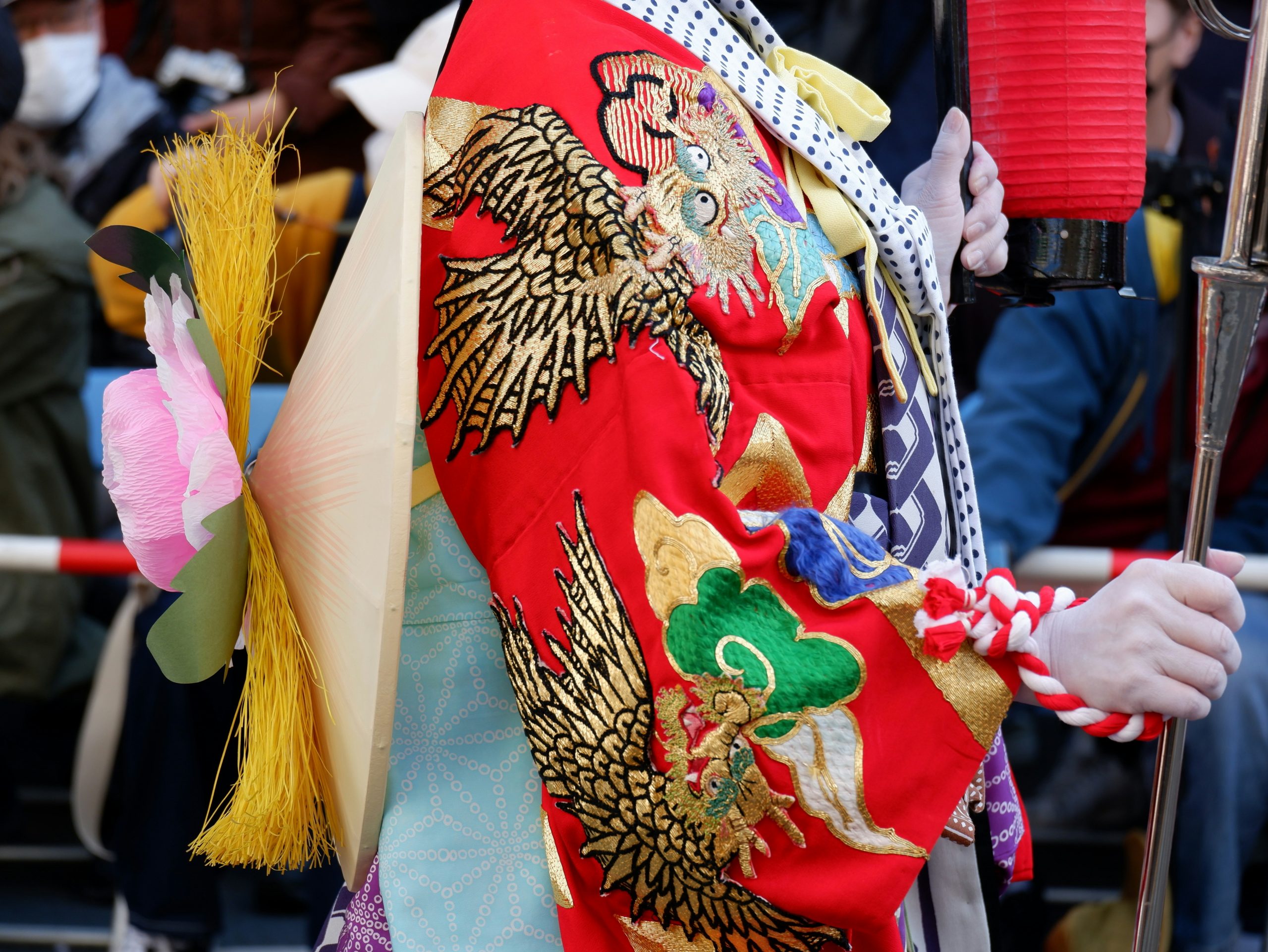
Nippori Textile Town (Fabric Street) – A Crafty Paradise
Tokyo’s hidden gems aren’t all food and shrines – some are perfect for craft lovers and DIY enthusiasts. Nippori Textile Town, also known as Fabric Town, is a one-of-a-kind shopping street lined with dozens of stores selling every fabric and sewing accessory you can imagine. Located in the old shitamachi area of Nippori, this district has been the center of Tokyo’s textile trade for decades. Walking down Nippori’s main fabric street (called Nippori Chuo-dori), you’ll see shops with rolls of vibrant cloth spilling out the door, from traditional kimono silk to modern prints. Even if you’re not into sewing, it’s a fascinating slice of local commerce – and you might pick up a unique souvenir like a beautiful Japanese-print fabric or vintage buttons.
Location
Nippori area in Arakawa ward, near Nippori Station. It’s part of the broader Yanaka/Nippori neighborhood, known for its old Tokyo charm.
How To Get There
Take the JR Yamanote Line (or Keisei line) to Nippori Station. From the station’s east exit, walk about 5 minutes along Nippori Chuo-dori (also marked on maps as “Fabric Town”). The street runs for several blocks, filled with fabric stores. You’ll know you’re there when you start seeing textiles hanging outside shops and large signs advertising cloth by the meter.
Things To Do
Shop for fabrics! Even if you’re just browsing, step into stores like Tomato (one of the largest and most famous fabric outlets) – it has multiple floors of textiles at great prices. You’ll find traditional Japanese fabrics (indigo-dyed cotton, yukata material, silk with sakura patterns) as well as modern designs. Some shops sell specialty items like leather, upholstery material, or kimono remnants. If you’re into crafts, check out shops with yarn, embroidery thread, and patches. Many stores also offer little craft workshops or lessons – if you speak enough Japanese or go with a friend, you might join a simple class to make a small accessory. Don’t forget to pick up some quirky Japanese souvenir fabric (maybe with anime prints or sushi patterns) – they pack light and are cheap gifts.
Best Time To Visit
Weekdays are ideal, as the area caters to professional shoppers and can be less crowded then. Most shops are open from late morning (10 or 11am) until early evening. Avoid Sundays, when many stores close. If you go in spring, combine it with a walk through nearby Yanaka to see cherry blossoms and then hit Fabric Town in the afternoon. In August, some stores may have summer holiday closures – check ahead if possible.
Budget Tip
Prices in Nippori are generally much cheaper than tourist markets – you can find fabric for as low as ¥100 per meter in bargain bins. Look for the multi-story shops’ discount floors. Haggling isn’t common, but buying in bulk might earn a small discount. There are also a few street food vendors and cafés in the area where you can refuel cheaply (don’t miss trying a freshly baked melonpan at a local bakery on nearby Yanaka Ginza street!).
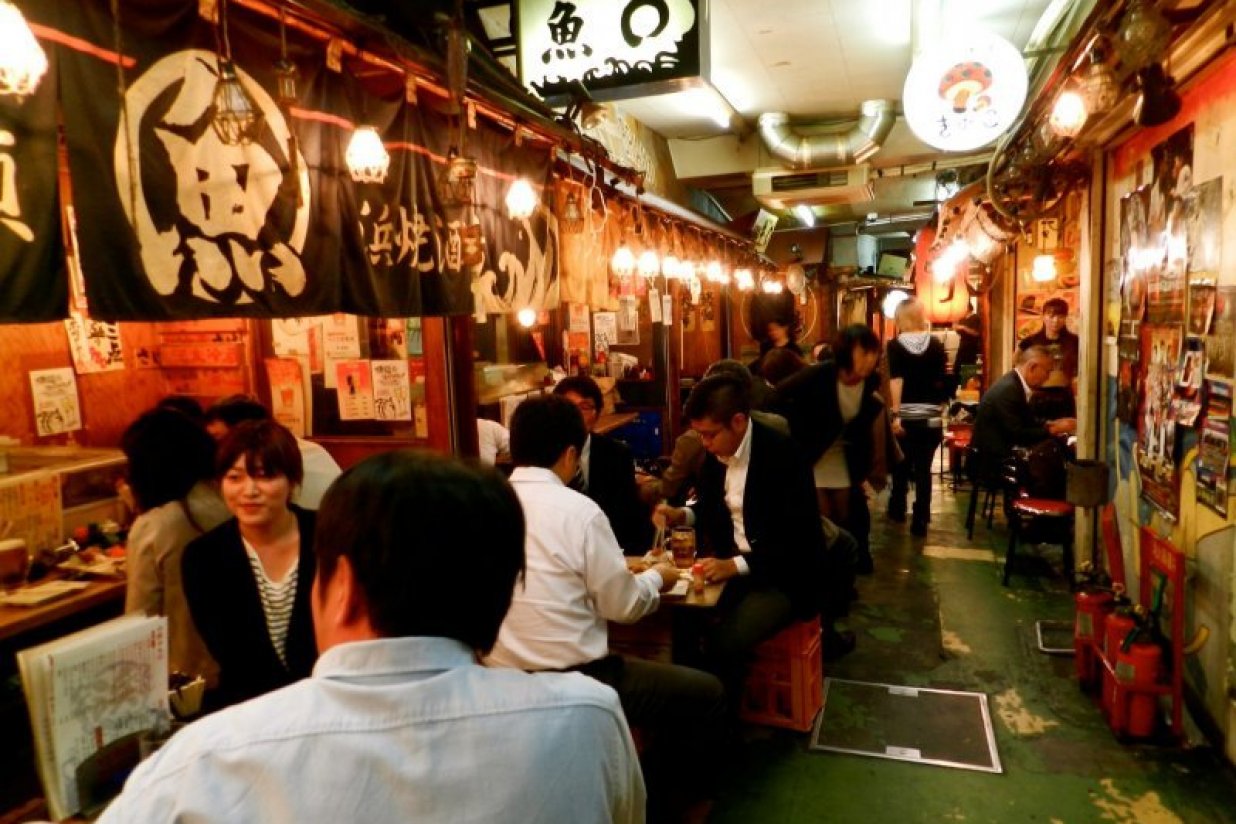
Ebisu Yokocho – Nighttime Bites and Retro Vibes
Tucked away in the upscale Ebisu area is Ebisu Yokocho, a covered alleyway that offers a step back in time – and a feast for foodies. This narrow arcade is crammed with over 20 tiny eateries and bars, each with its own specialty and flair. As you wander in, colorful signs and paper lanterns beckon you to take a seat at counters serving everything from fresh sashimi and sushi to sizzling yakitori and hearty izakaya classics. The vibe is lively and nostalgic, reminiscent of post-war Japan’s street markets but now beloved by in-the-know locals and adventurous visitors. You might squeeze onto a bench next to salarymen, students, and travelers, all enjoying cheap drinks and tasty small plates. The atmosphere is friendly and buzzy – it’s easy to strike up a conversation over a cup of sake. If you want to experience Tokyo’s local drinking culture in a hidden gem setting, Ebisu Yokocho is the place.
Location
Ebisu (Shibuya ward), a short walk from Ebisu Station (JR Yamanote Line or Hibiya Metro Line). It’s situated under an old apartment building just east of the station.
How To Get There
From Ebisu Station’s east exit, walk about 3 minutes towards Ebisu’s bar area. Ebisu Yokocho’s entrance is on a side street (look for a red neon sign and lots of lanterns). The address is 1-7-4 Ebisu, Shibuya-ku. It can be a little tricky to spot at first – it’s essentially an indoor alley with noren curtains at the entrance. If you see the British Pub “What the Dickens” on the second floor above, you’re right near the entrance to Yokocho on ground level.
Things To Do
Eat and drink! Hop between several stalls to get a taste of different specialties. Start with yakitori skewers or grilled seafood at one stall, then slide over to another for oden (a comforting stew) or maybe a bowl of beef tendon stew. Don’t miss trying Ebisu’s local brews or some sake/shochu – the vendors often have recommendations. Some popular spots include a gyoza stand, a craft beer tiny bar, and a famous maguro (tuna) shop for sashimi. Part of the fun is the izakaya crawl experience. The hallways are narrow, but that adds to the charm as you shuffle from one eatery to the next. Cap off the night with Taiyaki (fish-shaped sweet cakes) from a stall if available, or join locals in a rousing kanpai (cheers) at a standing bar.
Best Time To Visit
Evenings are a must – the yokocho opens around 5:00pm and goes till late (past midnight for many stalls). It really gets going after 7pm. If you want a seat without waiting, go early (around opening) on a weekday. Weekends can be packed, but that can also be fun if you don’t mind the cozy squeeze. There’s no bad season, but it’s especially fun in winter when the warm food and drink provide a nice contrast to the chilly air (and some stalls put out space heaters or kotatsu tables).
Budget Tip
Ebisu Yokocho is relatively affordable given the area – many dishes are ¥500–¥800. To save money, do what locals do: order a drink and one small dish at each place, then move on. This way you avoid any table charge beyond the first spot and sample more variety. Also, some stalls have an all-you-can-drink (nomihōdai) for an hour or two – if you’re settling in with friends, this can be cost-effective. Keep cash handy, as most places here are cash-only and very few accept cards.
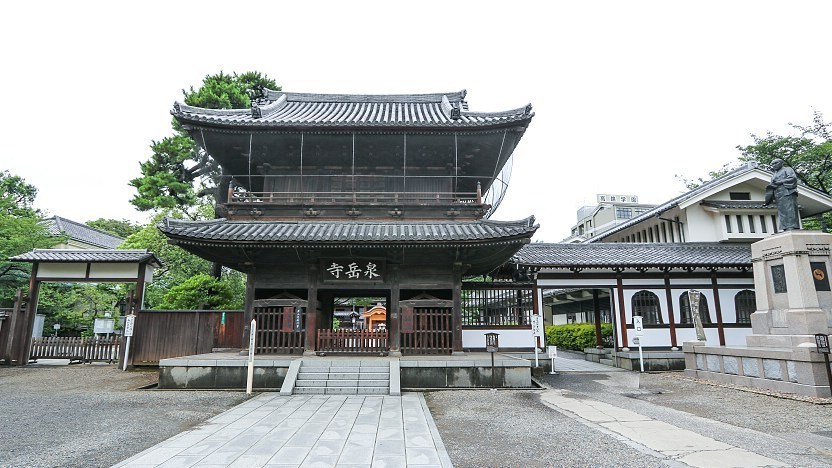
Sengaku-ji Temple – Echoes of the 47 Ronin
In a quiet corner near Shinagawa lies Sengaku-ji, a small temple with a big historical significance. This is the final resting place of the 47 Rōnin – a group of samurai famous in Japanese history for their loyalty and revenge. In the early 18th century, these samurai avenged their lord’s unjust death, then committed seppuku (ritual suicide) and were buried here beside their master. Today, Sengaku-ji is a pilgrimage site for those who know the tale, and it emanates a somber, reverent atmosphere. The temple grounds are unassuming but powerful: you can visit the graves of the 47 Ronin and a small museum that displays artifacts and recounts their story. It’s a hidden gem for history buffs or anyone seeking a moment of reflection away from Tokyo’s frenzy. Walking among the tombstones and burning incense for these legendary warriors connects you directly to a famous Edo-era saga of loyalty and honor.
Location
Takanawa area of Minato ward. The temple is about 300 meters from Sengakuji Station, or a 15-minute walk north of Shinagawa Station.
How To Get There
Take the Toei Asakusa Subway Line to Sengakuji Station (exit A2) – from there it’s a 2-3 minute walk to the temple. You can also walk from Shinagawa Station (JR lines) in about 15 minutes, following signs toward Sengaku-ji. The entrance is marked by a wooden gate and stone path. It’s tucked amid modern buildings, but once inside the grounds, you’ll feel a world away.
Things To Do
Pay respects at the graves of the 47 Ronin – you can purchase a bundle of incense at the entrance for a small fee (perhaps ¥100) to place by the tombs. There are signboards in English detailing the story and listing the names of each samurai. Visit the Sengaku-ji Memorial Museum on site, which contains exhibits like letters, armor, and the well that the ronin used to wash their lord’s severed head (gruesome but true!). The museum charges a small entry fee (~¥500) but provides fascinating context. Don’t miss the statue of Oishi Kuranosuke (the leader of the ronin) on the grounds. If you’re here on December 14th, you’ll witness the annual Ako Gishisai festival, where crowds gather to commemorate the 47 Ronin’s anniversary with ceremonies and folk dances.
Best Time To Visit
Year-round, the temple is usually quiet. It’s mostly outdoors, so a clear day is nicest. If you’re interested in the story, December 14 (anniversary of the Ronin’s revenge) is a special day with events, but it will be crowded with history enthusiasts. In late spring (April–May), the temple’s small garden has blooming trees and the weather is pleasant for sitting and reflecting. Try visiting in the morning for solitude, as tour groups occasionally come in the afternoon.
Budget Tip
Entrance to the temple grounds is free. The museum is optional – if you’re on a budget, you can learn a lot just from the outdoor signs or by reading about the 47 Ronin online beforehand. Combine this trip with a visit to nearby Shinagawa where there are affordable ramen shops and conveyor-belt sushi joints for lunch. Also, the temple is near the Keikyu train line; if you have a Keikyu day pass or are coming from Haneda Airport, it’s an easy and cost-effective stop on your way into central Tokyo.
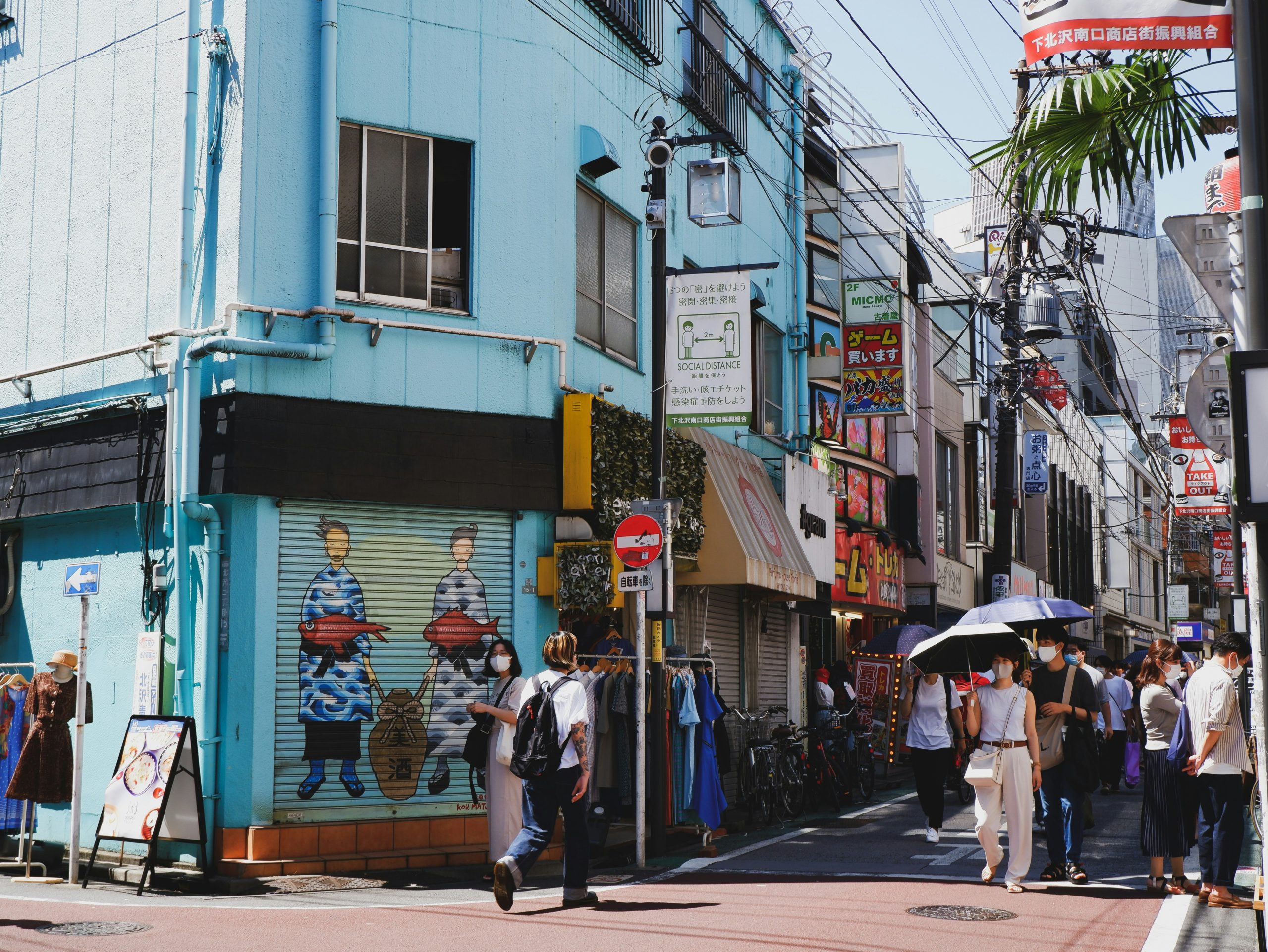
Shimokitazawa – Bohemian Boutiques and Indie Spirit
Trendy, bohemian, and bursting with creativity, Shimokitazawa (or “Shimokita” for short) is a neighborhood that every offbeat traveler will adore. Located just a few stops from Shibuya, Shimokitazawa feels like a different world: its low-rise buildings and maze of narrow streets are filled with vintage clothing stores, indie music venues, art spaces, and cozy cafes. Street art and murals add splashes of color around corners, and there’s always the sound of buskers or band rehearsals in the air. This is Tokyo’s hipster haven, known for its laid-back vibe and youthful energy – a place where you can thrift shop by day and catch live bands or theater performances by night. It’s also a great area to just get lost on purpose, wandering from record shop to coffee shop to little street food stand, soaking up local life. Despite being featured in travel guides, Shimokitazawa remains slightly under the radar compared to Harajuku or Shinjuku, making it a perfect hidden gem to explore a different side of Tokyo’s culture.
Location
Setagaya ward, southwest of Shinjuku. The area radiates out from Shimokitazawa Station.
How To Get There
Take the Keio Inokashira Line from Shibuya (about 7 minutes) or the Odakyu Line from Shinjuku (about 10 minutes) to Shimokitazawa Station. Once you exit, you’re right in the middle of it – there’s no grand avenue, just choose any narrow street and start exploring. The north side of the station has more vintage shops, while the south has more cafes and music venues, but the borders blur.
Things To Do
Go on a vintage treasure hunt – Shimokita is famous for its secondhand clothing stores. Shops like Haight & Ashbury, New York Joe Exchange (a former public bath turned clothing shop), and Flamingo are local institutions for cool retro threads. Browse the record stores (for vinyl lovers) and tiny bookstores tucked in back alleys. Snack as you stroll: popular street foods here include croquettes, crepes, or steamed pork buns from vendors. Daytime, check out some art galleries or the weekend farmers’ market (usually at the reload complex or train line underpasses). By evening, catch a show at a live house – Shimokitazawa has several intimate music venues and small theaters known for rock, jazz, or experimental performances. Even if you don’t see a show, grab a craft beer at a bar or sip coffee at an artsy café and people-watch the fashion-forward locals.
Best Time To Visit
Afternoon through evening is ideal. Many shops open around 11am or noon, so you can arrive after lunch, browse shops, then transition into dinner and nightlife. On weekends, the area is vibrant with local shoppers and events (sometimes there are street festivals or flea markets). It can get quite busy on weekends, but that adds energy. Weekdays are quieter if you prefer that. Season-wise, Shimokitazawa is lovely in autumn, when the weather is cool – perfect for trying on clothes and walking all day (plus, some streets are adorned with fall leaves). In summer, they often have rooftop or patio events at bars (though it’s more humid).
Budget Tip
You can enjoy Shimokita cheaply: many vintage stores have sale racks or everything ¥700 days, so you might score a cool jacket or kimono for a few bucks. Food-wise, hunt for the small ramen joints or curry shops popular with students – a filling bowl can be under ¥1000. Also, if you’re into music, look for bars with free live music nights (some places only ask you buy one drink). Finally, simply wandering costs nothing – soak up the creative atmosphere, which is a reward in itself.
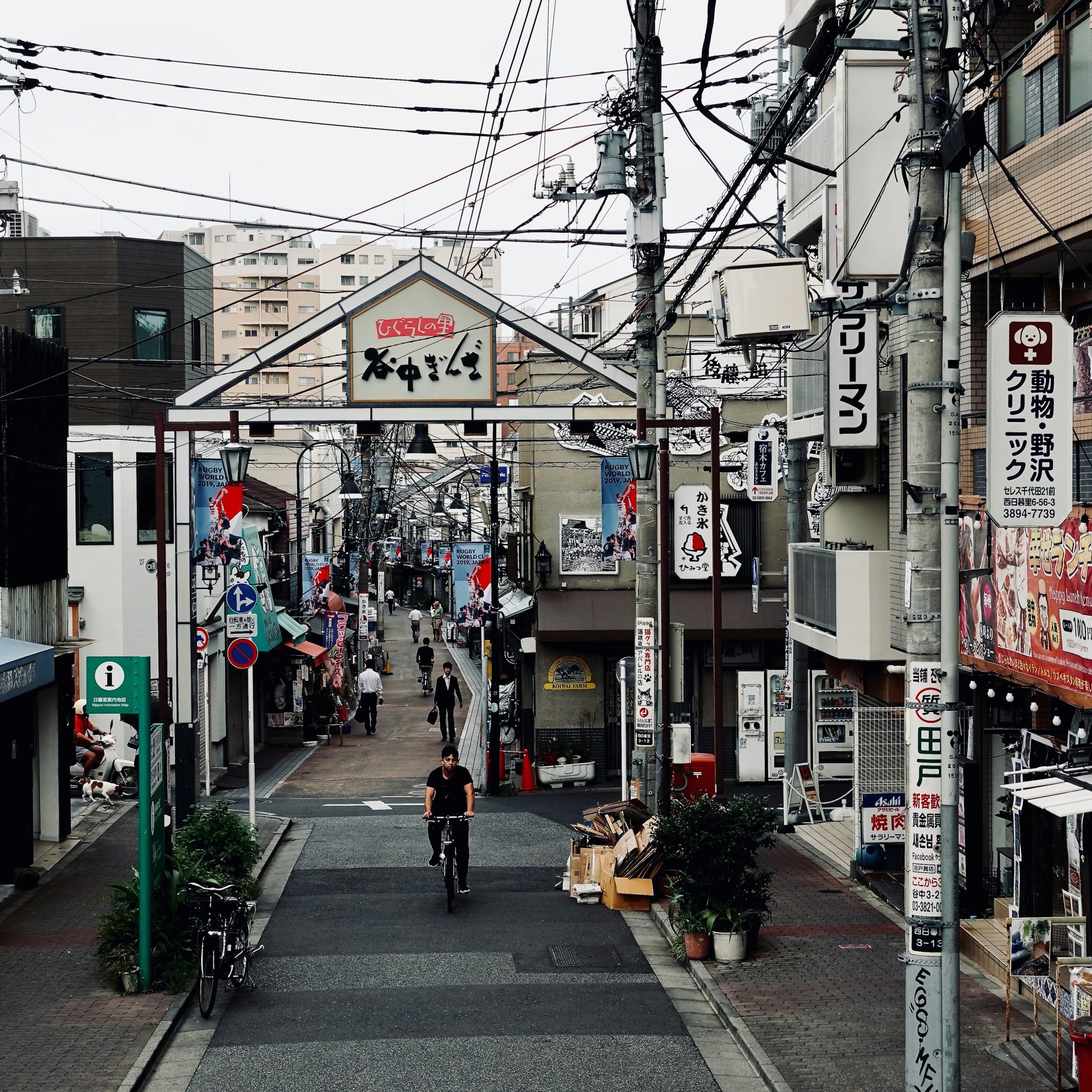
Yanaka Ginza & Nezu Shrine – Old Tokyo Charm and Quiet Tradition
For a taste of Tokyo’s bygone days, head to Yanaka – a neighborhood that survived the war and retains the feel of the Showa era (mid-20th century). The heart of this area is Yanaka Ginza, a short pedestrian shopping street lined with traditional sweet shops, tea vendors, crafty boutiques, and street food stalls. As you stroll down the gentle slope of Yanaka Ginza, you might spot grandma-owned stores selling tofu or freshly fried menchi-katsu (juicy meat croquettes) that draw local crowds each afternoon. The pace here is slower, cats lounge on shop roofs, and prices are easy on the wallet. Just nearby, you’ll find Nezu Shrine, a wonderfully peaceful Shinto shrine famous for its tunnel of red torii gates and spring azalea garden. Together, Yanaka and Nezu (often combined with Sendagi under the nickname “Yanesen”) showcase old Tokyo charm – a hidden gem area where you can step back in time and breathe easy away from the high-rises. It’s also known for a large cemetery (Yanaka Cemetery) that’s beautiful during cherry blossom season.
Location
Northeast Tokyo, in Taito City, not far from Ueno. Yanaka Ginza is about a 5-minute walk from Nippori Station or Sendagi Station; Nezu Shrine is about 10 minutes from Yanaka Ginza on foot (or 5 minutes from Nezu Station).
How To Get There
Take the JR Yamanote Line or Keisei Line to Nippori Station and walk west to reach Yanaka Ginza (follow signs or ask for “Yanaka Ginza shotengai”). Alternatively, take the Chiyoda Metro Line to Sendagi Station (for Yanaka) or Nezu Station (for Nezu Shrine). The area is best explored on foot – you can make a loop: Start at Yanaka Ginza, wander through the side streets of Yanaka (perhaps through the Yanaka Cemetery), then head to Nezu Shrine. All are within about 1 km.
Things To Do
On Yanaka Ginza, try the famous menchi-katsu from Niku-no-Suzuki (a breaded fried meat patty that’s crispy, hot, and delicious – often a line forms, but it’s worth it). Grab a taiyaki (fish-shaped sweet filled with red bean) or dango (sticky rice dumplings) from a traditional snack shop. Browse the mom-and-pop stores selling handmade pottery, cat-themed trinkets (Yanaka loves cats!), and even retro candy. Climb the steps at the end of the street (Yuyake Dandan) at sunset for a lovely neighborhood view. Next, head to Nezu Shrine, one of Tokyo’s oldest shrines. Walk through its photogenic tunnel of vermillion torii gates (small but charming, like a mini version of Kyoto’s Fushimi Inari). If it’s April, the shrine’s Azalea Festival will be happening – a hillside garden with over 3,000 azalea bushes in full bloom, an absolutely gorgeous sight and lively festival atmosphere. Even outside of spring, the shrine is serene, with koi ponds and traditional buildings. You can also explore Yanaka Cemetery nearby – it’s more cheerful than it sounds, essentially a public park with cherry trees lining the paths (stunning in bloom) and the grave of famous last shogun Tokugawa Yoshinobu.
Best Time To Visit
Spring is magical here – late March to early April for cherry blossoms in Yanaka Cemetery, or mid-April for azaleas at Nezu Shrine. The weather is mild and perfect for strolling. Autumn is also lovely with some fall foliage and a pleasant breeze, and you may catch the Yanaka Matsuri in October, a local festival with food stalls and performances. That said, Yanaka is enjoyable year-round; go in late afternoon to see Yanaka Ginza in golden light and possibly catch sunset at the top of the street. Many shops close by 6-7pm, so earlier is better.
Budget Tip
Yanaka is very budget-friendly: street snacks are just a few hundred yen. Browsing is free, and Nezu Shrine has no admission fee (except a small fee to enter the azalea garden during festival time). If you’re coming from central Tokyo, use a ¥500 Tokyo Metro day pass to cover the Chiyoda Line trip, or simply walk from Ueno to save money and see more sights. There are also a couple of guesthouses/hostels in the Yanaka area – staying in this hood can be cheaper than downtown and gives you a truly local experience (check Hostelworld for options, as always).
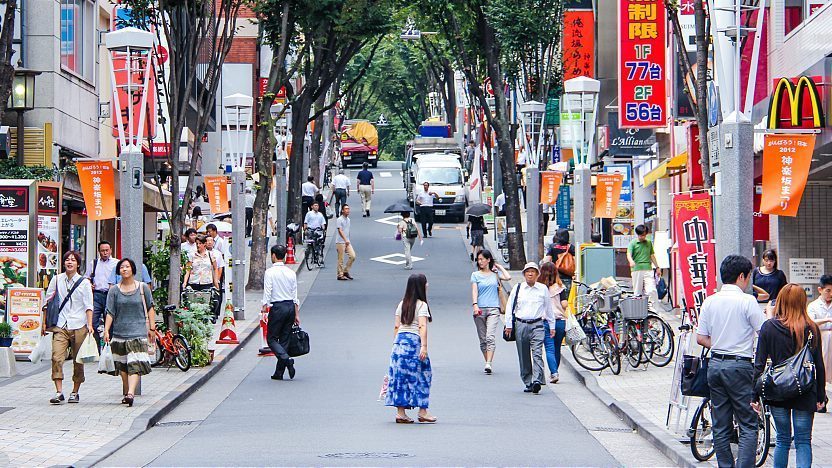
Kagurazaka – The Old Geisha District with a French Twist
Just a short walk from the Imperial Palace area lies Kagurazaka, a sloping neighborhood that marries traditional Japanese charm with a touch of Parisian flair. Once known as Tokyo’s geisha district in the Edo period, Kagurazaka today is an alluring mix of narrow cobbled lanes, hidden temples, and chic eateries. By day, you might see traces of the past – a geisha or maiko scurrying to an appointment, or an old ryotei (traditional restaurant) behind a discreet wooden door. By night, the area twinkles with lanterns and the clink of dishes from excellent restaurants (Kagurazaka is foodie heaven, boasting everything from sushi counters to French bistros thanks to a sizable French expatriate community). This neighborhood invites you to wander slowly: discover tucked-away shrines, boutiques selling kimono fabric or wagashi sweets, and enjoy the European ambiance blended with Japanese tradition. It’s an off-the-beaten-path delight in the heart of the city, often overlooked by those who stick to Shinjuku or Shibuya.
Location
Centered around Kagurazaka Street (Kagurazaka-dori) between Iidabashi and Waseda in Shinjuku ward.
How To Get There
Take the Tokyo Metro Tozai Line or Toei Oedo Line to Kagurazaka Station, which puts you at the top of the main street. Or take the JR Chuo/Sobu Line or multiple subway lines to Iidabashi Station and walk 5 minutes to the foot of Kagurazaka-dori. The main street runs up a gentle hill; side alleys (especially on the north side) are where the magic happens. Explore the pedestrian alleys like Hyogo Yokocho or Geisha Shindo for the most atmospheric spots.
Things To Do
Stroll Kagurazaka-dori for shopping – you’ll find modern fashion shops next to century-old rice cracker shops. Then duck into the cobblestone lanes: visit Akagi Shrine, a beautiful contemporary-designed Shinto shrine rebuilt by architect Kengo Kuma, blending into the neighborhood. If you’re interested in performing arts, stop by the small Kagurazaka Theater or check if any geisha performances or walking tours are available (there are experiences where you can be entertained by geisha over dinner, though they are pricey). In the evening, consider dining at one of Kagurazaka’s famed restaurants – there’s delicious French-Japanese fusion cuisine here, as well as traditional izakayas. For a quick bite, try Kagurazaka’s street food like taiyaki or get a crepe (a nod to the French influence). Also, keep an eye out for little shops selling kintsugi crafts, washi paper, or artisanal chopsticks – great souvenirs that reflect Japanese craftsmanship.
Best Time To Visit
A lovely time is twilight into evening – arrive around 4pm to wander in daylight, then see the lanterns come on after dark. For a truly special experience, visit during the Kagurazaka Matsuri in late July, which features a Hozuki (ground cherry) market and stunning Awa Odori dance processions through the streets. The festival vibe with dancers, music, and street stalls is electric and showcases Kagurazaka’s community spirit. Spring is also nice for the weather (though Kagurazaka isn’t particularly known for cherry blossoms, it has some blooming trees).
Budget Tip
While Kagurazaka has some high-end dining, you can enjoy it on a budget too. Plenty of casual ramen shops, curry houses, and bakeries line the main street (try the famous bakery “La Boutique de Joël Robuchon” for fancy bread on a budget, or “Gojuban” for tasty street-side steamed buns). Walking around is free, and if you’re there around lunchtime, many upscale restaurants offer affordable lunch sets (¥1000–¥1500) that let you sample their fare for a fraction of dinner price. Also, pop into the traditional sweets shop Kagurazaka Saryo for a matcha parfait or anmitsu dessert – not too pricey and very memorable.
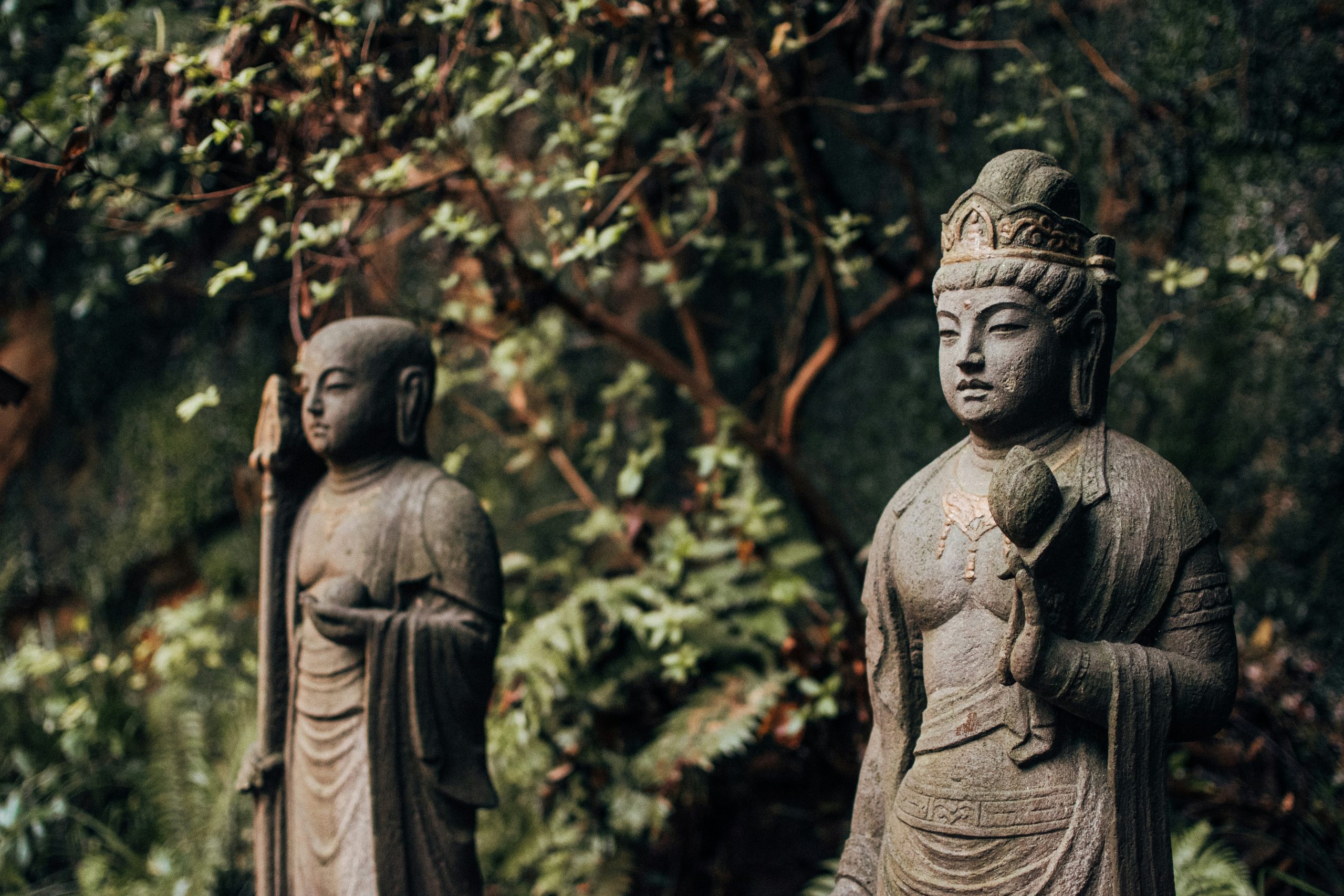
Todoroki Valley – Tokyo’s Secret Nature Escape
Believe it or not, a slice of lush wilderness lies within Tokyo’s city limits. Todoroki Valley (Todoroki Keikoku) is a hidden oasis in the Setagaya area – a narrow, serene gorge carved by the Yazawa River, offering a roughly 1km walking trail that feels worlds away from the metropolis. Shaded by tall trees and filled with the sound of flowing water and chirping birds, Todoroki Valley is a refreshing nature escape where you can literally cool your feet in the stream on a hot day. The path will lead you past small waterfalls, over quaint bridges, and even to a couple of historic sites like a picturesque red arched bridge and the modest Todoroki Fudoson Temple on the hillside. It’s the kind of place you’d never expect in a city of 14 million – truly an unexpected wonder and a favorite local spot for a peaceful walk.
Location
Todoroki, Setagaya ward, in southwestern Tokyo. The valley is tucked in a residential area, running roughly from Todoroki Station to close to the Tama River.
How To Get There
Take the Tokyu Oimachi Line to Todoroki Station (about 20 minutes from Shibuya if you transfer at Jiyugaoka). From Todoroki Station, the valley entrance is a 5-minute walk. Just follow signs or ask a local for “Todoroki Keikoku”; you’ll find a small park entrance that descends into the valley. The trail runs along the stream and ends near a golf course by the Tama River.
Things To Do
Walk the riverside path – it’s about a 20-30 minute leisurely stroll end-to-end. Along the way, enjoy the natural scenery: bamboo groves, ivy-covered rocks, and the sound of the brook. Mid-way, you’ll encounter the Todoroki Fudo Temple staircase. Climb up a few steps to see a small shrine and a lovely Japanese garden area with a waterfall and pond; there’s also a traditional tea house where you can sit for matcha and sweets while gazing at the greenery. Continue on to cross the iconic Golf-bashi Bridge (a red bridge that arches over the valley). There are a few spots with benches to sit and dip your fingers in the water. Keep an eye out for seasonal sights – in early spring, plum blossoms bloom near the temple, and in autumn, the foliage turns golden and red along the valley walls.
Best Time To Visit
Summer is fantastic here because the valley stays a few degrees cooler (shade and water make a natural air conditioner). It’s a popular refuge from the heat for locals. Autumn (November) is also gorgeous with fall colors lining the stream. Spring brings fresh greenery and some blossoms, making it quite picturesque as well. Even winter is pleasant for a brisk walk since Tokyo’s winters are mild – the valley will be quiet and almost exclusively yours in the cooler months. Weekdays or early mornings on weekends are the most tranquil times; afternoons on a nice weekend can see families and couples enjoying the walk, but it never gets as crowded as city parks.
Budget Tip
It’s completely free to enjoy Todoroki Valley. If you’re coming from central Tokyo, use a Pasmo/Suica IC card for the cheapest fare on the Tokyu line (around ¥200 from Shibuya). Consider bringing a snack or bento and having a mini picnic by the stream (just remember to carry out any trash, as there are few bins). There’s a drinking fountain near the temple where you can refill water bottles. After the walk, you might explore the Todoroki neighborhood – it’s residential, but there are a couple of local bakeries and cafes where prices are lower than tourist areas.
Best Hostels In Tokyo
1. Citan Hostel: the best for introverts looking to socialise

📍 nihonbashi
The Citan is ideal for travellers who want to socialise in peace rather than party. Although not your typical ‘youth hostel’, it has a fantastic music bar which is particularly lively on Friday nights, attracting locals and backpackers alike. The hostel café is a great place to chat, work or just people-watch. If you’re a bit of an introvert or looking for a more relaxed way to meet people, the Cita is the perfect balance.
are you a little shy? Check out our tips for making friends in hostels, even if you’re an introvert.
2. UNPLAN Shinjuku – The best for social butterflies

📍 Shinjuku
If you want to meet people every night, UNPLAN Shinjuku is the place to be. This friendly hostel offers evening events – from bar nights to film screenings to walking tours – that make it easy to network with fellow travellers. The bar and lounge have a fun and relaxed atmosphere, and its location in the lively Shinjuku district means the party doesn’t stop at the hostel door.
do you like activities? Check out the hostel’s 13 events where you can meet new people in no time.
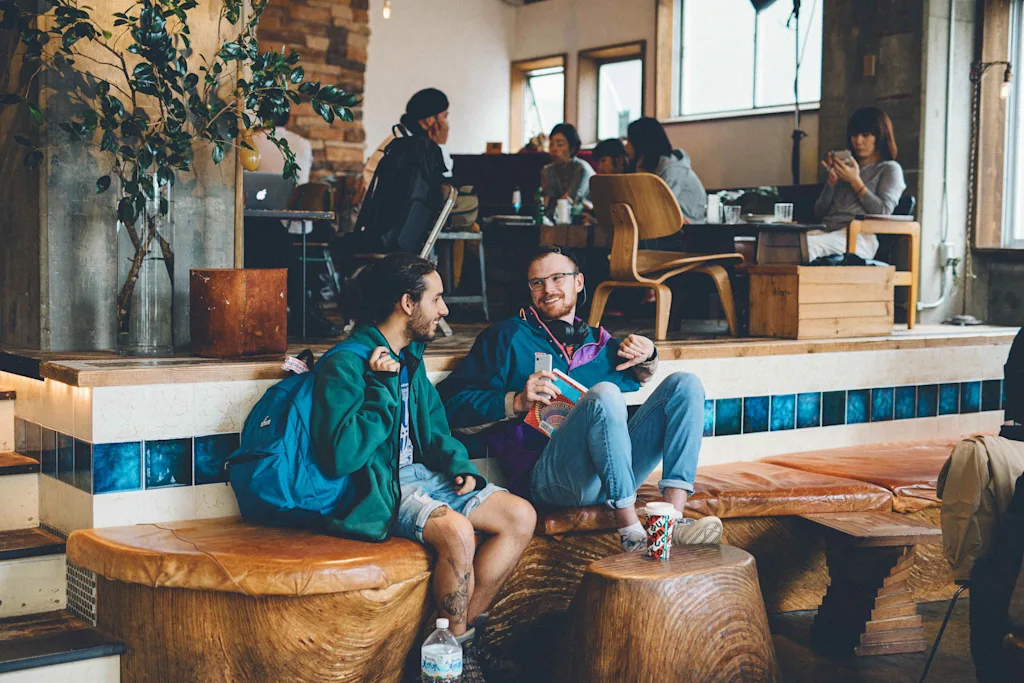
3. Nui. Hostel & Bar Lounge – The best place for coffee and socialising
📍 Kuramae
Nui. Thehostel is for those who want to be sociable without compromising on cosy ambience. The hostel sits above a chic bar-café open to the public, often packed with creatives, digital nomads and curious locals. On the top floor, you’re likely to find a host of tourists chatting, laughing and meeting up for drinks or dinner in the evening. Nui is the ideal place for travellers looking to get close to the authentic Tokyo scene and make meaningful connections.
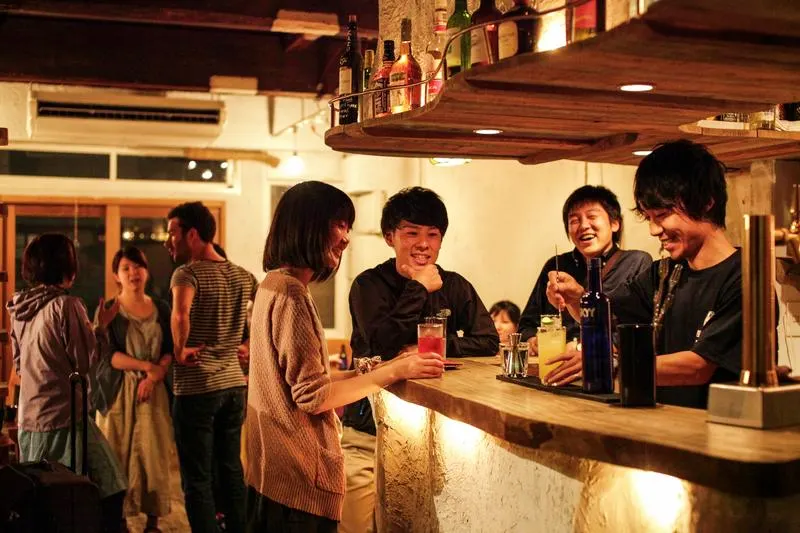
4. Toco Guesthouse – The best warm and communal experience
📍 Iriya
If you’re drawn to honest conversation above the chaos of a hostel bar, Guesthouse Toco is a charming, traditional-style hostel with a warm communal soul. The welcoming kitchen is often the point of contact, and the small bar offers another opportunity to meet other travellers. Guests often comment on how ‘homely’ the atmosphere is, and many find it hard to leave. It’s not a party hostel, but it’s full of human contact.
not used to travelling alone? Here’s how to travel alone without feeling lonely.
5. DEN Guesthouse – Ideal for getting together and playing on the roof terrace

nihonbashi
TheDEN hostel offers the perfect blend of social energy and Tokyo style. With games in the communal areas and an open, friendly atmosphere, it’s easy to strike up a conversation. The rooftop terrace is a highlight, ideal for evening drinks, conversation and city views. Centrally located, comfortable and communal, DEN is the best choice for travellers looking to make new friends without the chaos of a hostel.
want to turn strangers into fellow travellers? These hostel tips for solo travellers will help you make lasting connections.
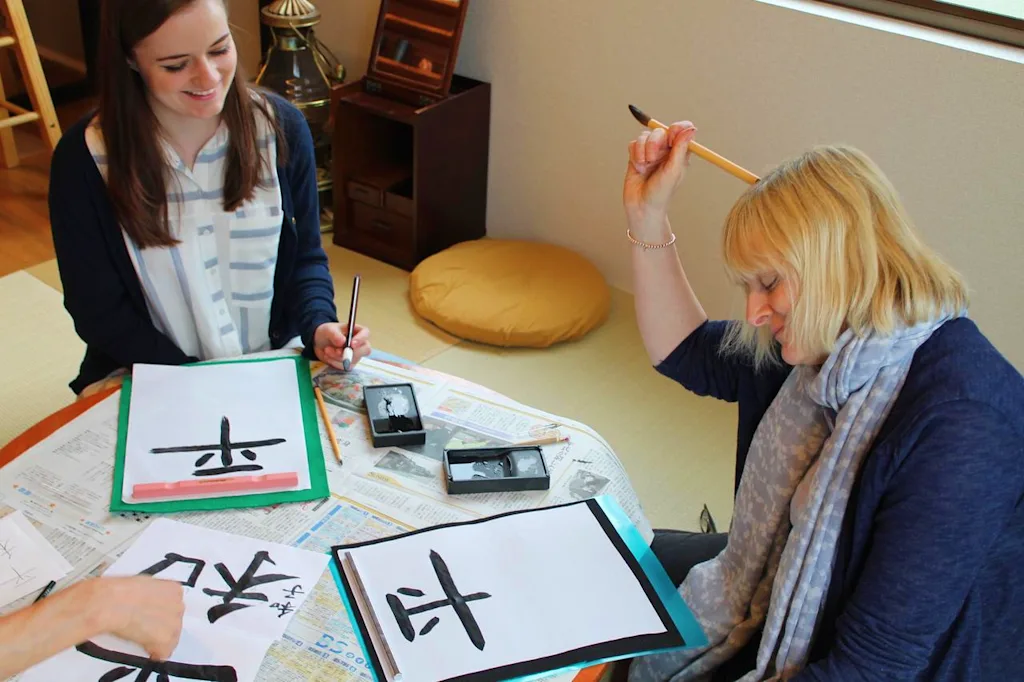
6. GrapeHouse Koenji – Ideal for women travelling alone
📍 Koenji
For women only
For women travelling alone and looking for safety, warmth and community, GrapeHouse Koenji is a hidden gem. This women-only hostel offers a warm and welcoming atmosphere, and guests praise the special energy of the space. It’s not about wild nights, but comfort, support and meaningful connections. Perfect if you want to explore Tokyo and return home each evening to a peaceful and comfortable space.
Embrace Tokyo’s Offbeat Adventures
Tokyo’s famous attractions are incredible, but it’s these hidden gems that often create the fondest memories. By venturing beyond the guidebook highlights, you’ll encounter the city’s true character – from quiet spiritual corners and nostalgic shopping streets to quirky museums and local night spots. Each of these offbeat wonders offers a chance to connect more deeply with Tokyo’s culture, history, and people. So wander down that alley, hop on that neighborhood train, and explore with an open mind. You’ll come away with stories of unexpected shrines, spontaneous conversations over street food, and serene moments in nature – the kinds of experiences that turn a trip into a true adventure. Tokyo is a city that rewards curiosity, so get out there and uncover its secrets!
Happy exploring, and remember: sometimes getting a little lost is the best way to find something extraordinary. 🎌✨
Download the Hostelworld app to start booking now


FAQ: Hidden Gems in Tokyo ⛩️
Are Tokyo’s hidden gems free or budget-friendly to visit?
Generally yes – most hidden gems in Tokyo are either free or very budget-friendly. For example, Todoroki Valley, Yanaka Ginza, Nezu Shrine, Gotokuji Temple, and Sengaku-ji have no entrance fees. Wandering through neighborhoods like Shimokitazawa or Kagurazaka is free unless you’re shopping or dining. Even museums like the Parasitological Museum have free entry. You might spend a bit on snacks, transport, or an occasional small museum fee, but exploring these offbeat spots won’t break the bank.
What is the best time of year to visit Tokyo’s hidden gems?
Each season offers something special. Spring (March–April) is fantastic for cherry blossoms – spots like Yanaka Cemetery are stunning then. Summer is great for lush greenery in places like Todoroki Valley (and for enjoying late-night food alleys like Ebisu Yokocho). Autumn (October–November) brings beautiful foliage, enhancing Todoroki Valley’s colors and making walks comfortable. Winter is quiet and crowd-free; illumination events happen around the city, and cozy alleys like Harmonica Yokocho or bars in Shimokitazawa are inviting in the cold. Overall, spring and autumn have the best weather for walking around, but there’s no bad time – hidden gems can be enjoyed year-round.
How can I find these hidden gem locations – are they hard to access?
Most are quite accessible via Tokyo’s excellent public transport. For example, Gotokuji Temple is a short train ride from Shinjuku (Odakyu Line), Todoroki Valley is near a Tokyu line station, and Yanaka/Nezu can be reached by JR or metro. We’ve noted the nearest stations for each place in the guide above. Often it’s a brief walk from the station to the site. Using Google Maps or a transit app will make it easy. Signs in English may be sparse in some residential areas, but asking friendly locals or station staff for directions (“X wa doko desu ka?” means “Where is X?”) can help. In short, Tokyo’s hidden gems might be tucked away, but they’re usually just a few stops off the main tourist routes.
Is it safe to explore Tokyo’s hidden gems on my own, including at night?
Tokyo is very safe, even by night, and locals are generally helpful. These hidden gem areas are in safe neighborhoods where you’ll often find other people around (local residents, shop owners, etc.). For solo travelers, including women, places like Shimokitazawa, Kagurazaka, or Kichijoji are well-lit and populated into the evening. Common sense precautions apply – e.g. keep an eye on your belongings (petty theft is rare but possible in any big city), and if you’re in a bar or pub area like Harmonica Yokocho or Ebisu Yokocho, drink responsibly and have a plan to get back to your hostel (last trains usually around midnight). If you’re ever unsure, stick to areas where you see other people or ask a staff member (in a shop or station) for assistance. But overall, exploring offbeat spots in Tokyo is remarkably safe, and many visitors cite how comfortable they felt even late at night.
Do I need to know Japanese to enjoy these off-the-beaten-path places?
Not necessarily. While some hidden gems are in local areas with fewer English speakers, you can still manage fine with a bit of preparation and a smile. Many signs in transit are in English. For dining in local eateries, pointing at menu items or pictures works well. Learning a few basic phrases (like hello, thank you, excuse me, and this please) goes a long way in politeness. People in Tokyo are used to visitors and will often try to help even if they speak little English. Carrying a map or having the destination name in Japanese (written or on your phone) is useful if you need to ask directions. In summary, Japanese language skills are a bonus but not required – don’t let lack of Japanese stop you from exploring local spots. Your curiosity and respect will be understood in any language!
What should I wear when visiting temples or hidden shrines in Tokyo?
Tokyo is casual, but for temples and shrines it’s respectful to dress modestly. This means, if possible, avoid super revealing clothing (e.g. very short shorts or tank tops) when visiting places like Sengaku-ji, Nezu Shrine, or Gotokuji. Generally, normal tourist attire (jeans, t-shirts, sneakers) is absolutely fine. You’ll be walking a lot, so comfortable shoes are a must – some hidden gems like Todoroki Valley or Yanaka involve uneven paths or steps. If you visit in spring or autumn, layers are helpful since days can be warm and nights cool. In summer, wear light breathable clothes but maybe carry a scarf/shawl if you plan to go into religious sites (to cover shoulders if needed, and it doubles as sun protection). Also, carry an umbrella or raincoat in wetter months (June or September). In short, wear comfy, weather-appropriate clothes and just be a touch mindful of modesty at sacred sites.
Can I take photos in these hidden gem locations?
For the most part, yes, photography is fine and you’ll get amazing shots. Places like Gotokuji Temple (those endless lucky cats!), Yanaka streets, the torii gates at Nezu Shrine, and the views in Todoroki Valley are very photogenic. Just be respectful: avoid photographing people without permission, especially locals in residential areas or anyone praying at a temple. In small bars or shops (like in Harmonica Yokocho or Ebisu Yokocho), it’s polite to ask the owner if snapping a photo is okay – many will say yes, but some tiny eateries have no-photo policies to respect customers’ privacy. Flash photography is usually a no-no in shrine halls or museums (for example, don’t use flash on artifacts in the Sengaku-ji museum or inside the Parasitological Museum jars). Where photography is prohibited, there will typically be signs (often with an X over a camera icon). When in doubt, ask with a smile and the word “Photo, OK?” – you’ll get the idea from their response. Overall, feel free to capture the memories, just do it considerately.
What hidden gem in Tokyo is best for anime/manga fans?
While Akihabara and Shibuya are on every otaku’s list, a hidden gem for anime/manga lovers is Nakano Broadway. This multi-floor arcade in Nakano (just 5 minutes by train from Shinjuku) is packed with tiny shops selling vintage manga, collectibles, figurines, and old toys – it’s less touristy than Akihabara but a treasure trove for hard-to-find items. Also, the Ghibli Museum in Mitaka is hugely popular (not exactly “hidden” but a must for Ghibli fans – just be sure to reserve tickets in advance). Within our list, Shimokitazawa has some niche record and comic shops that indie fans might love, and Mandarake (a famous used manga/anime chain) has its flagship in Nakano Broadway and a branch in Shibuya. For a true offbeat experience, check out Suginami Animation Museum (free entry) in Ogikubo, which is a small museum about the anime production process. So, while Tokyo has big anime spots, these lesser-known places can be a delight for fans looking for something different.
Which hidden gem neighborhoods are best for a traditional “old Tokyo” feel?
For an old Tokyo (shitamachi) atmosphere, top picks are Yanaka (with Yanaka Ginza shopping street and surrounding alleys that feel frozen in the 1950s) and Shibamata (a bit further out, but a lovely old town with a famous temple and a nostalgic main street featured in classic films). Within our covered gems, Kagurazaka offers traditional charm with its cobblestone lanes and lingering geisha district echoes, and Nippori/Nezu area as mentioned. Asakusa is the classic old Tokyo area (though not exactly hidden, since it’s popular), but if you go a bit east to places like Morishita or Kiyosumi-Shirakawa, you’ll also find old-school Tokyo vibes without many tourists. In summary, head to Yanaka or Shibamata for the purest old-time atmosphere – strolling those streets genuinely feels like stepping back in time.
Are there any nature spots or parks in Tokyo that feel like hidden secrets?
Yes! Todoroki Valley is the prime example inside the 23 wards – a natural stream walk that many visitors have no idea exists. Another hidden nature gem is Kiyosumi Garden (a beautiful traditional landscape garden in east Tokyo, often quiet). Also, Institute for Nature Study in Meguro – it’s a large preserve of untouched forest right in the city, with minimal signage and usually almost empty (small entry fee). If you’re open to going to the western outskirts, Mt. Mitake in Okutama offers lush forests and even a mountain shrine (a great day trip for hiking enthusiasts), and Inokashira Park in Kichijoji is a local favorite with a lake and mini zoo (though can be busy on weekends). Within city central, smaller places like Yoyogi Hachimangu Shrine grounds or Arisugawa Park in Hiroo feel like secret green havens. So, beyond Todoroki, Tokyo has quite a few green retreats – you just have to know where to find them.
How can I incorporate hidden gems into my Tokyo itinerary without missing the famous sights?
A good strategy is to mix and match. For example, spend your morning at a famous sight, and your afternoon in a hidden gem area nearby. After seeing Asakusa’s Senso-ji, you could hop a few stops over to Yanaka/Nezu for a late afternoon stroll. Or after the busy Shibuya Crossing, head to Shimokitazawa or Nakano for the evening. Many hidden gems are near major areas: Gotokuji can be paired with a trip to Shinjuku or Shibuya (since it’s on the Odakyu line from Shinjuku), Kagurazaka is a short walk from the Imperial Palace or Tokyo Dome areas. Also consider dedicating one full “free day” in your plan just to explore an offbeat area without a strict agenda – sometimes wandering in Kagurazaka’s backstreets or through Kichijoji’s park can be a welcome respite between busy sightseeing days. Tokyo’s transport makes it easy to get around, so slotting in a hidden gem is often just an extra 20–30 minutes of travel. The key is to prioritize: decide which famous sights are must-see for you, allocate time for those, then use remaining pockets for these gems. Trust us, the balance of famous and secret will make your trip richer.
Are guided tours available for these hidden gems, or can I do it myself?
Both options are viable. Tokyo does have some guided tours (including walking tours and local guide services) that focus on offbeat neighborhoods – for instance, there are food tours of areas like Sunamachi Ginza or retro Shinjuku, and culture tours in Yanaka or Kagurazaka. These can be great for context if you prefer guidance or are short on time. However, it’s absolutely possible to explore on your own, and many travelers do. This guide provides directions and tips for DIY exploration. If going solo, a smartphone map and perhaps a printed guidebook or saved notes will help. Part of the joy is the serendipity of finding a cute cafe or shrine by yourself. If you’re nervous about language or navigation, a tour for one or two specific areas could be worth it (for example, a local guide might enrich your understanding of the 47 Ronin story at Sengaku-ji or take you to the best food stalls in Harmonica Yokocho). But otherwise, Tokyo is user-friendly – so armed with a Metro pass and curiosity, you can self-guide to all these hidden gems.
What local customs should I be aware of when visiting these offbeat places?
Great question! Even in casual settings, it’s good to be mindful of Japanese customs. At temples and shrines (Gotokuji, Nezu Shrine, Sengaku-ji), remember to be respectful: rinse your hands at the chozuya (water basin) before approaching the shrine, don’t walk through the middle of the torii gate path (walk to the side), and keep your voice low. At Sengaku-ji, many people burn incense at the graves – you can do so too (a small donation for incense is polite) and take a moment of silence. In food alleys and small bars (Harmonica Yokocho, Ebisu Yokocho), note that smoking might be allowed inside some establishments, and you should remove backpacks or large bags so you don’t bump others in tight spaces. Saying “itadakimasu” before eating and “gochisousama” after (even just to the air or to the chef) is a nice gesture of thanks. When shopping in small stores, it’s customary to hand money to the cashier’s tray rather than directly to their hand, and a slight bow when thanking them (“arigatou gozaimasu”) is appreciated. Also, in quiet neighborhoods like Yanaka or Kagurazaka’s backstreets, try not to be too loud, especially at night, as people do live there. Essentially, observe how locals are acting and follow suit – Japan’s emphasis on harmony and respect will guide you well.
Can I use my JR Pass or day passes to reach these hidden spots?
Often, yes. Some hidden gems are on JR lines (e.g., Nippori for Yanaka is JR, Ebisu for Ebisu Yokocho is JR, Meguro for the museum is JR), so a Japan Rail Pass would cover those trips. For others on private lines (Odakyu to Gotokuji, Tokyu to Todoroki, Keio Inokashira to Shimokitazawa, etc.), the JR Pass won’t work, but Tokyo has convenient day passes. If you plan a day hitting multiple spots, a Tokyo Metro 24-hour pass (¥600) or the combo Tokyo Metro & Toei Subway pass (¥900) could save money, since places like Kagurazaka (Tozai Line), Nezu (Chiyoda Line), and Sengaku-ji (Toei Asakusa Line) are metro-accessible. There’s also a Tokunai Pass (JR one-day pass for Tokyo) that could cover JR portions in a day. That said, if you’re only doing one or two train hops, an IC card (Suica/Pasmo) to pay-as-you-go might be simplest. The city isn’t huge cost-wise for transport – typically ¥200-400 per ride – so even out-of-pocket is fine for a couple of trips. Plan your route, see how many different lines, and decide if a day pass is worth it. But definitely utilize your JR Pass for JR lines in Tokyo when you can (e.g., JR to Nippori, JR to Ebisu) – it’s a great way to maximize its value while discovering these gems.
Are hostels available near these hidden gems?
Yes, Tokyo’s hostels are spread out, and you can often find one in or near these cool neighborhoods. For example, in Asakusa/Ueno (which is near Yanaka), there are many hostels and it’s a short train to Yanaka or Nippori. Shimokitazawa and Kichijoji have a couple of boutique hostels that cater to the artsy crowd. Shinjuku area has hostels that would be a quick train to Gotokuji or Kagurazaka. Even in quieter areas like Kagurazaka/Yanesen, there are a few guesthouses. Since the user specifically mentioned Hostelworld, you can use Hostelworld’s site/app to search by neighborhood – for instance, look for hostels in Ueno (for Yanaka), in Setagaya (for Gotokuji or Shimokitazawa), or Shibuya ward (for Ebisu/Shimokita). The great thing is Tokyo’s public transport means you don’t have to stay right next to a hidden gem to visit it easily – anywhere central will do. Many travelers stay around Asakusa, Shinjuku, Shibuya, or Akihabara, and all our listed gems are within 30 minutes by train from those. If you did want to wake up in a quieter local area, you could find hostels in places like Koenji, Nakano, or Nippori that give a more local vibe. In any case, Hostelworld has you covered for finding a budget-friendly place to stay, so you can focus on your adventures by day and have a social, comfy spot to return to at night.


 Get the App.