
First-Timer’s Guide to Tokyo: Day-by-Day Plan
Tokyo is the kind of city that makes you feel like you have walked into a video game and a temple garden at the same time. It is also, despite what everyone warns you before you go, very manageable on a backpacker budget. This first-timer guide to Tokyo day by day plan moves you through the neighbourhoods that actually matter, with realistic prices, free viewpoints and a proper plan for every evening.
Five days is the sweet spot. Long enough to see the icons without sprinting, short enough that train fares do not quietly eat your savings.
So what should you prioritise as a first-timer? Neighbourhood loops instead of landmark hopping. Convenience store breakfasts instead of café ones. And at least one late night squeezed into an alley bar that you will still be talking about two years later.
Here is how the five days break down.
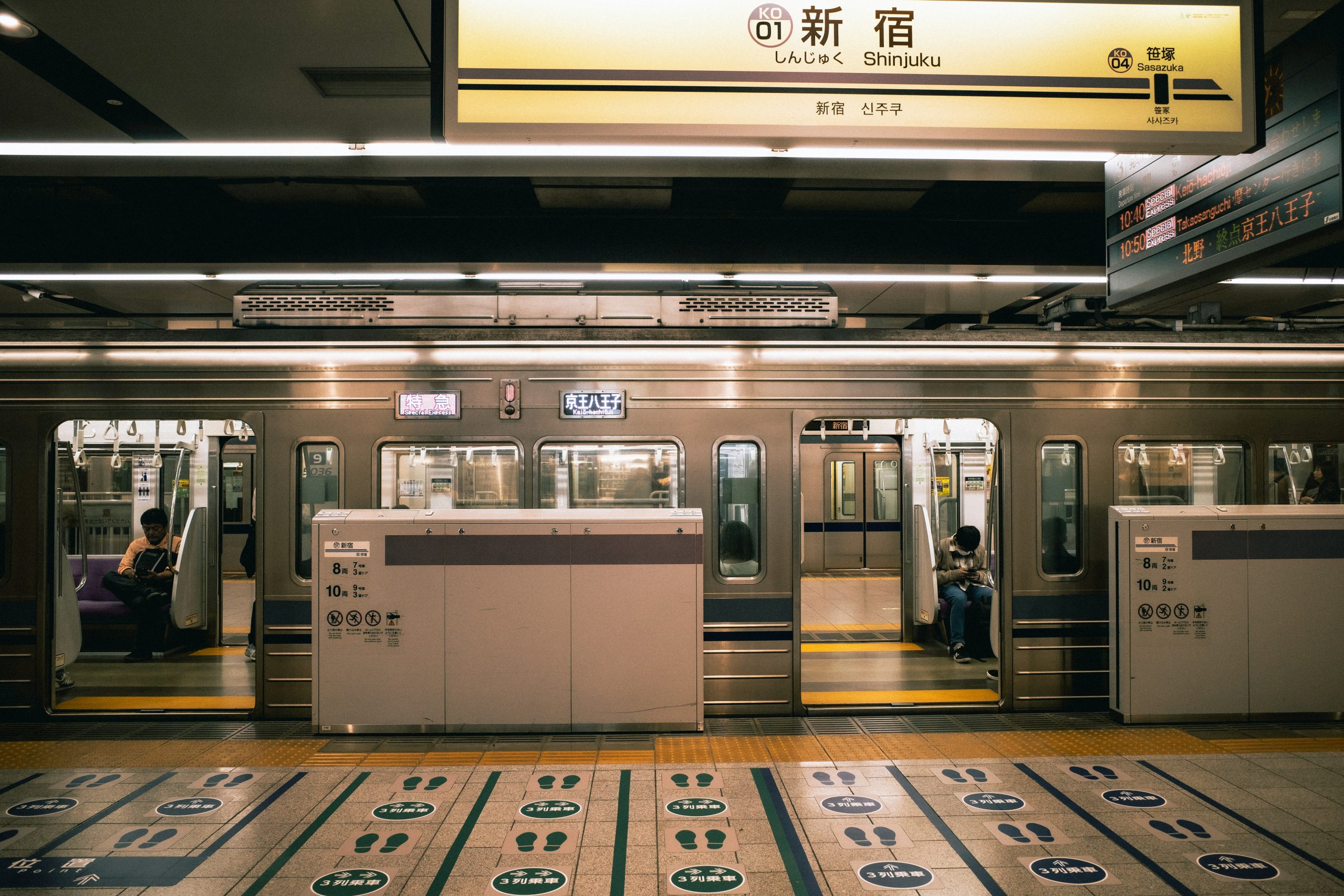
🚇 What do first-timers actually need to know before landing in Tokyo?
Three things separate a smooth first day from a stressful one.
| Essential | Why it matters | First-timer tip |
|---|---|---|
| Suica or PASMO IC card | Tap in and out on almost every train and bus, plus most convenience store tills | Load around ¥3,000 to start. It works out cheaper per journey than paper tickets and saves you decoding fare charts at the gate |
| Izakayas | Japan’s answer to a tapas bar, and the cheapest way to eat and drink properly | Look for picture menus or plastic food models outside. Order a few small plates, no tipping, no rush |
| Depachika | The basement food halls under department stores, stacked with prepared food | Turn up after 7pm for discount stickers on sushi, tempura and bento boxes |
One more thing worth knowing: konbini food is genuinely good. A ¥500 breakfast from 7-Eleven or Lawson is a normal choice, not a sad compromise. Cards work nearly everywhere, but tiny bars and older shops still run on cash, so keep a ¥5,000 note on you.
If you have not sorted a bed yet, browse the full spread of hostels in Tokyo before you lock in your route, because where you sleep shapes which of these days feels easy.
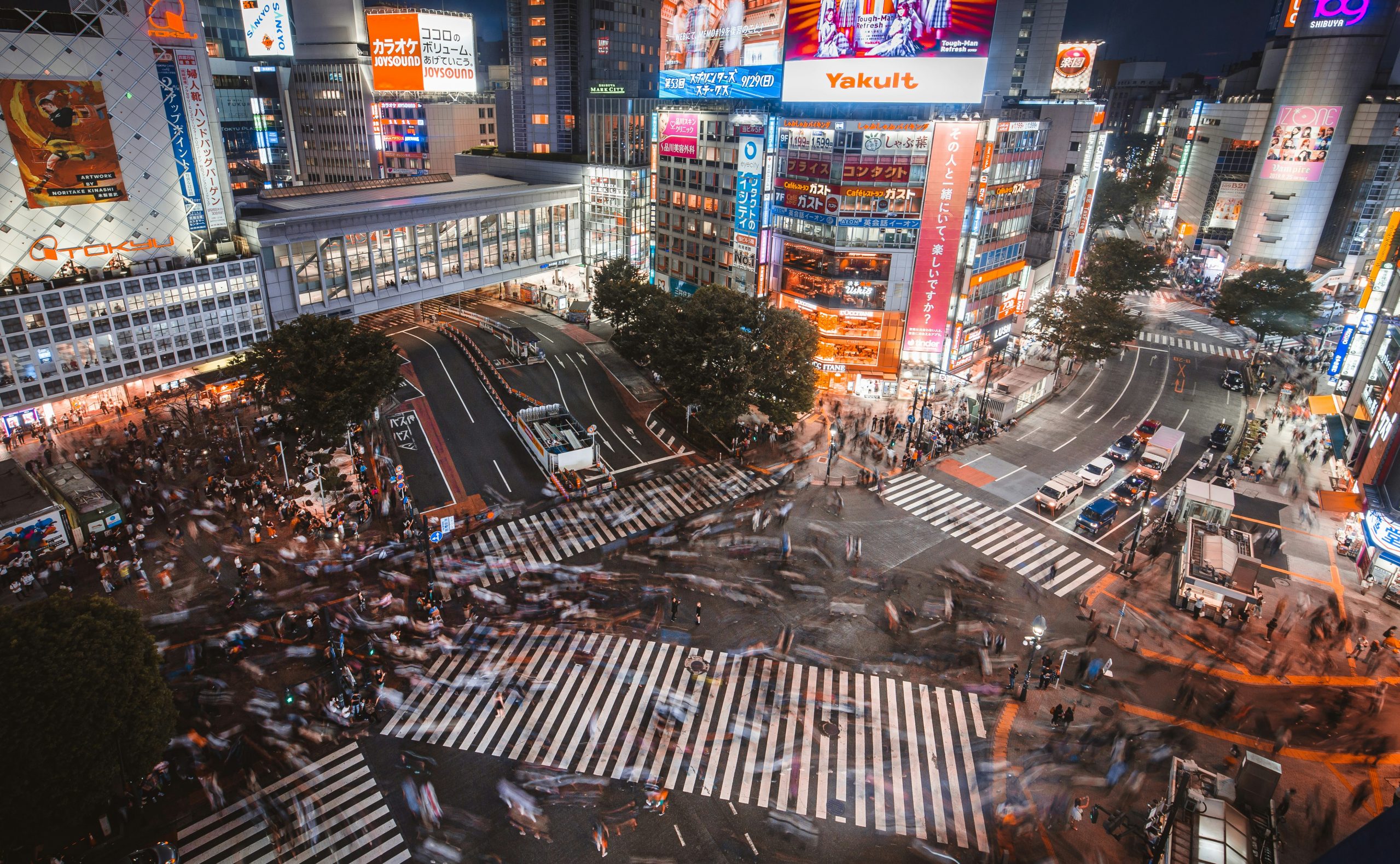
🌆 Day 1: Why is a Shibuya and Harajuku loop the perfect starter day?
Because it hands you the whole personality of the city in one walkable afternoon, and almost all of it is free.
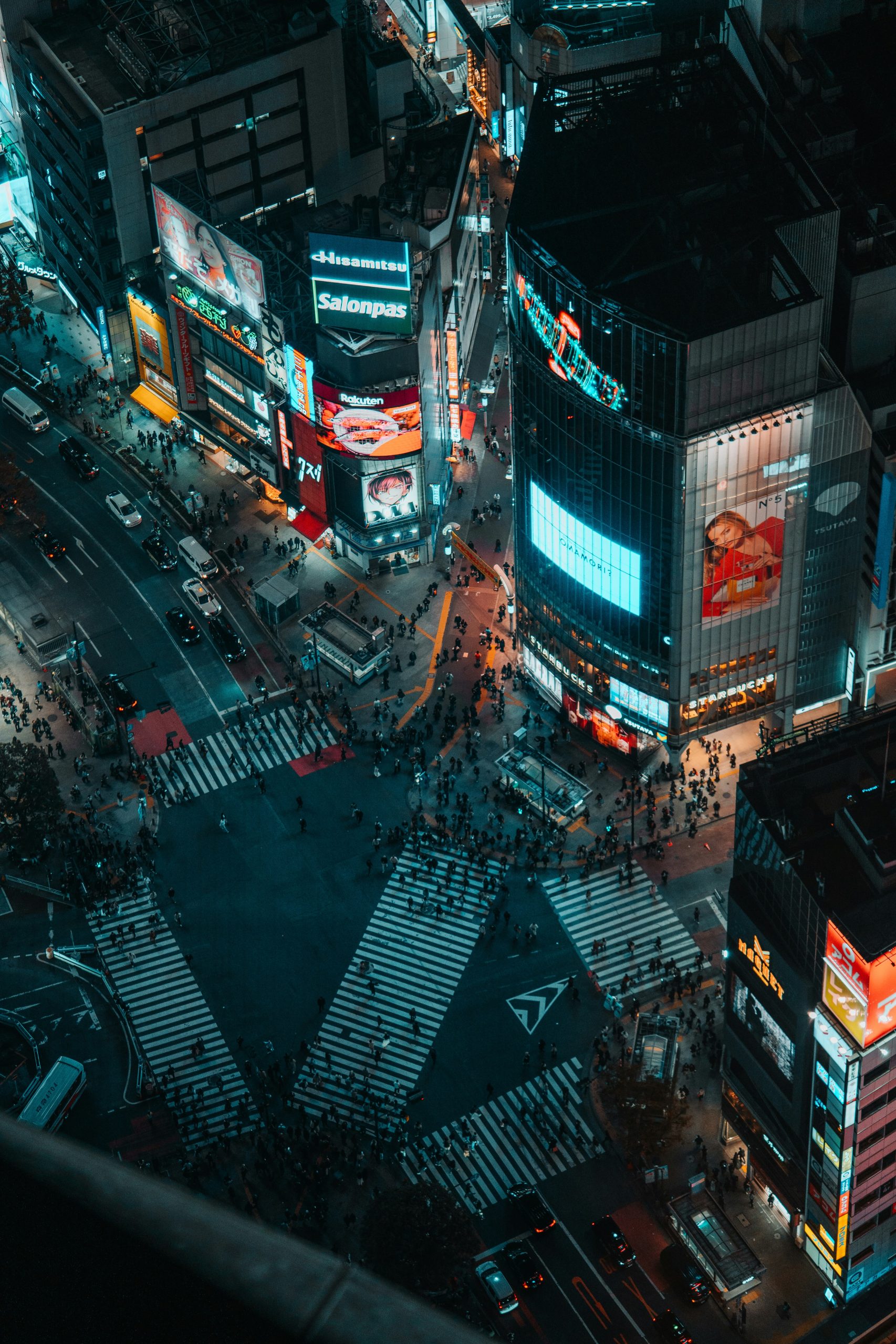
Begin at Shibuya Crossing. Cross it once for the experience, then watch it from the second floor windows of the station complex, which costs nothing and gives you the shot everyone comes for. Say hello to the Hachiko statue, then climb up to Miyashita Park, a rooftop park strip with skate ramps and cheap food stalls underneath.
From there, walk north up Cat Street. It is a slow, low-rise lane of vintage shops and coffee windows that spits you out in Harajuku without you noticing the distance.
Takeshita Street next, loud and chaotic and best done quickly. Then Meiji Shrine, which is free to enter and feels twenty degrees calmer the moment you pass under the wooden torii gate. Finish in Yoyogi Park with a konbini beer and whatever busker has claimed the lawn that evening.
Total spend if you want it to be: the price of dinner.
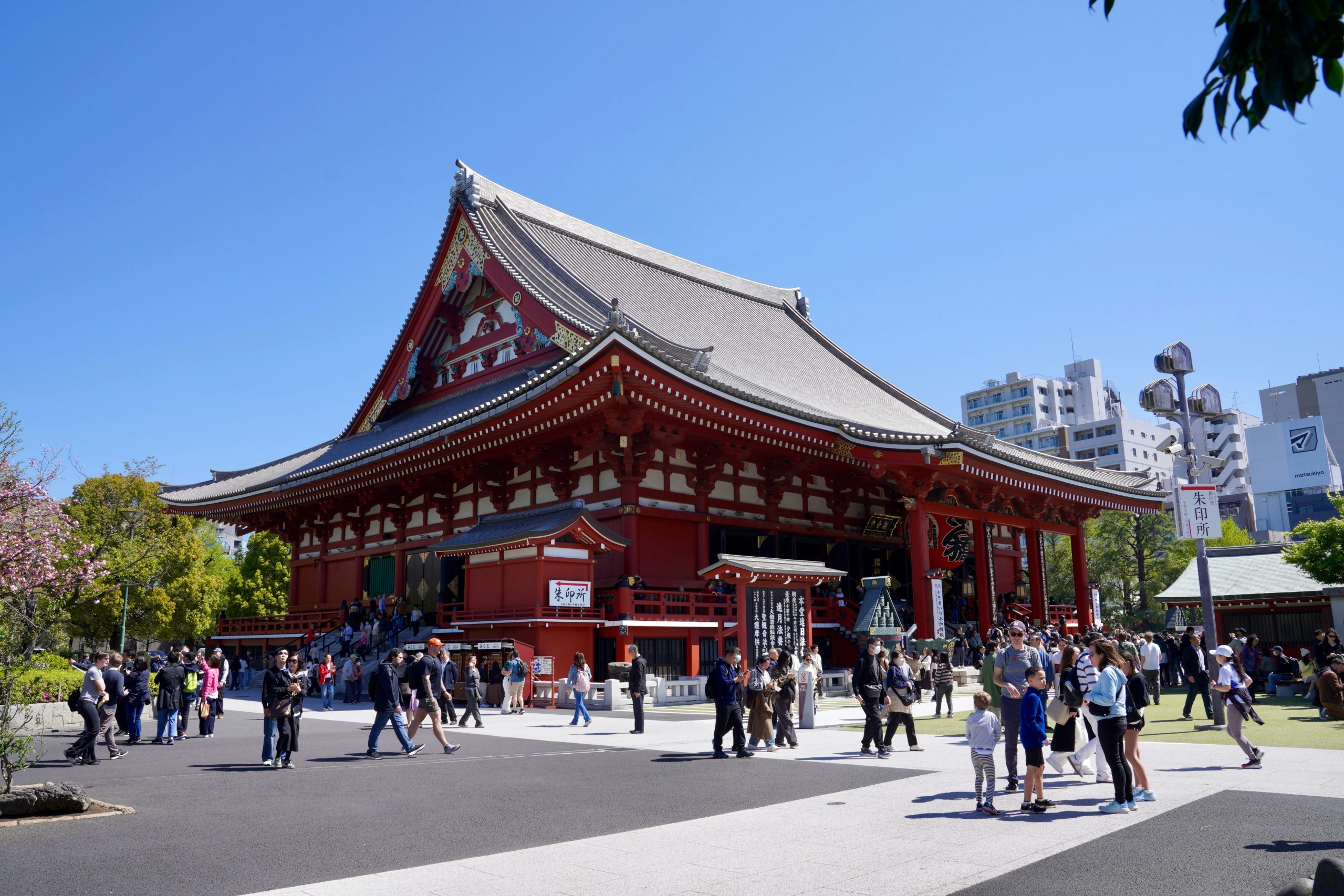
⛩️ Day 2: How do you fit Asakusa, Ueno and Akihabara into one day?
You follow the map, not your instincts. These three sit in a rough line, so the day builds instead of doubling back.
- 8am, Asakusa. Senso-ji is Tokyo’s oldest temple and free to walk. Get there early and Nakamise-dori is almost empty, which is the difference between a nice morning and a shuffling crowd. Grab a melonpan or a grilled rice cracker for breakfast.
- 11am, Ueno. Ueno Park costs nothing, and you can happily lose two hours to the ponds, shrines and street performers without paying a single entrance fee. Then dive into Ameyoko, a scrappy market strip under the train tracks where street food runs a few hundred yen a hit.
- 5pm, Akihabara. Arrive as the signs come on. Arcades are free to browse and cheap to actually play, usually ¥100 a go. Ride the multi-floor electronics shops purely for the spectacle.
- 8pm, dinner. A standing soba counter near Akihabara Station will feed you for around ¥500.
💡 Quick tip: Temples in the morning, neon at night. Tokyo rewards that order every single time.
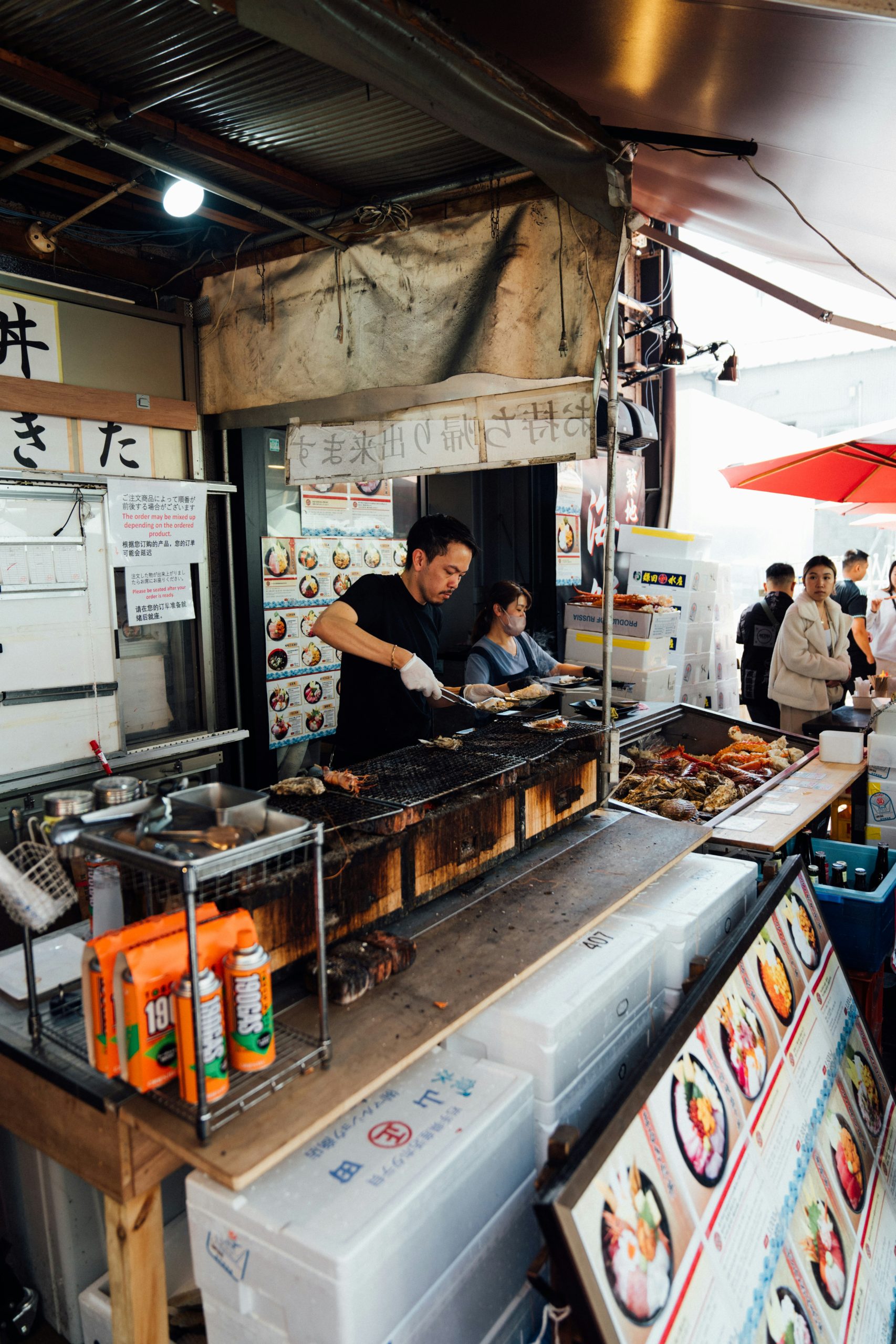
🍣 Day 3: Is Ginza worth it when you are on a budget?
Yes, as long as you treat it as a walk rather than a shopping trip.
Start early at Tsukiji Outer Market. The wholesale auctions moved to Toyosu back in 2018, but the outer market is still very much alive and it is where you eat, not where you watch. Get there before 10am, work your way along the lanes, and build a breakfast out of small things: a tamagoyaki skewer, grilled scallops, a mochi, a bowl of donburi for around ¥1,000. It is one of the best value meals of the whole trip.
Then stroll fifteen minutes north into Ginza, which is glossy, expensive and completely free to look at. Duck into the rooftop garden at Ginza Six for city views without a ticket. The stationery floors at Itoya are a genuinely lovely way to spend an hour and cost you nothing unless you crack.
🥢 Budget note: Ginza restaurants get much cheaper at lunch. The same kitchens that charge ¥6,000 at dinner often do a set lunch for ¥1,200.
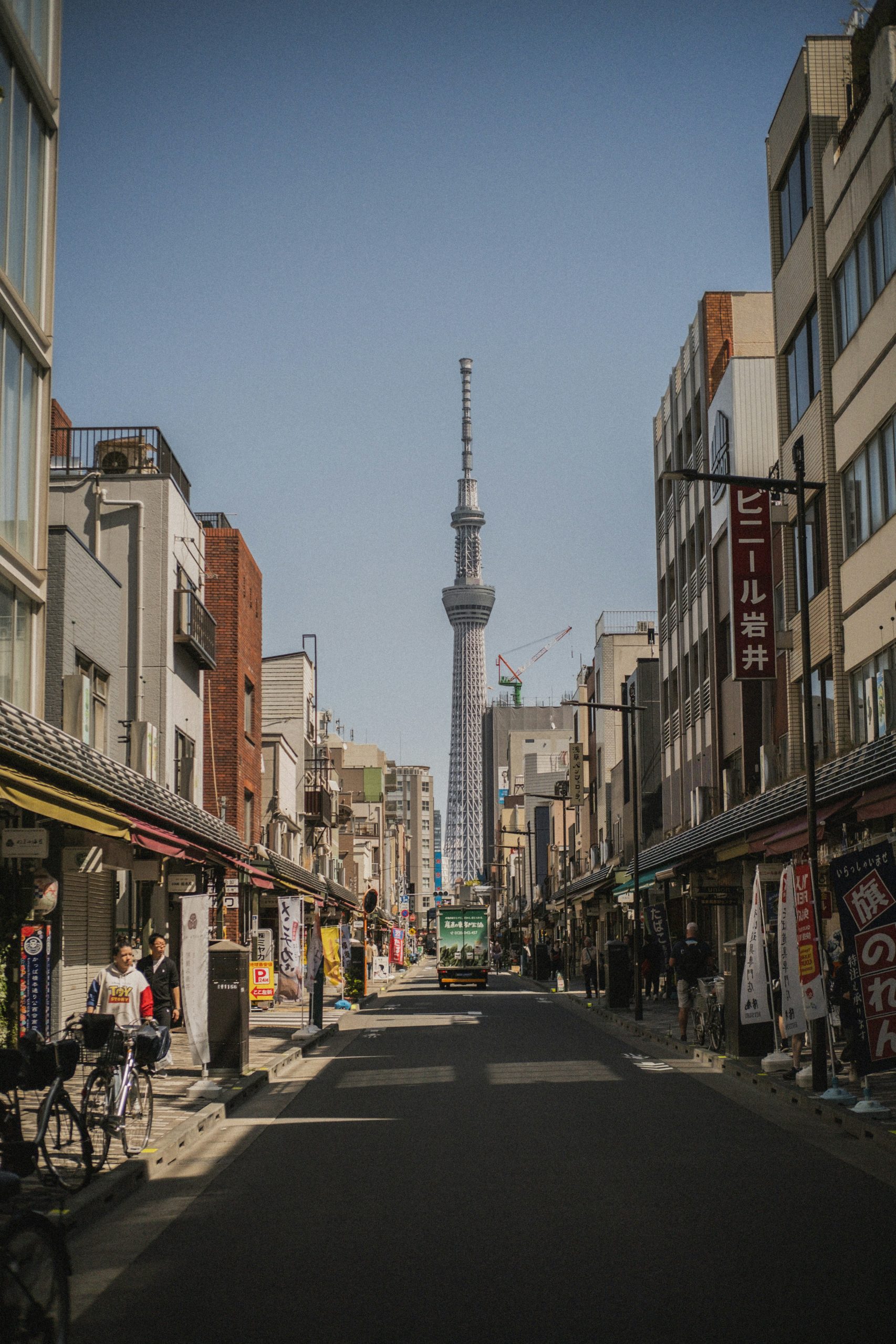
🗼 Day 4: Akihabara deep dive or Tokyo Skytree views?
This is the one flexible day, so pick based on what you actually enjoy rather than what the guidebooks insist on.
| Akihabara deep dive | Tokyo Skytree | |
|---|---|---|
| Cost | ¥1,000 to ¥2,000 if you play and browse | Observation deck tickets start in the ¥2,000s |
| Best for | Retro games, second-hand manga, arcades, absurd vending machines | One clean, enormous view of how far the city sprawls |
| Time needed | A full afternoon and evening | Two to three hours including queues |
| Free alternative | Window shopping is half the fun anyway | Sumida Park gives you Skytree framed by the river for nothing |
Not fully sold on either? A third option quietly beats both on value. The Tokyo Metropolitan Government Building in Shinjuku has a free observation deck more than 200 metres up, with the same skyline and no ticket at all. On clear winter afternoons you can pick out Mount Fuji.
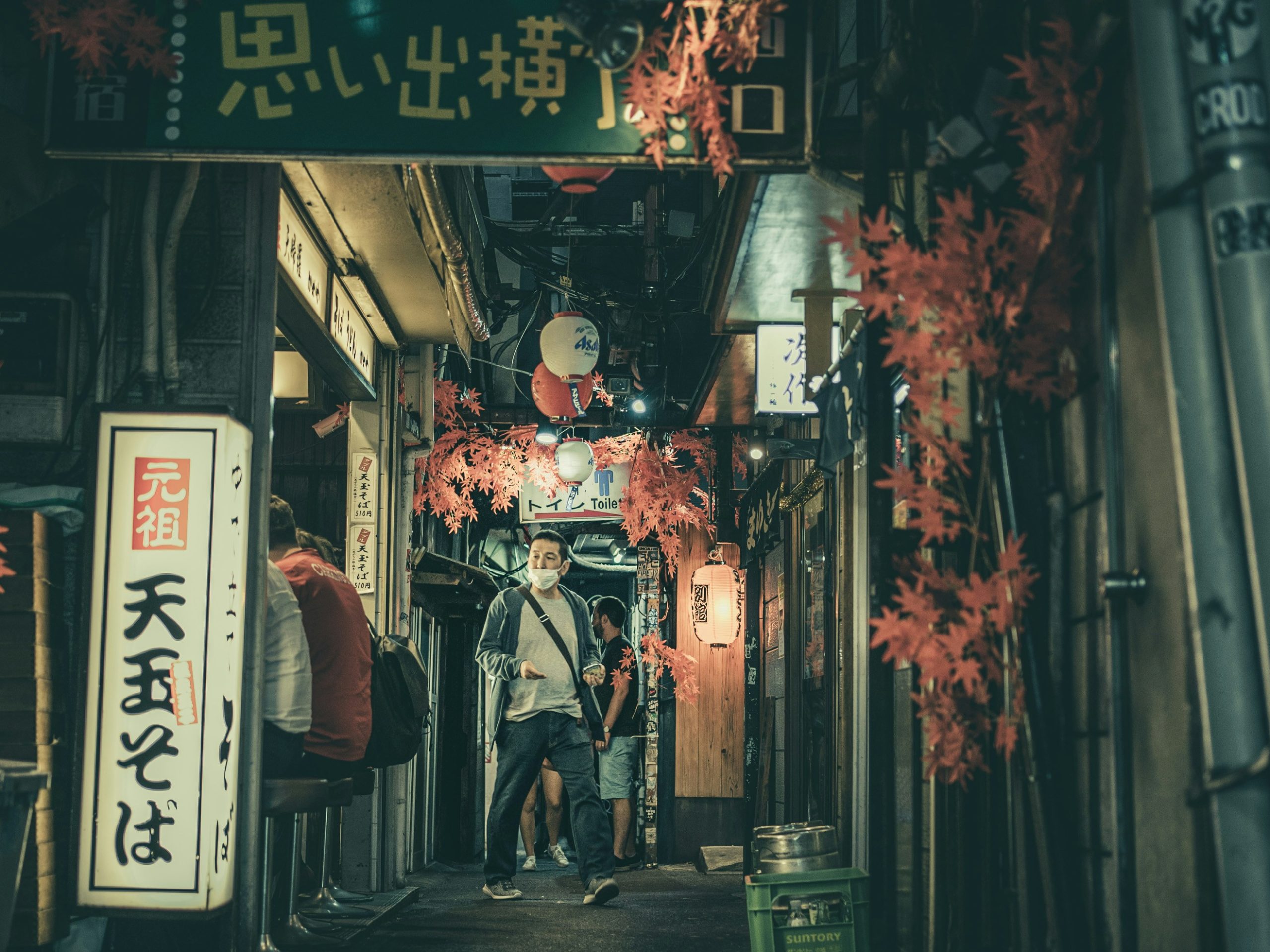
🏮 Day 5: How should you spend your last day in Shinjuku?
Slowly, then loudly.
Spend the afternoon in Shinjuku Gyoen. Entry is around ¥500 and it is worth every yen, a huge landscaped park with Japanese, English and French gardens, and enough space that the city noise genuinely disappears. Bring lunch. Everyone does.
Then wait for dark, because Shinjuku’s west side is a completely different animal after sunset.
Omoide Yokocho is a warren of tiny yakitori counters wedged beside the station, all lanterns and grill smoke and six-seat bars. Skewers run roughly ¥150 to ¥300 each, so a proper feed plus a beer lands around ¥2,000.
Golden Gai is the other one you have heard about: six narrow lanes, more than two hundred bars, most of them fitting fewer people than your dorm room. Just check the door before you sit down, because many charge a seat fee of ¥500 to ¥1,000 on top of drinks. Plenty waive it for tourists, plenty do not, and knowing before you order is the whole trick.
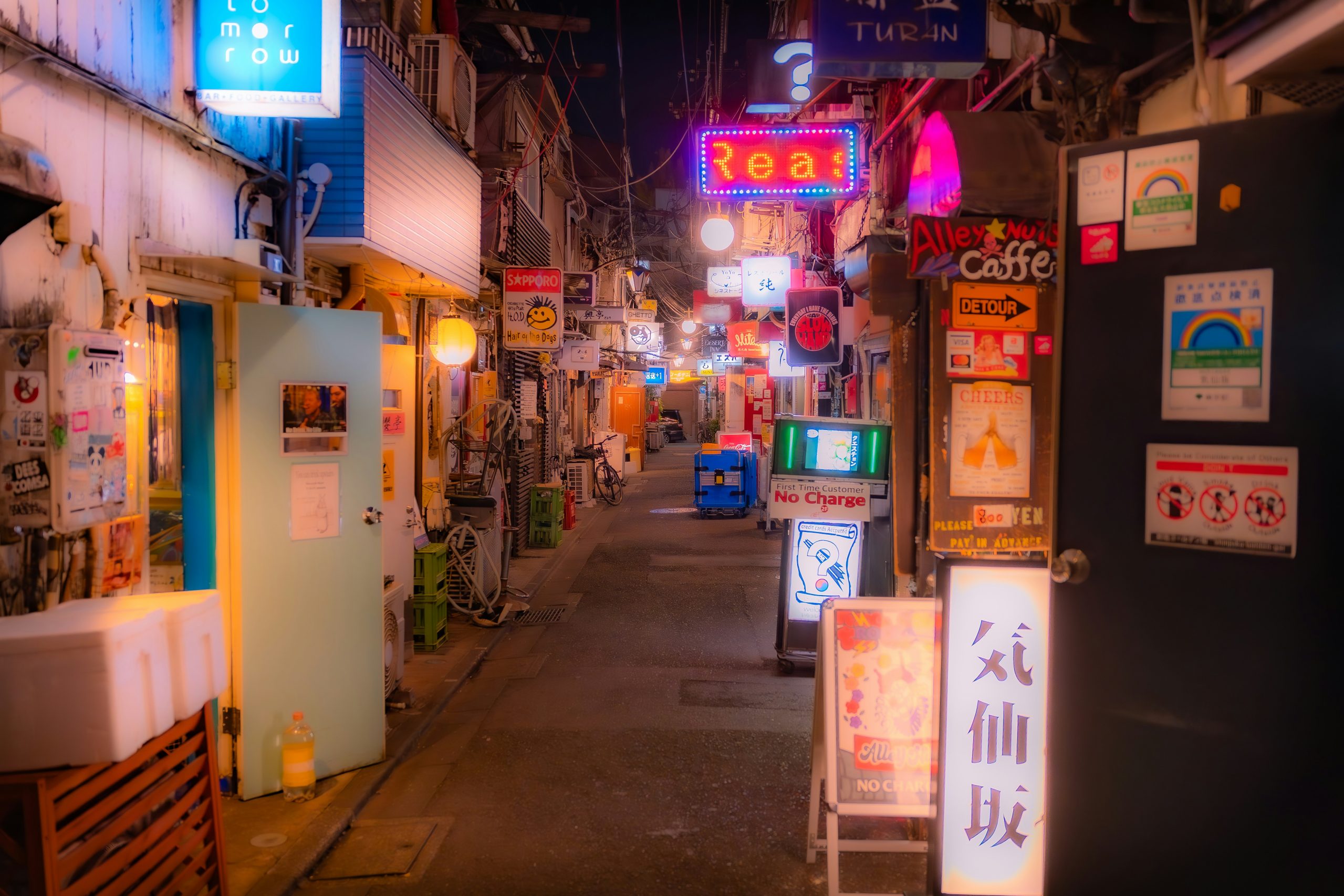
🌙 What can you do in Tokyo at night without spending loads?
Rather a lot, as it turns out. Tokyo nightlife has a reputation for being punishing on a wallet, and that is only true if you walk into the first place with an English sign and a doorman.
- Free viewpoints. The Tokyo Metropolitan Government Building deck is the famous one, but the Bunkyo Civic Center in Ueno and Carrot Tower in Setagaya are both free too, and far quieter.
- Izakaya happy hours. Many run early evening deals on draft beer and highballs, often from 5pm to 7pm. Look for handwritten signs rather than laminated menus.
- Craft beer. Tokyo’s craft scene is excellent and standing bars keep it affordable, usually ¥600 to ¥900 a glass instead of double that seated.
- Konbini and a riverbank. Drinking outdoors is legal and completely normal here. The Sumida riverside with Skytree lit up is a genuinely lovely free night.
- Hostel bars. The single easiest way to end up in a group rather than alone. Nui. Hostel & Bar Lounge in particular runs a bar that locals actually drink in.
Worth a look before you book your dates: the Tokyo events calendar lists summer fireworks festivals, matsuri parades and autumn beer festivals, and timing your trip around one costs nothing extra.
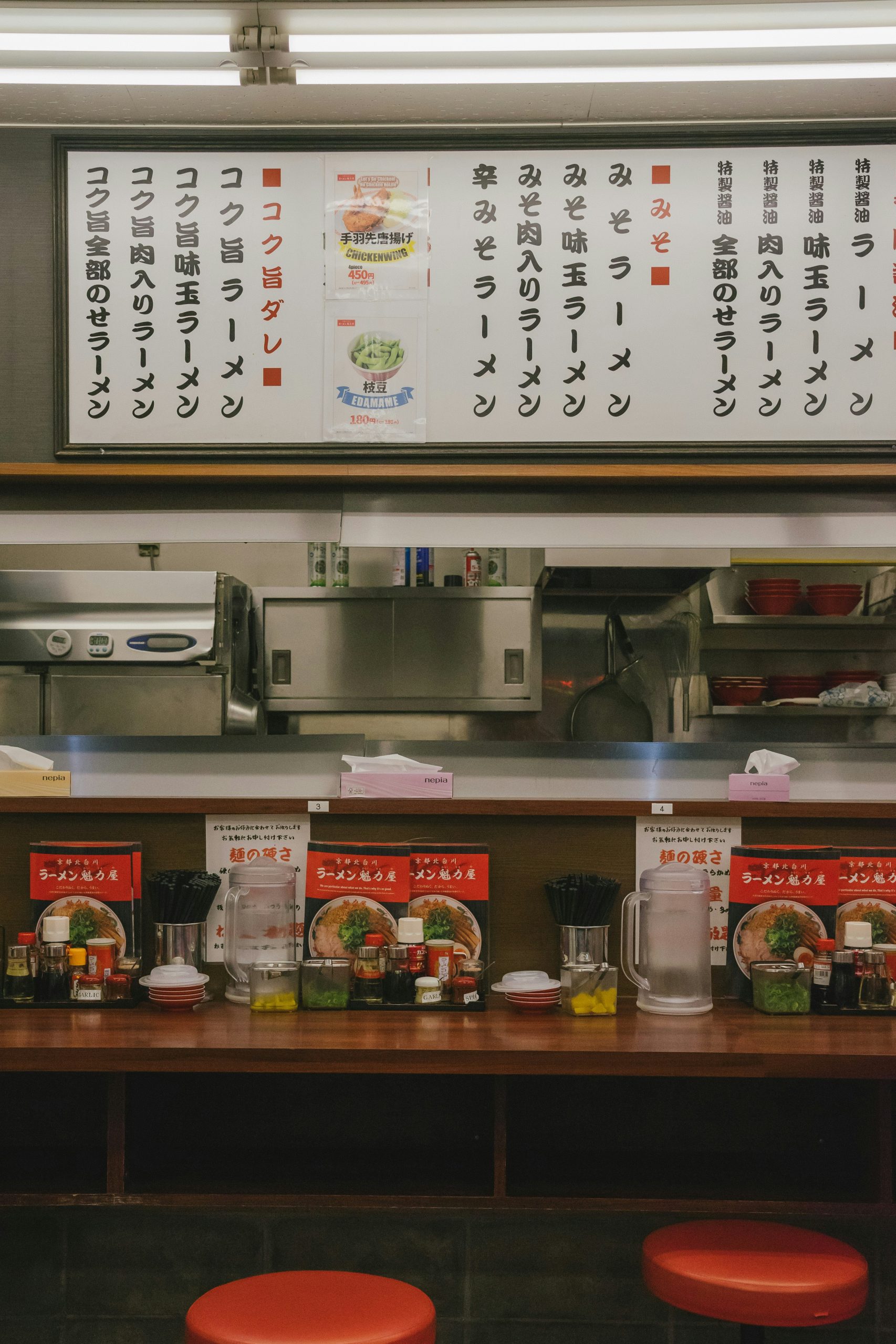
🍜 How much does food really cost in Tokyo?
Less than London, less than Paris, and considerably less than the internet has led you to believe.
| Meal | Typical price | Where |
|---|---|---|
| Ramen | ¥700 to ¥1,200 | Independent shops, often ordered from a vending machine at the door |
| Donburi (rice bowls) | ¥500 to ¥1,000 | Chains like Yoshinoya and Matsuya, open all hours |
| Izakaya small plates | ¥300 to ¥600 each | Order three or four and share |
| Standing soba or udon | ¥400 to ¥600 | Near train stations, eaten in six minutes |
| Konbini breakfast | ¥300 to ¥500 | Onigiri, egg sandwich, iced coffee |
| Depachika dinner after 7pm | ¥500 to ¥800 | Discount stickers on the day’s prepared food |
The vending machine ramen shops throw first-timers, so here is the sequence: pay at the machine outside, take the ticket, hand it over at the counter, sit down. No menu, no small talk, no tip. A full day of eating well sits comfortably at ¥2,000 to ¥3,000, which is why Tokyo keeps surprising people.
🛏️ Which hostels in Tokyo are best for first-timers?
There are more than 85 properties on Hostelworld across the city, and dorms start around US$13 to US$20 a night depending on the area and season. These six are the ones that consistently suit people arriving in Tokyo for the first time.
CITAN Hostel
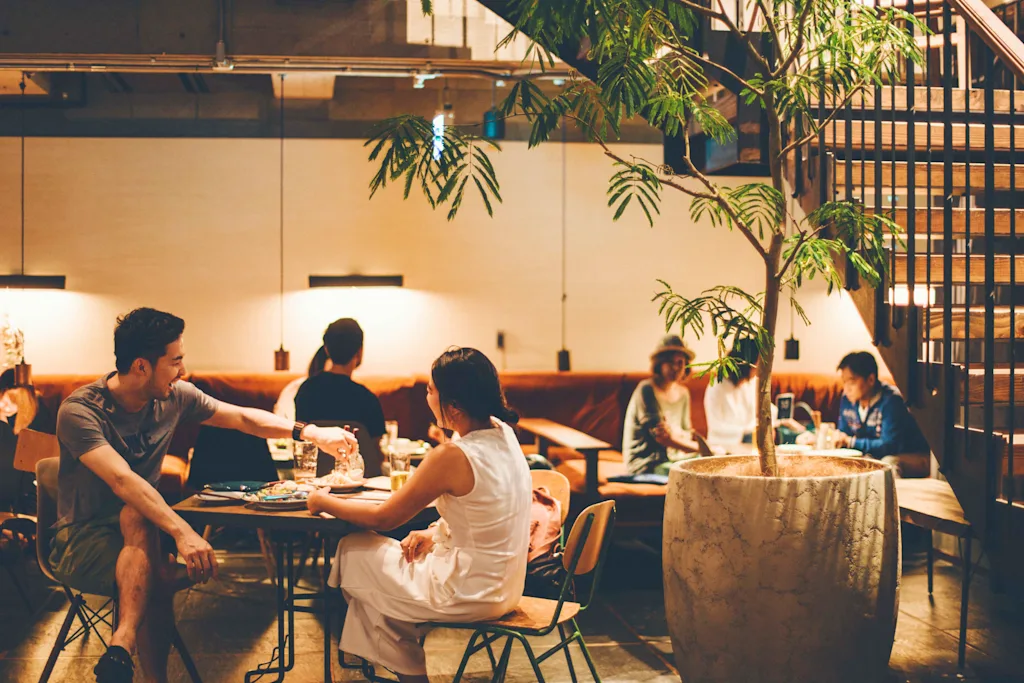
Rated 9.6 from over 1,700 reviews, this seven-storey spot in Higashi-Nihonbashi has a basement bar and a café that pulls in locals as well as guests. Central, sociable and genuinely well designed, with dorms from around US$20.
Nui. Hostel & Bar Lounge
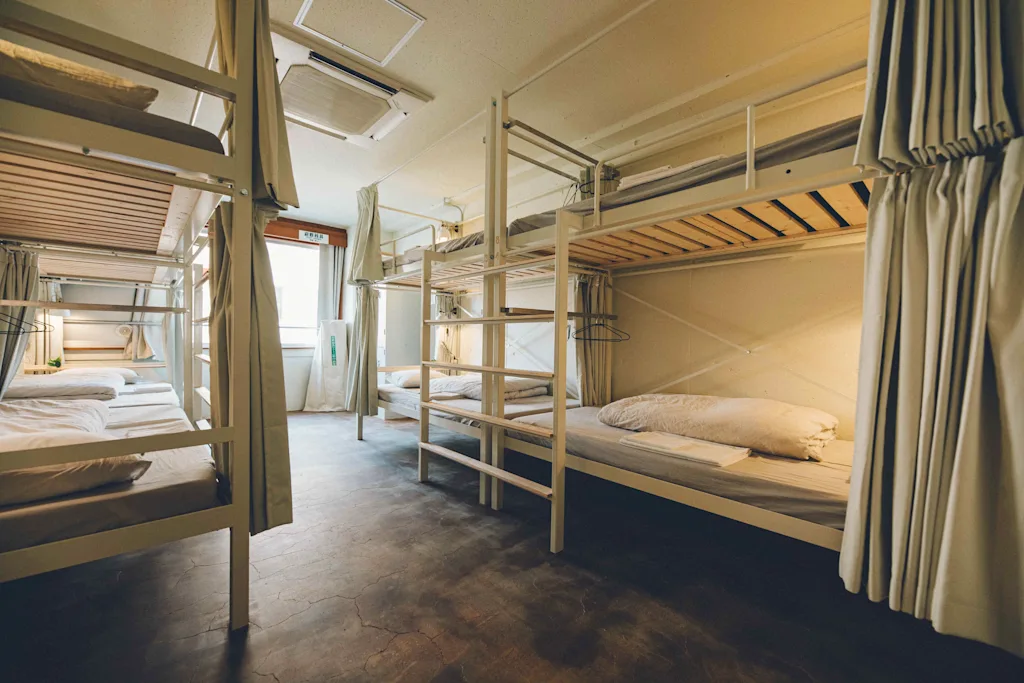
Book Nui. Hostel & Bar Lounge Now
A former warehouse near Kuramae with a ground-floor bar lounge that is easily one of the best in any Tokyo hostel. Rated 9.4 from more than 2,500 reviews and a past winner of Most Popular Hostel at the Hoscars.
Quality Hostel K’s House Tokyo Oasis
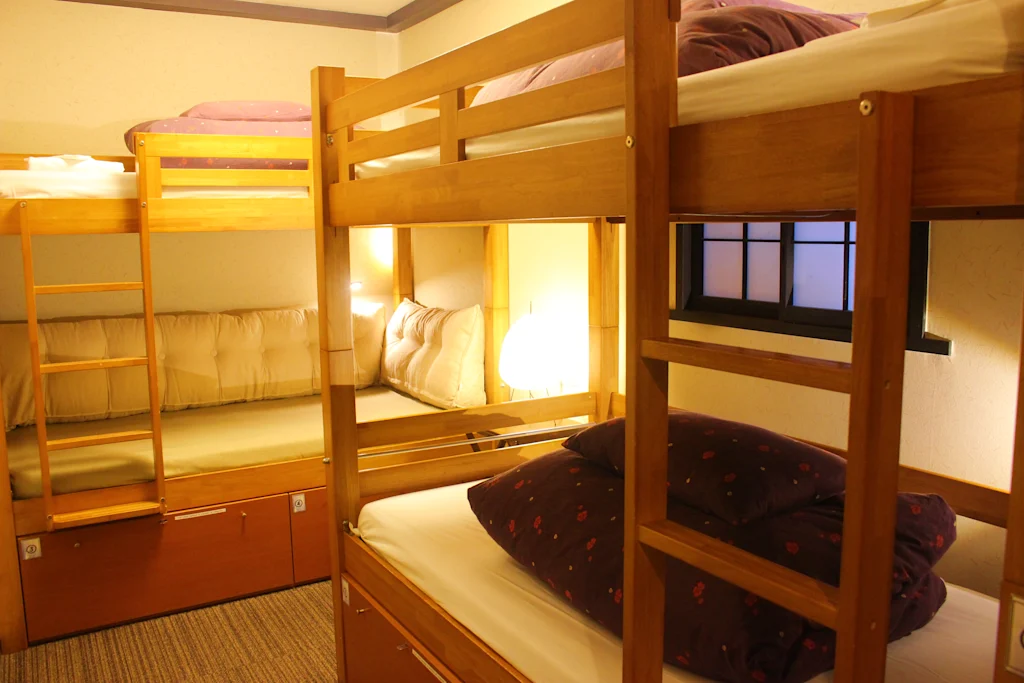
Book Quality Hostel K's House Tokyo Oasis Now
Rated 9.6, sitting right in the middle of Asakusa, which makes Day 2 of this plan effortless. Calm, spotless, with a big shared kitchen. A good pick if you want temples on your doorstep rather than neon.
The Millennials Shibuya
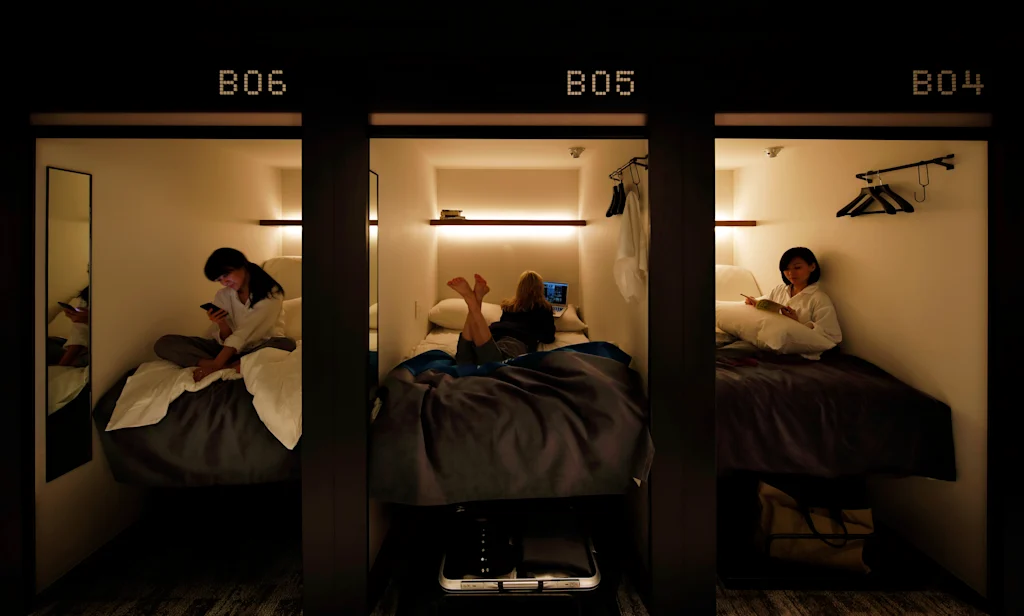
Book The Millennials Shibuya Now
Four hundred metres from the Hachiko statue, with smart sleeping pods instead of standard bunks and a terrace above the crossing. Pricier at around US$52 for a pod, but unbeatable if you want to be in the thick of Shibuya.
Guesthouse toco.
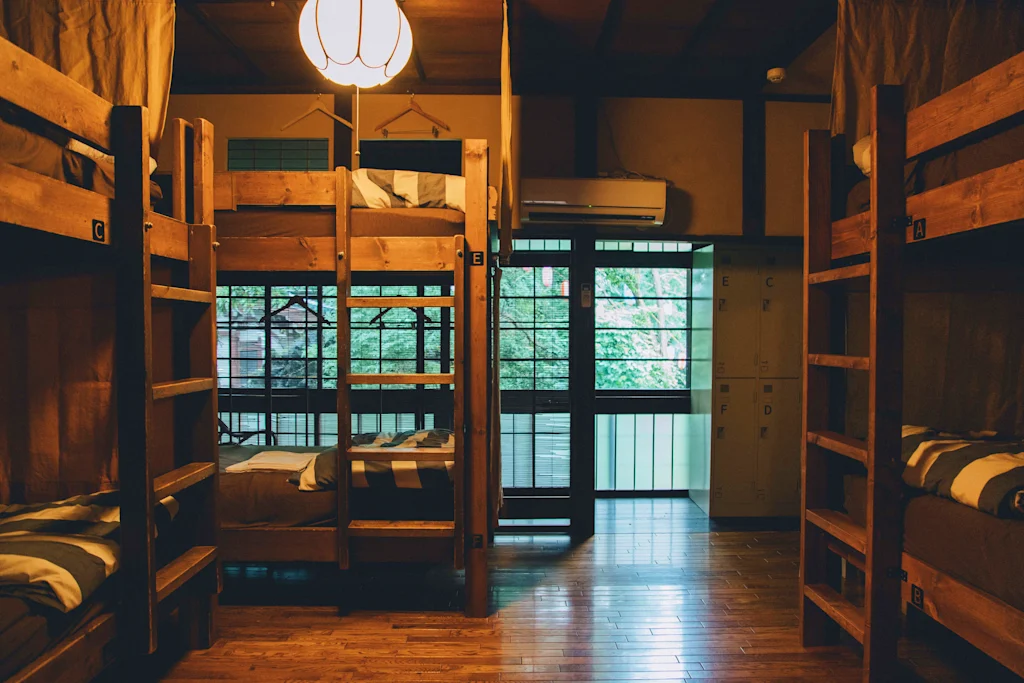
A genuine old Japanese house with a garden and a tatami feel, rated 9.7 from over 1,100 reviews. The kind of place that reminds you Tokyo is not only towers and screens. Beds from roughly US$15.
GrapeHouse Koenji
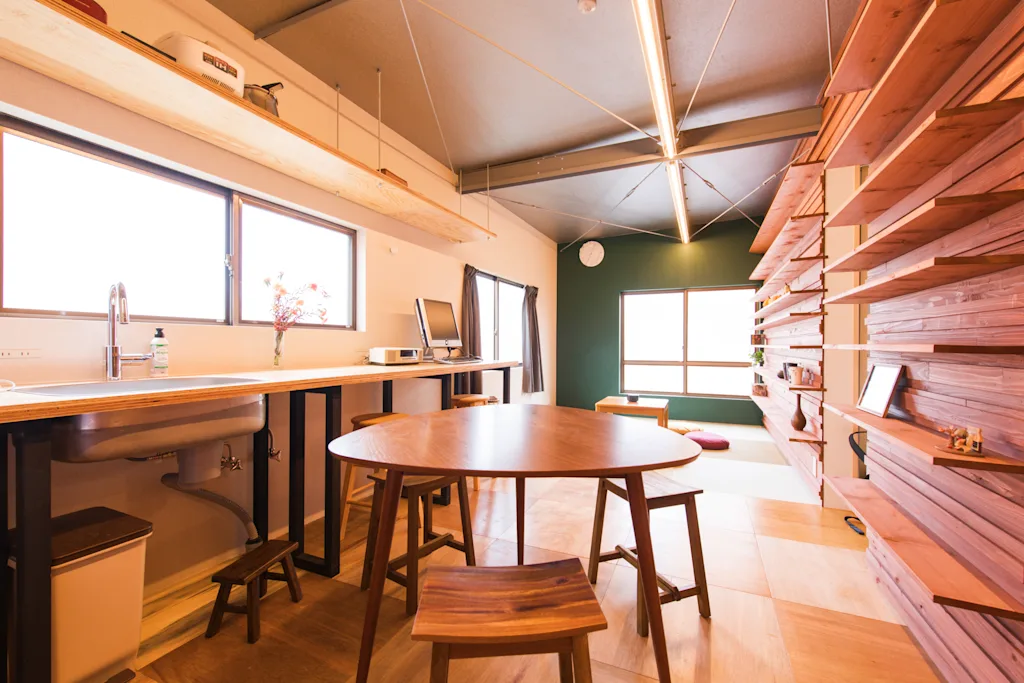
Women-only, rated 9.3, tucked into Koenji, which is one of the city’s best neighbourhoods for record shops and cheap izakayas. A solid choice for solo female travellers who want somewhere quieter to come back to.
✈️ So what does a first Tokyo trip actually cost?
Add it up across five days and the maths is friendlier than expected. A dorm bed at ¥2,500 to ¥4,000, food at ¥2,000 to ¥3,000, transport at ¥600 to ¥900, and entry fees that are frequently zero. Call it ¥5,500 to ¥9,000 a day, and the low end is entirely achievable without feeling like you are missing out.
The real lesson of a first trip here is that Tokyo does not need to be bought. The crossings, the shrines, the parks, the river, the alleys and the sheer noise of Akihabara at 7pm are all free. You pay for beds, noodles and the occasional lift to the top of something.
Five days in, you will already be planning the return trip and eyeing up Osaka and Kyoto. That is normal. Almost everyone does.
Download the Hostelworld app to start booking now


❓FAQs: First-Timer’s Guide to Tokyo


 Get the App.