Iceland
Iceland country guide

Things To Do In Iceland

Volcanoes, glaciers and waterfalls within a day of the airport, and the highest prices in Europe. Worth it, with planning — and considerably cheaper if you cook and camp.

€40
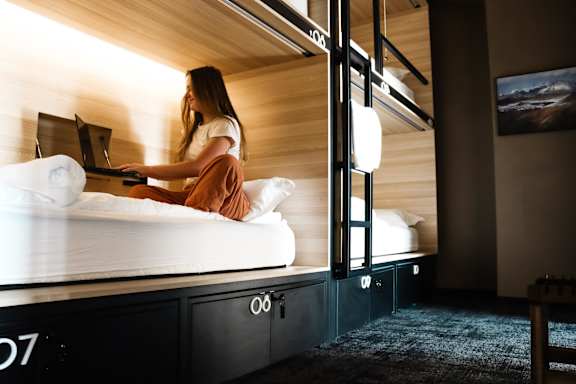
Dorm bed, from
1,332km
The Ring Road
30+
Active volcanic systems
4h
Daylight in December

Small country, long drives

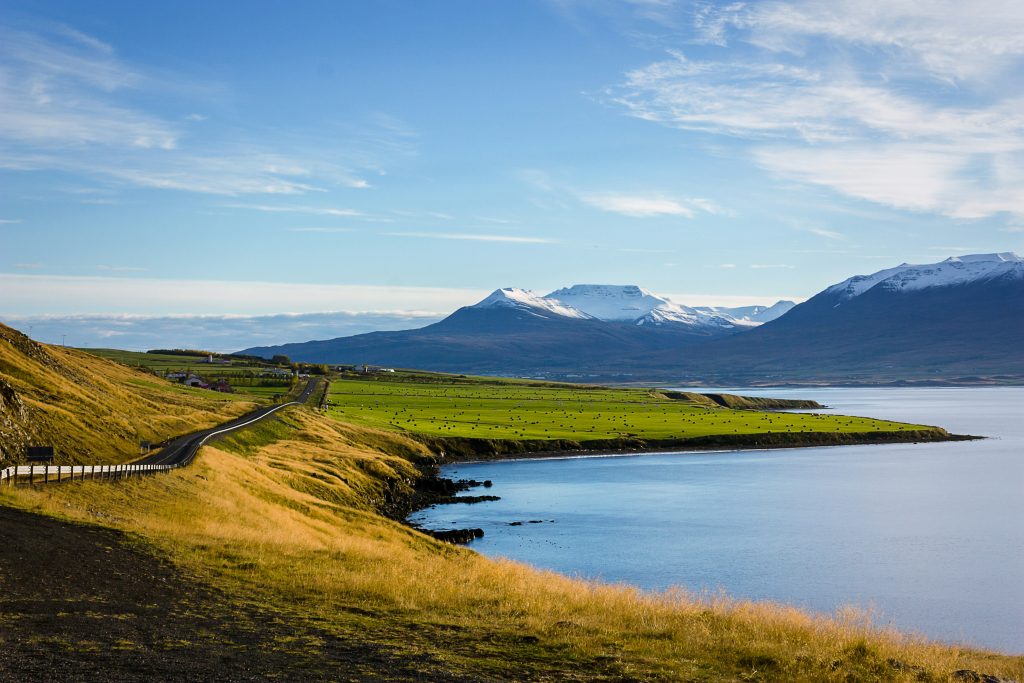
Iceland is the size of Ireland with the population of Cardiff, and almost all of it is empty. Reykjavík holds two thirds of the country, and everything people come for is outside it: waterfalls, glaciers, black beaches, hot springs and lava fields, spread around a single ring road.

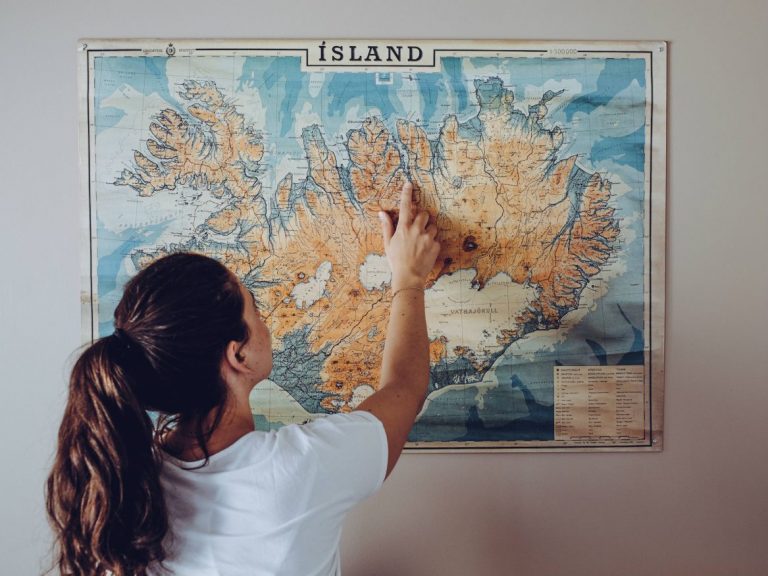
That road is the trip. The Ring Road is 1,332km and takes seven to ten days at a reasonable pace, and it is the difference between seeing Iceland and seeing the Golden Circle car parks. If you only have a long weekend, base yourself in Reykjavík and do the south coast.

The country is genuinely expensive — the most expensive in this guide — but the costs are controllable. Self-catering, camping in summer, and free natural hot springs instead of the Blue Lagoon cut the daily figure roughly in half.

Where to go

This is a road-trip country rather than a city one. Two places are worth basing in; everything else is a stop on the way.

Reykjavík

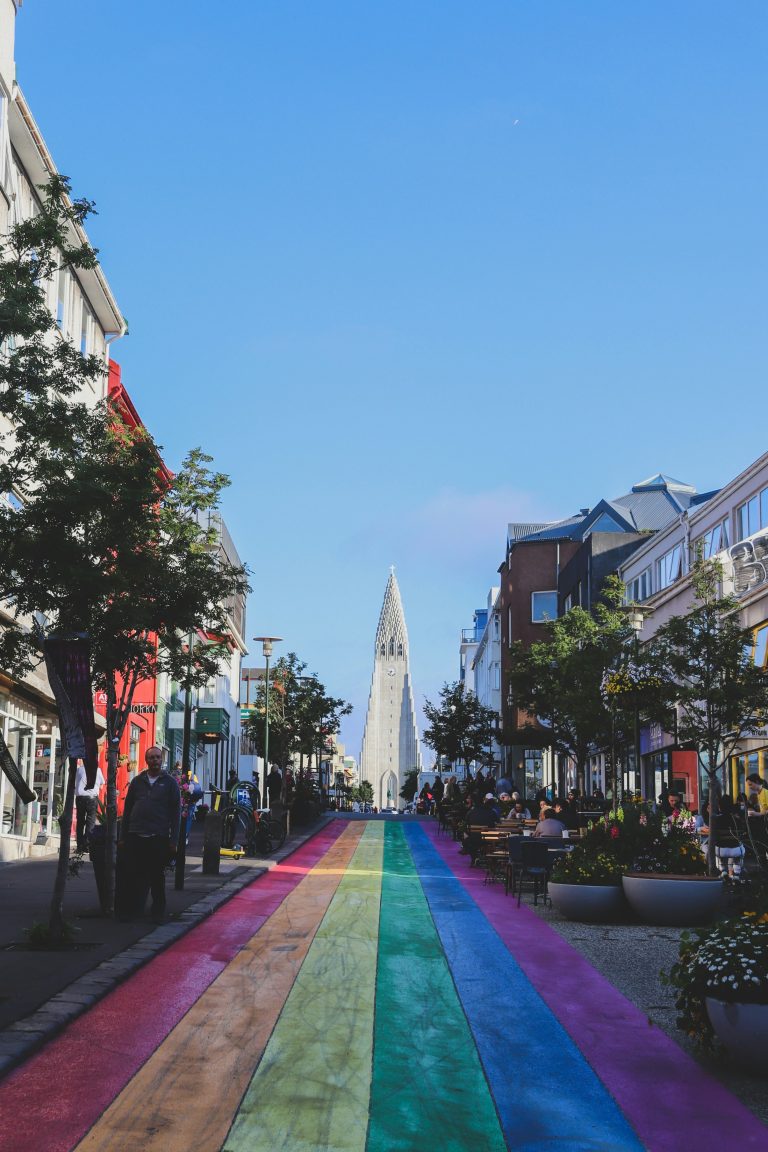
Reykjavík

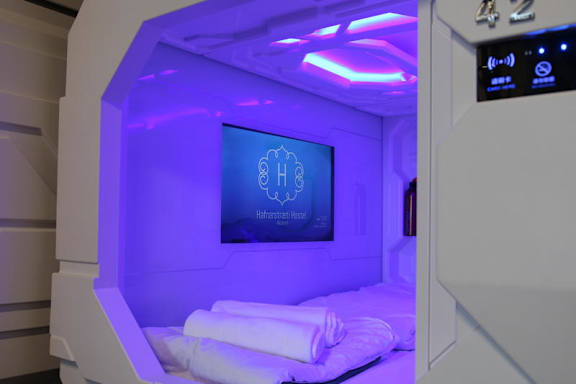
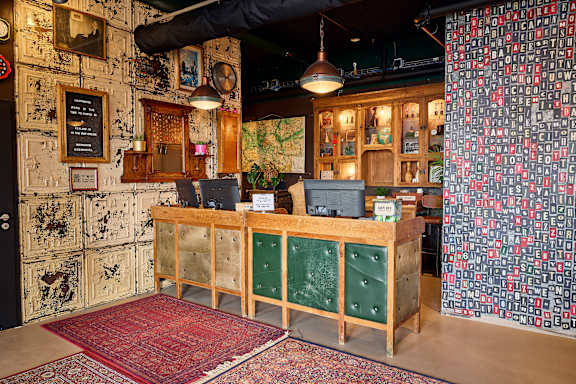
11 hostels

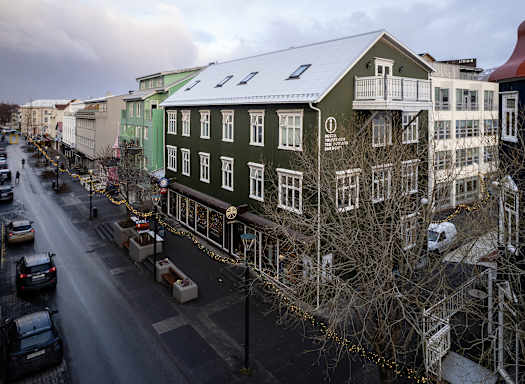
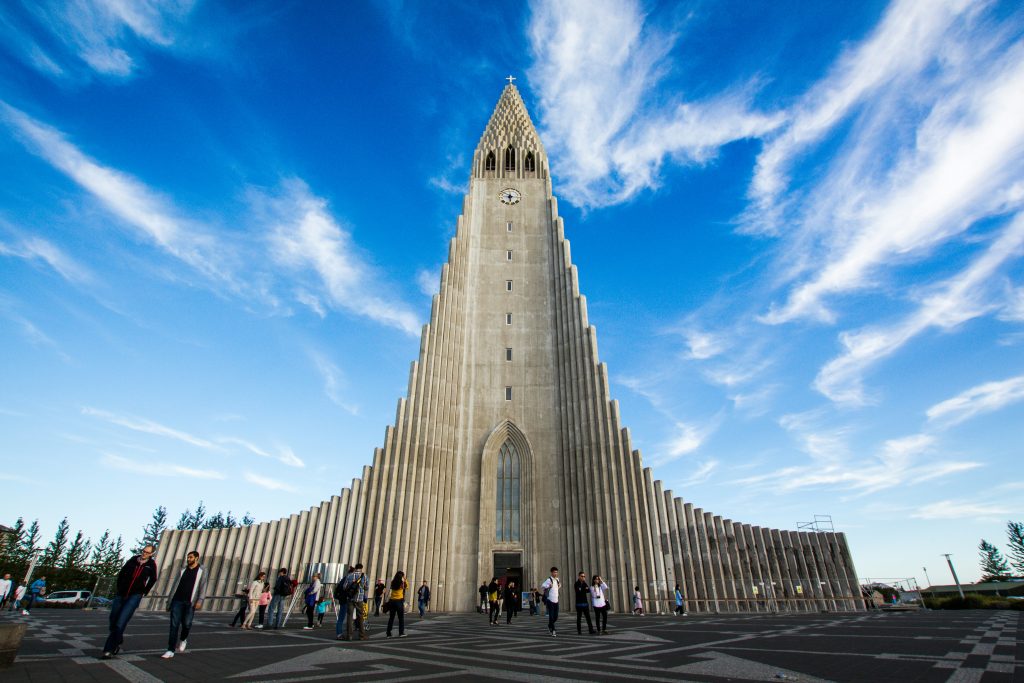
The capital, and where two thirds of the country lives. Bars, music and every tour departure.

Definitely a pricey town to do things in. But a very cool atmosphere to spend a day or two in. Lots of city activities and good food. It does feel very touristy in areas. I would come back though! A great base area for nature activities or tours.

A traveller, on Hostelworld
The Reykjavík guide
Akureyri

Akureyri

2 hostels · dorms from €94

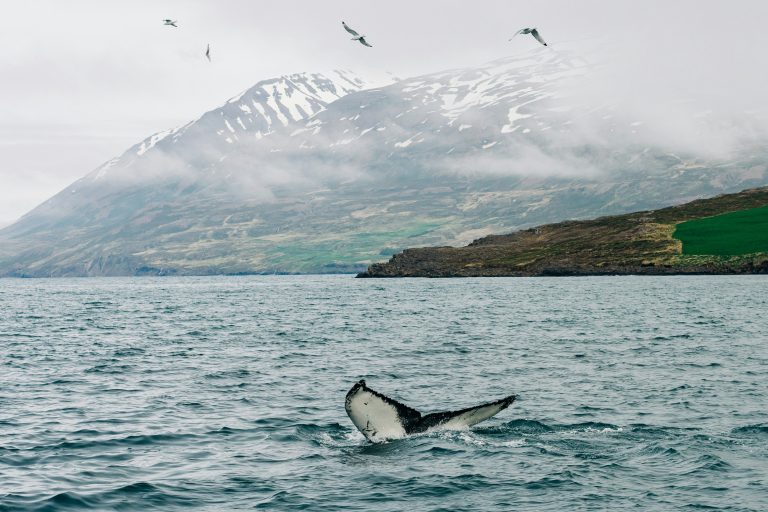
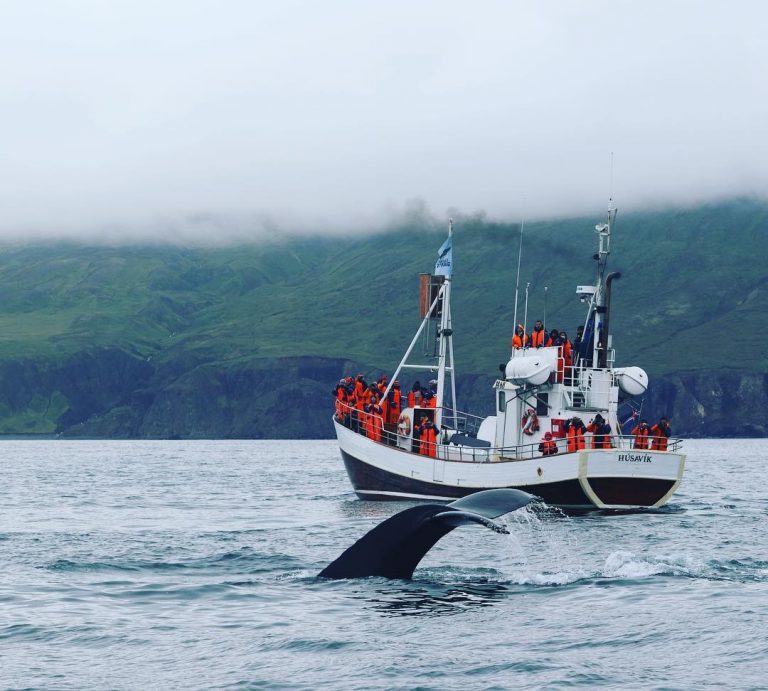
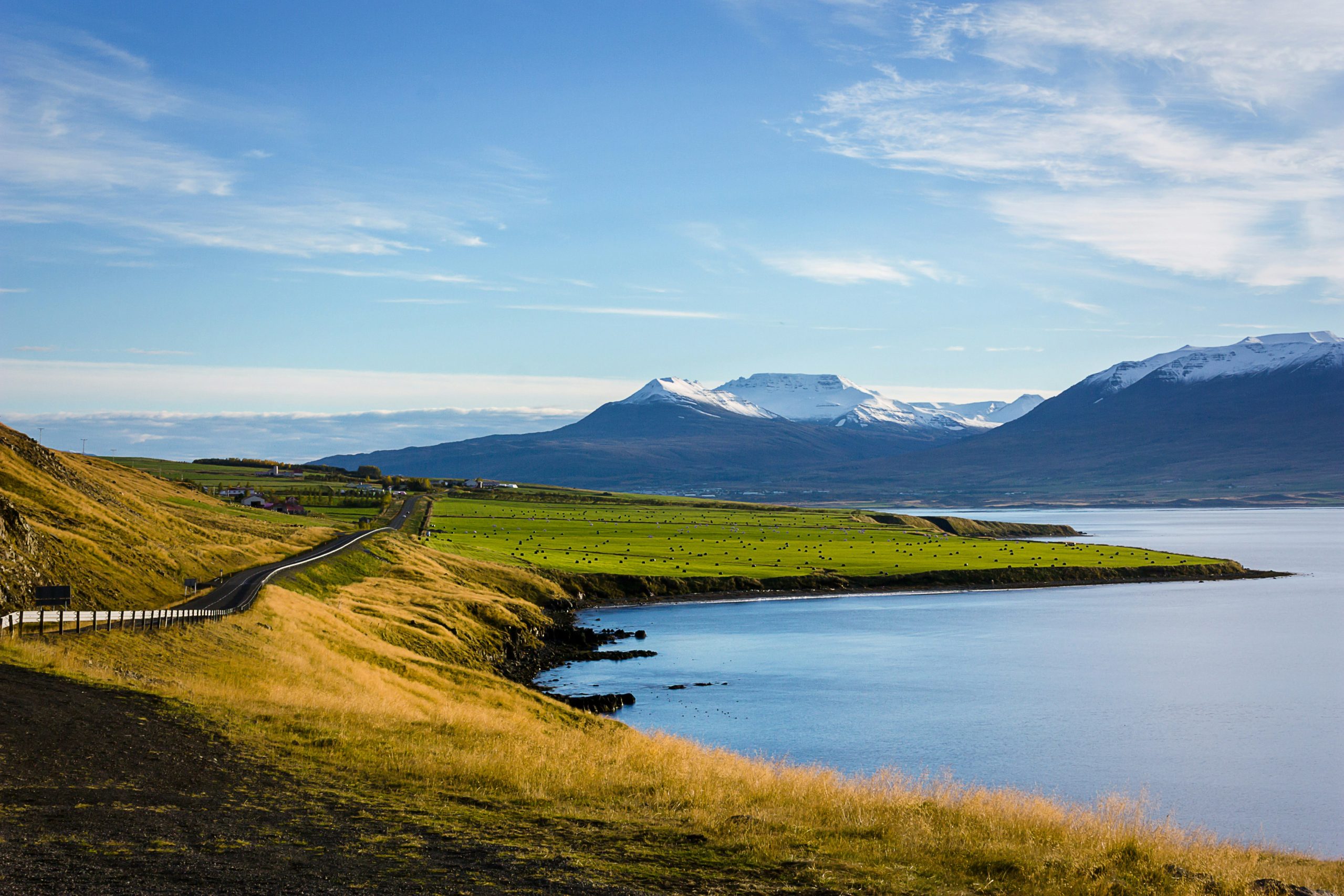
The northern capital, whale watching, and the gateway to Mývatn.

The Akureyri guide

What kind of trip is this?

Iceland is an outdoors country first. The variations are about how far you drive and when you go.

Adventure in Iceland

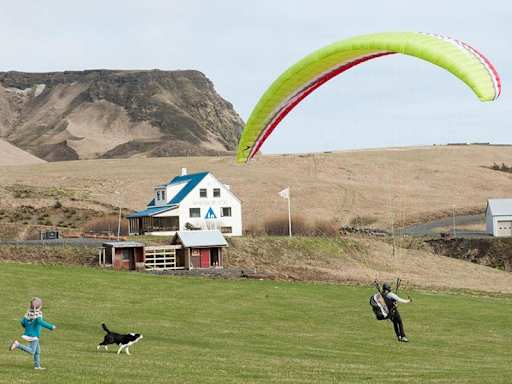
Glaciers, volcanoes and hikes with nobody else on them.

What to do

  • Glacier walk with a guide
  • Hike Landmannalaugar
  • Ice cave in winter

Spots to visit

  • Skaftafell
  • Landmannalaugar
  • Þórsmörk

Best cities for it

Things to do

Things to do in Iceland

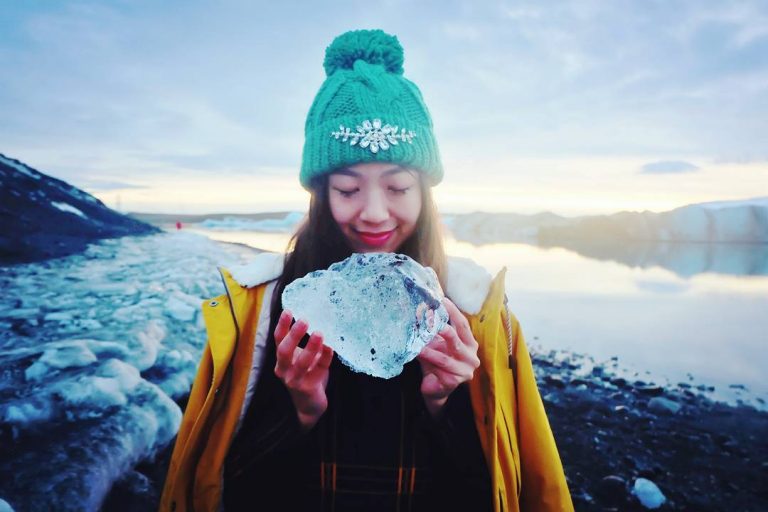
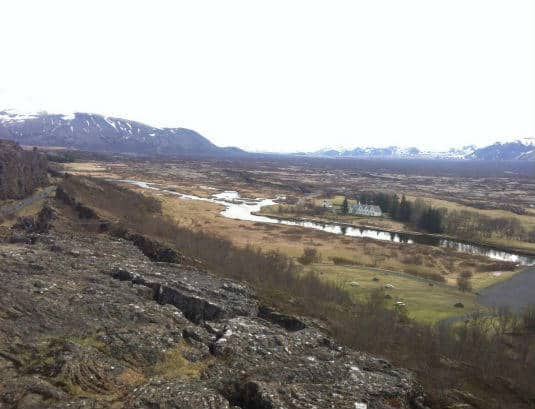
The Golden Circle — Þingvellir, Geysir and Gullfoss — is the standard day from Reykjavík and it is good, if busy. The south coast is better: Seljalandsfoss and Skógafoss, the black beach at Reynisfjara, and the glacier lagoon at Jökulsárlón with icebergs washing up on Diamond Beach opposite.

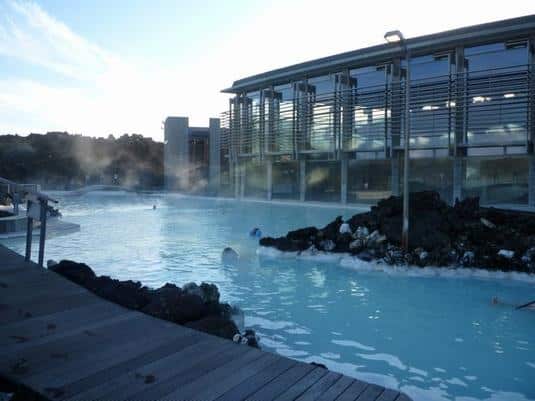
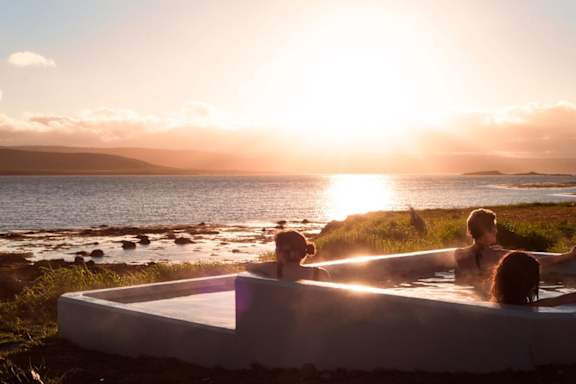
Swimming pools are the cultural institution people miss. Every town has a geothermal pool with hot tubs, they cost a few euros, and they are where Icelanders actually socialise — far better value than the Blue Lagoon, which is a spa with a €60 to €100 entry fee.

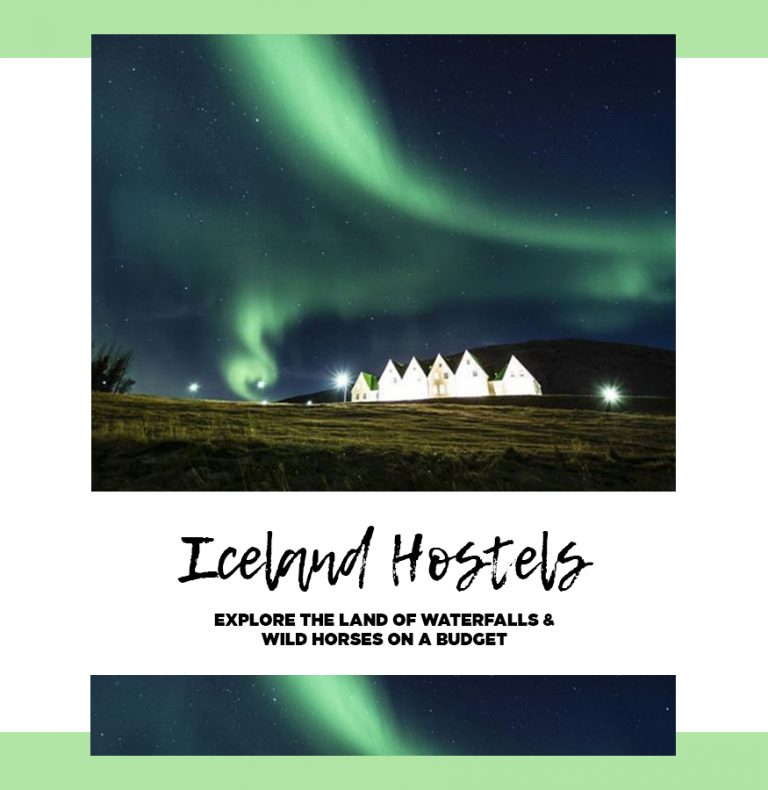
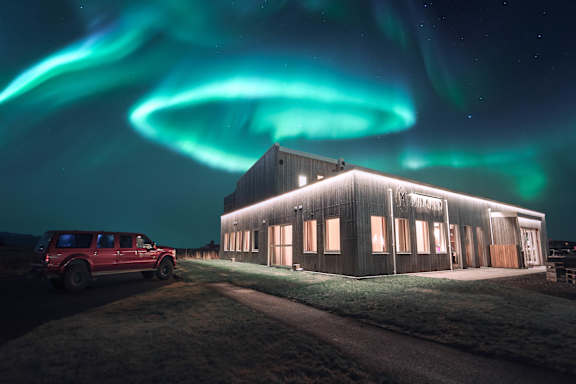
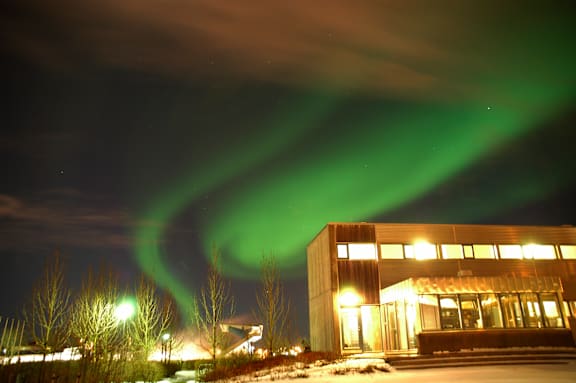
In winter, northern lights are the draw and are never guaranteed. In summer, the midnight sun means you can hike at eleven at night, and the interior highland roads open from late June.

Food and drink

Eating in Iceland

Eating out is the fastest way to empty a budget here. A main course in a Reykjavík restaurant is €28 to €40, and a beer is €9 to €12. This is not a tourist mark-up; it is what things cost.

The answer is Bónus, the budget supermarket with the pink pig logo. Cooking in hostel kitchens is standard practice, and buying food in Reykjavík before driving out is much cheaper than the roadside stops.

Two things are worth paying for: the hot dog stand in Reykjavík, which is a national institution at about €4, and lobster soup on the south coast. Icelandic lamb and skyr are excellent and cheap in supermarkets.

Nightlife

Going out in Iceland

Reykjavík's nightlife is concentrated on Laugavegur and it starts extraordinarily late — people pre-drink at home until one because of alcohol prices, and bars fill after that. The rúntur, the traditional Friday bar crawl, runs until five.

Alcohol is state-controlled and expensive: a beer is €9 to €12 in a bar. Buy from Vínbúðin, the state off-licence, which has limited opening hours and is closed on Sundays — a fact worth knowing on a Saturday afternoon.

Outside Reykjavík there is essentially no nightlife, which is fine, because you will be driving at dawn.

Getting around

Getting around Iceland

You need a vehicle. Public transport between towns is minimal and does not serve the sights, so it is a hire car, a campervan or organised day tours.

Campervans are the popular answer because they cover the bed and the transport together, and in summer that saves a great deal. Note that campervans, cars and caravans may only stay overnight at campsites — the rules tightened after years of abuse — and tent camping outside them is heavily restricted, so use campsites, which are €12 to €18 a person.

Two practical warnings. Gravel and F-roads require the right vehicle and the right insurance, and standard hire agreements exclude damage from them. Weather closes roads at short notice: road.is and vedur.is are the official sources, and they are checked daily by everyone driving here.

Costs

What Iceland costs

Iceland is the most expensive country in this guide and there is no way around that. Dorms start around €40, a restaurant main is €28 to €40, a beer is €9 to €12, and a week's car hire in summer runs €400 to €700 before fuel.

What you can control is large. Cooking from Bónus, camping rather than sleeping indoors, using free hot springs and municipal pools instead of the Blue Lagoon, and travelling in May or September rather than July all pull the daily figure down substantially — from something like €150 a day to around €80.

Fuel is the sleeper cost on a Ring Road trip. Budget €150 to €250 for a lap depending on the vehicle.

Safety

Staying safe in Iceland

Iceland has almost no crime and consistently ranks as the safest country in the world. Everything that goes wrong here is weather or terrain.

Reynisfjara's black beach kills people. Sneaker waves arrive without warning, drag people in, and the water is four degrees. Stay far back from the waterline, and take the warning signs literally.

Volcanic activity is a third: eruptions on the Reykjanes peninsula near Grindavík have repeatedly closed roads and the Blue Lagoon since 2023, so check safetravel.is before heading that way.

Driving is the other one. Winds can rip car doors off their hinges, single-lane bridges appear without warning, and sheep stand in the road. Check road.is and vedur.is every morning, and when a road is closed, it is closed — people have died driving around barriers.

Entry and documents

Entry and documents

Iceland is in the Schengen area but not the EU. EU and EEA citizens need an ID card; UK, US, Canadian and Australian passport holders get 90 days in any 180 across the whole Schengen zone, counted with all the other member states.

Passports need three months' validity beyond departure and to have been issued within the last ten years. ETIAS has been postponed repeatedly — check the official EU site.

Travel insurance matters more here than in most places. Search and rescue is run by volunteers and is not billed, but vehicle recovery, weather cancellations and gravel damage are all real costs, and many policies exclude F-road driving entirely.

When to go

Summer gives you daylight and open roads; winter gives you northern lights and ice caves. The shoulder months are cheaper and give you a bit of both.

2°
Jan
Four hours of light, northern lights, ice caves
3°
Feb
Best balance of lights and lengthening days
4°
Mar
Lights still likely, roads improving
6°
Apr
Shoulder. Cheaper, and the snow retreating
10°
May
Excellent value. Long days, most roads open
13°
Jun
Midnight sun, highlands opening, peak prices begin
14°
Jul
Peak. Everything open, everything booked
14°
Aug
Still peak, and the lights return late in the month
11°
Sep
Superb. Autumn colour, lights, prices dropping
7°
Oct
Quiet and cheap. Highland roads close
4°
Nov
Dark and cold, and the lights season proper
3°
Dec
Four hours of daylight. Christmas in Reykjavík is lovely
Bar height is temperature. Colour is how busy it gets: quiet busy peak

Average highs for Reykjavík, which are milder than the latitude suggests thanks to the Gulf Stream. Daylight is the bigger variable: 21 hours in June, four in December.

What your trip will cost

Pick how you travel and how long for. Per night, for one person. Car hire and fuel are on top and are the largest cost of a Ring Road trip.

Shoestring assumes camping and cooking from Bónus, with transport covering a shared campervan. Free sights — waterfalls, beaches, hikes and local pools — mean the doing column can genuinely be near zero.

—
  • Beds—
  • Food and drink—
  • Getting around—
  • Doing things—
What's on

What is on while you are there

A small country with a surprisingly full calendar, most of it in Reykjavík.

Iceland travel questions

The ones we get asked most.

How many days do you need in Iceland?
Four days covers Reykjavík, the Golden Circle and the south coast. Seven to ten days does the full Ring Road at a pace that lets you stop, which is the trip worth taking.
Why is Iceland so expensive?
Almost everything is imported, alcohol is heavily taxed and labour costs are high. Dorms from €40, restaurant mains €28 to €40, beer €9 to €12. Cooking from Bónus and camping roughly halves a daily budget.
Do I need a car in Iceland?
Yes, unless you are staying in Reykjavík and taking day tours. Public transport does not serve the sights. A campervan covers your bed and transport together and is the cheapest way to do the Ring Road.
When can I see the northern lights?
September to March, on clear dark nights, and never guaranteed. February and March give the best balance of dark skies and manageable road conditions. Anyone promising you will see them is selling something.
Is the Blue Lagoon worth it?
It is a well-run spa with a €60 to €100 entry fee that must be booked. Every town has a geothermal pool with hot tubs for a few euros, which is where Icelanders go, and there are free natural springs if you research them.
Is it safe to drive in Iceland?
Yes with respect for the weather. Check road.is and vedur.is every morning, hold car doors against the wind, and never drive past a road closure. Gravel and F-roads need the right vehicle and insurance that covers them.
Can I camp anywhere in Iceland?
No. Campervans, cars and caravans may only stay overnight at campsites, and tent camping outside them is heavily restricted, after years of problems. Campsites cost €12 to €18 per person and are well spread around the Ring Road.

Say yes to hostels, meet the world

Compare hostels across Iceland — live prices, real reviews and free cancellation on most bookings. Then meet the people already there in the app.

Get the App. QRGet the App.
Get the App. QR  Get the App.
Scroll to Top