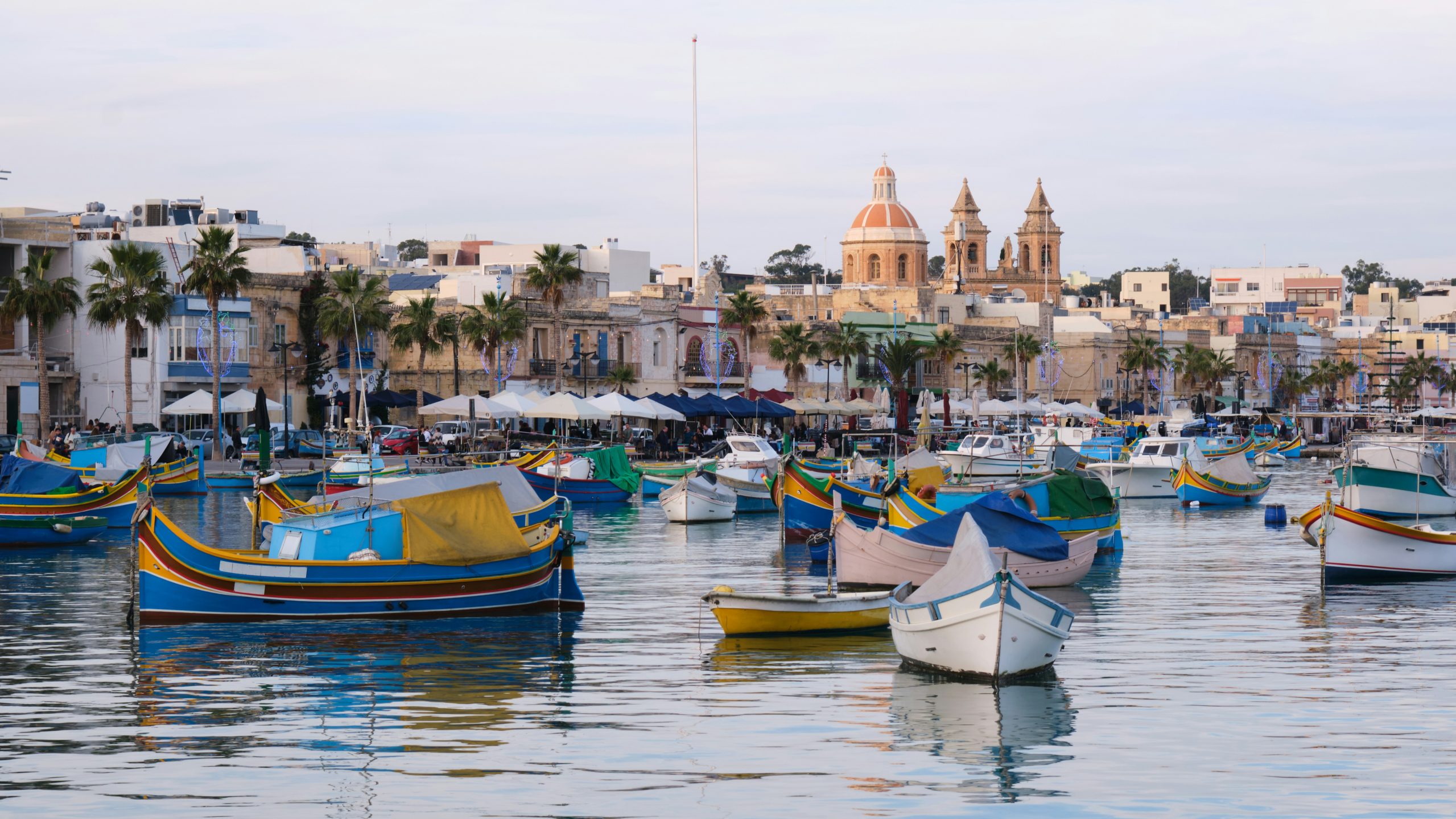
Malta
Malta country guide

Things To Do In Malta

Three islands, seven thousand years of history and a swimming season that runs into November. English is an official language, which makes it the easiest Mediterranean country to arrive in cold.

€16
Dorm bed, from
7,000
Years of settlement
3
Inhabited islands
300
Days of sun a year

Smaller than you think, older than anywhere

Malta is 27km long. You can drive its length in under an hour and see the whole country in a week without rushing, which is unusual for somewhere with this much in it: megalithic temples older than the pyramids, a capital built by knights in the sixteenth century, and a coastline of limestone cliffs and swimming holes.

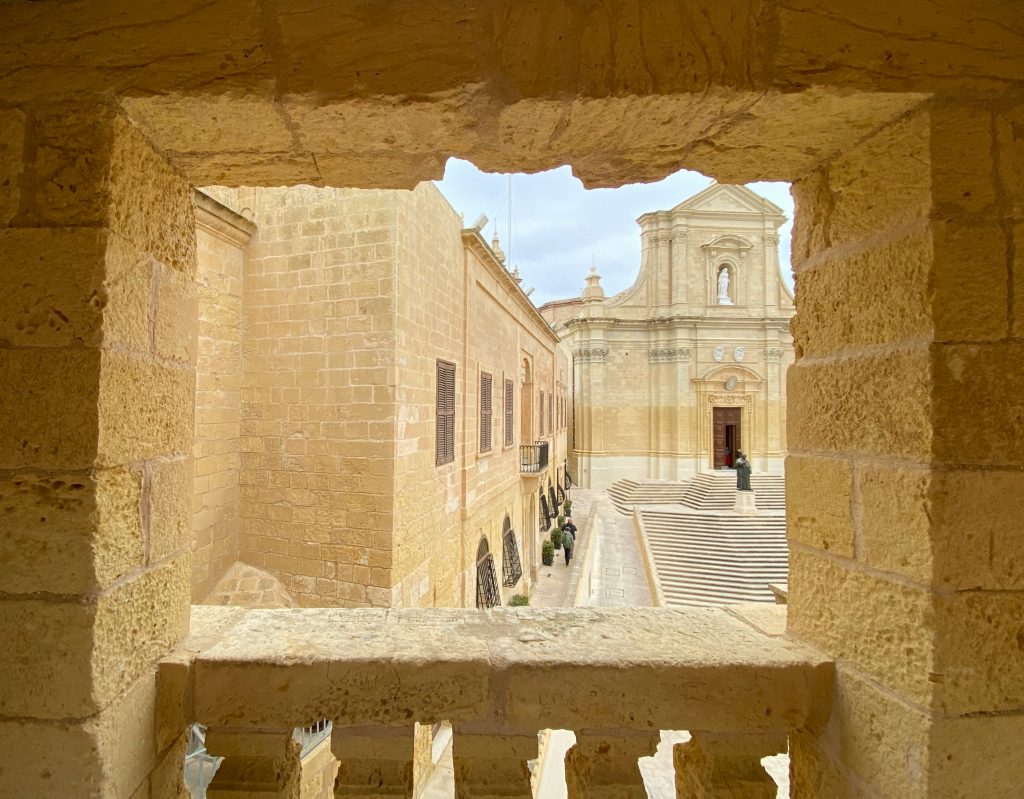
Valletta is the centre of it — a fortified city on a peninsula, walkable end to end in twenty minutes, and a UNESCO site in its entirety. St Julian's and Sliema are where most hostels and nightlife sit, fifteen minutes up the coast.

Gozo, the second island, is greener, slower and half an hour by ferry. Comino, between them, has the Blue Lagoon and is a day trip that is spectacular early and mobbed by noon. Almost everyone speaks English, which is the practical reason Malta works so well as a first solo trip.

Where to go

Buses link the whole main island from Valletta, and the Gozo ferry runs constantly.

Valletta

Valletta

4 hostels · dorms from €15

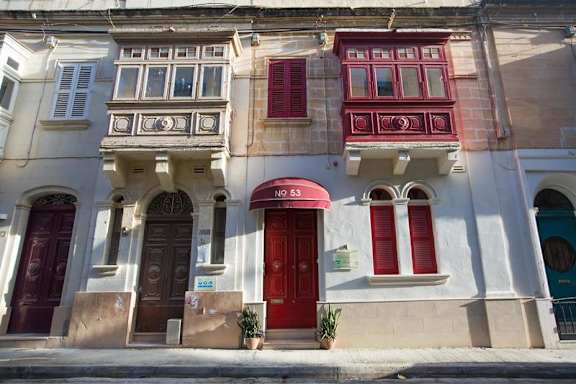
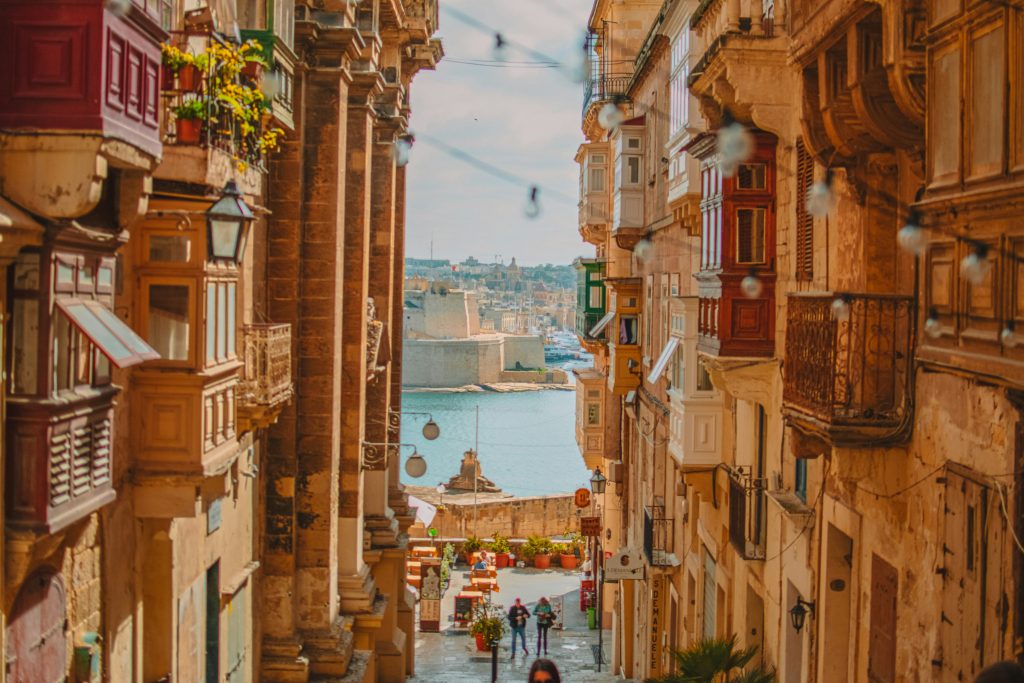
A fortified capital built by the Knights of St John, walkable in twenty minutes end to end.

Really you will feel the vibe of the Island! Stunning architecture and beautiful places to see. Super nice atmosphere!!

A traveller, on Hostelworld
The Valletta guide
Sliema

Sliema

7 hostels · dorms from €15

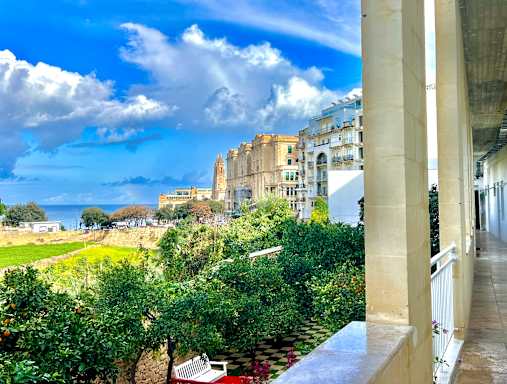
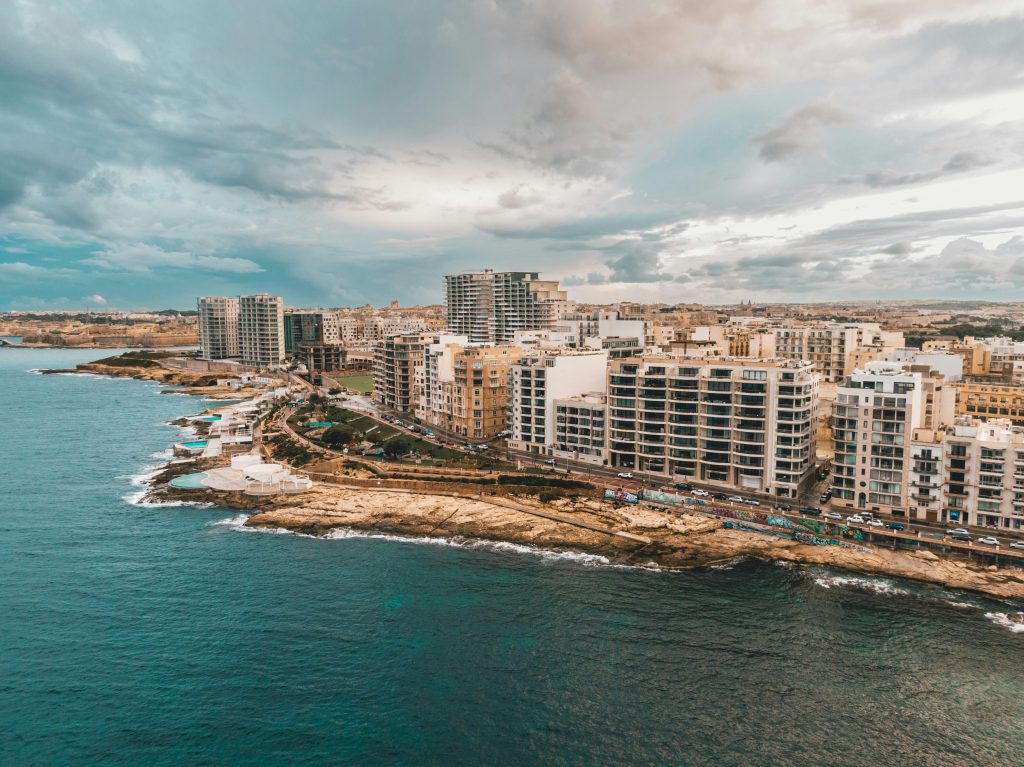
Across the harbour from Valletta: seafront promenade, rock swimming and the ferry across.

Sliema is a great central location to all the things you want to do in Malta. Easy to get to Valletta or st Julian’s and busses around the island. There is lots of food and drink nearby and a beautiful boardwalk.

A traveller, on Hostelworld
The Sliema guide

What kind of trip is this?

Malta packs a lot into a small space: swimming, ruins, diving and a very concentrated nightlife.

Beach in Malta

Mostly rock rather than sand, and the water is the point.

What to do

  • Swim at the Blue Lagoon before 10:00
  • Rock swimming at Sliema
  • Golden Bay for actual sand

Spots to visit

  • Blue Lagoon
  • Golden Bay
  • Għajn Tuffieħa

Best cities for it

Things to do

Things to do in Malta

Valletta is small enough to see in a day and worth two. St John's Co-Cathedral holds Caravaggio's Beheading of Saint John the Baptist, the largest canvas he painted and the only one he signed. The Upper Barrakka Gardens look over the Grand Harbour, and the saluting battery fires at noon.

The megalithic temples — Ħaġar Qim, Mnajdra and Ġgantija on Gozo — predate Stonehenge and the pyramids, and receive a fraction of the visitors either does.

Comino's Blue Lagoon is the most photographed water in the country and gets extremely crowded: take the first boat, swim, and leave before the day trips arrive. Gozo rewards a couple of nights, with the citadel at Victoria, salt pans on the north coast and quiet diving.

Food and drink

Eating in Malta

Maltese food is Sicilian with British and North African edges. Pastizzi — flaky pastries filled with ricotta or mushy peas — cost €0.40 to €0.80 from a hole in the wall and are the national snack.

Ftira, a flatbread sandwich with tuna, olives and capers, is the lunch, and rabbit stew is the national dish, usually served as a two-course affair in a village restaurant for €15 to €20.

Marsaxlokk on a Sunday has the fish market and a line of harbourside restaurants where the catch is the point. Prices in St Julian's and Sliema run higher than inland villages for the same food.

Nightlife

Going out in Malta

Paceville in St Julian's is the nightlife, concentrated into a few streets of clubs and bars. It is loud, young, cheap and can be rowdy, particularly when the summer language schools are in session.

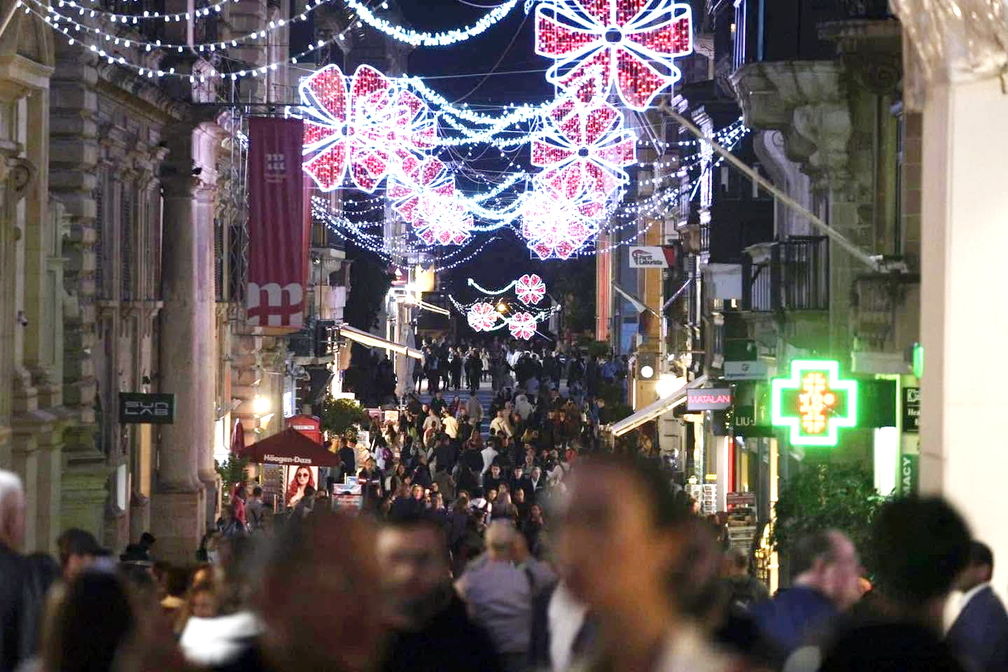
Valletta has the better alternative: rooftop bars, wine bars in converted townhouses and Strait Street, once the sailors' quarter and now the most interesting drinking in the country.

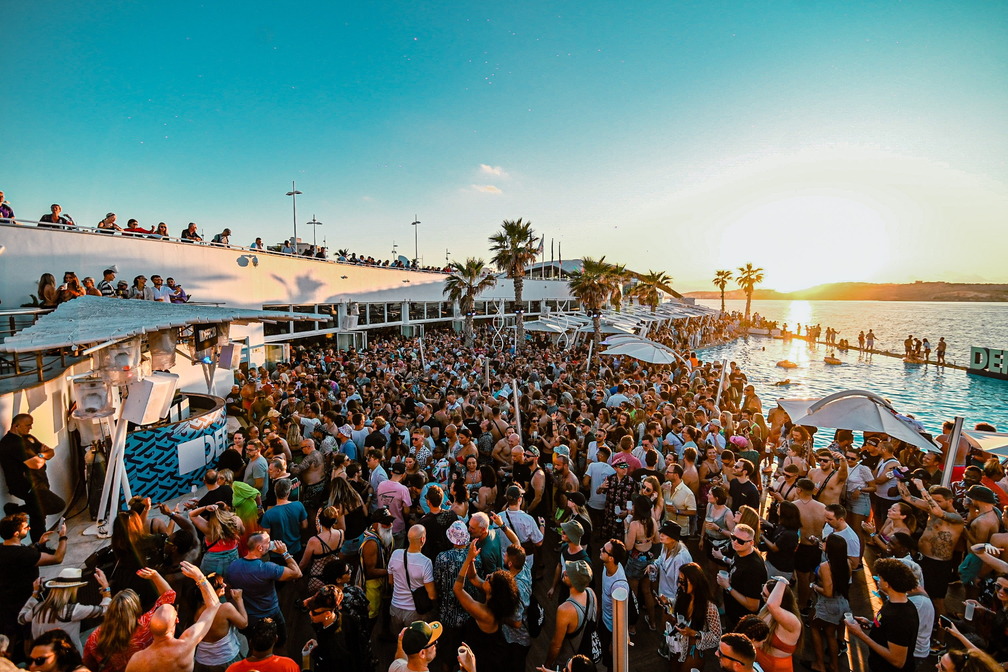
Summer adds boat parties and beach clubs, and Malta's electronic music festivals draw international names to what is a very small island. Drinks are cheap by western European standards, at €3 to €5 for a beer.

Getting around

Getting around Malta

Buses go everywhere on the main island and the Explore card costs €25 for seven days of unlimited travel, which is the obvious purchase for any stay over three days. They are slow and can be crowded, and the network radiates from Valletta, so crossing between two outer points often means going through the capital.

The Gozo ferry runs every 45 minutes from Ċirkewwa and takes 25 minutes. Foot passengers pay about €4.65 return, paid on the way back from Gozo.

Driving is on the left and the roads are narrow, busy and not well signposted. It gives you Gozo and the quieter coast at your own pace, but parking in Valletta and Sliema is genuinely difficult.

Costs

What Malta costs

Malta is among the cheaper Mediterranean countries and by some way the cheapest English-speaking country in the EU. Dorms start around €16 outside summer, a pastizzi lunch costs under €2, and a week of buses is €25.

July and August are the exception, when prices rise sharply with the language-school season and the heat, and St Julian's fills with a very young crowd.

A day comes to €45 to €60 including a bed, food, transport and a paid site. Diving is the main discretionary cost, at €40 to €60 a dive with equipment.

Safety

Staying safe in Malta

Malta is a safe country with low crime and the added comfort, for many travellers, that everything happens in English. Ordinary care applies in Paceville late at night, where the combination of very young crowds and cheap drinks produces the usual problems.

Swimming is where people get hurt. Much of the coast is rock rather than beach, entry and exit points are sharp, and currents around Comino and the cliffs are stronger than the calm surface suggests. Swim where others are swimming.

Driving on narrow roads with unfamiliar rules, on the left, is the other common issue. Maltese driving is assertive and lane discipline is not a local strength.

Entry and documents

Entry and documents

Malta is in the EU, the Schengen area and the eurozone. EU citizens need an ID card; UK, US, Canadian and Australian passport holders get 90 days in any 180 across the whole Schengen zone.

Passports need three months' validity beyond departure and to have been issued within the last ten years. ETIAS has been delayed repeatedly — check the official EU site.

English being an official language means no translation issues with paperwork, signage or emergency services, which is a genuine practical advantage over the rest of the Mediterranean.

When to go

Malta has the longest swimming season in Europe, running from May into November. July and August are very hot and very busy, and the shoulders are close to perfect.

16°
Jan
Mild, wet, and the cheapest month. Sea too cold
16°
Feb
Quiet. Carnival brings the one busy week
18°
Mar
Warming, wildflowers, and very few visitors
20°
Apr
Excellent. Swimming starts for the brave
24°
May
The best month. Warm sea, long days, no crowds yet
28°
Jun
Hot and busy. Festa season starts
32°
Jul
Peak heat and peak crowds. Language schools arrive
32°
Aug
The busiest and hottest. Santa Marija week is the peak
29°
Sep
Warmest sea of the year and thinning crowds
25°
Oct
Superb. Still swimming, prices falling
21°
Nov
Quiet, mild, and the sea still just about swimmable
17°
Dec
Mild and cheap, with a Christmas spike
Bar height is temperature. Colour is how busy it gets: quiet busy peak

Average highs. The sea stays above 20°C from roughly June to November, which is longer than anywhere else in Europe.

What your trip will cost

Pick how you travel and how long for. Per night, for one person, outside July and August.

A €25 Explore card covers the transport line for a whole week. Diving at €40–60 a dive is the main extra.

—
  • Beds—
  • Food and drink—
  • Getting around—
  • Doing things—
What's on

What is on while you are there

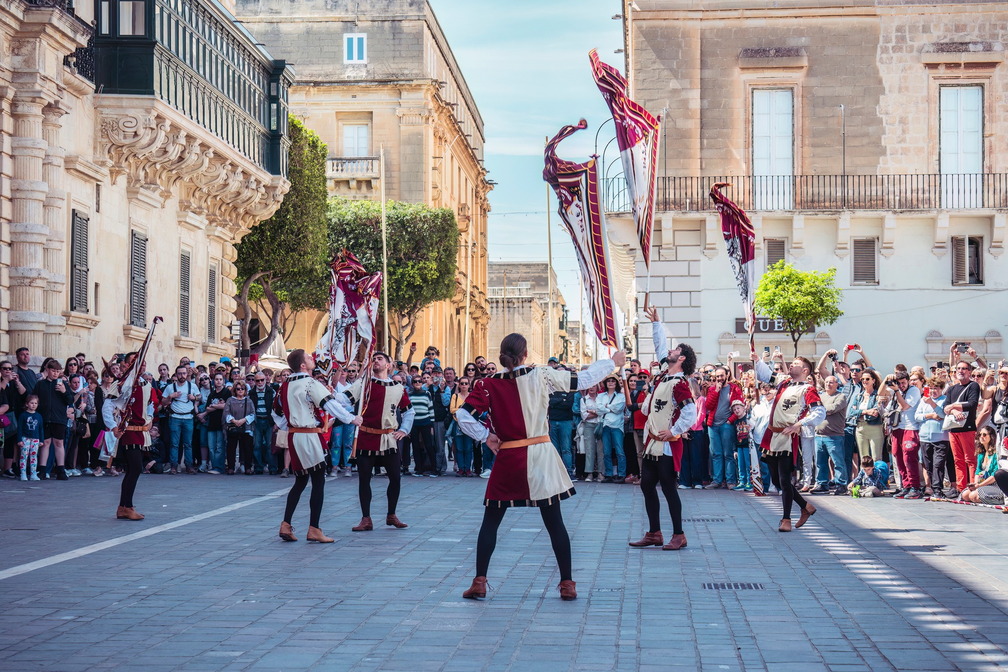
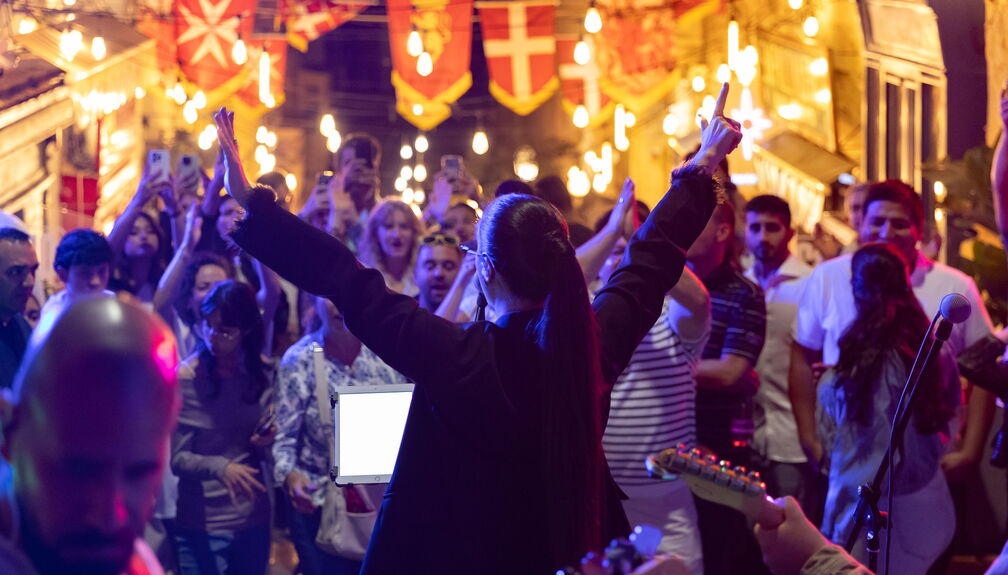
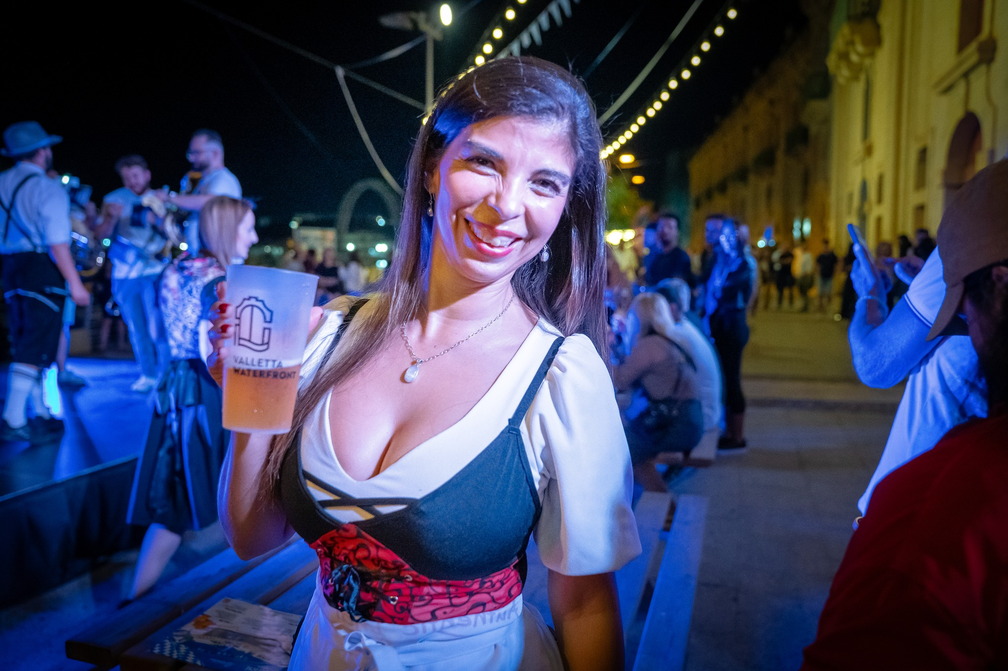
Malta's summer is a chain of village festas, each with fireworks. They are the best free entertainment in the country.

Malta travel questions

The ones we get asked most.

How many days do you need in Malta?
Five days to a week covers Valletta, the temples, a couple of swimming days and two nights on Gozo. The island is only 27km long, so nothing needs a long journey.
Is Malta cheap?
It is among the cheaper Mediterranean countries and the cheapest English-speaking country in the EU. Dorms from €16, pastizzi under €1, and a week of buses for €25. July and August are considerably more expensive.
Do they speak English in Malta?
Yes — English is an official language alongside Maltese, and everything from road signs to emergency services works in it. It is the main reason Malta suits a first solo trip.
When is the best time to visit Malta?
May, June, September and October. The sea stays above 20°C from June to November, which is the longest swimming season in Europe. July and August are 32°C and packed with summer language students.
Is the Blue Lagoon worth it?
The water genuinely is that colour, and it is genuinely overrun. Take the first boat of the day, swim, and leave before the day-trip crowds arrive in late morning. Gozo's quieter bays are the alternative.
Do I need to visit Gozo?
It is a different pace — greener, slower, with the Ġgantija temples and better diving. Two nights is enough to feel the difference, and the ferry runs every 45 minutes and takes 25 minutes.
Is Paceville safe?
It is the club strip and behaves like one: very young crowds, cheap drinks, and the usual late-night issues that follow. Valletta's Strait Street and rooftop bars are the better option for most people.

Say yes to hostels, meet the world

Compare hostels across Malta and Gozo — live prices, real reviews and free cancellation on most bookings. Then meet the people already there in the app.

Get the App. QRGet the App.
Get the App. QR  Get the App.
Scroll to Top