City centre
First-timers and nightlifeAround Unirii Square: St Michael's, the bars, the cafés and most of the beds.

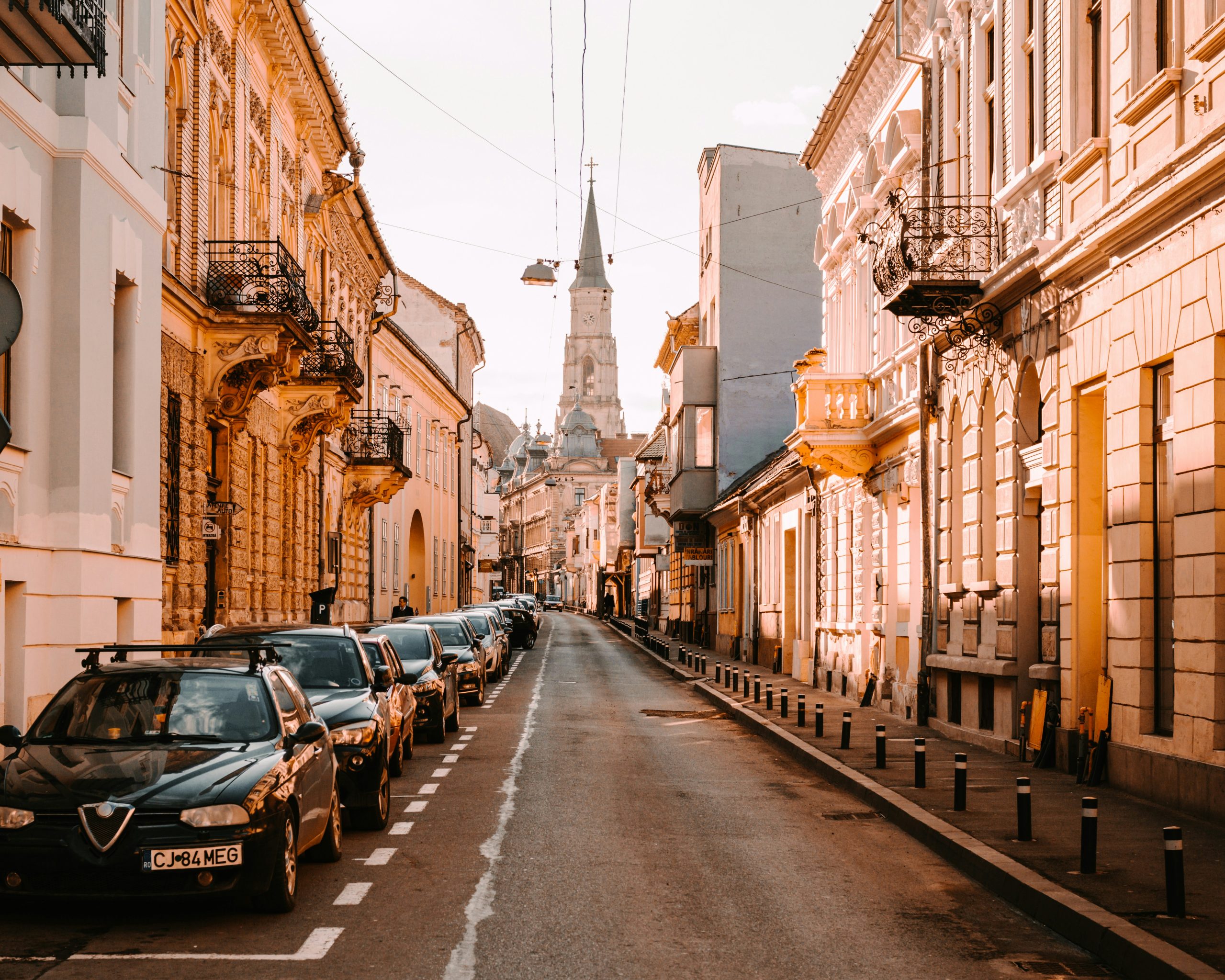
A student city with the best music scene in Romania, two of the largest festivals in Europe, and an underground salt mine with a Ferris wheel inside it an hour away.
Cluj has around a hundred thousand students in a city of about three hundred thousand, and the whole place runs on that. It has the best café culture, the best bars and the best music scene in Romania, and it has become the country's main technology hub on top of it.
Historically it was Kolozsvar, a Hungarian city, and a substantial Hungarian community remains — the Gothic St Michael's church on the main square and the statue of King Matthias Corvinus, who was born here, reflect that history.
Two festivals put it on the European map. Untold, in August, is one of the largest music festivals on the continent and fills the city entirely. Electric Castle, in July, takes place in the grounds of a ruined Baroque castle half an hour away.
An hour south is Salina Turda, a salt mine turned underground park — a vast chamber with a boating lake, a Ferris wheel and an amphitheatre, a hundred and twenty metres below the surface.
Two or three days.
A compact historic centre and a student-heavy ring around it.
Around Unirii Square: St Michael's, the bars, the cafés and most of the beds.
West of the centre: Central Park, the student bars and cheaper rooms.
Orange labels are neighbourhoods, dots are the 3 top-rated hostels. Map © MapTiler © OpenStreetMap contributors.
Go to Salina Turda. An hour south, about 50 lei (€10), it is a salt mine worked from the Middle Ages to the 1930s and now an underground park — a cavernous chamber with a boating lake, a Ferris wheel, a sports area and an amphitheatre, a hundred and twenty metres down. The air is a constant twelve degrees. It is genuinely one of the strangest places in Europe.
In the city, St Michael's Church on Unirii Square is free and is one of the largest Gothic churches in Romania.
The Botanical Garden, about 15 lei (€3), is large, well kept and has a Japanese garden.
Walk up Cetatuia hill for the view over the city.
The Pharmacy Museum, in the building of the city's first pharmacy, is small, odd and a few lei.
But the real point of Cluj is its cafés, bars and the life around them. The best way to spend a day here is slowly.
Unirii Square, St Michael's Church and the Matthias Corvinus statue are free and are the heart of the city.
Cetatuia hill is a short free climb for the view.
Central Park, with its lake and old casino building, is free and full of students.
The old town streets and the surviving sections of the medieval walls, including the Tailors' Bastion, cost nothing to walk.
Hoia-Baciu forest on the edge of the city is free and heavily marketed as one of the most haunted forests in the world. It is a pleasant wood with an unusual clearing, and the reputation is considerably larger than the evidence.
The best eating in Romania outside Bucharest, and cheaper. A main is 35 to 60 lei (€7–12) and student places do less.
Varza a la Cluj, a layered bake of cabbage, minced meat and rice, is the city's own dish and very filling.
Hungarian influence is strong: goulash, paprika dishes and langos appear alongside the Romanian standards.
The café culture is the best in the country — dozens of independent coffee shops, many of them serious about it.
A beer is 10 to 18 lei (€2–3.50), and Cluj has a good craft beer scene.
The Piata Mihai Viteazu market is cheap for produce and snacks.
The best in Romania, driven by a hundred thousand students and a young tech workforce.
The centre has dense clusters of bars, many in courtyards and cellars, and they fill every night in term.
A beer is 10 to 18 lei (€2–3.50) and cocktails 25 to 45 lei (€5–9).
The live music and electronic scenes are strong and the city has a reputation for both.
Two festivals define the summer. Electric Castle, in July, takes place at Banffy Castle half an hour away and draws international headliners. Untold, in August, is held in the city's stadium and Central Park and is one of the largest music festivals in Europe — the city is transformed and every bed goes.
Term time from October to June is when the ordinary nightlife is at its best.
The centre is compact and walkable, and buses cost about 3 lei (€0.60).
The airport is twenty minutes from the centre by bus and has budget routes across Europe, which makes Cluj a practical way into Transylvania.
Trains to Brasov take around six to seven hours and to Bucharest about ten — Romanian rail is slow. Buses and minibuses are often faster and flying to Bucharest is a real option.
For Salina Turda, buses run in about an hour, or it is an easy drive or tour.
Bolt is widely used and cheap.
Cheap, though rising with the tech industry. Dorms are 45 to 100 lei (€9–20), a main 35 to 60 lei (€7–12), and a beer 10 to 18 lei (€2–3.50).
A day is €28 to €50.
You pay in lei. Cards work widely.
Salina Turda at about 50 lei (€10) is the main entry, and most of the city itself is free.
Untold in August and Electric Castle in July are the exceptions — beds triple and sell out months ahead, and festival tickets are a separate and considerable cost.
Cluj is a safe city and crime against visitors is low.
Petty theft happens in busy bars and around the station, at ordinary levels, and rises sharply during festival weeks.
At Untold and Electric Castle, the usual large-festival risks apply: heat, dehydration, drugs of unknown content and very large crowds. Drink water, stay with your group and agree a meeting point, since phone networks struggle under the load.
At Salina Turda, the underground air is a constant twelve degrees — take a layer even in August — and the stairs and walkways down are long and can be slippery.
Romanian roads are among the most dangerous in the EU; take care if driving. Emergency number is 112.
An underground salt park, a gorge and the Apuseni mountains.
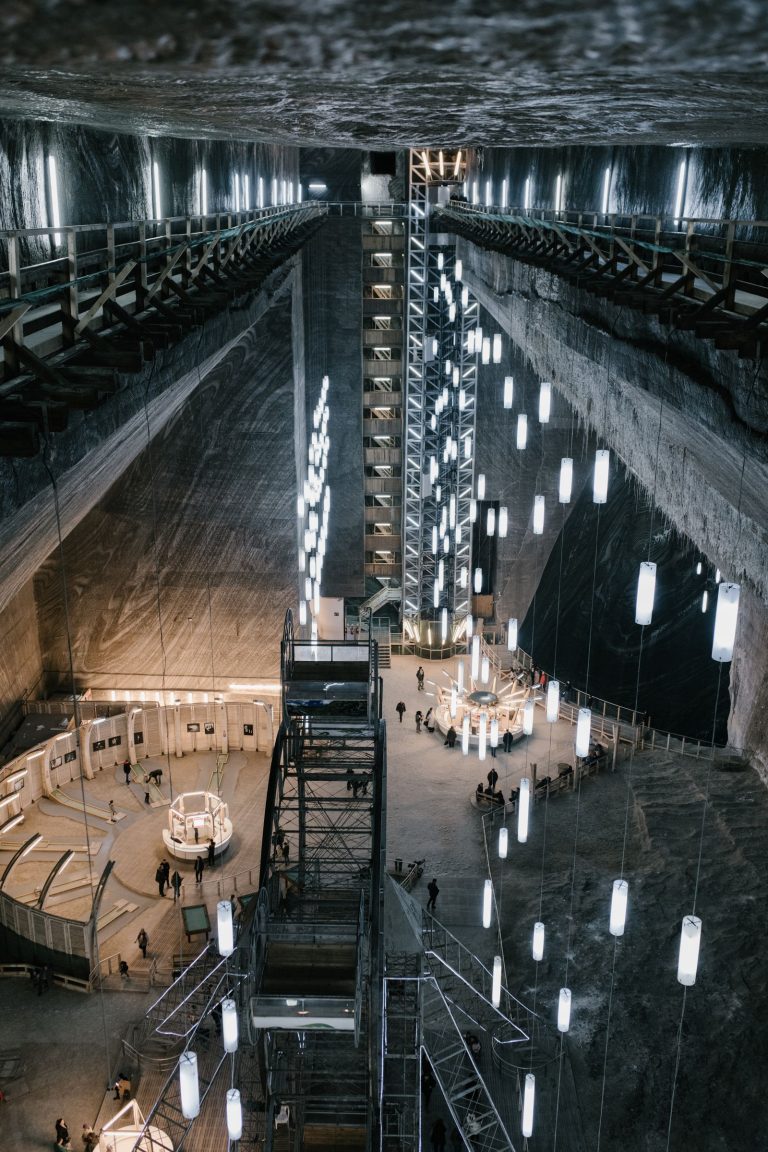
A medieval salt mine turned underground park, with a boating lake and a Ferris wheel 120 metres below the surface.
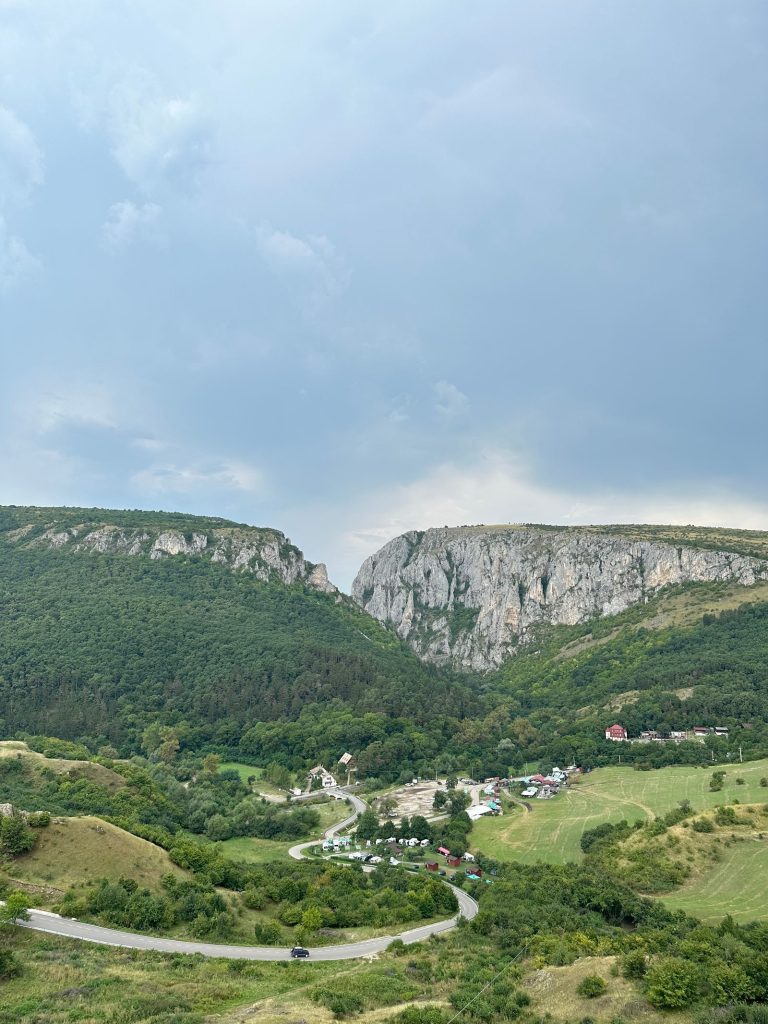
A limestone gorge with a walking path along the river between high cliffs.
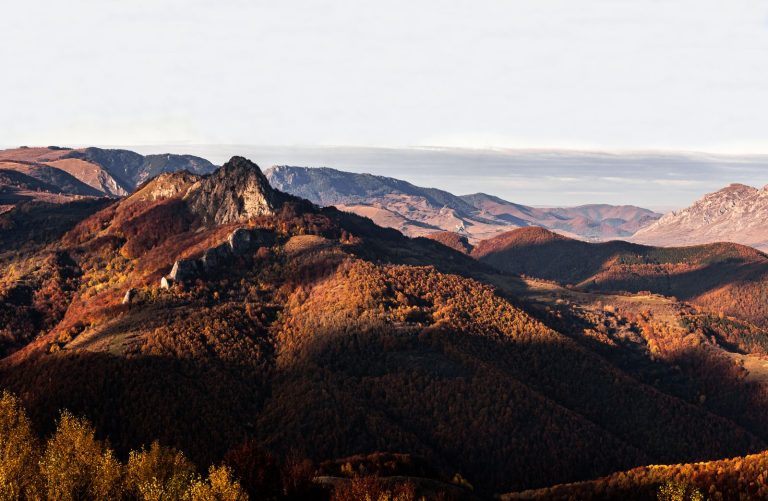
Caves including a glacier cave at Scarisoara, plus karst plateaus and villages.
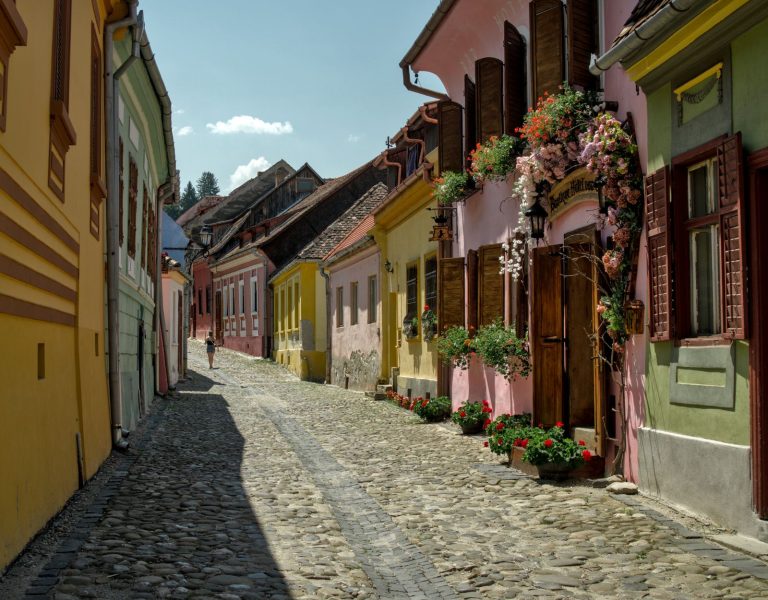
An inhabited medieval citadel and Vlad Tepes's birthplace.
Two of the largest music festivals in Europe, a month apart.
One of the largest music festivals in Europe, over four days, with hundreds of thousands attending. The city fills entirely and beds triple.
A major festival in the grounds of a ruined Baroque castle half an hour away.
Romania's largest film festival, with outdoor screenings in the squares.
A market around St Michael's Church.
When the city's hundred thousand students are in.
A good scene in the centre, which sells out entirely during Untold and Electric Castle. Live from Hostelworld.
May to June and September to October. July and August are festival season.
Average highs. Festival weeks in July and August are the defining factor for cost and availability — outside them, spring and autumn term time is when the city is at its best.
Pick how you travel. Per person per night, in euros — you will pay in lei, at roughly 5 to the euro.
Shown in euros for comparison; you pay in lei. Festival weeks triple the bed line, and festival tickets sit outside these figures.
The ones we get asked most.

Compare Cluj-Napoca hostels — live prices, real reviews and free cancellation on most bookings. Then meet the people already there in the app.

 Get the App.
 Get the App.