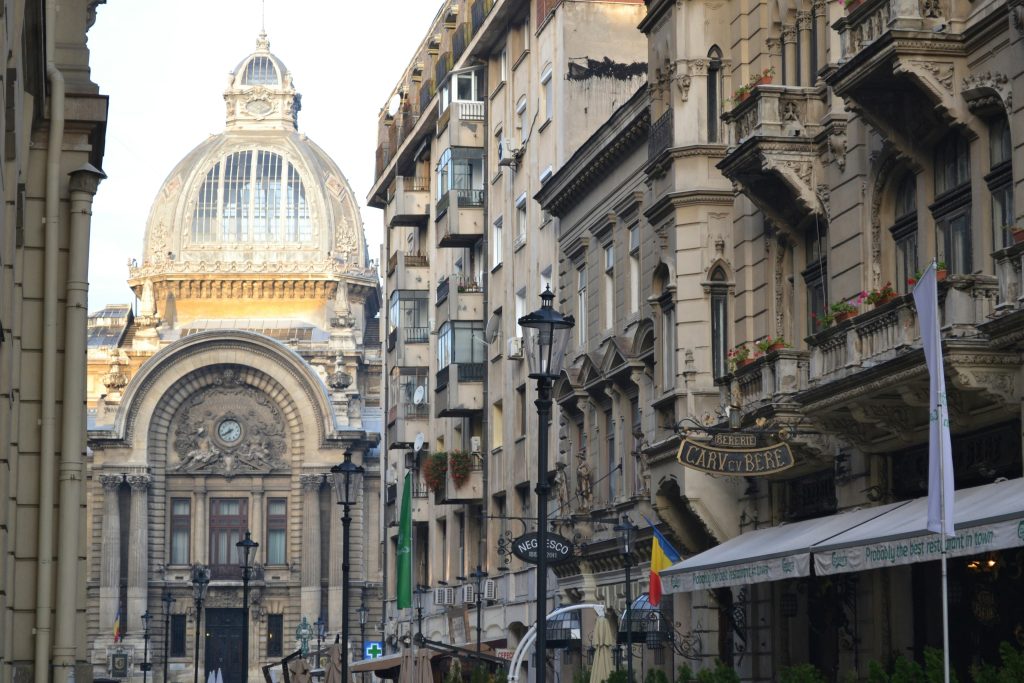
Bucharest
17 hostels · dorms from €2
Big, loud, green and cheap, with the world's heaviest building and an all-night old town.
Bucharest is so underated, top town in europe
A traveller, on Hostelworld

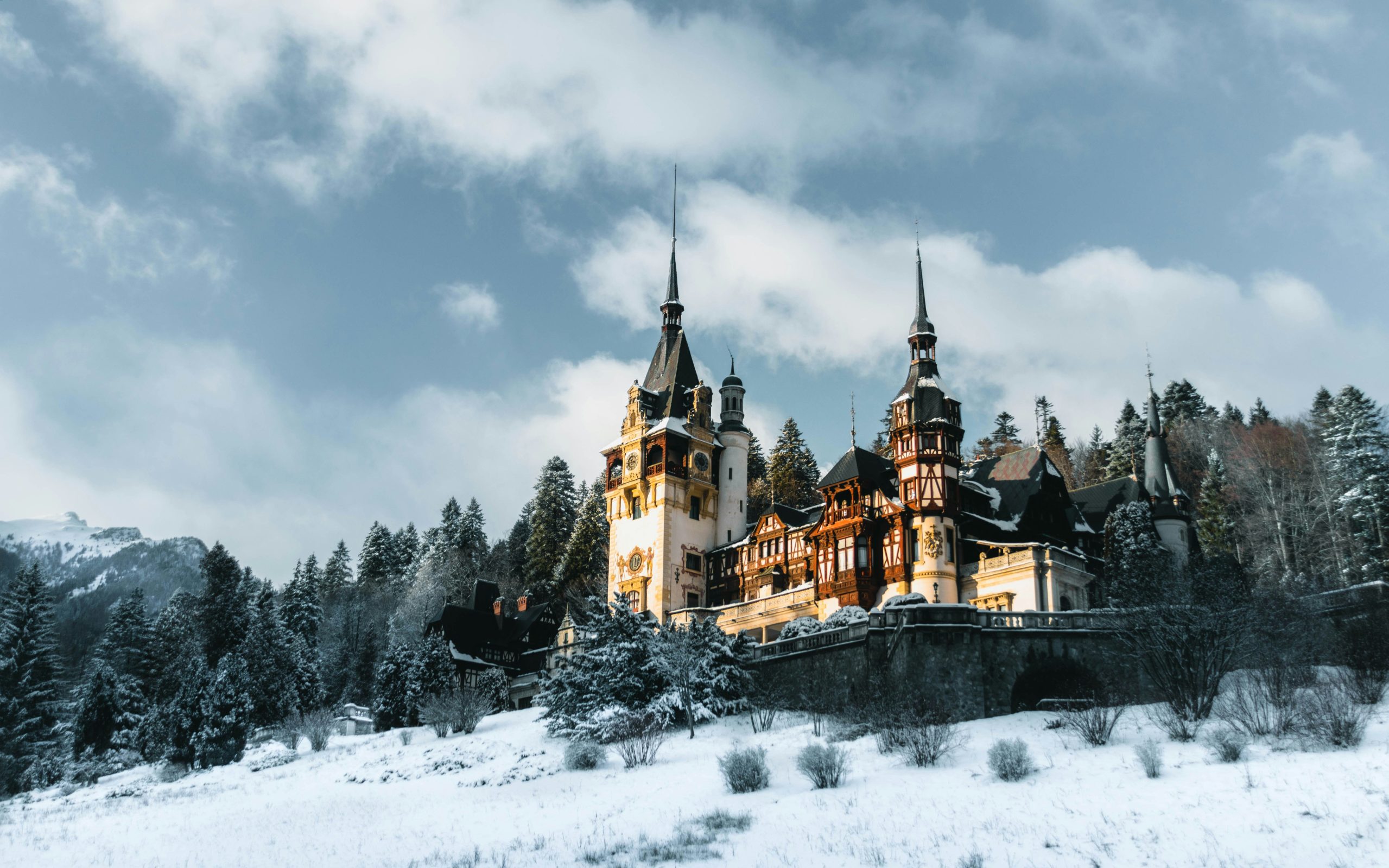
Carpathian mountains, painted monasteries, the last great wilderness in Europe, and prices that make a week feel like a weekend elsewhere. Also, yes, castles.
Romania is the largest country in the Balkans and most of it is mountains and forest — the Carpathians curve through the middle, holding the largest population of brown bears in Europe outside Russia and some of the last old-growth forest on the continent.
Transylvania is the region most people mean: Brașov, Sibiu and Sighișoara are Saxon towns with fortified churches and pastel squares, and the castles in between them have been marketed as Dracula's for a century. Bran Castle has essentially no connection to the historical Vlad Țepeș, which does not stop it being a good castle.
Bucharest divides opinion and deserves a couple of days. It is a big, scarred, energetic city with Belle Époque streets next to Ceaușescu's colossal parliament building, and a nightlife that outlasts most of Europe.
Trains are slow and cheap, buses and minibuses cover the rest, and Transylvania is where most trips concentrate.
Big, loud, green and cheap, with the world's heaviest building and an all-night old town.
Bucharest is so underated, top town in europe
A traveller, on Hostelworld
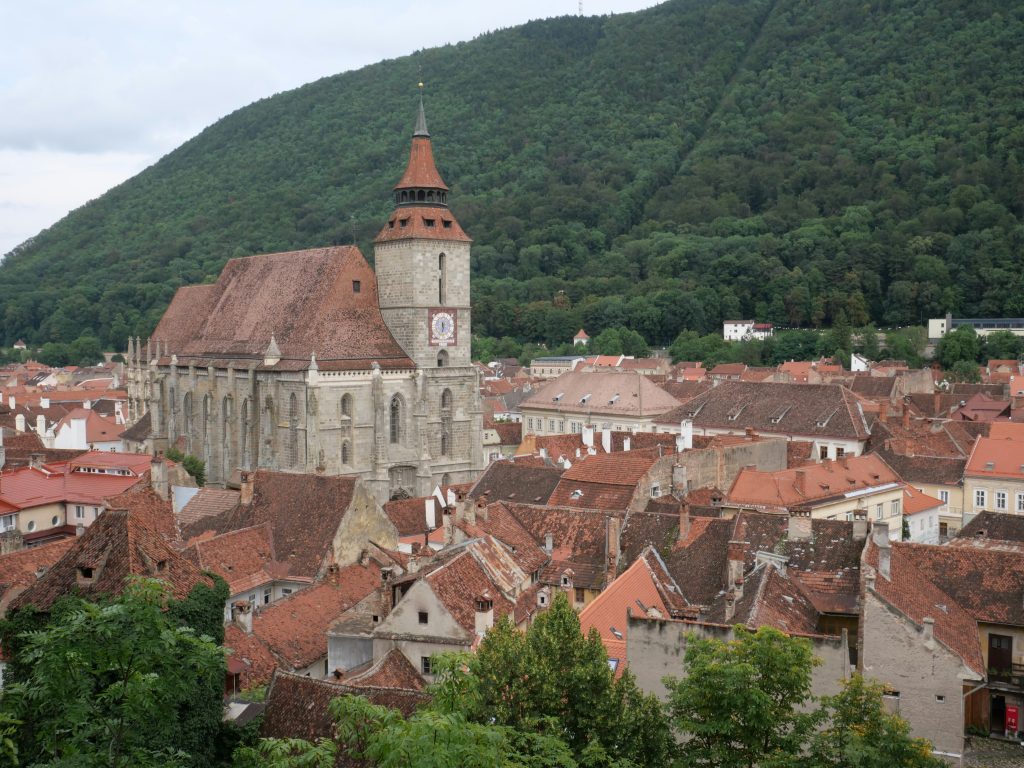
Transylvania's hub: a Saxon square under forested mountains, and bears in the hills above.
Brasov old town is very nice. Plenty of places to eat or drink. Everything is on walking distance. Great for a weekend!
A traveller, on Hostelworld
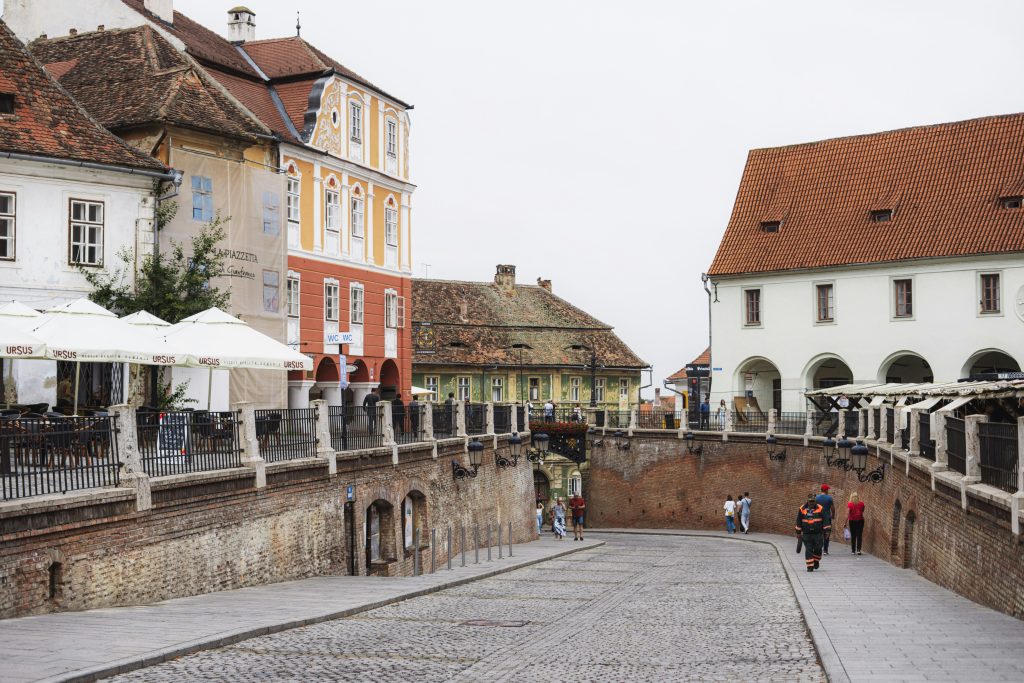
The prettiest of the Saxon towns, with houses whose roof windows look like eyes.
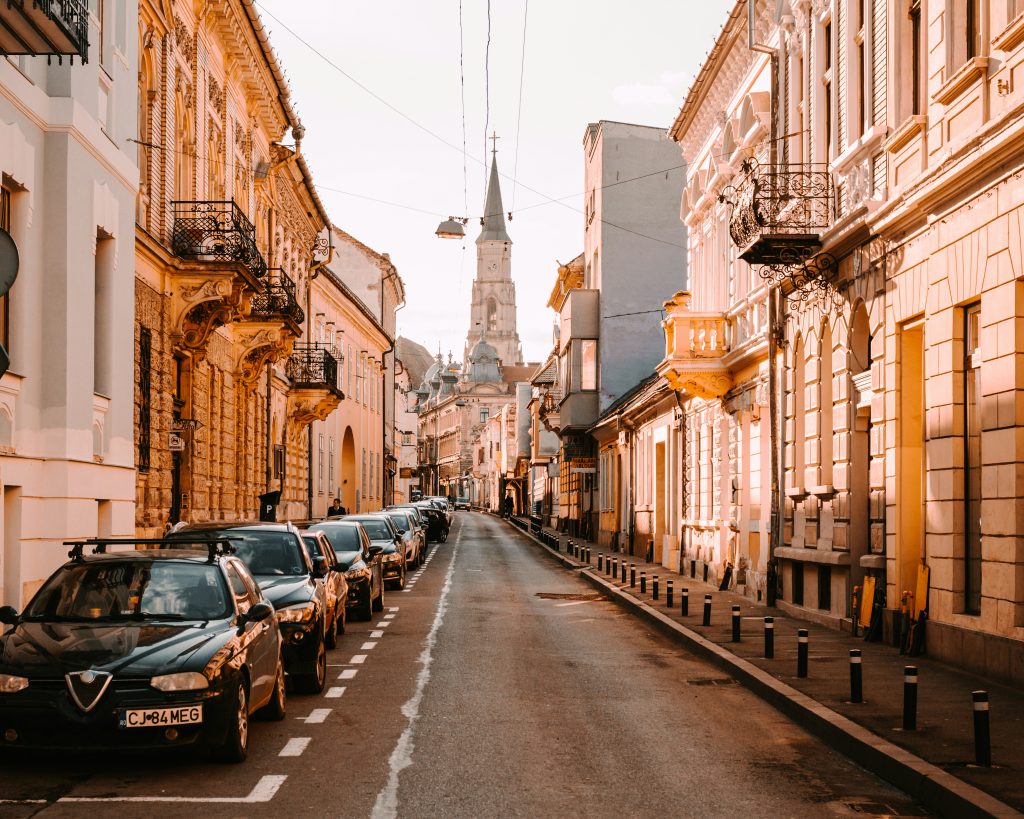
A student city with the best music scene and nightlife in the country.
Since my stay in Cluj-Napoca was just one night and two days, I didn't visit many tourist spots, but being a city located almost in the center of Transylvania, I was able to feel its culture and traditions. I would definitely like to visit villages around the town next time.
A traveller, on Hostelworld
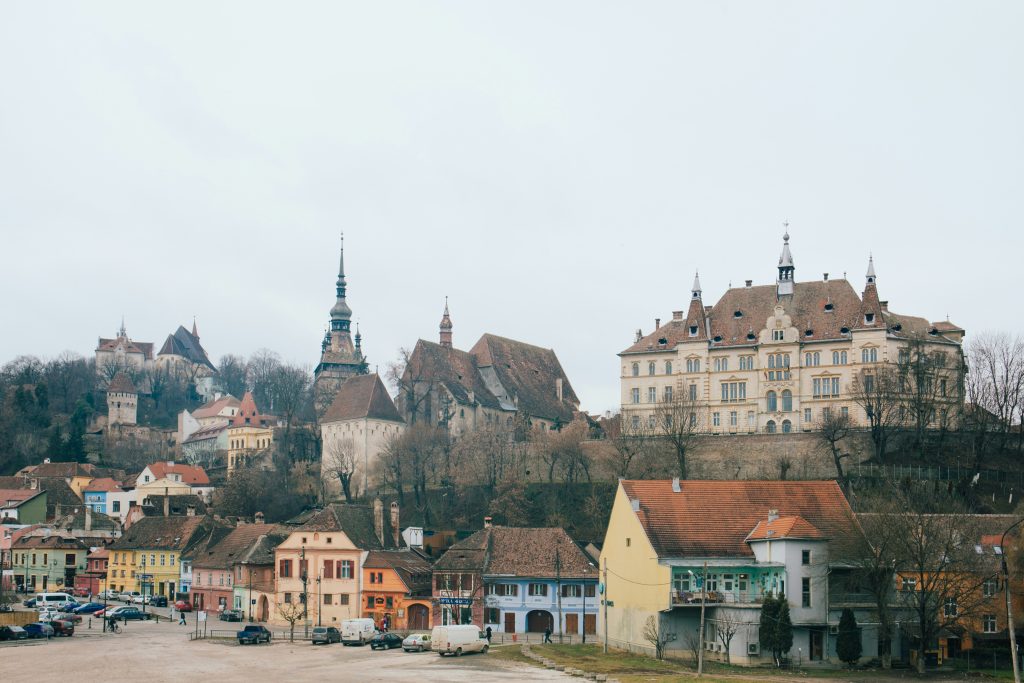
A walled medieval citadel, still inhabited, and Vlad Țepeș's actual birthplace.
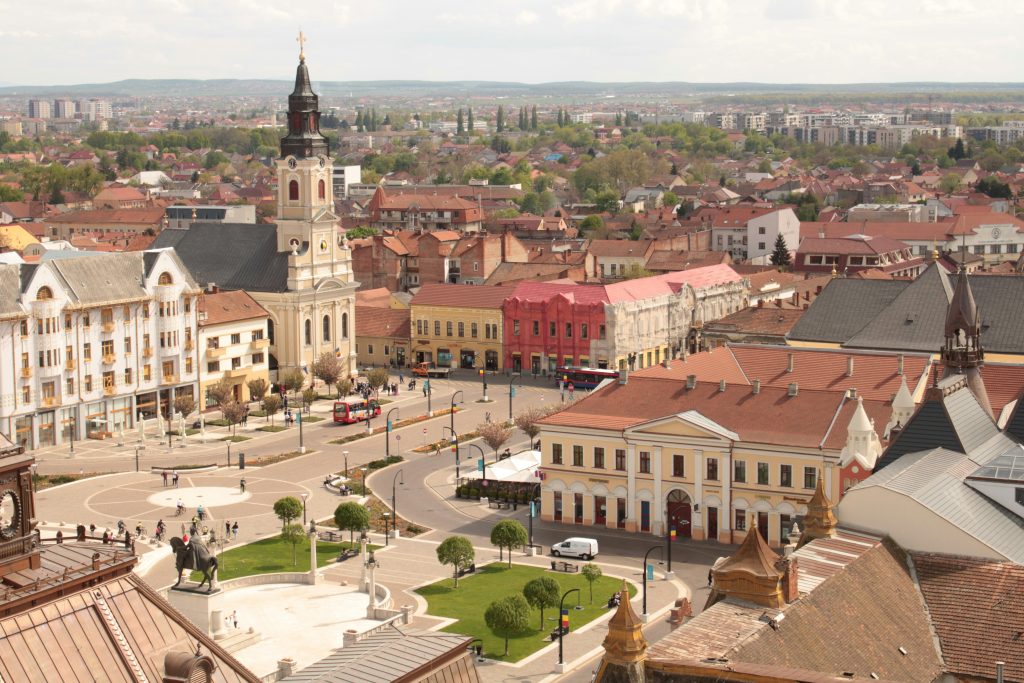
Art nouveau on the Hungarian border, restored street by street, and the prettiest city most people have never heard of.
Romania does mountains, medieval towns and very cheap nights out.
The Carpathians, and genuine wilderness in them.
Saxon churches, painted monasteries and communist-era concrete.
Two or three days in Bucharest or Cluj for very little money.
Cheap, late, and better than its reputation.
Among the cheapest countries in the EU.
Transylvania is the core. Brașov makes the best base: a Saxon square, a black church, a cable car up Tâmpa, and day trips to Bran and Peleș castles. Peleș, a nineteenth-century royal residence in the mountains, is the more impressive of the two by a wide margin.
The Transfăgărășan is the famous road, a mountain pass of hairpins across the Făgăraș range, open roughly from July to October. It needs a car or an organised trip, and it is the best drive in this part of Europe.
Further afield, the painted monasteries of Bucovina have exterior frescoes from the fifteenth and sixteenth centuries, the Danube Delta is one of the largest and best-preserved wetlands in Europe, and the Carpathians hold Europe's densest bear population — bear watching from a licensed hide is a genuine thing you can do here.
Romanian food is Balkan and Ottoman with Austrian edges, and portions are large. Sarmale — cabbage rolls with polenta and sour cream — is the national dish, ciorbă is the sour soup eaten before almost everything, and mici are grilled minced-meat rolls sold from street grills for a euro or two.
Lunch menus in city restaurants run €5 to €8 for soup and a main, and village guesthouses feed you enormous home-cooked meals for about the same.
Țuică and pălincă are the plum spirits, homemade in the countryside and considerably stronger than they look. Accepting one from a host is polite; accepting five is a decision.
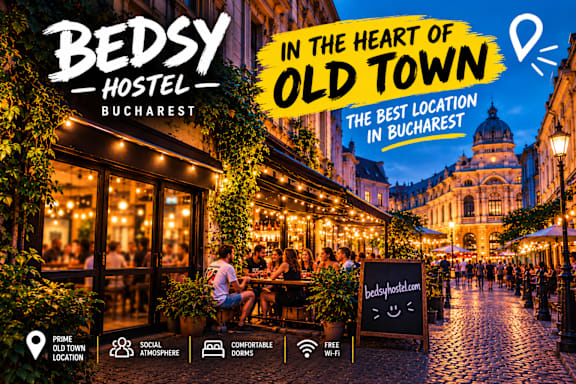
Bucharest's old town is a dense grid of bars and clubs that runs until dawn, and it is cheap enough that a full night costs what two drinks cost in western Europe. It is also loud, occasionally rowdy, and the venues change constantly.
Cluj is the better night out for many people. A huge student population, a strong electronic scene, and two of the biggest festivals in eastern Europe — Untold and Electric Castle — both in summer.
Prices are among the lowest in the EU: a beer is around €2, a cocktail €5 to €7. In summer, rooftop bars and garden bars open across Bucharest and are where locals actually go.
Trains are cheap, slow and often beautiful — the Bucharest to Brașov line climbs through the Prahova valley and is worth taking in daylight. CFR is the operator and fares are low even by regional standards.
Buses and minibuses (maxitaxis) fill the gaps and are faster on many routes, though less comfortable and harder to book online. Between cities, FlixBus covers the main corridors.
A car matters if you want the Transfăgărășan, Maramureș or the painted monasteries, all of which are poorly served by public transport. Roads vary from good motorway to rough rural single track, and drivers overtake optimistically.
Romania is one of the two or three cheapest countries in the EU. Dorms start around €11, a restaurant lunch menu is €5 to €8, a beer is €2, and a long train journey costs less than a taxi across a western city.
Bucharest and Cluj are the priciest, and still cheap. Rural guesthouses in Transylvania and Maramureș often include a huge breakfast and dinner for €25 to €35 total.
The currency is the leu, not the euro. Cards work in cities and larger towns; carry some cash for villages, mountain huts and small guesthouses, where card machines are less reliable.
Romania is safer than its reputation in western Europe suggests, with low violent crime and cities that are comfortable to walk around at night. Petty theft happens in Bucharest's crowded areas and on public transport at ordinary levels.
The most common problems are taxi overcharging at Bucharest airport and stations — use Bolt or Uber, which are cheap and universal — and stray dogs, which are far fewer than a decade ago but still present in rural areas.
The genuine hazard is the mountains. Romania has Europe's largest brown bear population, and encounters near Brașov happen. Do not feed or photograph bears at close range, keep food sealed when camping, and take local advice on which trails are active.
Romania joined the Schengen area fully in 2025, so land borders with Hungary and Bulgaria no longer have routine checks. It is in the EU but not the eurozone.
EU citizens need an ID card; UK, US, Canadian and Australian passport holders get 90 days in any 180 across the whole Schengen zone — and because Romania is now inside it, time here counts against the same allowance as Spain or Germany.
Passports need three months' validity beyond departure and to have been issued within the last ten years. ETIAS has been postponed repeatedly — check the official EU site.
Summer for the mountains, winter for skiing and the Christmas markets, and two shoulder seasons that are the best value in the EU.
Average highs for Bucharest. The Carpathians are much colder and hold snow into May; the Black Sea coast is warmer and has its own short summer season.
Pick how you travel and how long for. Per night, for one person, at Romanian prices.
Prices are in lei locally; these are euro equivalents. Car hire for the Transfăgărășan or the monasteries is the main extra, at €30–45 a day.
Two enormous summer festivals, and a winter market circuit that few outside the country know about.
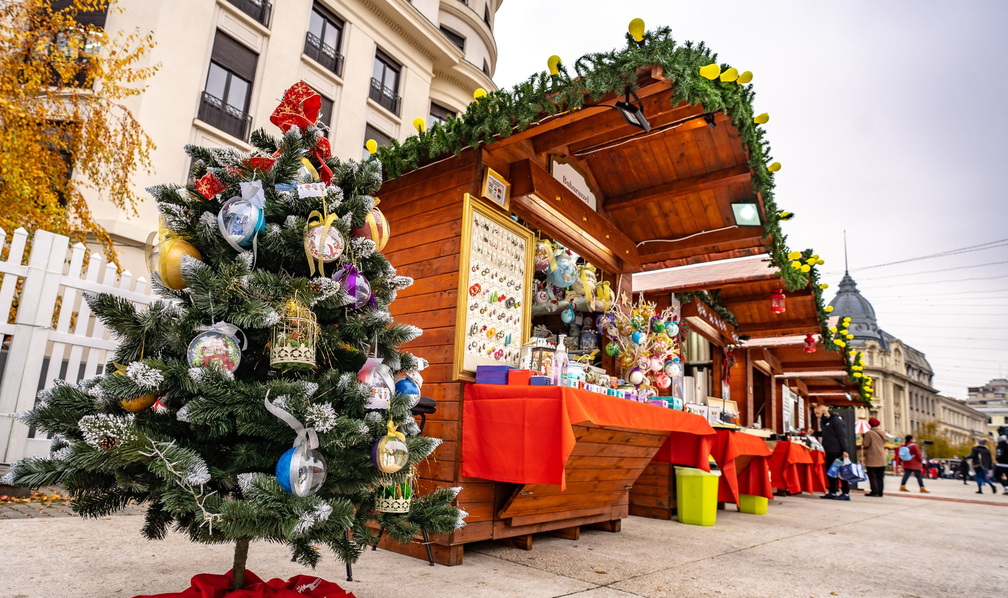 Staff pick
The Bucharest Christmas Market transforms Constitution Square, Bucharest, into a festive wonderland each winter, drawing visitors from across Romania and beyond. Over 100 wooden…
 Staff pick
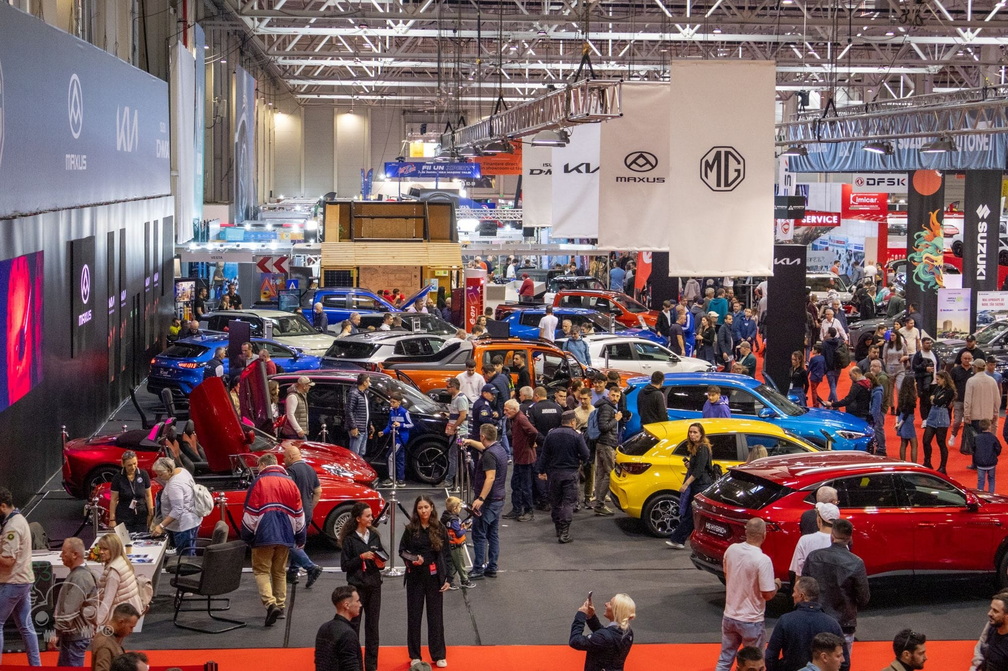
The Bucharest Auto Show & Accessories (SAB) is Romania’s premier automotive showcase, bringing together leading car manufacturers, electric mobility innovators, and accessory suppliers at…
 Staff pick
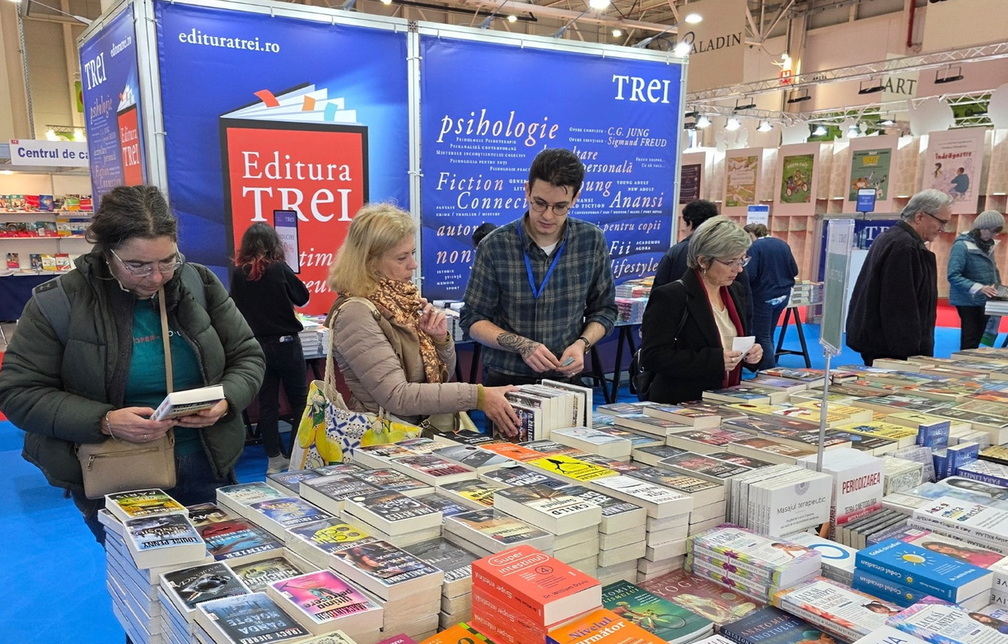
The Gaudeamus Radio Romania Book Fair in Bucharest, Romania, is a major literary event that has brought together book lovers and industry professionals for…
 Staff pick
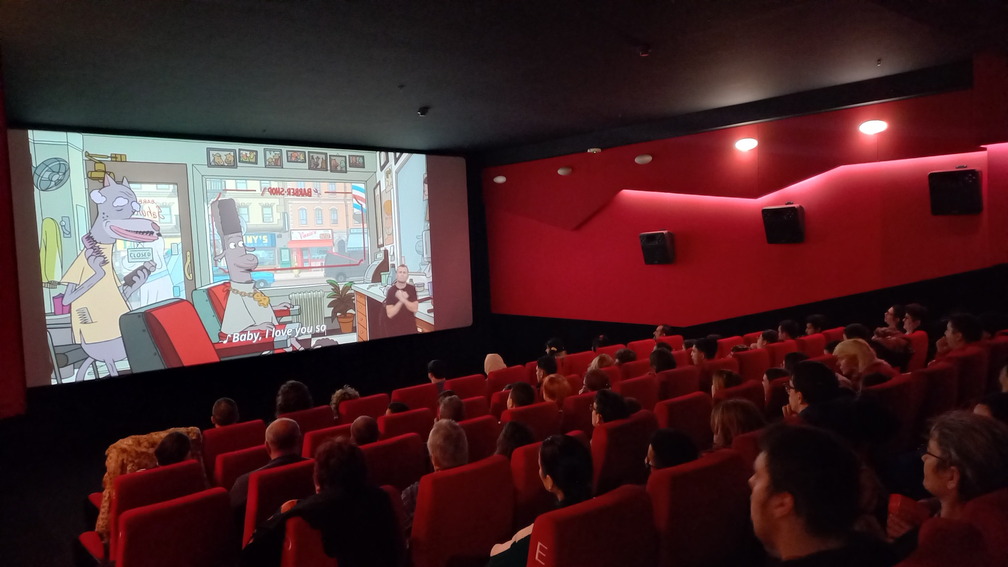
Animest International Animation Film Festival in Bucharest, Romania, is the country’s leading celebration of animated film, bringing together acclaimed works from around the world…
 Staff pick
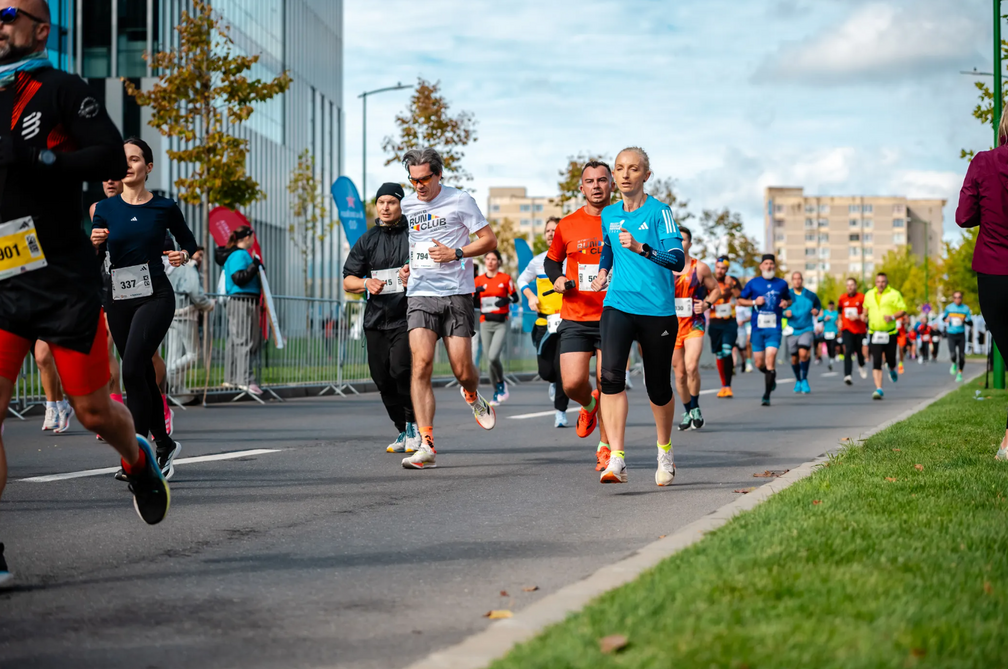
Brașov Running Festival in Brașov, Romania, is a renowned two-day road running event recognized with the World Athletics Elite Label. The festival features the…
 Staff pick
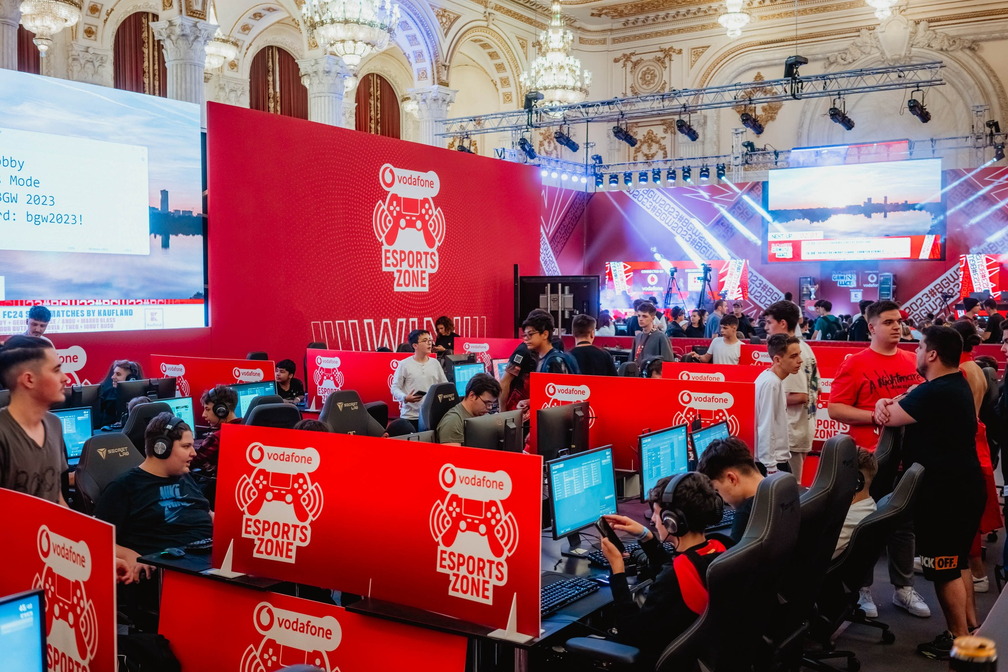
Bucharest Gaming Week in Bucharest, Romania, at Romexpo brings together gamers, developers, and industry leaders for a celebration of gaming culture that has grown…
 Staff pick
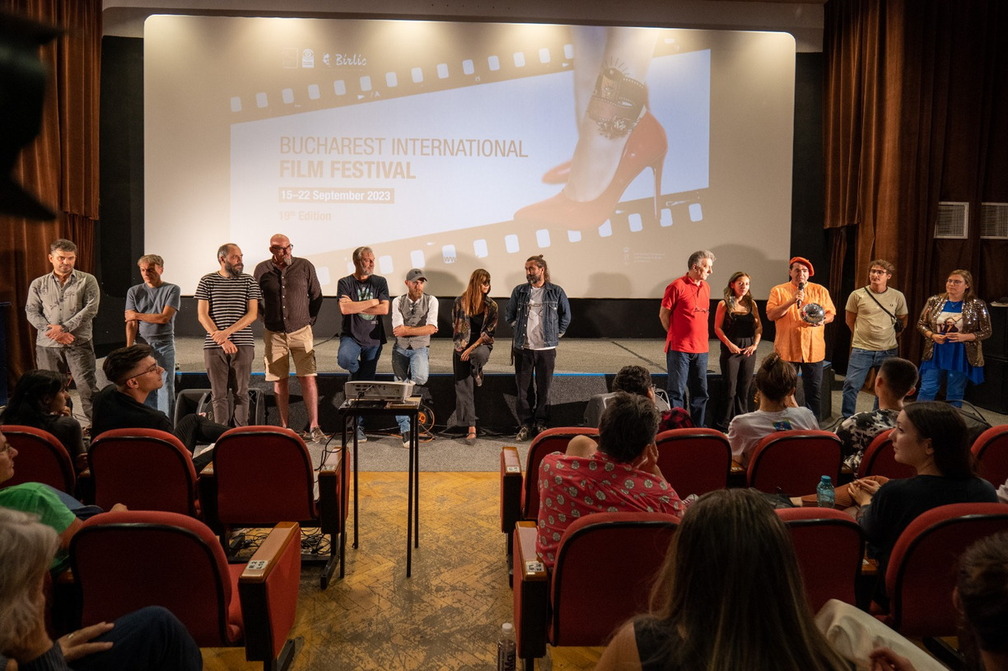
The Bucharest International Film Festival is a prestigious event showcasing the best in contemporary world cinema. With its diverse selection of films, insightful panel…
 Staff pick
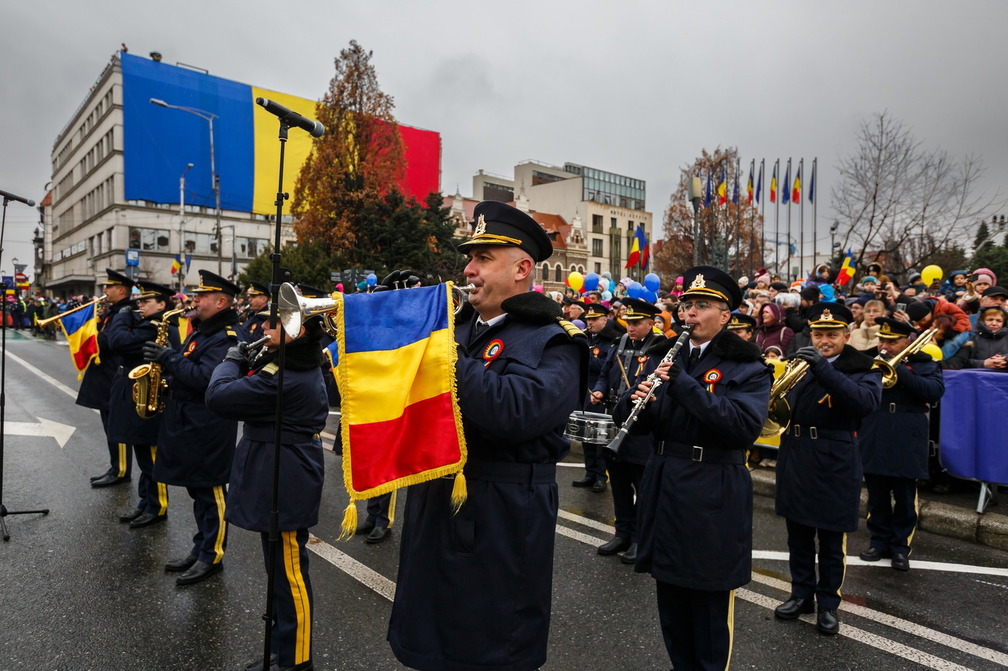
The Romania National Day Parade in Bucharest, is a grand celebration of the country’s unity and heritage. Spectators gather to witness an impressive display…
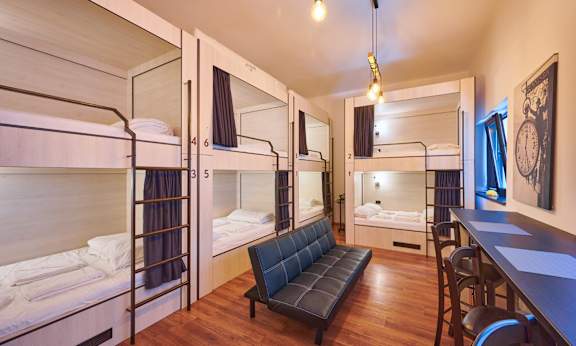
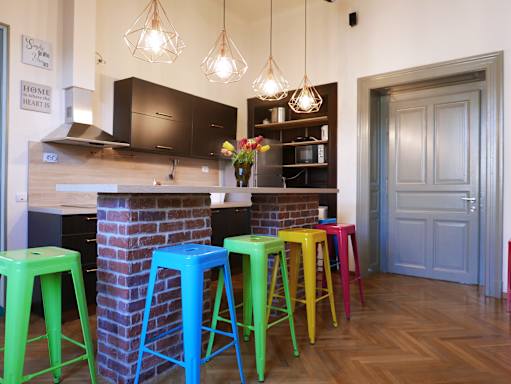
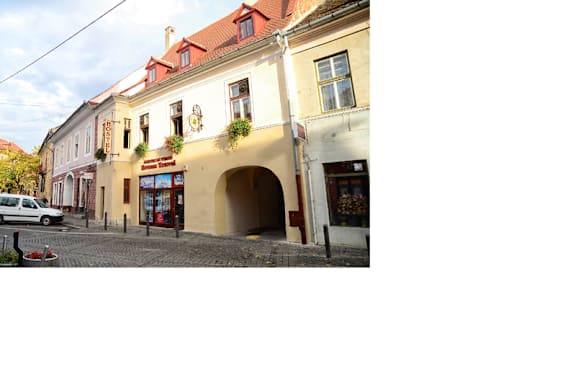
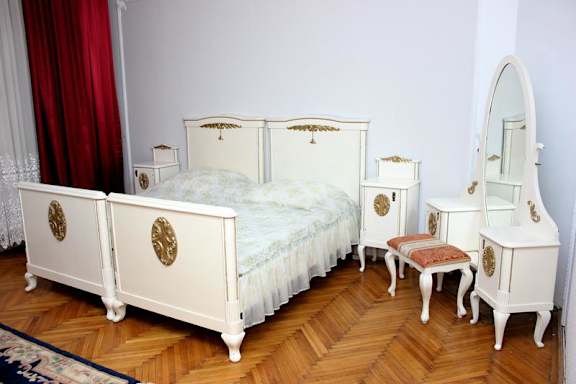
The highest-rated hostels in the country, live from Hostelworld. Bucharest and Brașov have the most, and rural guesthouses are worth it in Transylvania.
The ones we get asked most.

Compare hostels across Romania — live prices, real reviews and free cancellation on most bookings. Then meet the people already there in the app.

 Get the App.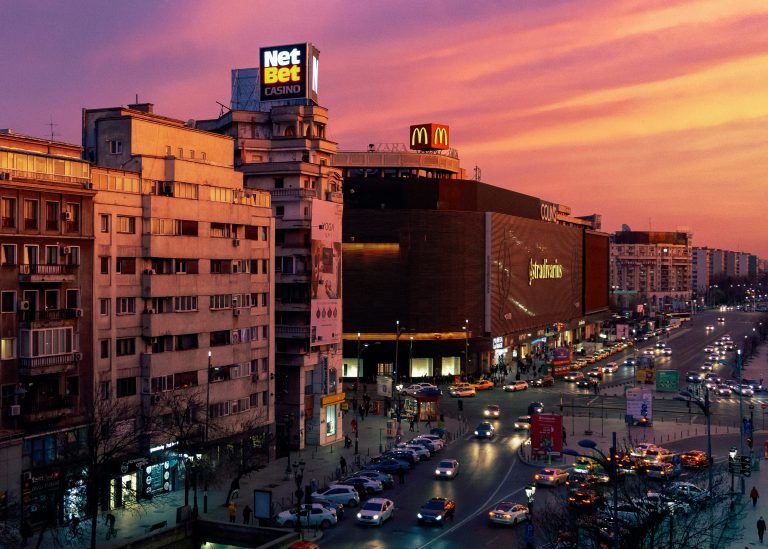
 Get the App.