Main Town
First-timersThe Royal Route and the riverfront.

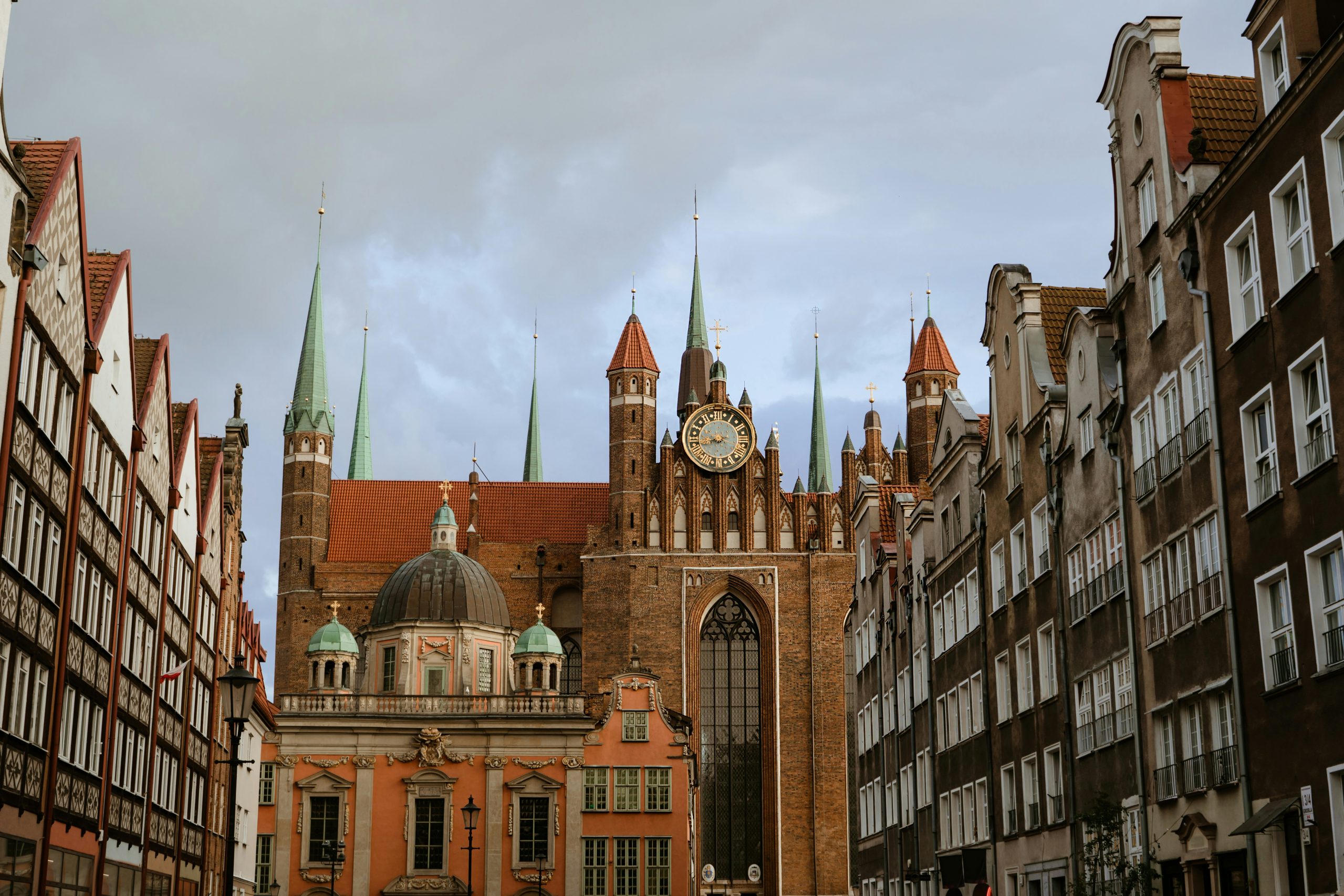
A Hanseatic port of tall, painted merchants' houses, amber shops and the shipyard where Solidarity began. The Second World War started here, and the Baltic beaches are a train ride away.
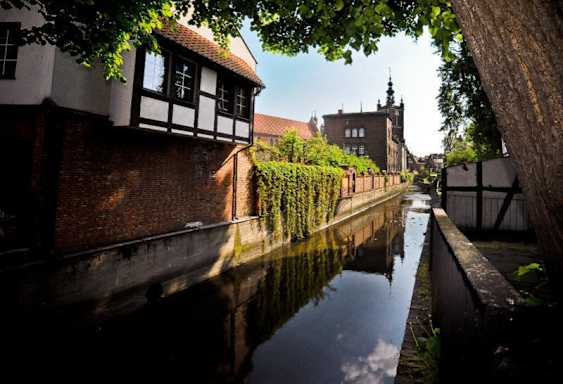
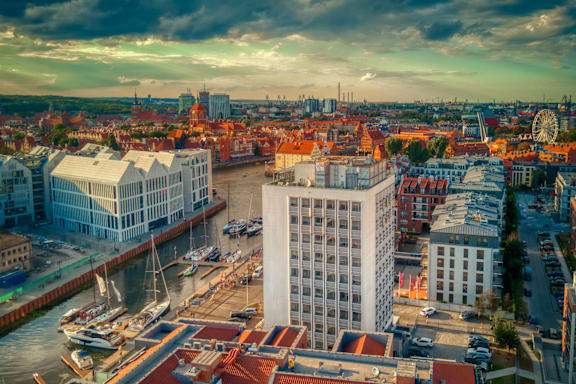
Gdańsk was one of the richest ports of the Hanseatic League, and its Main Town, with its tall gabled merchants' houses, grand gates and the great medieval crane on the river, shows it. Most of it was destroyed in 1945 and carefully rebuilt.
The city has been at the centre of European history twice. The Second World War began here, at Westerplatte, on 1 September 1939. In 1980, strikes at the Gdańsk shipyard gave birth to Solidarity, the movement that helped bring down communism across the Soviet bloc.
Gdańsk is one of the Tricity, with the seaside resort of Sopot and the port of Gdynia, joined by a fast local train. Three days is right, with a day for Malbork castle.
The Main Town is compact and walkable. Sopot, twenty minutes away, is the seaside option.
The Royal Route and the riverfront.
North of the Main Town, near the station and shipyard.
The seaside resort, twenty minutes by train.
A residential district between the centre and the airport.
Orange labels are neighbourhoods, dots are the 6 top-rated hostels. Map © MapTiler © OpenStreetMap contributors.
Walk the Royal Route through the Main Town: in through the Golden Gate, along Długa and the Long Market, past the Neptune fountain, the Artus Court and the Town Hall, whose tower you can climb, and out through the Green Gate to the river.
Along the Motława, the medieval crane, the Żuraw, is one of the symbols of the city. Mariacka street, with stone terraces and amber shops, is the prettiest in town. St Mary's Church is one of the largest brick churches in the world, with a tower to climb.
The European Solidarity Centre, in the shipyard, explains how a strike became a movement that ended the Cold War. The Museum of the Second World War is one of the best war museums in Europe. Westerplatte, where the war began, is a short boat or bus ride away.
Take the train to Sopot for the beach and the longest wooden pier in Europe.
The Main Town, the Royal Route and the riverfront are free.
The shipyard gates and the monument to the fallen shipyard workers, outside the Solidarity Centre, are free.
The Baltic beaches, from Brzeźno to Sopot, are free.
Gdańsk has good fish from the Baltic, especially herring and smoked fish. Pierogi and milk bars are as cheap as anywhere in Poland.
Goldwasser, a herbal liqueur with flakes of gold, was made here for centuries.
The restaurants on the Long Market charge for the setting; the streets behind are cheaper. A meal is €10 to €18.
Gdańsk has a lively bar scene in the Main Town and around the river. Sopot, twenty minutes away, is the Tricity's party town in summer, with beach bars and clubs.
A beer is €3 to €4.
The Main Town is walkable.
The SKM local train connects Gdańsk, Sopot and Gdynia every few minutes. From the airport, trains and buses reach the centre in about half an hour.
Trains reach Warsaw in about three hours and Malbork in about forty-five minutes. Ferries run from Gdańsk and Gdynia to Scandinavia.
Gdańsk is cheap by European standards but more expensive than Kraków in summer, when the coast is busy. Dorms start around €12. A careful day is €40 to €55.
The currency is the złoty, not the euro. Cards are accepted almost everywhere; use a bank ATM and decline the machine's currency conversion.
Gdańsk is safe, with low crime.
Avoid strangers' invitations to bars. On the Baltic, swim only where lifeguards are on duty.
Emergency number is 112.
The largest castle in the world, and the Baltic coast.
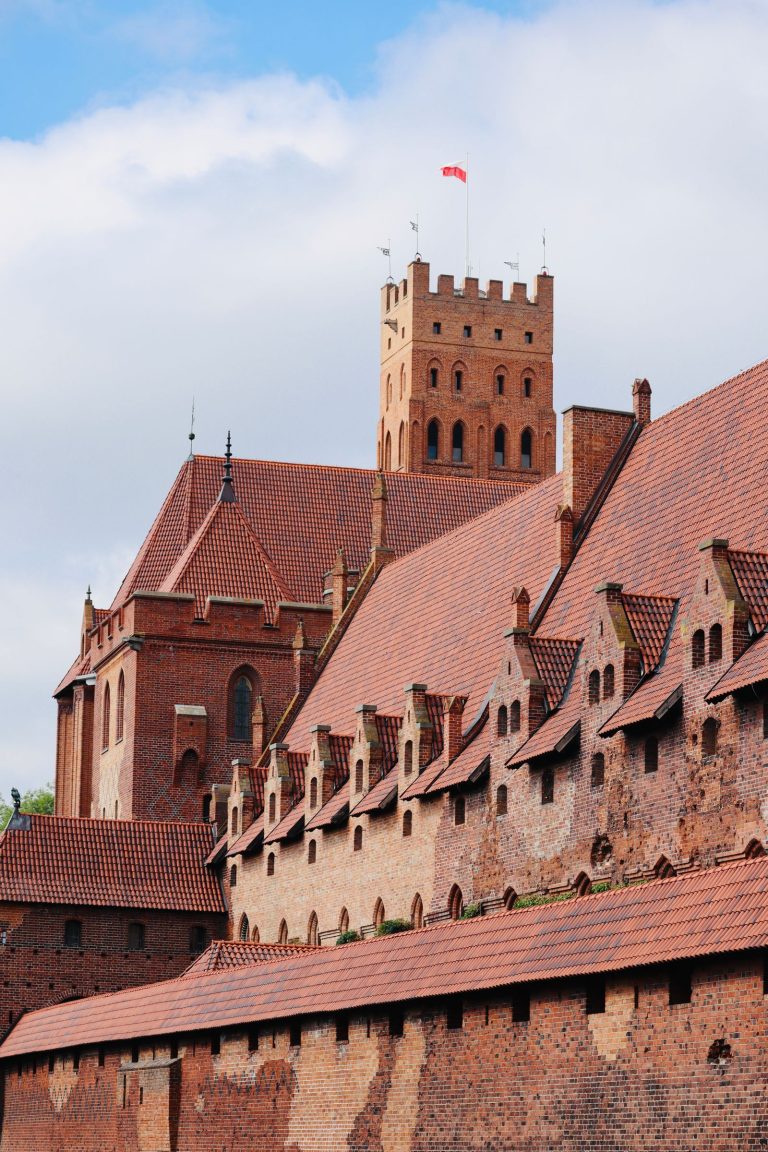
The castle of the Teutonic Knights, the largest in the world by area.
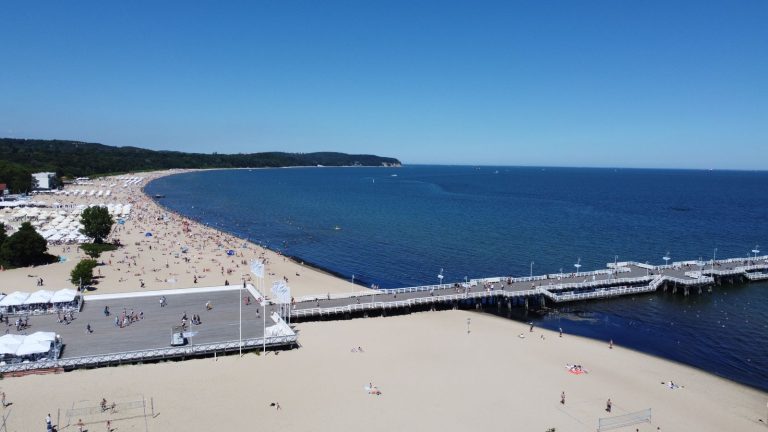
The seaside resort, with the longest wooden pier in Europe.
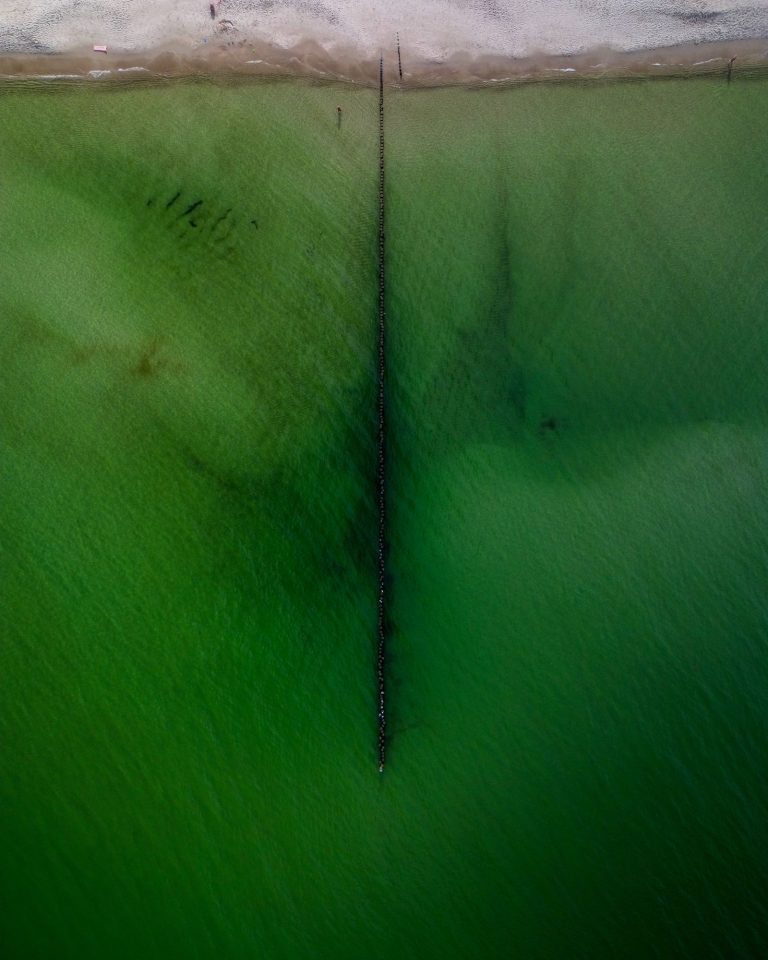
A narrow sandbar with beaches, fishing villages and seals.
St Dominic's Fair has run since 1260.
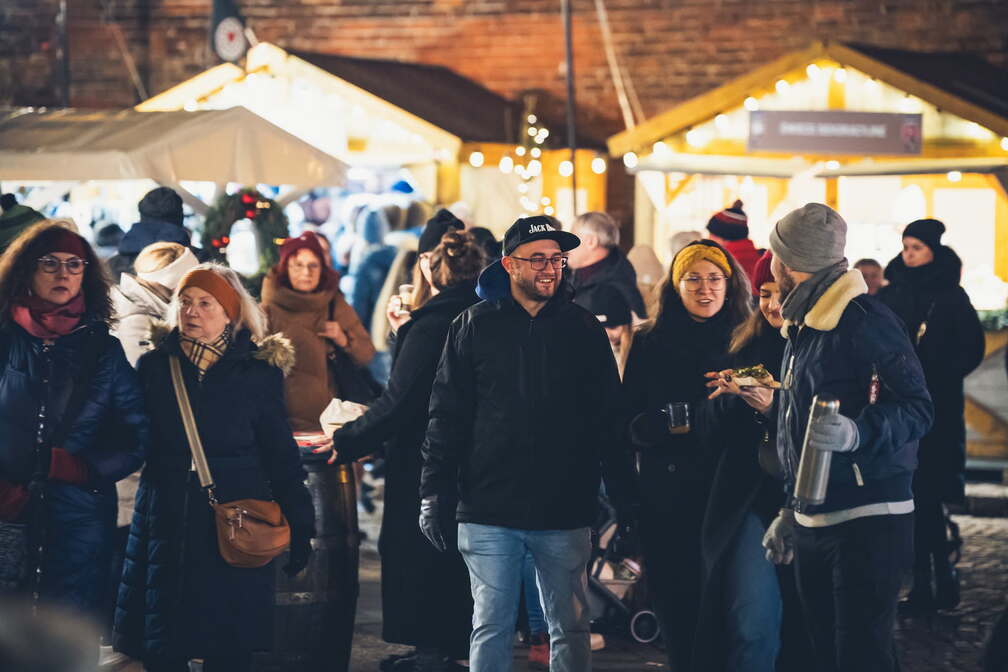 Staff pick
The Gdańsk Christmas Market in Gdańsk, Poland, is a magical holiday destination known for its enchanting illuminations, festive atmosphere, and rich history dating back…
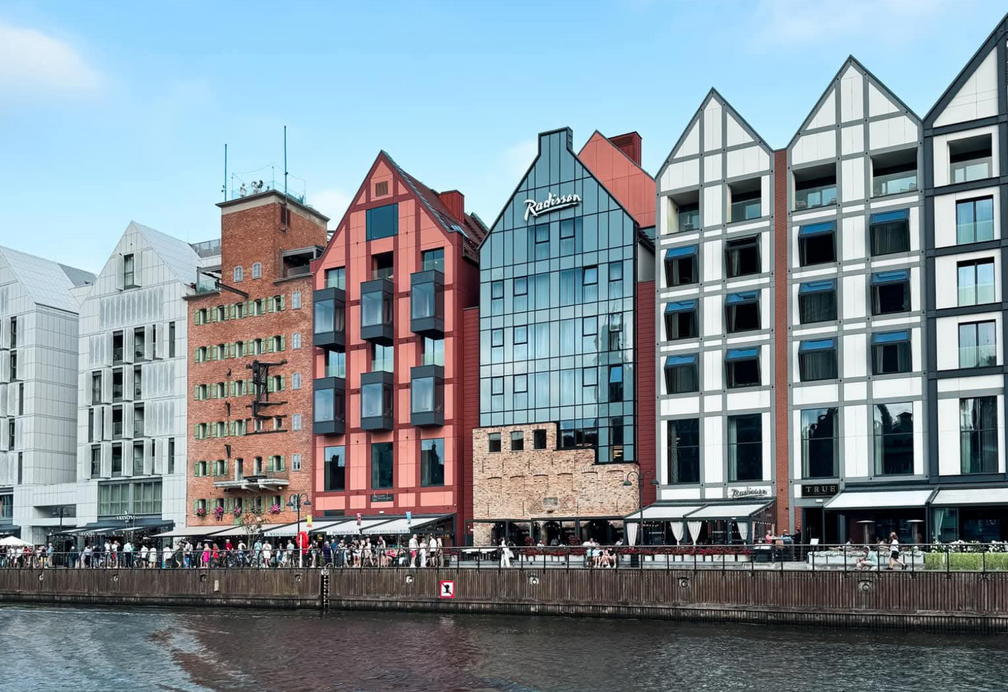 Staff pick
Restaurant Week Autumn in Gdańsk, Poland, invites food lovers to explore the city’s culinary scene with specially crafted three-course menus at a fixed, affordable…
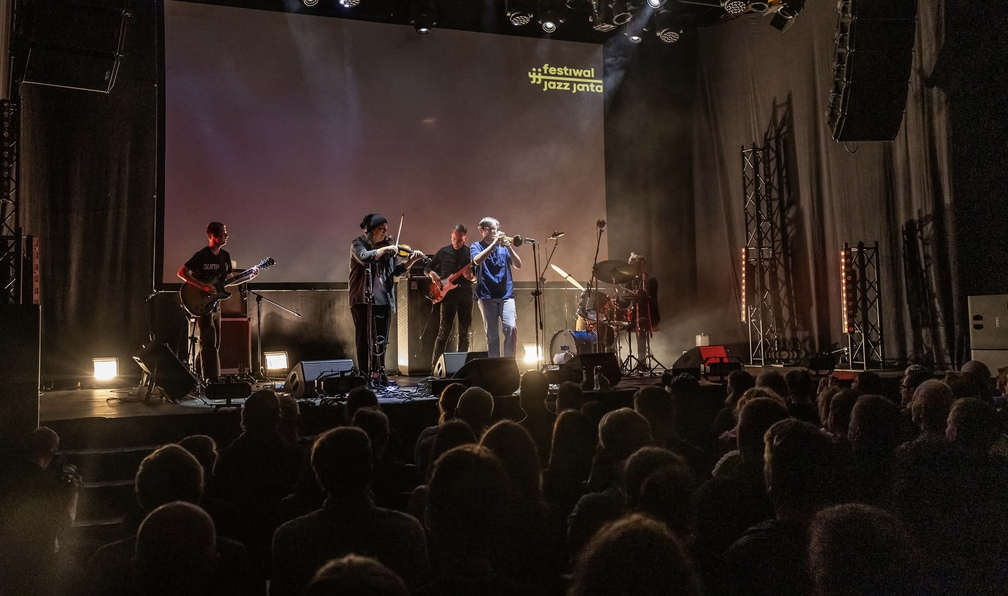 Staff pick
Jazz Jantar Festival in Gdańsk, Poland, is a cornerstone of the European jazz scene, renowned for its adventurous programming and commitment to artistic integrity.…
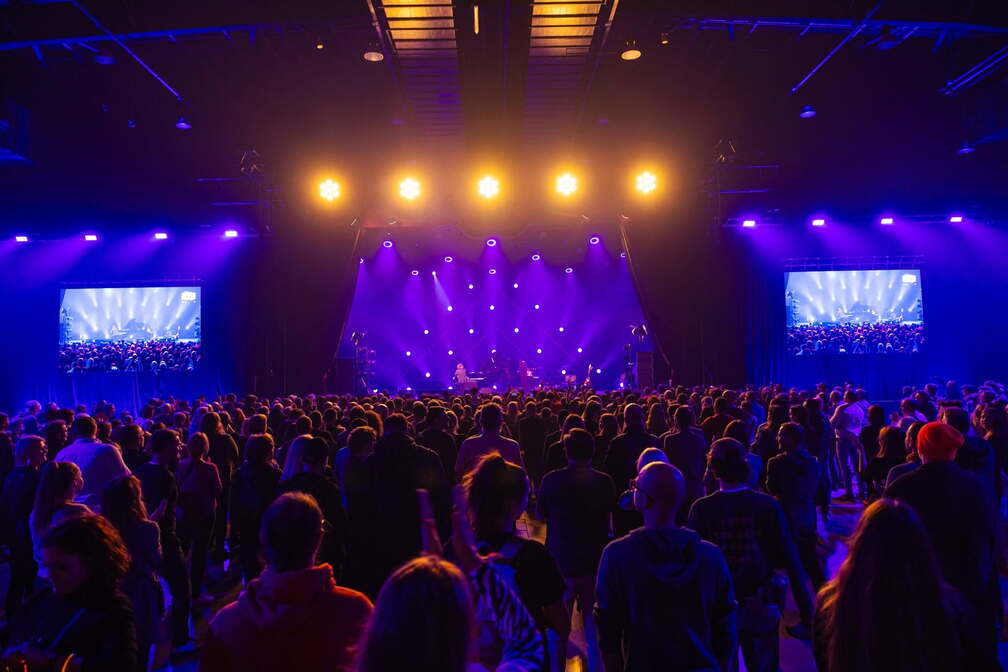 Staff pick
Inside Seaside is an immersive autumn festival in Gdańsk, Poland, bringing together music lovers for two days of live performances by both international and…
 Staff pick
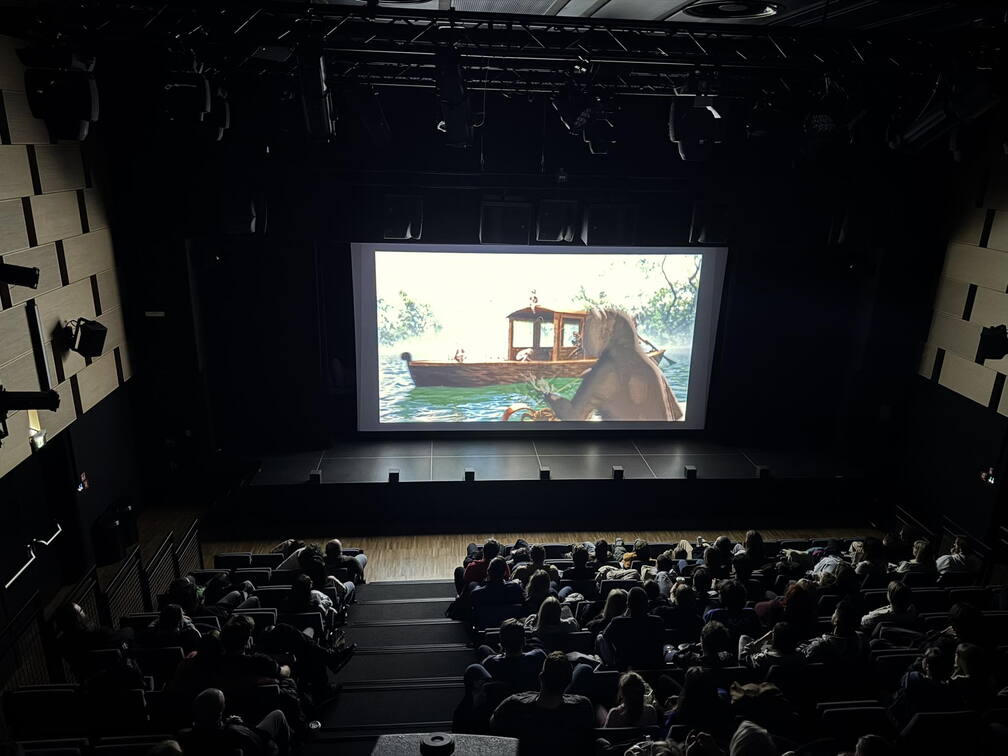
Animafest Gdańsk is a celebrated four-day festival in Gdańsk, Poland, dedicated to showcasing the best in international and Polish animated cinema. The event features…
The top-rated places to stay in Gdańsk right now, live from Hostelworld.
June to September for the coast. St Dominic's Fair fills the city in late summer.
Average highs. The Baltic keeps it cooler than inland Poland.
Pick how you travel. Per person per night, in euros.
Prices are in złoty locally; these are euro equivalents.
The ones we get asked most.

Compare Gdańsk hostels — live prices, real reviews and free cancellation on most bookings. Then meet the people already there in the app.

 Get the App.
 Get the App.