Poland
Poland country guide

Things To Do In Poland

The best value in Europe by a distance, and not only because it is cheap. Kraków and Gdańsk are as handsome as anywhere west of them, and a night out costs what a round costs in Amsterdam.

€10
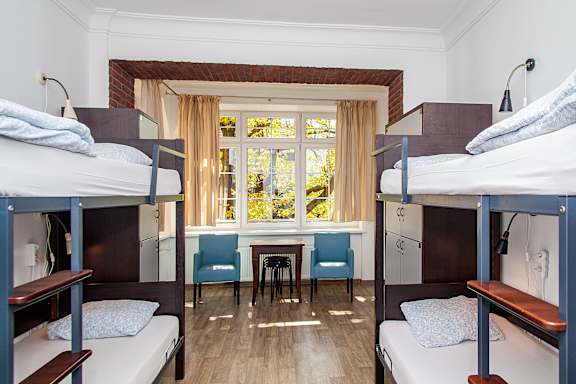
Dorm bed, from
€2.50
A pint of good beer
2.5h
Kraków to Warsaw by train
16
UNESCO sites

Cheap, and that is the least of it

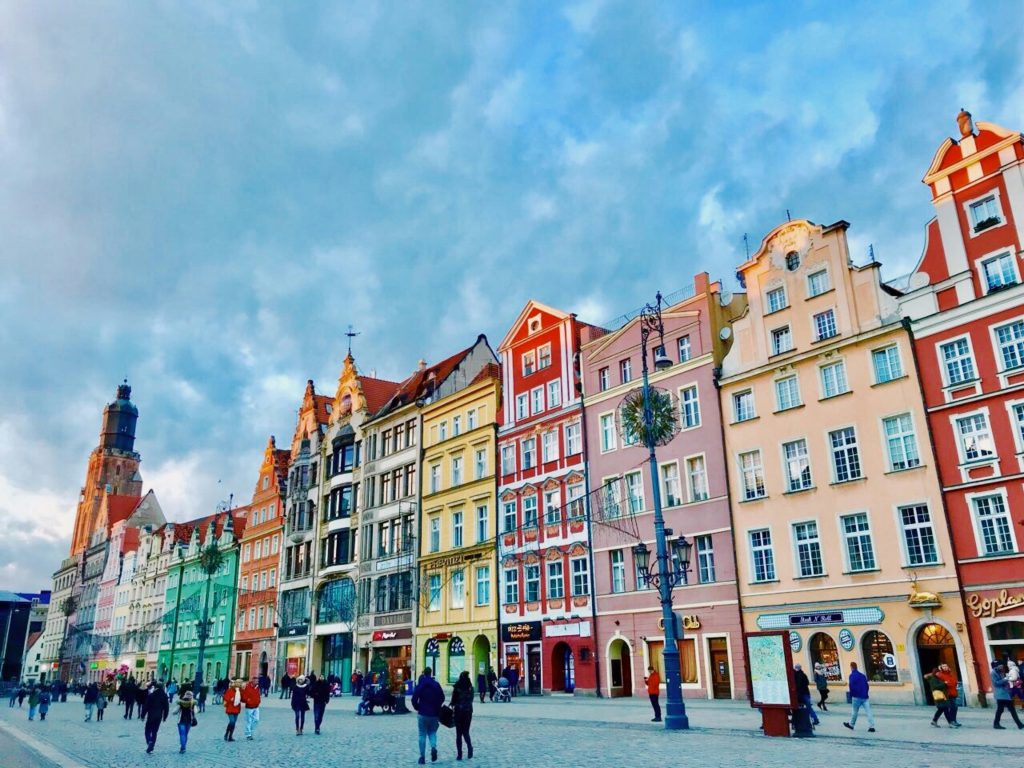
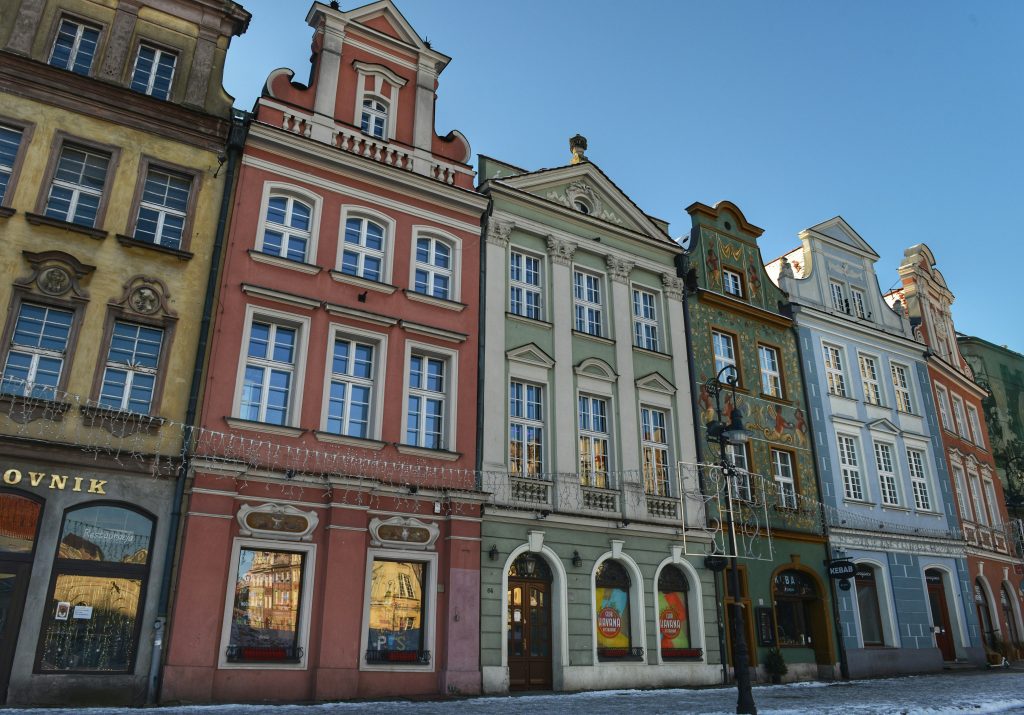
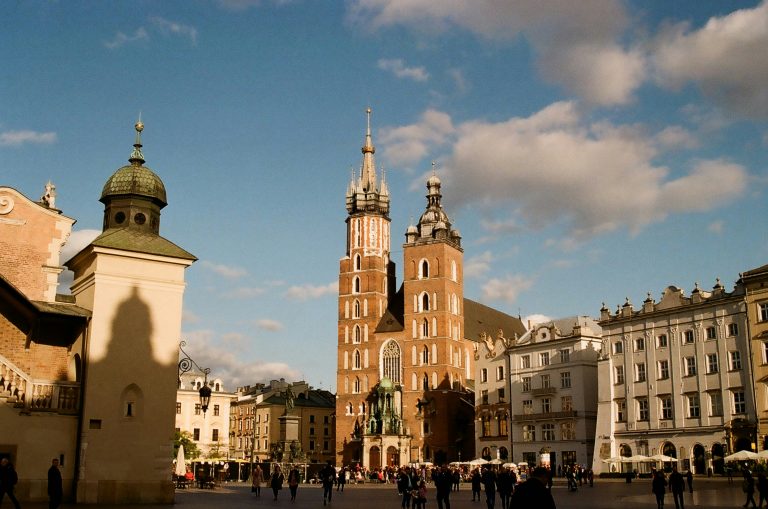
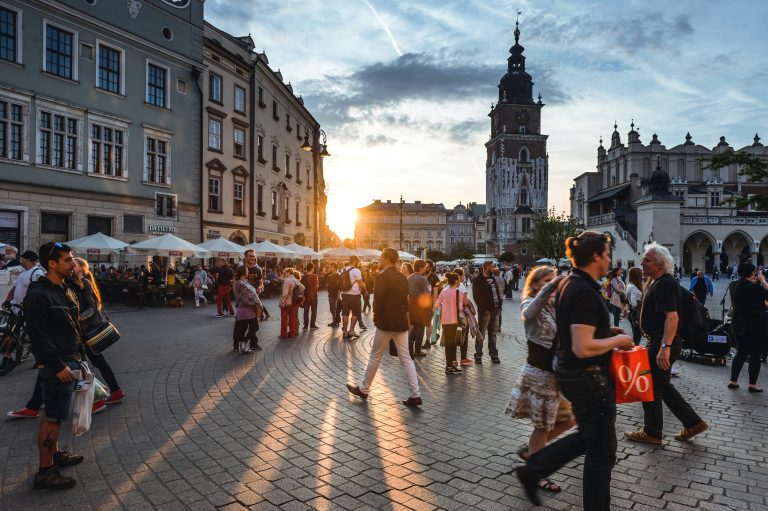
Poland is the country people put on a list because of the prices and come back from talking about something else. Kraków's old town is the largest medieval square in Europe and survived the war intact. Gdańsk rebuilt its Hanseatic waterfront from rubble. Wrocław has hundreds of bronze dwarves hidden around the streets and a market square most countries would build a tourist industry around.

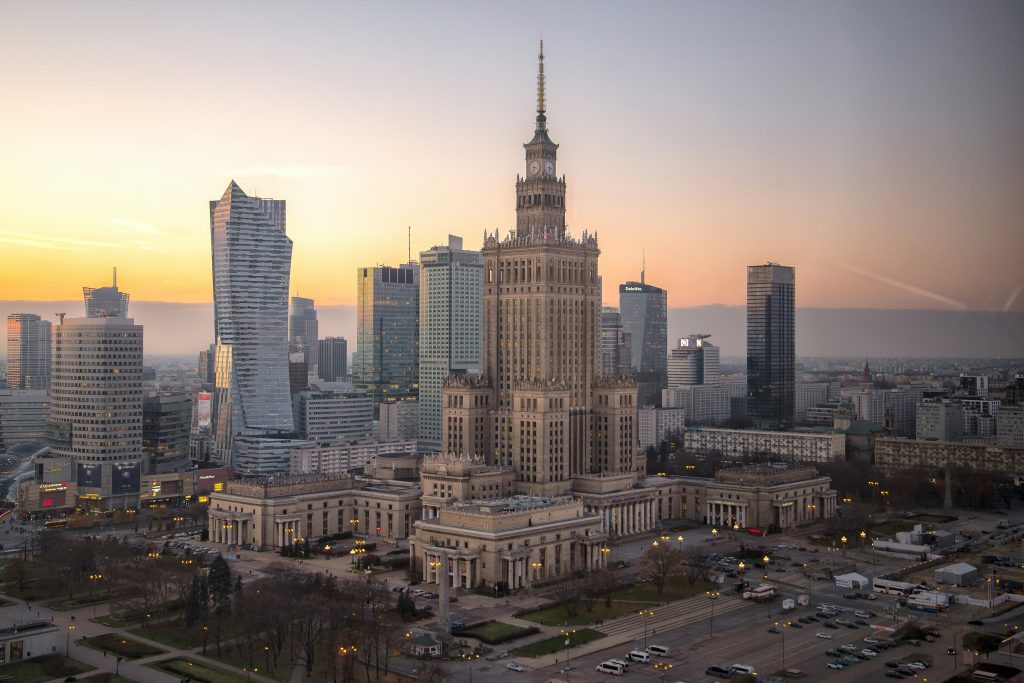
Warsaw is the one that divides people. It was flattened in 1944 and rebuilt twice — the old town as a careful replica, the rest in concrete and then glass — and it is a city about the twentieth century rather than a pretty one. The museums there are among the best in Europe.

A week does Kraków, Warsaw and one more by train. Ten days adds the Tatras at Zakopane or the Baltic coast, and everything is cheap enough that the extra days barely register.

Where to go

Trains are cheap, fast and comfortable. Kraków to Warsaw is under three hours.

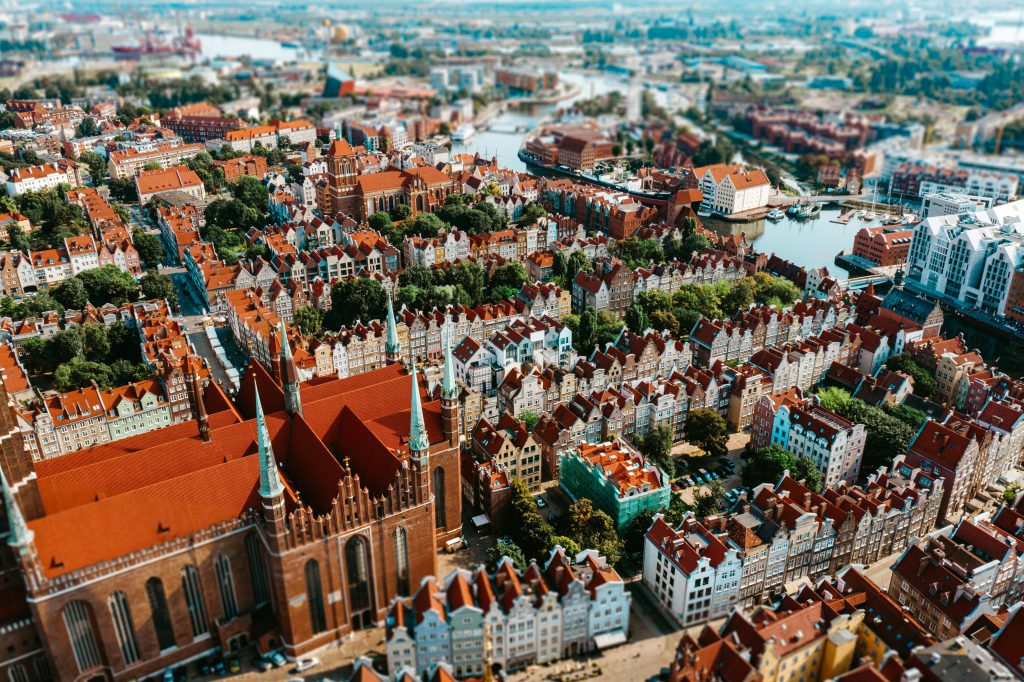
Kraków

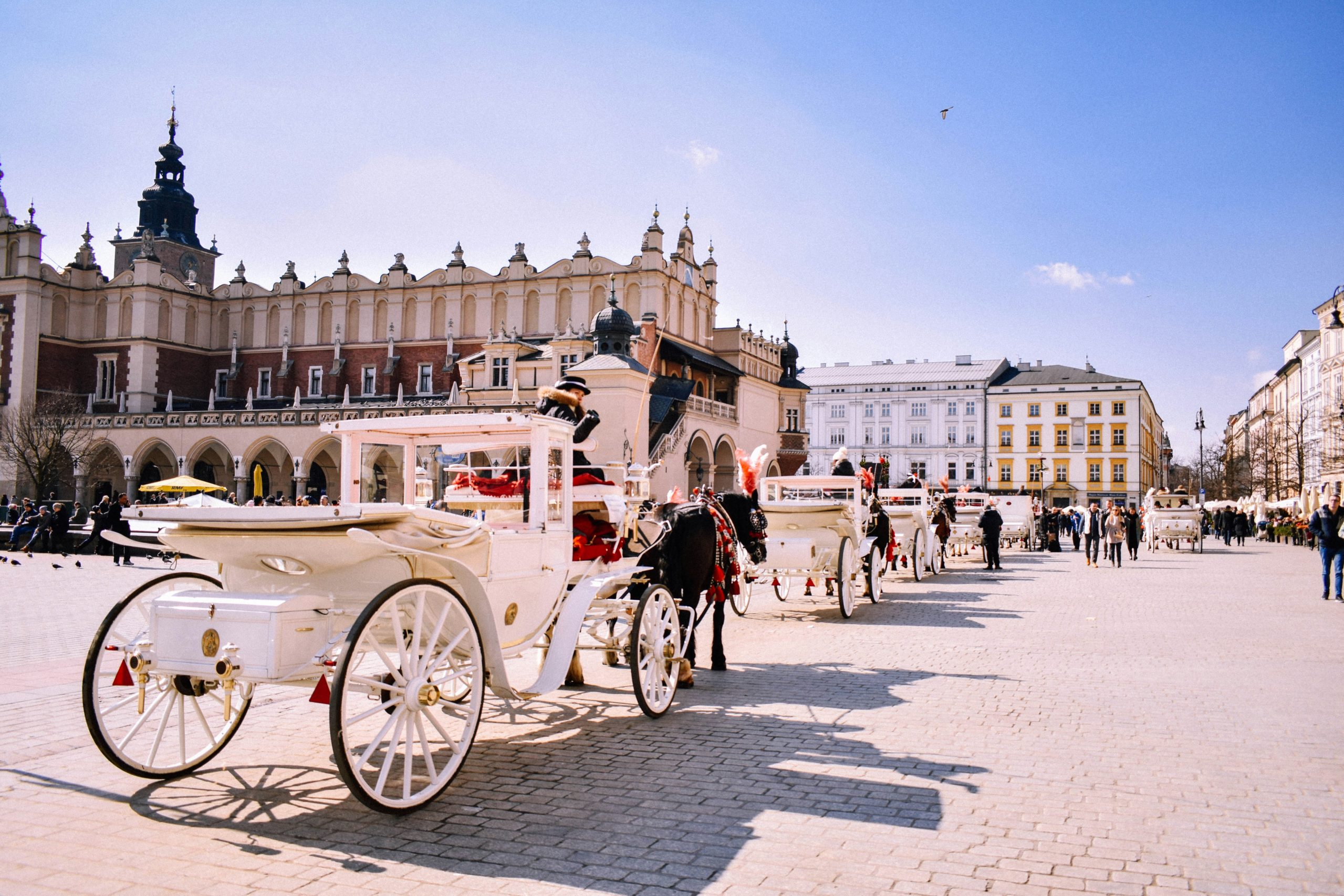
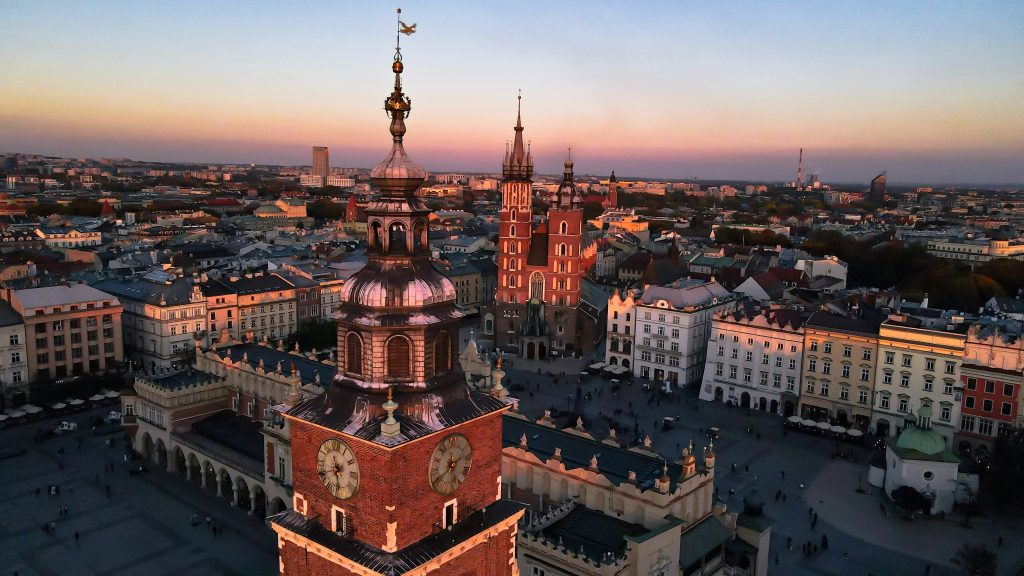
Kraków

47 hostels

The medieval capital, untouched by the war, and the base for Auschwitz and the salt mines. Most people's favourite.

Krakow is amazing and beautiful, however travelled in a heatwave so couldn't explore the surrounding area as much as I liked. Would deffo love to come back and see more of Poland.

A traveller, on Hostelworld
The Kraków guide
Warsaw

Warsaw

20 hostels · dorms from €18

Rebuilt twice and defined by the twentieth century. The best museums in the country and a serious nightlife.

A mixed town of old, post war & modern architecture. Eating out isn’t expensive at all and plenty of options. So much to see and do can easily run out of time!

A traveller, on Hostelworld
The Warsaw guide
Gdańsk

Gdańsk

8 hostels

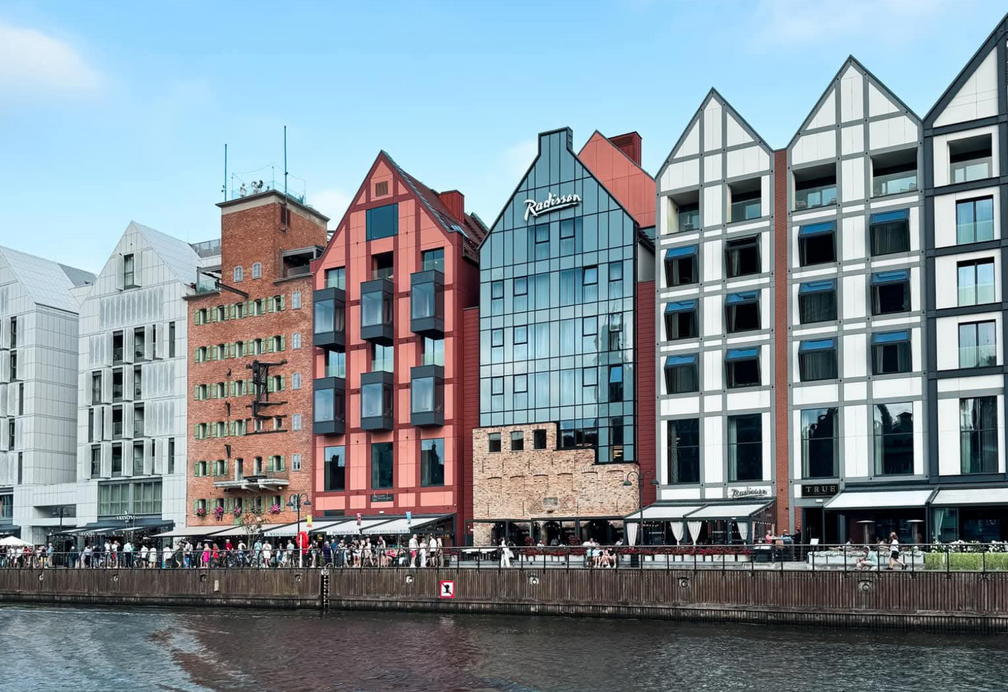
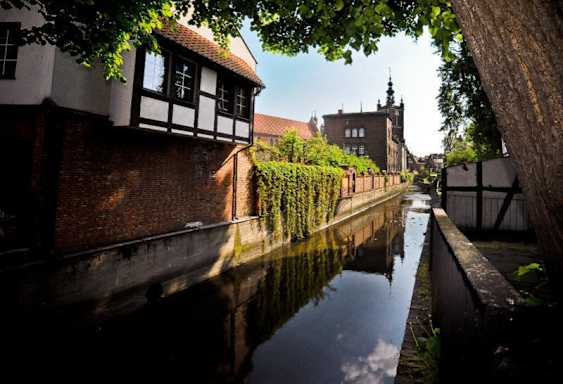
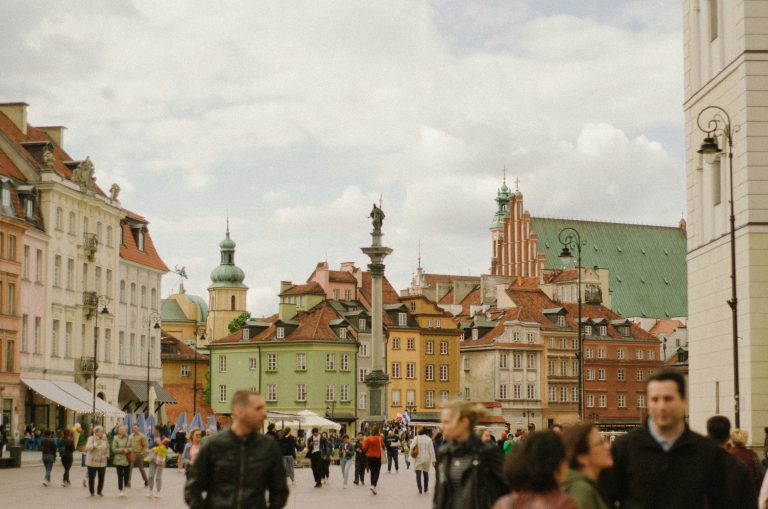
Hanseatic waterfront, amber, and the shipyard where Solidarity started. The Baltic coast begins here.

Great place for a weekend away especially if interested in world war history.

A traveller, on Hostelworld
The Gdańsk guide
Wrocław

Wrocław

13 hostels

A market square to rival Kraków's, a huge student population and hundreds of bronze dwarves to find.

The city is all walkable and can be covered in a weekend. If staying longer it’s worth going on trips. Very colourful buildings and relaxed atmosphere.

A traveller, on Hostelworld
The Wrocław guide
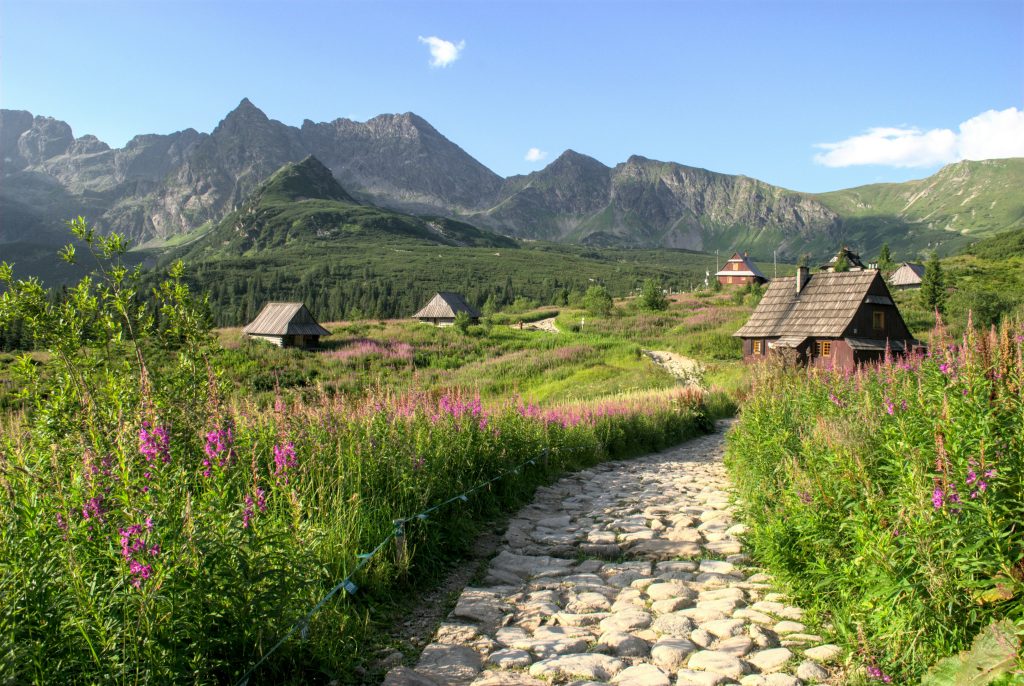
Zakopane

Zakopane

5 hostels · dorms from €12

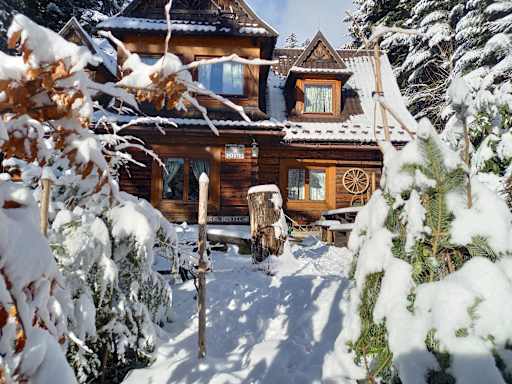
The Tatra mountains: hiking in summer, skiing in winter, and wooden architecture in between.

beautiful place. the mountains are beyond gorgeous, which so many hike trails. food is amazing as well.

A traveller, on Hostelworld
The Zakopane guide
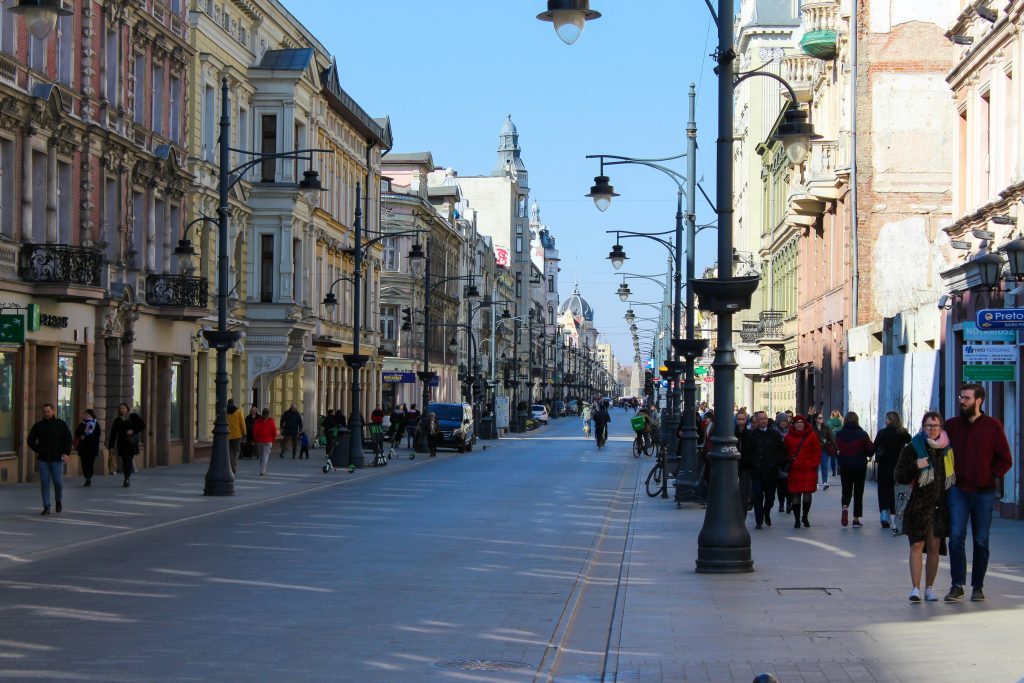
Łódź

Łódź

1 hostel

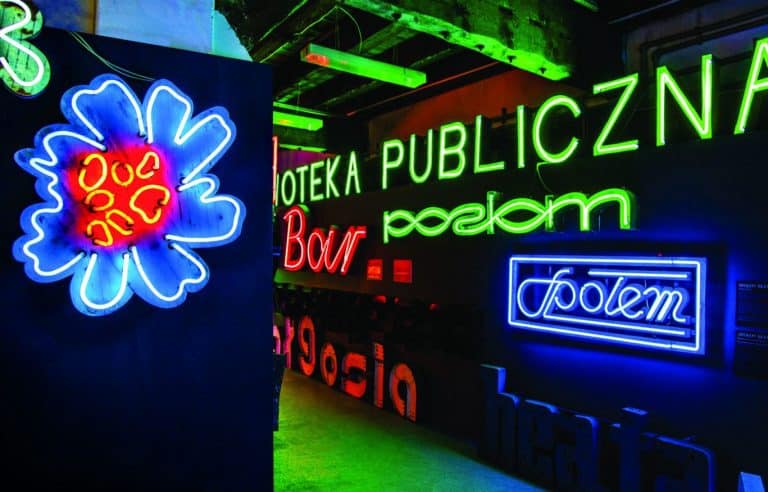
Post-industrial, cheap and increasingly interesting. One of Europe's longest shopping streets.

I was so impressed with Łódź that I will be singing its praises to all my friends and acquaintances for a long time to come. In a packed weekend I didn’t manage to exhaust all of its attractions. But, I did manage an interactive science museum in a former power station, art galleries, a textile museum, magnificent palaces built by industrialists and, my highlight, the cinema museum together with a visit to an Falla aqua park. Litzmannstat ghetto, and in summer, the parks and forests next time.

A traveller, on Hostelworld
The Łódź guide
Poznań

Poznań

3 hostels

Between Berlin and Warsaw, with a market square rebuilt after the war and mechanical goats on the town hall at noon.

The Poznań guide
Toruń

Toruń

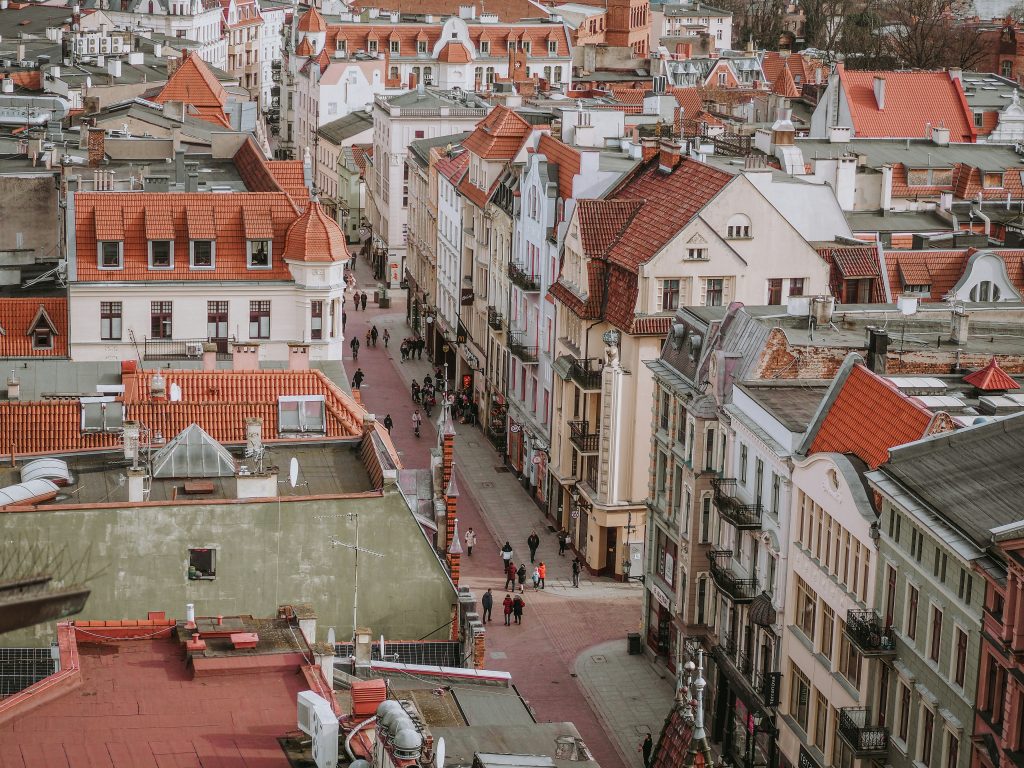
A Gothic brick city that survived the war intact, Copernicus's birthplace, and famous for gingerbread.

The Toruń guide
Lublin

Lublin

2 hostels

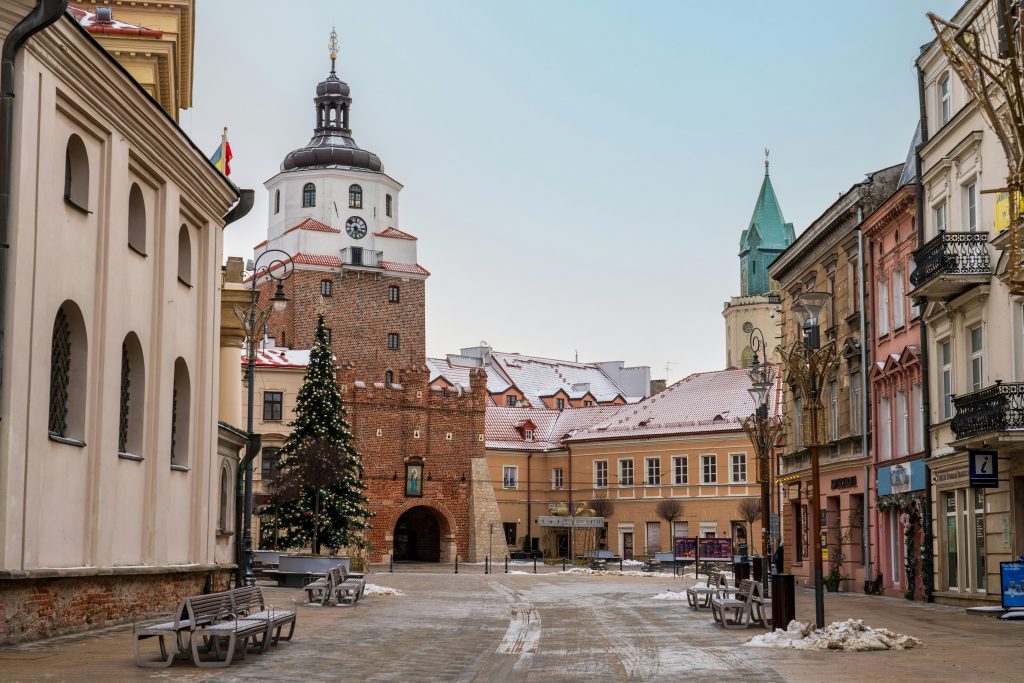
The eastern city: a castle, an old town, and Majdanek concentration camp preserved on the edge of it.

The Lublin guide

What kind of trip is this?

Poland covers city breaks, history and mountains, all at the same low prices.

City break in Poland

Three or four days, and cheap enough to add a fourth.

What to do

  • Kraków's square at dawn
  • A milk bar lunch
  • Vodka tasting done properly

Spots to visit

  • Kraków old town
  • Kazimierz
  • Gdańsk's Long Market

Best cities for it

Things to do

Things to do in Poland

Auschwitz-Birkenau is an hour and a half from Kraków and must be booked online in advance: since March 2026 there are no tickets on site. Self-guided entry is free in set time slots, guided tours cost 150 złoty, and both sell out weeks ahead in summer. Allow the whole day, and do not plan anything social for the evening.

Kraków's other attractions are gentler: Wawel Castle, the Cloth Hall in the main square, the Wieliczka salt mine with its underground chapel, and Kazimierz, the old Jewish quarter that is now the bar district.

Warsaw's museums are the serious draw — the Rising Museum and POLIN both do difficult history exceptionally well. Gdańsk has the European Solidarity Centre, which explains how the Soviet bloc ended, in the shipyard where it happened.

Food and drink

Eating in Poland

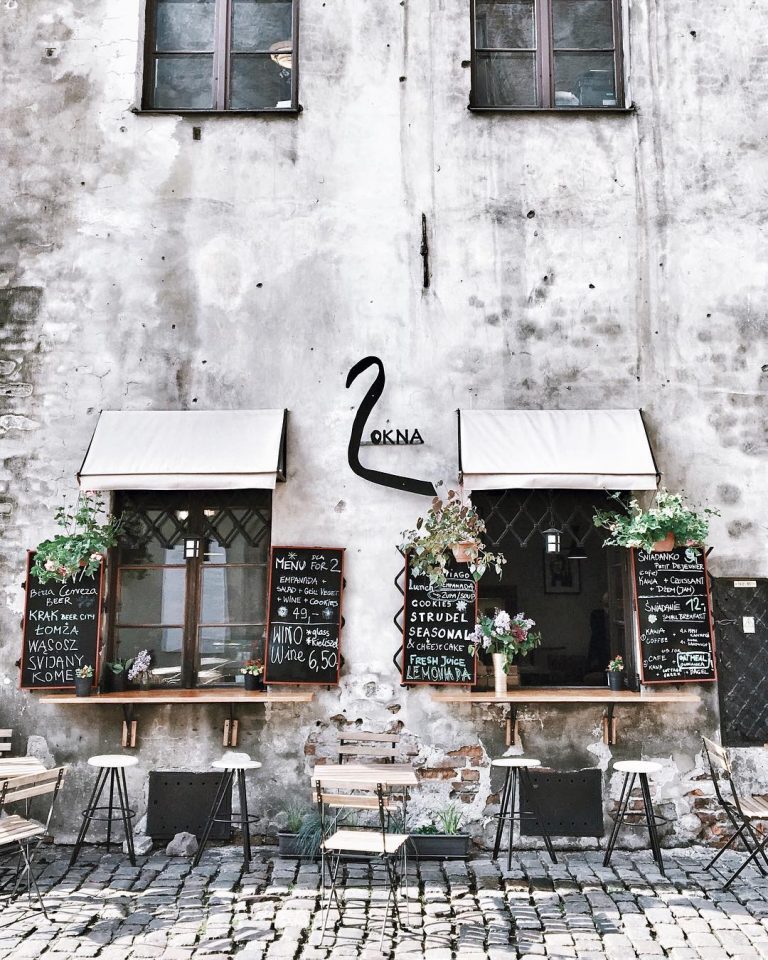
Milk bars — bar mleczny — are the institution worth knowing. Subsidised canteens from the communist era that still exist, serving pierogi, soup and cutlets for €3 to €5. The queue moves fast, the menu is in Polish, and the food is the real thing.

Beyond them, Polish food is dumplings, soups and pork, done well and heavy. Żurek, a sour rye soup served in a bread bowl, and bigos, hunter's stew, are the ones to try. Zapiekanka — a long open toasted baguette — is the street food, and the round market in Kazimierz sells it until dawn.

Warsaw has a modern restaurant scene that gets no international attention and is extremely good value: tasting menus for what a main course costs in Copenhagen.

Nightlife

Going out in Poland

Kraków's Kazimierz has the highest density of bars in the country, most of them in old Jewish quarter buildings with courtyards, and drinks at €2.50 to €4. It is the best value night out in Europe and it goes until the sun comes up.

Warsaw is bigger and more varied — Praga across the river has the warehouse clubs, and the city has a serious electronic scene that most visitors miss entirely.

Wrocław and Poznań have the student crowds and the lowest prices of all. Stag parties concentrate in Kraków's main square, which is a good reason to drink two streets away in Kazimierz instead.

Getting around

Getting around Poland

PKP Intercity runs fast, comfortable and cheap trains between the big cities — Kraków to Warsaw in two and a half hours for around €15 to €25 booked ahead. The Pendolino services are the fastest; TLK trains are slower and cheaper.

FlixBus and Polski Bus cover the gaps and undercut the trains on many routes. For Zakopane and the mountains, the bus is faster than the train.

City transport is cheap and good: trams in most cities, a single ticket about a euro. Taxis are inexpensive but use Bolt or Uber rather than hailing, which is standard practice here now.

Costs

What Poland costs

Poland is one of the cheapest countries in the EU for a traveller. Dorms from about €10, a milk bar meal for €4, a beer for €2.50, and an intercity train for the price of a sandwich elsewhere.

A full day — bed, three meals, transport, a couple of drinks and a museum — lands around €35 to €45 without economising. That is roughly half of Spain and a third of the Netherlands.

The currency is the złoty, not the euro. Exchange booths marked kantor are everywhere and rates vary, so avoid the ones at the airport and in the main squares and use a bank ATM instead, declining any conversion offered by the machine.

Safety

Staying safe in Poland

Poland is a safe country with low violent crime, and the cities feel calm even late at night. The issues visitors run into are concentrated around the drinking economy.

Kraków's main square has strip-club touts who lead people to venues with extraordinary bills, and the taxi scam that goes with it. Ignore anyone handing you a flyer, and book cars through Bolt or Uber.

Vodka is the other one, and it is not a joke. Measures are larger than most visitors expect and rounds go fast. Pickpocketing exists at the usual level around main stations and on busy trams.

Entry and documents

Entry and documents

Poland is in the Schengen area but not the eurozone. EU citizens need an ID card. UK, US, Canadian and Australian passport holders get 90 days in any 180 across the whole Schengen zone.

Passports need three months' validity beyond departure and to have been issued within the last ten years. ETIAS has been postponed repeatedly — check the official EU site.

Poland borders Ukraine and Belarus, and the eastern border regions have restrictions that change. If you are travelling near them, check current government advice rather than assuming, and note that Belarus is not a casual border crossing.

When to go

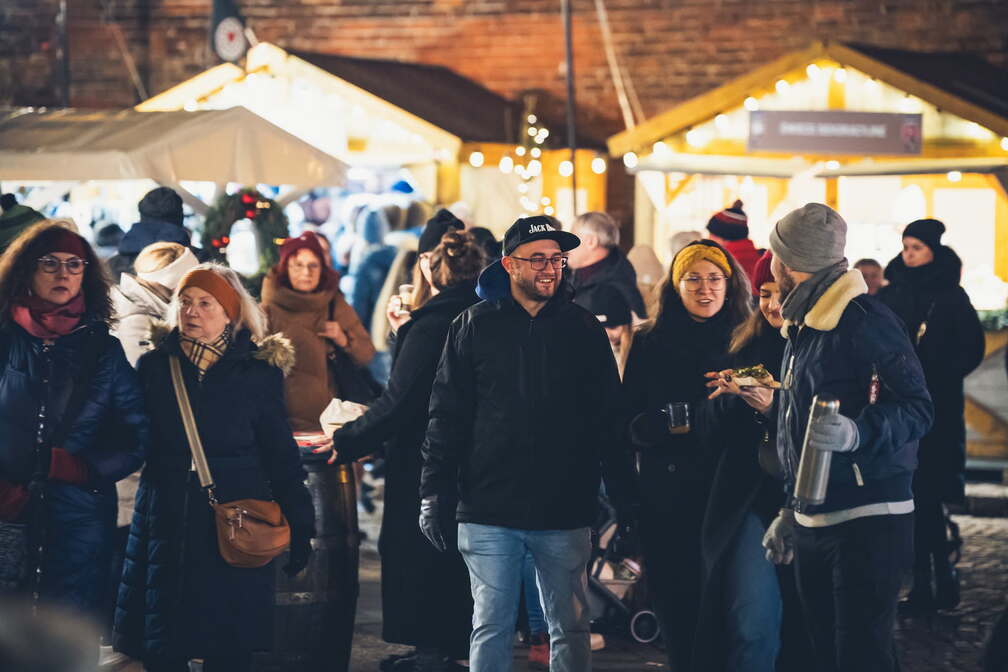
Poland has a proper continental climate: hot summers, cold winters and two excellent shoulder seasons. Christmas markets make December worth the cold.

1°
Jan
Cold and cheap. Zakopane is in full ski season
2°
Feb
The quietest month in the cities
8°
Mar
Thawing. Prices at their lowest
14°
Apr
Spring arrives, Easter fills churches and squares
20°
May
The best month. Warm, green, long evenings
23°
Jun
Warm and busy. Festival season starts
25°
Jul
Peak. Kraków and the coast at their fullest
24°
Aug
Still peak, and the Baltic coast is at its best
19°
Sep
Excellent. Warm days, thinner crowds
13°
Oct
Cool and golden. Best value of the year
6°
Nov
Grey and cheap
2°
Dec
Christmas markets in every square, then a New Year spike
Bar height is temperature. Colour is how busy it gets: quiet busy peak

Average highs for Kraków. Winters are properly cold and the Tatras hold snow from December to April.

What your trip will cost

Pick how you travel and how long for. Per night, for one person, at Polish prices.

Prices are in złoty locally; these are euro equivalents. Intercity trains are €15–25 a leg.

—
  • Beds—
  • Food and drink—
  • Getting around—
  • Doing things—
What's on

What is on while you are there

Poland's calendar is packed and cheap. These are the ones worth timing a trip around.

Poland travel questions

The ones we get asked most.

How many days do you need in Poland?
A week covers Kraków, Warsaw and one of Gdańsk or Wrocław by train. Ten days lets you add the Tatras at Zakopane or the Baltic coast, and the prices mean extra days cost very little.
Is Poland cheap?
One of the cheapest countries in the EU for travellers. Dorms from €10, a milk bar meal for €4, a beer for €2.50, and a full day at €35 to €45 without economising.
How do I visit Auschwitz?
It is 90 minutes from Kraków by bus, train or organised trip. Since March 2026 every visit must be booked online in advance on the official site, visit.auschwitz.org, and there are no tickets on site. Self-guided entry is free in set time slots and guided tours cost 150 złoty; both sell out weeks ahead in summer. Allow a full day and expect it to affect you.
Kraków or Warsaw?
Kraków if you want a medieval old town that survived the war and the best bar district in the country. Warsaw if you want serious twentieth-century museums and a bigger, more modern city. They are two and a half hours apart, so do both.
Does Poland use the euro?
No, the złoty. Cards work nearly everywhere, but avoid exchange booths at airports and in tourist squares — use a bank ATM and decline the machine's currency conversion.
Is Poland safe for tourists?
Yes, with low violent crime. The main nuisances are strip-club touts in Kraków's main square, who lead people to venues with enormous bills, and the taxi scams around them. Use Bolt or Uber and ignore flyers.
What is a milk bar?
A subsidised canteen dating from the communist era, still serving pierogi, soups and cutlets for €3 to €5. Menus are usually only in Polish; pointing works, and the food is genuinely good.

Say yes to hostels, meet the world
Compare hostels across Poland — live prices, real reviews and free cancellation on most bookings. Then meet the people already there in the app.

Get the App. QRGet the App.
Get the App. QR  Get the App.
Scroll to Top