Centro Storico
First-timersInside the river bend, around the Arena and Piazza delle Erbe.

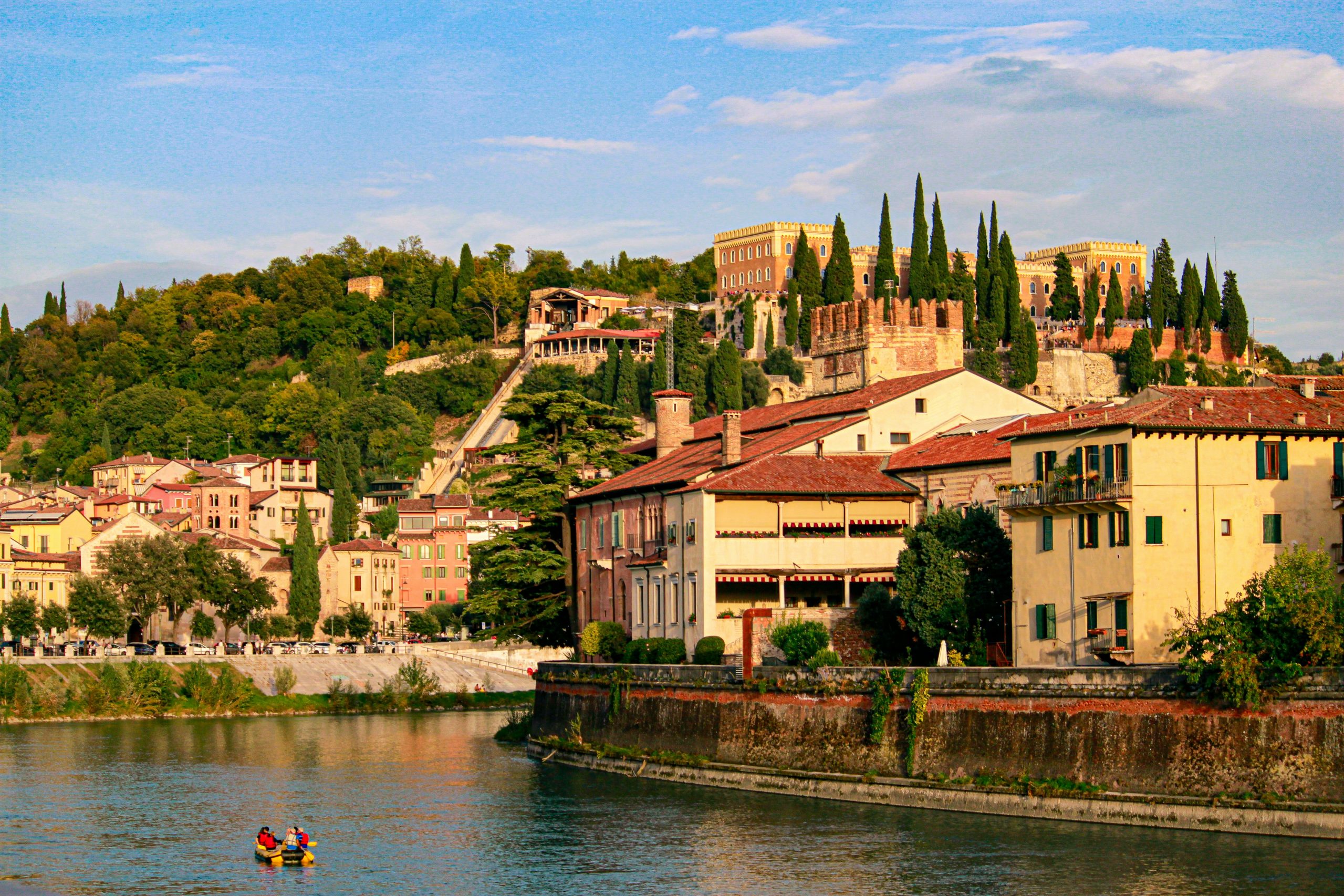
A Roman arena still used for opera, a medieval centre in a loop of the river Adige, and a balcony that belongs to a fictional girl. An hour from Venice, without the crowds.
Verona sits in a tight bend of the river Adige, and for two thousand years it has guarded the route from Italy through the Alps. The Romans left the arena, a theatre and a bridge; the della Scala family, who ruled it in the Middle Ages, left a castle, a fortified bridge and some extraordinary tombs; and Shakespeare gave it Romeo and Juliet, which the tourist trade has never let go of.
The whole centre is a UNESCO World Heritage Site, compact enough to walk in a day and handsome enough to fill two. It is also the capital of a wine region, with Valpolicella, Amarone and Soave on its doorstep and Lake Garda half an hour away.
In summer, the Arena stages one of the world's great open-air opera festivals. Verona makes an easy base between Venice and Milan.
Stay in the centre inside the river bend, or in Veronetta across the river for better value.
Inside the river bend, around the Arena and Piazza delle Erbe.
Across the river, near the university. Cheaper and local.
West of the centre, around the great Romanesque basilica.
Around the station, south of the centre.
Orange labels are neighbourhoods, dots are the 7 top-rated hostels. Map © MapTiler © OpenStreetMap contributors.
The routes we would take, in the order we would take them.
The Arena, the Roman amphitheatre in Piazza Bra, is one of the best-preserved in the world and still in use: from June to September it hosts the opera festival, and during the day you can walk the stone tiers. It seats around fifteen thousand people.
Piazza delle Erbe, the old Roman forum, is the heart of the city, with the Torre dei Lamberti above it; take the lift or the stairs for the view. Piazza dei Signori, next door, is quieter and grander.
Juliet's House, a medieval house with a balcony added in the twentieth century, is the most visited site in the city, and its courtyard is often packed. Juliet is fictional; go early or skip it.
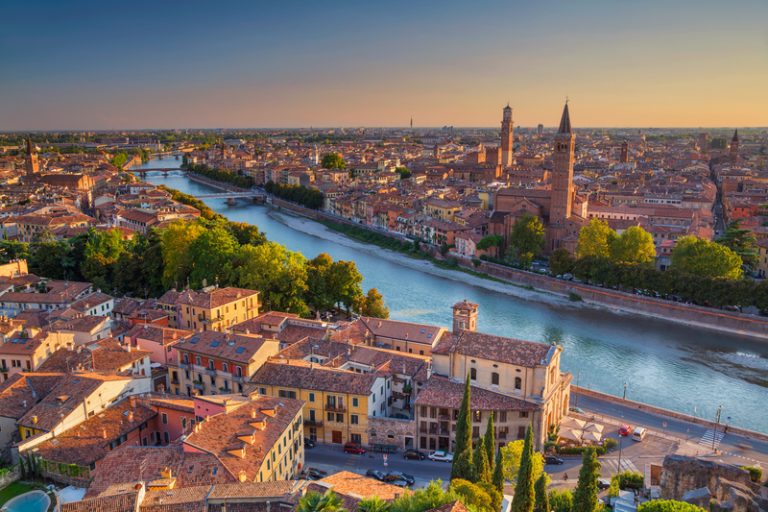
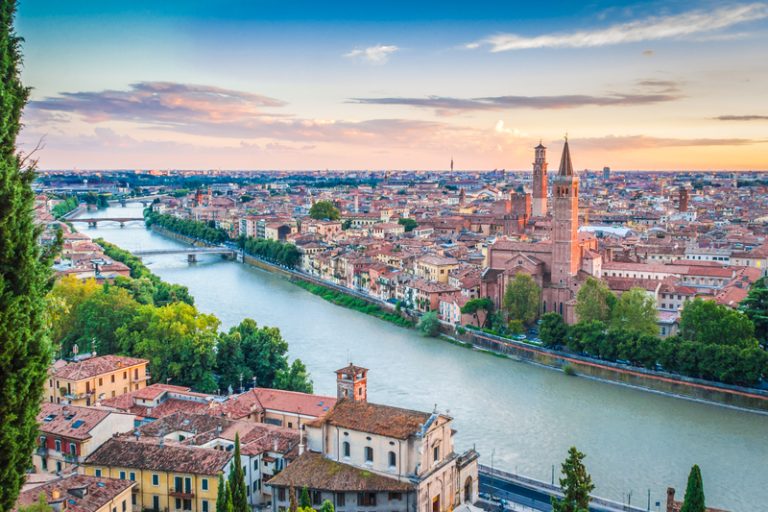
Castelvecchio, the della Scala castle, has a fine museum and a fortified bridge across the Adige. Cross the Roman Ponte Pietra and climb to Castel San Pietro, on foot or by funicular, for the best view of the city.
The centre is free to walk: Piazza delle Erbe, Piazza dei Signori, the Scaliger Tombs and the Ponte Pietra.
The Castelvecchio bridge is free to cross, and the walk along the Adige is lovely at sunset.
The view from Castel San Pietro, above the Roman theatre, is free on foot; the funicular costs a little.
You can see Juliet's balcony from the courtyard; the house itself has a ticket.
Veronese food is hearty and northern. Risotto all'Amarone is made with the region's great red wine. Bigoli, thick pasta, are served with duck or sardines, and pastissada de caval, horse stew, is the traditional dish. Pandoro, the Christmas cake, was born here.
The wine is the reason many people come. Valpolicella, Amarone, Ripasso and Soave are all local, and a glass in an osteria costs €4 to €7.
The restaurants on Piazza Bra and Piazza delle Erbe charge for the view. The osterias in the side streets and in Veronetta are cheaper and better.
Verona has a relaxed night out. Aperitivo in Piazza delle Erbe is the evening ritual, with spritz on the terraces.
Veronetta, across the river, is the university quarter, with cheaper bars and a young crowd. In summer, the opera nights fill the city until late, and bars around the Arena stay open for the crowds leaving the shows.
A spritz is €4 to €7.
The centre is small and walkable. Verona Porta Nuova station is about twenty minutes' walk from the Arena, and buses run into the centre.
The airport, Villafranca, is about twenty minutes away, with a shuttle bus to the station.
Verona is a rail hub. Trains reach Venice in about an hour and ten minutes, Milan in about an hour and a quarter, and Bologna in under an hour. Regional trains and buses go to Lake Garda.
The centre is a ZTL zone.
Verona is mid-priced. Hostel beds are limited and typically start around €25; prices rise sharply during opera nights and big trade fairs like Vinitaly.
A careful day is €55 to €75. The costs that add up are the Arena, the museums and the opera. The Verona Card covers most sights and can save money.
Stone-seat opera tickets are the cheapest way to see a performance.
Verona is very safe. Ordinary care is needed in the crowds at Juliet's House and around the Arena on opera nights.
The area around Porta Nuova station can feel rough at night.
Emergency number is 112.
Lake Garda, the wine hills and Palladio's city are all close.
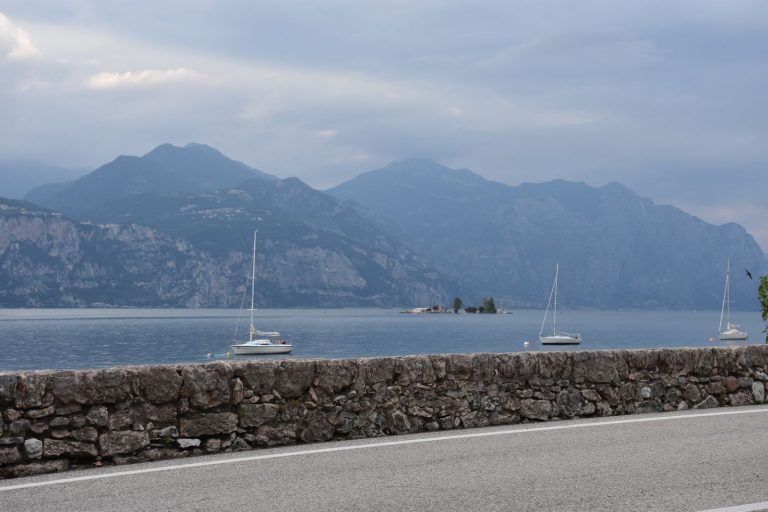
Italy's largest lake, with the castle and Roman villa at Sirmione.
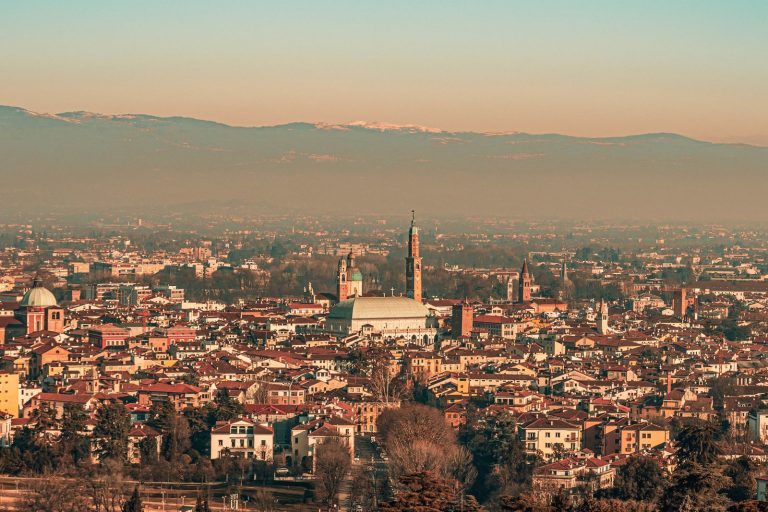
Palladio's city, with his villas and the Teatro Olimpico.
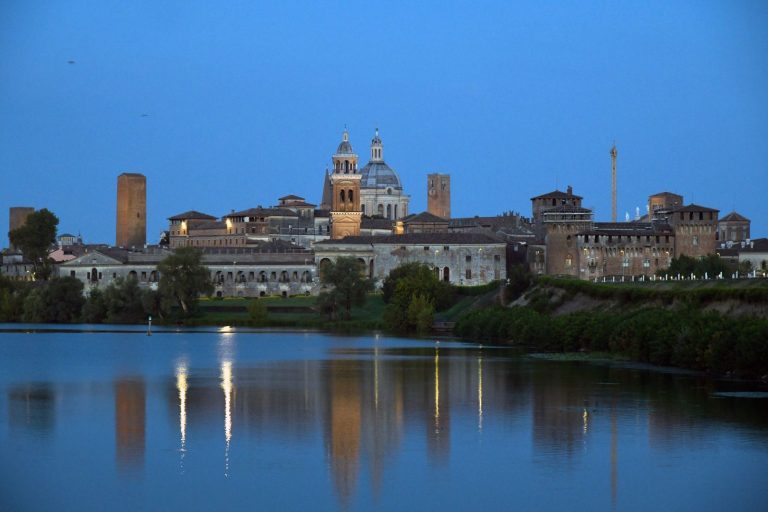
The Gonzaga palaces and Mantegna's painted room.
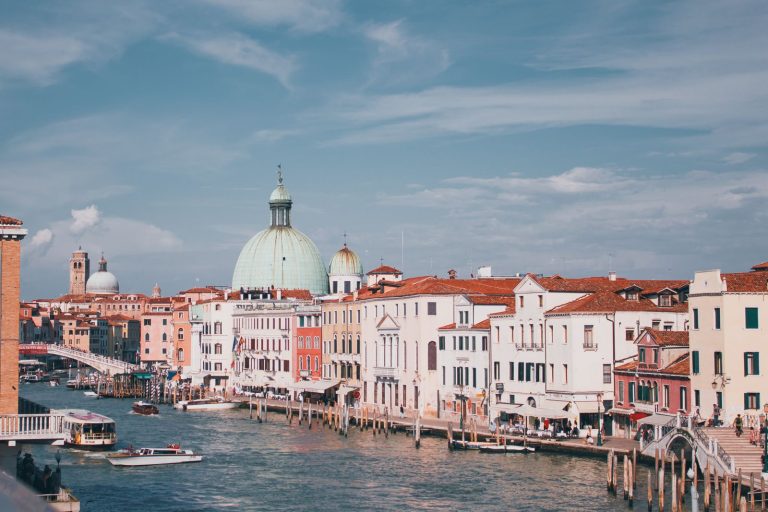
The lagoon city, a day away.
The opera festival in the Arena is the reason many people come.
 Staff pick
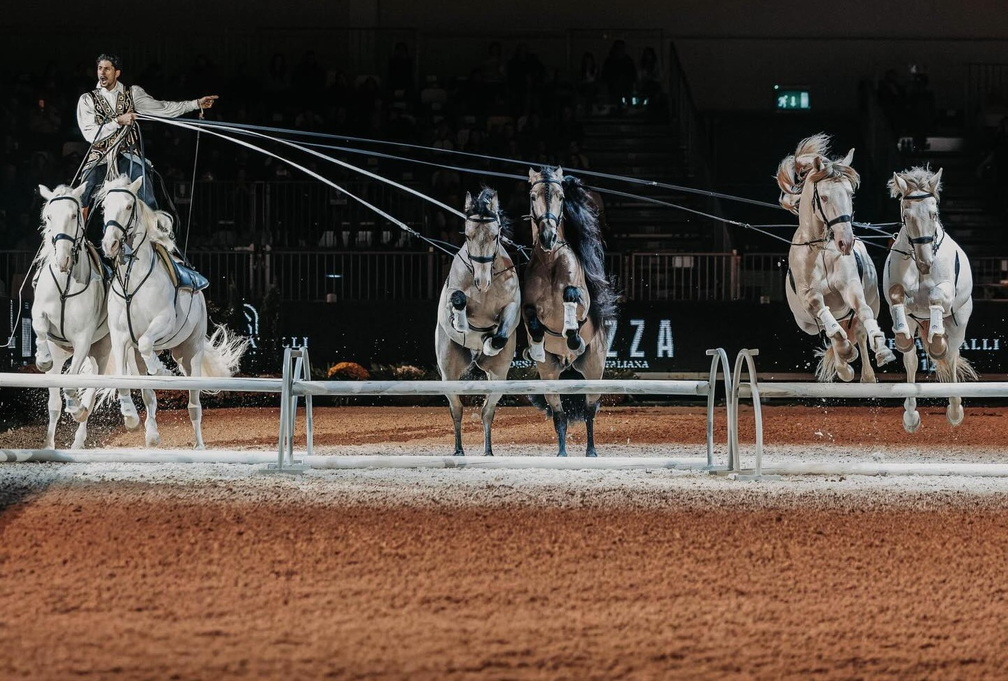
Fieracavalli, held at Veronafiere in Verona, Italy, is a renowned international equestrian exhibition with a legacy spanning over 125 years. Drawing around 140,000 visitors…
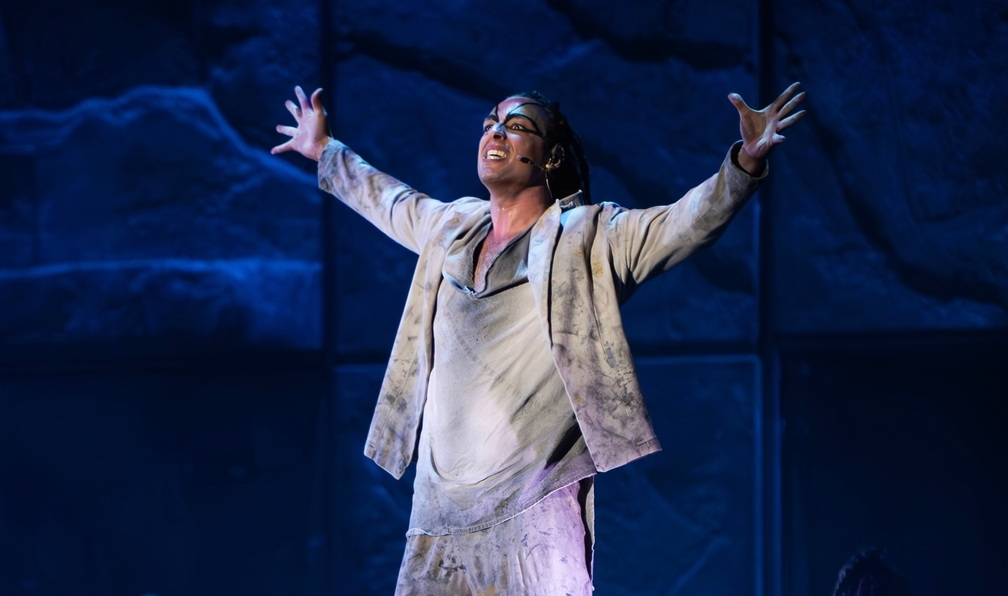
A modern opera that has captivated audiences since its Italian debut in 2002, Notre Dame de Paris returns to Verona's ancient Arena for four…
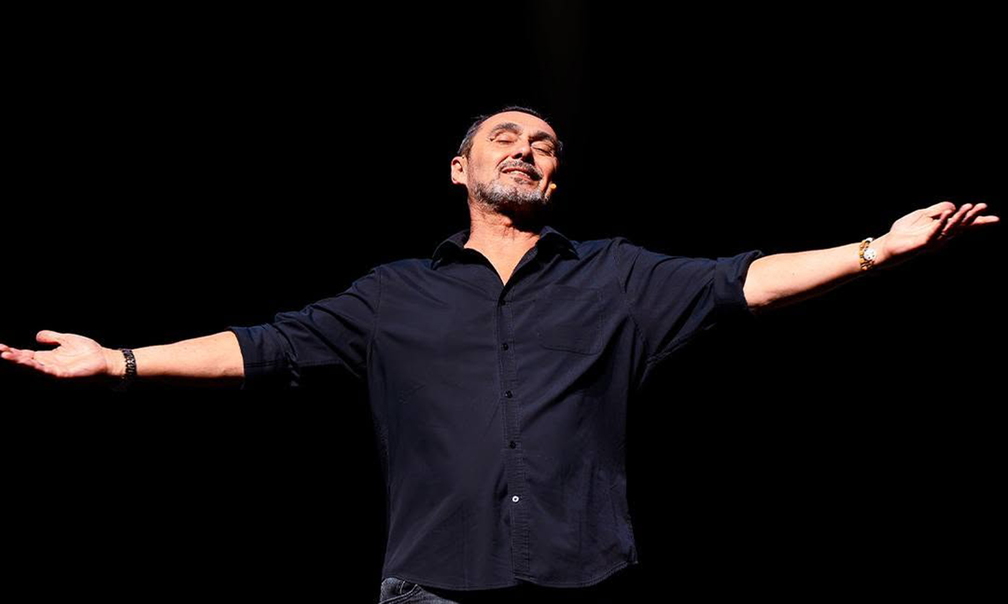
Giuseppe Giacobazzi turns the elegant Teatro Filarmonico into a rowdy osteria for an evening of stand-up, stories, and spontaneous chaos. The show blends comedy…
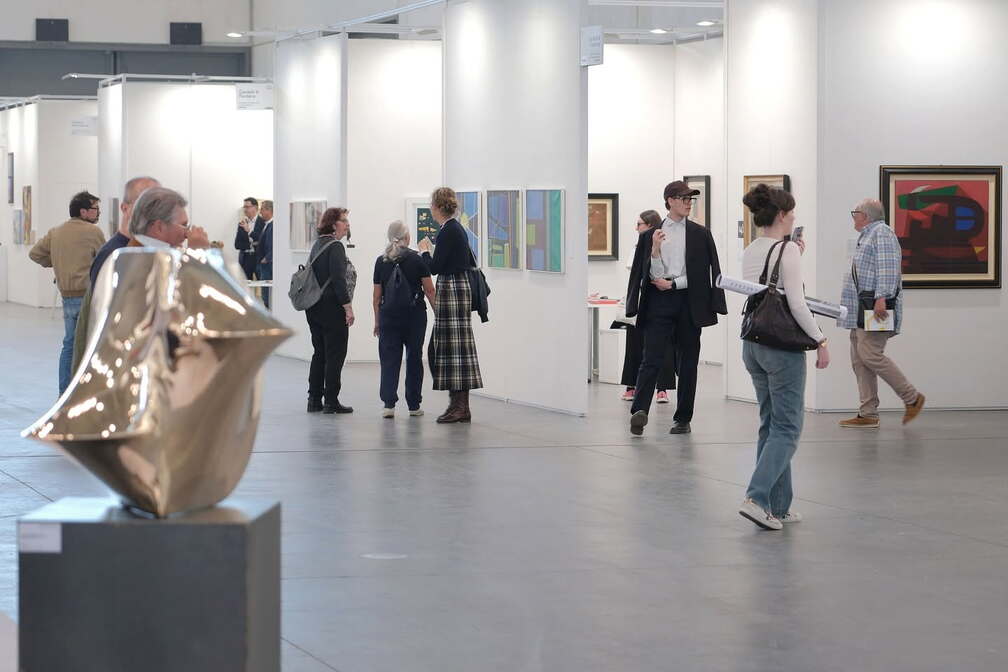
Artverona is an annual art fair held in Verona that brings together a diverse range of contemporary artworks and galleries. You will find a…
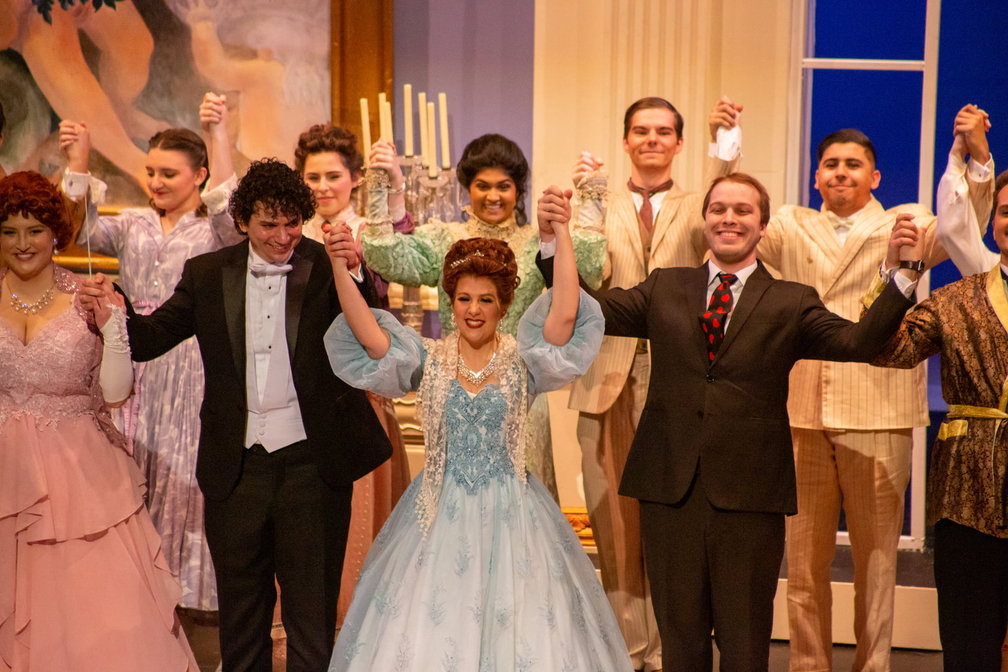
The ballet returns to Teatro Filarmonico with a playful and original double bill pairing two distinct 1936 works. One is Menotti's light opera parodying…
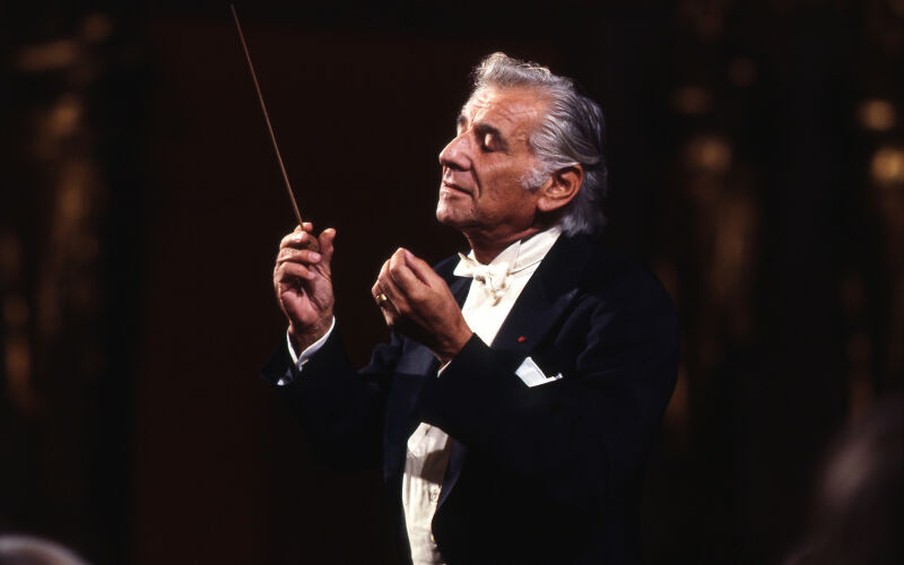
The final symphonic event of 2026 features the much-anticipated return of Dmitri Jurowski conducting the Fondazione Arena Orchestra. You'll hear two rare performances at…
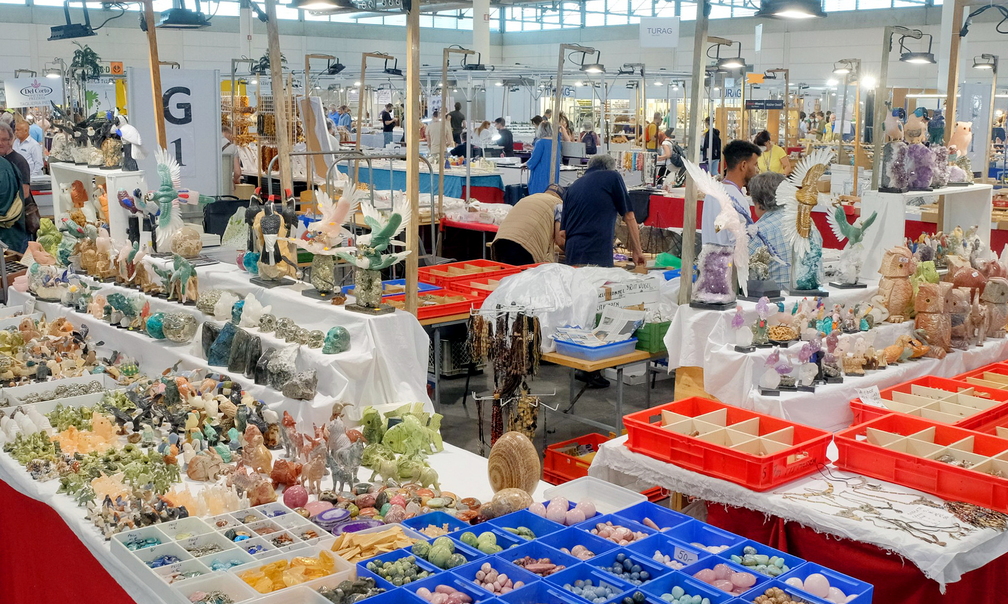
Verona Mineral Show is an exhibition dedicated to precious hard decorative stones, fossils, and related stone giftware. It gathers enthusiasts and professionals interested in…
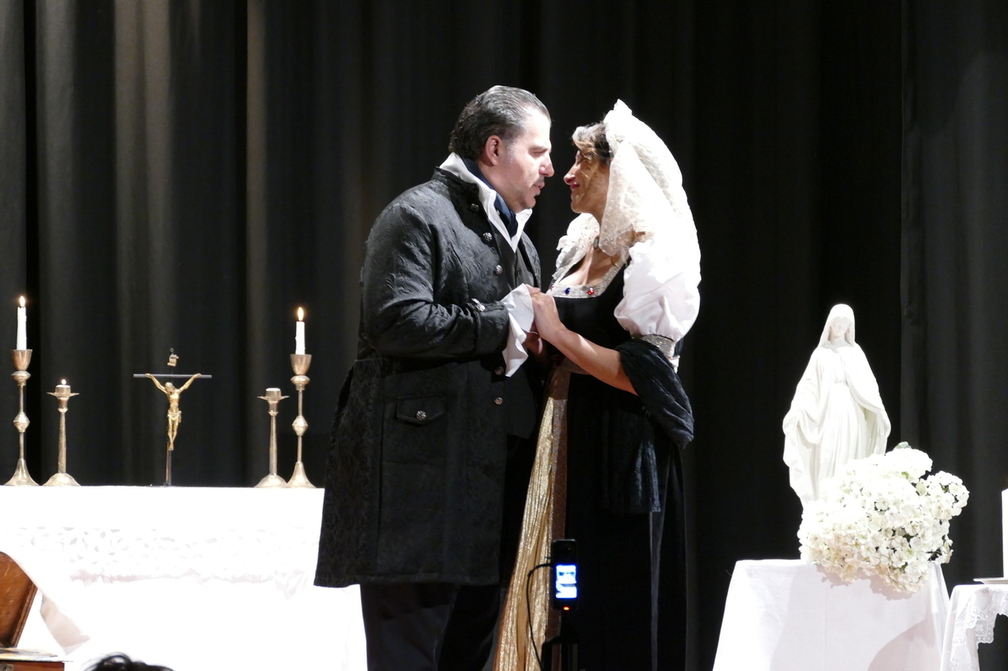
La Bohème tells a timeless story of friendship, youth, and love through Puccini's memorable characters and beautiful melodies. Set in Paris on Christmas Eve,…
Verona has only a few hostels, and they fill up during the opera festival. These are the top-rated right now, live from Hostelworld.
May to September is ideal, and the opera runs through the summer. Winter is cold and foggy.
Average highs. Verona is hot in summer and cold in winter, with fog in the Po valley.
Pick how you travel. Per person per night, in euros.
Transport assumes walking. Opera stone seats are the cheapest tickets.
The ones we get asked most.

Compare Verona hostels — live prices, real reviews and free cancellation on most bookings. Then meet the people already there in the app.

 Get the App.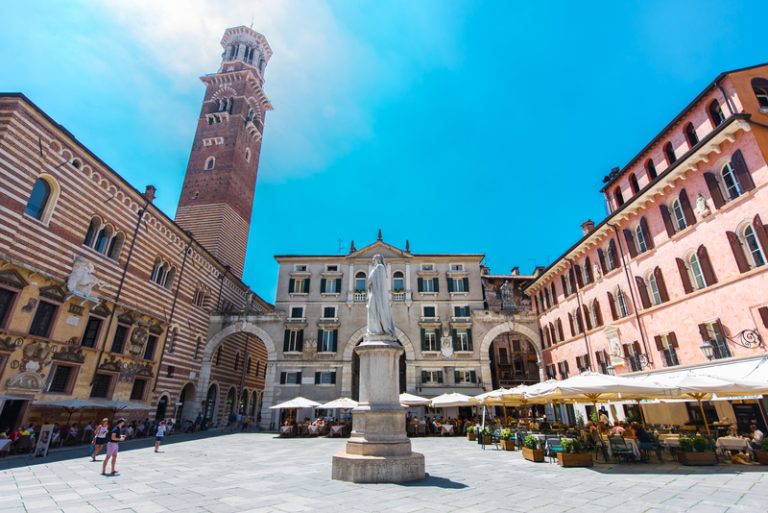
 Get the App.