City centre
First-timersThe island between the two channels of the Lee. Shops, pubs and the English Market.

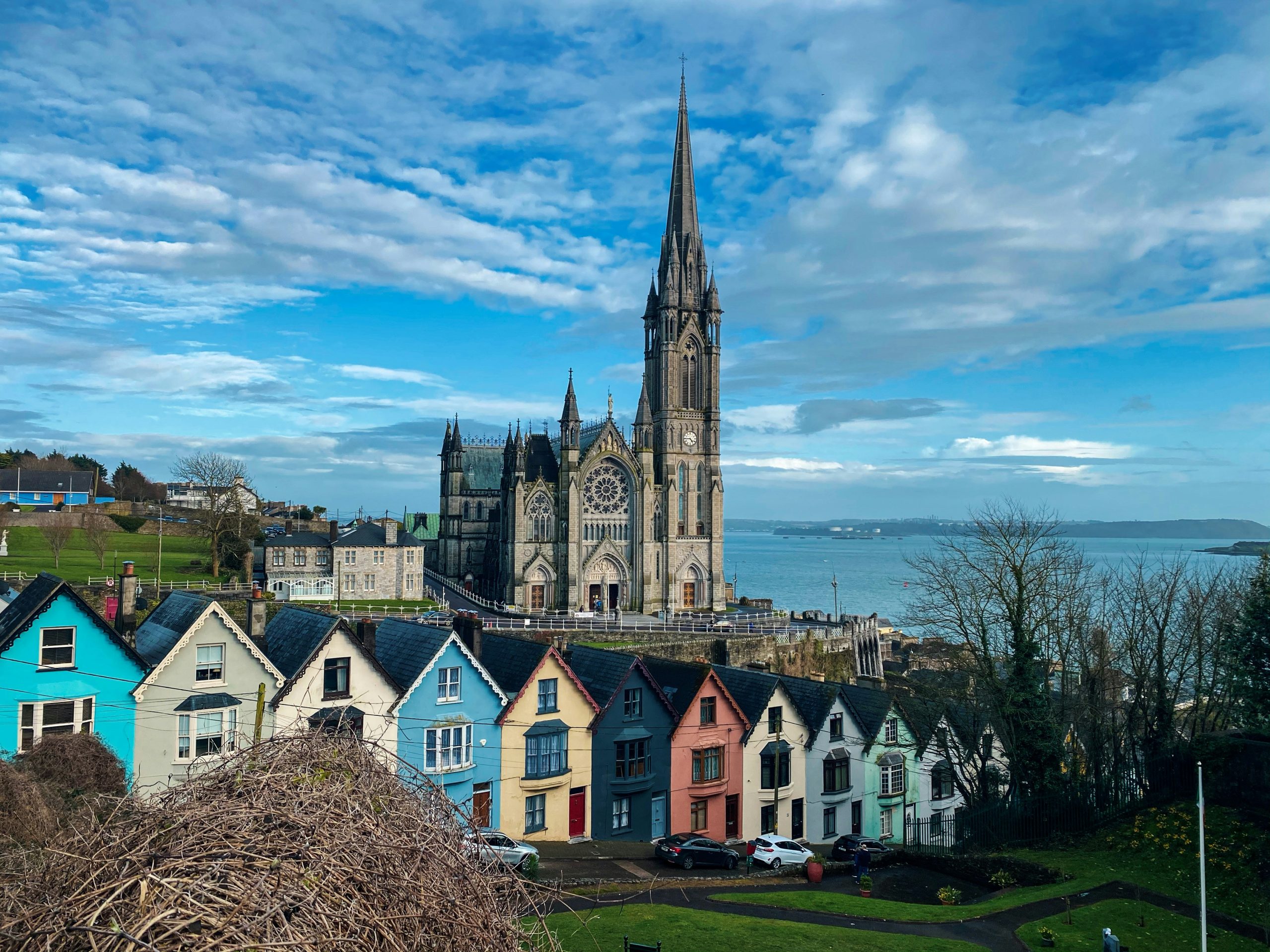
Ireland's second city, built on an island between two channels of the Lee, with the country's best food market and a local pride that borders on independence. Cheaper than Dublin, and the gateway to the south-west.
Cork calls itself the real capital of Ireland, and only half as a joke. The county earned the name Rebel County for backing the wrong side in the fifteenth century, and kept it through the War of Independence, when British forces burned the centre of the city in 1920.
The centre sits on an island between two channels of the River Lee, a tight grid of lanes, quays and bridges with the hill of Shandon rising on the north side. It is a compact, walkable city with a large student population and a food scene that the rest of the country admits is the best.
Two days covers the city. Cobh, the harbour town that was the Titanic's last port of call, is a short train ride away, and Kinsale, Blarney and west Cork are all within reach.
The island centre is where to stay. Everything is within a fifteen-minute walk.
The island between the two channels of the Lee. Shops, pubs and the English Market.
Around MacCurtain Street, north of the river, near the train station. The best bars and music.
The hill on the north side, with the bell tower and old lanes. Steep and quiet.
Near the university, with cheaper cafés and bars. A 15-minute walk from the centre.
Orange labels are neighbourhoods, dots are the 4 top-rated hostels. Map © MapTiler © OpenStreetMap contributors.
Start at the English Market, the covered food market that has traded since 1788, and eat lunch from it. Then climb Shandon on the north side, where the bell tower of St Anne's Church lets you ring the bells yourself, and look across the city from the top.
The Crawford Art Gallery, next to the Opera House, is free and has a good Irish collection. Elizabeth Fort, a seventeenth-century star fort on the south side, is free to walk on and has views over the rooftops. Cork City Gaol, a castellated nineteenth-century prison on the hill west of the centre, is well done and a little eerie.
University College Cork has a Victorian quad, a collection of ogham stones and the free Glucksman gallery.
Out of town, Cobh is twenty-five minutes by train: a steep harbour town of painted houses under a cathedral, with the Titanic Experience in the old White Star Line ticket office, and ferries to Spike Island, a fortress-prison in the harbour.
The English Market is free to walk through, and it is the best free show in the city. So is the Crawford Art Gallery, the Glucksman at UCC and the grounds of the university.
Elizabeth Fort is free, with views across the city. The walk up to Shandon and around the lanes of the north side costs nothing, though ringing the bells does.
Fitzgerald Park, by the river west of the centre, has a small free museum and gardens. The quays along the Lee are best walked in the evening.
Cork is the food capital of Ireland, and the English Market is the proof. It sells local meat, fish, cheese, bread and the city's own specialities: spiced beef, drisheen, a blood sausage, and tripe, which is still sold for the older generation.
The cafés in and around the market do lunch for €10 to €15, and it is the best-value good food in the country. The Victorian Quarter, around MacCurtain Street, has cheaper restaurants and bars.
Cork drinks its own stout. Murphy's is brewed in the city, and many pubs pour it alongside or instead of Guinness. Order one.
West Cork, beyond the city, is the country's best-known food region: cheese, smoked fish and Clonakilty black pudding.
Cork has a big student population and a lively, friendly night out. Oliver Plunkett Street and the lanes around it are the centre, with bars, late venues and live music.
The Victorian Quarter, around MacCurtain Street on the north side of the river, has the best bars and music venues in the city. Sin É, on Coburg Street, has trad sessions most nights.
A pint is €5.50 to €6.50. Pubs close around 23:30 during the week and 00:30 at weekends, and clubs by about 02:30. The Cork Jazz Festival in October is the city's biggest weekend.
The centre is small and walkable. City buses run to the university, the Gaol and the suburbs.
Cork Airport is about eight kilometres south of the city, and a regular bus takes about twenty minutes to the bus station.
Trains from Dublin Heuston take about two and a half hours. Kent Station, on the north side, also has local trains to Cobh, which take about twenty-five minutes. Buses go to Killarney, Kinsale and west Cork from Parnell Place bus station.
For west Cork and the Beara peninsula, a car is far easier than the bus.
Cork is cheaper than Dublin. Dorms run €20 to €28, and a pint is €5.50 to €6.50.
A careful day is €55 to €70. The English Market lunches are the best value food in the country, and the museums and galleries in the centre are mostly free.
The costs that add up are day trips and car hire for west Cork. The train to Cobh is cheap.
Cork is a safe, friendly city. Ordinary care is enough in the centre at night, particularly around the bus station and the quays after closing time.
The quays and the river are the hazard after a few drinks. Stay back from the edge.
In west Cork and on the coast, cliff paths have no railings and Atlantic waves can surge onto rocks without warning. Stay back from edges and off wet rocks.
Emergency numbers are 112 or 999.
The harbour, the stone everyone kisses, and the best food town in Ireland.
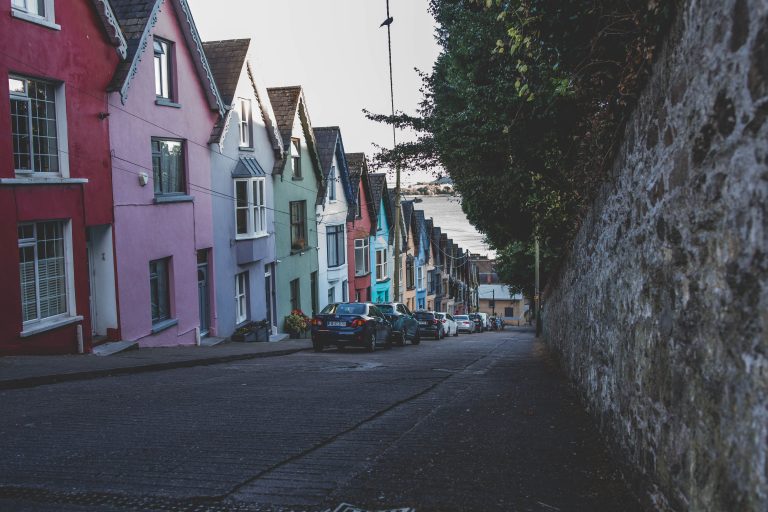
A harbour town of painted houses, the Titanic Experience, and a ferry to the fortress-prison on Spike Island.
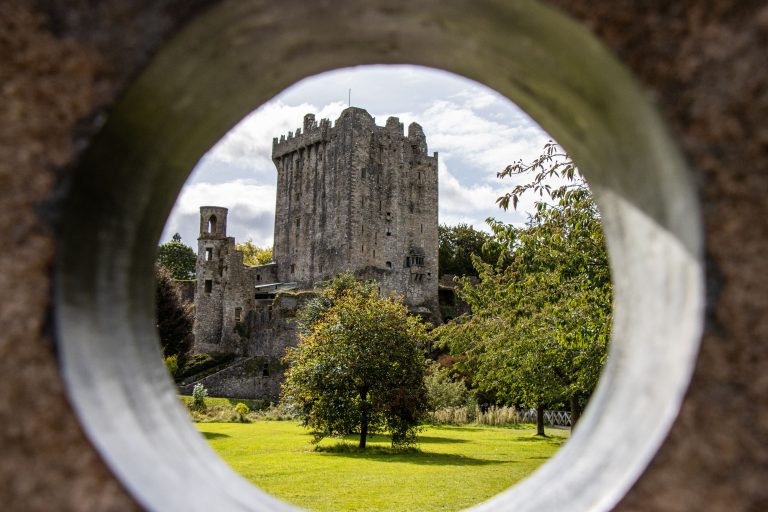
The castle with the stone you kiss upside down for the gift of the gab, and large gardens around it.
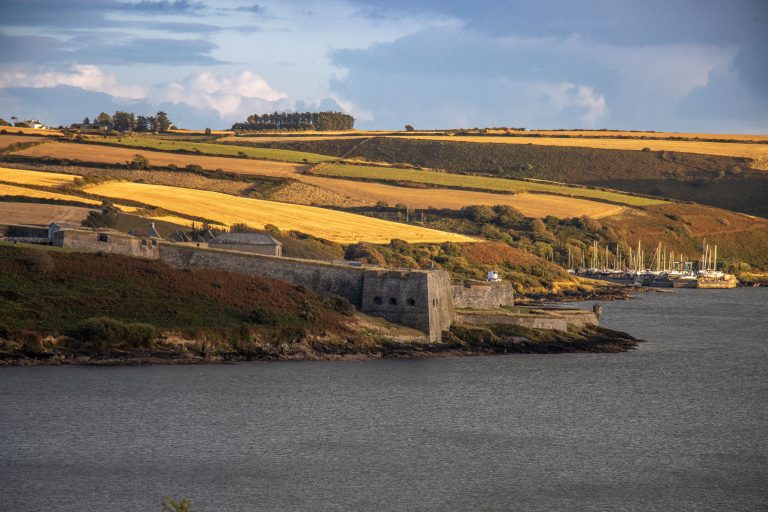
A colourful harbour town, the star-shaped Charles Fort and some of the best restaurants in Ireland.
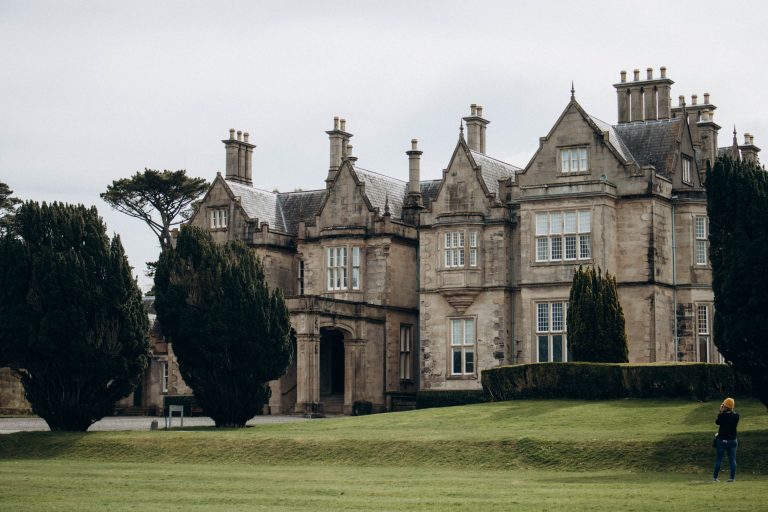
The base for the Ring of Kerry and Killarney National Park.
The Jazz Festival on the October bank holiday weekend is the biggest of the year.
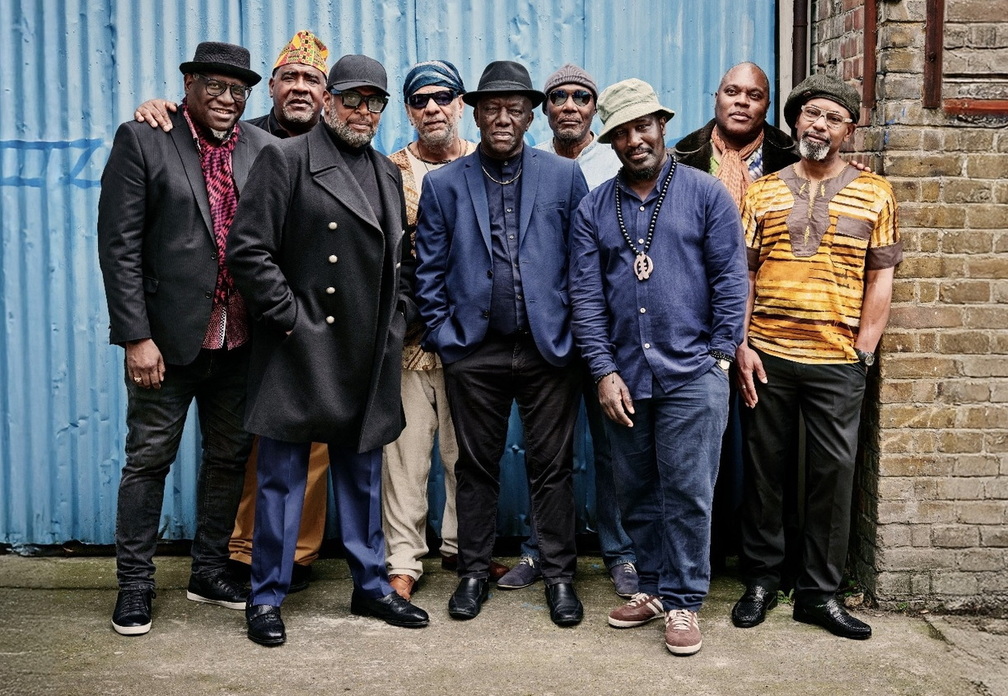 Staff pick
The Guinness Cork Jazz Festival transforms Cork City into a lively hub for jazz lovers, drawing over 100,000 attendees each year. With performances from…
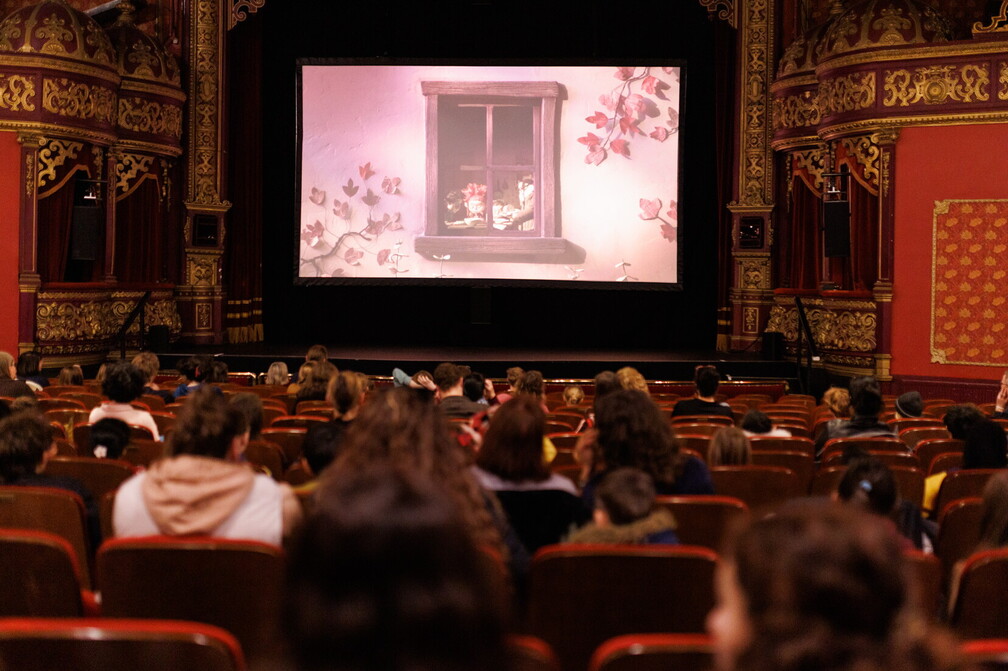 Staff pick
The Cork International Film Festival is Ireland’s oldest film festival, showcasing a diverse selection of Irish and international cinema in the heart of Cork…
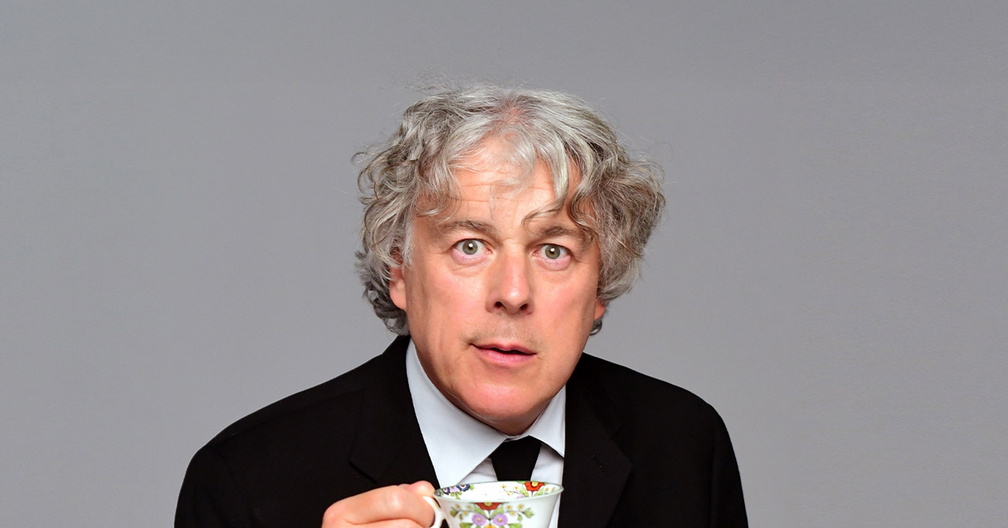 Staff pick
Alan Davies is a renowned British comedian, actor, and writer best known for his role as Jonathan Creek in the long-running BBC mystery series…
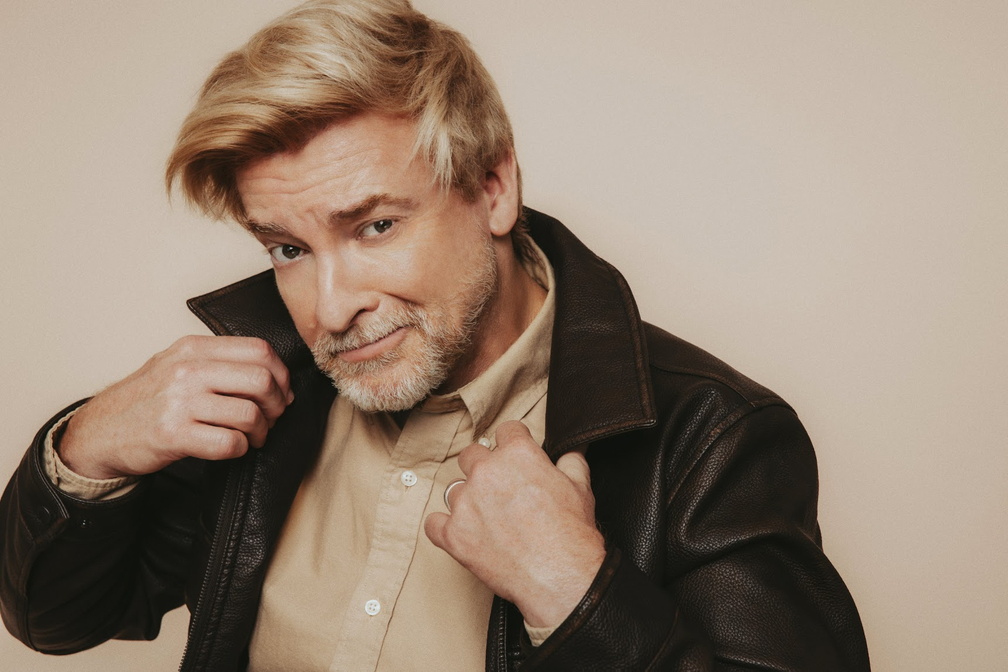 Staff pick
Rhys Darby is a New Zealand comedian and actor known for his quirky characters and physical comedy. With a unique delivery and wild imagination,…
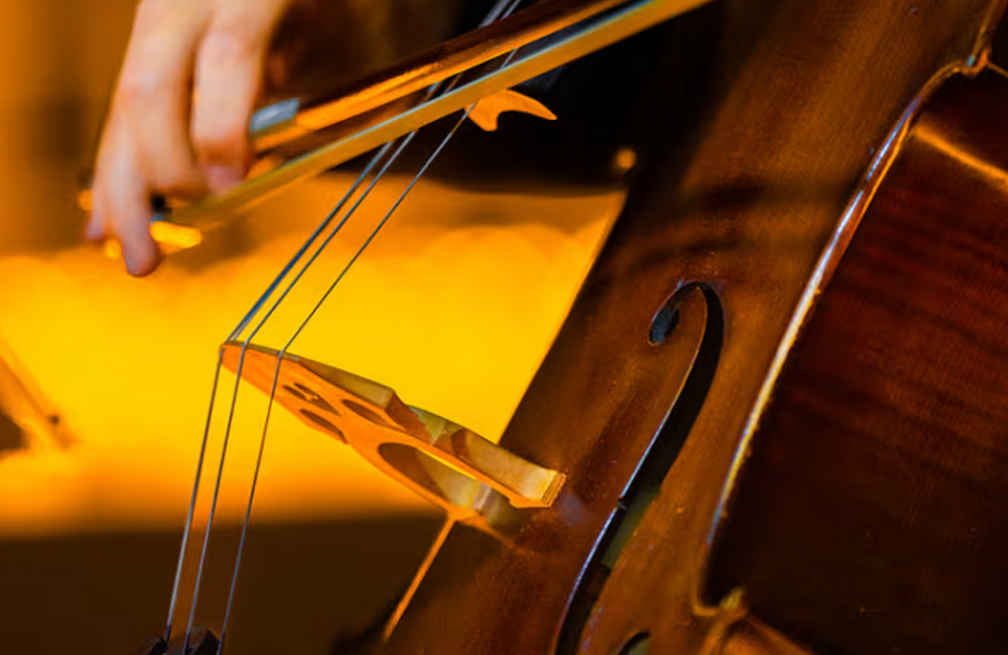
Candlelight concerts create a unique atmosphere by combining live music with the warm glow of candlelight in stunning venues like Aula Maxima. You will…
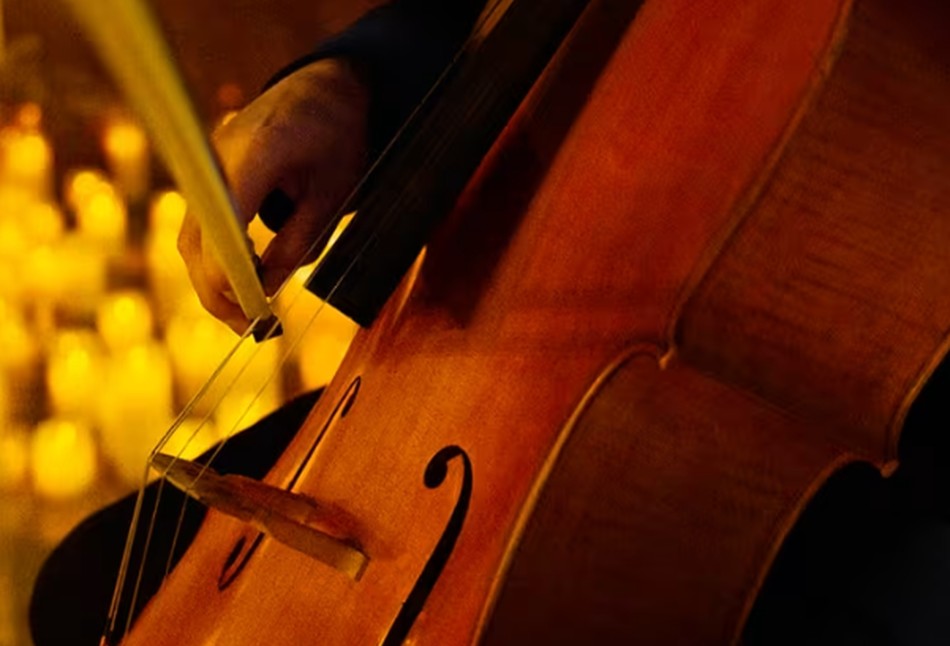
Candlelight concerts create a unique atmosphere by combining live music with the warm glow of candlelight in stunning venues. At this tribute to Queen,…
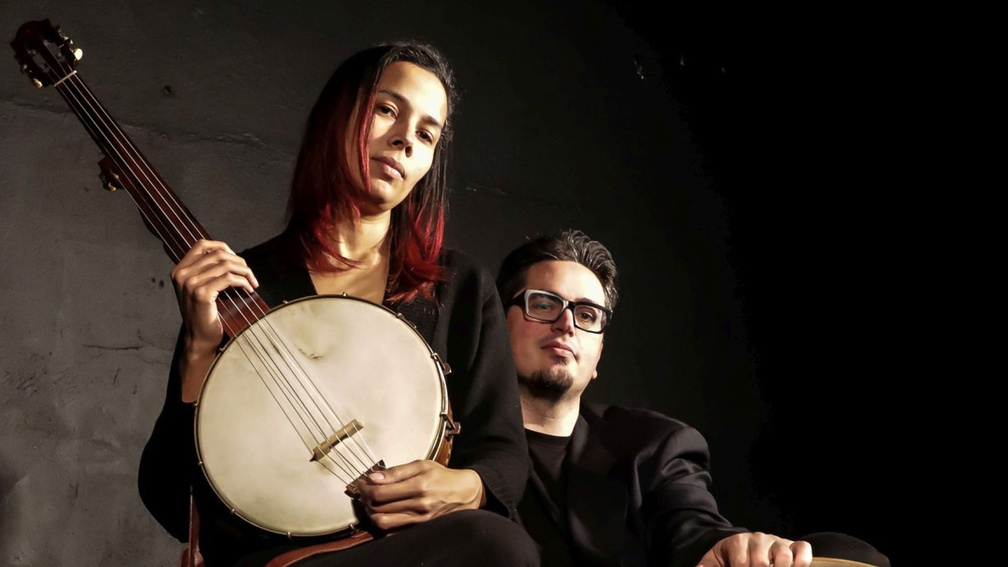
Grammy Award-winning singer and multi-instrumentalist Rhiannon Giddens is an inspiring musical force. Whether crossing genres from blues through Appalachian folk, soul, and country, or…
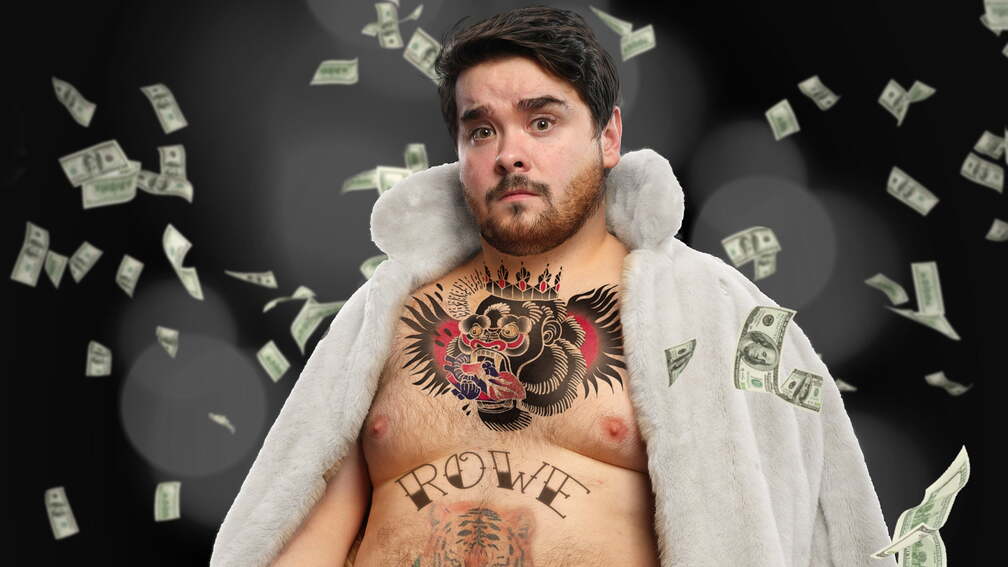
Adam Rowe is an internationally recognized British stand-up comedian who has been performing around the world since 2010. Along with touring across the UK,…
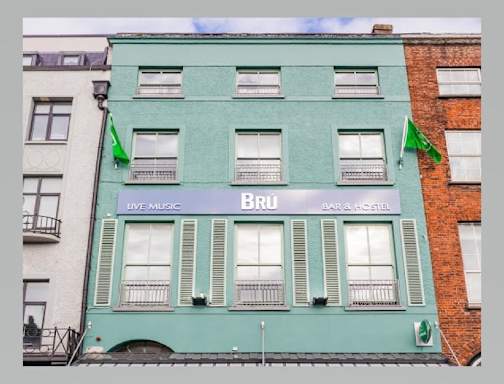
Cork has a small number of hostels, most in the centre within a few minutes of the bus and train stations. These are the top-rated right now, live from Hostelworld.
Cork is mild for Ireland. May to September is best, and October has the Jazz Festival.
Average highs. Cork is one of the mildest parts of Ireland, and one of the wettest cities.
Pick how you travel. Per person per night, in euros.
Transport assumes walking and the odd bus. The train to Cobh is a few euros each way.
The ones we get asked most.
Compare Cork hostels — live prices, real reviews and free cancellation on most bookings. Then meet the people already there in the app.

 Get the App.
 Get the App.