Markt and Burg
First-timersThe two central squares with the belfry, the town hall and the Holy Blood chapel. Busiest by day, empty by night.

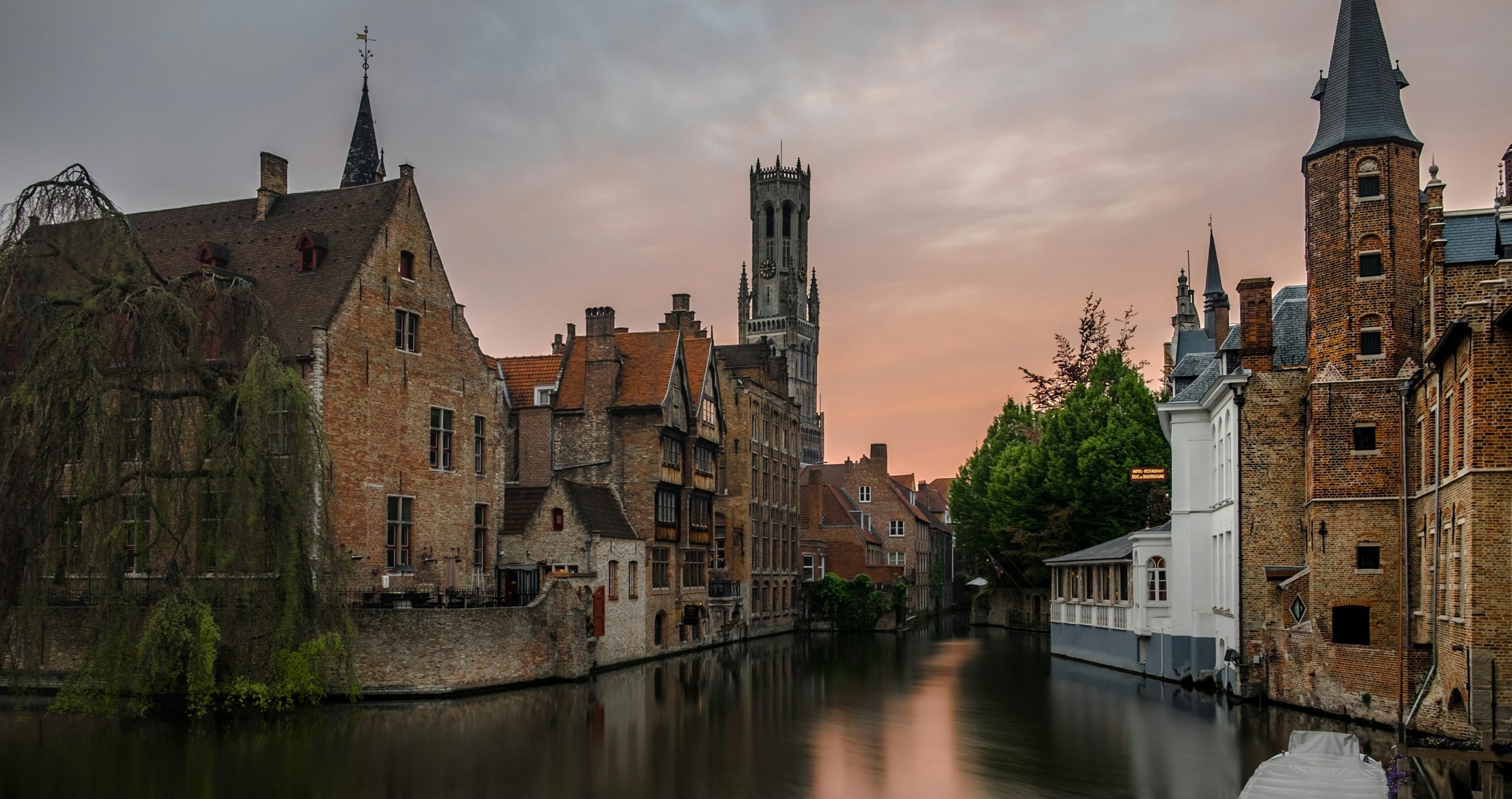
A medieval trading city preserved because it went broke, with canals, a belfry and eight million visitors a year. Stay the night and you get it almost to yourself.
Bruges was one of the richest cities in Europe in the fourteenth century, trading wool and cloth through a channel to the sea. The channel silted up, the money went to Antwerp, and the city spent 400 years too poor to knock anything down — which is why it looks the way it does.
That preservation is now the entire economy. Eight million people a year come through, most on coaches for the day, and between eleven and four the Markt is close to unwalkable.
The trick is simple: stay over. After the last coach leaves, the canals empty, the lanes go quiet and the city becomes genuinely lovely. Anyone who tells you Bruges is a tourist trap saw it at two in the afternoon.
Two days, or one night done properly.
The whole historic centre is inside an egg-shaped canal ring, and it is small.
The two central squares with the belfry, the town hall and the Holy Blood chapel. Busiest by day, empty by night.
North-east of the centre: windmills on the ramparts, almshouses and residential streets ten minutes from the Markt.
South of the centre by the Minnewater park, with cheaper beds and a twenty-minute walk in.
Orange labels are neighbourhoods, dots are the 8 top-rated hostels. Map © MapTiler © OpenStreetMap contributors.
Climb the belfry. It is 366 narrow steps to the top of a 83-metre tower over the Markt, tickets are timed and it sells out, so book online the day before. The carillon of 47 bells plays from just below the platform, which is loud and worth timing for.
The Church of Our Lady holds Michelangelo's Madonna and Child, the only sculpture of his to leave Italy in his lifetime, bought by a Bruges merchant in 1504.
The Groeningemuseum has the Flemish Primitives — Van Eyck and Memling — painted here when this was the richest city in northern Europe.
A canal boat is €15 for half an hour and is worth it once. Go at the first or last departure to avoid the queue.
The Begijnhof, a walled courtyard of white almshouses, is free and is the quietest corner of the city.
Walking the city at eight in the morning or after nine at night is free, and it is the best thing here — the same lanes and canals without the crowds.
The Begijnhof courtyard and the Minnewater park beside it cost nothing.
The ramparts walk runs around the old city wall line past four surviving windmills, and takes about an hour.
The Burg square's town hall facade, the Markt's guild houses and the canal views from Rozenhoedkaai — the most photographed spot in Belgium — are all free.
Chocolate shops give samples freely and without much resistance.
The Markt restaurants with picture menus and people outside waving you in are the ones to walk past. Two streets away the same moules-frites is €8 cheaper and better.
Flemish stew — beef in dark beer — and waterzooi, a creamy chicken or fish stew, are the local dishes at €18 to €26.
Chocolate is serious here. The good shops make on site and will tell you so; the ones selling identical pralines in identical boxes on the main streets are not those.
De Halve Maan is the last working brewery in the centre, with a tour and a beer at the end, and a two-mile underground pipeline that pumps its beer to the bottling plant outside the city — which is a genuine thing and not a joke.
Modest, and it is not why people come. A handful of good bars around the centre — 't Brugs Beertje with 300 beers is the one beer drinkers make the trip for, and Le Trappiste in a thirteenth-century cellar.
Most places close by one or two, and Bruges is a city that genuinely goes to bed.
A beer is €4 to €6, and the abbey ales here run strong.
For a real night out, Ghent is 25 minutes away by train and has 70,000 students. Plenty of people stay in Bruges and go there for the evening, and the last train back is late enough to make it work.
You walk. The historic centre is about two kilometres across and closed to most traffic, and nothing is more than twenty minutes from anything else.
The station is a twenty-minute walk south of the Markt, or a short bus ride at €2.50.
Trains reach Ghent in 25 minutes, Brussels in an hour and Antwerp in an hour and a half. The Weekend Ticket halves national fares on Saturdays and Sundays.
Bikes are the local transport and rental is €10 to €15 a day, which is the best way to do the ramparts and to reach Damme along the canal.
Horse carriages cost €60 for 30 minutes and you can walk the same route in twenty.
Expensive for Belgium, because everything is aimed at eight million visitors. Dorms are €25 to €45, a main €18 to €26 in the centre, and a beer €4 to €6.
A day is €60 to €95.
The savings are straightforward: eat two streets off the Markt, buy chocolate where it is made rather than on the main drag, walk instead of the €60 carriage, and use the free things — the ramparts, the Begijnhof, the early morning.
Museum entry is €12 to €15 each, and a combination ticket covers several if you are doing more than two.
Bruges is very safe, including at night when the centre empties, and serious crime affecting visitors is rare.
Pickpocketing happens in the Markt crowds in the middle of the day, which is the one time the city is packed.
The canals have no railings along much of their length and the cobbles are uneven and slippery in rain. People do fall in, usually after a few of the strong local beers.
Cyclists move fast through the lanes and have right of way in marked areas, and the centre's narrow streets mean you will hear a bell behind you. Emergency number is 112.
The coast, a windmill village and two better cities, all within an hour.
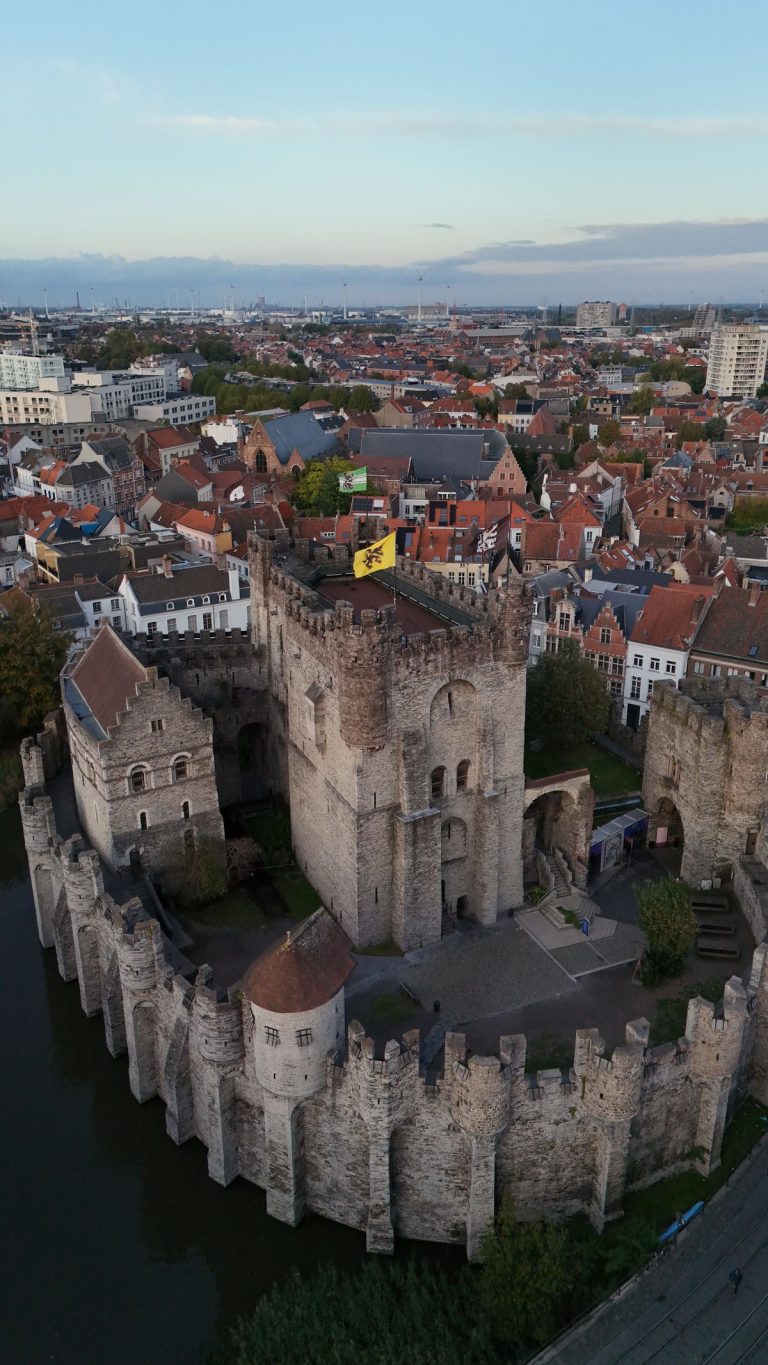
The same canals with 70,000 students and a fraction of the coaches. Many people prefer it.
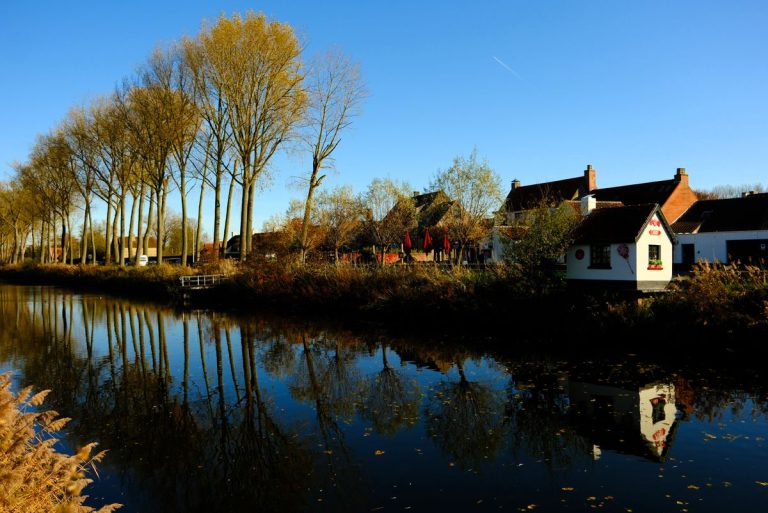
A small town at the end of a tree-lined canal, reached by bike in half an hour. The ride is the point.
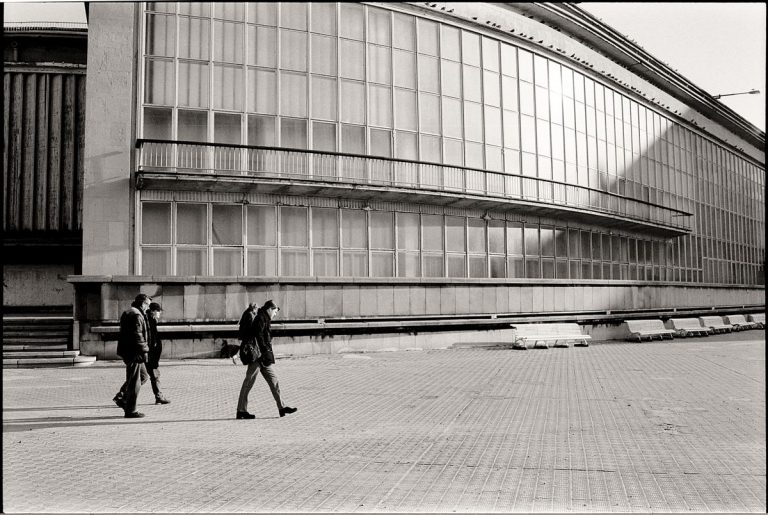
The North Sea coast: a long beach, a promenade, and the tram that runs the entire Belgian coastline.
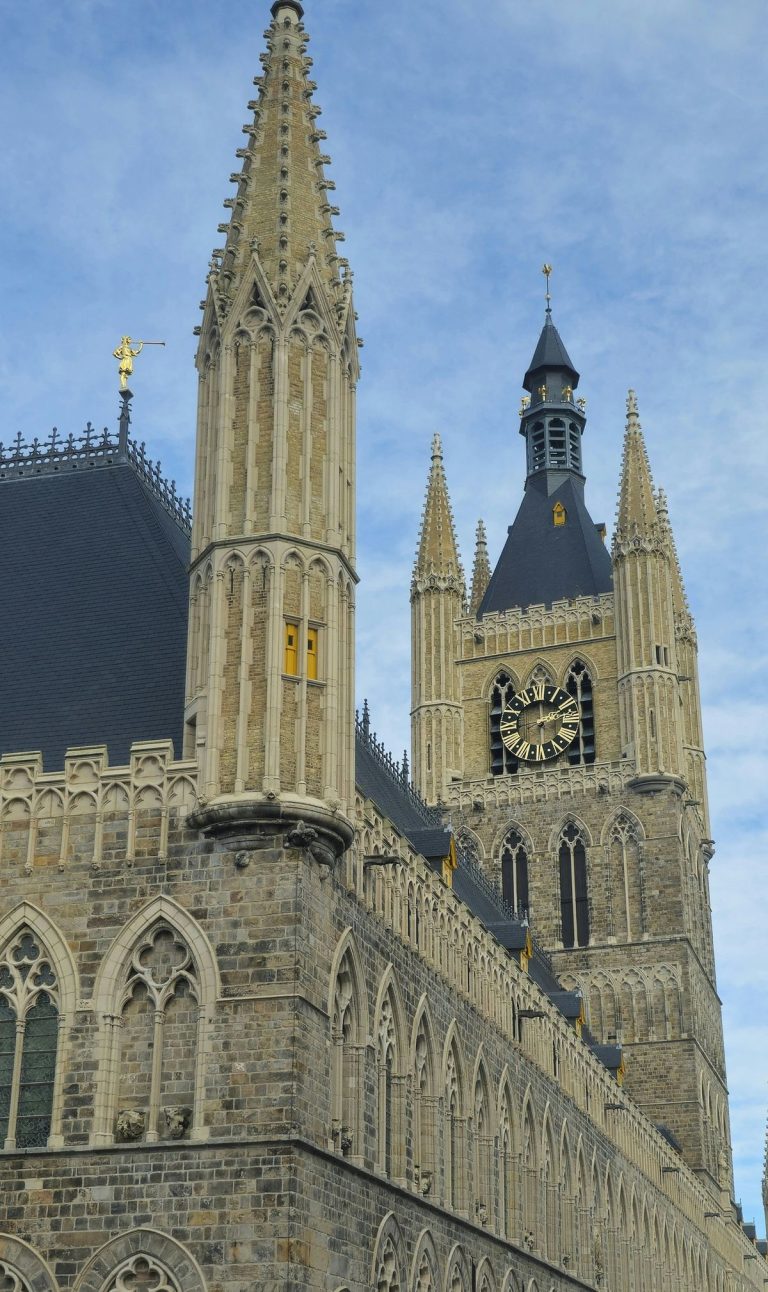
First World War battlefields, cemeteries and the Last Post sounded under the Menin Gate every evening at eight.
One procession dates to 1304 and is UNESCO-listed.
 Staff pick
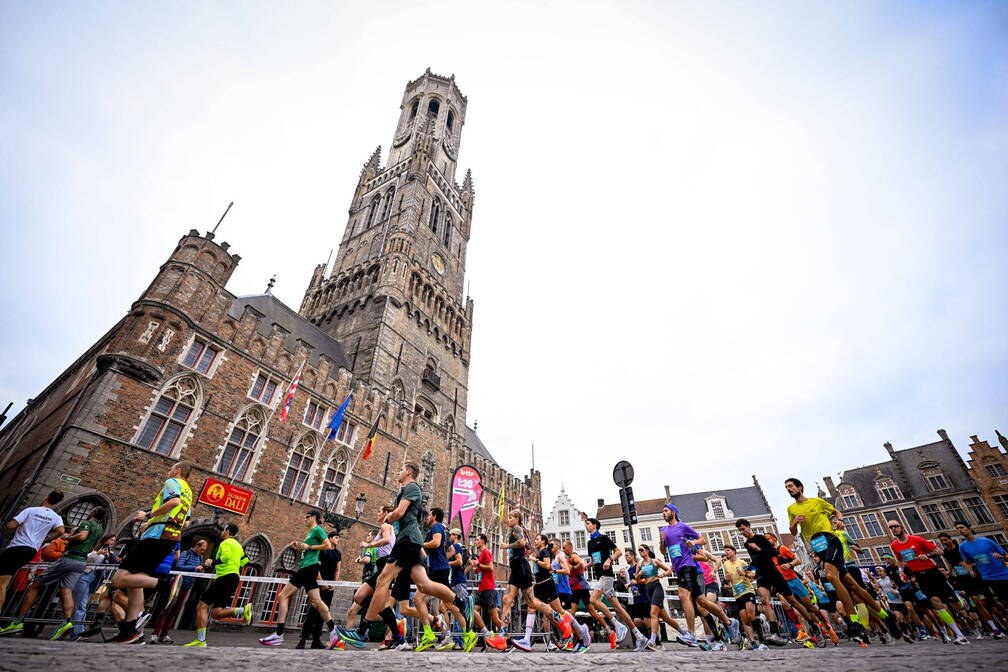
The Athora Bruges Marathon is a major annual running event in Bruges, Belgium, drawing thousands of runners from both Belgium and abroad. Participants enjoy…
 Staff pick
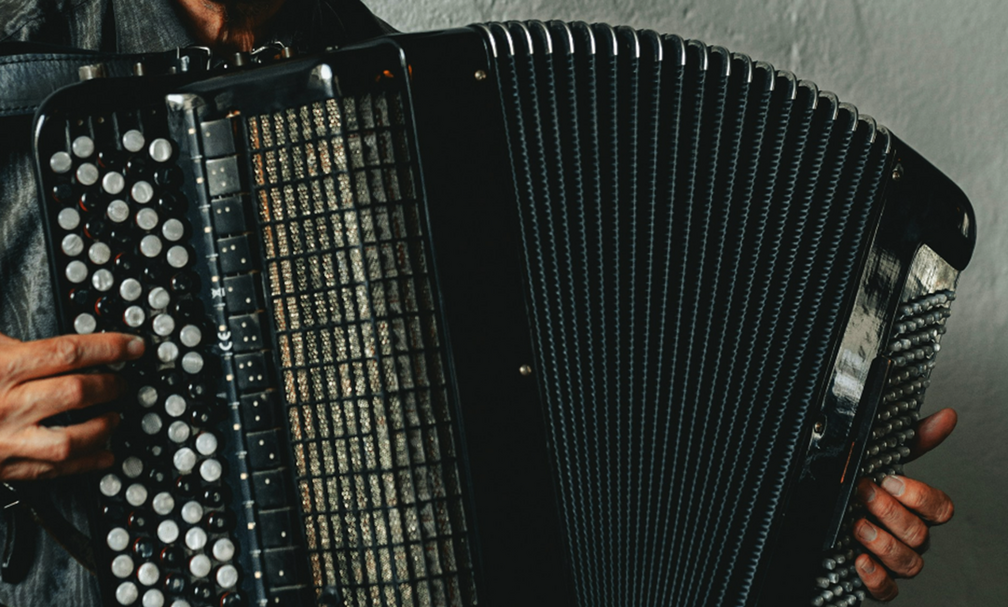
Accordion Festival in Bruges, Belgium, brings together accordion enthusiasts and musicians of all ages for a lively celebration at the Magdalena Hall. The event…
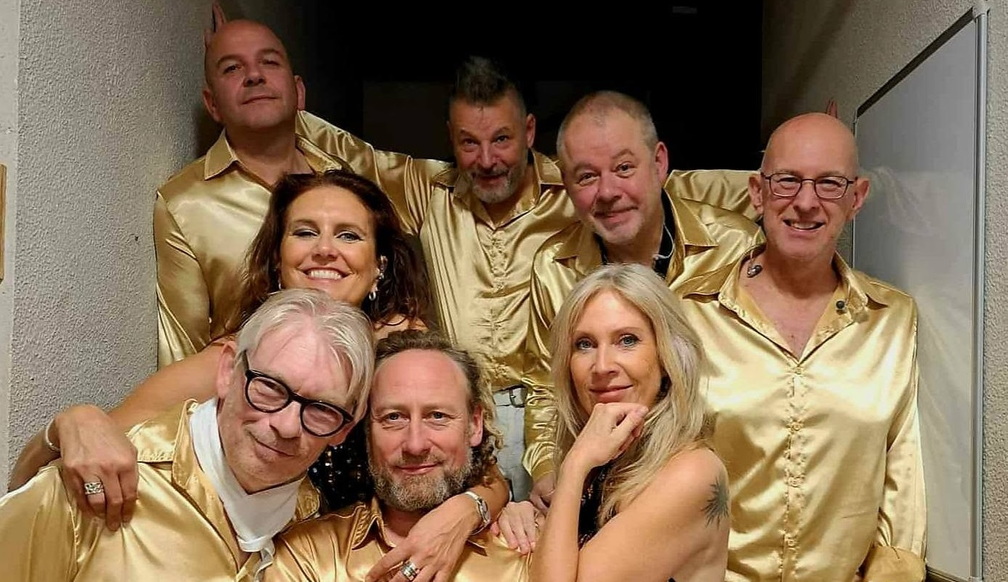
Experience the magic of Wembley 1979 with Abba4U in a lively tribute show celebrating ABBA's world tour highlight at Wembley Arena. The performance includes…
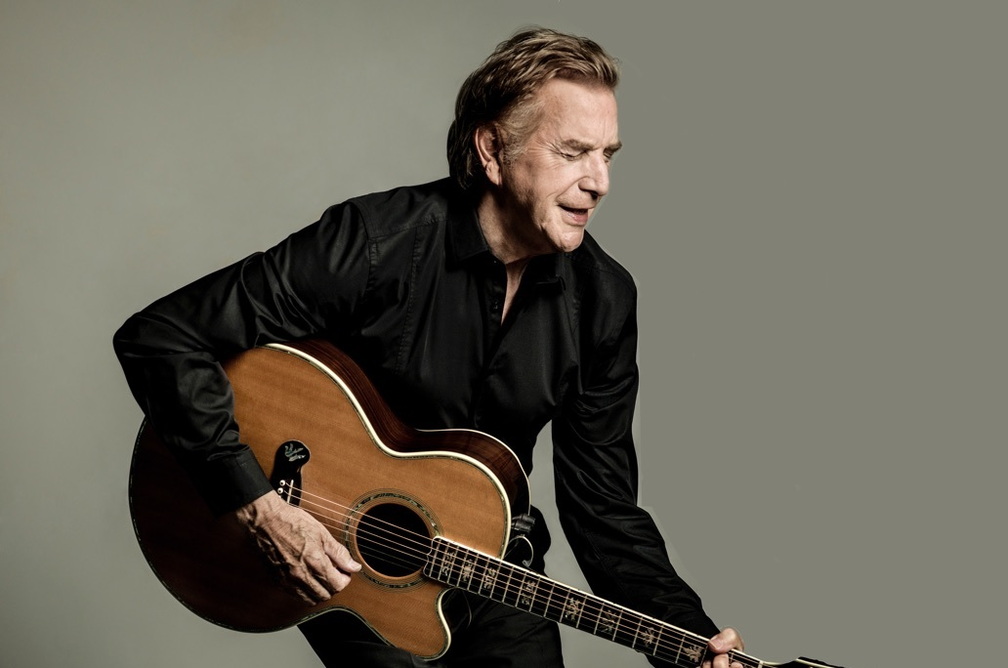
Will Tura, known as the emperor of Flemish song, is celebrated through a tribute by the band El Bandido. The show takes you on…
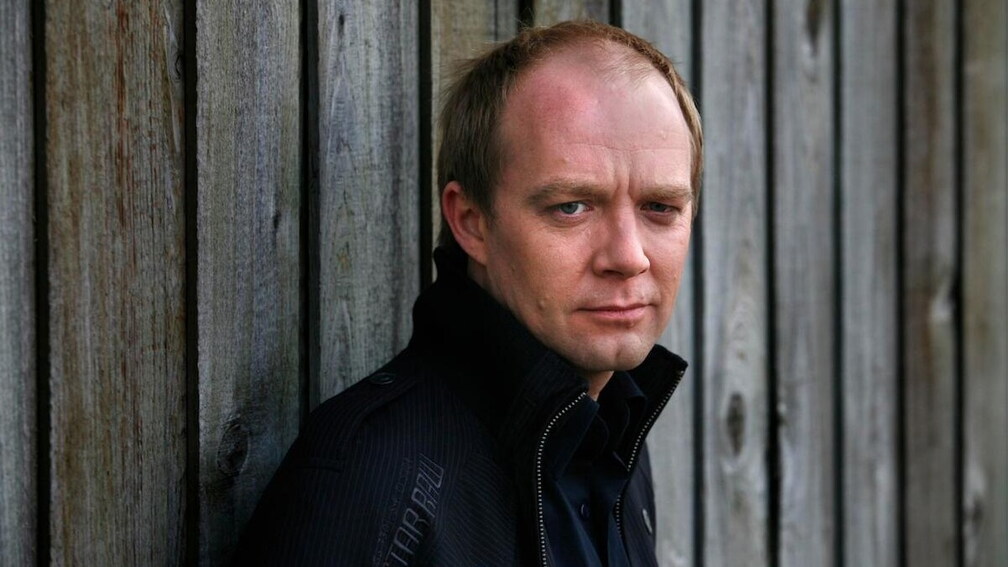
Derek Ogilvie is a Scottish medium and television personality known for his live psychic demonstrations. He’s built a following with his emotional readings and…
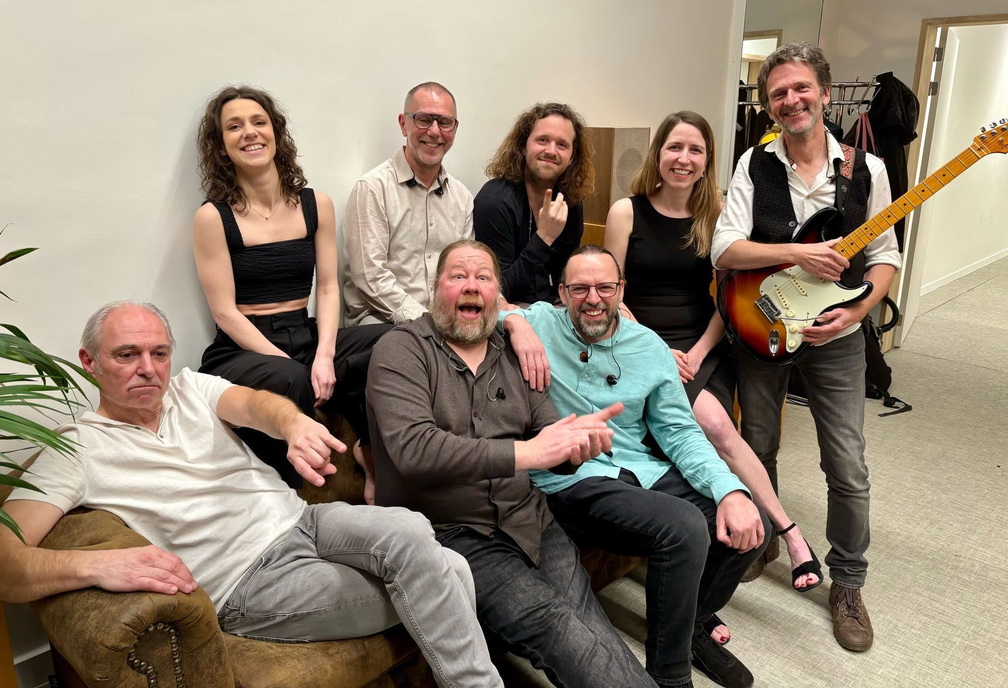
A Pink Floyd experience returns to theater venues with an impressive live band, sound, and light show enhanced by new video projections. The Belgian…
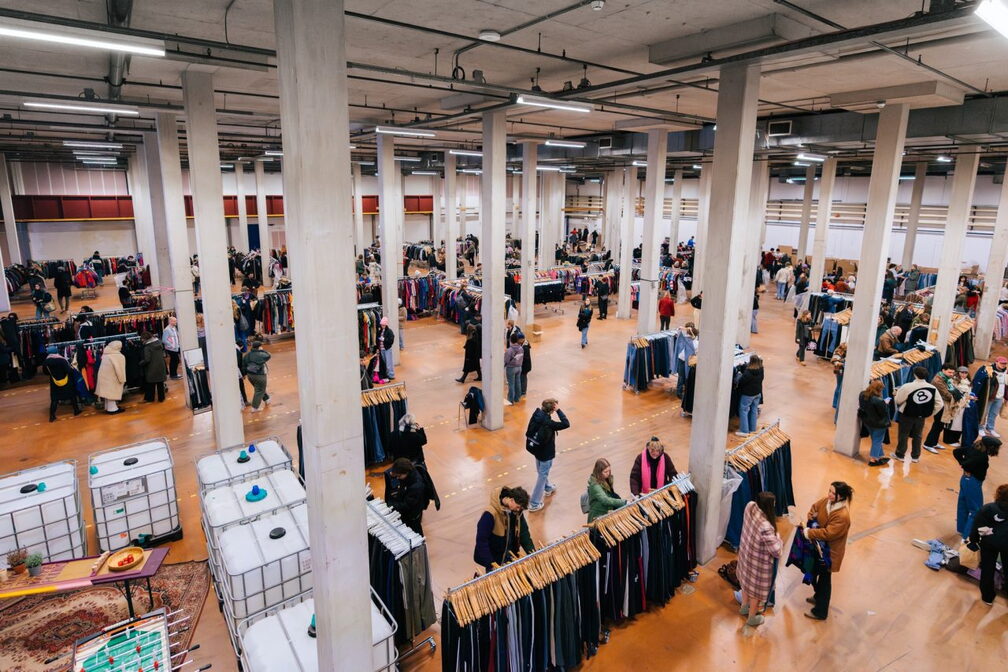
Fair Priced Vintage Day 1 is a large vintage clothing market held in Europe. You can explore a wide range of vintage apparel and…
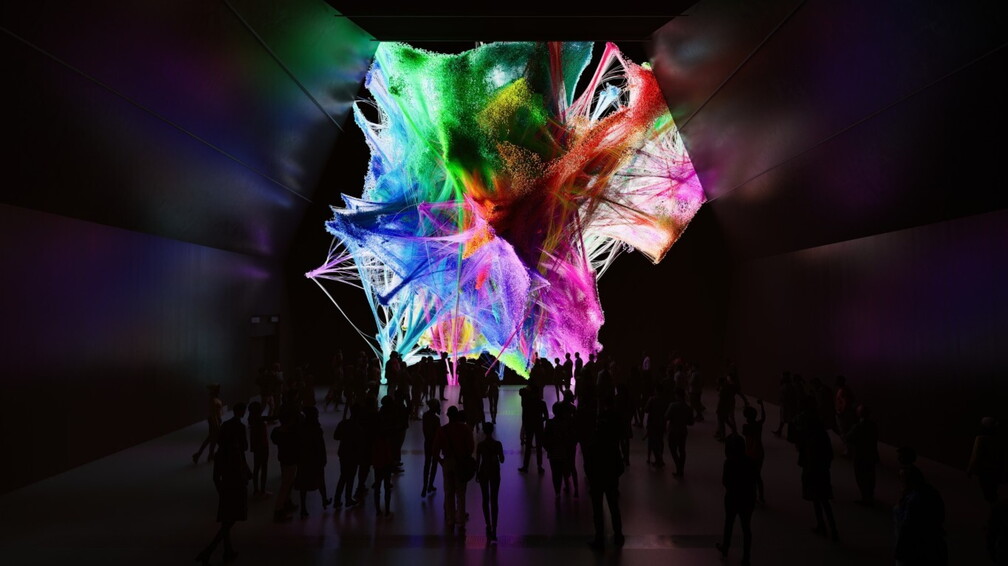
Refik Anadol brings a groundbreaking exhibition to BRUSK, showcasing his pioneering digital art created with artificial intelligence. The exhibition transforms the city of Bruges…
A small scene, and staying over is the single best decision you can make here. Live from Hostelworld.
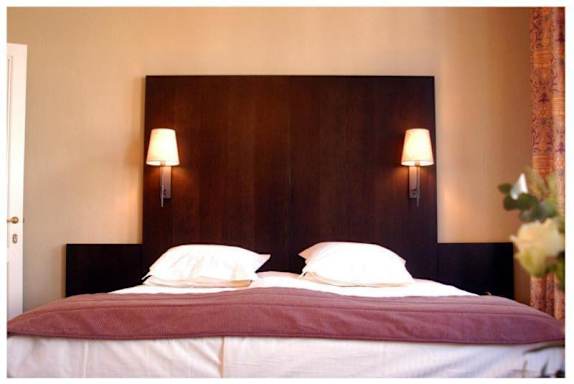
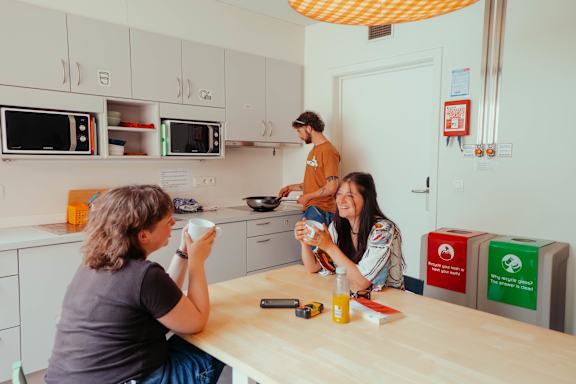 Sustainable
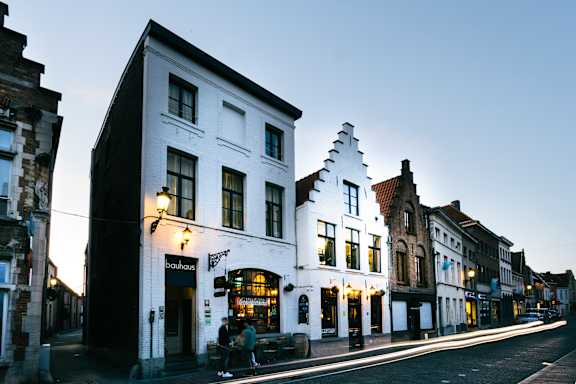
 Sustainable

Shoulder months, and always stay over. The city is a different place after the coaches leave.
Average highs. The crowd calendar matters more than the weather here — any month is pleasant if you are out before ten or after seven.
Pick how you travel. Per person per night, in euros.
Transport is low because you walk everywhere. Museum entries at €12–15 each are the main variable.
The ones we get asked most.

Compare Bruges hostels — live prices, real reviews and free cancellation on most bookings. Then meet the people already there in the app.

 Get the App.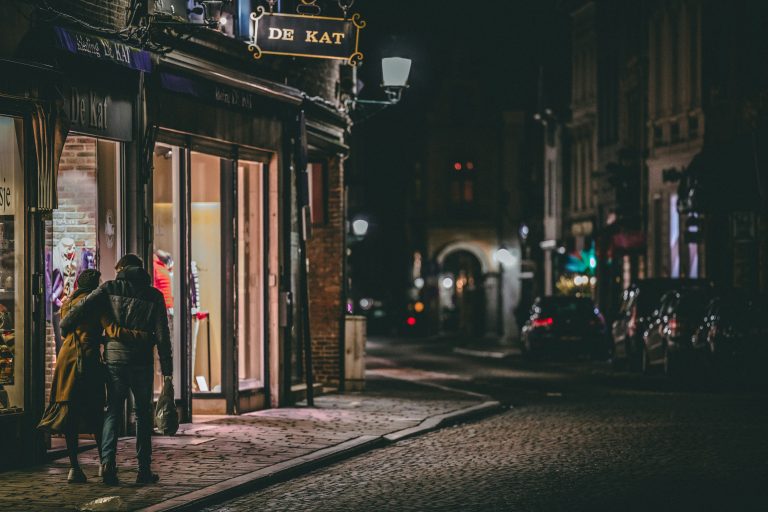
 Get the App.